
10 Church Potluck Casseroles That Divide Entire Families
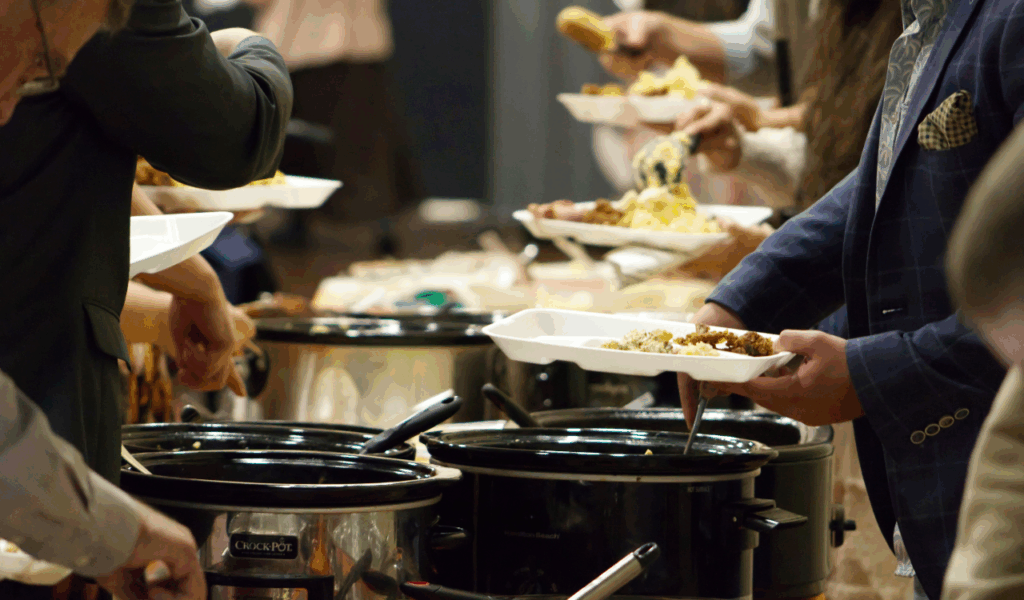
The church potluck is the ultimate place for judging food. A single dish can make or break a reputation, or start a cold war between pews that lasts for ten years. These events are designed to bring people together, but some casseroles operate as lightning rods that split families into groups that are passionately committed to one another. Interior designers often say that the “potluck aesthetic,” which is a sea of mismatched Pyrex and aluminum foil, is a unique cultural look that means both comfort and chaos. In this world, the “secret ingredient” can make some people proud and make others suspicious right away.
Community organizers and hospitality experts say that the most controversial dishes are those that go against tradition or add new textures to old favorites. One expert event planner says, “Experts say that nostalgia is the strongest seasoning at a potluck, and when you change a classic recipe, you are changing someone’s childhood memories.” Chefs who specialize in regional comfort food say that these casseroles are typically “legacy dishes” passed down through generations, so any criticism feels like an attack on a family’s heritage. It’s a high-stakes place where the difference between a “signature dish” and a “culinary crime” is very little.
1. The Classic Sweet Potato Casserole with Marshmallows
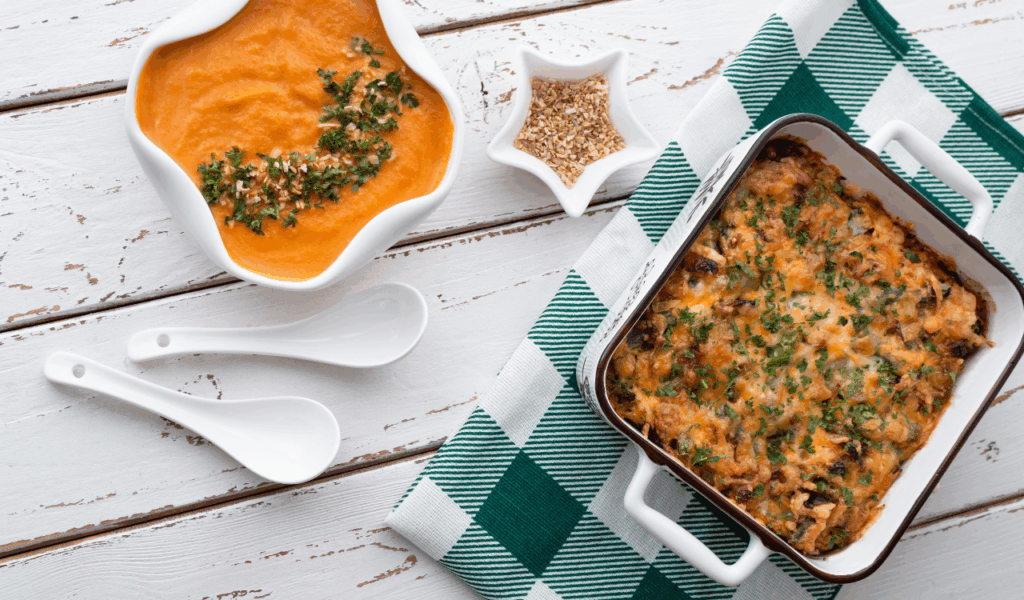
This meal is at the crux of the “sugar vs. savory” argument that has divided Southern households for more than 100 years. One side of the family says that the gooey, toasted marshmallow topping is the only way to honor the sweet potato’s innate dessert-like features. On the other hand, the family’s “health-conscious” aunts often lead the charge for a pecan streusel as the only topping that won’t make you collapse during the sermon. Experts argue that the marshmallow camp is frequently only about nostalgia, while the pecan camp cares more about a nuanced crunch.
Professional organizers who plan big community dinners say that this dish is most likely to be left alone if the “wrong” topping is utilized. According to a food expert, “Designers of festive menus say that the marshmallow version is basically a dessert pretending to be a side dish.” People who have been to real-life potlucks say that the “marshmallow war” can cause two different versions of the same dish to sit next to each other on the buffet line. It is a fight between textures and sugar levels that determines who sits where at the holiday dinner and in the church basement.
2. The Tuna Noodle Casserole with Crushed Potato Chips
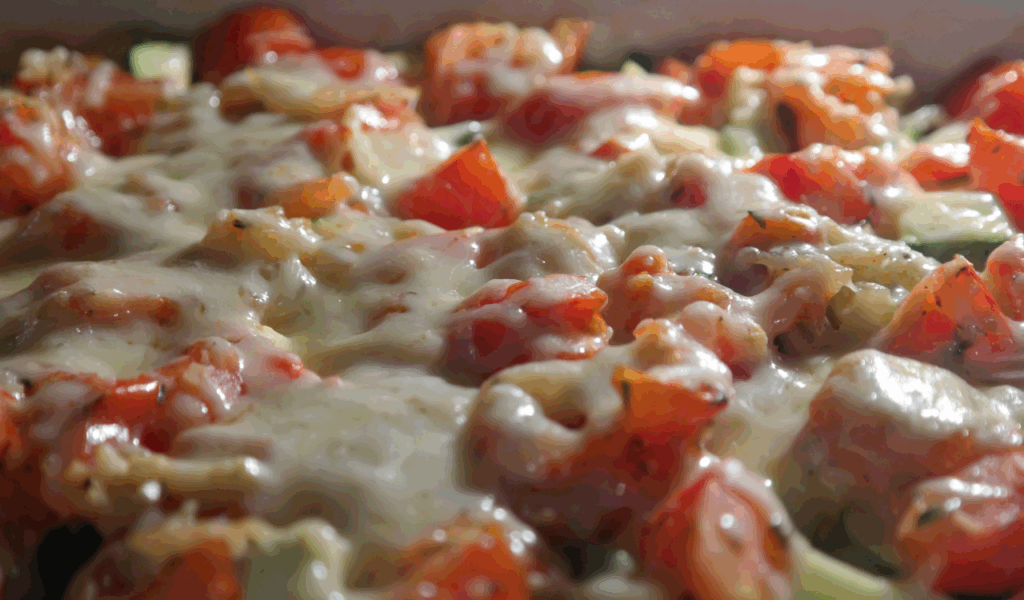
A thick layer of oily, crumbled potato chips on top of a tuna noodle casserole is the best evidence of a “Midwestern standoff.” For supporters, the chips add a salty bite that cuts through the thick cream-of-mushroom base. But family members who don’t like the chips typically say that they get mushy and greasy after being on the warming tray for thirty minutes. Experts say that the choice of chip brand—standard or kettle-cooked—can also lead to heated arguments about how strong the structure is and how much salt it has.
People who plan regional food festivals say this meal is the church social’s ultimate “love it or hate it” dish. A culinary historian says that chefs say that newer generations don’t like using canned tuna because they would rather have fresh or sustainably obtained fish. Designers of efficient kitchen processes like the meal because it can be made in large quantities for a low cost, but that doesn’t stop family members from talking about how “fishy” it smells. It is still a classic that people either love or hate, depending on their tastes.
3. The “Funeral Potatoes” with Cornflake Topping
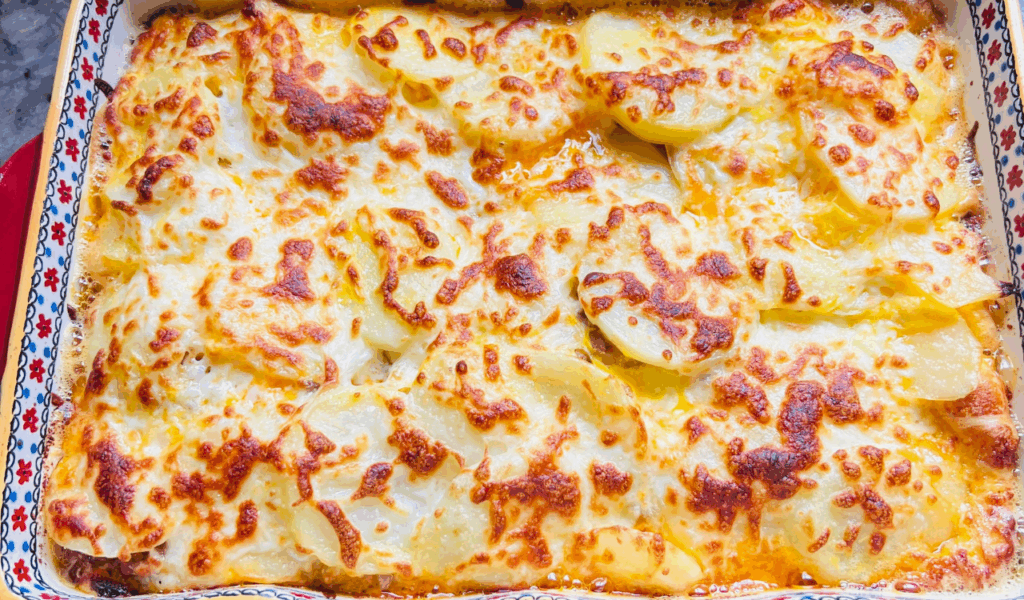
This dish is often called “Cheesy Hashbrown Casserole,” and it is a common dish for mourning and celebrating together. However, the topping is a source of major family conflict. The “rebel” side of the family might recommend Ritz crackers or even panko breadcrumbs, while the “traditional” side swears by the buttered cornflake crust. Experts believe that traditionalists can’t live without the cornflake topping because they love how it “snaps” against the soft, creamy potatoes. Changing the topping changes the dish’s very essence.
“Funeral Potatoes” are the most popular meal for church events, according to expert organizers. However, they also get the most “backseat cooking” advise. A hospitality expert explains, “Designers of comfort food menus say that the heavy use of sour cream and canned soup is what makes the dish so addictive and so controversial.” Family members often argue about whether the hash-browns should be diced or shredded. This difference in texture can lead to “potluck exile” for life. If you don’t break the family “law,” it’s a dish that represents the utmost comfort.
4. The Pineapple and Cheddar Cheese Casserole
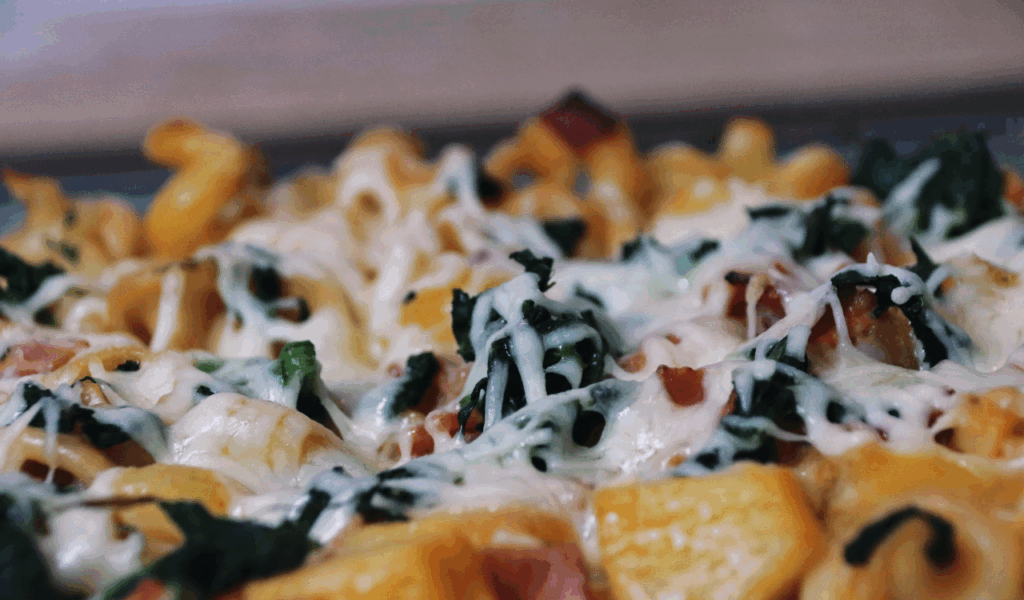
This strange dish from the South is a great example of “fruit-meets-savory” that makes some family members happy and others bewildered. Some church grandmothers swear by the “secret weapon” of canned pineapple chunks, sharp cheddar cheese, and a buttery Ritz cracker topping. But the younger generation typically finds the dish both horrifying and interesting, and they wonder why anyone would want to eat warm, cheesy fruit. Experts argue that the dish’s “sweet and salty” flavor characteristic is typical of American regional cooking.
Designers of unusual meals say that this casserole is a great way to start a debate, but it frequently ends in a family deadlock. “”According to the people who plan community potlucks, this is the dish that people either take a huge scoop of or politely smile and avoid,” explains a social historian. Supporters say that the acid in the pineapple balances out the cheese’s heavy richness, while critics just can’t get over how it feels. It is a meal that pushes the limits of “fusion” cooking and often splits the family tree right down the middle.
5. The Broccoli Rice Casserole with “Jarred” Cheese Sauce
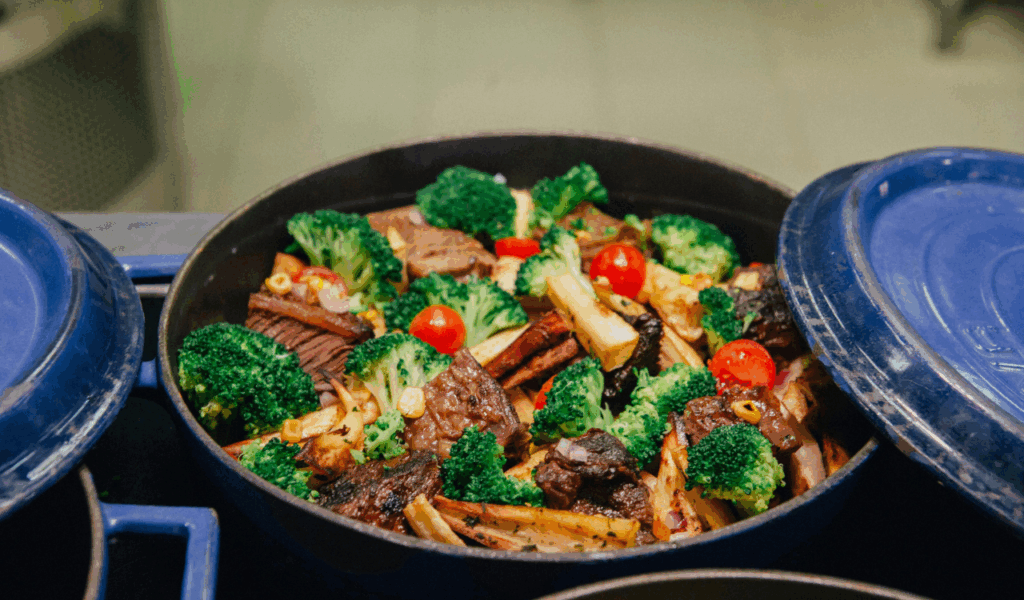
A lot of people think that using a certain neon-orange canned cheese sauce is the only “real” method to create this church basement favorite. The “from-scratch” wing of the family often tries to help by making a homemade mornay sauce, which the traditionalists regard as “acting fancy.” Experts believe that the emulsified consistency of processed cheese is something that home-cooked sauces can’t get in a slow cooker. This causes a conflict between the “purity” of cooking and the comfort of prepared foods that remind us of home.
Professional organizers say that this casserole is the “safe bet” that actually produces the most family strife over the quality of the ingredients. “A kitchen consultant says that designers of menus with a lot of volume like the shelf-stability of jarred sauce, but chefs say it doesn’t have any real depth of flavor.” The “orange” version will be defended to the death by family members who grew up with it, while the “foodie” cousins will spend the whole meal explaining why a genuine roux is important. Every Sunday, there is a fight between convenience and skill.
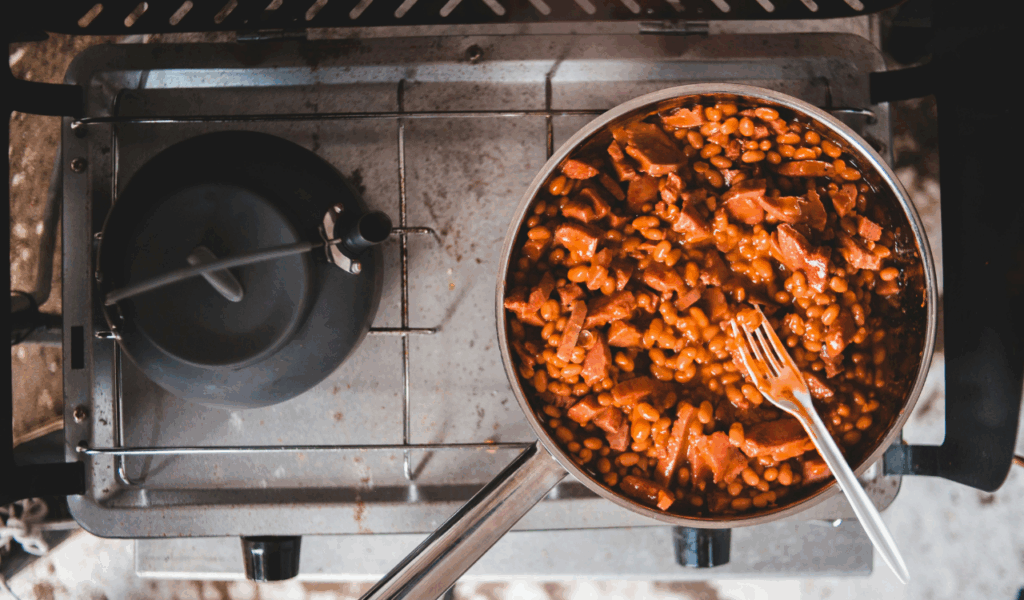
6. The Green Bean Casserole with “Too Many” Onions
A lot of people think that using a certain neon-orange canned cheese sauce is the only “real” method to create this church basement favorite. The “from-scratch” wing of the family often tries to help by making a homemade mornay sauce, which the traditionalists regard as “acting fancy.” Experts believe that the emulsified consistency of processed cheese is something that home-cooked sauces can’t get in a slow cooker. This causes a conflict between the “purity” of cooking and the comfort of prepared foods that remind us of home.
Professional organizers say that this casserole is the “safe bet” that actually produces the most family strife over the quality of the ingredients. “A kitchen consultant says that designers of menus with a lot of volume like the shelf-stability of jarred sauce, but chefs say it doesn’t have any real depth of flavor.” The “orange” version will be defended to the death by family members who grew up with it, while the “foodie” cousins will spend the whole meal explaining why a genuine roux is important. Every Sunday, there is a fight between convenience and skill.
7. The Layered Pea Salad (That Some Call a Casserole)
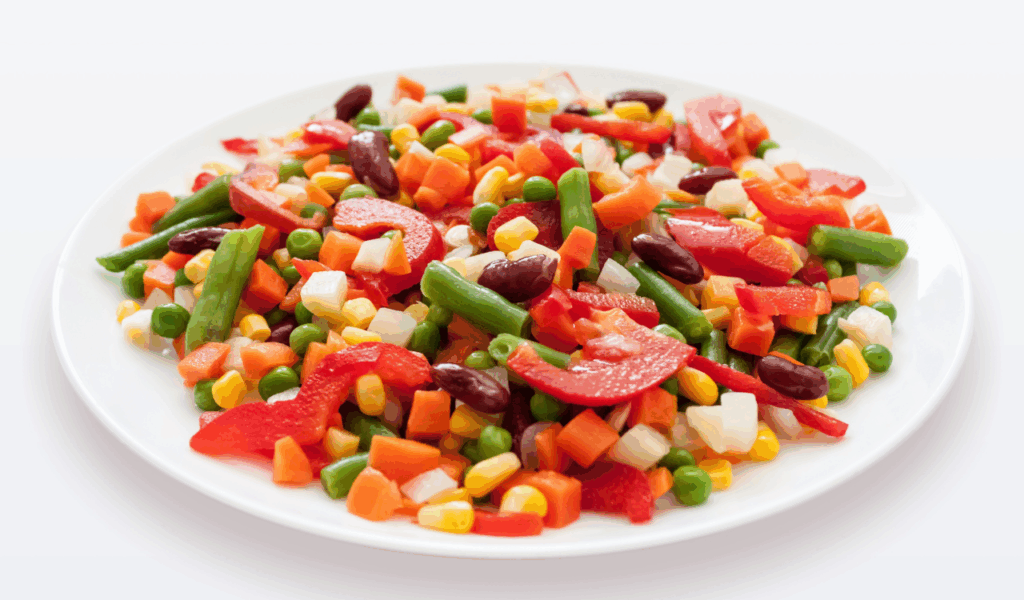
Even though it’s technically a cold “salad,” the fact that it’s in a 9×13 Pyrex dish with a layer of bacon or cheese on top makes it a casserole in the church hall. The disagreement here is mainly about whether or not to add mayonnaise and sugar, which makes a dressing that some people like refreshing and others find too sweet. Family members often fight about whether the peas should be frozen, canned, or, God forbid, fresh. Experts claim that “layering” is a type of visual art that shows how much work the cook put into a dish that is basically merely thrown together.
People who make retro-style menus say that the “Pea Salad” is one of the few dishes from the 1970s that still divides families today. A food reviewer says, “According to the organizers, the addition of hard-boiled eggs is the most controversial ‘extra’ that can make or break the dish’s popularity.” Some people think of it as a light, vegetable-heavy side dish, while others think of it as a “mayo-bomb” that shouldn’t be served with fried chicken. It is still a controversial artifact that leads to endless disputes over what a “salad” and a “dessert” are.
8. The Cornbread Dressing with “Controversial” Oysters
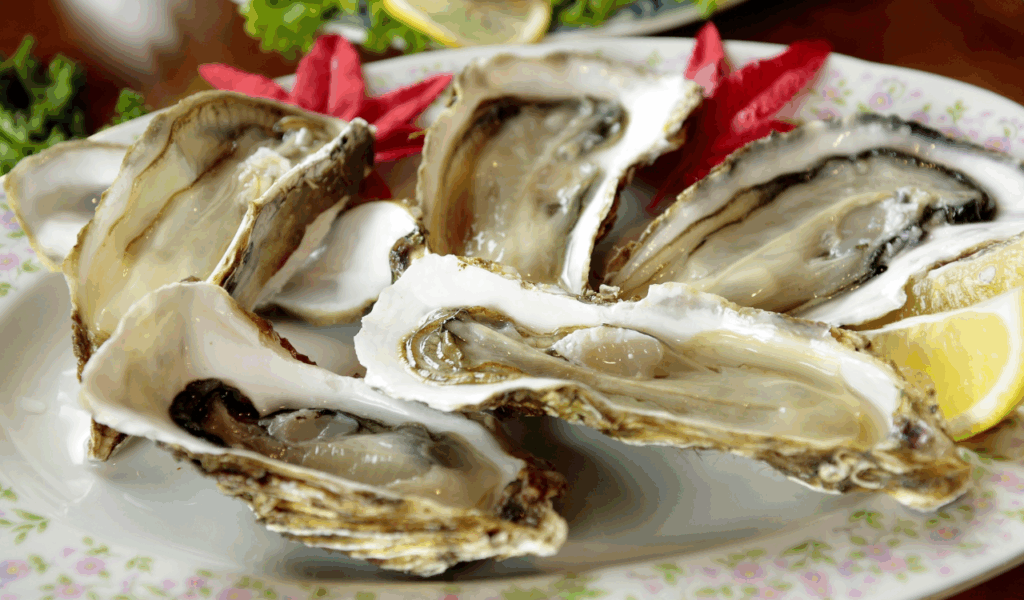
Adding oysters to cornbread dressing is a sign of high status and tradition in coastal areas and some parts of the South, but for many family members, it’s a deal-breaker. The “Oyster Divide” is one of the most heated in church potluck history because the mushy, salty texture of the shellfish is a big turn-off for people who like meat and potatoes. Experts claim that the quality of the oysters is the most important thing, because one lousy bivalve can spoil the whole pan and the family’s weekend. Many people choose not to bring this food since it is high-risk and high-reward.
Professional organizers say that this dish needs a “warning label” to keep people from accidentally getting seafood allergies and being disappointed. A seafood expert says, “Designers of regional heritage menus celebrate the oyster for its historical significance, but chefs say it is the most polarizing ingredient in the dressing category.” Families often address this by giving the youngsters a “oyster-free” pan and the adults a “traditional” pan. But the argument about whose version is the “true” dressing is still going on at every family gathering.
9. The Macaroni and Cheese with “Secret” Tomato Sauce
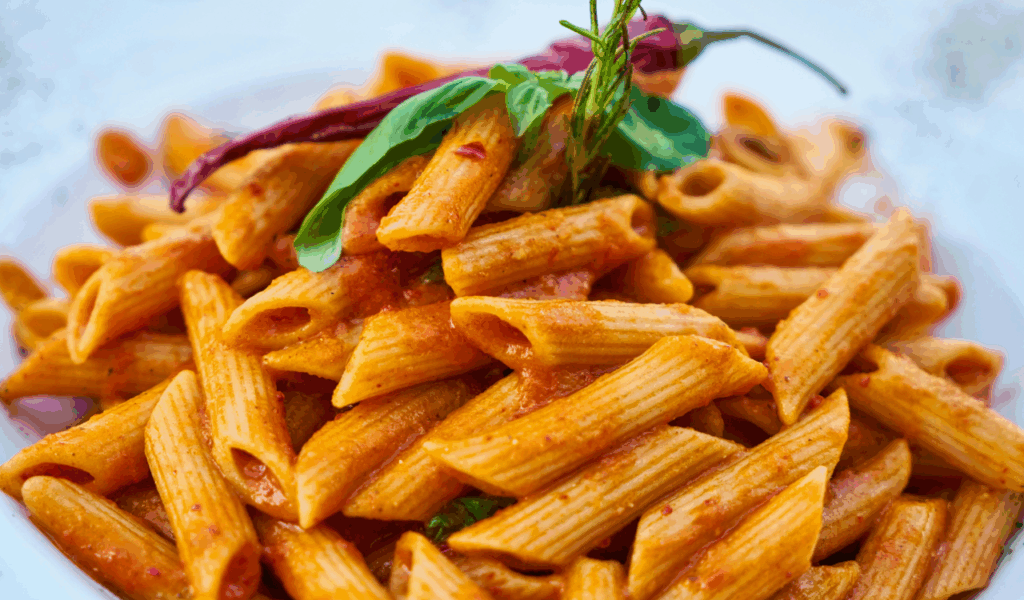
Most people in the globe believe that macaroni should be served with a cheese-based sauce, however a certain group of families in a certain area insists on a tomato-based “mac and cheese” casserole. People who expect a creamy, golden treat will be shocked by this meal, which usually has a base of stewed tomatoes and sharp cheddar. Experts believe that this version has been around since the Great Depression and is still popular in some households as a sign of thriftiness and good taste. To the “cheese-purist” side of the family, this meal is so bad that it shouldn’t even have the same name.
Many people find the acidity of the tomatoes to be unsettling, which is why comfort food menu designers say they change the flavor profile totally. A culinary historian notes that organizers of heritage food projects believe this dish is a “family secret” that usually stays within the family because it’s so hard to describe to those outside the family. The split is often across generations, with older members loving the “red” mac and newer members asking for a return to the “yellow” norm. It is a dish that tests family ties with every bite and pushes the limits of what comfort food is.
10. The Walking Taco Casserole (The “Modern” Disruption)
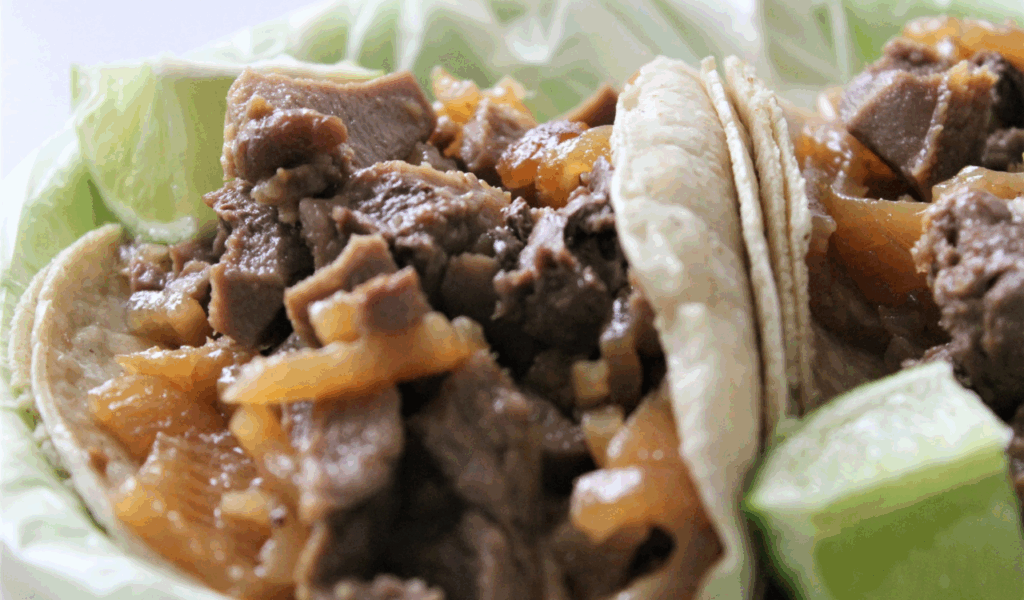
People who like traditional foods loathe the new “Walking Taco Casserole,” which is made with ground beef, taco flavor, and crushed Fritos. Many older family members think it makes the church potluck feel “trashy” or “unrefined.” But the younger generation and the “lazy cooks” in the family say it’s the most popular and easiest dish to clean up after. Experts say the disagreement is less about taste and more about the “dignity” of the church potluck tradition vs how easy it is to do things now.
Even though the “refined” family members don’t like it, professional organizers say this is the meal that always goes first. A catering expert says, “Designers of youth-oriented menus love the ‘Walking Taco’ for its portability and high flavor impact.” People sometimes argue over whether it should be served on a ceramic dish or if people should just “eat it out of the bag,” as the name suggests. It shows a change in potluck culture that sees the “old guard” and the “new wave” of church families always disagreeing in a pleasant but strong way.