
7 Supposed “Mental Wellness” Foods That Might Not Be Helping You
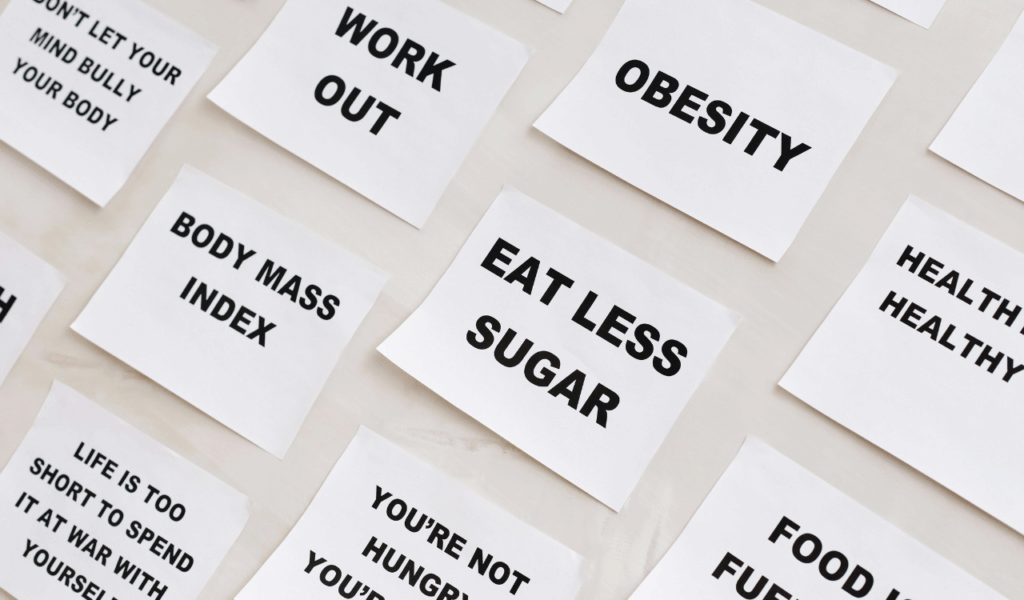
Many foods are marketed as quick solutions for emotional balance, stress, or concentration, but not all of them provide the advantages people anticipate. Marketing frequently oversimplifies nutrition, making it simple to infer that a product promotes mental wellness even when the data is conflicting or when the product’s claims are contradicted by serving size and additional ingredients. Making decisions that promote long-term brain health without depending on fads or deceptive wellness labels is made easier when you know what a food actually gives.
1. Sweetened Yogurt

Because it contains probiotics, sweetened yogurt is sometimes seen as a mood-friendly food. However, many flavored varieties of the yogurt contain large amounts of added sugar, which can induce abrupt energy spikes and dips. Rather than reducing irritability, these fluctuations might make it worse. The probiotics are still beneficial, but their impact is diminished when combined with too much sugar. Selecting plain yogurt and including fresh fruit might offer more consistent sustenance and dependable support for general health.
2. Granola Clusters
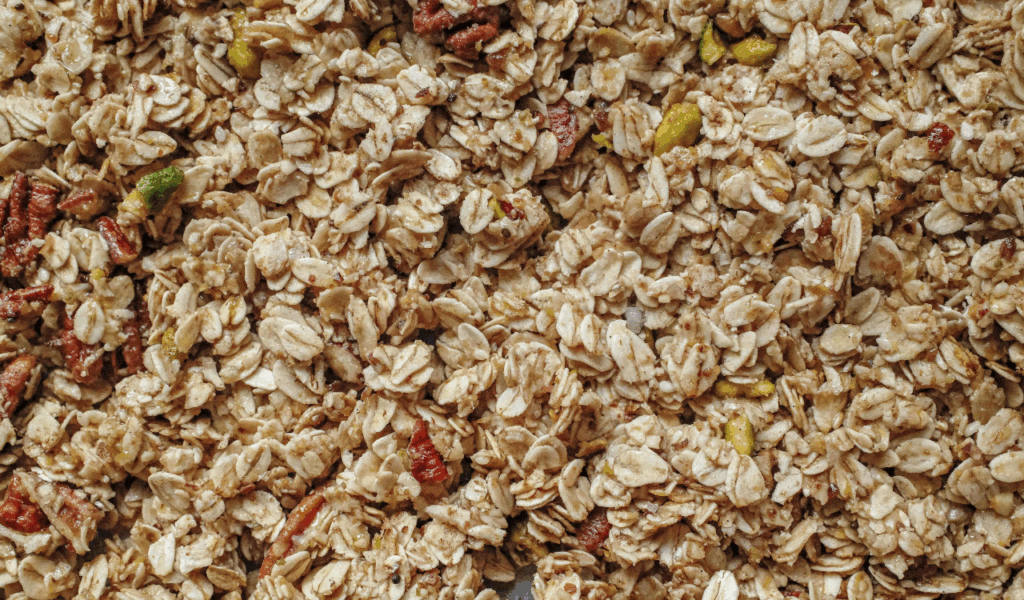
Granola clusters are promoted as healthy energy for hectic days, but many packaged varieties have extra sugars and oils that make them more of a dessert than a well-balanced snack. These mixes provide you a quick fix, but they can also make you hungry quickly, which might interfere with concentration. Nuts and cereals certainly provide important nutrients, but they function best in more basic forms. You can steer clear of deceptive wellness claims by carefully reading labels and selecting granola with little sweets.
3. Green Juice
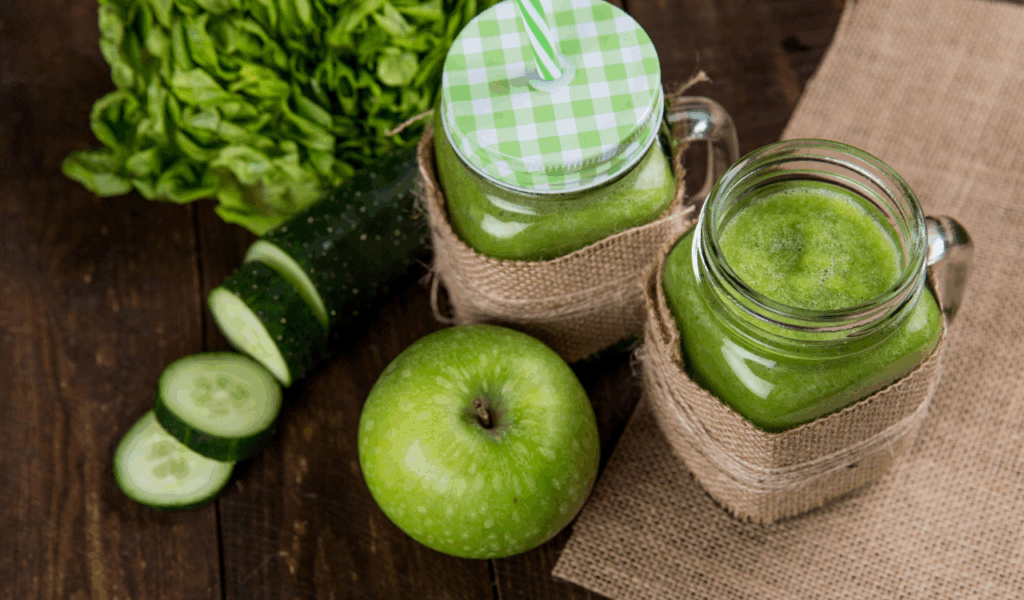
Although juicing eliminates the majority of the fiber from the veggies, green juice is sometimes touted as a stress-relieving superfood. The drink digests quickly in the absence of fiber, which could result in inconsistent energy levels. Additionally, some versions contain fruit concentrates, which raise the sugar content. Green juice can provide vitamins, but it shouldn’t be used in place of full veggies, which promote more even digestion. Smoothies and salads that have been blended are better balanced and provide nutrients in a way that promotes stability both physically and mentally.
4. Herbal Gummies

However, the gummy format typically includes sugars and stabilizers that weaken the advantages of herbal candies, which promise to soothe or focus using substances like chamomile or certain adaptogenic herbs. Additionally, the quantity of active chemicals may be insufficient to produce discernible effects. In an attempt to achieve greater effects, people occasionally consume more gummies, which raises sugar intake rather than promoting wellness. Calming herbs, teas, or well dosed vitamins are generally more dependable options than candy-style goods.
5. Protein Bars

Although protein bars are convenient and frequently marketed as brain-friendly nutrition, many of them contain thick processed ingredients, sugars, or syrups that can make them feel heavy or induce abrupt changes in energy levels. Certain bars include sugar alcohols or caffeine, which can cause jitters or upset stomachs. Stable energy requires protein, but healthy foods like nuts and seeds offer it with fewer chemicals. You can steer clear of bars that overstate mental clarity by looking for lesser sugar and simpler ingredients on the labeling.
6. Flavored Nut Milks

Though many varieties include additional sugars or taste enhancers that lower their nutritional value, flavored nut milks are frequently seen as a mild, wellness-focused beverage. Certain goods contain very few real nuts, which reduces the amount of good fats that promote long-term brain function. Although consumers may select these beverages in anticipation of a relaxing or nourishing impact, the composition is crucial. Higher nut content, unsweetened versions typically provide more consistent support without the needless additives present in flavored ones.
7. Veggie Chips

Although many veggie chips are created from processed vegetable powders rather than entire slices, they seem healthier than ordinary chips. They frequently include additional oils and carbohydrates, making them a snack with fat and sodium content comparable to regular chips. Despite their vibrant and wellness-inspired appearance, their nutritional profile seldom ever promotes mental stability or sustained energy. Compared to these aesthetically pleasing but deceptive treats, choosing raw or roasted vegetables provides real nutrients that help preserve attention far better.