8 “Superfood” Salads That Don’t Live Up to the Hype
Superfood salads may sound like the easiest way to get more nutrients, but a lot of them use sugary dressings, oily toppings, or heavy add-ons that make them less healthy. Leafy greens or berries may seem like the main ingredients, but the balance can change when processed ingredients are added. Even salads that are advertised as detox-friendly or invigorating may include more calories or additional sugars than you think. Knowing which aspects don’t work lets you pick salads that really help you eat a balanced diet.
1. Berry and Nut Antioxidant Salads
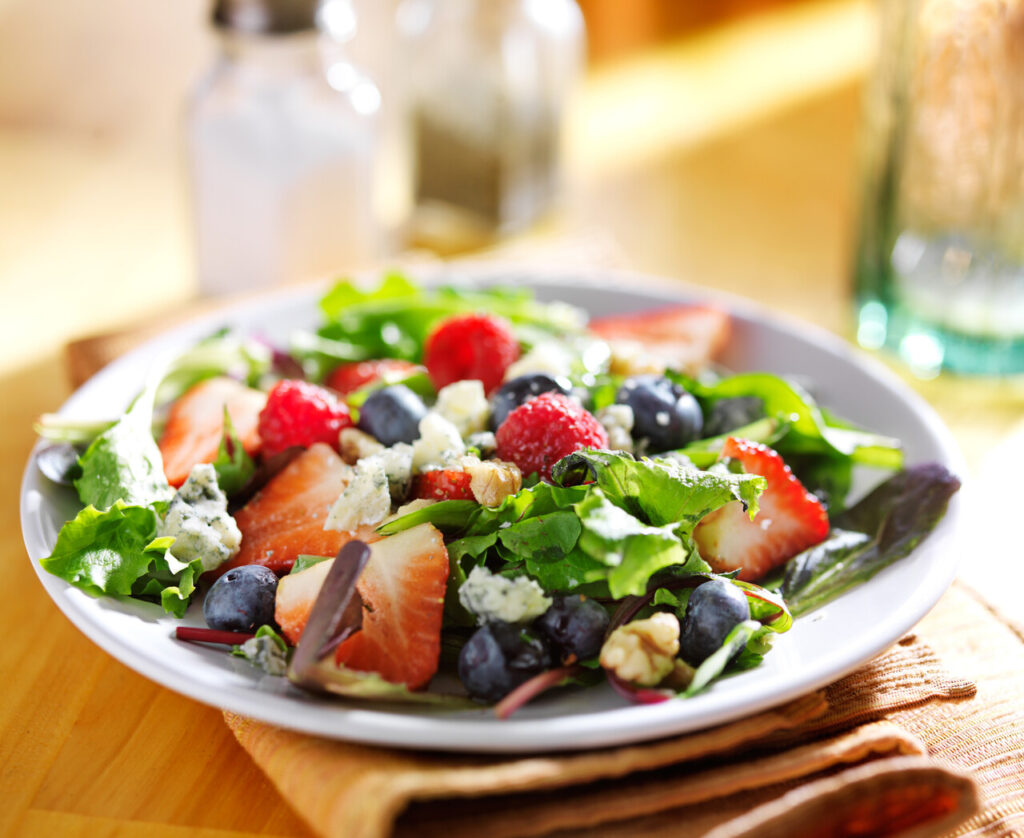
Salads made with berries seem to have a lot of nutrients, but a lot of restaurants add sweet dried fruits, candied almonds, or heavy dressings that raise blood sugar levels more than a normal meal. Berries include antioxidants, but the sweet parts that are added typically take over the dish. Some dressings use fruit purees and strong sugars, which makes the salad less balanced than it looks. You can preserve the berry benefits without the extra sugar by using basic almonds and a simple oil-based dressing.
2. Kale and Quinoa Power Salads
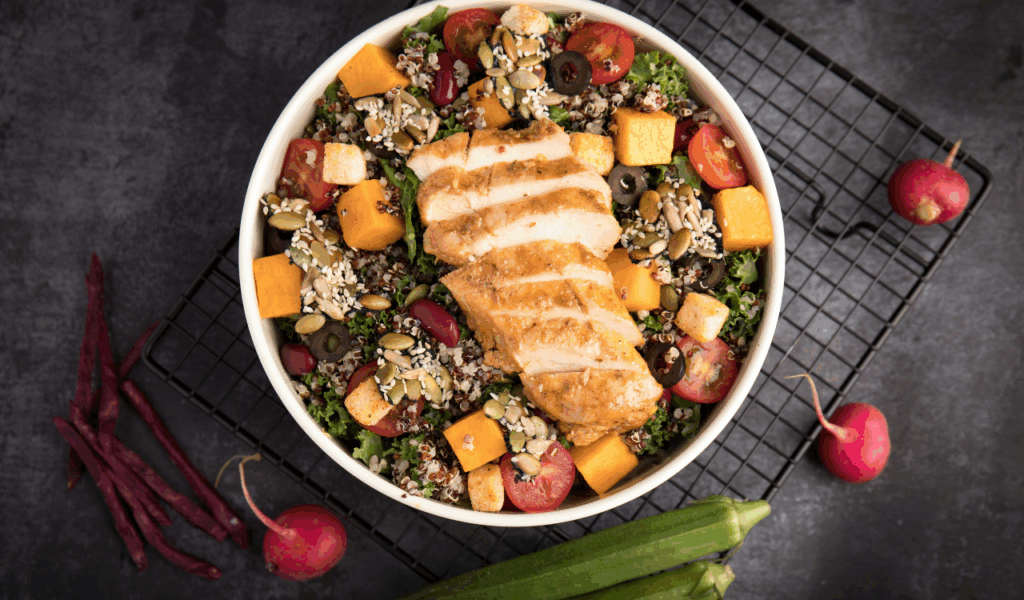
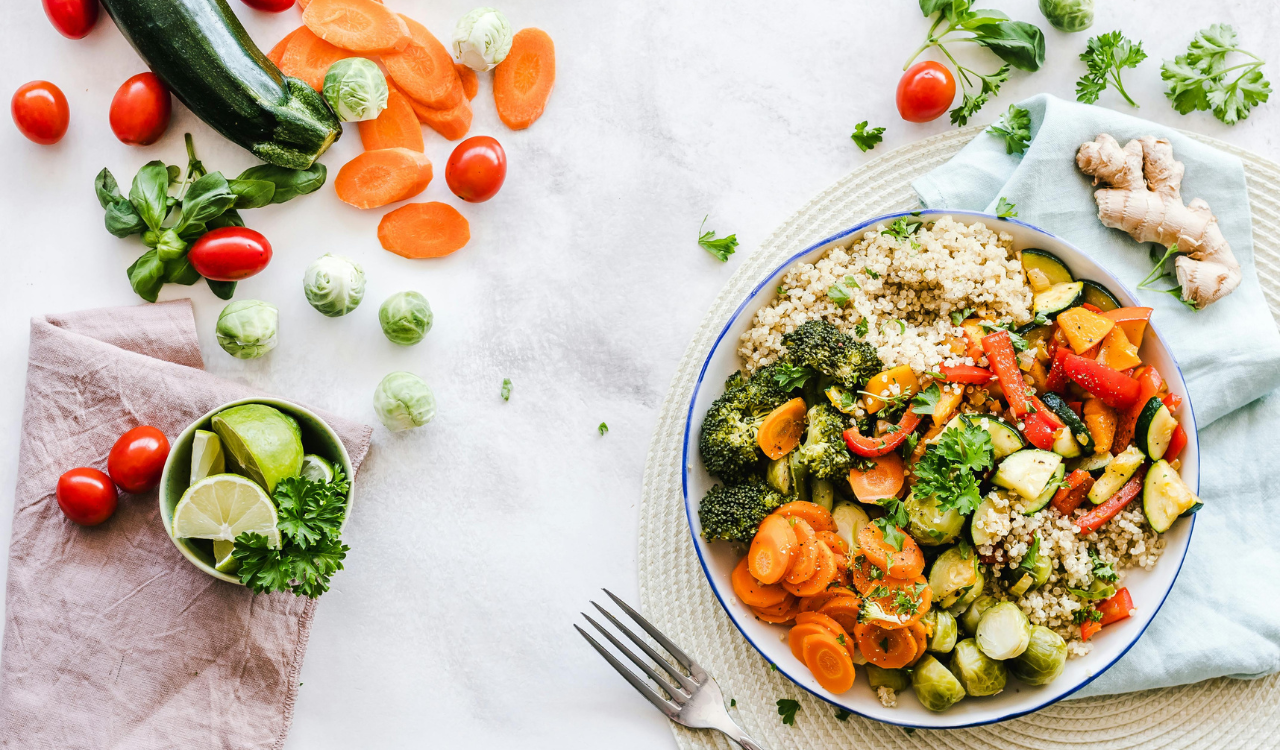
Kale and quinoa are commonly called “superfoods,” but salads with them can be high in calories if you add a lot of grains or oily dressings. Some versions have roasted veggies covered in refined oils, which makes the total fat intake higher. Quinoa has good nutrients, but if you eat too much of it, it might take the place of veggies. People say that the salad gives them energy, but it may also be very filling and heavy. Choosing smaller servings of grains and lighter dressings keeps it more balanced.
3. Avocado Green Bowls
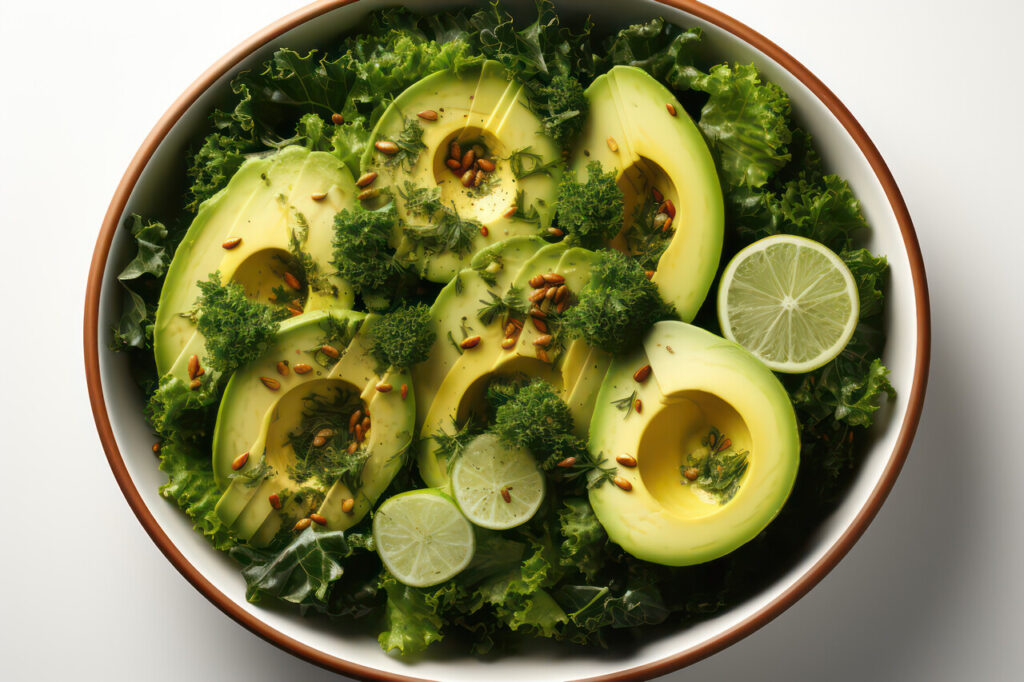
Avocado bowls are supposed to be healthy and creamy, but they can become heavy dinners when you add seeds, nuts, and thick dressings. Avocado by itself has good fats, but adding a lot of high-fat toppings makes the calories go up quickly. Many variants also utilize flavored sauces with extra sugar that make the dish less fresh. Avocado is good for various health goals, but you need to watch how much you eat. Choosing dressings based on citrus fruits and minimizing heavy toppings will make your salad taste better and be healthier.
4. Beet and Goat Cheese Salads
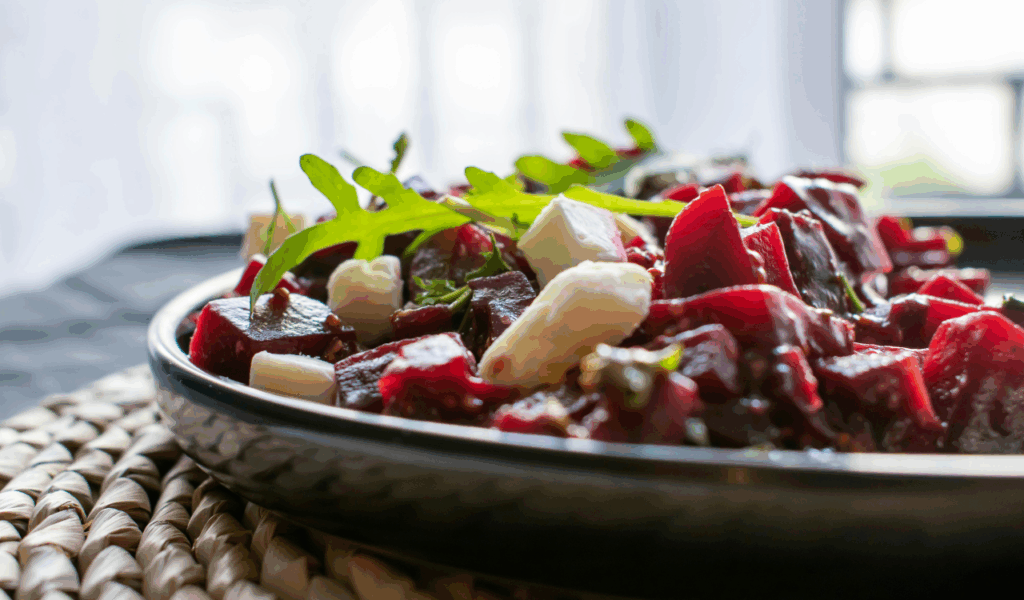
Beet salads look healthy and earthy, but many of them have sweet glazes or vinaigrettes that add sugar. Goat cheese has a tart taste, but when used in big amounts, it contains more saturated fat than you might think. Candied nuts or dried fruits are often used as toppers, converting a plain salad into a meal that tastes like dessert. Beets are high in fiber, however the other ingredients change the nutritional balance. A smaller amount of cheese and a simple oil and vinegar dressing help keep the benefits you want.
5. Spinach and Fruit Detox Salads
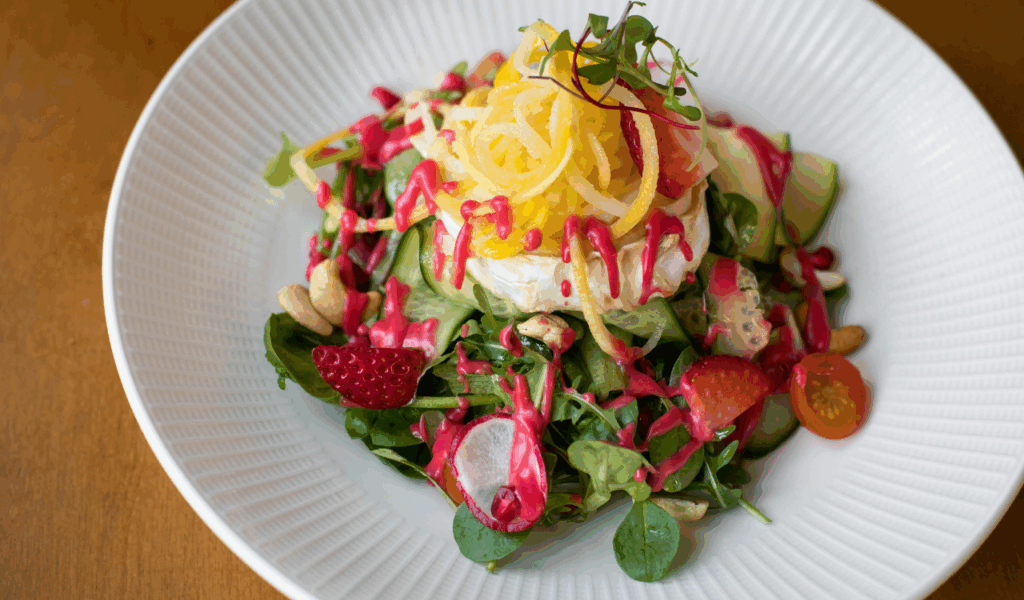
People say that spinach and fruit salads are good for you, yet a lot of them use syrup-covered fruit or sweet poppy seed sauces. Instead of regular sustenance, these additives might provide rapid bursts of energy. Some variants also have crunchy toppings that add extra carbs. The salad may lose its cleansing appeal after sugary toppings are added, but spinach is still full of nutrients. Choosing fresh fruit and a dressing that isn’t sugary maintains the focus on simple, clean foods.
6. Chickpea Protein Salads
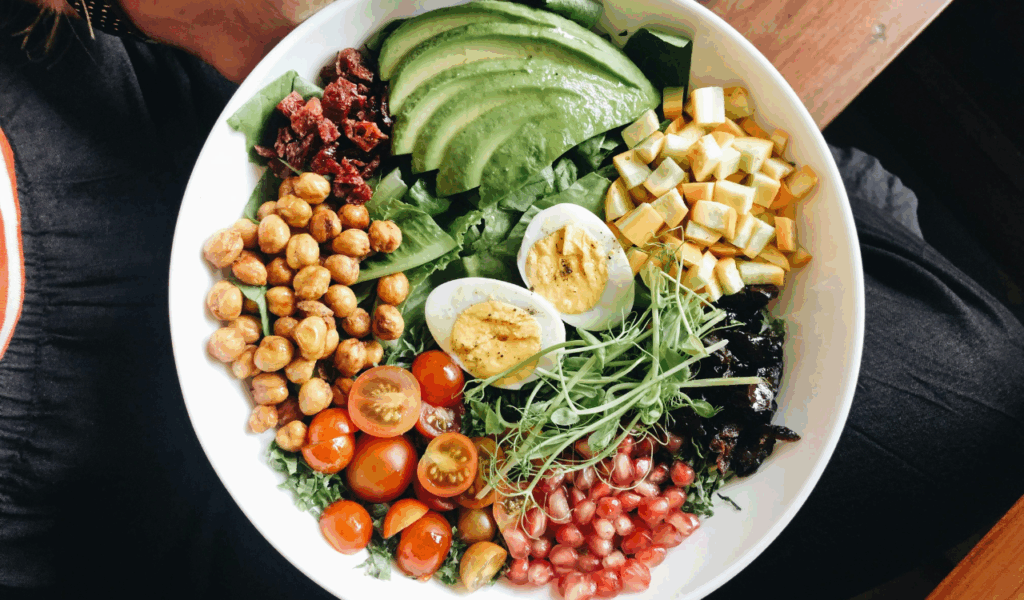
People often say that chickpea salads are full in protein, but chickpeas have a lot of carbs and not a lot of protein, so big servings could feel heavier than you thought. A lot of fast-casual versions include creamy sauces or roasted toppings that make them higher in fat. Chickpeas are high in fiber, but when you add starchy veggies or seeds to the salad, it can grow heavy. Adding additional leafy greens and a milder dressing is a better way to keep your energy up without making the meal too heavy.
7. Ancient Grain Super Salads
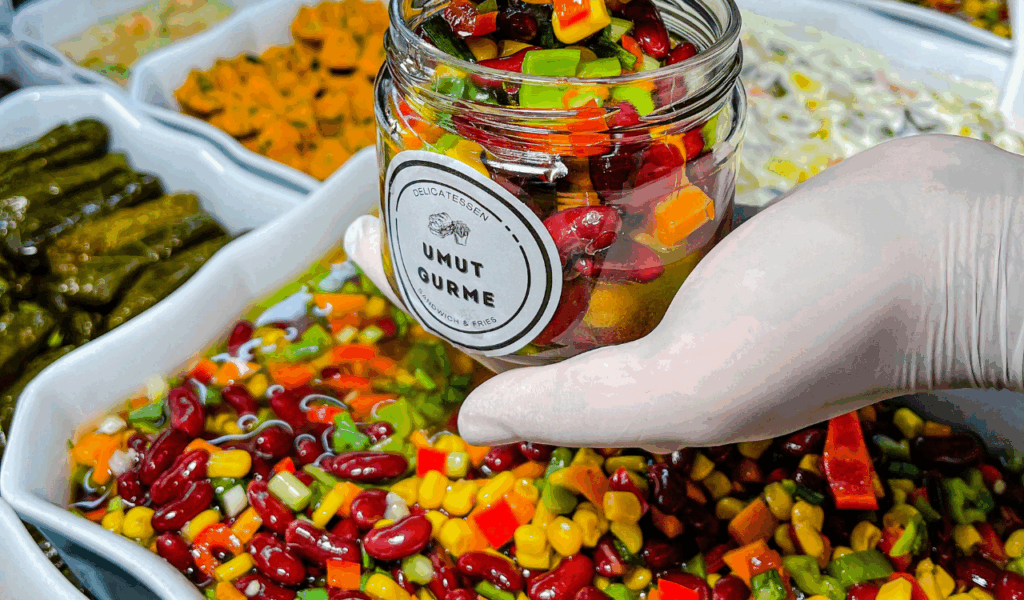
Ancient grain salads look healthy, but they generally have a lot of grains blended with sugary sauces and heavy toppings. Grains like farro or barley are good for you, but when they take over the bowl, the salad is more like a heavy grain dish. Dried fruits, nuts, and oils with flavor might add more calories than you might think. These salads sound like they would give you energy, but they can be too filling. Asking for less dressing and more greens makes them taste better.
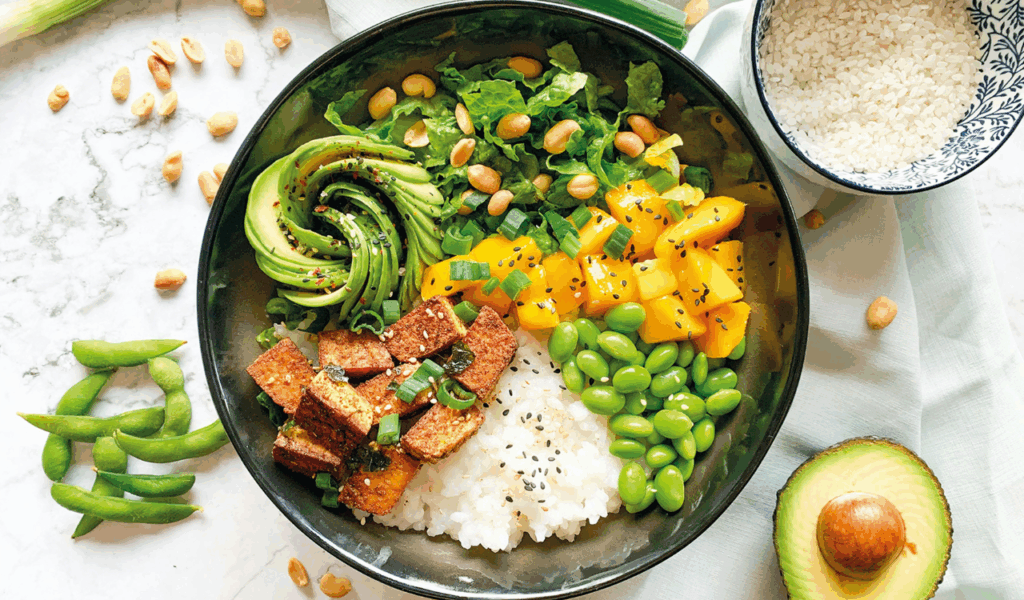
8. Edamame and Sesame Crunch Salads
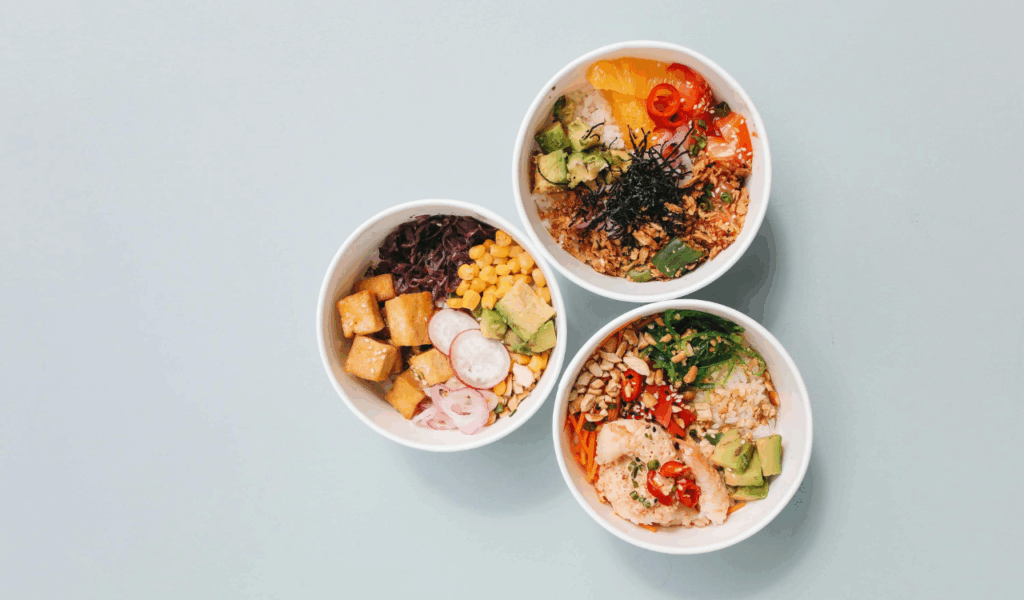
Salads with edamame are a good source of plant protein, but they often have fried crunchy toppings and sesame sauces that have additional sugars or processed oils. Edamame is a good source of protein, but the other components might make the dish seem richer and saltier than it should. Some variations also use noodles or starchy veggies, which add more carbs. Choosing steamed edamame, fresh veggies, and a milder dressing helps keep the salad’s nutrients in the right proportion.