11 Back-to-School Home Purchases Parents Regretted
Back-to-school shopping is driven by good intentions. Parents want their children to feel prepared, confident, and comfortable when the school year begins. At the same time, rising prices, social pressure, and fear of missing something important can push families to spend more than planned. Once routines settle in, many purchases turn out to be unnecessary, short-lived, or poorly matched to how kids actually live and learn. The excitement of a fresh start fades, and what remains is whether the item truly added value to daily life. These are the home and school-related buys that parents often wish they had approached more carefully.
1. Designer Clothes That Outpaced Real School Needs
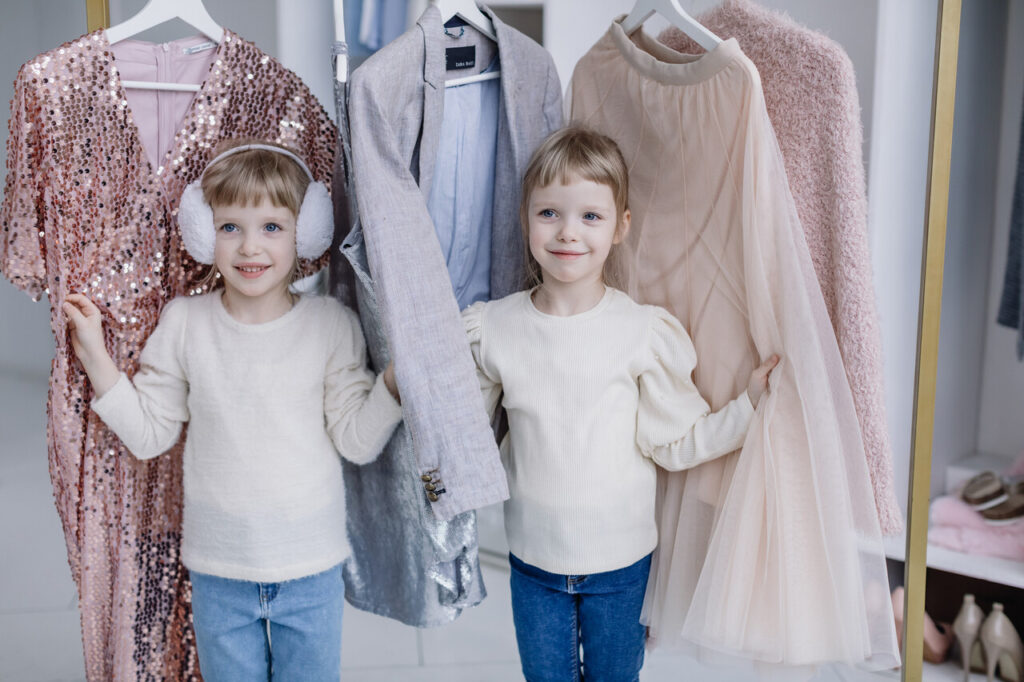
Back-to-school shopping often starts with pressure to keep up with trends, especially when social media and peer influence shape what kids think they need. Designer clothes promise confidence and style, but school days are hard on clothing. Between playground wear, art class spills, and frequent washing, even high-quality fabrics show wear quickly. Growth spurts also mean expensive items may only fit for a few months. Parents often realize they paid premium prices for outfits that could not survive everyday use any better than budget-friendly basics. When cost does not match durability or longevity, regret follows, especially when the same budget could have covered more practical essentials.
2. Branded Backpacks and Accessories That Lost Appeal Fast
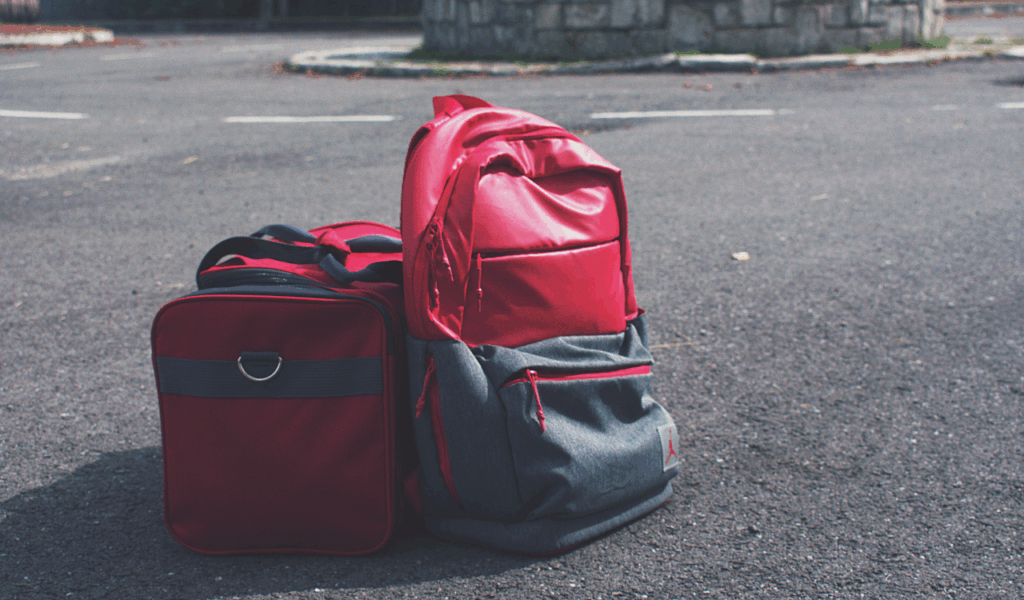
Character-themed or logo-covered backpacks look exciting at the start of the year, but tastes change quickly. What feels cool in August may feel childish or outdated by winter. Branded accessories also tend to cost more without offering better construction. Zippers, straps, and seams wear out at the same rate as standard options. When the novelty wears off, kids may request replacements even though the bag still functions properly. Parents then face the choice of either increased spending or ongoing complaints. Over time, it becomes clear that choosing durability and neutral design would have stretched both budget and satisfaction further.
3. Premium Water Bottles and Gadgets That Didn’t Survive School Life

High end water bottles, insulated lunch gadgets, and electronic accessories look sleek and promise convenience. Unfortunately, school environments are rough on belongings. Bottles get dropped, lids crack, and gadgets go missing. Once damaged, replacement parts are often expensive or unavailable. Parents who invested in premium versions often realize that less costly alternatives perform just as well for daily hydration. When items disappear or break within months, the price paid feels unnecessary. Durability and replaceability matter far more than brand reputation when gear is used daily by busy kids.
4. Electronics Bought Before They Were Truly Needed

Buying tablets or laptops ahead of official school requirements feels proactive, but it can lead to unnecessary expense. Technology evolves quickly, and devices purchased early may not meet future software or school platform needs. Some children also lack the maturity to manage expensive electronics safely, increasing the risk of damage. In many cases, schools provide shared devices or delay tech heavy work until later grades. Parents often discover that early purchases sit unused or become outdated before they are essential. Waiting until there is a clear academic need usually results in better value and less frustration.
5. Clothes Bought Early That Didn’t Fit by Day One
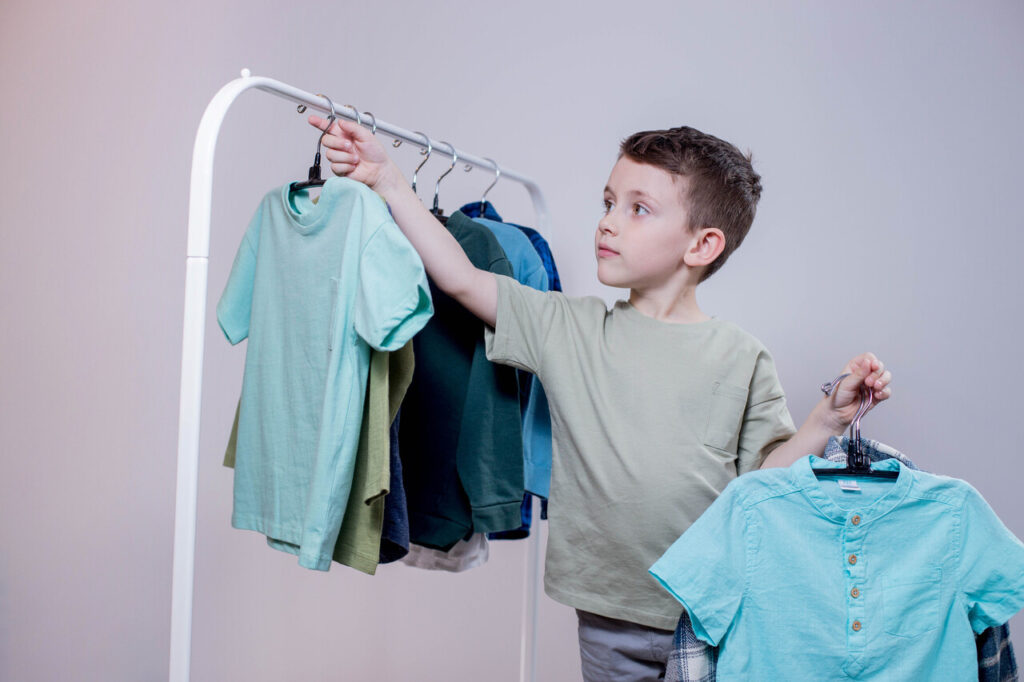
Trying to shop early to avoid last-minute stress sometimes backfires when kids grow unexpectedly. Shoes that seemed fine in July may pinch by September. Pants suddenly shorten, and shirts no longer sit right. When tags are already removed or items have been worn briefly, returns are no longer possible. Parents end up buying replacements and doubling their spending on the same category. This regret often comes from underestimating how fast children grow. Buying closer to the school start date or leaving room for adjustments reduces waste and budget strain.
6. Fragile School Supplies That Wore Out Too Soon
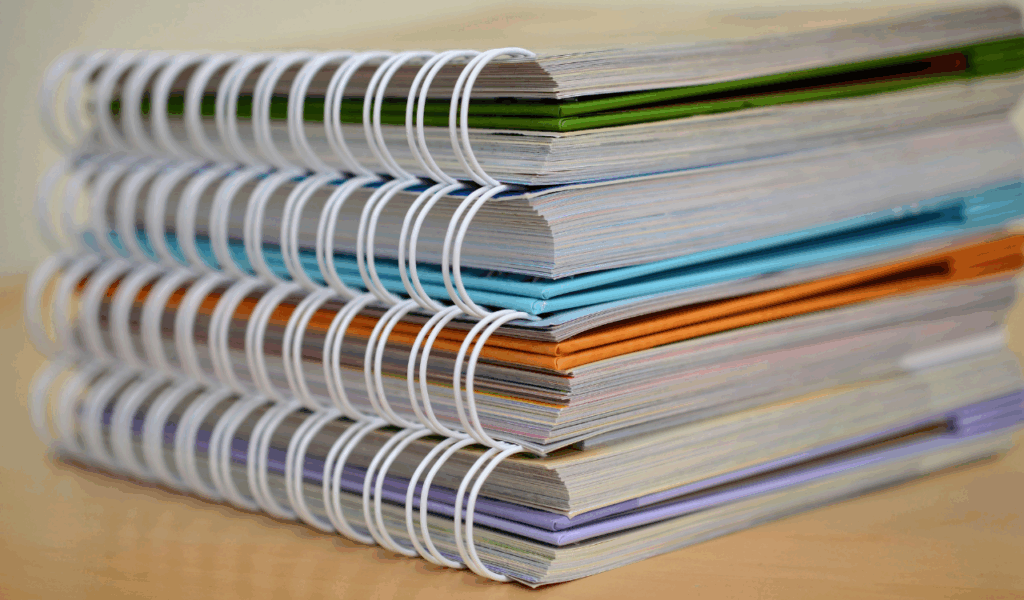
Fancy pencil cases, novelty binders, and decorative notebooks look appealing on store shelves. In real use, they face daily handling, backpack pressure, and desk wear. Thin plastics crack, rings break, and covers tear. Once damaged, the organization suffers, and items must be replaced. Parents then wish they had chosen simpler, sturdier options instead of paying extra for design features that offered no functional benefit. Durability matters more than appearance when supplies are used multiple times a day for months at a stretch.
7. Expensive Shoes That Couldn’t Keep Up With Activity Levels
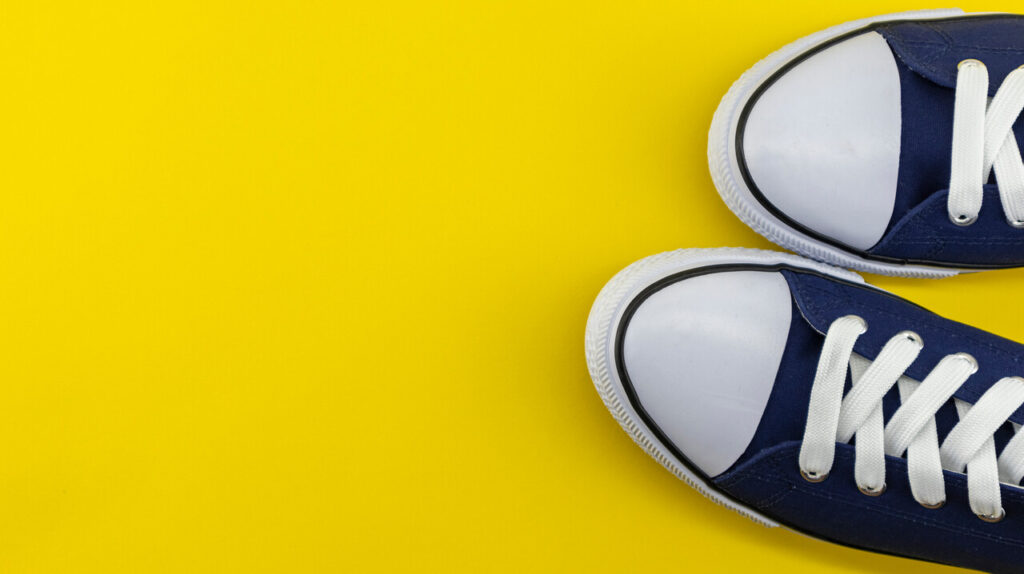
Footwear often absorbs the biggest wear during the school year. Recess, sports, and long hallways put constant stress on soles and seams. Trend-driven shoes may prioritize style over construction, leading to quick breakdown. Even well-known brands are not immune if the design is lightweight or not built for heavy use. When pricey shoes scuff or separate within weeks, parents feel they paid for looks rather than performance. Comfortable, supportive, and well-built shoes tend to deliver better long-term value than fashionable pairs that cannot handle active schedules.
8. Extra Lunch Gear That Added Clutter Without Improving Meals
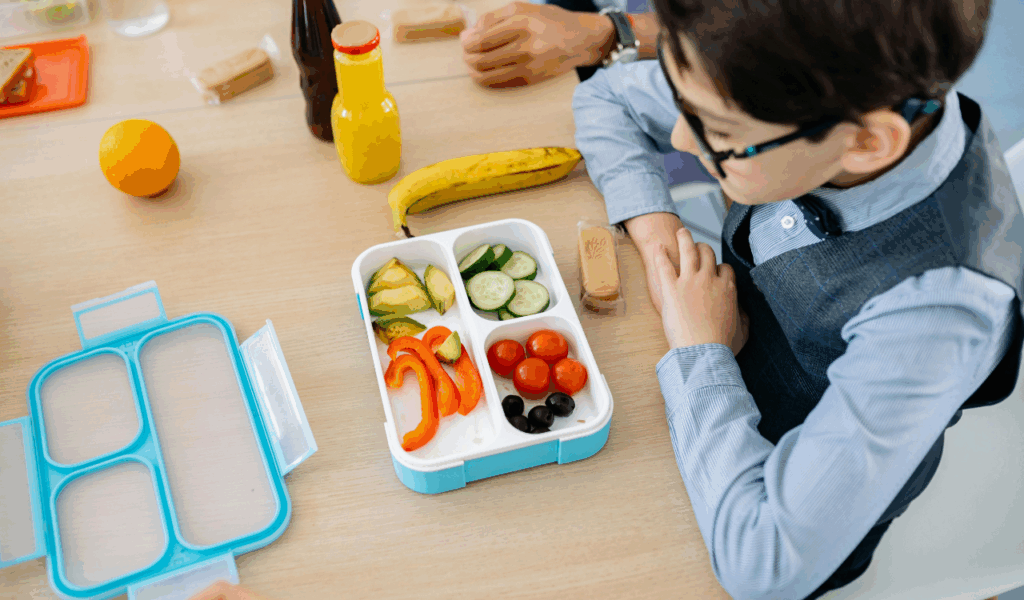
Multiple lunch containers, specialty snack boxes, and themed lunch bags often seem helpful for variety and portion control. In practice, kids may prefer simpler packing setups. Too many containers increase washing time and storage clutter. Pieces get lost, lids mismatch, and packing becomes more complicated than necessary. Parents often find themselves returning to basic containers because they are faster and easier. The extra gear ends up sitting unused in cabinets, serving as a reminder that convenience matters more than clever packaging.
9. Activity Equipment Bought for Programs That Didn’t Last
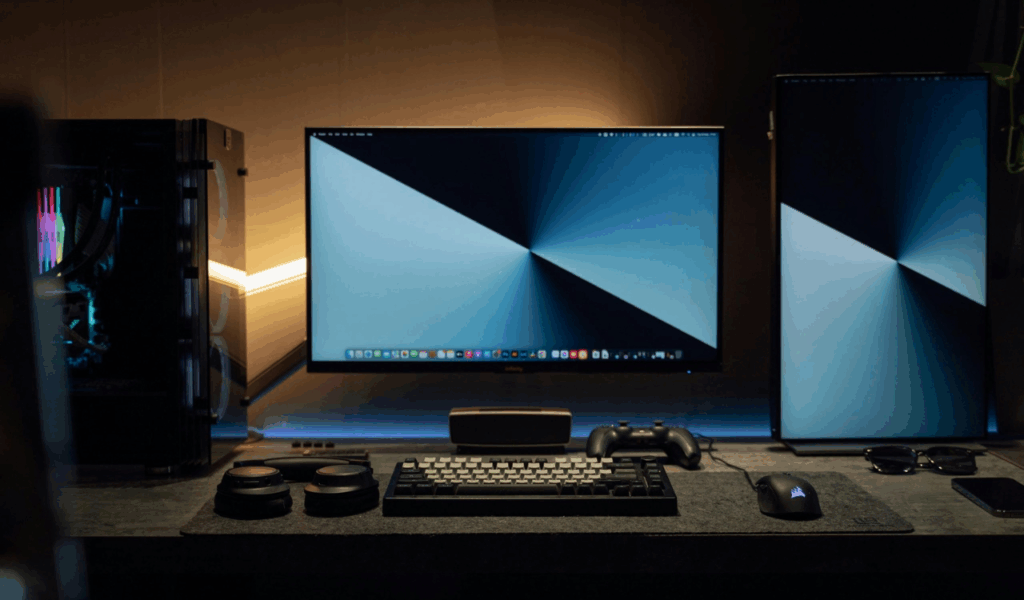
Signing up for new sports or clubs often comes with immediate equipment purchases. Uniforms, instruments, or specialized gear can be costly. When schedules change or interest fades, those items remain unused. Parents regret investing heavily before knowing whether the activity would truly stick. Children often need time to explore interests before committing. Renting, borrowing, or starting with basic equipment can prevent large expenses for short-lived commitments. The regret usually comes not from trying something new, but from overspending too early.
10. Study Furniture That Didn’t Match Real Homework Habits
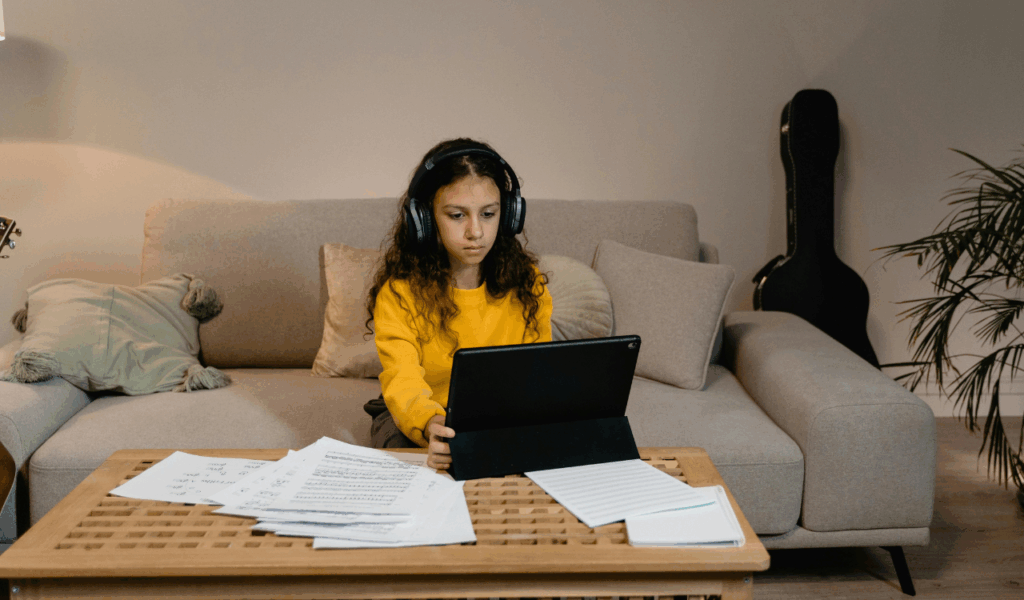
Desks and chairs bought with good intentions do not always align with how kids actually study. Some children prefer working at kitchen tables or on soft surfaces. When a new study station sits unused, parents realize they spent money solving a problem that did not exist. Furniture also takes up space and adds to visual clutter. Without consistent use, even well-designed setups feel unnecessary. Observing existing habits before investing in dedicated furniture often leads to better decisions.
11. Financial Strain From Overextending the Back-to-School Budget

Perhaps the most serious regret comes when families stretch finances to cover school shopping. Using credit, delaying bills, or sacrificing essentials to pay for supplies creates stress that lingers long after the shopping bags are gone. Parents often look back and realize that not every purchase was truly necessary. Financial pressure affects overall family well-being and makes future expenses harder to manage. Setting realistic limits and focusing on essentials helps prevent the cycle of short term spending followed by long term worry.