6 Grocery Store Rotisserie Chickens That Got Smaller Every Year
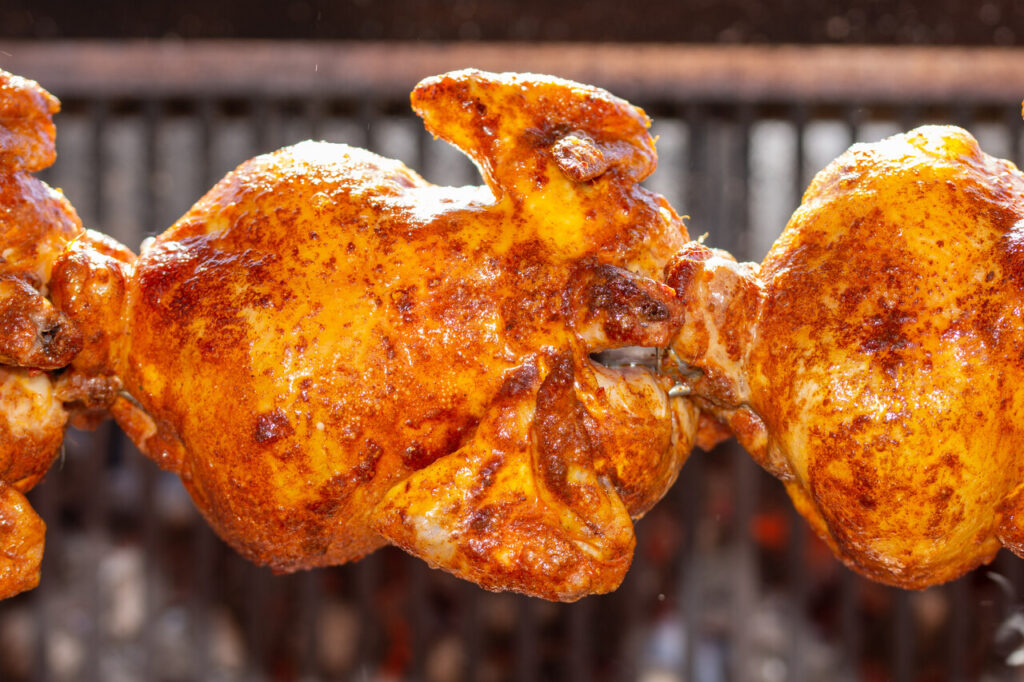
Rotisserie chickens have long been a grocery store shortcut for busy shoppers, offering a ready-made meal that felt both affordable and generous. For years, many stores built customer loyalty around birds that could feed a family and still leave leftovers for the next day. Recently, that expectation has started to crack. Shoppers across the country say their go-to rotisserie chickens feel lighter, smaller, and less filling than they used to be. While prices often stay the same, portion sizes quietly shrink, changing the value equation. What once stretched across multiple meals now barely covers dinner. This growing frustration has pushed customers to question whether convenience is still worth the tradeoff.
1. Costco Rotisserie Chicken
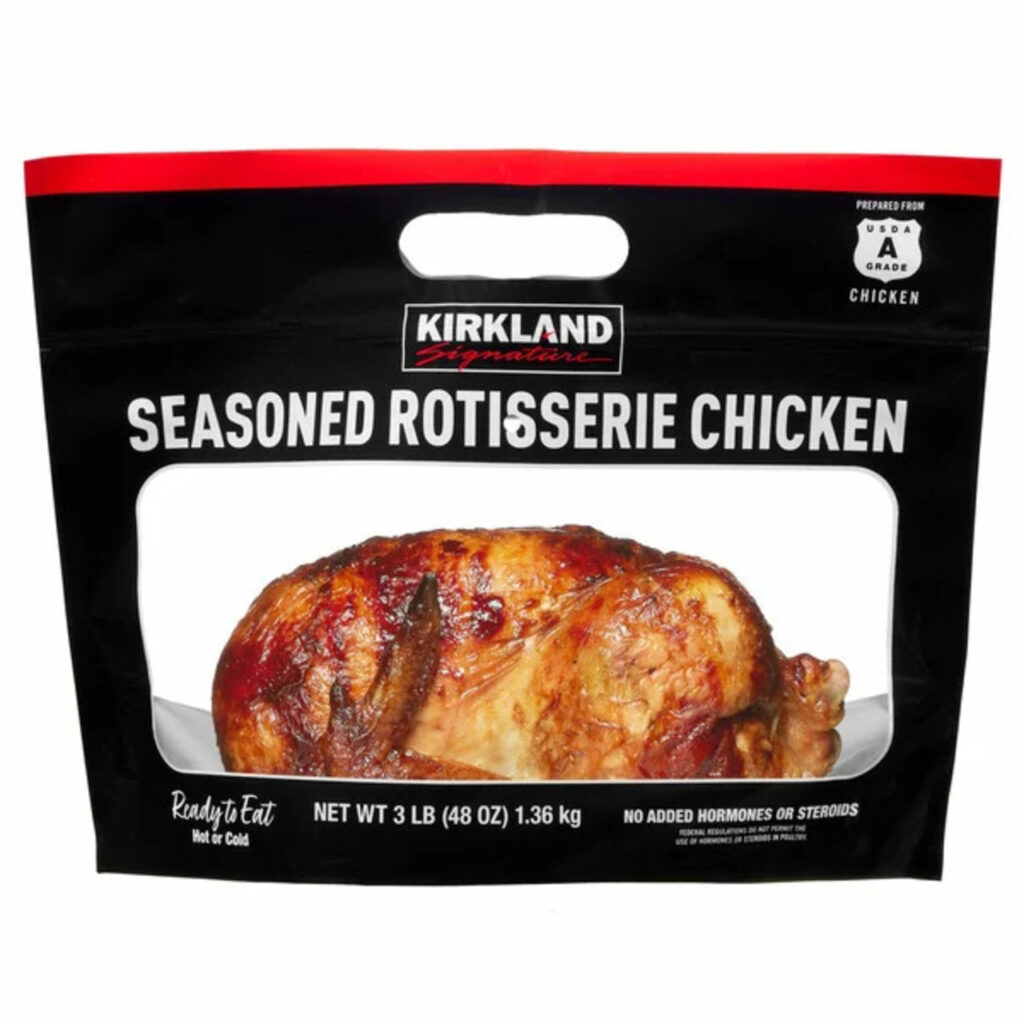
For years, Costco’s rotisserie chicken was the gold standard of grocery store value. The appeal was simple: a generously sized bird, consistently juicy, sold at a price that felt almost defiant in the face of inflation. Recently, longtime shoppers have started noticing subtle changes. While the price remains famously unchanged, many customers say the chickens feel lighter in hand and yield less meat once carved. This isn’t always about official weight reductions, but about sourcing and processing shifts that affect overall volume and density. Smaller breasts, thinner legs, and less leftover meat for next-day meals change how far one chicken stretches.
2. Publix Rotisserie Chicken
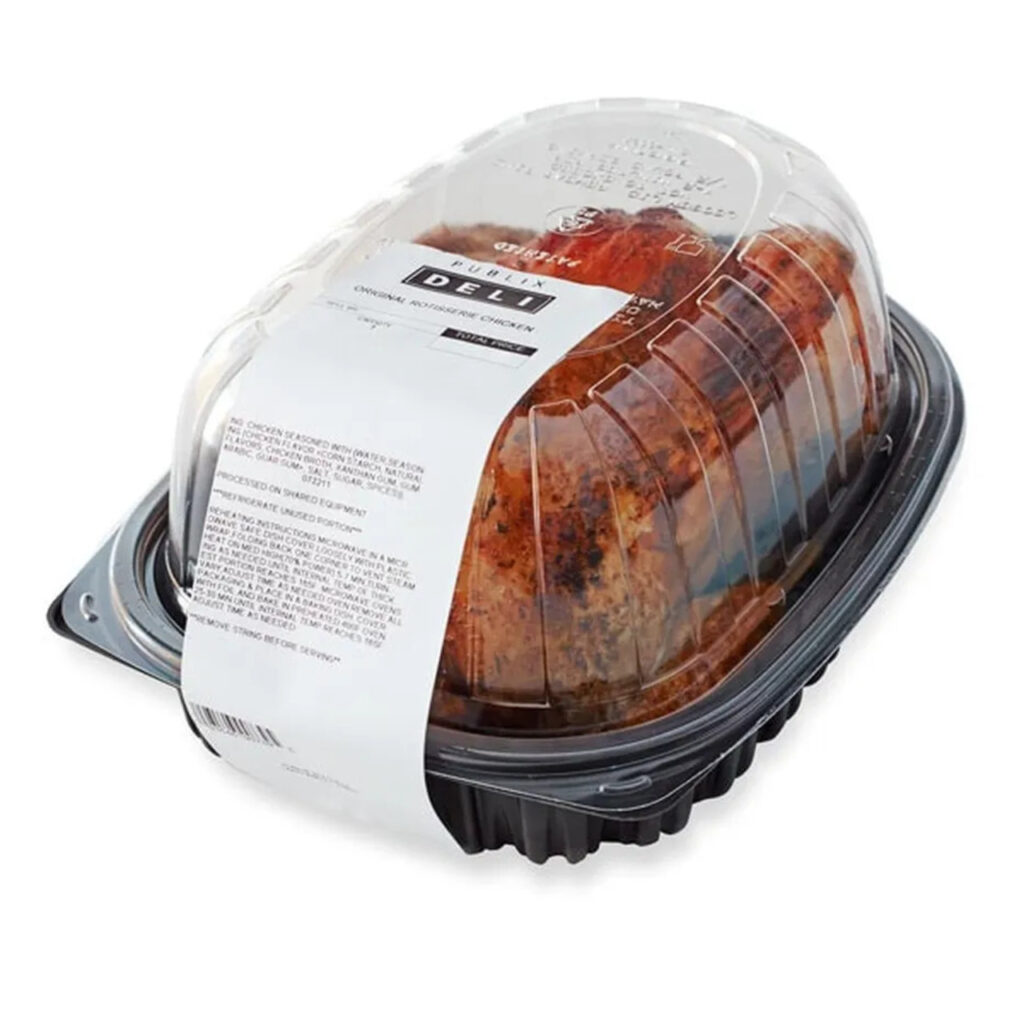
Publix built its reputation on quality and consistency, especially in prepared foods. Its rotisserie chicken was once known for plump portions and reliable size across locations. Over time, customers have noticed that the birds no longer feel as substantial as they once did. This shift often shows up when carving, with less usable meat and smaller breast portions than shoppers remember. Rising supplier costs and tighter margins appear to have influenced sourcing decisions, even if pricing doesn’t clearly reflect it. Publix chickens still score well for seasoning and freshness, but the overall value equation has changed.
3. Walmart Rotisserie Chicken
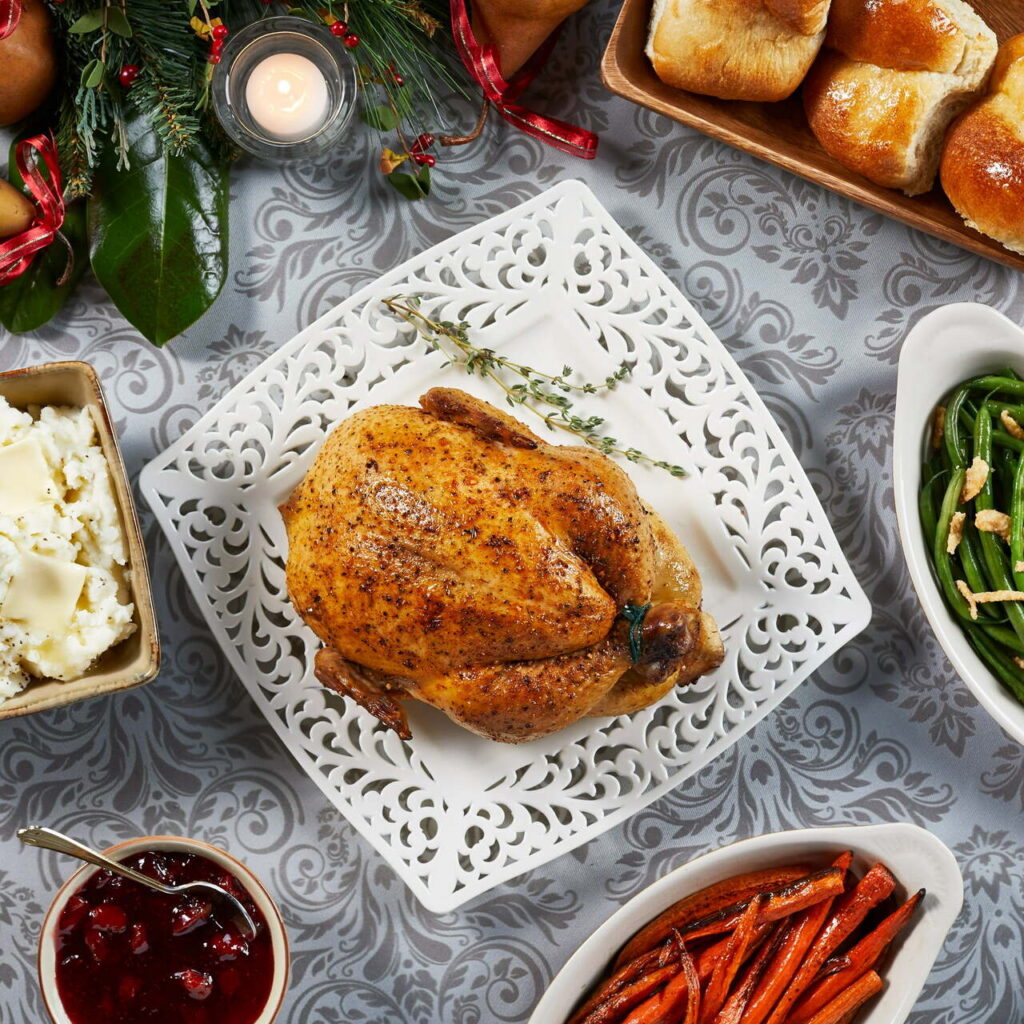
Walmart’s rotisserie chicken has always been positioned as a budget-friendly option, but size was once a surprising strength. In recent years, customers increasingly report chickens that look noticeably smaller in the container and feel less filling once served. The birds often have thinner meat distribution, especially in the breast and thigh areas, which reduces their usefulness beyond the first meal. Texture complaints also surface more frequently, with smaller chickens drying out faster under heat lamps. Walmart prioritizes aggressive pricing, and that pressure can show up in portion size rather than sticker cost.
4. Safeway Rotisserie Chicken
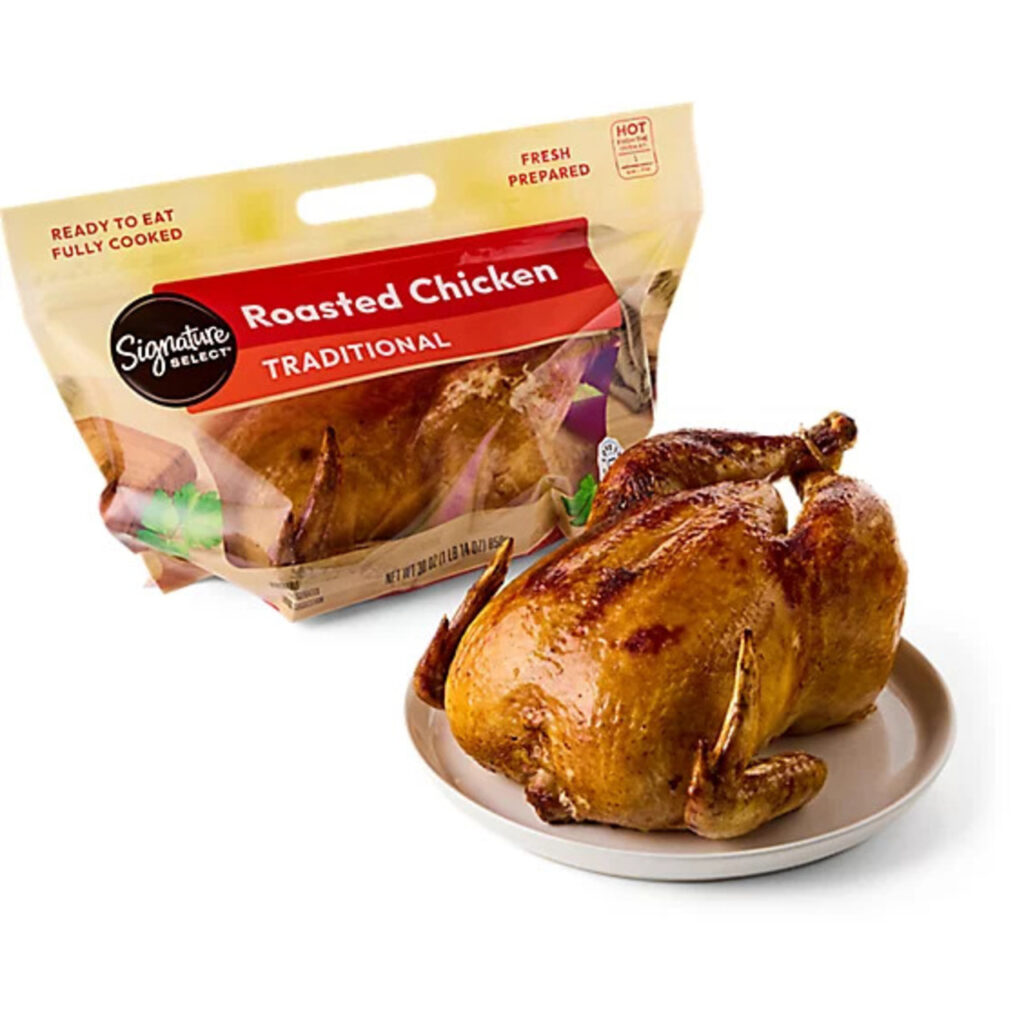
Safeway’s rotisserie chicken once appealed to shoppers looking for a balance between supermarket convenience and hearty portions. Recently, many customers say that balance has tipped. Chickens are frequently described as smaller, with less overall meat and a more compact appearance. The issue becomes clear when carving, as bones take up more of the bird relative to usable protein. In some locations, inconsistent sizing adds to frustration, making it hard for shoppers to know what they are getting week to week. Safeway still offers solid seasoning and freshness, but the perceived shrinkage affects value perception.
5. Kroger Rotisserie Chicken
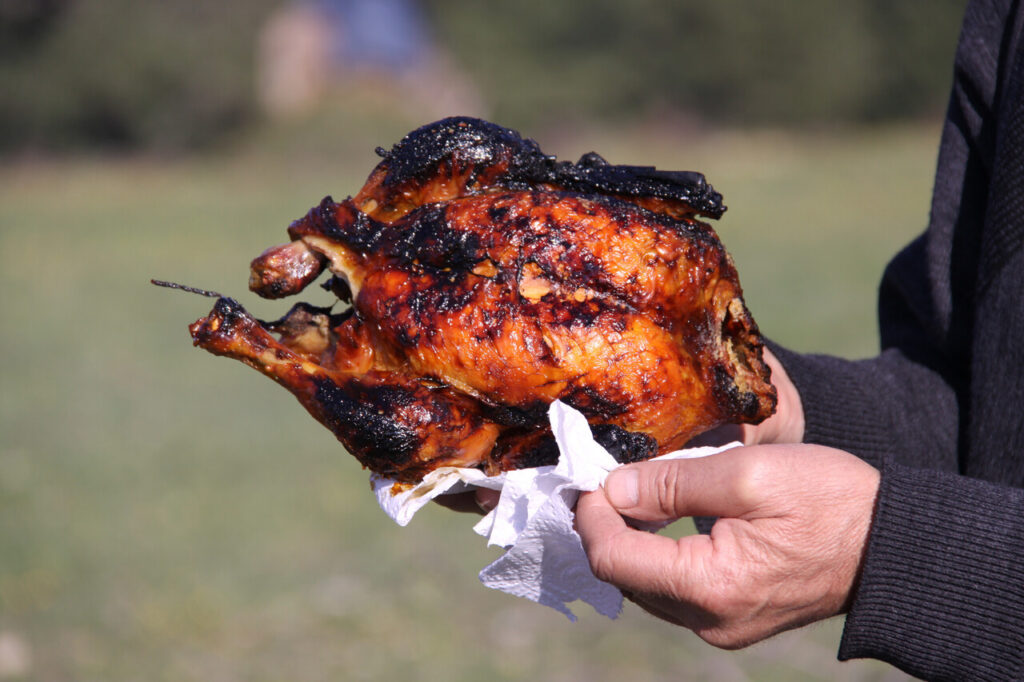
Kroger’s rotisserie chicken has long varied by region, but many shoppers agree that size consistency has declined. Birds that once felt substantial now appear slimmer, with less meat across the breast and wings. This change is often subtle enough to avoid immediate notice until carving reveals the difference. Kroger’s pricing structure hasn’t always adjusted clearly to reflect these changes, which fuels frustration among regular buyers. The chicken remains flavorful and accessible, but shoppers increasingly describe it as less filling than before. Many now supplement with additional sides or proteins, undermining the chicken’s original appeal as a one-stop dinner solution.
6. Winn-Dixie Rotisserie Chicken
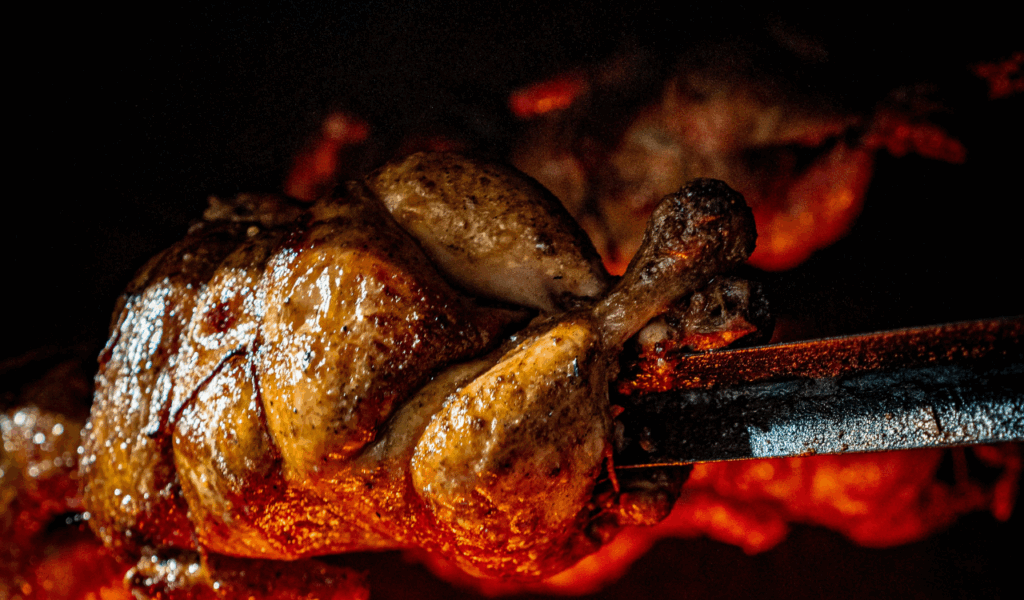
Winn-Dixie’s rotisserie chicken still earns praise in some locations, but size-related complaints have become more common. Shoppers report birds that look smaller in the packaging and provide less meat once served. This is especially noticeable in households accustomed to stretching one chicken across lunch and dinner or repurposing leftovers. Inconsistency between stores adds to the issue, as customers cannot reliably predict portion size. Rising production costs and supply chain adjustments appear to play a role, even if they aren’t openly communicated.