10 Storage Solutions That Actually Reduce Daily Household Stress
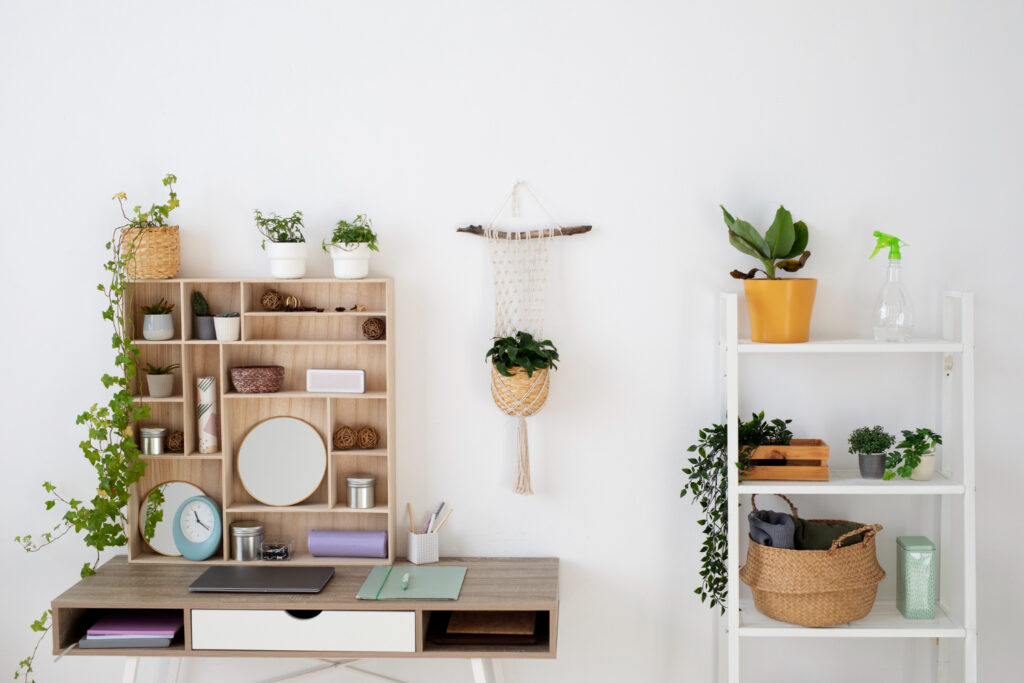
Daily household stress often has less to do with major messes and more to do with small, repeated frustrations. You lose your keys again. A drawer jams because it is overstuffed. Pantry items disappear into the back of a cabinet and expire before you remember they exist.
Professional organizers often point out that these tiny moments of friction quietly drain your energy over time. The right storage solutions do not just make your home look better. They reduce decision fatigue, save minutes every day, and create smoother routines you barely have to think about. The most effective systems are not trendy or expensive.
1. Create a Functional Drop Zone at the Front Door
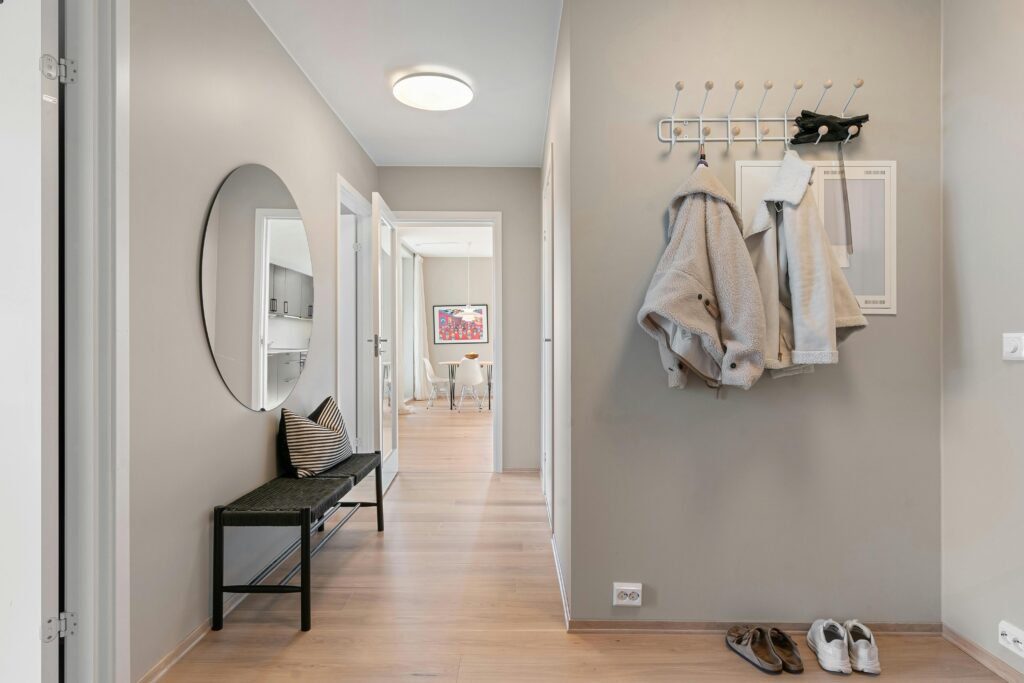
A dedicated drop zone at your main entrance instantly reduces the daily scramble many households experience. Professional organizers recommend giving every frequently used item a predictable landing spot as soon as you walk in. Hooks for coats, shelves for bags, and a bench for shoes keep clutter from spreading to kitchen counters or dining tables.
When everything has a place near the door, you stop setting items down randomly and wondering where they went later. This setup also streamlines mornings. You grab what you need without retracing your steps through the house. Even small entryways benefit from slim wall-mounted hooks or narrow shoe cabinets.
2. Use Vertical Wall Storage to Clear Daily Work Surfaces
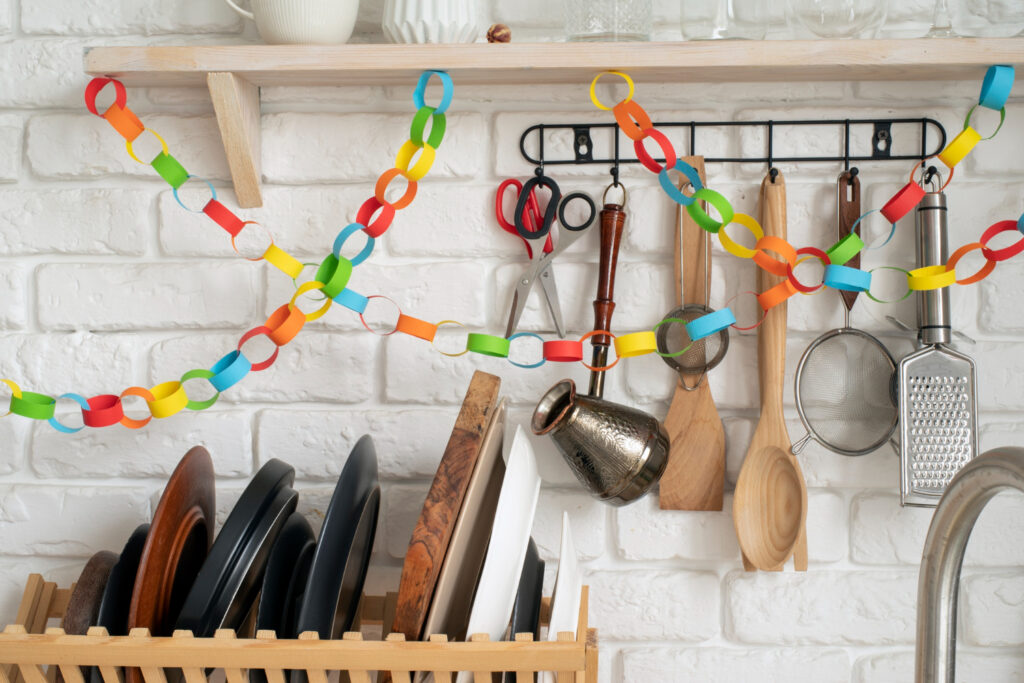
When countertops and desks feel crowded, stress tends to follow. Using vertical wall storage, such as pegboards or rail systems, shifts clutter upward rather than outward. Home organization experts often recommend this approach in kitchens, garages, and craft rooms. Hanging tools, utensils, or supplies keeps them easy to see and reach while freeing up flat surfaces.
This reduces the mental load of searching through drawers or piles. Vertical storage adapts easily as your needs change. You can rearrange hooks or shelves without replacing the system. When used items stay visible but off your work surface, your space feels calmer and functional.
3. Add Drawer Dividers to Eliminate Junk Drawer Chaos
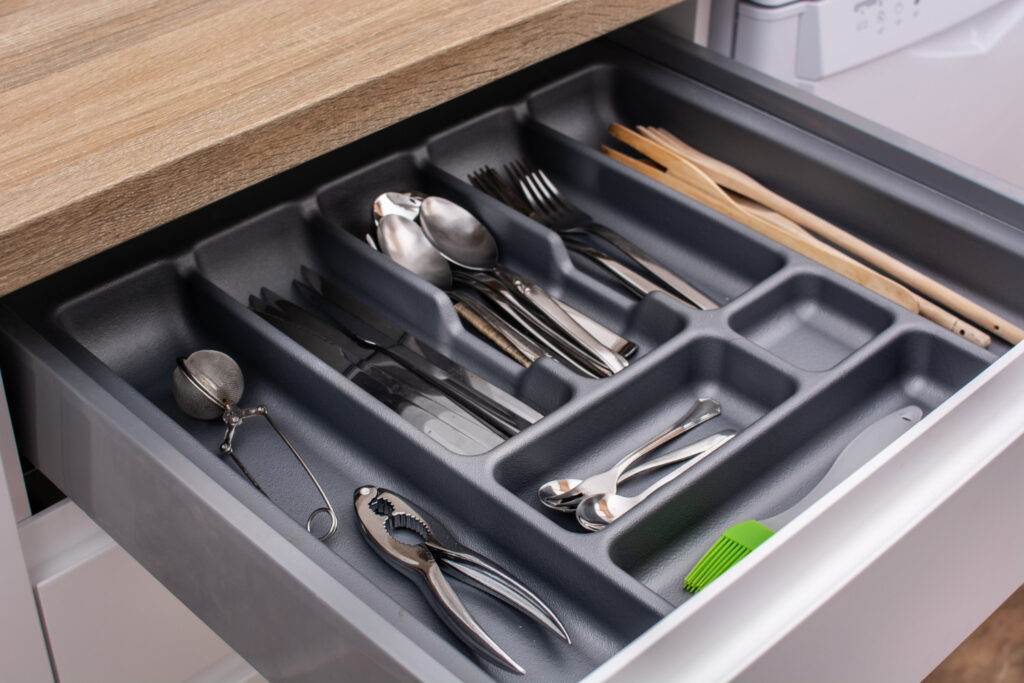
Drawer dividers quietly solve one of the most common sources of household frustration. Without them, drawers become catchalls where items shift, tangle, and disappear. Organizers recommend dividing drawers by category so each item has a defined boundary. In the kitchen, this means utensils no longer overlap or jam.
In bathrooms, small items stop rolling to the back. In home offices, supplies stay separated and usable. When drawers open smoothly, and everything stays in place, you reduce irritation without thinking about it. Dividers also make it easier to maintain order because returning items feels intuitive.
4. Switch to Clear Containers for Pantry and Fridge Staples
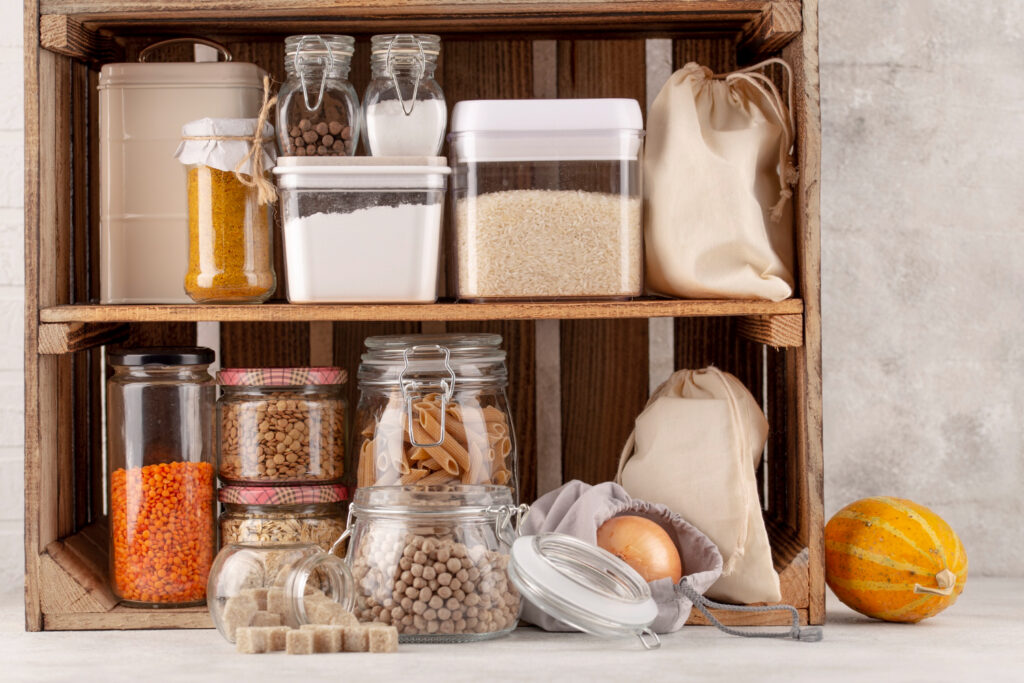
Clear containers transform how you interact with your pantry and refrigerator. Nutritionists and professional organizers often note that visibility directly affects how efficiently you use food. When dry goods and leftovers are easy to see, you waste less and shop more intentionally.
Clear containers let you check quantities at a glance, which reduces last-minute store runs and forgotten purchases. They also create uniform shapes that stack neatly, making shelves easier to manage. Labeling containers adds another layer of calm because you stop guessing what is inside. Instead of digging through bags and boxes, you immediately spot what you need.
5. Install Storage Racks Inside Cabinet Doors
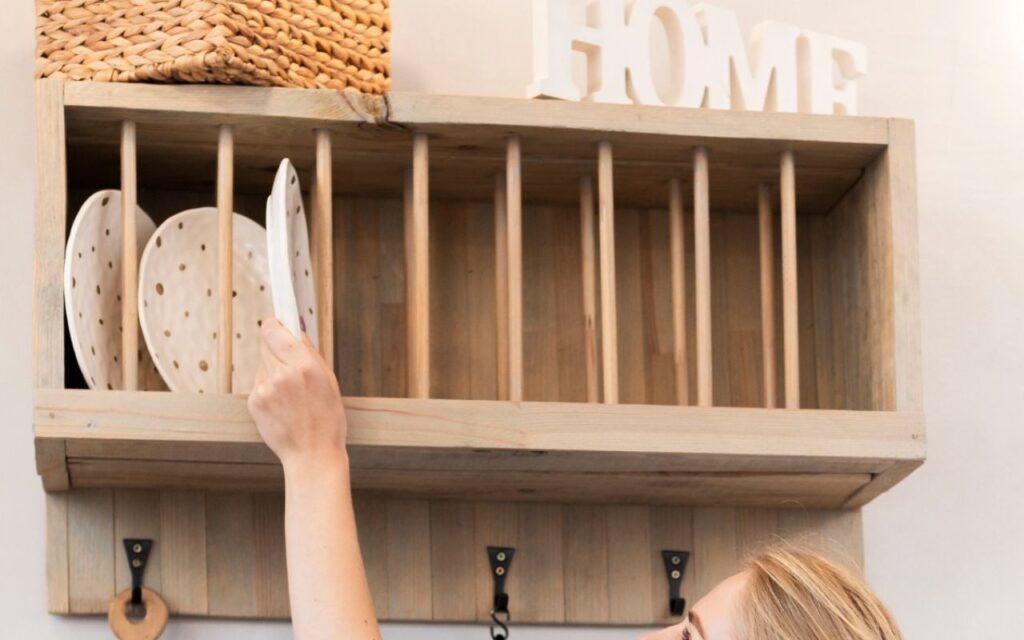
Inside cabinet doors are among the most overlooked storage areas in many homes. Installing slim racks or hooks turns unused space into a stress-reducing organization. In kitchens, you can store pot lids, cutting boards, or measuring spoons where they stay accessible but out of the way.
In bathrooms, cabinet doors can hold hair tools or extra toiletries. Organizers recommend this solution because it shortens reach time and reduces clutter inside cabinets. You no longer stack items awkwardly or knock things over to get what you need. When storage works with your movement instead of against it, daily tasks feel smoother and less frustrating.
6. Use Lazy Susans to Fix Deep and Corner Cabinets
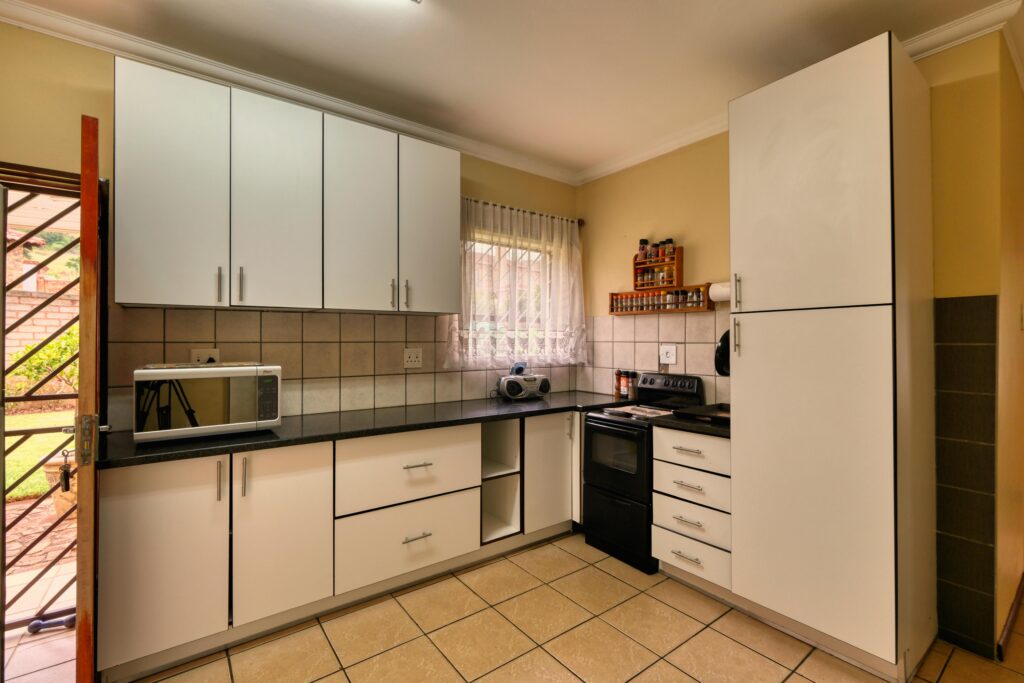
Deep cabinets create stress because items are hidden in hard-to-reach spaces. Lazy Susans solve this problem by bringing everything into view with a simple spin. Professional kitchen designers often recommend them for corner cabinets, pantries, and even refrigerators. Instead of pulling items out one by one, you rotate the tray and instantly find what you need.
This reduces food waste and cooking frustration. Lazy Susans also work well for cleaning supplies, condiments, or snacks. When nothing gets lost in the back, you feel more in control of your space. The result is a cabinet system that supports efficiency rather than creating hidden chaos.
7. Maximize Bedroom Space With Under-Bed Storage Boxes
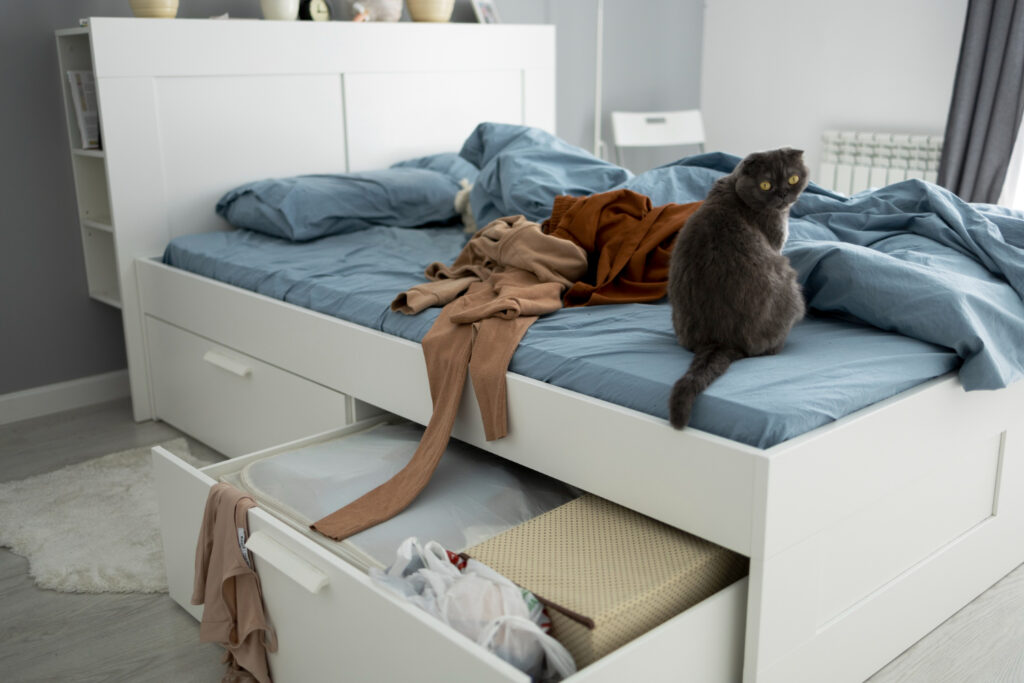
Under-bed storage helps relieve visual clutter without sacrificing accessibility. Organizers often recommend low-profile, lidded boxes for items you do not need daily but still use regularly. Seasonal clothing, extra bedding, and shoes fit neatly beneath the bed instead of crowding closets.
This keeps bedrooms feeling more open and restful. Clear or labeled boxes make it easy to find items without having to pull everything out. When storage stays hidden but organized, your bedroom becomes a calmer space that supports better rest. Reducing clutter in sleeping areas directly affects how relaxed you feel at the end of the day.
8. Use Labeled Bins to Keep Closets From Overwhelming You
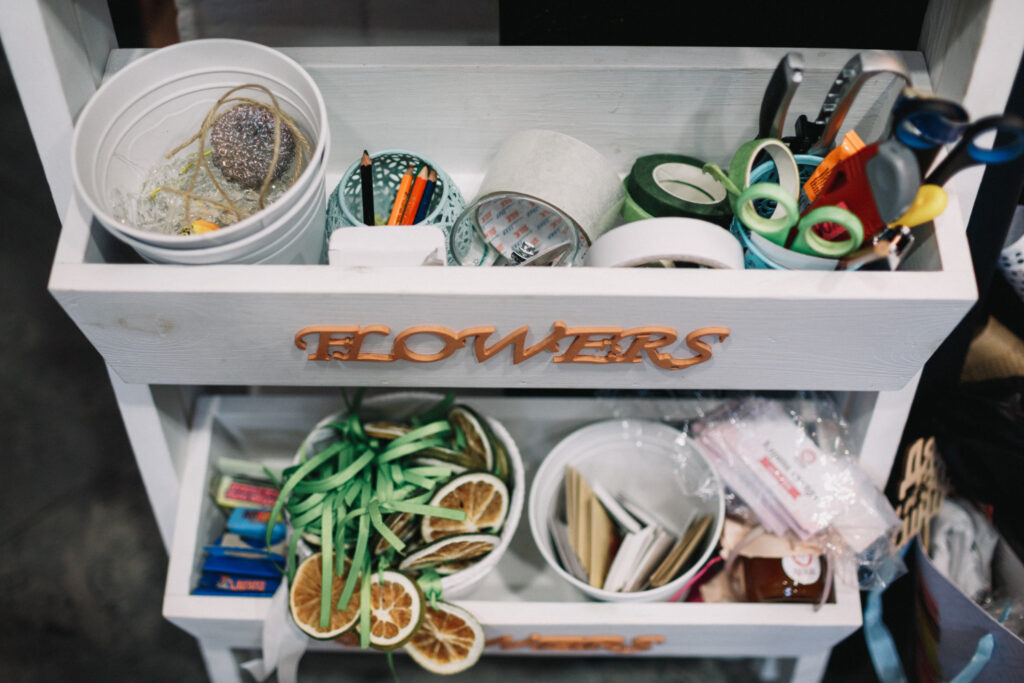
Closets often become stress zones when items pile up on high shelves without structure. Labeled bins bring order by grouping similar items and setting clear limits. Professional organizers recommend this approach for linen closets, hallway storage, and kids’ spaces. Labels reduce decision fatigue because you always know where things belong.
They also make it easier for everyone in the household to put items away correctly. When bins are consistent in size and clearly marked, shelves look calmer and stay that way longer. This system prevents clutter from spreading and keeps storage areas manageable instead of overwhelming.
9. Rely on Over-the-Door Organizers for High-Traffic Rooms
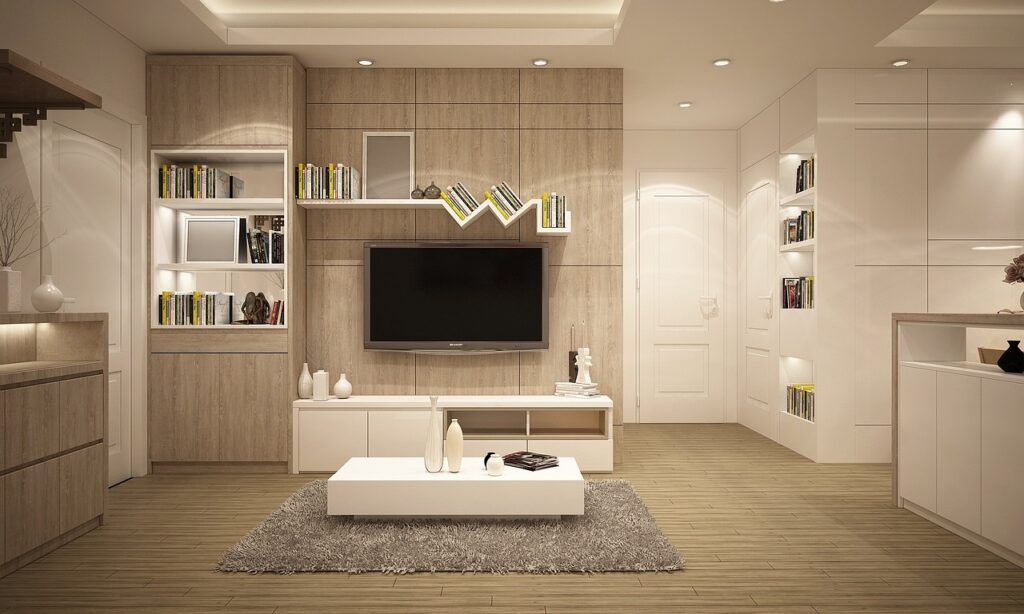
Over-the-door organizers add storage without taking up floor or shelf space. Organizers often suggest them for high-traffic areas where clutter builds quickly throughout the day. In pantries, they hold snacks or spices. In bathrooms, they store cleaning supplies or toiletries. In kids’ rooms, they manage toys and accessories.
Because these organizers use vertical space, they reduce visual clutter while keeping items accessible. You stop piling things on counters or furniture. The result is a room that feels lighter and easier to navigate, even on busy days when things don’t get put away perfectly.
10. Set Up a Dedicated Paper Sorting System for Mail and Bills
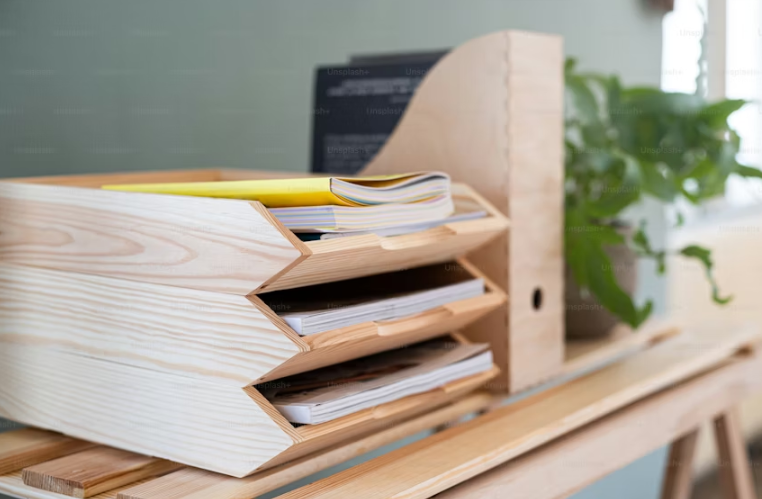
Paper clutter creates stress because it carries mental weight. Bills, school forms, and mail demand attention and pile up fast. A dedicated paper sorting system helps you handle them immediately. Professional organizers recommend labeled trays or hanging folders for categories like bills, action items, and documents to file.
When paper has a clear destination, it stops spreading across countertops. You know where to look when something is due or needed. This system reduces anxiety by turning paper from a looming problem into a controlled process. Handling mail once instead of multiple times frees both your space and your mind.