
13 Once-Popular Candies That Have Vanished From Store Shelves
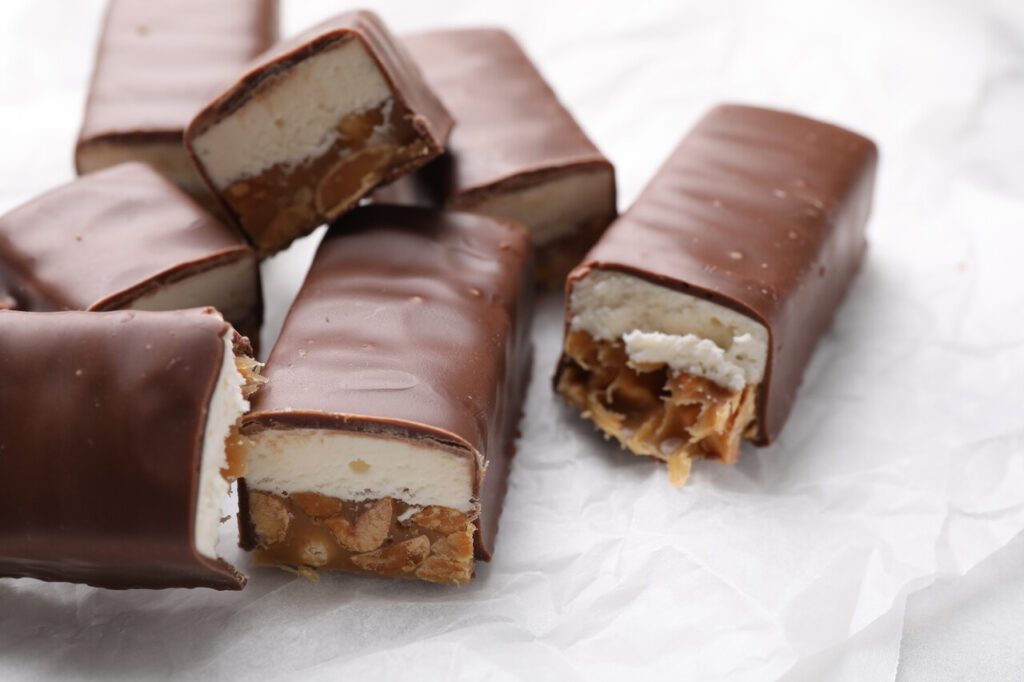
Candy shelves change quietly, often without fanfare. One season, a favorite bar is everywhere, and the next it’s gone, replaced by something new and unfamiliar. Many once-popular candies didn’t disappear because people stopped loving them, but because production costs shifted, branding priorities changed, or companies streamlined their lineups. What this really means is that a lot of beloved treats vanished behind the scenes, leaving only memories, collector wrappers, and the lingering sense that candy used to be a little more adventurous.
1. Marathon Bar
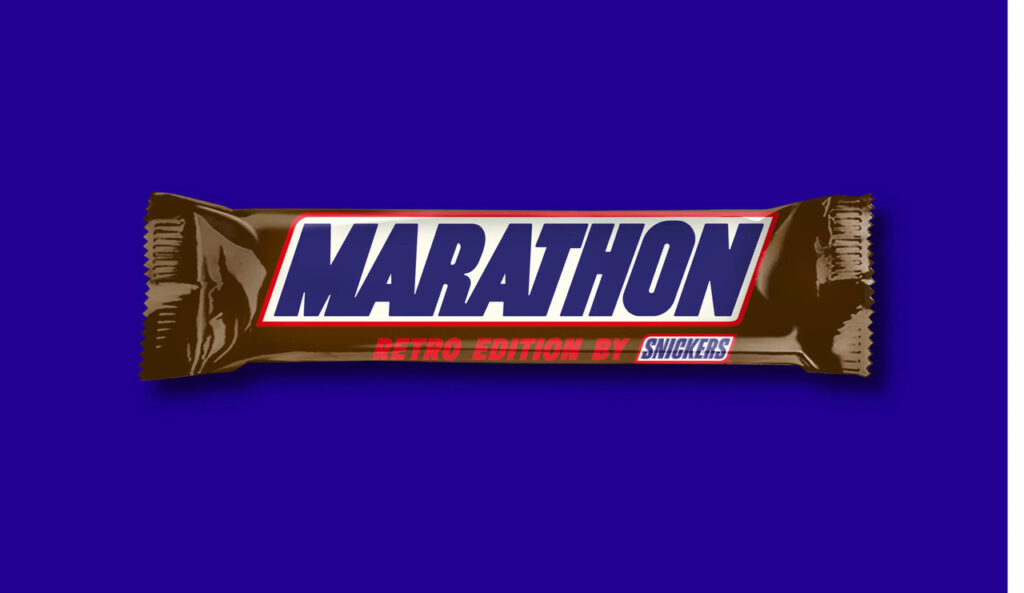
The Marathon Bar stood out the moment it hit shelves because nothing else looked or ate quite like it. Its long, braided caramel design was playful but also practical, stretching a single candy bar into something that felt like it lasted forever. The chocolate coating was thin enough to let the caramel shine, which mattered in an era when candy bars were more about texture than overload. The problem was production. That intricate shape made manufacturing slower and more expensive than standard bars. As candy companies streamlined operations in the 1980s, novelty shapes became liabilities. Over time, simpler bars won shelf space, and Marathon quietly disappeared.
2. PB Max
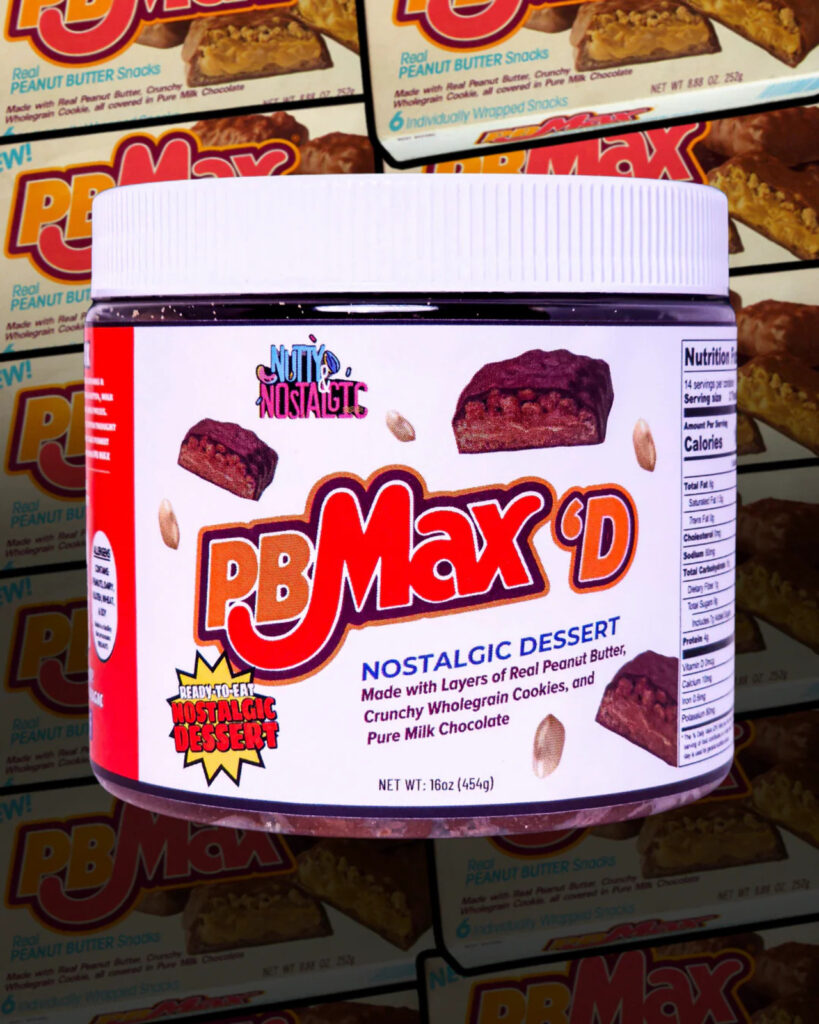
PB Max had everything going for it on paper: peanut butter, oats, whole milk chocolate, and a rich, filling bite that felt closer to a dessert than a snack. Fans loved it because it didn’t taste mass-produced. Ironically, that became part of its downfall. The oats and peanut butter made production more complex, and ingredient costs were higher than those of simpler candy bars. There’s also long-standing lore that company leadership personally disliked peanut butter, which didn’t help its chances. Despite strong sales and a devoted fan base, PB Max vanished quickly. Today, it’s remembered as one of those rare candies that felt substantial, almost homemade, in a market that increasingly favored speed and uniformity.
3. Oompas
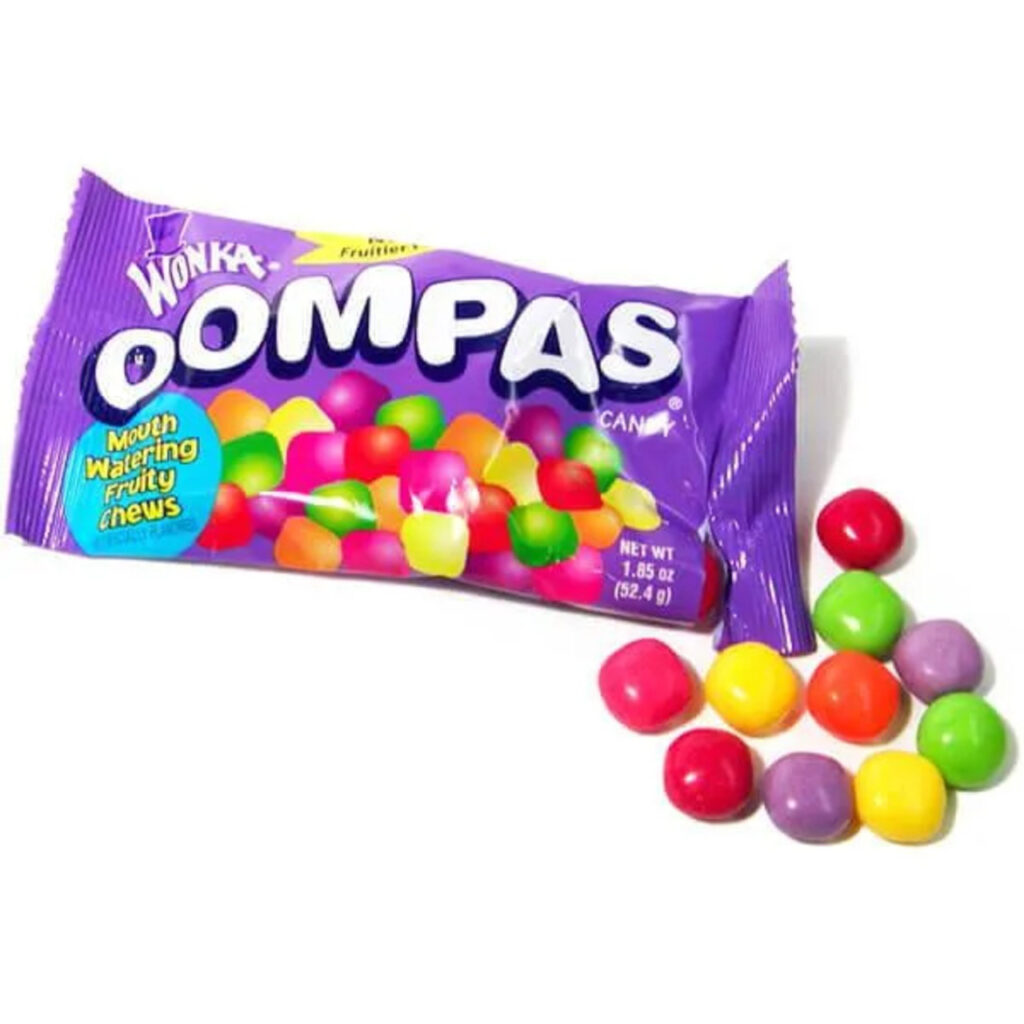
Oompas arrived riding the cultural wave of Willy Wonka branding, which made them instantly recognizable. These small chocolate candies with oat clusters offered crunch and richness in equal measure. They were meant to be playful and shareable, fitting neatly into the candy-coated trend of the time. But novelty branding has a short shelf life. As Wonka’s lineup expanded, some products inevitably lost priority. Oompas also faced competition from simpler chocolate candies that were cheaper to produce and easier to market. Once shelf space tightened, they were phased out. What lingers is the memory of a candy that felt whimsical without being overly sweet, something that’s harder to find today.
4. Bonkers Candy
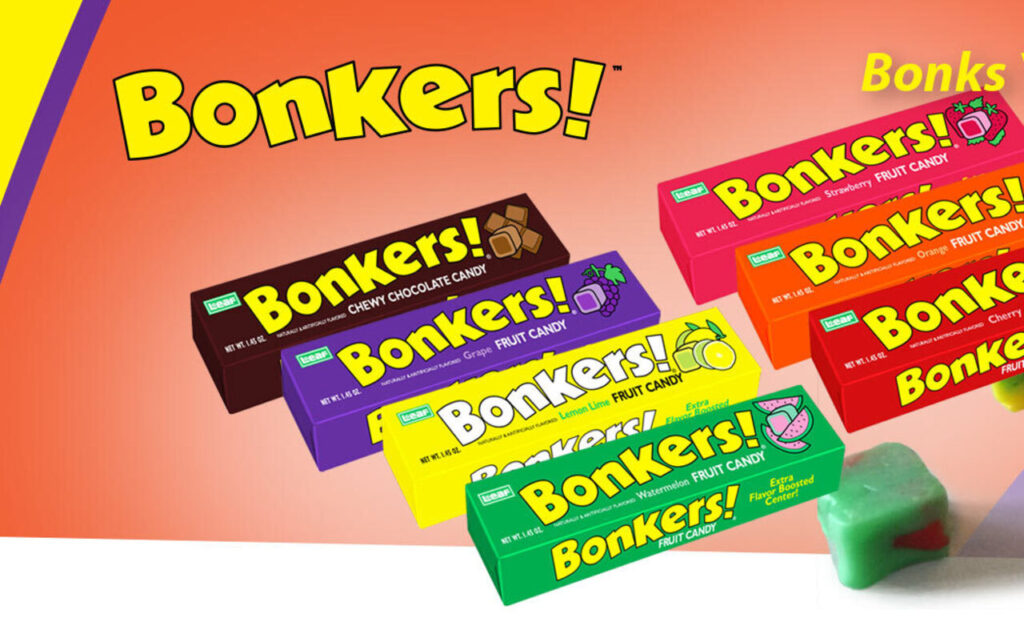
Bonkers candy leaned hard into intensity. Each chewy square delivered a burst of fruit flavor with a softer center, and its marketing matched that boldness. The candy was sticky, loud, and memorable, especially for kids. However, its texture made packaging and shelf stability more challenging than harder candies. As tastes shifted away from ultra sticky chews and toward gummies with cleaner bites, Bonkers started to feel dated. Production costs and declining demand sealed its fate. Fans remember Bonkers for its unapologetic flavor punch and slightly messy chew, a reminder of a time when candy didn’t try to be subtle or refined.
5. Chunky Applehead
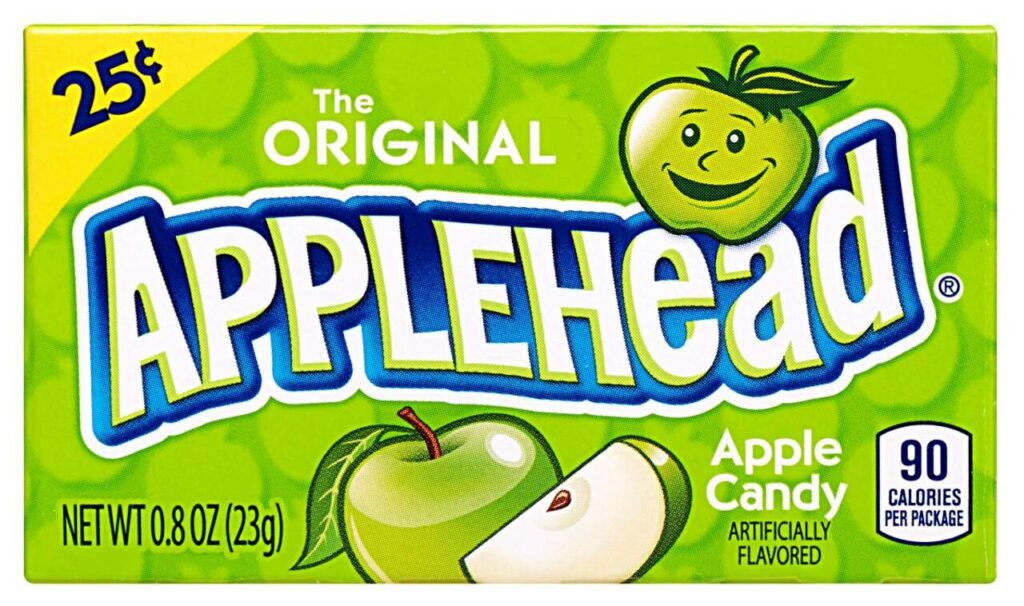
Chunky Applehead was an experiment in expanding an already niche brand. Applehead candy itself was polarizing, intensely flavored and not for everyone. The Chunky version tried to soften that intensity by pairing apple flavor with chocolate and other textures. Unfortunately, apple and chocolate proved to be a tough sell to a broad audience. The candy struggled to find its identity, and sales never justified keeping it around. As companies trimmed underperforming variations, Chunky Applehead was an easy cut. Today it’s remembered mostly by collectors and nostalgic candy fans who appreciate how boldly strange it was.
6. Zero Bar Original Recipe
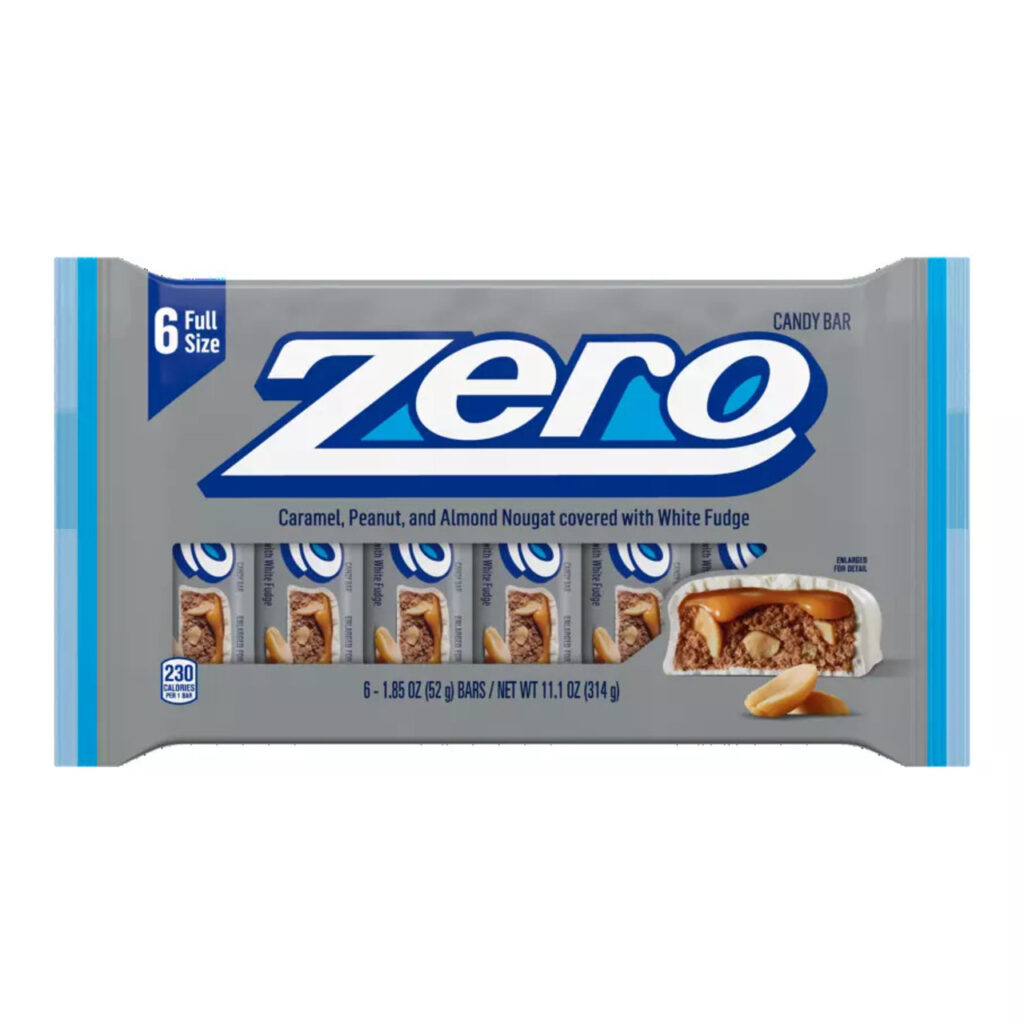
The Zero Bar still exists, but longtime fans insist the original recipe is gone. Earlier versions had a different balance of sweetness and texture, with a more pronounced caramel and a less sugary white fudge coating. Over time, reformulations aimed at cost control and consistency subtly changed the bar’s character. Ingredients were adjusted, and the result was a candy that technically survived but emotionally disappeared. This kind of quiet vanishing is common in candy history. The name stays, but the experience changes. For fans of the original, the Zero Bar they loved is something you can’t buy anymore.
7. Almond Joy Pieces
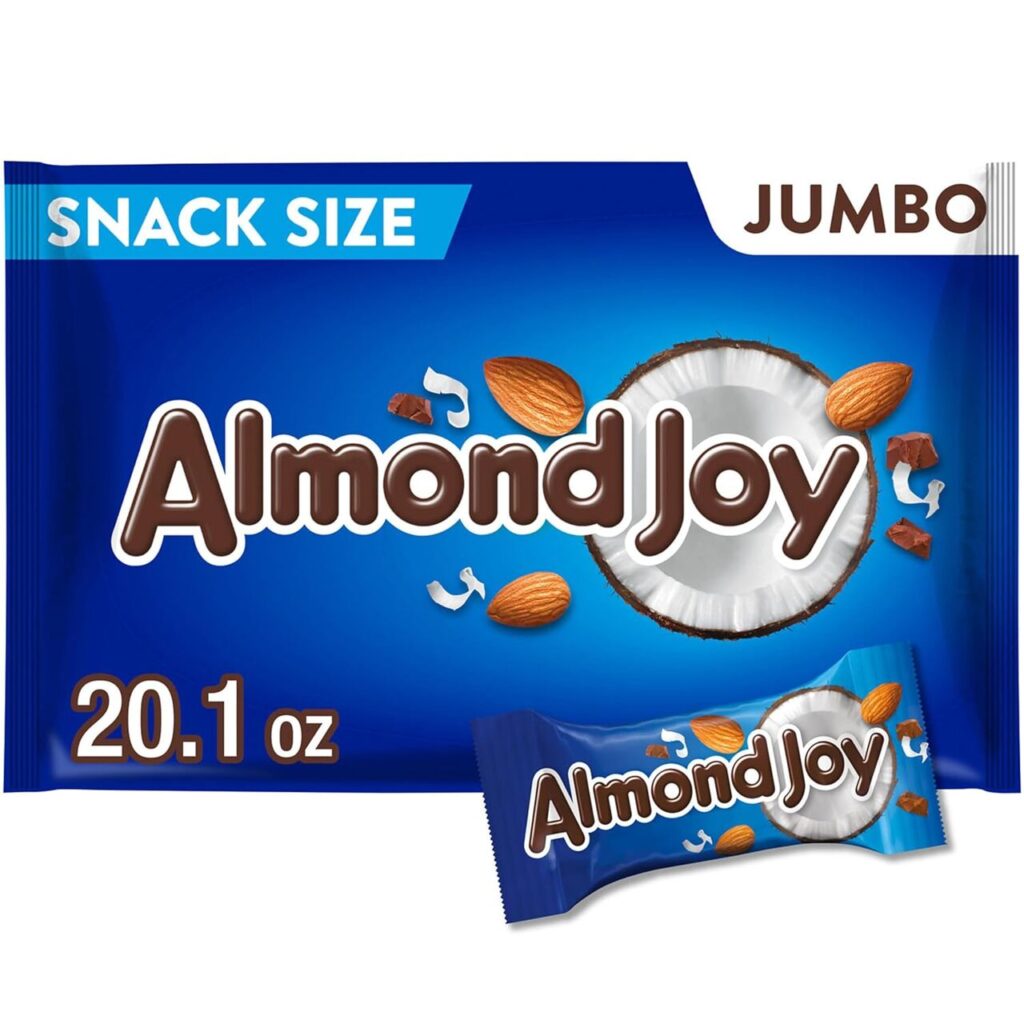
Almond Joy Pieces tried to translate a full-sized candy bar into a bite-sized format, following the success of candy-coated chocolates. While the concept made sense, the execution fell short for many fans. Coconut doesn’t always translate well into smaller formats, and the balance of almond, coconut, and chocolate was harder to achieve without losing texture. The pieces lacked the layered experience that defined the original bar. As competition in the candy pieces category increased, Almond Joy Pieces struggled to stand out. Eventually, they were discontinued, leaving the full bar as the only remaining expression of that flavor profile.
8. Nestlé Wacky Wafers
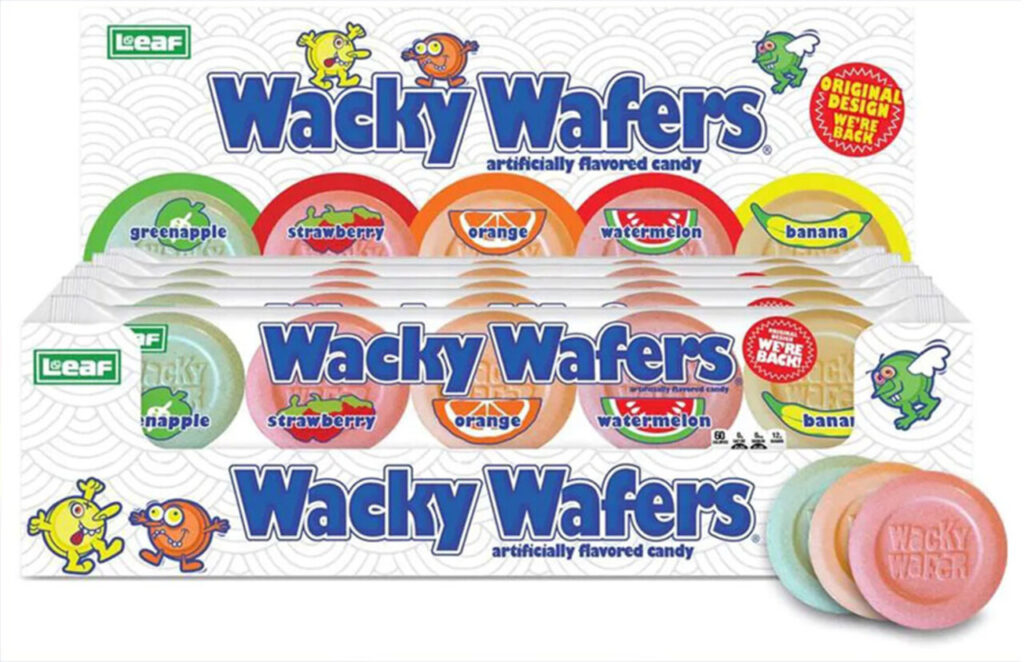
Wacky Wafers were light, airy chocolate wafers that felt almost bubbly when you bit into them. They were popular because they didn’t feel heavy or overly sweet, offering a different chocolate experience. However, that airy structure required specialized production and careful packaging to prevent breakage. As candy companies consolidated product lines, fragile items like Wacky Wafers became harder to justify. They were phased out in favor of sturdier, more predictable chocolates. Fans still remember the satisfying snap and melt, a texture that’s surprisingly rare in today’s candy aisles.
9. Reggie! Bar
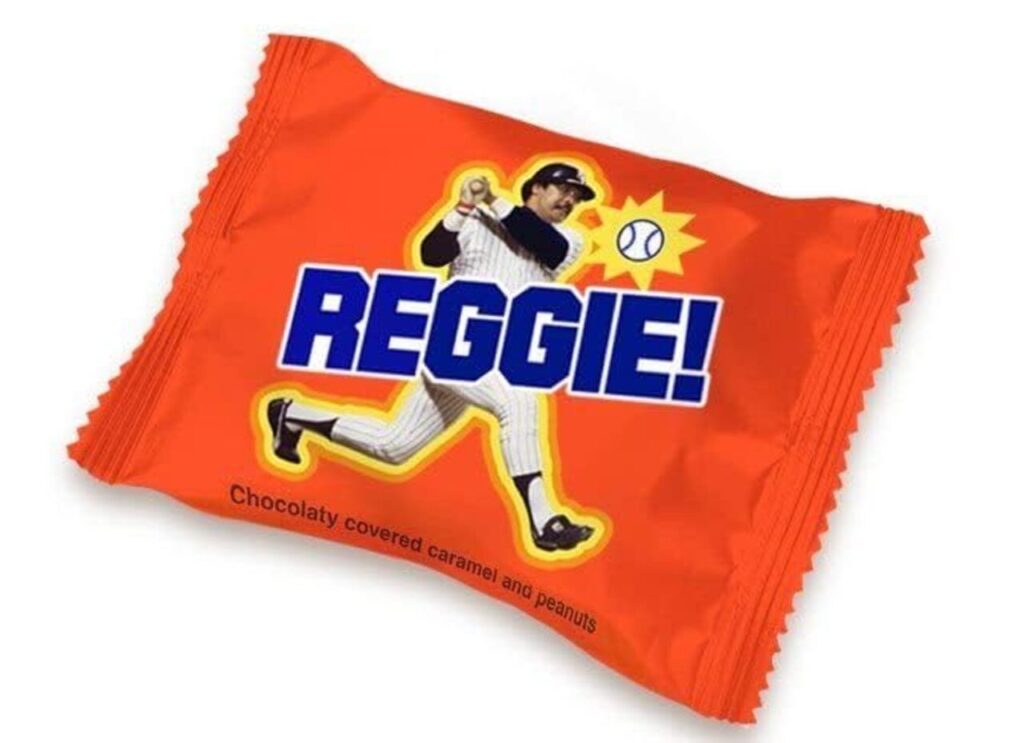
The Reggie! Bar was a product of its time, built around sports celebrity marketing. Named after baseball star Reggie Jackson, it combined chocolate, caramel, and peanuts in a format meant to rival established bars. While the candy itself was solid, its identity was closely tied to a specific cultural moment. As celebrity endorsements shifted and the novelty wore off, interest faded. Without strong brand independence, the bar couldn’t survive long-term. Today, it’s remembered as a snapshot of 1980s pop culture, when candy, sports, and celebrity branding were tightly intertwined.
10. Sno Caps Vintage Versions
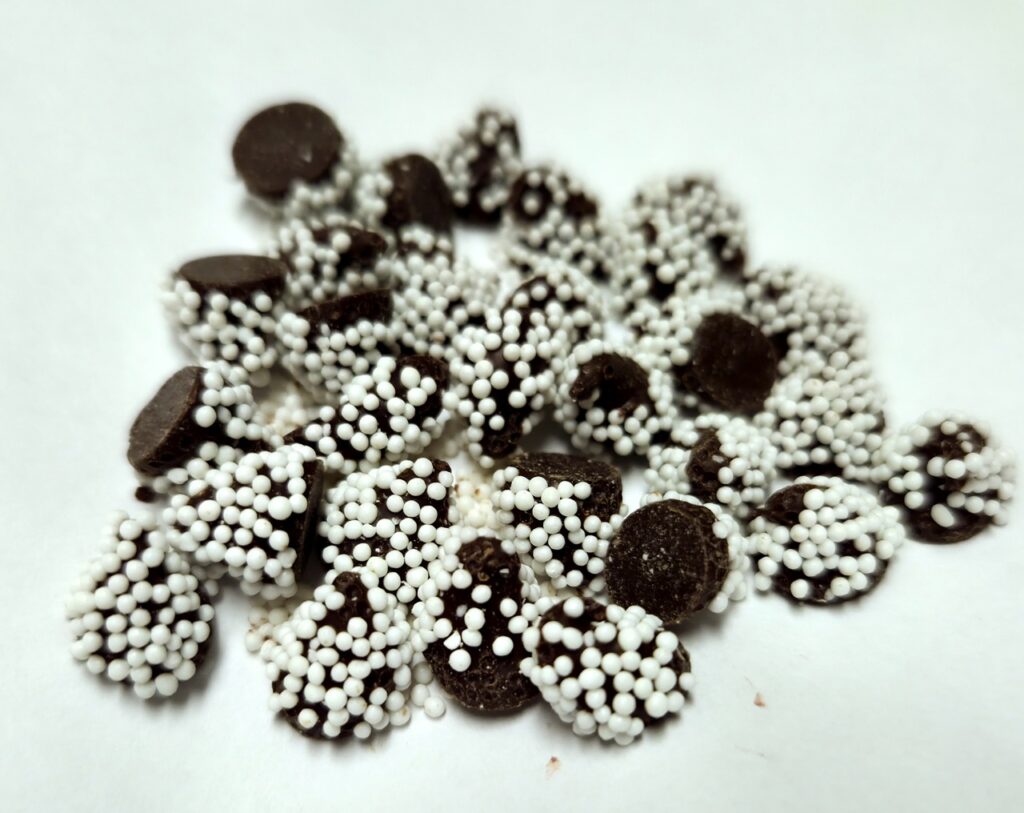
Sno Caps still exist, but older versions and packaging formats have disappeared. Earlier iterations had different chocolate blends and sometimes larger, less uniform nonpareils. As manufacturing standards tightened and costs were optimized, those quirks were smoothed out. What remains is more standardized and consistent, but also less distinctive to longtime fans. This kind of evolution is common in candy, where subtle changes add up over time. For people who grew up with earlier versions, the Sno Caps they remember feel like a different product entirely.
11. 100 Grand Original Recipe
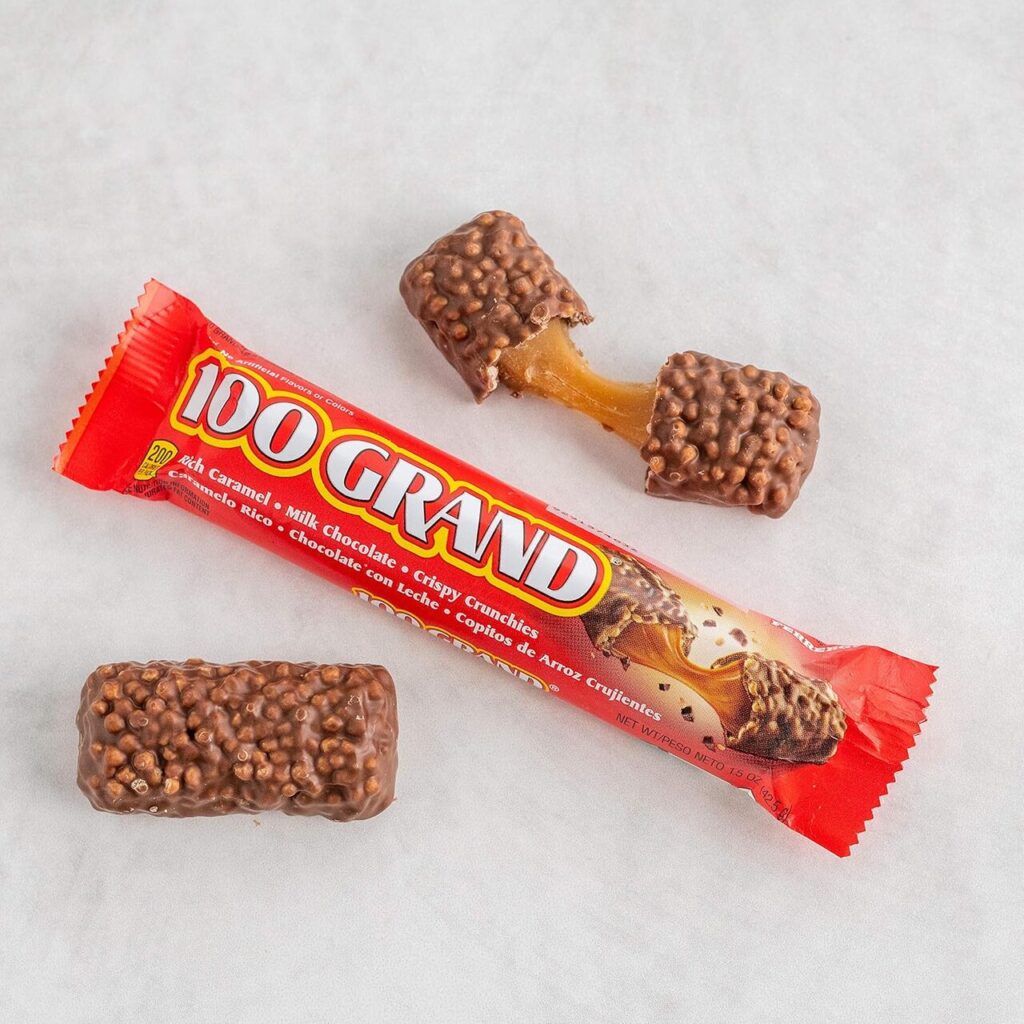
The 100 Grand Bar remains on shelves, but older fans insist the original recipe had a deeper caramel flavor and a different rice crisp texture. Over the years, ingredient sourcing and processing changes altered how the bar eats. The structure became slightly firmer, the caramel less rich. These changes are rarely announced, but they matter to people with strong taste memory. Like many candies, the bar survived by adapting to modern production realities, even if that meant losing some of its original charm. What disappeared wasn’t the name, but the exact experience.
12. Lypsyl Sweets

Lypsyl Sweets were an oddity even when they existed. Sharing a name and aesthetic with a lip balm brand, they were novelty candies that blurred the line between product and joke. While memorable, they were also confusing from a branding perspective. As regulations around packaging and consumer clarity tightened, products that risked confusion became less viable. Lypsyl Sweets quietly vanished, remembered mostly for their novelty rather than their flavor. They represent a time when candy companies experimented freely with branding ideas that wouldn’t survive today’s stricter standards.
13. Bon Bon Buddies Early Variants
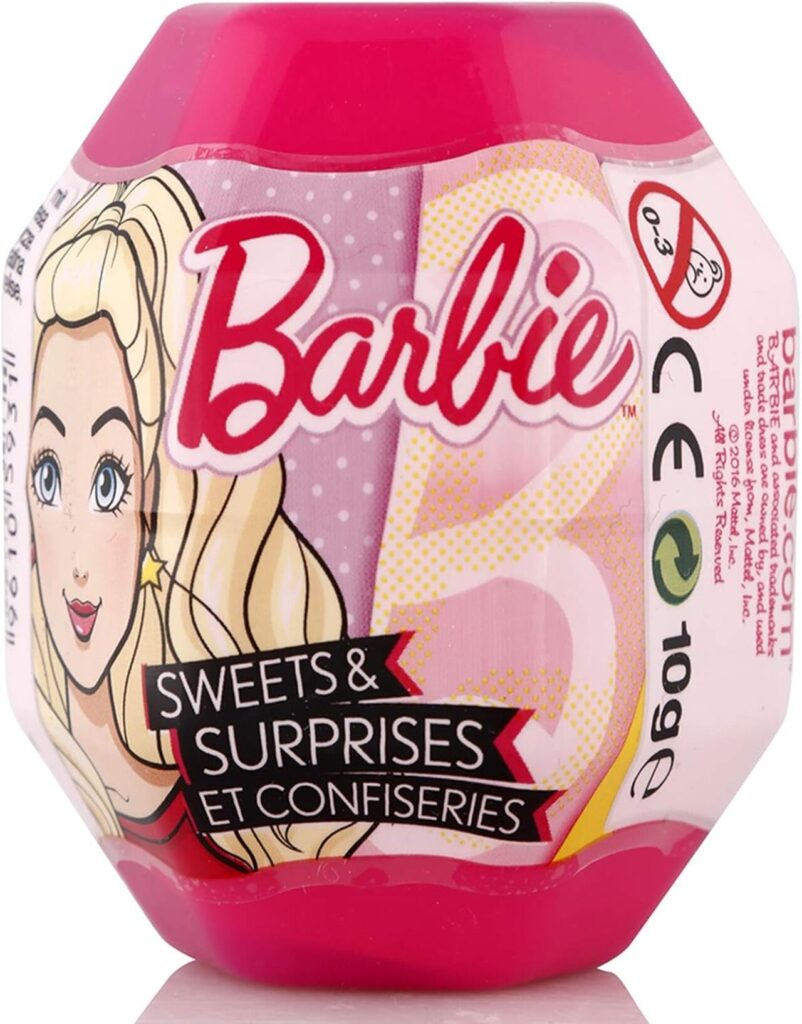
Bon Bon Buddies have been reimagined multiple times, but early variants are gone. Original shapes, flavors, and chocolate formulas differed noticeably from what exists now. As the product evolved to fit changing consumer expectations and manufacturing needs, those early versions were phased out. This gradual transformation makes it hard to pinpoint when they disappeared, but longtime fans can tell the difference immediately. The loss is subtle but real, another example of how candy history often fades through evolution rather than sudden cancellation.