5 Chain Restaurants Customers Say No Longer Match Their Reputation
For a long time, families all over the world found comfort and reliability in the ease of a well-known restaurant business. You knew exactly what the inside would look like, how the staff would greet you, and most importantly, exactly how your favorite food would taste every time. In recent years, the eating landscape has altered, and many famous restaurants are struggling to maintain the high standards that helped them develop their empires. Many devoted customers are complaining online and in person about rising prices, ingredient changes, and poor service. Five large restaurant companies’ global customers don’t always like their food.
1. Applebee’s
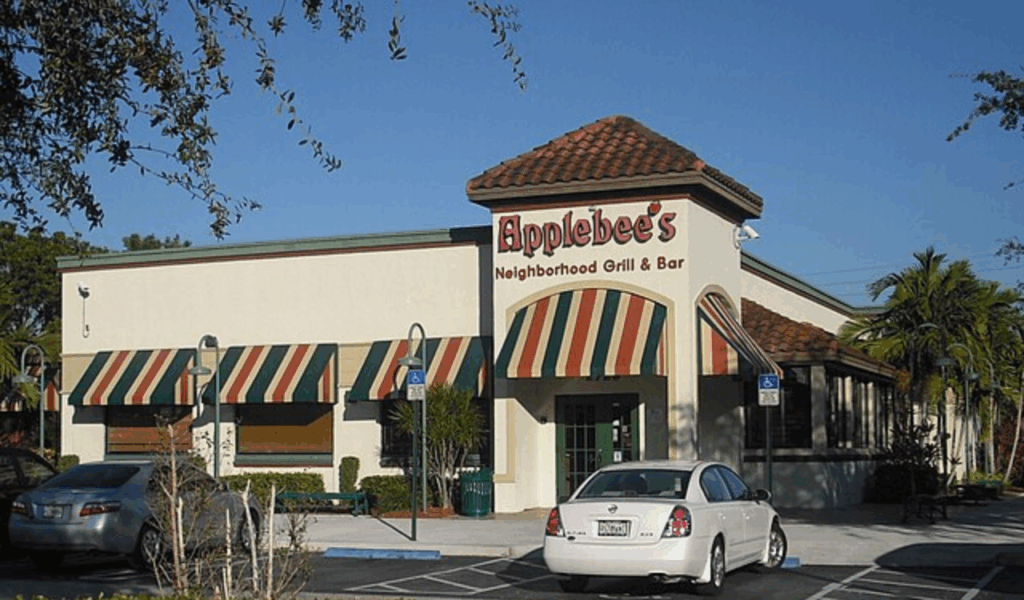
Applebee’s used to be the best “neighborhood” place to go for good comfort food and a friendly ambiance. People have been very critical of the brand’s menu items’ freshness in recent years, nevertheless. Many diners complained that certain meals tasted like they were reheated or flash-fried instead of created to order. The restaurant provides cheap drinks and appetizers to attract customers, but these bargains can fill the dining rooms and keep the staff busy. During its peak years of global growth, the company worked hard to build a friendly, high-quality image, yet this mix often slows service and decreases detail.
2. Red Lobster
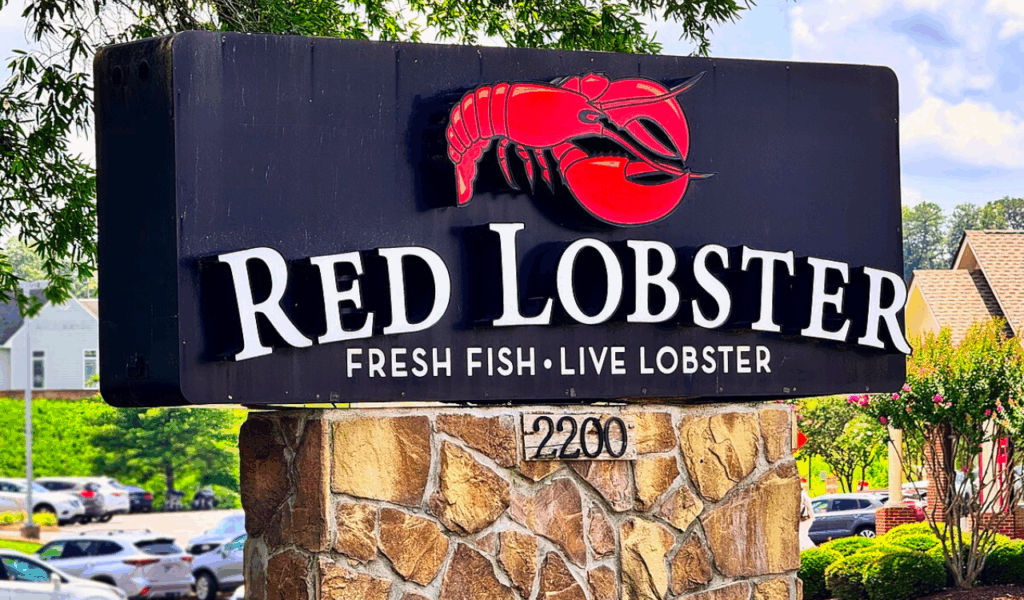
Red Lobster, the biggest seafood business in the world, used to be a sign of accessible luxury for families celebrating special occasions. Unfortunately, recent financial problems and a high-profile bankruptcy filing have made that polished image look very bad. Customers say seafood has become less variety and low-quality. Some notable campaigns backfired, causing supply chain issues that chefs couldn’t handle. Guests say excessive cost-cutting has compromised dish amount and biscuit crispness. To address these challenges, the new management are upgrading technology, yet most customers claim the brand lacks charm and luxury feel.
3. Subway
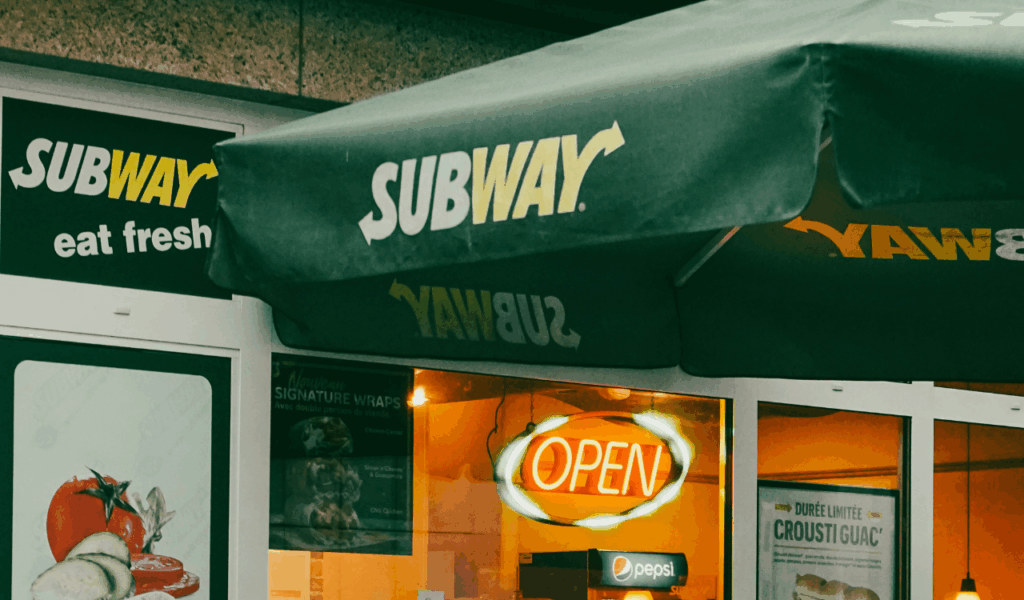
Subway changed the fast food business by giving people a “fresh” option to greasy burgers and letting them see their sandwiches being made right in front of them. Recently, that reputation for freshness has come under a lot of scrutiny since competitors have entered the market with high-quality meats and artisanal breads. Subway veterans say the bread and processed meats lack current flavor and transparency. Many stores have closed, and franchise criteria vary, thus experience may vary. For a corporation that claims to be better and fresher, many customers find the experience boring and old-fashioned.
4. TGI Fridays
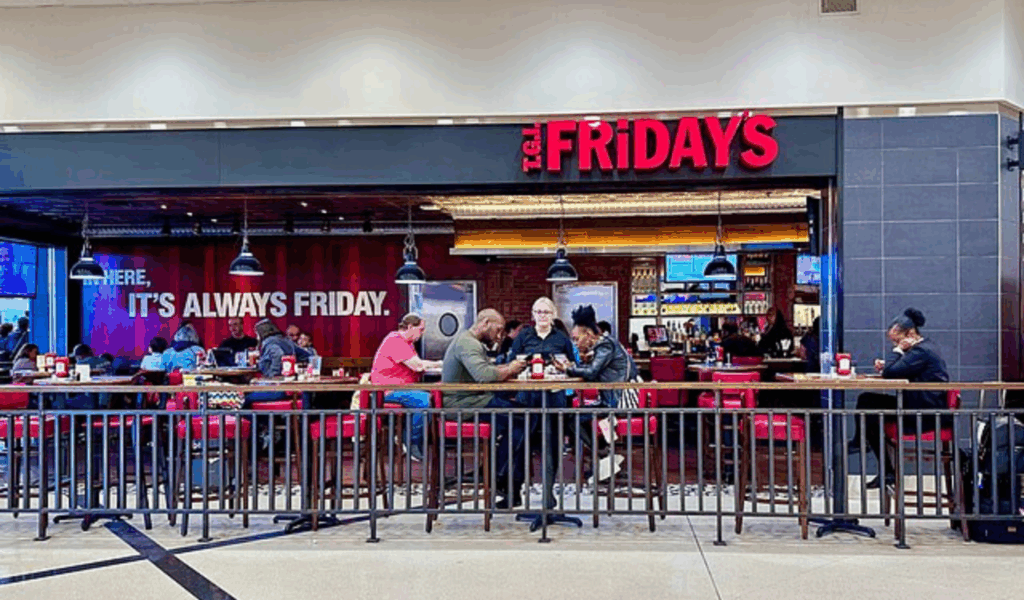
TGI Fridays is almost the first casual dining restaurant. Its quirky atmosphere and high-energy service made every visit feel like a weekend party. Sadly, that lively energy has faded for many visitors, who now say the atmosphere is dull and the menu is too static. After a lot of branch closures and a hard time staying relevant in a world full of fashionable gastropubs, the chain has had a hard time keeping its standing as a top-tier attraction. Customers complain that the food is inconsistent and that glazed foods lack flavor. The corporation struggles to transcend its image as an old-fashioned food leader due to its lack of a current brand.
5. Panera Bread
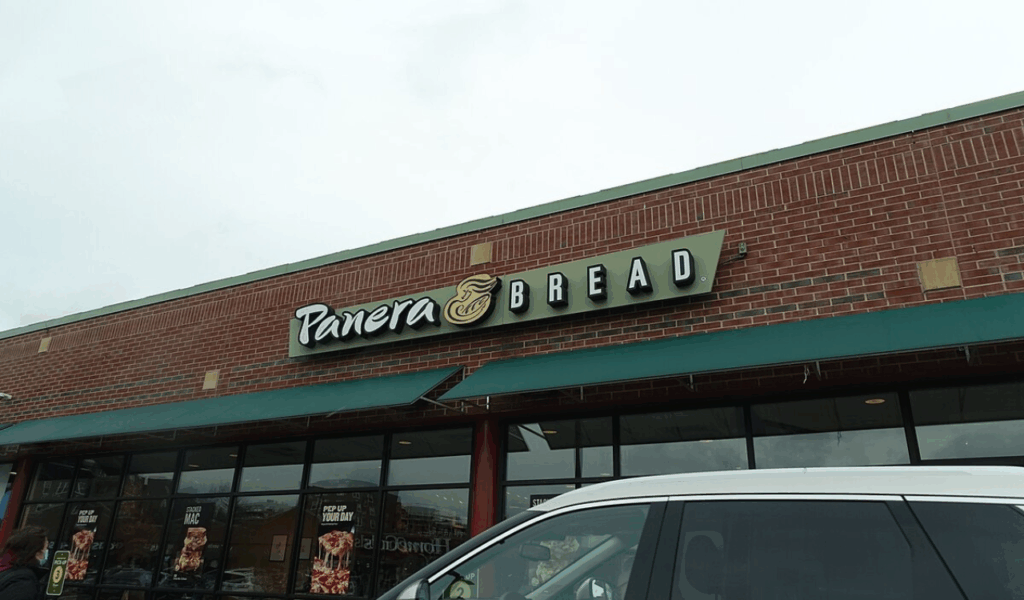
Panera Bread first stood out from other quick-service restaurants by offering a “fast-casual” experience that felt much more upscale and health-conscious than other places. Customers have recently spoken out against the company, saying that prices have gone up while portion sizes and food quality have gone down. Since soups and sandwiches are now consolidated, people say they taste worse. Because they were handmade, they were worth the extra money. Many regulars feel out of place since the bakery-cafe look has been replaced by a caffeine-heavy drink menu. Many see the brand as a fast-food franchise rather than upscale.