10 Overrated Home Decor Items First-Time Buyers Regret Buying
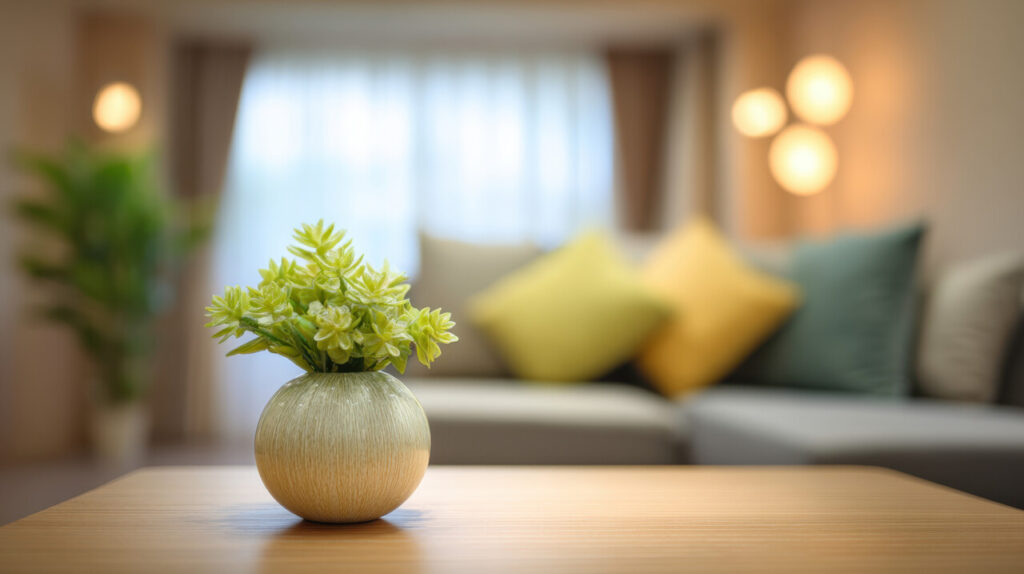
First-time buyers often jump into decorating with excitement, only to discover later that some purchases looked better in the cart than they do in daily life. It happens because the pressure to fill a new home is real, and stores are full of items that seem stylish or practical at first glance but don’t stand up to real use. When a piece is too big, too trendy, or too hard to maintain, you start to feel its impact every time you walk past it. What this really shows is that good decor isn’t about buying more. It is about choosing pieces that fit your space, your habits, and your long-term taste. Once you see which items fall short, it becomes easier to spot the things that will actually make your home comfortable and personal.
1. Oversized Sofas And Furniture That Dominate The Room
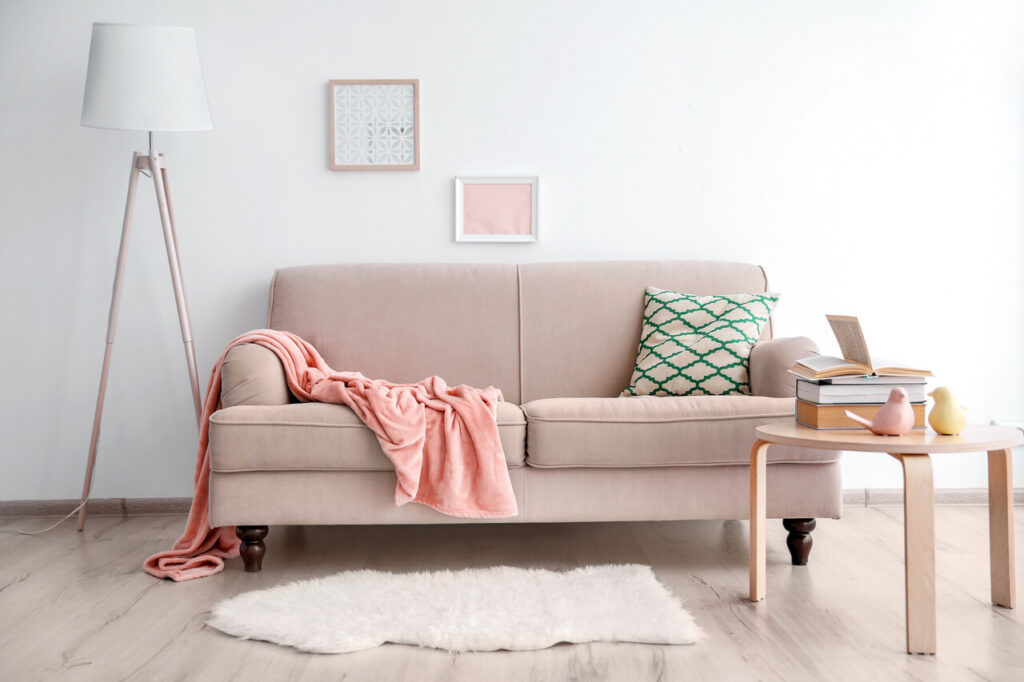
The fantasy of a huge, sink-in sofa is strong when you buy your first place, but here is the catch. Scale is one of the main things that decides whether a room feels inviting or cramped, and oversized pieces usually work against you. A deep sectional or jumbo recliner can block natural pathways, cover radiators or vents, and leave no space for side tables, lamps, or storage. It also limits how you can rearrange the room in the future, because there is only one wall big enough to hold it. Visually, heavy furniture makes small and even medium rooms feel smaller by cutting sightlines and swallowing floor area.
2. Excessive Throw Pillows, Blankets And Soft Furnishings
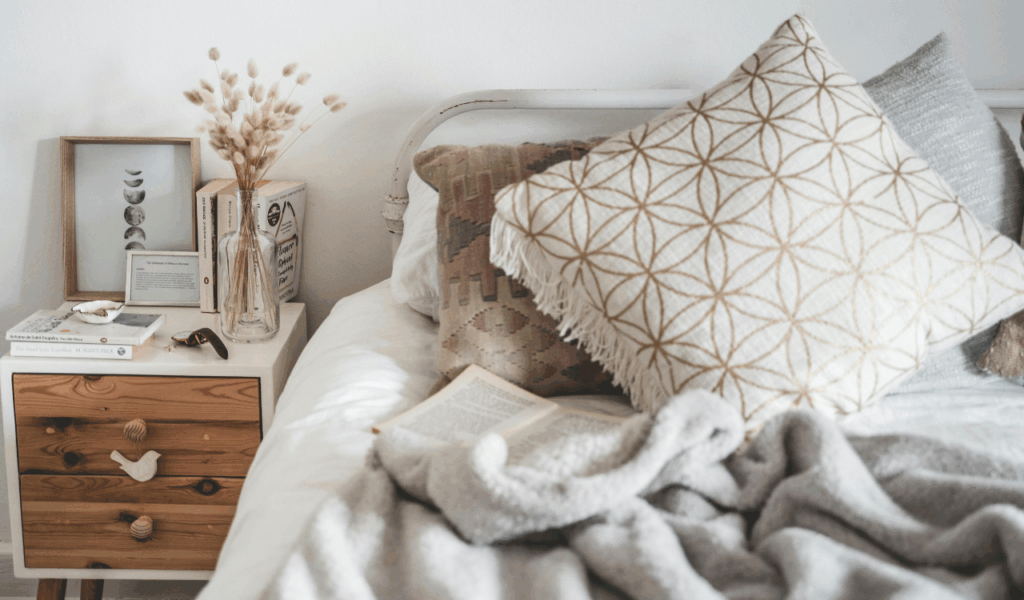
Throw pillows and blankets look harmless because they are small, but they add up quickly. A sofa piled three layers deep with cushions forces people to move them before sitting, which becomes annoying day after day. Too many patterns and textures also create visual noise, especially in small rooms, making the space feel busy instead of cozy. From a practical angle, textiles collect dust and need regular washing, so every extra throw is another item to clean and store. Many first-time buyers grab inexpensive pillows in different styles, only to find that none of them really match and the room never feels pulled together.
3. Faux Brick, Stone And Peel-and-Stick Feature Walls
Peel-and-stick brick, stone, and other faux finishes seem like a low-risk way to add character, especially in rentals or builder basic spaces. The problem is that these products are often thin, shiny, or poorly textured, so they read as fake as soon as you are up close. Seams may lift with humidity, corners can peel, and patterns sometimes repeat in obvious ways that break the illusion. They also lock you into a look that is hard to coordinate with other finishes. A faux rustic wall can clash with modern lighting or sleek furniture, and it rarely matches the architecture of the home itself. When tastes change, removal can damage paint or plaster. Designers generally find that simple paint, well-chosen art or real materials used in smaller doses deliver more lasting impact.
4. Cheap Area Rugs That Are Too Small Or Poor Quality
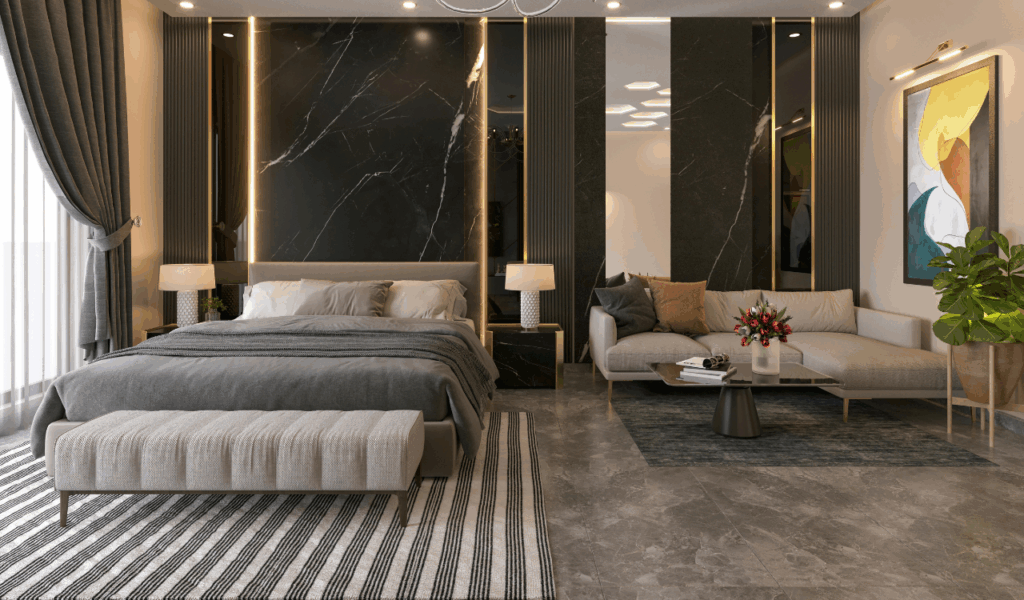
Area rugs do more than cover the floor. They define zones, absorb sound, and visually pull a seating group together. A common mistake is buying the smallest rug that fits the budget and placing it in front of the furniture rather than under it. That makes sofas and chairs look like they are hovering around a postage stamp, which breaks the sense of cohesion. Low-cost rugs may also shed, pill, or flatten quickly in high traffic areas, so they look tired within a year. Fibers treated with strong chemicals can off-gas or be hard to clean, which matters if you have kids or pets.
5. Mass-Produced Art Prints And Generic Wall Decor
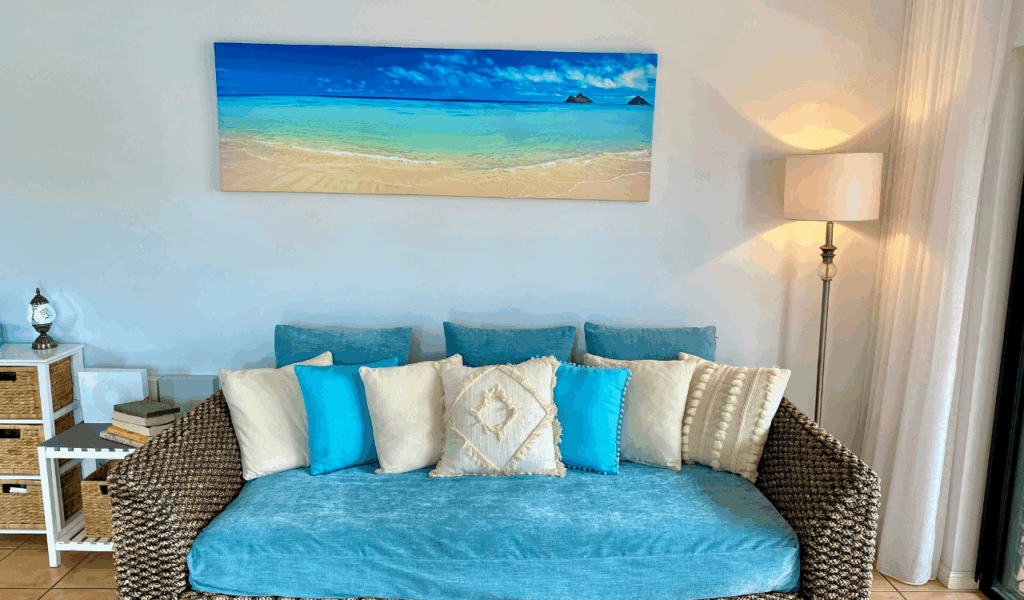
Blank walls can feel intimidating, so it is tempting to fill them quickly with whatever is available at big box stores. Mass-produced canvases with vague inspirational quotes or generic landscapes solve the empty wall problem but rarely add real personality. Because the same prints appear in many homes, hotels, and staged apartments, they can make a space feel impersonal, as if it belongs to nobody in particular. Over time, owners often feel disconnected from these pieces because they have no story behind them. They are simply filler. Curated art does not have to be expensive. Vintage finds, framed posters from places you love, prints by local artists or your own photography can all build a more authentic mix.
6. Faux Plants That Look Plastic Or Collect Dust

Faux plants promise greenery without maintenance, but many budget options do the opposite of what you want. Leaves with a shiny plastic surface or unnatural colors are easy to spot, especially in daylight, and quickly make a room feel cheap. Dust gathers on every surface and is harder to clean off artificial leaves than to rinse a real plant. Large faux trees can also fade in sunlight, leaving them with uneven coloring that stands out. People often buy them hoping to add life to dark corners or shelves, then end up ignoring them because they are just another object to keep clean. That way, you actually get the freshness and softness you were looking for.
7. Trendy Fast Furniture And Impulse Purchases

Flat pack furniture and trend-driven pieces are appealing because they are affordable and immediately available, which suits the urgency of furnishing a first home. The downside shows up later. Many of these items are made from thin particleboard or low-grade hardware that loosens over time. Shelves sag, finishes chip, and joints fail when you move them even once. On top of build quality, very trendy silhouettes or colors can date quickly, especially if they were chosen mainly because they were popular on social media rather than suited to your space. When you add up several disposable pieces, the total cost often approaches what you could have spent on one or two better-made items that would last longer and look more timeless.
8. Plain Mirrors And Basic Fixtures That Lack Character
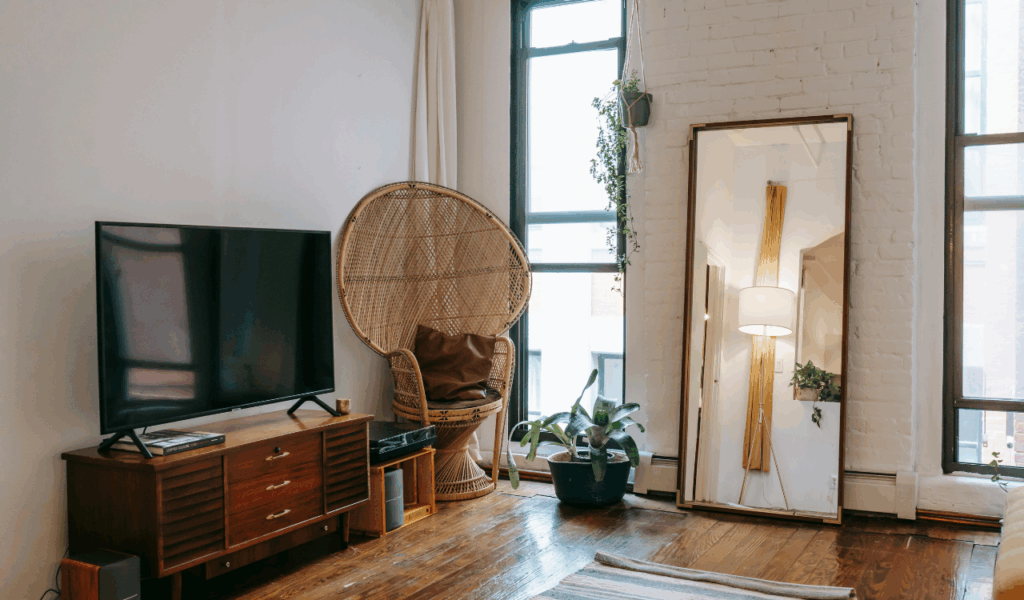
Mirrors and light fixtures are functional, which makes it easy to treat them as afterthoughts. Many first-time buyers pick up basic frameless mirrors and standard builder-grade lights just to get something on the wall. These pieces work, but they rarely enhance the room. Over time, people notice that these elements do not match their evolving style, yet they are among the most visible features in a space. A mirror with an interesting frame or an overhead light with a considered shape can act as a focal point and lift everything around it. Upgrading later often means replacing items that were bought new not long before, which adds to cost and waste.
9. Extra Storage Furniture That Just Encourages More Clutter
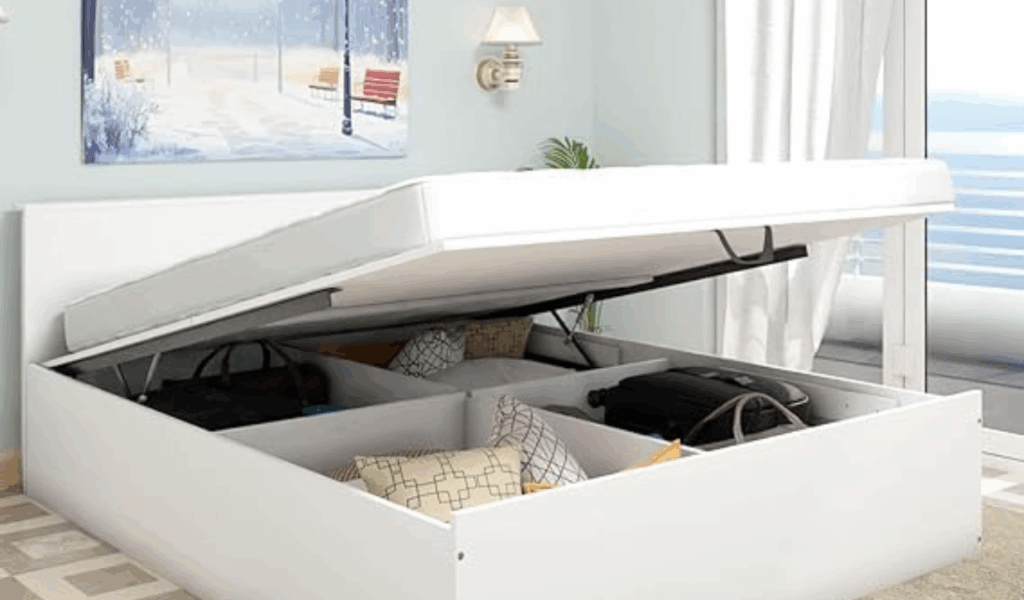
The idea that more storage automatically improves a home sounds logical, especially if you are moving from a small space. In practice, adding standalone cabinets, chests and shelving units without a clear plan often just gives clutter more places to live. Large pieces can eat into floor area, block light and make rooms feel crowded, particularly when they are only half used or filled with items you rarely touch. Designers often point out that decluttering and organizing what you already own can free more space than another storage unit. Built-in solutions or multipurpose furniture, like beds with drawers or ottomans with hidden compartments, usually serve better than a row of extra cabinets.
10. Over-Themed Decor And Loud Statement Pieces
Going all in on a theme feels exciting when you first decorate. Farmhouse signs on every wall, coastal rope details in a city apartment, or animal print, everything can create a strong first impression. The challenge is that heavy theming leaves little room for your tastes to change or for new pieces to fit in. It also risks turning the space into something that feels more like a set than a home. Loud statement items, such as novelty chairs or extreme patterned furniture, can be hard to live with daily and often dominate the room in photos and in person. Once the initial thrill fades, many owners find themselves wanting calmer, more flexible surroundings that they can tweak over time.