15 January Foods People Rely On, Even Though They Don’t Actually Feel Comforting

January often triggers a reset mindset after holiday indulgences, prompting people to seek foods labeled as clean, light, or responsible. The goal is to feel comforted while supporting healthier habits, yet winter cravings, habitual routines, and the desire for quick, structured meals often outweigh actual enjoyment. Soups, salads, smoothie bowls, oatmeal, and other simple breakfasts appear sensible, but they rarely provide richness, warmth, or satisfying texture. Meals designed purely for structure do not automatically deliver comfort, leaving cold evenings emotionally flat despite intentions to reset. Prioritizing flavors, texture, and warmth alongside nutrition can make January eating feel genuinely satisfying.
People tend to rely on these foods for discipline rather than pleasure. Winter intensifies cravings for meals that feel warm and indulgent, yet light or cold choices often fail to deliver the sensory experience that supports emotional comfort. While nutritional value remains important, balancing it with sensory satisfaction is crucial. Awareness of temperature, texture, and flavor depth helps prevent meals from feeling hollow, ensuring that early-year resolutions are met without sacrificing enjoyment or leaving diners dissatisfied with structured, but emotionally flat, food choices.
1. Kale Salads and Raw Greens
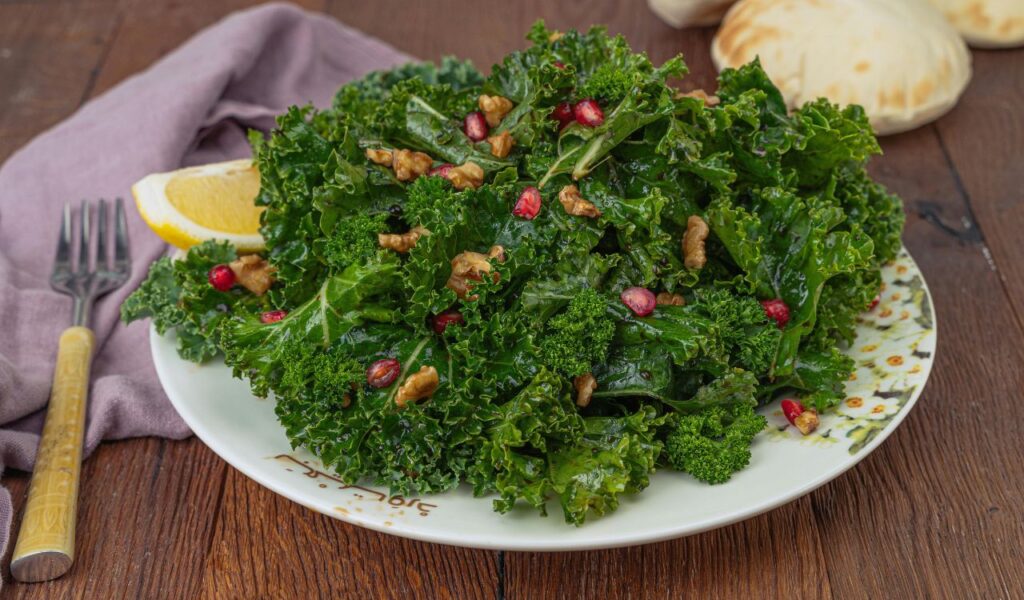
Kale, spinach, and mixed greens are top January staples for health-conscious eaters, signaling control, discipline, and commitment to post-holiday resets. While these salads provide fiber, vitamins, and antioxidants, raw greens often feel fibrous, bitter, and overly crunchy, leaving winter diners emotionally unsatisfied. Cold dressings, minimal seasoning, and an absence of cooked elements contribute to a sense that the meal is functional rather than indulgent. Even visually appealing bowls can leave diners craving warmth and texture, which are critical for comfort during colder months. These salads emphasize appearance and health metrics but often fail to fulfill emotional cravings.
Regular consumers may attempt to enhance enjoyment by adding toppings like seeds, nuts, or dried fruits, yet the base of raw greens remains cold and unyielding. Seasonal vegetables, roasted or lightly sautéed, can elevate flavor and warmth, but many skip these adjustments for convenience. The tension between routine-driven choices and sensory satisfaction shows that a salad that looks healthy is not automatically comforting. Understanding flavor balance, seasoning, and temperature can help transform a functional January staple into a more rewarding experience for both body and mind.
2. Vegetable Soups with Thin Broths
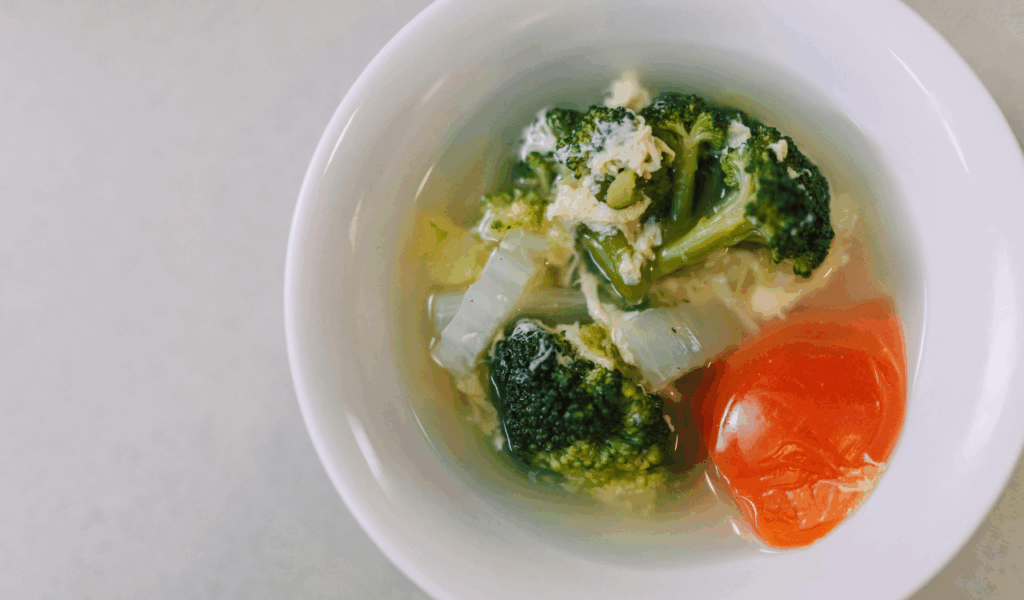
Clear or low-calorie vegetable soups are popular in January because they are quick, low-effort, and diet-friendly, yet they often lack the richness and body needed to satisfy winter appetites. Sparse vegetables in thin broths can feel watery and insubstantial, leaving diners craving heartier flavors. Portion control and low-calorie goals dominate, but emotional warmth and fullness are frequently absent. Simple additions like herbs or a drizzle of oil help slightly, yet many people maintain plain versions that prioritize discipline over pleasure. The result is a bowl that provides structure without the cozy satisfaction winter diners often seek.
Soup’s convenience masks its shortcomings. Cold evenings highlight the desire for a warming, satiating meal, yet thin vegetable broths rarely provide that comfort. Pairing soups with whole grains, roasted vegetables, or protein can increase both flavor and satisfaction, but these enhancements are often skipped. As a result, January routines maintain discipline at the expense of sensory pleasure. These soups remain functional, practical, and healthy, but they fail to deliver emotional warmth, leaving diners aware of what is missing in taste, texture, and heartiness during the winter months.
3. Oatmeal Bowls
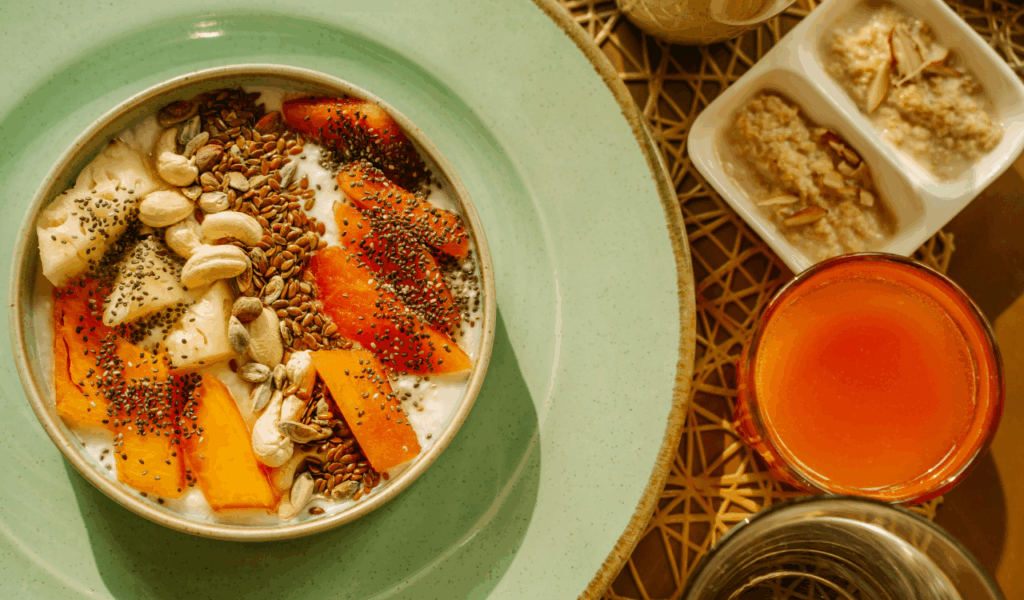
Oatmeal bowls, often paired with fruits, nuts, or seeds, are standard choices for January breakfasts, providing fiber and slow-release energy for structured eating. However, rushed preparation or excessive water can make oatmeal gluey, bland, or cold, which diminishes both texture and warmth. Without temperature contrast or crunch, diners may feel underwhelmed despite a nutritious base. Reheating oatmeal can further reduce appeal, turning a visually appealing breakfast into a functional, emotionally flat meal. Even when supplemented with fruit, oatmeal struggles to satisfy cravings for indulgence or winter comfort.
Many people rely on oatmeal for its health benefits and convenience, but monotony can make January mornings feel repetitive and uninspiring. Enhancements such as toasted nuts, spices like cinnamon, or a dollop of yogurt improve texture and richness, but these additions are often neglected. A plain bowl leaves the meal structured yet emotionally deficient, highlighting the gap between intention and satisfaction. Recognizing the difference between functional nutrition and comfort-oriented preparation can transform oatmeal from a routine January choice into a more emotionally rewarding breakfast.
4. Protein Shakes

Protein shakes are a go-to for post-workout fuel or quick breakfasts, delivering 20–30 grams of protein per serving. Despite this nutritional efficiency, cold, smooth, and icy textures rarely satisfy emotional or seasonal cravings in January. Flavors are often synthetic or muted, leaving a functional rather than comforting experience. While convenient and aligned with disciplined eating habits, shakes provide little sensory engagement and fullness, prompting hunger to return quickly and leaving diners seeking more substance and warmth.
The reliance on protein shakes illustrates the tension between health and comfort. Low fiber content and lack of texture reduce satisfaction and sensory pleasure, particularly during cold months when warmth is desired. Adding fruits, nut butters, or spices such as cinnamon or cocoa can improve texture, richness, and flavor, but many stick to basic mixes for speed and convenience. As a result, shakes often meet practical nutrition goals while leaving emotional cravings unmet, emphasizing the difference between structured, functional meals and those that truly satisfy winter appetites.
5. Low-Fat Yogurt Parfaits

Low-fat yogurt parfaits, layered with fruit and granola, are visually appealing and diet-friendly but frequently feel cold, overly sweet, or texturally inconsistent. While crunchy granola contrasts with smooth yogurt, the combination may be superficial and fail to deliver lasting warmth or indulgence. January eaters rely on these parfaits for convenience and structure, yet the flavor often lacks depth, and cold dairy does little to combat winter cravings.
Enhancements such as swapping low-fat yogurt for Greek or whole milk versions, lightly toasting granola, or adding nuts or seeds can increase richness and texture, but many pre-packaged parfaits are consumed as-is. Despite aesthetic appeal and perceived healthiness, the emotional satisfaction of these bowls remains low, particularly on cold mornings or during short winter afternoons. The result is a meal that is functional and structured but leaves diners still longing for warmth, indulgence, and fuller sensory engagement.
6. Steamed Vegetables
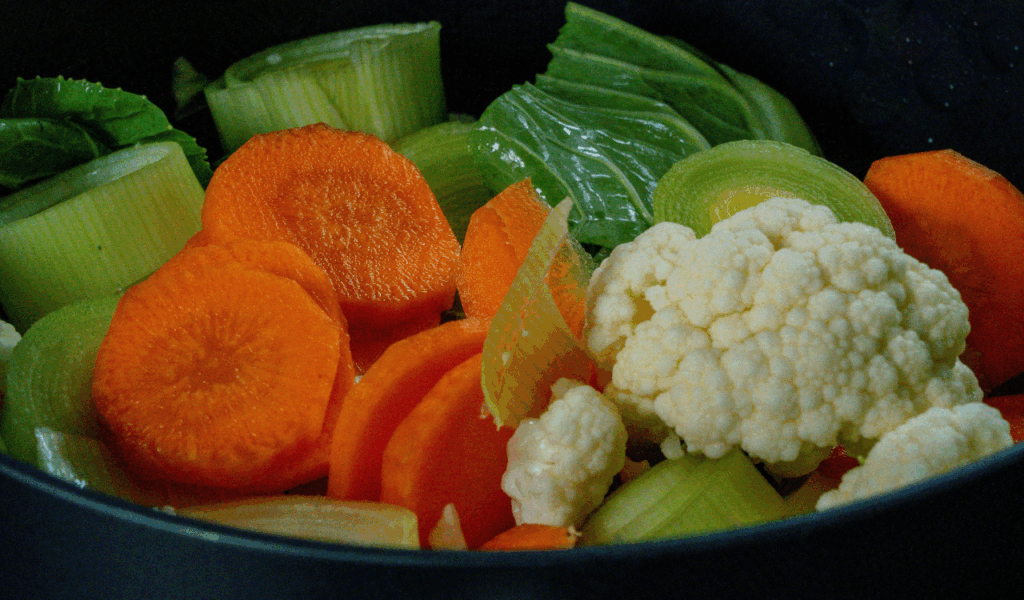
Steamed vegetables such as broccoli, carrots, cauliflower, and green beans are a predictable January dinner choice because they represent restraint, balance, and nutritional responsibility. After weeks of indulgent holiday foods, many people default to steaming as the cleanest and safest cooking method. However, the result is often vegetables that feel limp, waterlogged, or oddly stiff, depending on timing. In winter, when the body craves warmth and richness, a plate of plain steamed vegetables can feel emotionally hollow. The absence of browning, fat, or seasoning removes the depth that usually signals comfort, turning what should feel nourishing into something closer to obligation.
While steamed vegetables deliver fiber, vitamins, and volume, they rarely feel complete on their own. January routines emphasize simplicity, but repetition magnifies texture fatigue, especially when meals lack contrast. Without sauces, grains, or roasted elements, steamed vegetables fail to provide satiety or sensory interest. Many people continue eating them out of habit rather than enjoyment, reinforcing the idea that healthy eating must feel joyless. This gap between nutrition and emotional satisfaction explains why steamed vegetables often feel more punishing than restorative during long winter evenings.
7. Brown Rice Bowls

Brown rice bowls are a January staple because they align with resolutions centered on fiber, steady energy, and portion control. Typically paired with lean proteins and vegetables, these bowls look balanced and responsible, yet they frequently fall short on comfort. Brown rice has a naturally dense, chewy texture that can feel dry or heavy when under-seasoned. When components are served lukewarm or reheated, the bowl loses cohesion, leaving each bite feeling separate rather than comforting. In winter, restrained seasoning and minimal fat make these meals feel utilitarian instead of satisfying.
Repetition compounds the issue, as many people rely on the same rice bowl formula throughout January. Without sauces, oils, or roasted elements, the flavor profile remains flat, even if the nutritional value is strong. While brown rice supports digestive and metabolic goals, it rarely delivers the warmth or indulgence associated with comfort food. The result is a meal that checks every health box but still leaves people searching for something more emotionally grounding once the bowl is finished.
8. Vegetable Wraps
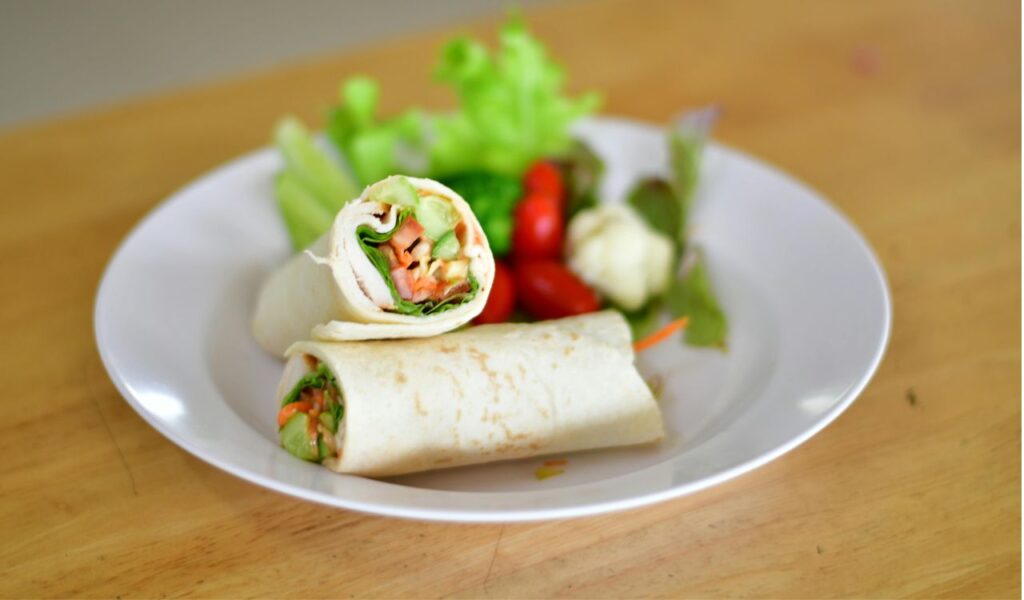
Vegetable wraps appeal to January eaters because they are quick, portable, and perceived as lighter than traditional meals. Filled with raw vegetables, hummus, or spreads, wraps fit neatly into busy routines and calorie-conscious plans. However, cold fillings combined with soft or dry tortillas often create an uneven eating experience. Crunchy vegetables clash with pliable bread, while the lack of heat dulls flavors. During winter, these temperature contrasts make wraps feel more like convenience food than comfort food, especially when eaten as a primary meal.
While wraps succeed in efficiency, they struggle to satisfy deeper cravings. Without warming elements or rich textures, hunger tends to return quickly. Many people continue choosing wraps because they symbolize control and discipline, not because they are enjoyable. Adding roasted vegetables, lightly toasted tortillas, or flavorful spreads can transform the experience, but most January routines favor speed over enhancement. As a result, vegetable wraps often feel emotionally flat, highlighting how convenience does not always translate into comfort.
9. Low-Calorie Frozen Meals

Low-calorie frozen meals surge in popularity every January because they promise structure, portion control, and minimal effort. After indulgent holidays, these meals offer predictability and simplicity, especially for busy evenings. However, their limitations become clear once heated. Uneven temperatures, soft textures, and muted flavors are common, making meals feel disconnected and unsatisfying. Small portions may technically meet calorie goals, but they rarely provide the fullness or warmth people crave during cold months.
Relying on frozen meals often reinforces the gap between intention and experience. While labels emphasize nutrition, the eating experience itself lacks depth, aroma, and texture. January eaters frequently finish these meals still feeling hungry or emotionally underwhelmed. Adding fresh sides or warm soups could improve satisfaction, yet many stick to the single tray out of habit. In winter, when comfort matters more, frozen meals often feel like a compromise rather than a solution.
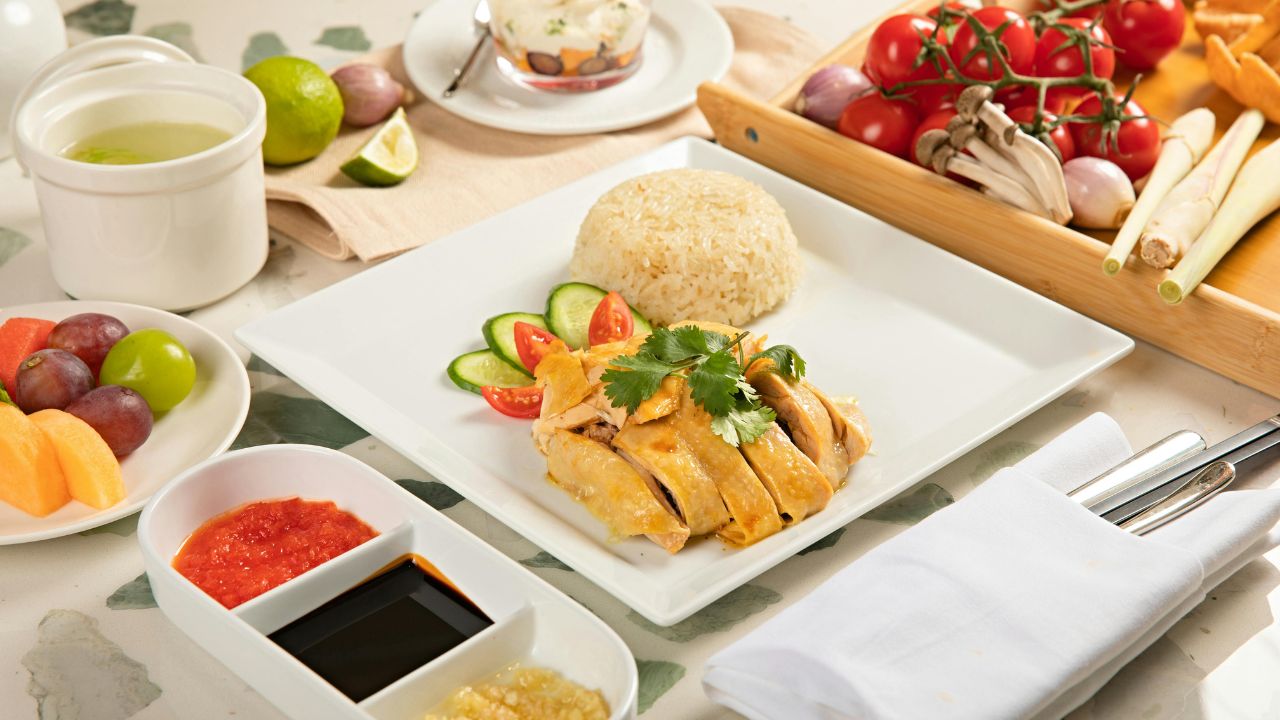
10. Steamed Fish or Chicken

Steamed fish and chicken are common January proteins because they are lean, predictable, and easy to portion. Preparation is simple, and the nutritional profile aligns with goals centered on protein intake and calorie control. However, steaming removes opportunities for browning and flavor development, leaving proteins pale and mild. In winter, this lack of richness can make meals feel incomplete, even when paired with vegetables or grains. Without seasoning or sauce, the experience becomes repetitive and emotionally thin.
While steamed proteins meet dietary objectives, they rarely satisfy sensory cravings. Texture plays a key role, and dry or overly soft proteins fail to deliver the warmth associated with comfort meals. Adding roasted elements, flavorful marinades, or warm grains can dramatically improve satisfaction, but many January routines prioritize simplicity over enjoyment. This results in meals that nourish the body but fail to comfort the mind, reinforcing why steamed proteins often feel more disciplined than rewarding during winter.
11. Instant Oatmeal Packets
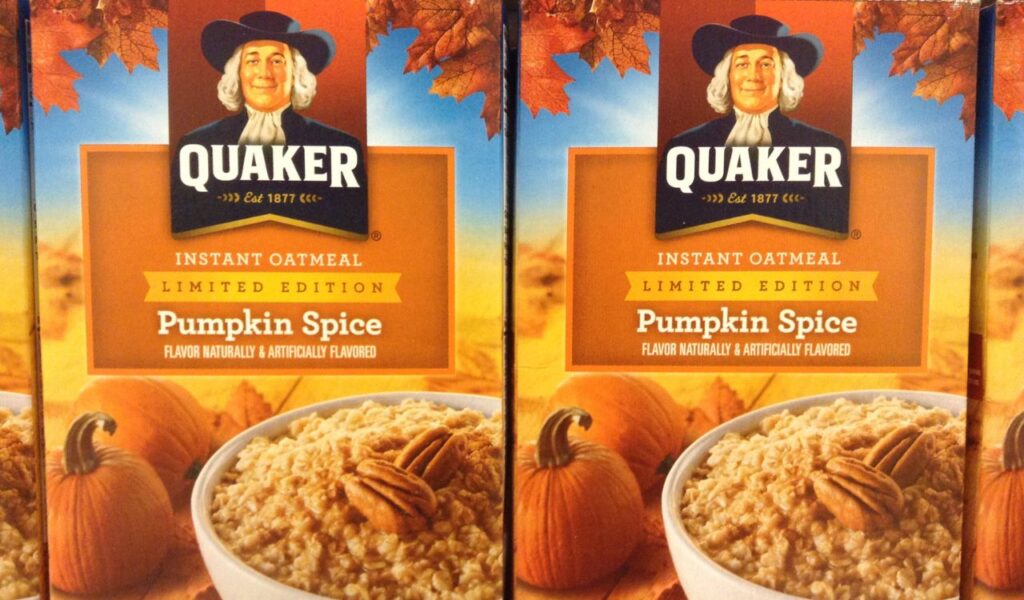
Instant oatmeal packets are a January favorite because they promise warmth, fiber, and speed in a single envelope. After the holidays, many people reach for them as a responsible breakfast that feels healthier than pastries or fried options. However, most packets rely heavily on added sugars, artificial flavors, or powdered sweeteners that flatten the taste experience. The texture often turns uniformly soft or gluey, especially when prepared quickly with hot water. While the bowl is technically warm, the comfort fades fast, leaving little lingering satisfaction once the sweetness wears off.
The convenience of instant oatmeal is its main strength, but repetition exposes its weaknesses. Without added texture or fat, the meal feels one-dimensional, particularly on cold mornings when the body craves depth and richness. Adding fruit, nuts, or spices can improve flavor and mouthfeel, yet many January routines stick to the packet alone for efficiency. Over time, this turns breakfast into a task rather than a pleasure, highlighting how speed and simplicity often come at the expense of emotional comfort during winter.
12. Cold Cereal

Cold cereal fits neatly into January routines because it is quick, portionable, and easy to control. Many people return to cereal after the holidays as a way to reset mornings and reduce indulgence. However, cold milk and crisp grains offer little warmth, making the experience feel disconnected from winter comfort needs. Sweetened cereals can feel cloying, while plain varieties lack flavor depth, leaving breakfast either overwhelming or underwhelming. Despite convenience, cold cereal rarely provides lasting fullness or satisfaction in colder months.
While cereal succeeds as a functional option, it struggles to meet emotional expectations. Eating something cold first thing in the morning can feel jarring when temperatures are low and daylight is limited. Adding warmed milk, fruit, or nuts can soften the experience, but many people consume cereal straight from the box for speed. This reinforces the idea that January breakfasts often prioritize efficiency over enjoyment, even when comfort would better support long winter days.
13. Smoothie Bowls

Smoothie bowls are visually appealing and popular in January because they signal freshness, control, and nutrient density. Bright colors, fruit blends, and carefully arranged toppings create the impression of a nourishing start to the day. However, their icy temperature clashes with winter needs, making them feel more refreshing than comforting. Thick textures and muted flavors can feel heavy yet unsatisfying, especially when consumed in cold weather. The lack of warmth often leaves eaters craving something more grounding shortly afterward.
Despite their health-forward image, smoothie bowls highlight the disconnect between appearance and experience. January routines favor foods that look virtuous, even when they fail to satisfy emotionally. Adding toasted nuts, spices, or room-temperature ingredients can improve balance, but most people eat them straight from the blender. In winter, this reinforces how foods designed for aesthetics and convenience may struggle to deliver genuine comfort or satiety.
14. Quinoa Salads
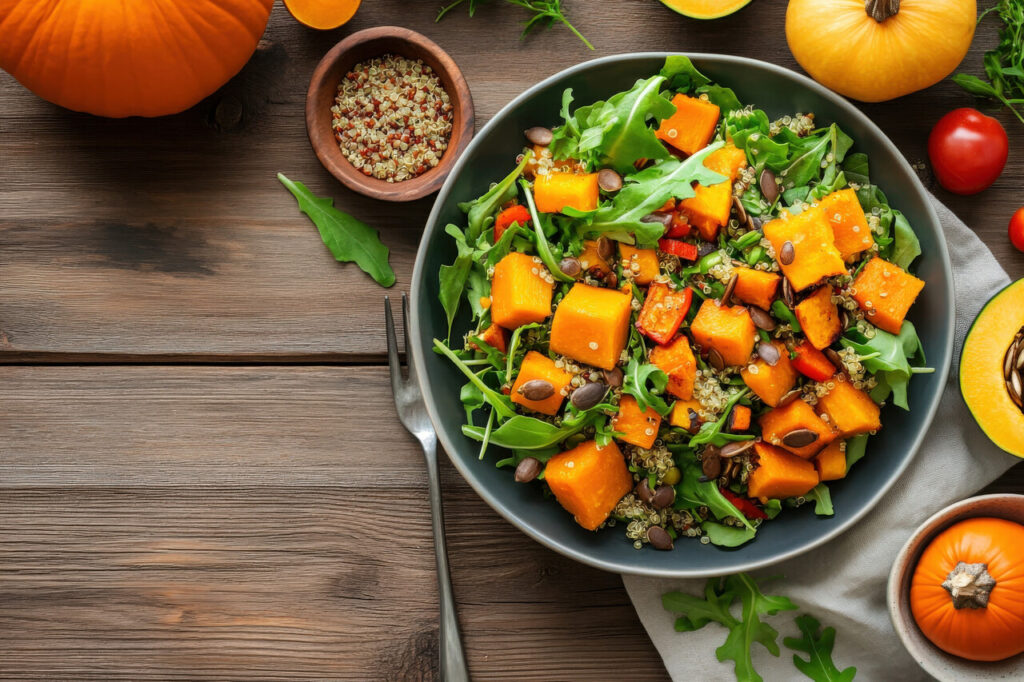
Quinoa salads are a common January choice because they combine protein, fiber, and a reputation for clean eating. Often paired with raw vegetables and light dressings, they fit neatly into post-holiday discipline. However, quinoa’s natural texture can feel dry or slightly gritty, especially when served cold. Minimal seasoning and low-fat dressings further flatten the experience, making meals feel more functional than enjoyable. During winter, these qualities become more noticeable, as cold grains lack the warmth associated with comfort.
While quinoa offers nutritional benefits, satisfaction depends heavily on preparation. Without roasted vegetables, sauces, or warm components, salads can feel repetitive and uninspiring. Many January eaters continue choosing quinoa out of habit rather than pleasure, reinforcing the belief that healthy meals must feel restrained. This highlights how structure alone does not guarantee comfort, particularly when temperatures and energy levels are low.
15. Rice Cakes

Rice cakes are a staple for calorie-conscious January snacking because they are light, crunchy, and easy to portion. They symbolize restraint and simplicity, making them appealing after weeks of indulgence. However, their dry texture and neutral flavor offer little sensory reward. Even when topped with spreads or fruit, rice cakes rarely provide warmth or lasting fullness. In winter, this lack of richness makes them feel especially unsatisfying, often leading to additional snacking soon after.
While rice cakes excel in portability, they expose the limits of minimal foods. Eating them alone emphasizes how thin, cold, or dry textures fail to comfort during colder months. Pairing them with proteins or fats can help, but many people rely on them plain as a symbol of discipline. This reinforces the January pattern of choosing intention over enjoyment, even when emotional comfort would better support consistency.