
9 “Smart” Light Bulbs That Glitch and Ruin Your Mood Lighting
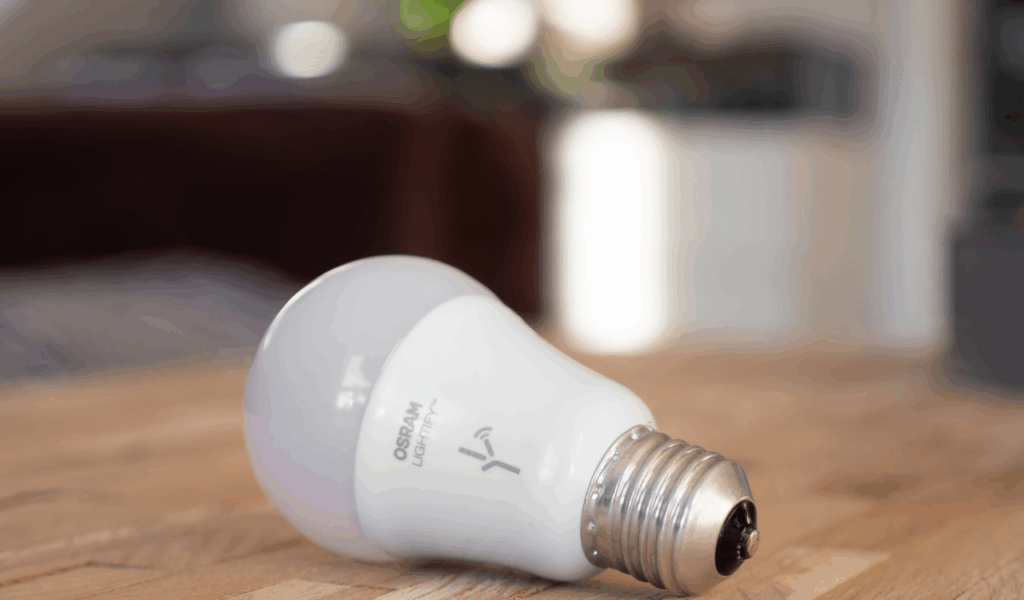
It was supposed to make our lives easier, but for many households, smart lighting has produced a lot of technical problems that are difficult to deal with. Smart lighting was supposed to make our lives easier. Interior designers believe that the concept of being able to control your surroundings from your phone is appealing; yet, in reality, the programs frequently fail to function properly, and the bulbs flicker whenever they are used. When you have just spent money on a “smart” investment, and then all of a sudden a strobe effect interrupts your dinner gathering, it feels like a major mistake.
According to those who are knowledgeable in the field of technology, these issues are typically brought on by devices that do not function well together or by Wi-Fi networks that are overloaded. Instead of a seamless transition from day to night, customers are forced to deal with firmware updates that fail to function completely midway through the process. It is recommended by professionals that you check the capabilities of your router before making any changes to the lighting in your home. It is possible for even the most expensive bulbs to experience difficulties in a home that has a poor digital backbone.
1. Budget Bulbs with Connectivity Dropouts
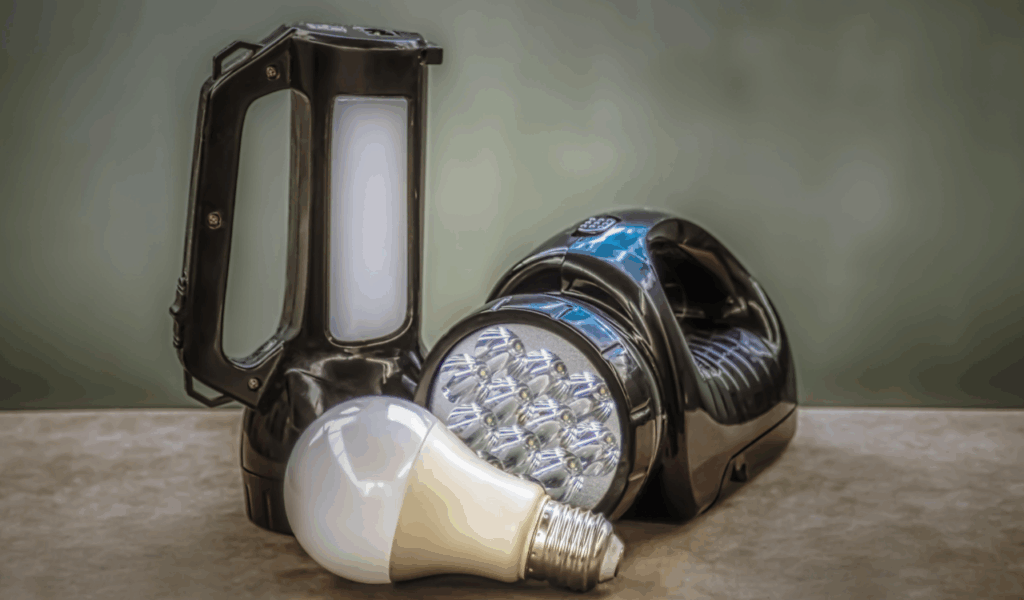
The temptation of purchasing very inexpensive smart bulbs that may be purchased on large discount websites is something that lighting designers frequently warn against. In most cases, these devices make use of low-cost Wi-Fi chips that encounter difficulties in maintaining a consistent connection with your home network. According to installers of smart home technology, these low-cost options are notorious for falling offline precisely as you try to lower the lights for a movie. This means that you have to manually reset them, which is a hassle.
In the event that a light bulb loses its connection, it will normally revert to its default setting of full brightness, which is not at all pleasant. According to the opinions of those who are knowledgeable in the field of technology, this “orphan” situation occurs when the hardware does not have sufficient memory to remember your most recent preferred selection when it is not linked to a live server. This never-ending struggle to maintain connectivity can turn a high-tech fantasy into a daily task that destroys the tranquil ambiance you desired to have in your house.
2. Incompatible Dimmer Switch Flickering

The majority of the time, electricians are confronted with homeowners who wish to install smart lights in fixtures that are controlled by traditional wall dimmers. Due to the fact that the internal circuitry of a smart bulb requires a constant supply of electricity at all times, this set of circumstances is a recipe for disaster. The conventional dimmers, according to the experts, do their duty by abruptly turning off the current. This causes the smart bulb to get confused, which causes it to buzz or flicker rapidly.
According to contractors, in order to avoid this mood-killing strobe effect, you should replace your physical wall dimmers with simple on/off switches or smart switches that are developed specifically for the ecosystem. Using the incorrect combination of hardware can even shorten the lifespan of the electronic components included within the light bulb. Lighting professionals believe that the only way to achieve the seamless dimming of professional-grade quality that you seek is to ensure that your electrical base is compatible with the dimming system.
3. The “Ghost” Turn-On Phenomenon

Even in the middle of the night, it is a really unsettling experience when the lights in your bedroom suddenly turn on to their maximum brightness. It is possible for this issue, which is commonly referred to as “ghosting,” to be brought on by brief power interruptions or by automatic cloud upgrades. According to the designers, a significant number of smart bulbs are programmed to turn on promptly following a power interruption. This is a safety feature that presents a potential source of annoyance in the event of minor power surges.
The “Power-on Behavior” settings in your app should be checked, according to those who are passionate about smart homes, in order to prevent these unexpected events from occurring at midnight. Experts are of the opinion that if your company does not permit you to customize this, you may wind up with a device that prioritizes safety over the quality of your sleep. There is a possibility that technology will feel more invasive than helpful if it suddenly disrupts your circadian rhythm without prior warning.
4. Color Shifting and Inaccuracy
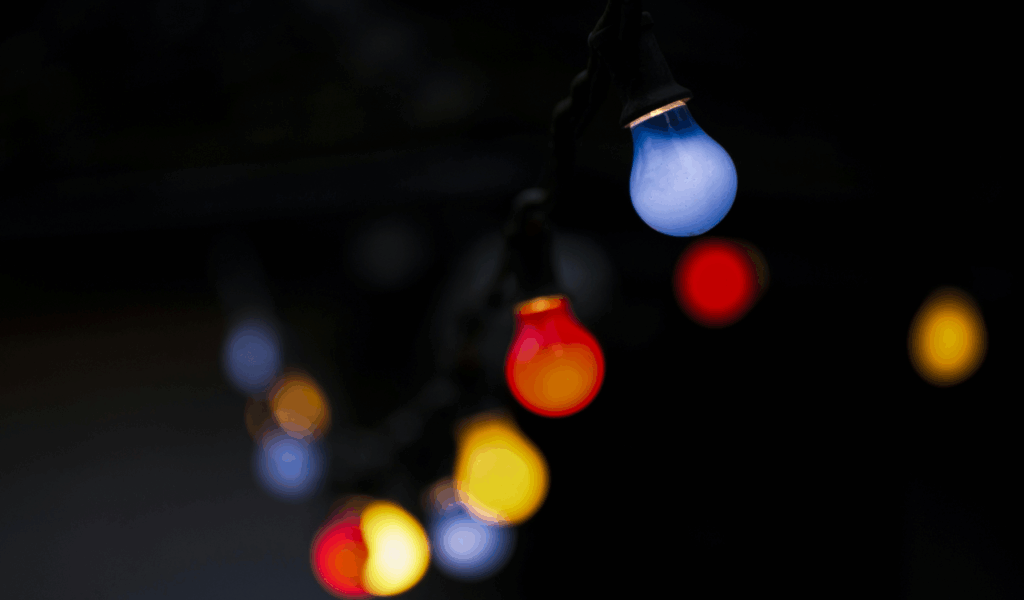
They say that the “warm white” of one brand virtually never matches the “warm white” of another brand. Interior designers concur with this statement. The appearance of the area is cluttered and out of place when multiple smart bulbs are placed in the same room. This is a significant challenge because it makes the room appear congested. Color theorists assert that inexpensive LEDs frequently exhibit a phenomenon known as “color drift,” which describes a decline in the quality of the light or a transformation to a sickly green or blue color after only a few months of utilization.
It is recommended by experts that you stick with just one high-quality environment in order to guarantee that the Kelvin temperature remains consistent throughout all lighting fixtures. The environment may have a cold and clinical atmosphere rather than a warm and inviting one if the colors do not match. Those who are sensitive to the quality of the light should use bulbs that have a high Color Rendering Index, according to the recommendations of experts, in order to preserve the colors of the paint and fabric in your home.
5. Firmware Update Failures
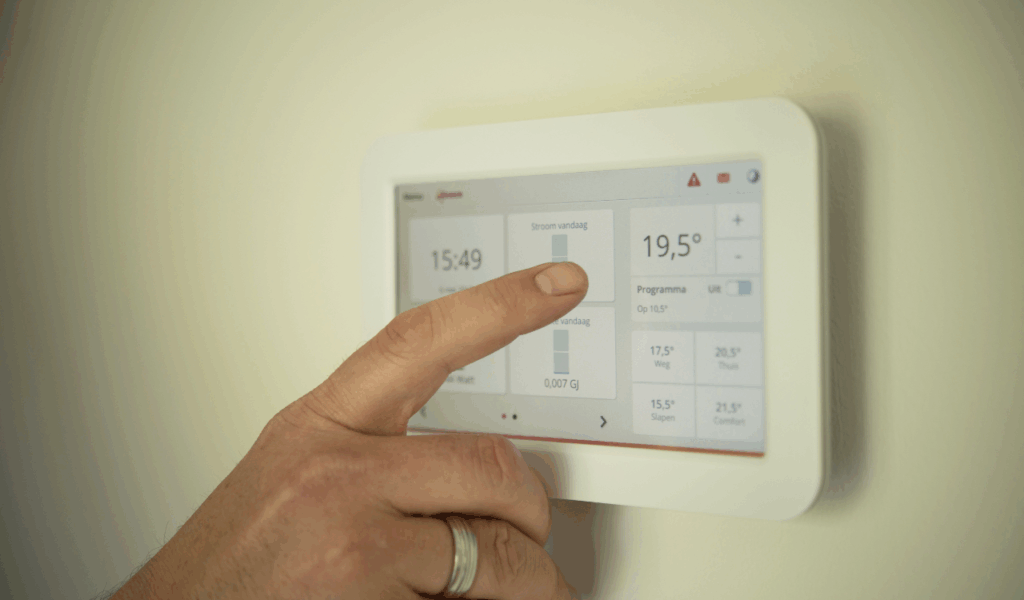
In the same way that computers require software updates on a regular basis, smart lights too require periodic software updates. On the other hand, experts claim that these modifications can occasionally fail to function or “brick” the bulb, rendering it completely ineffective until it is returned to its factory settings. As a result of these update cycles, your meticulously prepared lighting “scenes” can be lost or switched off for a brief period of time, leaving you in the dark. This is according to system integrators.
It is recommended by technicians that you perform the updates to the application during the day, when you do not require the lights, rather than allowing them to proceed during the night. According to professionals in the field of home automation, one of the most common reasons an individual calls customer service is because an update did not operate properly. When a light bulb becomes stuck in a loop, it may pulse or change colors rapidly, which is a surefire way to ruin the atmosphere of any party that takes place in the evening.
6. Overloaded Hub Latency
In order to communicate with your phone, many of the smart lighting systems make use of a central bridge or hub. When an excessive number of devices are connected to a single hub, you may have a significant amount of “latency,” which is a term that describes the amount of time it takes for the lights to react to a command. Due to the fact that it does not react as quickly as a conventional wall switch, experts say that this delay is one of the most frustrating aspects of a smart home.
It is recommended by professional organizers that you verify your connected devices and make certain that the hub is located in a central location that is free of obstructions. According to experts in the field of network technology, the presence of extra devices in the home, such as baby monitors or microwaves, can significantly slow down these connections. Because of technological issues, the experience is completely devoid of any and all depth when you are required to wait for a “Relax” scene to begin for a continuous period of five seconds.
7. Cloud-Dependent Delays
A cloud server is required for certain smart bulbs in order for them to fully process your commands. If your internet connection is interrupted or if there is a problem with the server that the manufacturer uses, it is possible that your lights will not respond to voice commands or app triggers at all. According to the experts, this phenomenon known as “cloud lag” can make it impossible to turn off the lights when you leave the house, which, in addition to wasting energy, can also make you angry.
Those that specialize in privacy and information technology consulting often recommend looking for lights that offer “local control.” This enables your phone to communicate with the light in a direct manner, without the need to send data across the globe. Cloud computing, according to smart home flippers, is a hazardous venture that will eventually fail to deliver the desired results. When the server fails, your fancy lighting system is nothing more than a collection of extremely simple light bulbs that cost a lot of money when installed.
8. Grouping Sync Issues
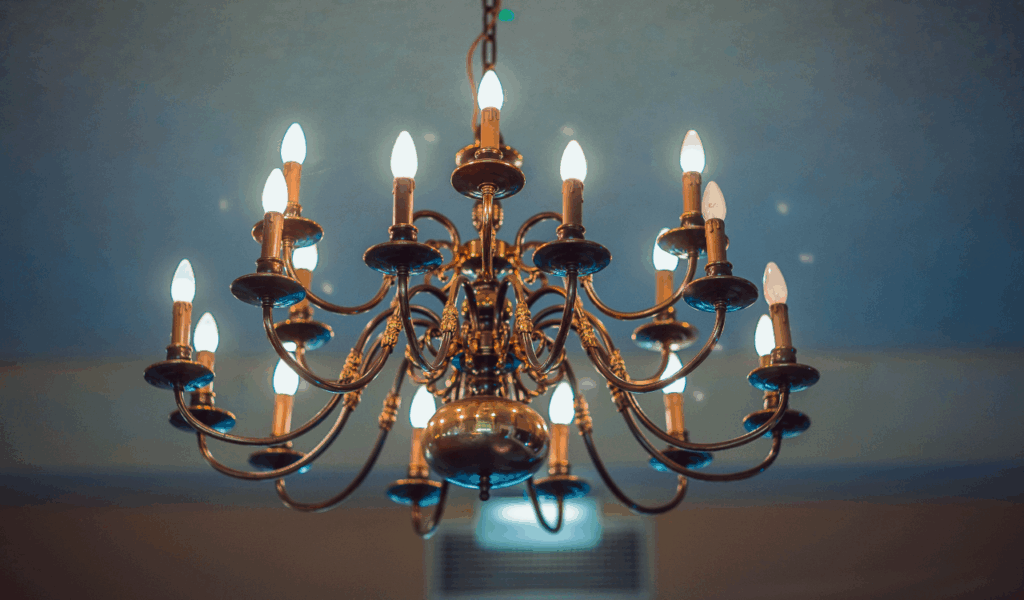
By creating a “group” of lights, you are able to control more than one light at the same time; nevertheless, the bulbs do not always move in perfect harmony with one another. In a chandelier, the phenomenon known as “popcorn effects” occurs when one of the bulbs turns on or dims at a different rate than the others. The absence of synchronization, according to lighting designers, makes a location appear less luxury and gives the impression that the equipment is awkward for the most part.
One of the most common reasons of this issue is the utilization of several versions of hardware inside the same network. The best approach to ensure that all of your bulbs have the same software versions and internal components is to purchase them in groups of two or more, according to the recommendations of many experts. According to the experts, even a millisecond of difference in response time is noticeable to the human eye. This detracts from the sleek and high-end vibe that you were trying to achieve in your dining or living space.
9. Security Vulnerabilities and Privacy

It might sound strange to worry about a light bulb being “hacked,” but security experts say that smart devices that aren’t well protected can let someone into your home network. Cybersecurity experts said that some smart bulbs that aren’t made by a well-known brand have been found to leak Wi-Fi passwords or not have basic encryption. If a bulb is hacked, it might be used to spy on network traffic or just be turned on and off by a stranger as a joke.
Experts say that to keep your home safe, you should put all of your smart home gadgets on a separate “guest” network that is not connected to your personal computers or banking information. Some apps that collect data all the time can also be a privacy issue, according to designers. Experts say that if your lighting system needs more data permissions than your banking app, it might be time to think about that brand’s role in your house again.