14 Christmas Décor Trends That Felt Overstyled
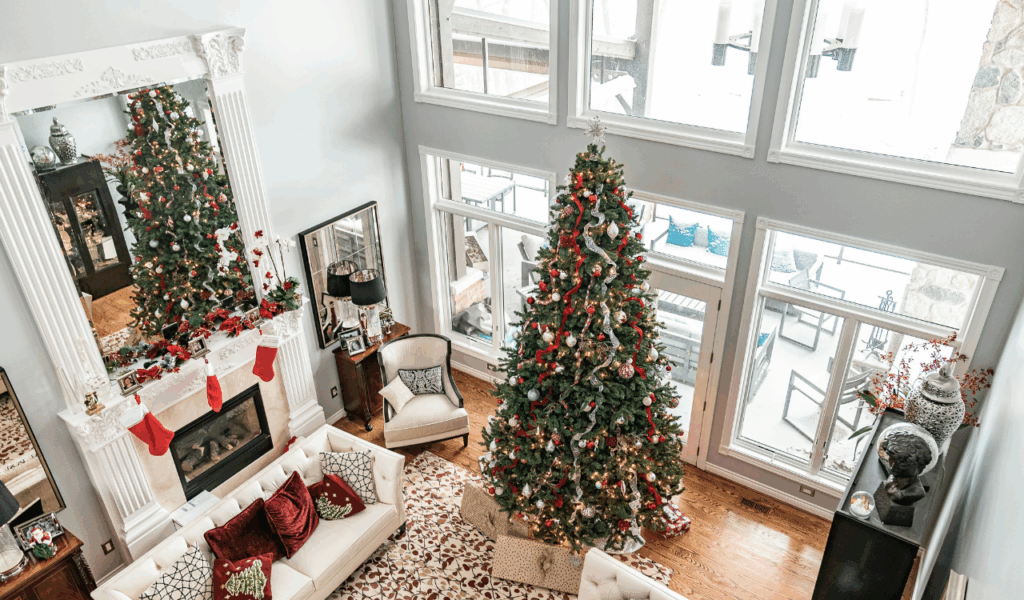
Christmas decor trends guarantee a pleasant, charming, and professional festive appeal, making people desire to remodel their homes every year. Inspiration images show well-decorated homes with complementary colors, layered textures, and careful accents. Many of these ideas are fantastic, but applying them to your home might be overwhelming. Homes that prioritize style above comfort may lose the festive spirit. Overly stylized decor might stress you out, limit its usefulness, and disconnect you from your traditions. By examining if ideas felt forced or too curated, decorators may create welcome, meaningful, and easy-to-live-in holiday homes.
1. Fully Coordinated Color Schemes
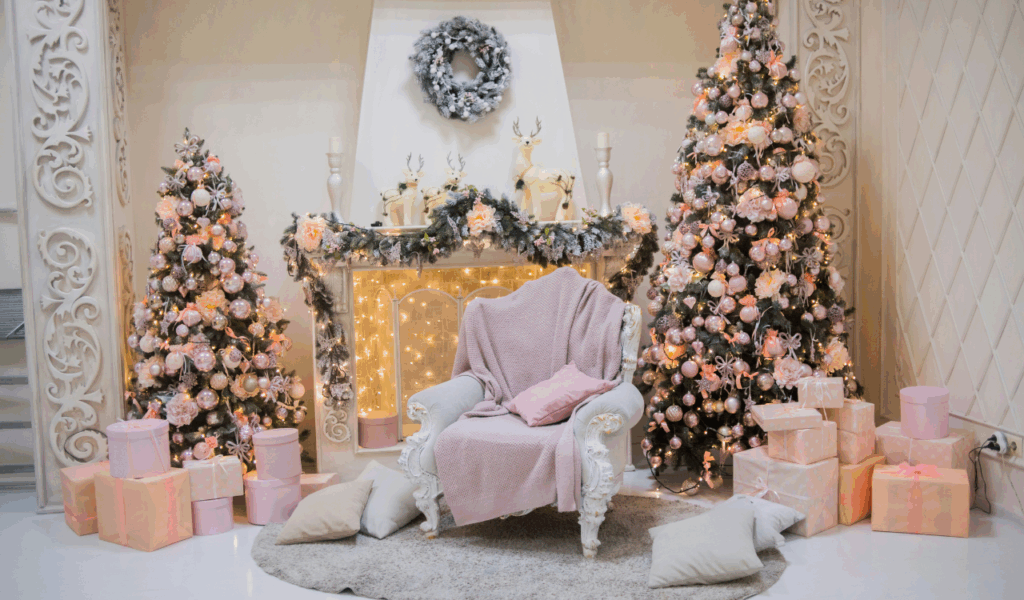
Although perfectly coordinated color schemes became increasingly popular, many homeowners found that they were too restricted. Using a same color palette for all of your ornaments, linens, and accessories can take away from the sense of warmth and spontaneity. When everything is in perfect alignment, the environment may give off the impression of being manufactured rather than welcome. Additionally, the opportunity to incorporate sentimental or inherited decorations is restricted by this strategy. Instead of harmony, tight coordination often produces a boring, overly regimented, and personality-less appearance.
2. Overloaded Mantel Displays

Mantels became one of the locations that were designed the most, and they were frequently stacked with ornamental elements such as garlands, stockings, figurines, candles, mirrors, and decorative lettering. Adding layers can provide depth and interest to a place, but if there are too many things contending for attention, the space will rapidly become overwhelming. Overloaded mantels obscure architectural elements and make the space appear big. Maintaining equilibrium is tough as things alter or shed, especially when they shift. Something that starts as a celebration can rapidly become a chaotic, frustrating show.
3. Tree Styling With Excessive Picks
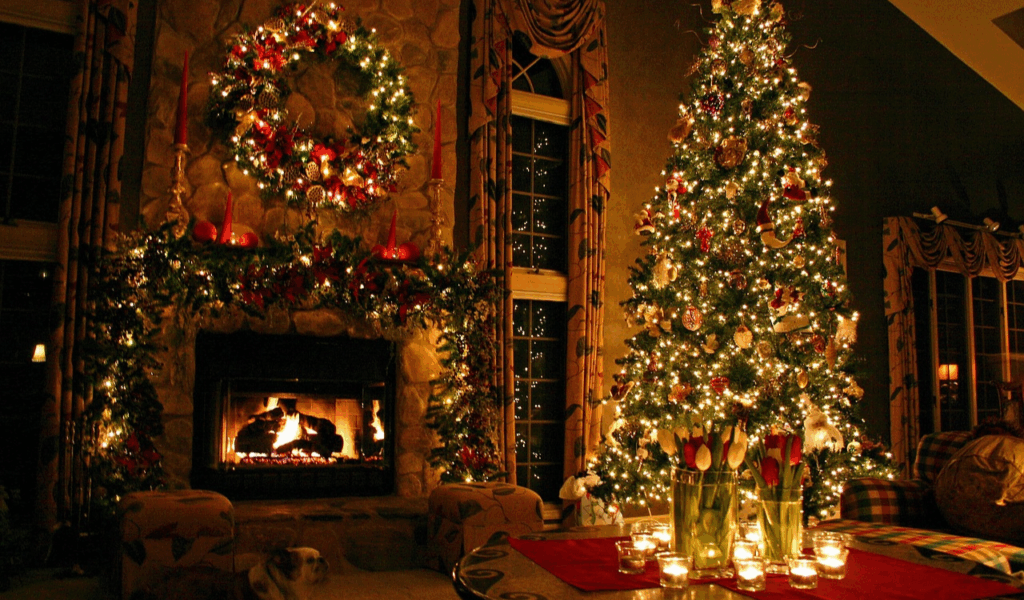
The employment of decorative picks, stems, and big accents was widespread in order to construct Christmas trees that appeared fuller; nevertheless, excessive usage of these elements frequently resulted in trees that were artificial. When there is an excessive amount of branching, the natural shape and diversity of the branches disappear. It can be difficult for ornaments to stand out, and lights can easily become obscured. The tree could give the impression of being a staged object rather than a natural centerpiece due to its appearance. Leave space between ornaments to accentuate them. This makes the tree more balanced and attractive.
4. Matching Décor in Every Room
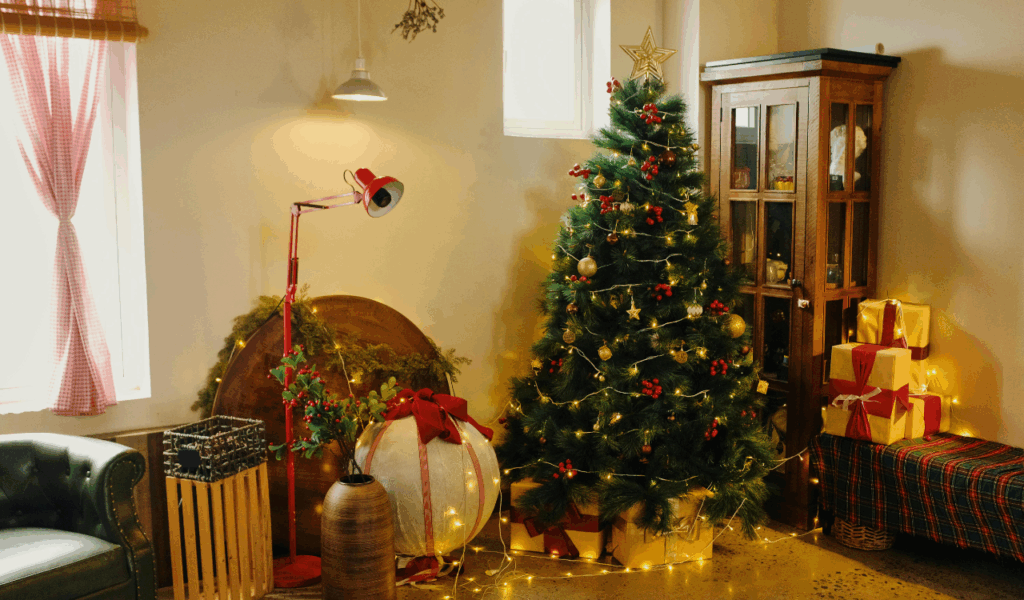
In theory, taking the same design concept and applying it to each and every space may appear to be harmonious; however, in fact, it may be overwhelming. The absence of visual pauses that provide the eye with a chance to rest occurs when every room in the house adheres to the same guidelines regarding color, texture, and styling. When it comes to decorating for the seasons, it can feel repetitious rather than exceptional. It is possible that guests will feel more surrounded by the décor than welcomed by it. By giving each location its own small variety, the décor feels more natural and intentional rather than forced.
5. Statement Garland Everywhere
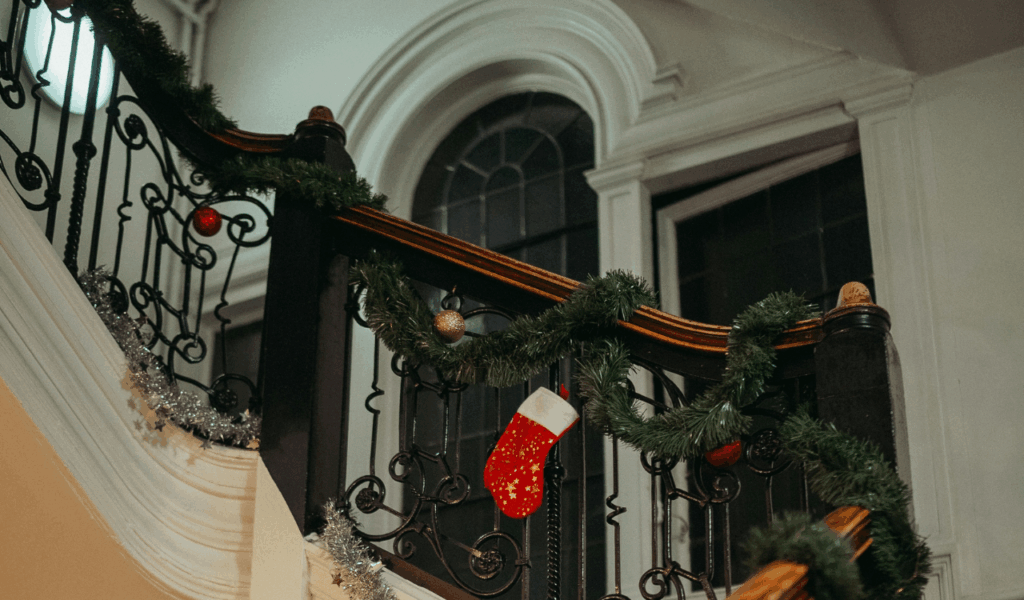
During this season, garlands were seen everywhere, including on staircases, door frames, cupboards, mirrors, shelves, and even furniture. An excessive amount of greenery can quickly produce visual clutter, despite the fact that it gives movement and warmth. When every edge is embellished, there is no obvious focal point to be established. As a result of their tendency to shed or shift, garlands may also require upkeep. The use of strategic placement, as opposed to covering every surface, has a tendency to give the impression of being more elegant and enables the decoration to improve a space rather than overwhelming it.
6. Perfectly Styled Coffee Tables
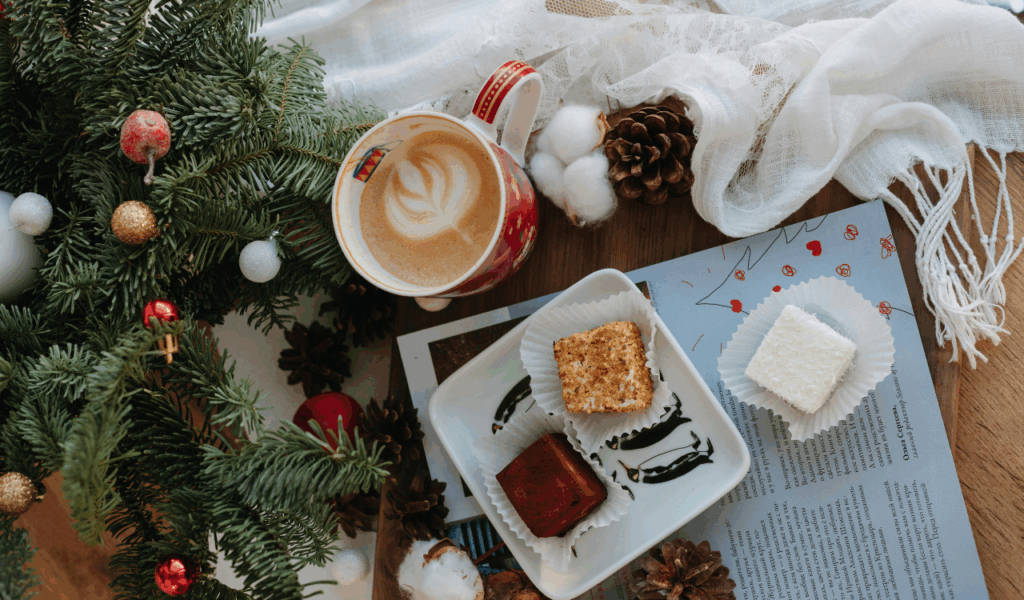
In photographs, coffee tables that were exquisitely designed and adorned with piled trays, books, candles, beads, and ornaments appeared to be stunning; nevertheless, in practice, they were frequently not functional. Everyday activities, such as laying down drinks, snacks, or remote controls, are made more difficult by these arrangements. In living rooms that are constantly being used, it can become monotonous to constantly remove and rearrange stuff. Although elegant, overstyled tables reduce functionality and may make a room less comfortable. Simpler styles are usually more attractive and functional.
7. Heavy Use of Decorative Signs

Although they were commonly utilized, decorative signage that had scripted holiday messages frequently took up the majority of the visual space in a room. It is possible for environments to make one feel noisy and impersonal when several indicators are competing for attention. A room can be made to feel staged rather than personal when it is decorated using text-based decor, which can substitute significant artifacts with generic slogans. Over time, sentences that are repeated lose their impact. The use of subtle decorative elements is frequently more effective than the use of heavy signs in conveying feelings of warmth and festivity.
8. Overcrowded Entryway Décor
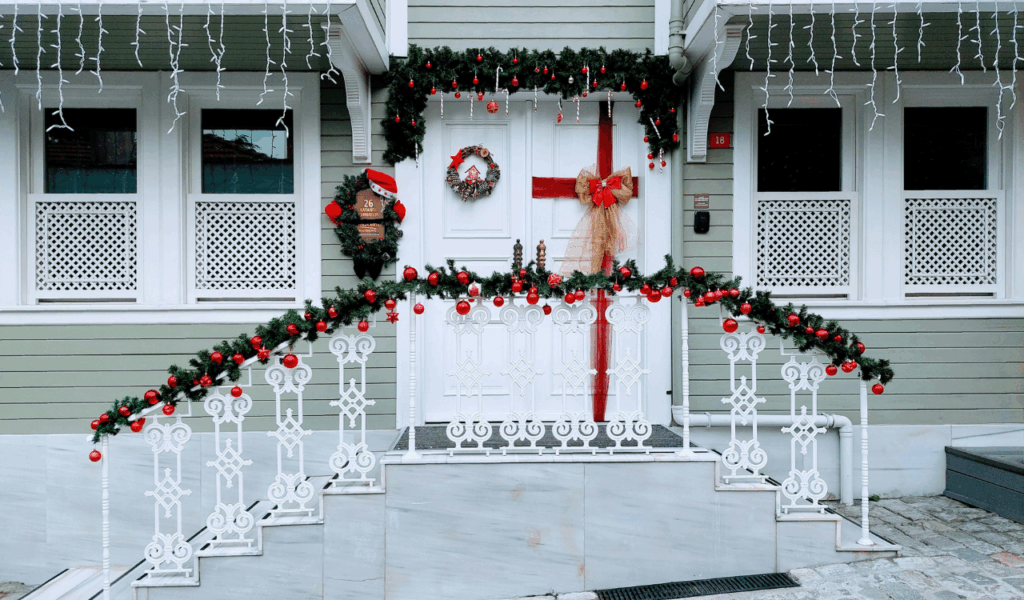
In this season, entryways have received additional attention, often to the point where they have become obstructed. It is possible to restrict movement in a space that is intended for function by incorporating elements such as trees, seats, baskets, carpets, mirrors, and layered accents. In order to accommodate coats, shoes, bags, and guests in a comfortable manner, entryways are required. An excessive amount of styling in this region more often than not results in stress rather than providing a welcome first impression. In most cases, a few elements that have been carefully selected tend to feel more appealing and functional.
9. Perfectly Layered Pillow Displays
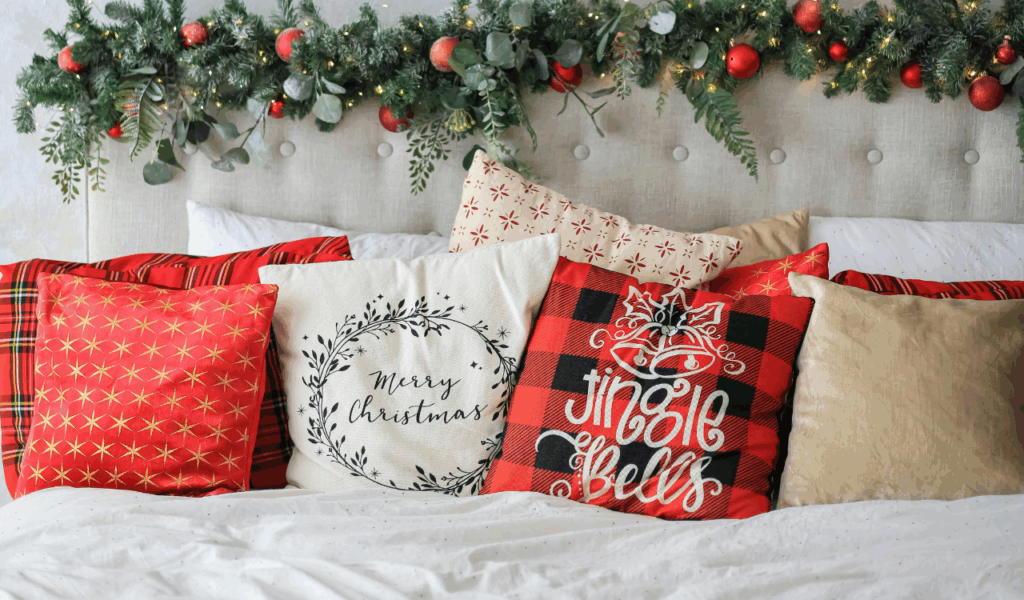
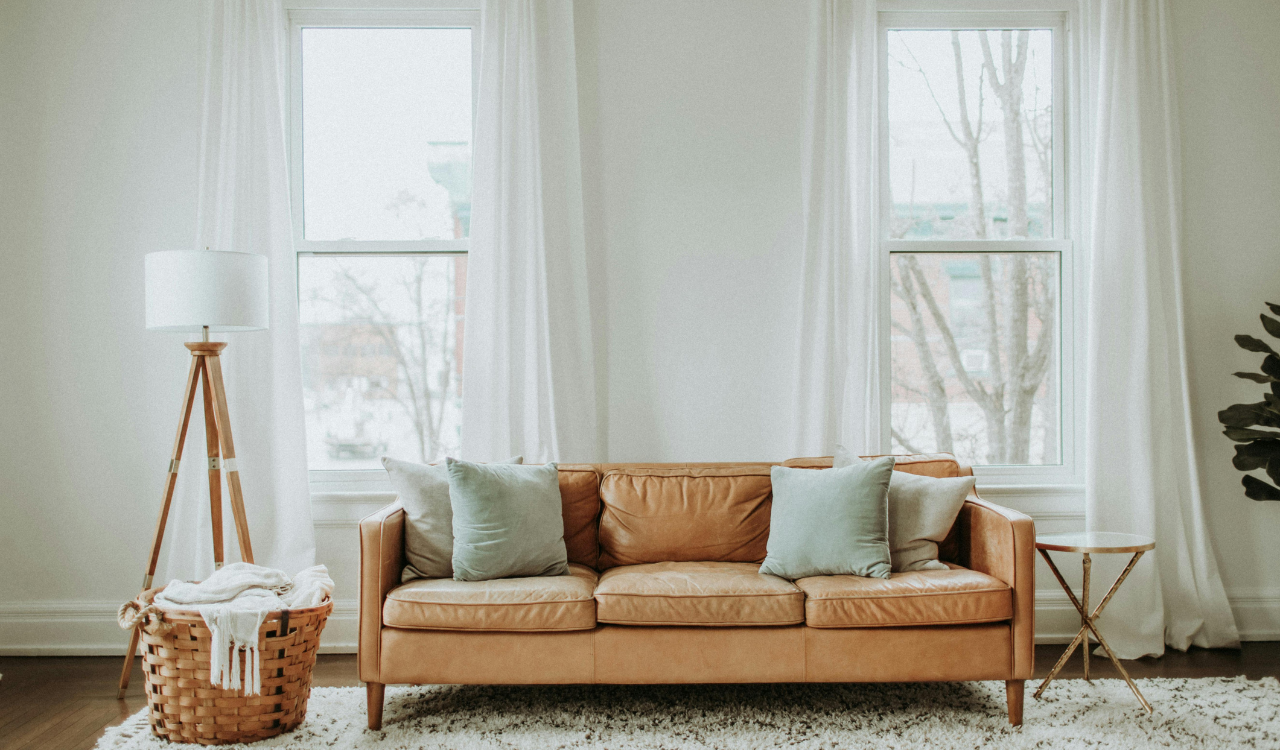
Many people discovered that perfectly stacked pillow arrangements were not practical for day-to-day use, despite the fact that they were a fashionable trend. It is necessary to continually rearrange the chairs while it is being utilized. When pulled aside, excessive pillows create clutter and restrict the amount of seated space available. Despite the fact that they are pleasing to the eye, these displays can be cumbersome and uncomfortable. It is sometimes the case that a lesser number of carefully selected pillows may offer the same festive ambiance while also providing more comfort and pleasure.
10. Styled Shelf Vignettes
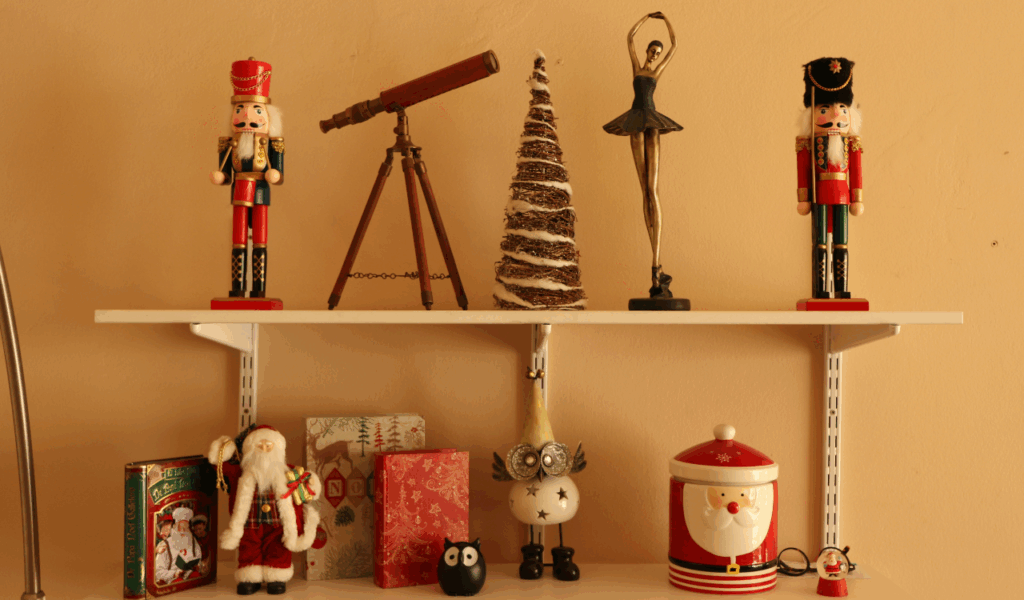
A collection of seasonal scenes, including figurines, books, greenery, and lights, were arranged on shelves and curated before being displayed. Displays like these require periodic cleaning, calibrating, and monitoring, despite the fact that they initially appear to be lovely. It is necessary to safeguard the items from the daily activities, animals, and children. The appearance of shelves that are overstyled may give the impression that they are inaccessible and not functional. The capacity of shelving to maintain its utilitarian nature while also evoking a festive environment is made possible by a décor that is lighter and more adjustable.
11. Artificial Snow Effects Indoors
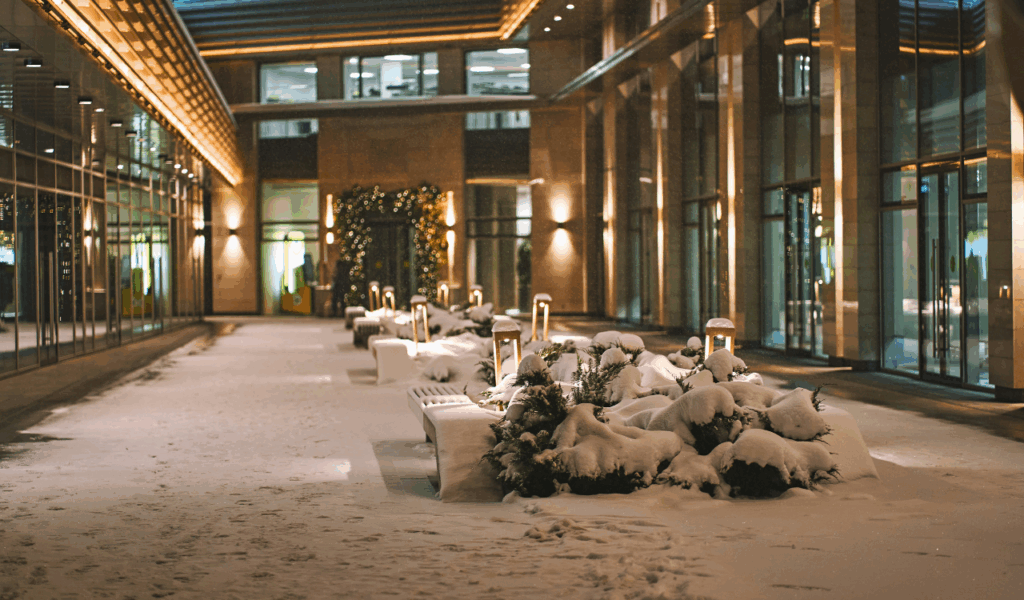
Indoors, artificial snow effects were utilized on trees, mantels, and surfaces; however, many people found that they were dirty and only lasted for a short period of time. Enjoyment was diminished due to shedding, dust accumulation, and difficulties in cleaning up. In warmer areas, the effect frequently gave the impression of being separated from the surroundings around it. Rather than bringing a sense of comfort, artificial snow could sometimes be a source of frustration. In many instances, the utilization of natural materials and subtle textures can be utilized to accomplish the goal of creating an atmosphere that is cozier and more soothing.
12. Trend Driven Ornament Sets
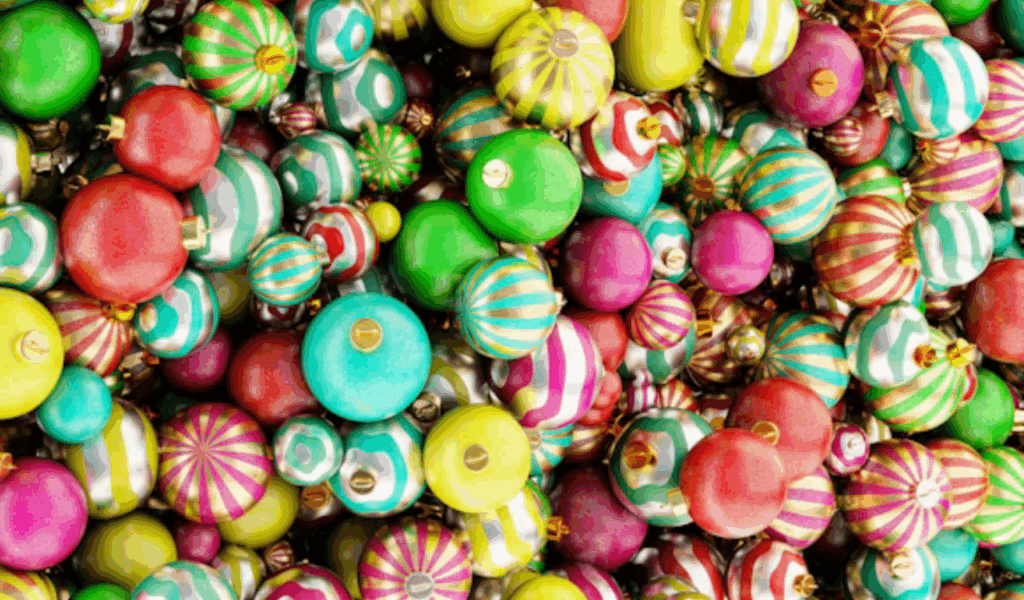
Ornament sets that were led by trends encouraged consumers to replace complete collections in order to conform to the most recent fashion trends. While these sets were visually harmonious, they frequently replaced meaningful ornaments that had been acquired over the course of years. It is possible for the décor to rapidly feel out of date when trends change. It’s possible that trees that are exclusively decked with ornaments that match them lack depth and character. Creating a When it comes to Christmas decorations, combining new and vintage items is often the most effective way to create a display that is both more personal and more luxurious.
13. Over Styled Holiday Tables
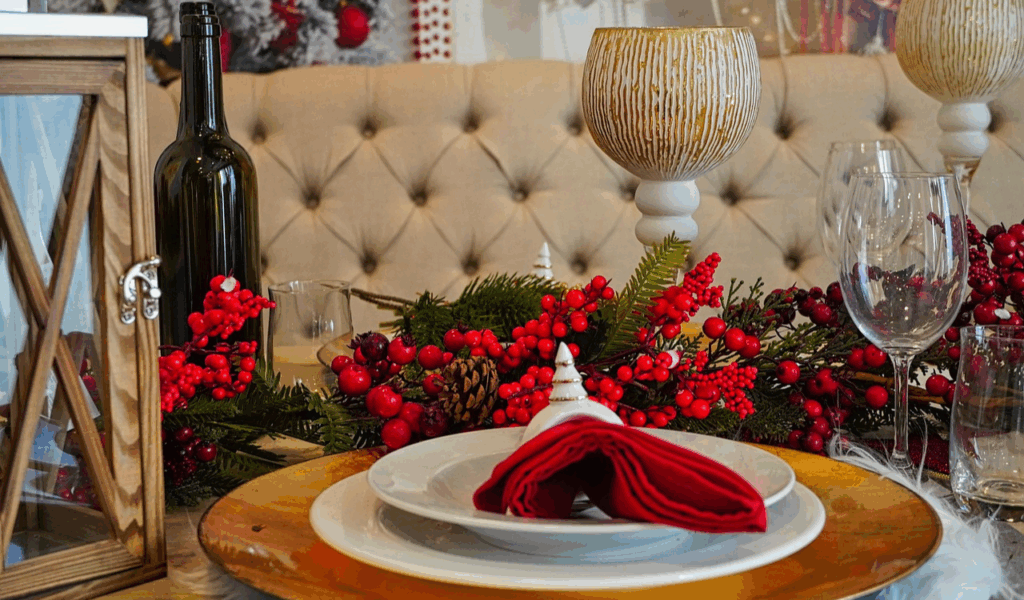
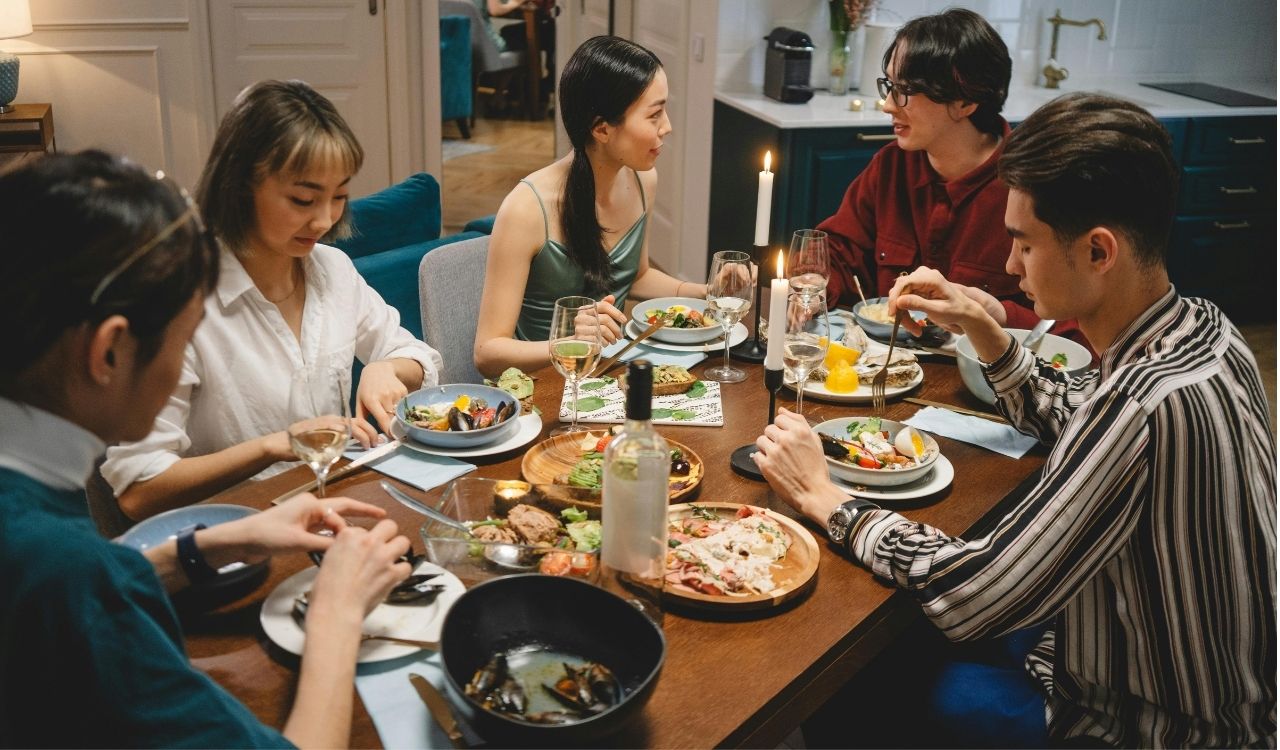
Over the course of the holiday season, the tables were decorated with intricate centerpieces, layered linens, candles, and place settings that were synchronized. The serving space and flexibility of these arrangements are frequently restricted, despite the fact that they are visually appealing. The guests might be reluctant to upset the tables that have been meticulously prepared. Having a table that is well-designed and functional facilitates calm eating and conversation. The appearance of meetings that are overly formal can convey the impression that they are less warm and inviting than they actually are.
14. Temporary Trend Décor Pieces
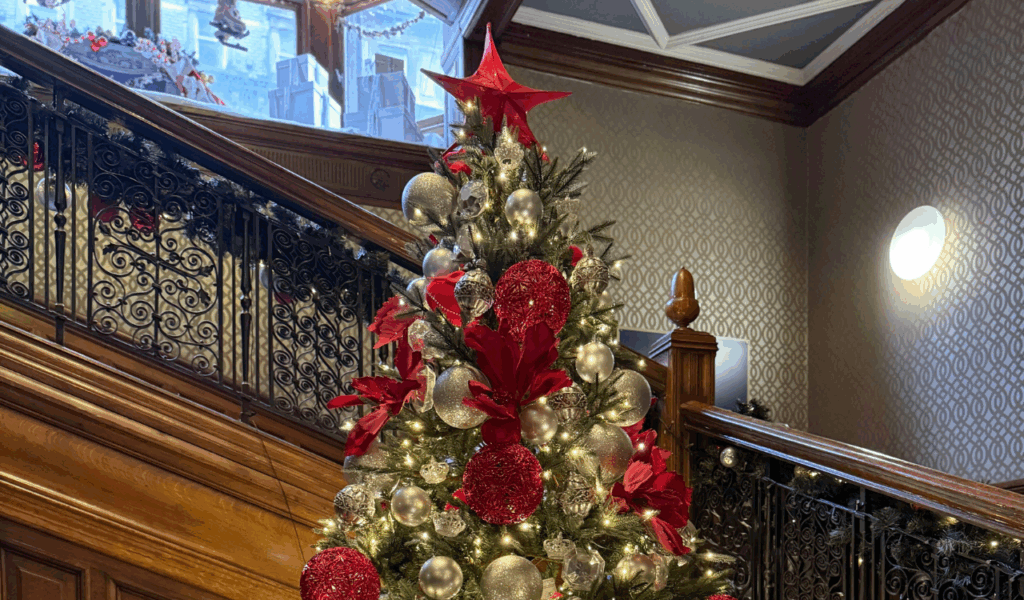
Decor that is made for a specific trend frequently doesn’t last long and isn’t very useful after the season is over. Things made to fit a specific look or style that doesn’t last long frequently can’t be used again, which makes it hard to store them when decorations are taken down. These objects are often too specific to fit in with future themes, so homeowners don’t know whether to keep them, throw them away, or preserve them. They take up room and aren’t flexible, so they accumulate clutter. Flexible Christmas decor that can be updated, used with what you currently have, and enjoyed for years is frequently more sustainable, cost-effective, and fun.