9 New Year Décor Trends That Aged Quickly
Trends in New Year’s decorations often go viral on social media, but they might feel old after just a season or two. A room can quickly look old if it has designs that are too new, have bright colors, or use inexpensive materials, especially if they don’t match the style of the rest of the house. Designers are more and more encouraging customers to buy things that will endure longer than one countdown. They do this by mixing seasonal sparkle with a timeless basis. This list explains why certain trends failed. You can make your 2019 New Year’s setting festive without looking like last year’s trend reel with a few simple modifications.
1. Overly themed “2020s” number balloons

Big metal number balloons were a common sight in New Year images, but they rapidly became trash that marked each year and couldn’t be used again. After the party, it was hard to store and recycle the big foil balloons, and they were also linked to a specific date, which made images and decorations look old right away. Event planners and designers now say that you should pay more attention to things that can be used in several ways, including traditional garlands, reusable banners, or high-quality candleholders. These can return year after year without a date, making dwellings look festive without revealing when the fad peaked or dropped out of style.
2. Tinsel and ultra shiny garlands

Tinsel and shiny synthetic garlands used to mean festivity, but many designers now think they’re one of the quickest ways to make a room look old. Because they are shiny, shed easily, and are hard to recycle, they are no longer recommended. Instead, articles about updating holiday decorations suggest utilizing natural greenery, cloth ribbons, and subtle metallic elements. These fabrics look better as they get older, look better in softer light, and may be used for various winter events. Changing away tinsel for a basic evergreen garland or a neutral ribbon makes a New Year’s display look more modern while still feeling warm and joyful.
3. One note metallic overload
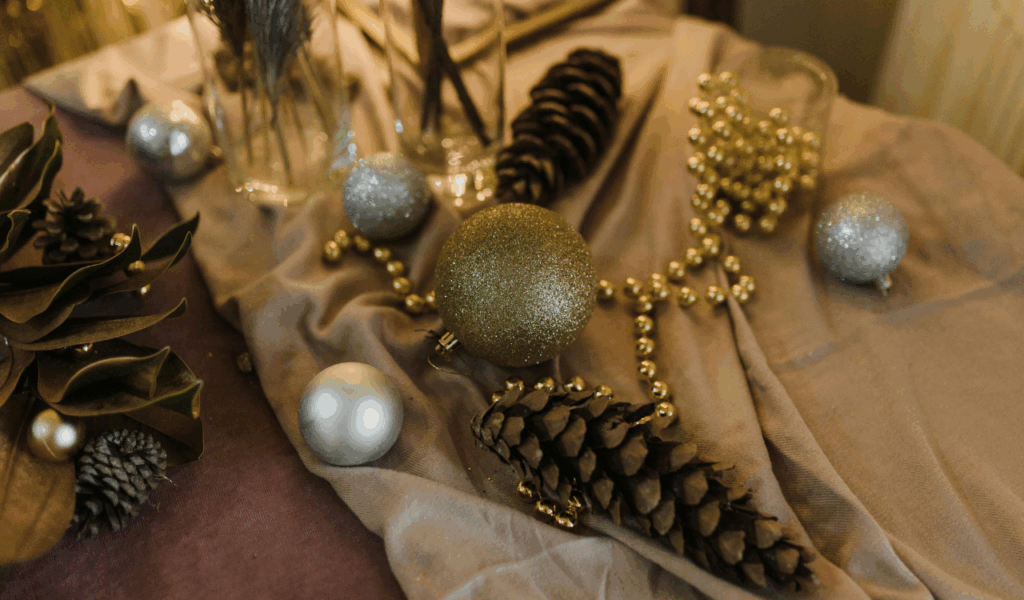
A few years ago, there were a lot of New Year’s decorations that were all gold or all silver. They included metallic balloons, dinnerware, banners, and even couches in one color. These spaces were planned out at initially, but they often appeared flat and too formal in real homes, especially when warmer, layered colors became popular. Design experts today like to mix metals with soft neutrals, natural textures, and darker hues to add depth. Add wood, linen, or plants to highlight metallic details. Because of this, a few high-quality metal pieces stand out and survive longer than a space with polished surfaces.
4. Disposable themed tableware sets
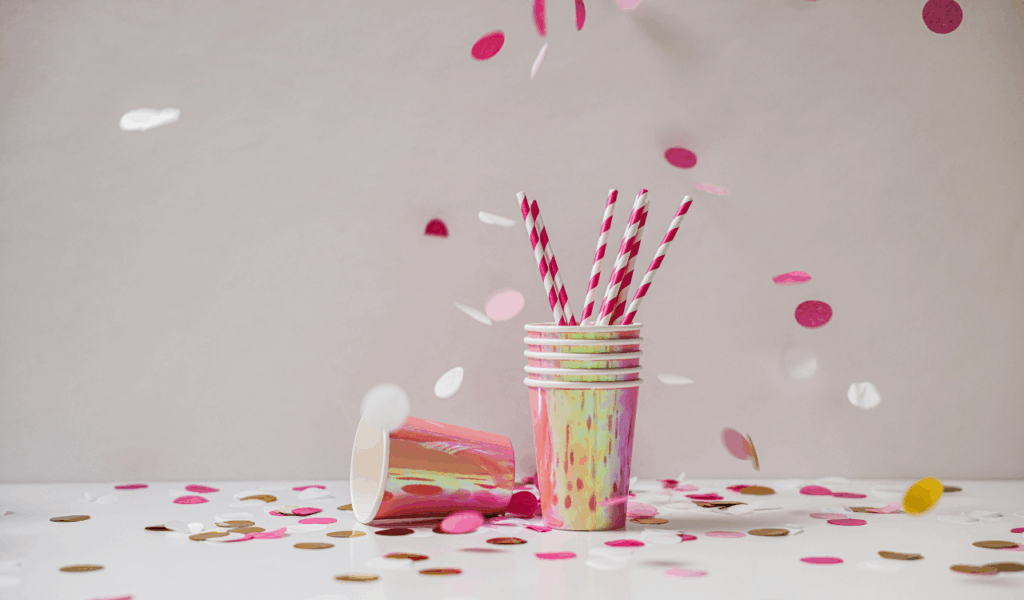
Pre-packaged New Year’s dinnerware sets with printed clocks, “cheers” slogans, and lots of glitter promised to make any party seem great right away, but they also made a lot of trash and didn’t often fit the rest of the house. After one usage, themed plates, cups, and napkins were thrown away, and leftover parts typically sat in cupboards because they only worked for one night. To promote sustainability, designers and lifestyle experts are advocating reusable neutral dishware with seasonal textiles or little decorations. With this strategy, hosts can replace runners or napkins annually while maintaining a careful base.
5. Artificial snow and spray covered décor
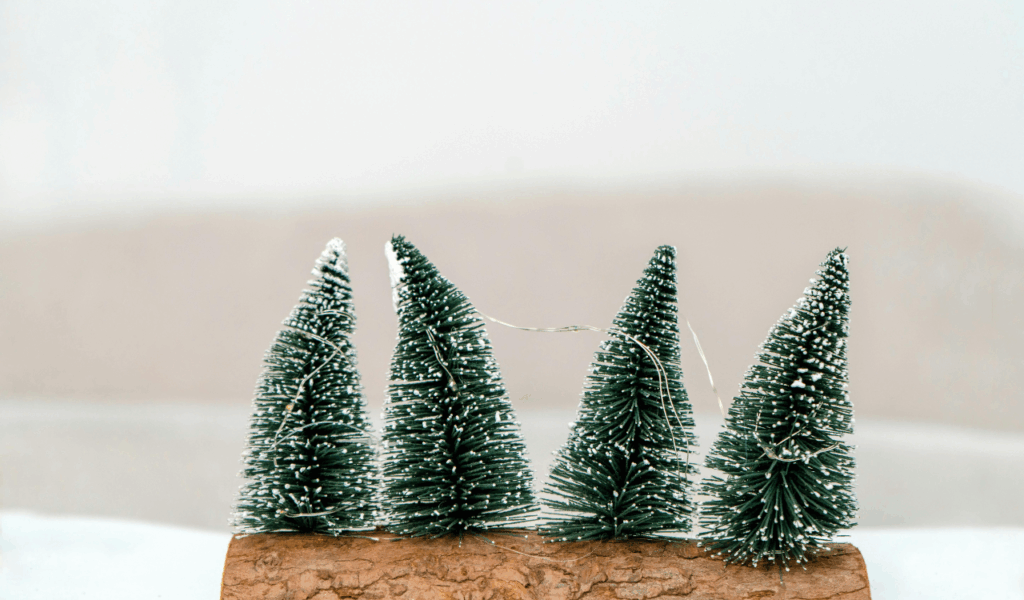
People employed fake snow sprays and hefty fake snow coverings a lot to make scenes from New Year’s and winter into “wonderlands.” Many homes noticed that these treatments left behind a film on windows, surfaces, and fabrics over time, and in normal light, they might look blatantly false. Instead of concealing entire areas, cleaning and décor experts recommend using clear glass, candles, and frosted embellishments. Natural elements like branches, pinecones, and white materials create a wintery atmosphere without mess. This milder approach keeps rooms flexible all season and avoids the old-fashioned look of heavily sprayed surfaces.
6. Color changing LED gadgets everywhere

Color-changing LED strips, centerpieces, and bar lights that could be operated from a distance initially seemed futuristic for New Year’s parties. However, the constant changing colors rapidly became boring to look at and hard to mix with everyday decor. Designers are favoring warmer, controllable lights for celebrations and daily living. Current interior design trends emphasize gentler temperatures and layered light sources over color shifts. Some well-placed warm LED candles, table lamps, or string lights can set the mood without having a constantly changing show. This softer lighting is ageless and suitable for many events, not only New Year’s Eve.
7. Mass produced slogan banners and signs
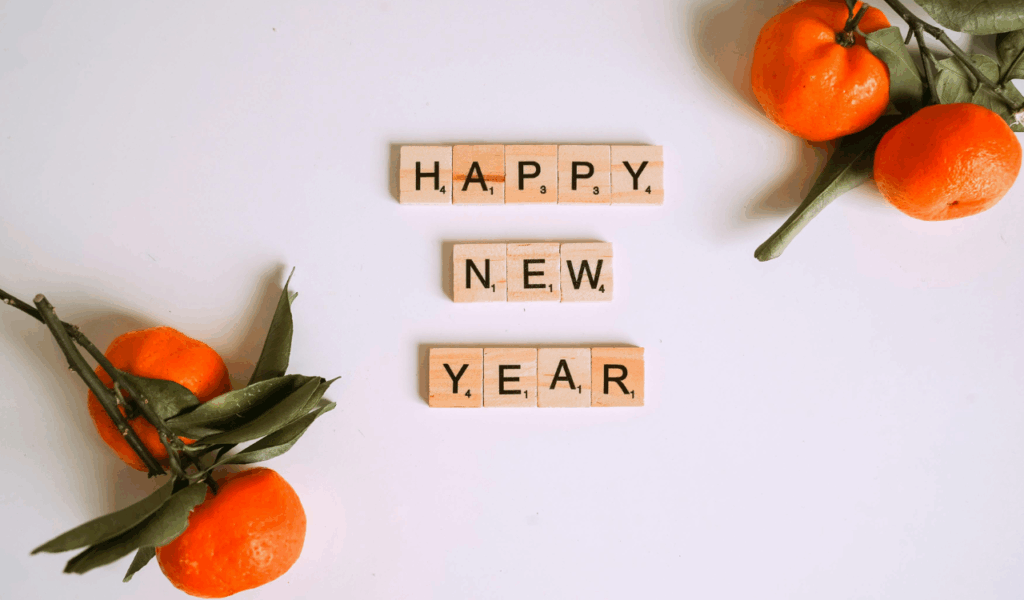
A lot of living rooms had “New Year, New Me” and other similar slogan banners. They were often made from the same materials and fonts acquired from the same big stores. These mass-produced items were amusing for a while, but they rapidly lost their freshness and made the decor feel generic instead of individualized. Designers today want more personal accents, such handmade signs, old things, or simple garlands that show off the homeowner’s flair. Decorating with neutral shapes, stars, or gentle lettering will last longer than trendy words. It helps New Year’s decorations blend with existing art and furniture, so they don’t look like a one-year craze.
8. Ultra themed bar carts
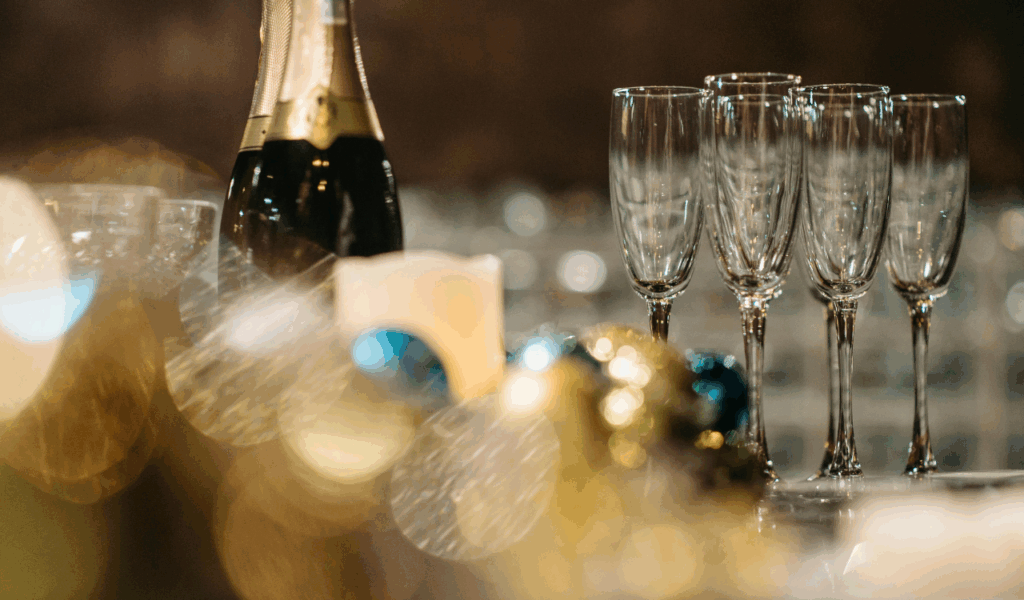
Photos of New Year’s parties with curated bar carts full with metallic drinkware, themed stirrers, and rows of matching bottles became very popular. In real life, a lot of carts were hard to use, hard to clean, and felt out of place after the vacation. Lifestyle and home decor publications increasingly stress how important it is to have surfaces that are clear of clutter and that work well every day. A simple setup with fine glasses, a few favorite bottles, and a seasonal accent may shift from New Year’s Eve to regular parties without much moving. This makes the cart seem like a house element rather than a seasonal ornament.
9. Single night photo wall installations

For a while, New Year’s backdrops that were mostly for photography were popular, but they didn’t always look good in homes after the party. These setups can obstruct natural light, hurt walls with tape or hooks, and use a lot of stuff that gets thrown away after one night. More and more, designers and event stylists are recommending smaller, reusable focus points, such as a decorated console table or a gallery wall with a few temporary accessories. These options make room for images without making the area too busy. They also look nice in everyday living, which helps the space stay up to date long after the countdown