14 Back-to-School Furniture Pieces That Didn’t Last the Semester
Back-to-school furniture is often chosen quickly, driven by price tags, trend photos, and the promise of easy setup. But once the semester begins, daily use tells a different story. Desks wobble, chairs lose support, shelves sag, and storage pieces reveal just how lightly they were built. What looks functional in August can become a constant frustration by October. Students need furniture that can handle long hours, heavy books, and constant movement. When pieces are designed for appearance or convenience instead of durability, they rarely last. These furniture choices show how cutting corners upfront often leads to regret halfway through the school year.
1. Lightweight Student Desks That Wobbled During Use

At first glance, lightweight desks seem like a smart solution for small rooms and tight budgets. The problem shows up the moment real schoolwork begins. These desks rely on thin legs and minimal cross-bracing, which means any pressure from writing, typing, or leaning causes movement. Over time, that wobble becomes distracting and frustrating, especially during long study sessions. Many are made with particleboard tops that flex under weight, making laptops feel unstable. Once joints loosen, there’s no easy fix. What looked portable and modern ends up undermining focus and posture, turning daily studying into a constant battle with an unsteady surface.
2. Minimalist Chairs That Became Uncomfortable Quickly
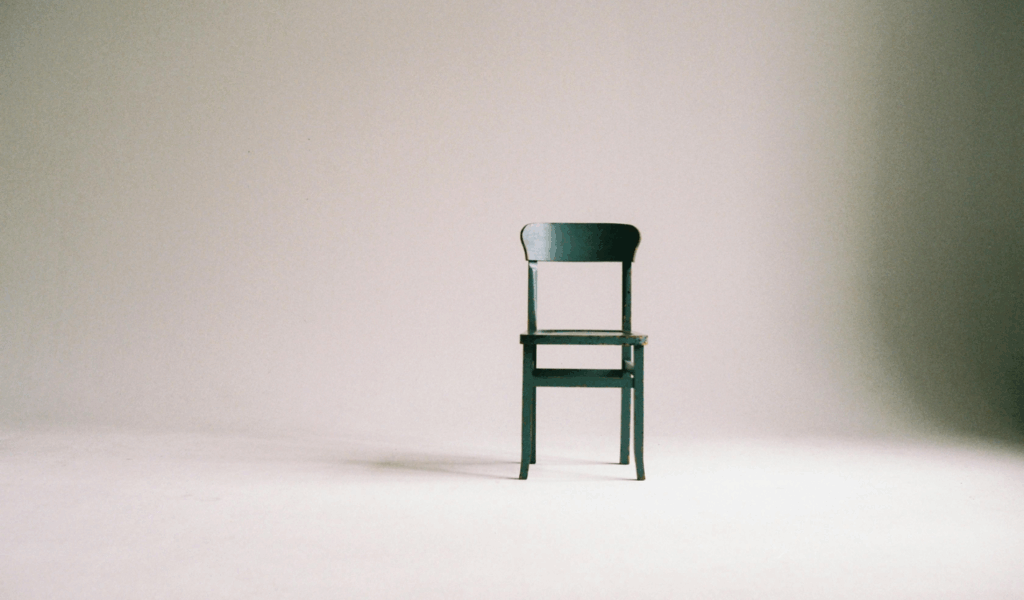
Minimalist chairs photograph beautifully, but school days expose their weaknesses fast. These chairs often lack lumbar support, padding, or adjustable features, which students need when sitting for hours. Thin seats compress quickly, turning firm into painful within weeks. Without armrests or proper back curves, posture suffers, leading to fatigue and soreness. Parents often notice students shifting constantly or abandoning the chair altogether. What works for a short café visit doesn’t translate to homework marathons. Comfort isn’t a luxury in a study space. It’s a requirement, and these chairs rarely deliver beyond the first few weeks.
3. Low-Cost Rolling Chairs With Faulty Casters
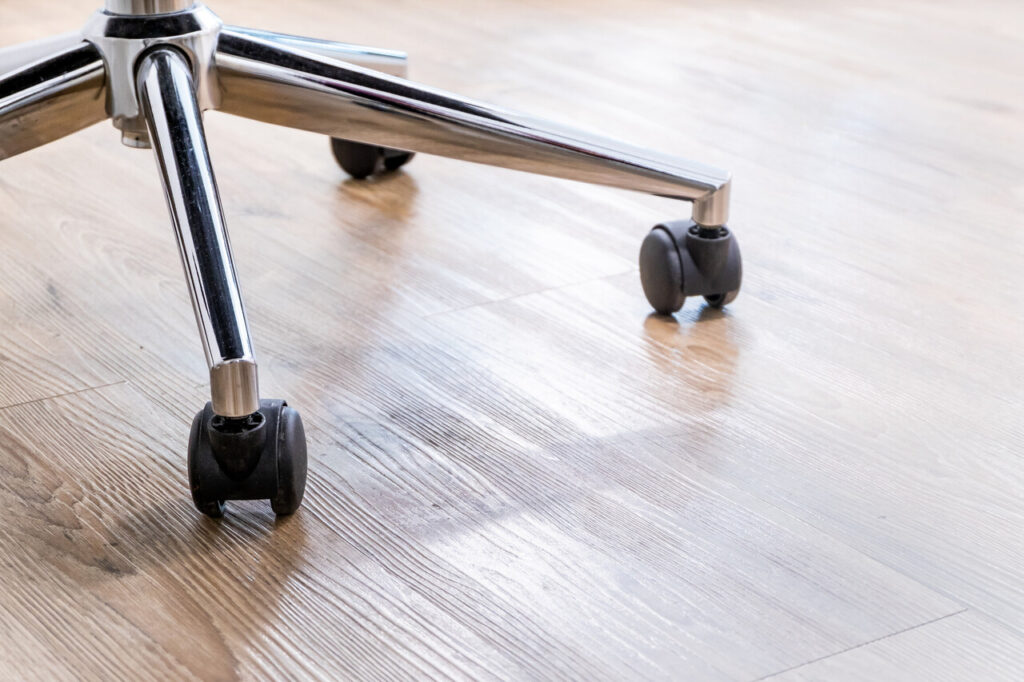
Rolling chairs promise flexibility, but cheaper versions cut corners where it matters most. Plastic casters crack, jam, or fall off entirely after repeated movement on carpet or hard floors. Once one wheel fails, the chair becomes unstable and unsafe. Many of these chairs also use low-quality gas lifts that sink over time, forcing constant height adjustments. The frame may squeak or shift under weight, creating a distraction. By mid-semester, students are left with a chair that rolls unevenly or doesn’t roll at all. What started as a convenience quickly becomes a daily annoyance.
4. Pack-and-Go Folding Tables That Didn’t Stay Level
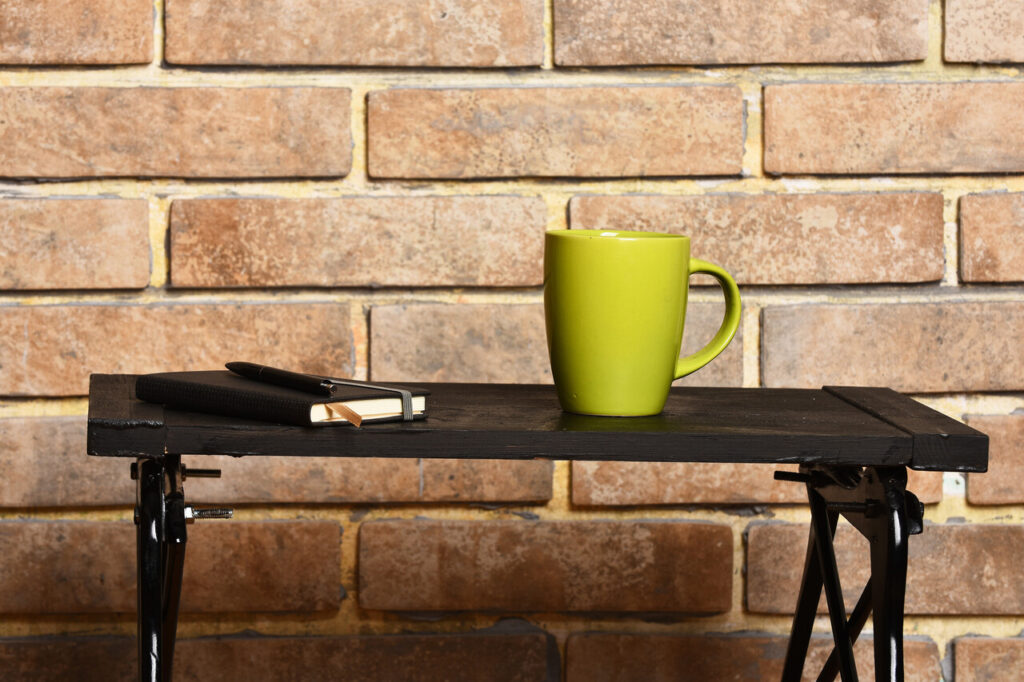
Folding tables appeal to families looking for flexibility, but their design rarely supports daily academic use. Hinges loosen with repeated opening and closing, causing uneven surfaces. Lightweight legs shift under pressure, making writing and typing awkward. Many models aren’t designed for lateral movement, so even small adjustments cause instability. Once the locking mechanism weakens, the table becomes unreliable. These tables work for occasional tasks, not sustained studying. Over time, students either fight the surface or avoid it entirely, proving that convenience often comes at the cost of function.
5. Decorative Headboards That Blocked Access
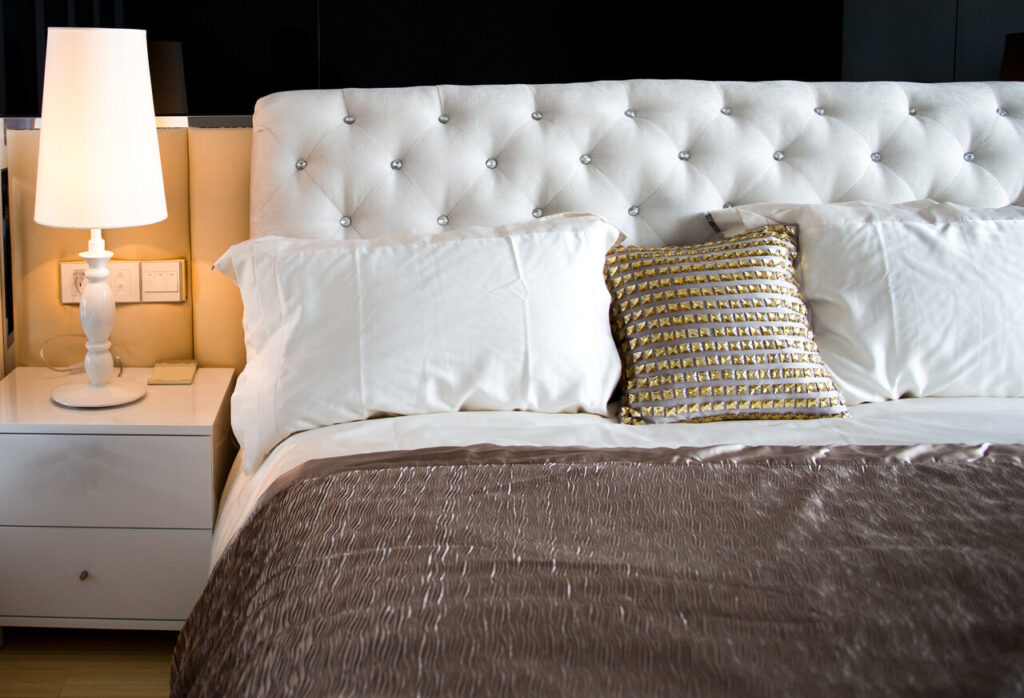
Decorative headboards often seem like an easy way to upgrade a bedroom, but in student spaces they can become obstacles. Large or ornate designs block outlets, reduce usable wall space, and make bed placement inflexible. Some require frequent tightening as bolts loosen, especially in shared or high-movement rooms. Storage beds paired with bulky headboards become harder to access. What was meant to add style ends up complicating daily routines like charging devices or changing bedding. In small student rooms, every inch matters, and oversized headboards rarely justify the space they consume.
6. Floating Corner Shelves That Fell Under Load
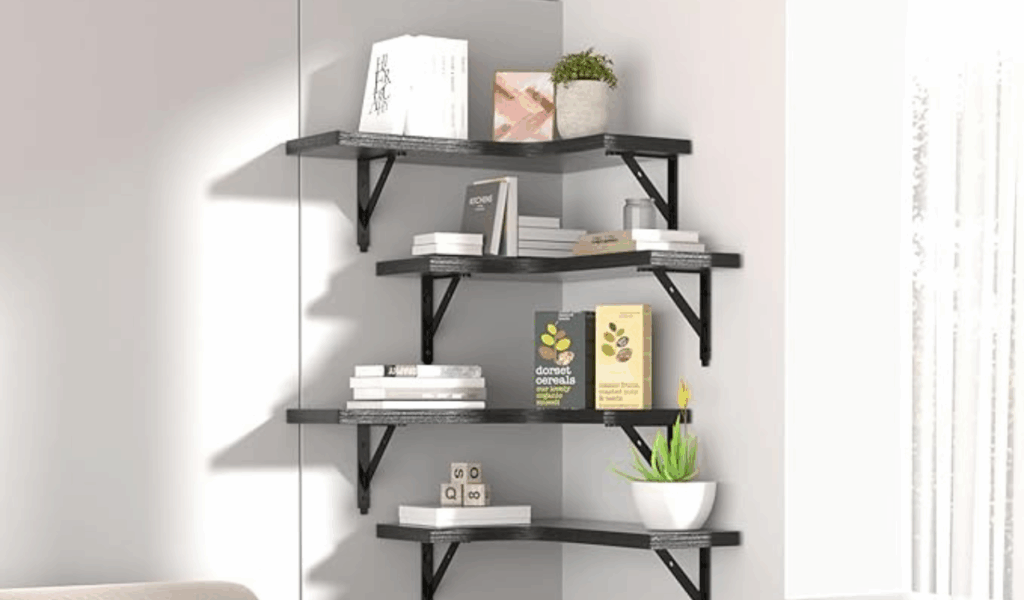
Floating shelves are marketed as space savers, but corner versions often lack the support needed for real storage. Textbooks, backpacks, and binders quickly exceed their weight limits. Many are installed into drywall without proper anchors, causing gradual sagging before eventual failure. Once a shelf pulls away, wall damage follows. Students rely on these shelves for daily essentials, not decor. When they collapse, trust in the entire setup disappears. These shelves work best for lightweight items, not academic storage, making them a poor match for school needs.
7. Modular Sofas That Shifted Apart With Use
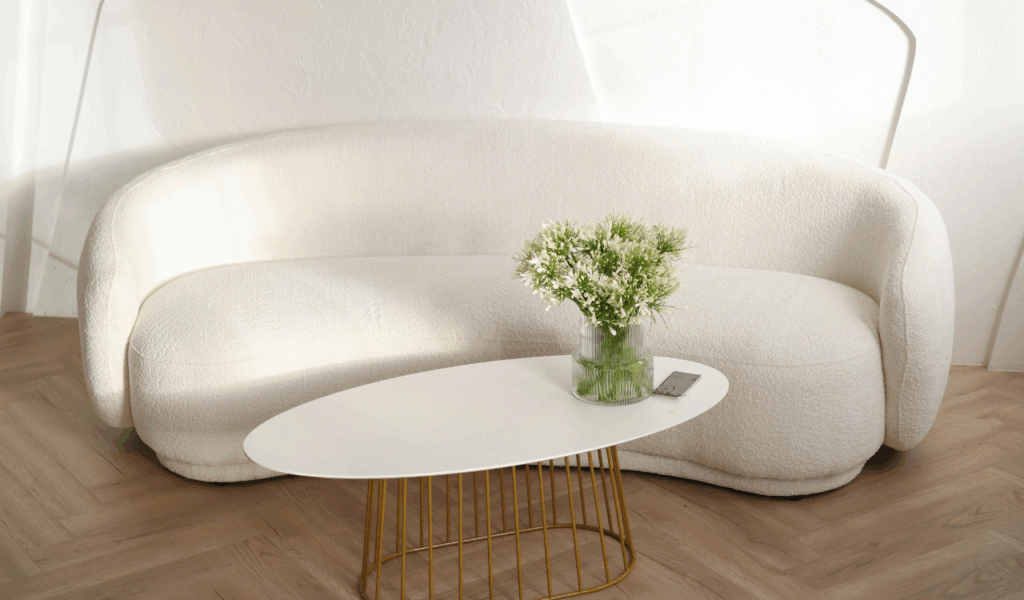
Modular seating looks adaptable, but constant movement exposes design flaws. Individual sections slide apart when students sit, stretch out, or shift positions. Lightweight connectors wear down, causing gaps and instability. Over time, cushions compress unevenly, making the sofa uncomfortable. Students end up constantly realigning pieces instead of relaxing. What seemed flexible becomes fussy. For shared living spaces or dorms, stability matters more than rearrangeable layouts. These sofas struggle to handle daily use without becoming a source of frustration.
8. Student Storage Cubes Without Securing Hardware
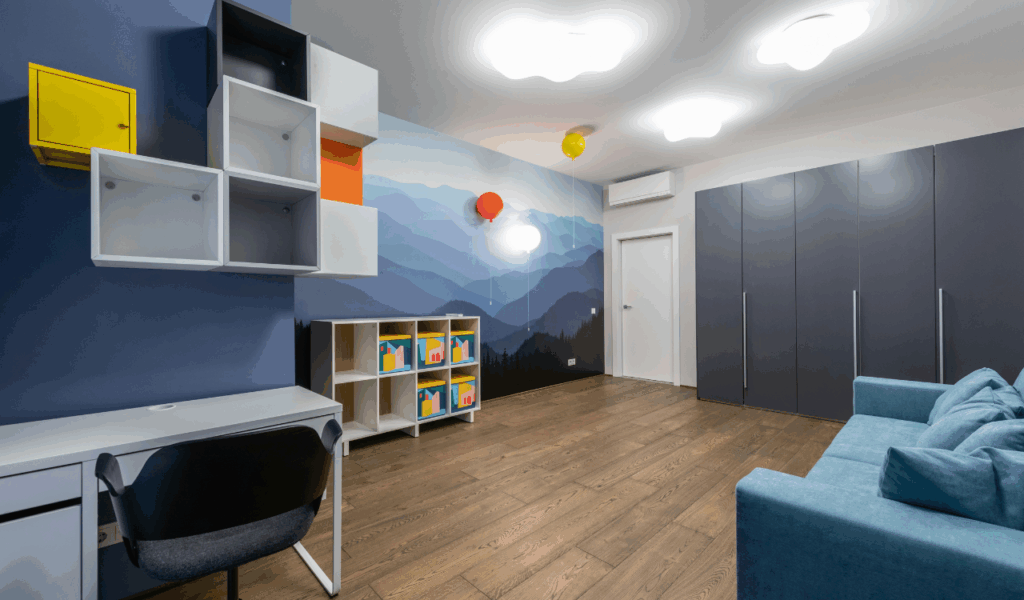
Open storage cubes appear practical, but unsecured designs create problems fast. Loaded with books or supplies, they tip easily, especially on carpet. Without backing panels or anchors, cubes shift under weight. Parents often notice uneven stacking or sagging shelves within weeks. Once compromised, the unit becomes unsafe. Storage should simplify organization, not introduce risk. These cubes often lack the structural support needed for heavy school materials, making them unreliable for long-term use.
9. Bunk Beds With Poor Ladder Support
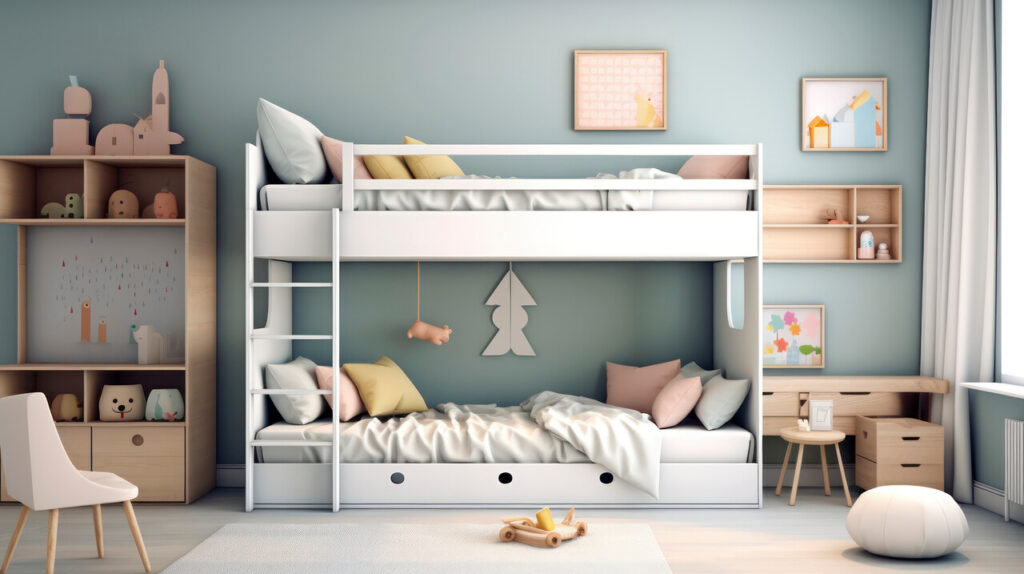
Bunk beds save space, but poorly designed ladders create daily hazards. Narrow rungs, weak attachment points, or slippery finishes make climbing risky. Over time, bolts loosen and ladders wobble. Students rushing or climbing at night increase the danger. Many models prioritize appearance over safety engineering. Once instability appears, confidence disappears. Bunk beds demand solid construction and frequent checks. When corners are cut, they fail quickly under real-world use.
10. Under-Desk Drawers That Jammed Easily

Under-desk drawers sound like a smart way to reclaim space, but low-quality versions tend to fail almost immediately under real student use. Cheap slide mechanisms struggle with daily opening and closing, especially when drawers are filled with notebooks, chargers, or textbooks. Over time, the drawers begin to tilt, scrape, or slide completely off their tracks. Misalignment sets in fast, and once that happens, the drawer either jams shut or becomes unstable to use at all. Instead of streamlining workflow, these drawers interrupt it by forcing constant readjustment. What should be hidden storage turns into dead space that no one wants to touch. In high-use study setups, durable hardware matters far more than clever placement, and these drawers usually sacrifice build quality for compact design.
11. Overly Stylish Bookcases That Tipped Forward

Slim, stylish bookcases may look modern, but they struggle with real books. Without sufficient depth or anchoring, weight pulls them forward. Students loading textbooks unknowingly create tipping hazards. Many designs prioritize appearance over balance. Once instability appears, the entire unit becomes unsafe. Book storage demands sturdiness first. When design wins over structure, failure follows quickly.
12. Small Accent Rugs That Bunch Under Chairs
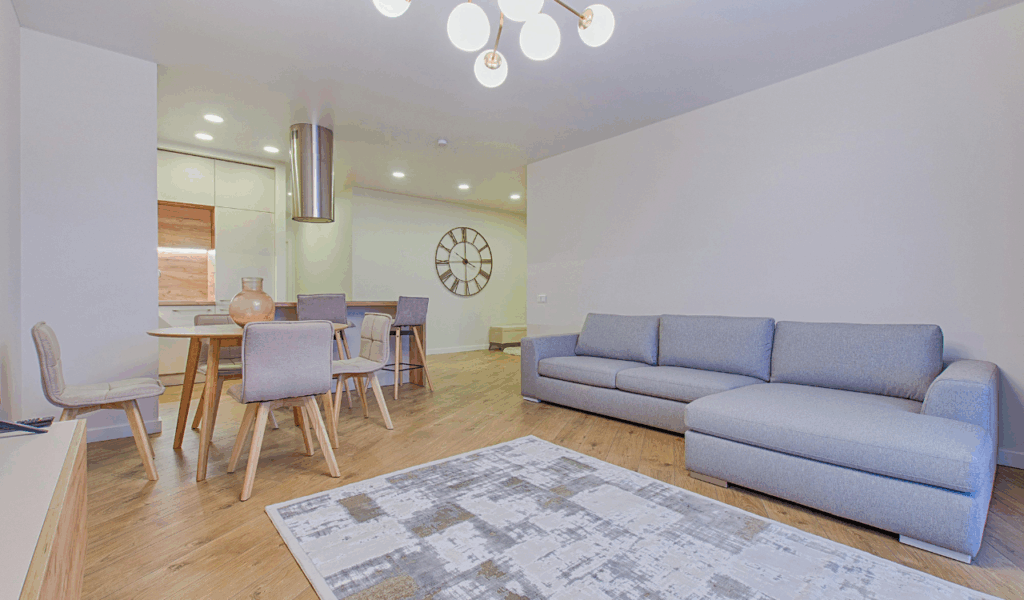
Accent rugs can look inviting in photos, but smaller or low-quality versions often become a daily annoyance in real study spaces. When rugs are undersized, desk chairs catch on the edges, causing the fabric to bunch up or curl, which quickly turns into a tripping hazard. Thin materials wear down fast under rolling chairs, fraying at the corners and losing shape within weeks. Students end up constantly nudging the rug back into place, breaking concentration and adding frustration to already busy days. What starts as a cozy touch slowly reads as visual and physical clutter. For study areas, rugs need enough surface area, proper grip, and durable fibers to support movement without demanding constant adjustment.
13. Lightweight Closet Organizers That Caved Under Clothing
Closet organizers are marketed as an easy fix for small spaces, but many budget versions are not built for constant use. Lightweight metal rods bend under the weight of coats and backpacks, while fabric shelves stretch and sag once shoes or folded clothes are added. Seams and connectors are often the first to fail, especially when students rotate outfits frequently and move items in and out every day. As joints loosen, the entire structure starts to lean or collapse, sending clothes into messy piles on the floor. These systems are designed for short-term neatness, not durability. In high-use environments like dorms or shared apartments, solid framing and sturdy hardware matter far more than flexible, modular promises.
14. Cheap Nightstands With Weak Drawers

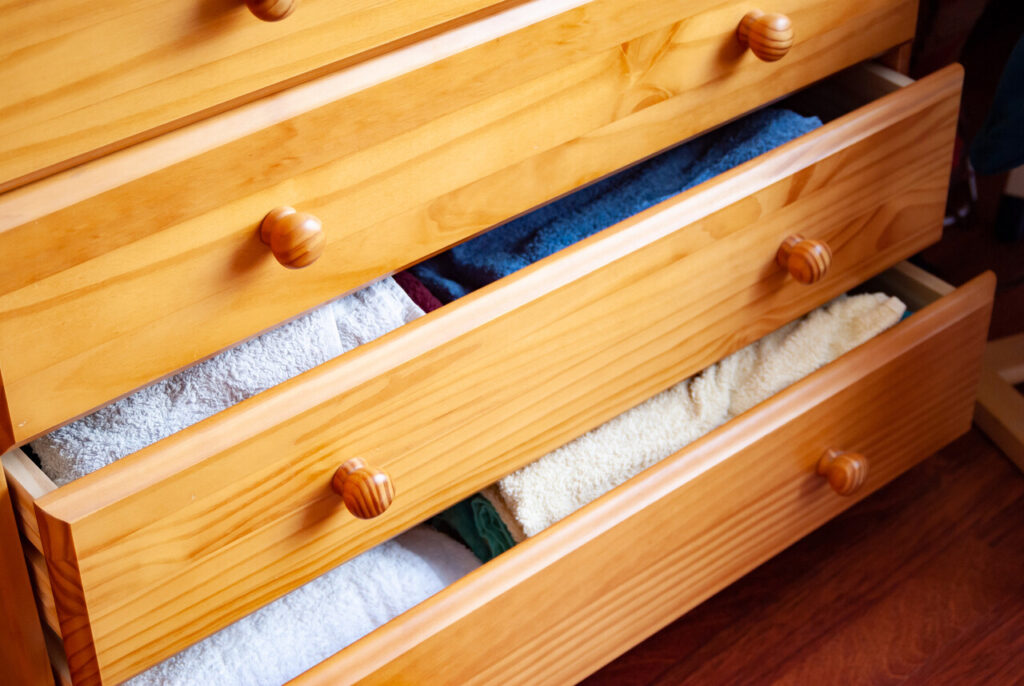
Nightstands are among the most frequently used pieces of furniture in a student’s space, which makes their flaws surface quickly. Budget versions often rely on thin composite panels and weak drawer hardware that cannot handle daily wear. Drawer bottoms sag under books, chargers, and personal items, while cheap tracks loosen and cause drawers to stick or slide out unexpectedly. Lightweight frames shift every time the surface is touched, making the whole piece feel unstable. Students depend on nightstands for routine access to essentials, and constant malfunction becomes an everyday annoyance. A well-built nightstand should quietly support daily life, not demand repeated fixing or replacement.