9 Decorating Choices That Tend to Age Better Than Trends
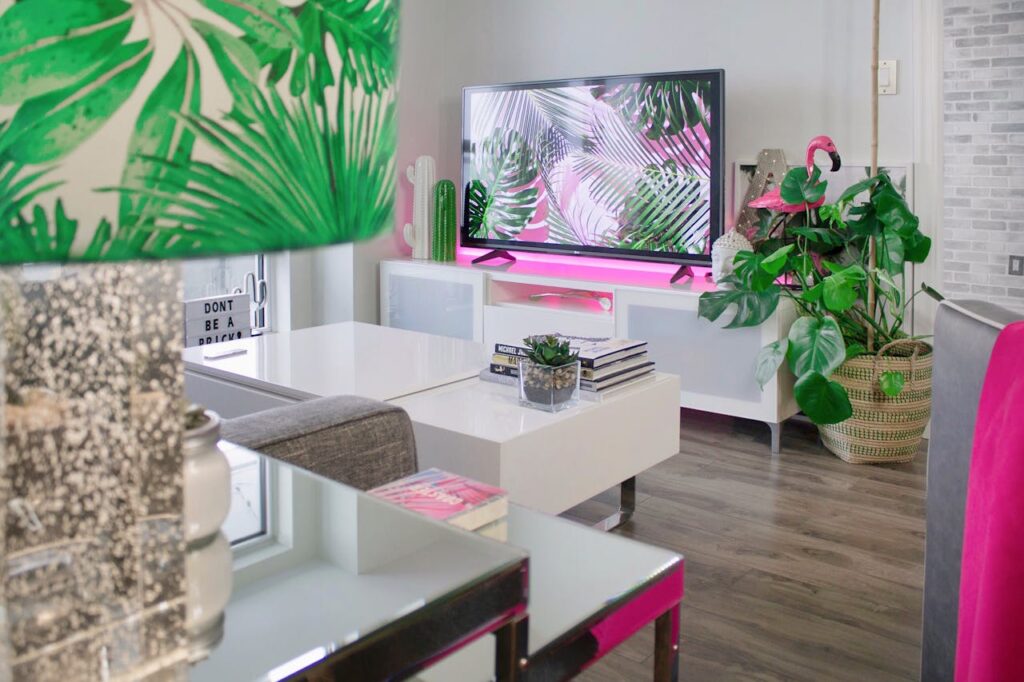
When you decorate your home, it is easy to fall for what feels fresh and exciting in the moment. Social media, design shows, and big box retailers constantly introduce new looks that promise to transform your space overnight. Yet professional designers often see the downside of fast-moving trends.
Certain choices look dated within a few years, while others quietly grow more beautiful and functional over time. If you want a home that feels current today and still looks thoughtful a decade from now, focus on elements that professionals trust again and again. These decorating decisions age well and give your space lasting style.
1. Neutral Color Palettes Designers Say Never Go Out Of Style
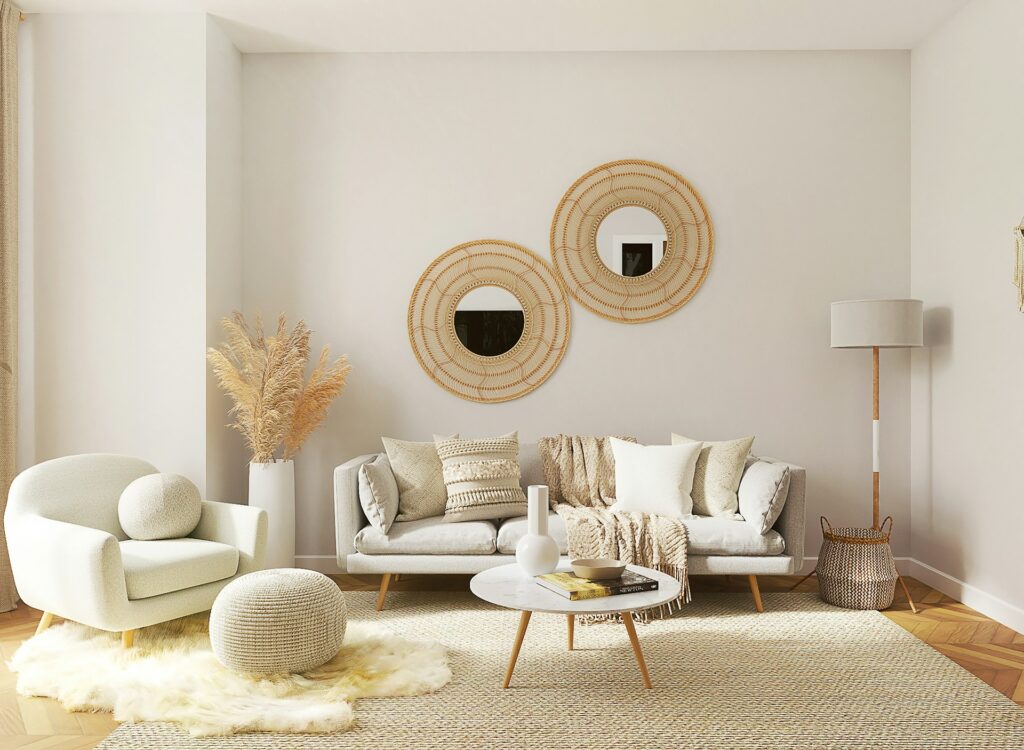
Interior designers consistently return to neutral color palettes because they create flexibility and visual calm. When you choose shades like warm white, soft taupe, greige, or muted beige, you give your furniture and décor room to evolve without clashing.
Designers explain that neutral walls act as a foundation, allowing you to update accessories, art, or textiles without repainting every few years. In American homes where resale value matters, neutrals also appeal to a wider range of buyers. You avoid the regret that often follows bold, trend-driven colors. Over time, a balanced neutral backdrop feels intentional rather than dated.
2. Quality Wood Furniture That Interior Designers Always Recommend
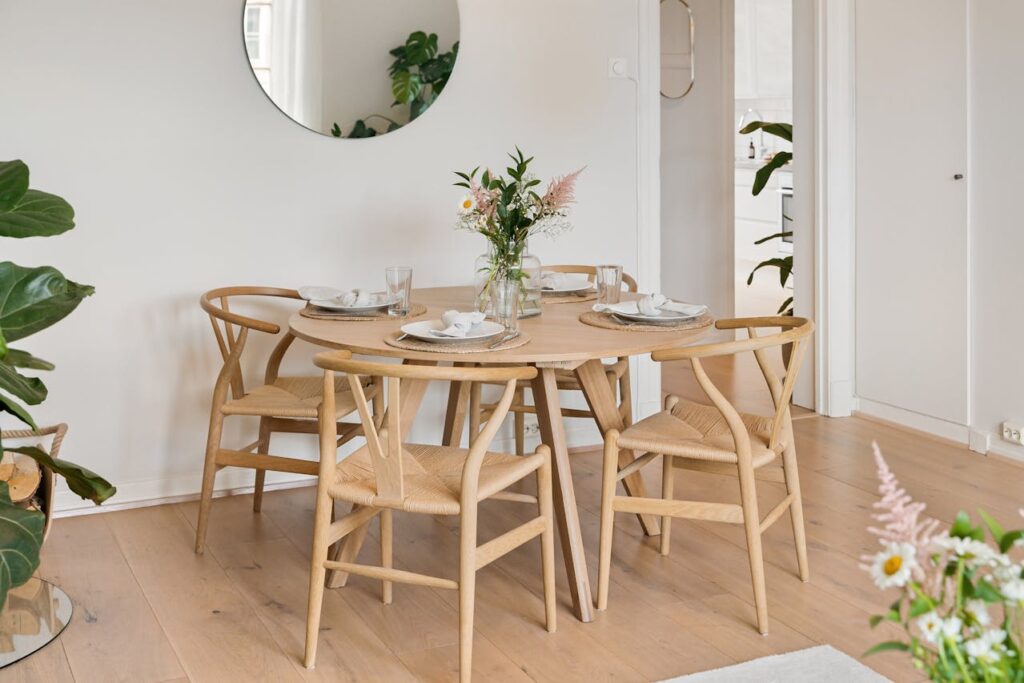
Interior designers often stress that solid wood furniture rarely goes out of style. While trendy finishes and ultra-modern shapes can fade quickly, well-crafted wood pieces develop character with age. A sturdy oak dining table or walnut dresser anchors your room and adapts to different décor styles.
Designers point out that you can refinish, restain, or reupholster surrounding pieces as tastes shift, but a quality wood frame remains dependable. In many US homes, these pieces even become heirlooms. Instead of replacing furniture every few years, you invest once and build around it, which saves money and supports a timeless aesthetic.
3. Built-In Storage Solutions Organizers Call Timeless
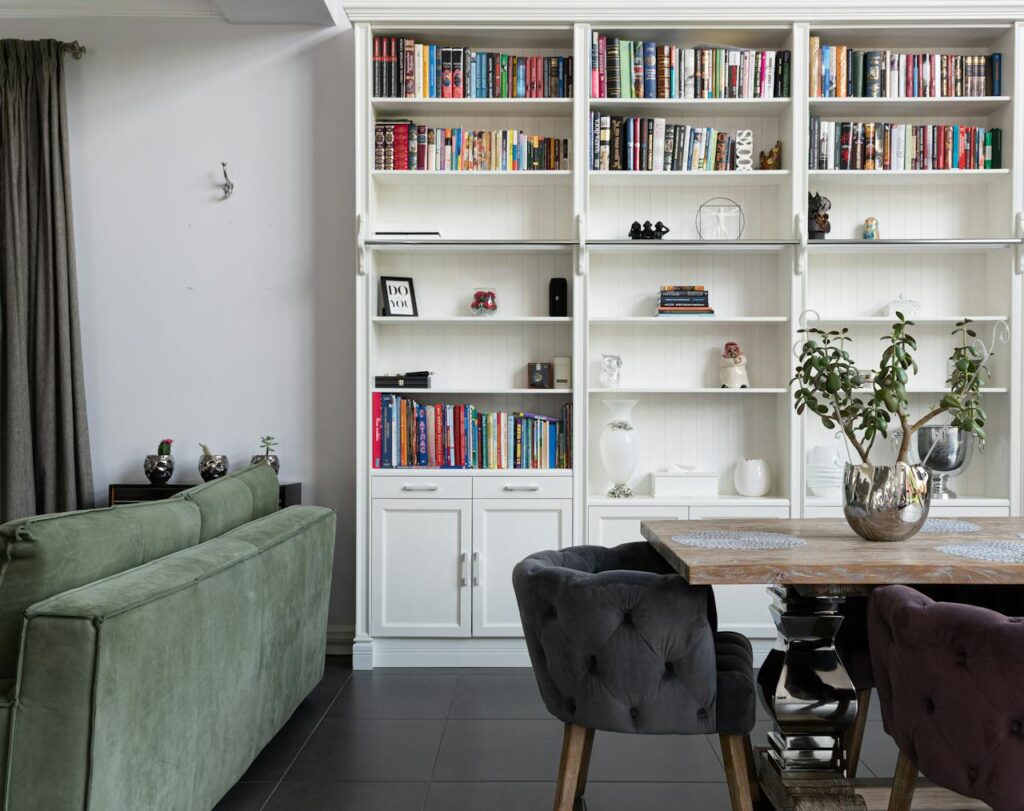
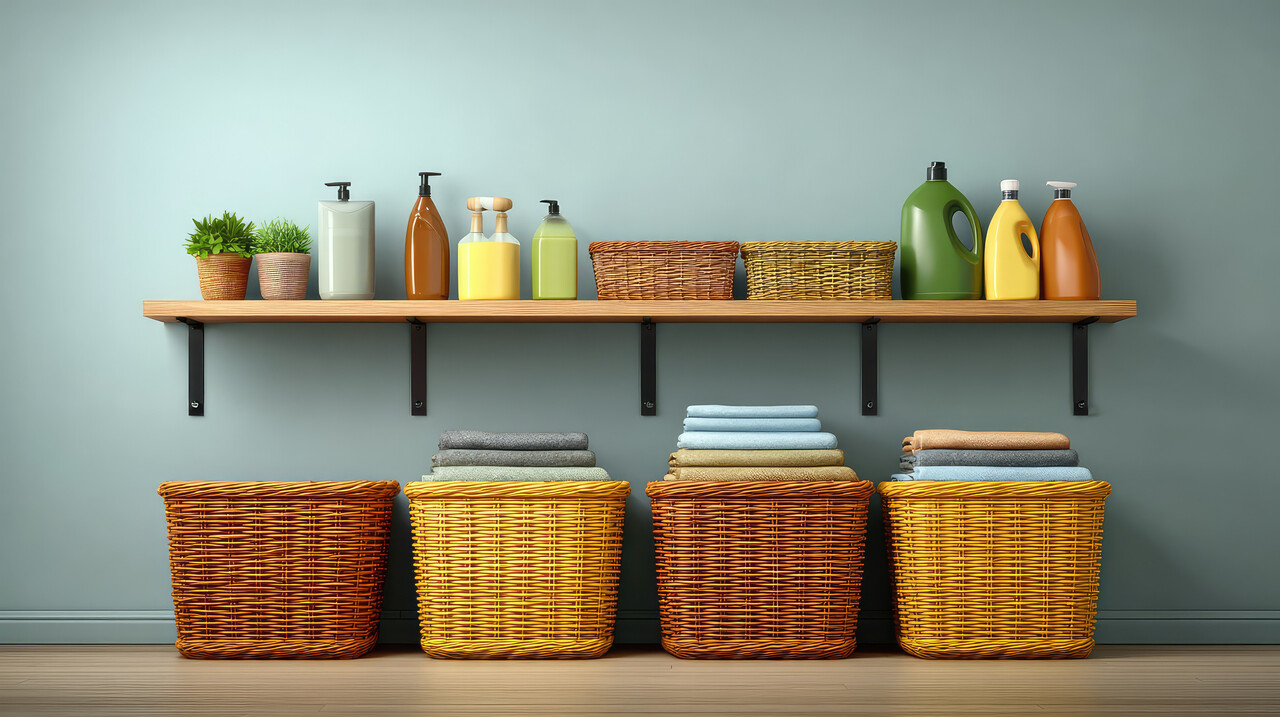
Professional organizers and designers agree that built-in storage stands the test of time because it prioritizes function. When you add custom shelving, window-seat storage, you reduce visible clutter and create a polished look.
Unlike freestanding trend pieces, built-ins feel integrated into the architecture of your home. Designers note that clean lines and practical storage appeal strongly to American homeowners who value both style and efficiency. As your needs change, you can restyle shelves or adjust what you display. The structure itself remains useful for decades, which keeps your space feeling organized and relevant.
4. Classic Tile Patterns Designers Trust Year After Year
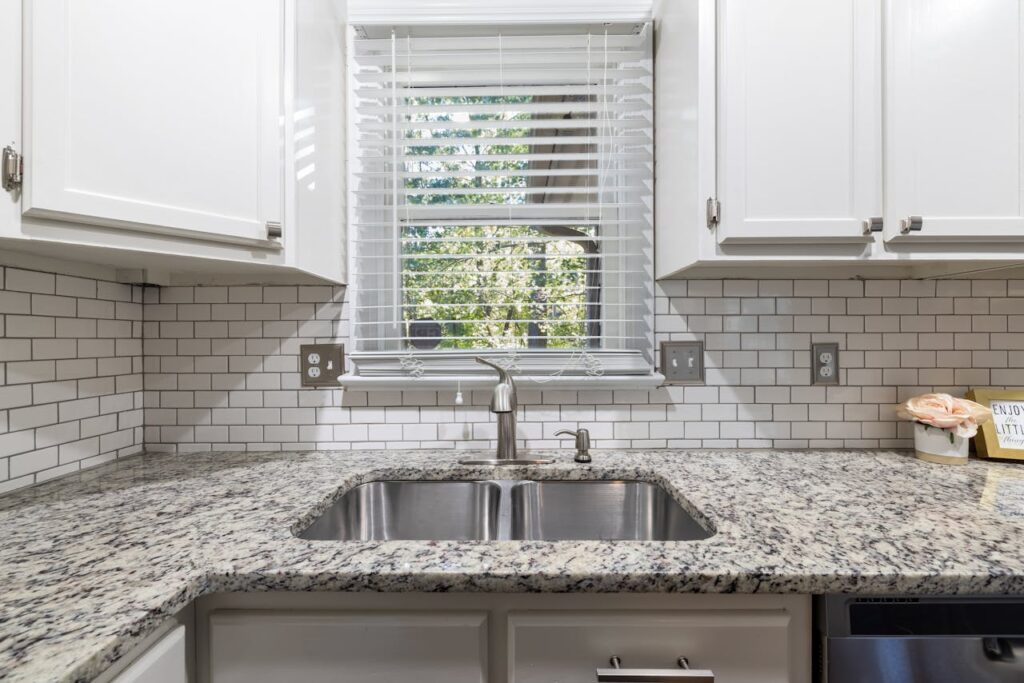
When it comes to kitchens and bathrooms, designers frequently recommend classic tile patterns like subway, basketweave, or simple hexagon. These layouts have appeared in American homes for more than a century, yet they still feel fresh. Designers explain that the longevity comes from proportion and simplicity.
Instead of chasing bold patterned tiles that may quickly date your space, you choose a format that complements changing fixtures and finishes. If you want personality, you can vary grout color or add subtle texture. The underlying pattern remains steady, which helps your renovation look intentional long after trend cycles shift.
5. Statement Lighting With Simple Silhouettes
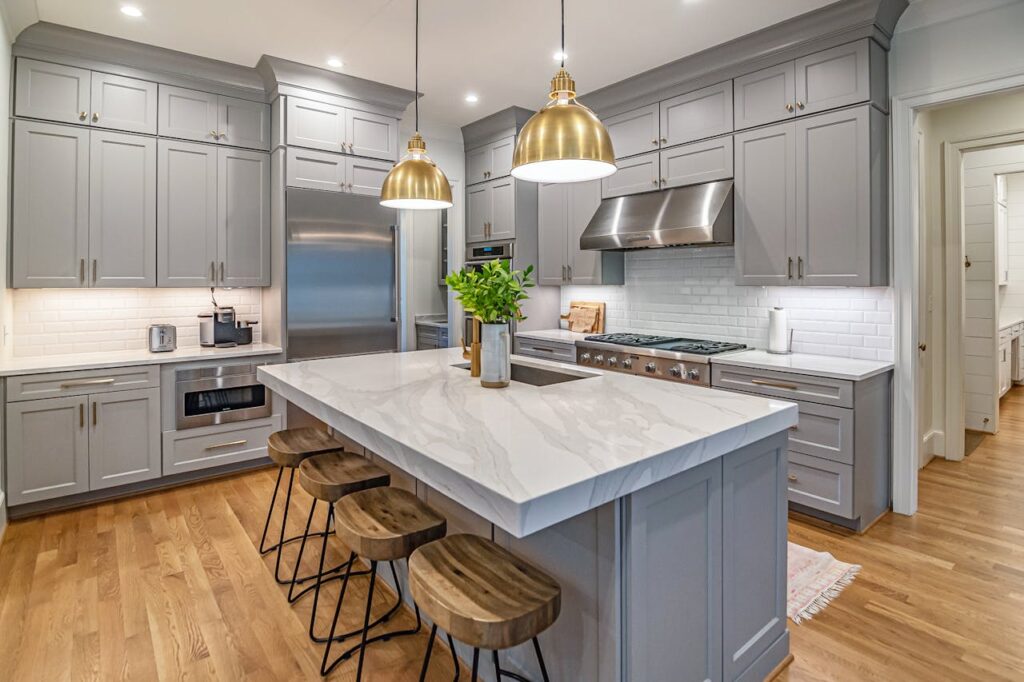
Lighting designers often say that statement fixtures age best when the silhouette stays simple. A well-proportioned pendant, lantern, or chandelier in materials like brass, matte black, or glass can elevate your room without locking it into a specific era.
While highly sculptural or novelty fixtures may feel exciting at first, they can quickly appear dated. Designers encourage you to focus on scale and craftsmanship instead. In open-concept American homes, lighting becomes a focal point, so choosing a clean, timeless shape ensures it continues to complement your space even as furniture and décor evolve.
6. Natural Materials Designers Say Add Lasting Warmth
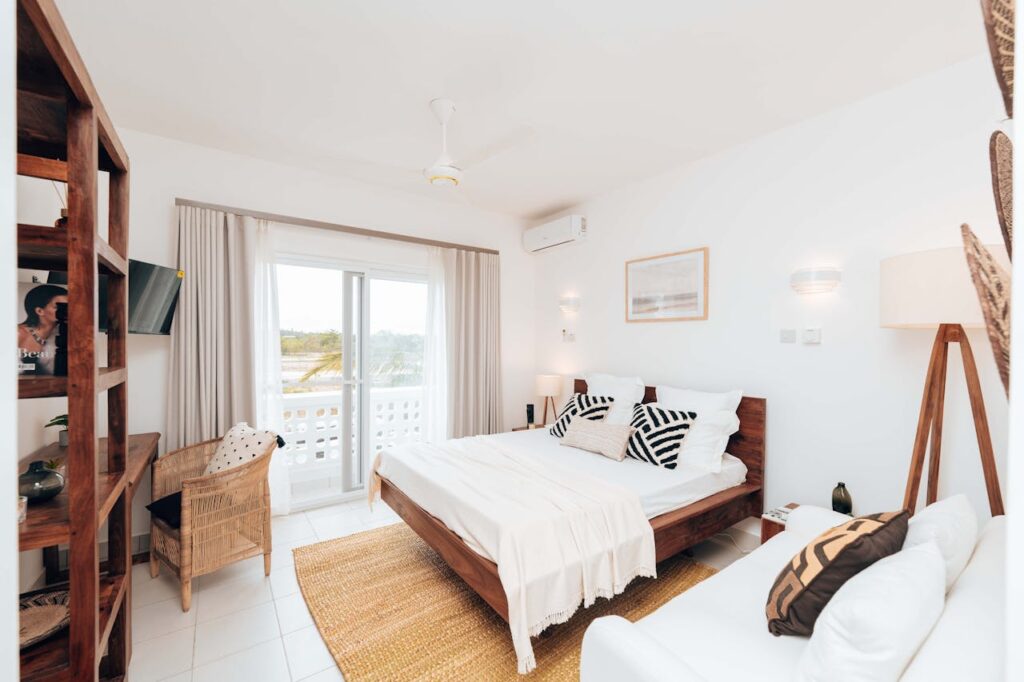
Interior designers frequently return to natural materials because they add texture and warmth that never feels forced. Linen curtains, wool rugs, stone countertops, and leather accents develop subtle character over time. Unlike synthetic trend materials that can look tired quickly, natural finishes tend to soften and improve with age.
Designers also point out that many American homeowners value sustainability and durability, both of which natural materials often provide. When you layer these elements thoughtfully, your space feels grounded and authentic. Years later, even as smaller decorative details change.
7. Symmetrical Layouts That Always Feel Balanced
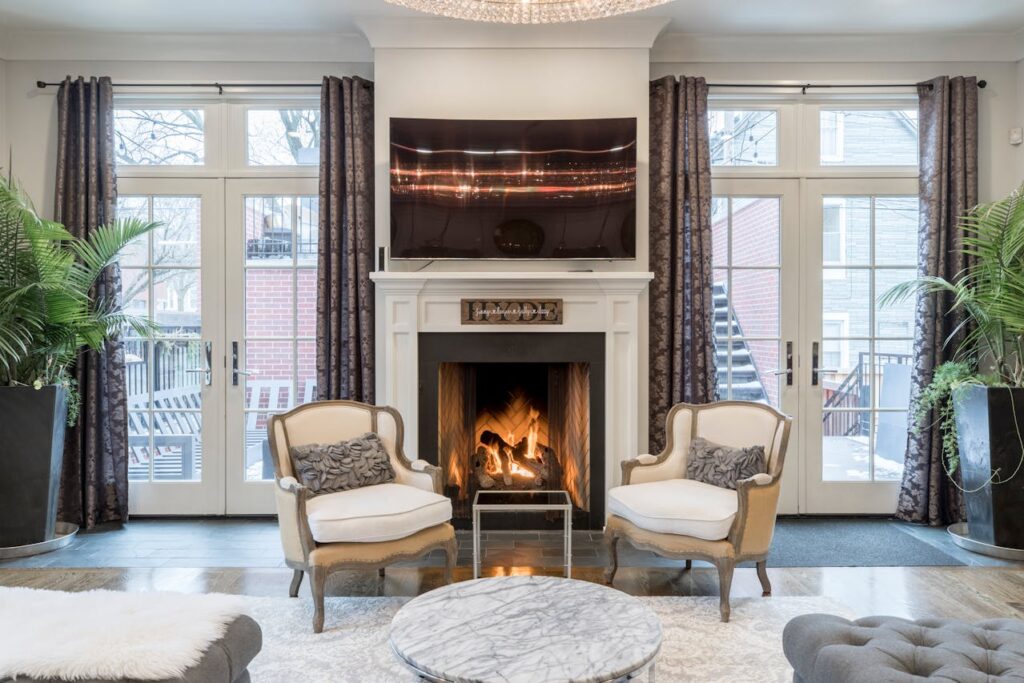
Design professionals often rely on symmetry because it creates a sense of order that feels instinctively comfortable. When you place matching chairs on either side of a fireplace or balance bedside tables in a primary bedroom, you establish visual harmony. Designers explain that symmetry works across traditional, and even modern interiors.
It helps rooms feel intentional rather than accidental. In family homes where spaces serve multiple purposes, a balanced layout also improves flow and usability. While decorative styles may shift, the underlying structure of a symmetrical arrangement continues to support a calm, welcoming environment.
8. Tailored Window Treatments Designers Prefer Over Trendy Curtains
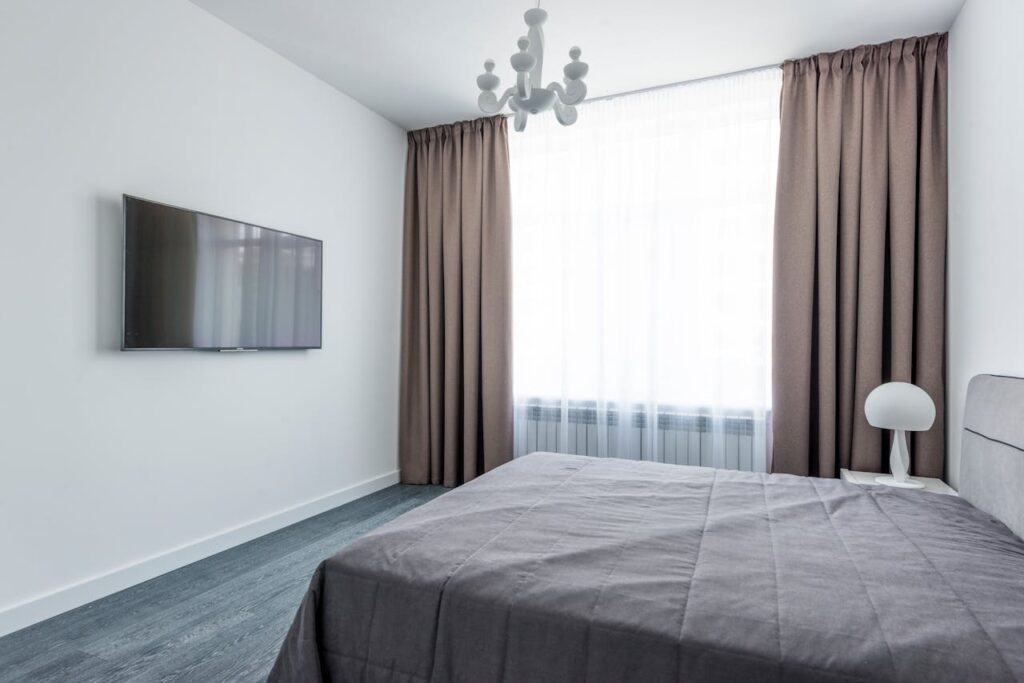
Window treatments often reveal the era of a home, which is why designers favor tailored, well-fitted options. Floor-length drapes in solid fabrics, simple Roman shades, or classic shutters tend to outlast highly patterned or novelty designs.
Designers emphasize proportion and proper installation so panels skim the floor and frames look intentional. In many US homes, windows serve as architectural features, and clean treatments enhance rather than distract from them. If you later want a new look, you can swap hardware or adjust fabric while maintaining a timeless structure. This approach keeps your rooms feeling polished for years.
9. Vintage Or Antique Accents That Add Character Without Dating A Room
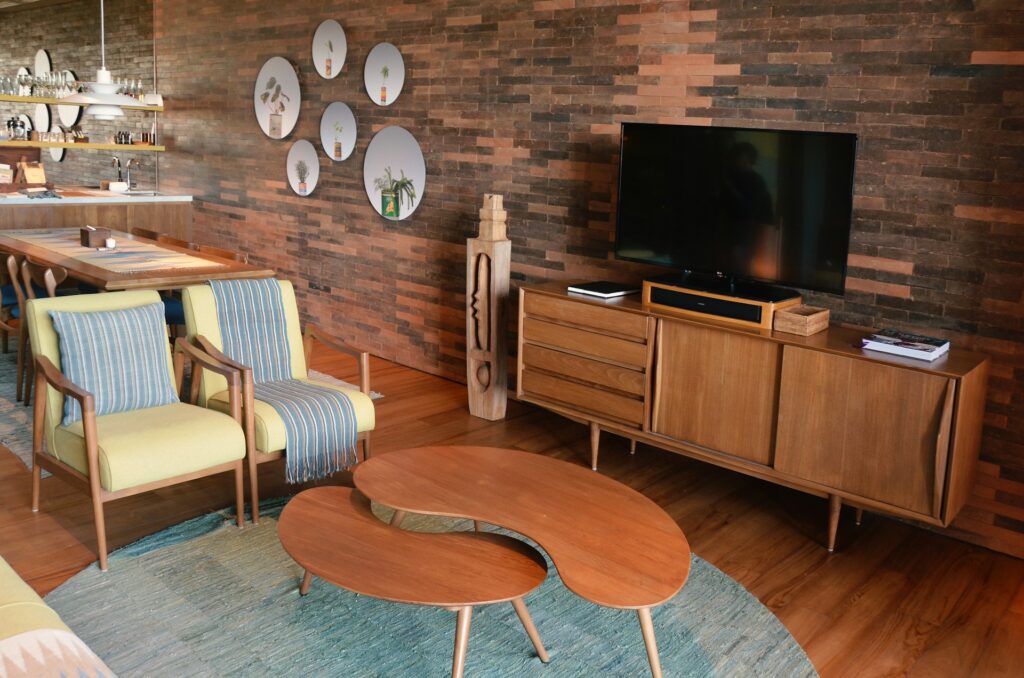
Designers often recommend mixing vintage or antique accents into your décor because older pieces already carry a sense of history. A mid-century credenza, antique mirror, or traditional rug has proven longevity. Instead of chasing every new trend, you introduce items that have already stood the test of time.
Designers suggest pairing these pieces with simpler contemporary elements so your space feels curated rather than themed. In American homes, this blend of old and new creates depth and individuality. As trends cycle through, your vintage accents continue to anchor the room with authentic character.