11 January Food Trends People Tried Once and Dropped
January always brings a fresh wave of food trends, fueled by resolutions, social media buzz, and the promise of a better reset. For a few weeks, kitchens fill with new ingredients, ambitious plans, and recipes that seem exciting on paper. But reality has a way of cutting through hype. As routines settle and enthusiasm fades, many of these trends reveal their flaws. Some are too repetitive, others too fussy, and a few simply don’t deliver enough payoff to justify the effort. These January food trends had their moment, but most didn’t earn a lasting spot at the table.
1. Chili Flakes on Everything
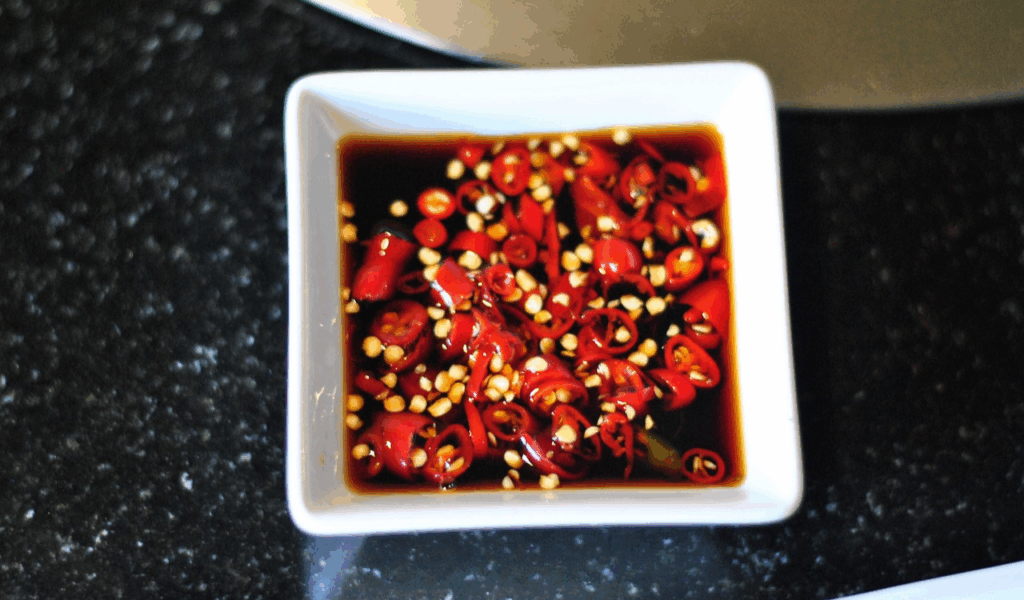
It started with good intentions. Chili flakes promised an easy way to add heat, depth, and personality to otherwise plain meals. In January, they showed up everywhere, from eggs and pizza to yogurt and oatmeal. The problem was repetition. When the same sharp heat hits every dish, nuance disappears fast. Many people realized they weren’t enhancing flavor so much as flattening it into one dominant note. Chili flakes also vary wildly in quality, and stale versions add bitterness instead of warmth. What felt bold at first quickly became tiring, especially for home cooks eating similar meals all week.
2. Aleppo or Urfa Pepper Mania
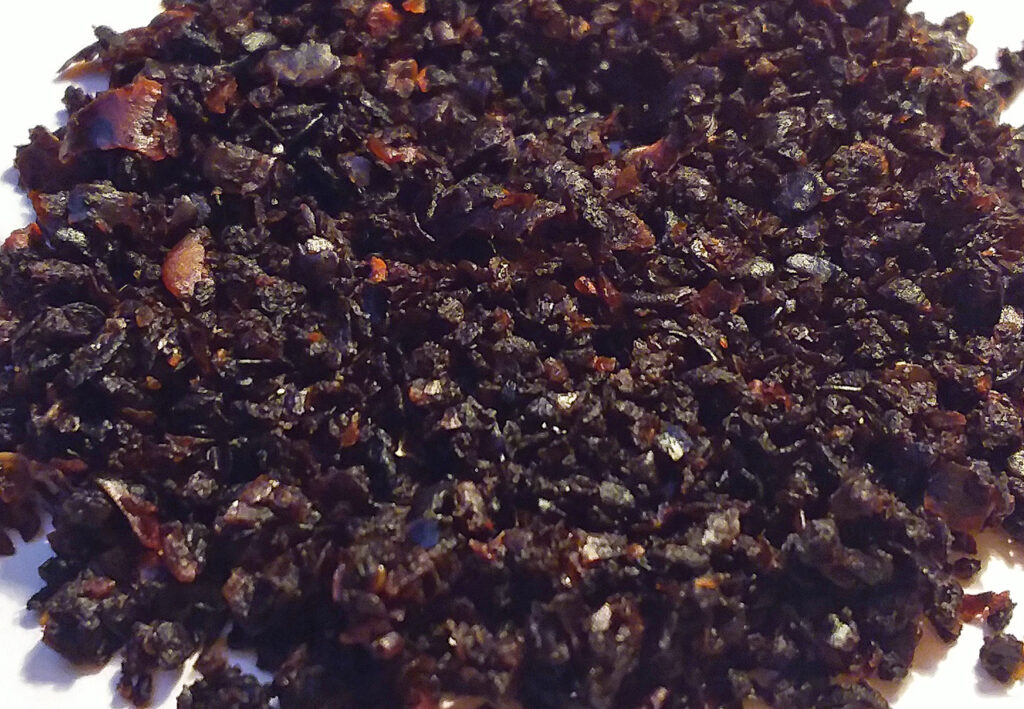
Aleppo and Urfa peppers gained traction as more “refined” alternatives to standard chili flakes. Their mild heat and earthy sweetness appealed to cooks chasing subtlety after holiday excess. But subtlety was also their downfall. Many people found the flavor too quiet to justify the effort and cost, especially when used in everyday cooking. Without careful pairing, the peppers faded into the background. For households expecting a noticeable upgrade, the experience felt underwhelming. These spices shine in specific cuisines, but as a universal January staple, they struggled to earn a permanent place.
3. Brown Butter Everything
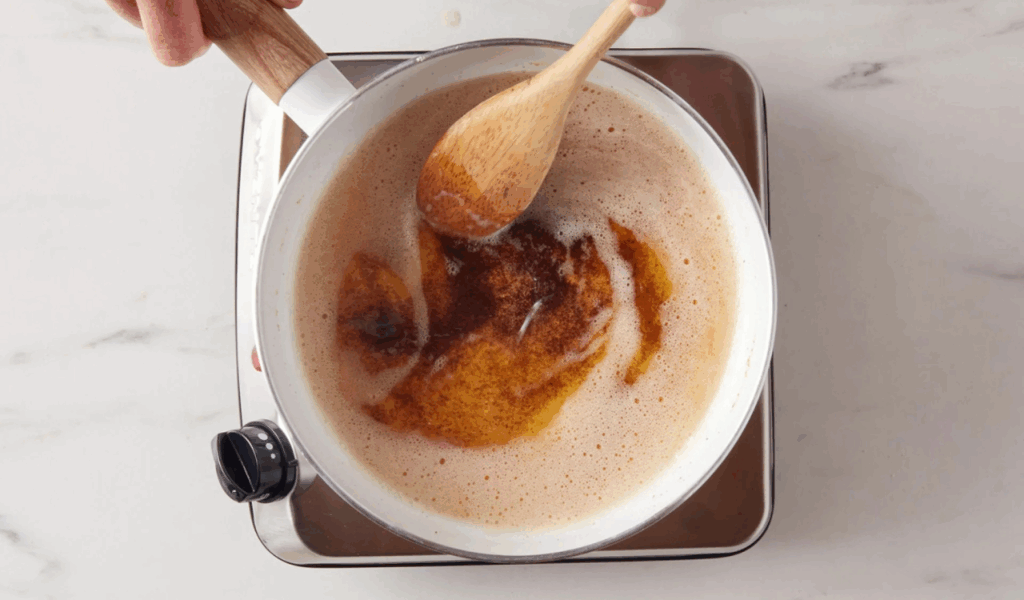
Brown butter has undeniable appeal. Its nutty aroma signals indulgence and comfort, which is why it surged in winter cooking. But enthusiasm turned into excess. Adding brown butter to every recipe, from vegetables to baked goods, quickly tipped meals into heaviness. The process itself takes attention, and burning butter even slightly ruins the result. Many home cooks realized that brown butter works best as a highlight, not a default. When used constantly, it masks other flavors and adds unnecessary richness, making it hard to balance lighter meals people crave after the holidays.
4. Nutty Salsa Verde Variations
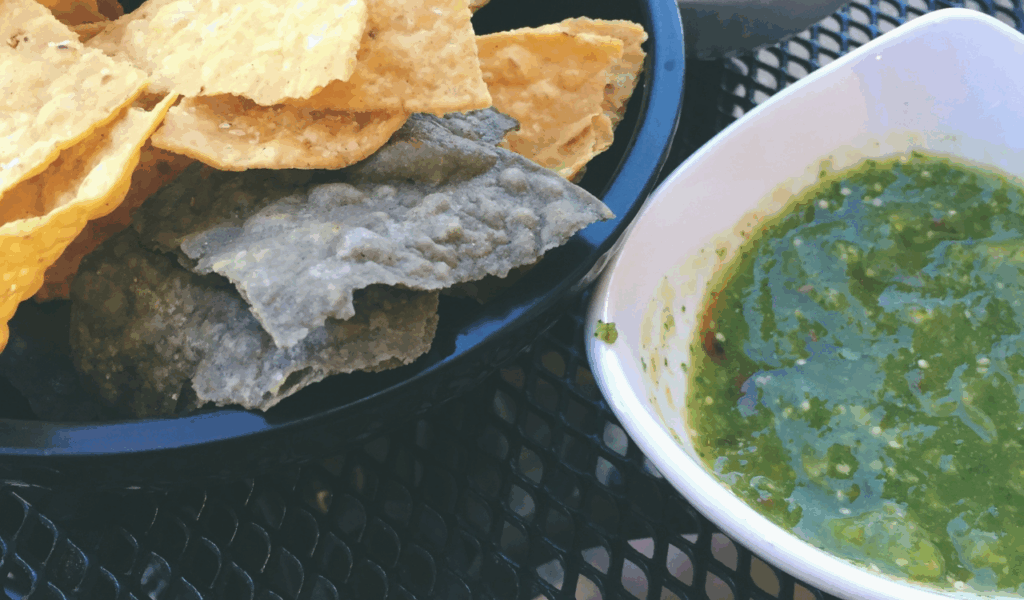
Nut-enriched salsa verde promised richness and protein layered onto a familiar sauce. In practice, the texture often felt muddled. Blending nuts into an already complex sauce dulled its brightness and acidity, which are the whole point of salsa verde. Instead of freshness, many versions leaned dense and heavy. Home cooks found these sauces harder to repurpose across meals, limiting their usefulness. The trend also required extra prep and ingredients, which felt like work without payoff. Simpler, cleaner versions of salsa verde quickly reclaimed their place in most kitchens.
5. Turmeric-Dominant Smoothies
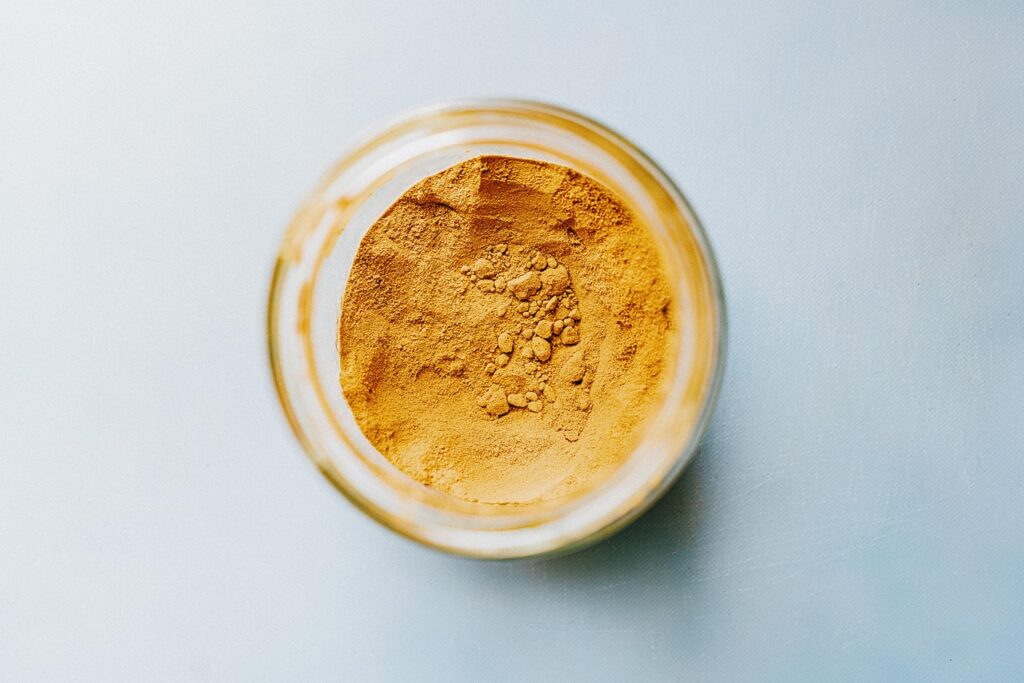
Turmeric’s reputation as a wellness powerhouse made it a January favorite. Smoothies packed with turmeric promised inflammation support and a health reset. Unfortunately, turmeric is difficult to balance in cold drinks. Its earthy bitterness and grainy texture overwhelmed fruit bases unless carefully measured and paired. Many smoothies ended up tasting medicinal rather than refreshing. Without fat or heat, turmeric’s flavor can feel harsh, and its benefits aren’t as magical as headlines suggest. After a few attempts, most people scaled back to occasional use instead of daily devotion.
6. Kombucha Cocktail Infusions
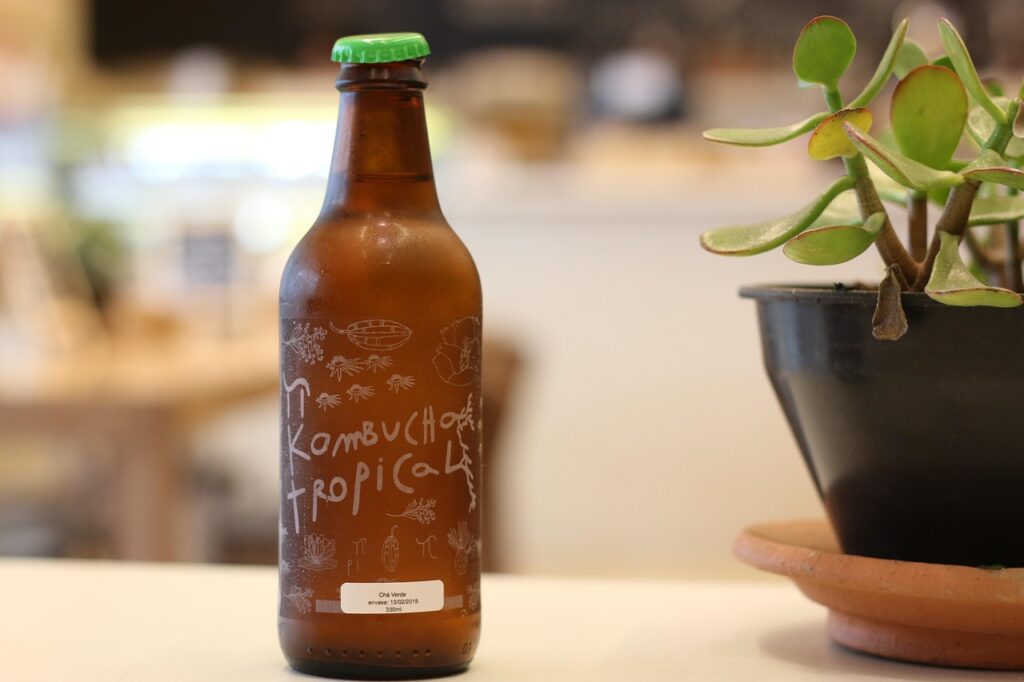
Dry January experiments helped kombucha find its way into cocktails and mocktails. The idea was appealing: complexity without alcohol. But kombucha’s sharp acidity and fermented edge proved divisive. When mixed poorly, it clashed with fruit juices or herbal notes instead of complementing them. Many drinks tasted more like vinegar than celebration. Kombucha also loses carbonation quickly once poured, leaving flat, unappealing drinks. For casual home entertaining, the effort didn’t match the enjoyment. Kombucha returned to its role as a standalone drink rather than a cocktail base.
7. Cauliflower Steaks as a Main Dish
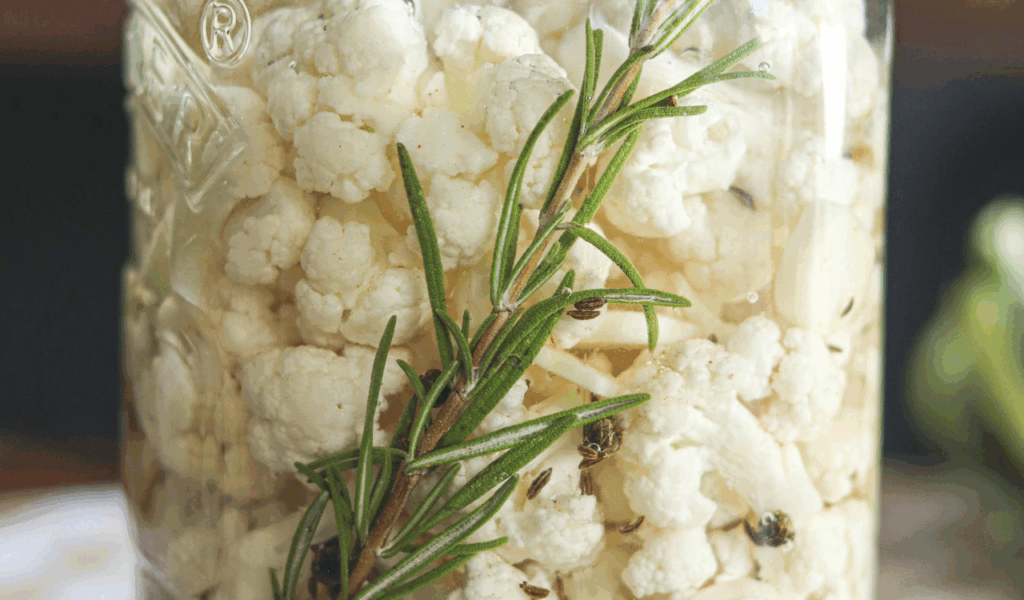
Cauliflower steaks symbolized clean eating and plant-forward meals. Thick slices roasted until golden looked impressive on social media. Eating them was another story. Without strong seasoning or supporting components, they felt incomplete as a main course. Texture varied widely, often landing somewhere between crunchy and mushy. Many people found themselves hungry soon after. As a side, cauliflower works beautifully. As a centerpiece, it demands careful planning that most weeknight cooks didn’t want to repeat. The novelty wore off once practicality took center stage again.
8. Beyond-Sauce Sweet Heat Sauces

Sweet heat sauces exploded in popularity, blending sugar with spice in bold, glossy bottles. At first taste, they delivered excitement. Over time, imbalance became clear. Many leaned heavily on sweetness, masking heat rather than complementing it. Used repeatedly, these sauces overwhelmed dishes and limited versatility. People also noticed how quickly sugar fatigue set in. What worked for wings or one-off snacks didn’t translate well to everyday meals. As palates adjusted, cleaner hot sauces with clearer flavor profiles regained favor, pushing sweet heat back into occasional use.
9. Collagen-Infused Coffee
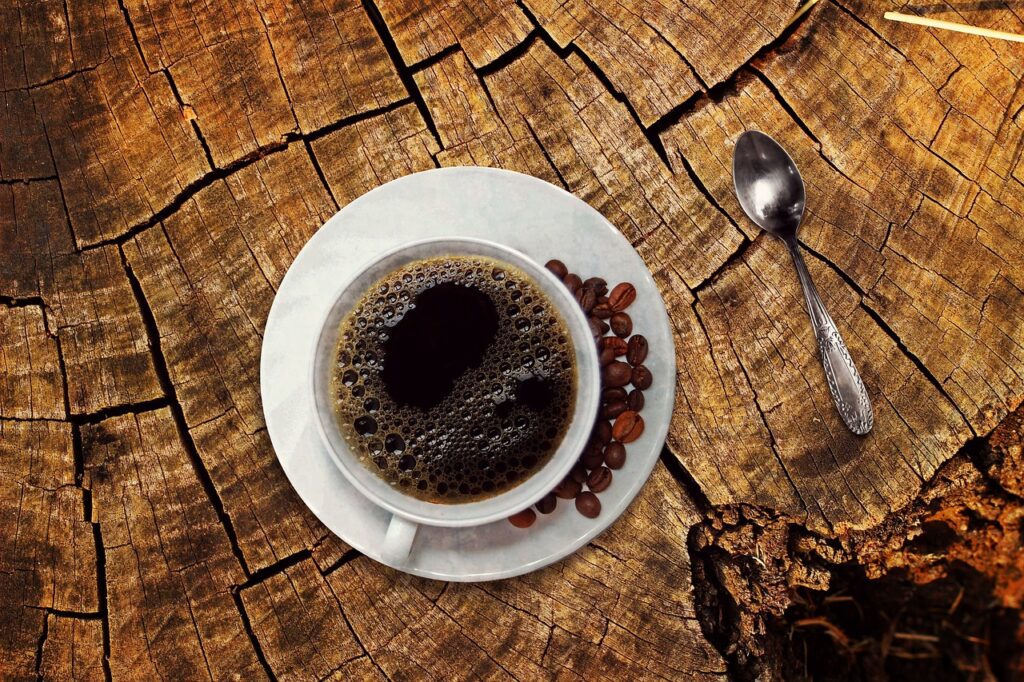
Collagen coffee promised beauty benefits hidden inside a morning ritual. For many, the reality was disappointing. Texture changed noticeably, often becoming slick or chalky depending on the product. Flavor suffered, especially in lighter roasts. Scientific evidence supporting visible benefits from collagen coffee remains limited, which made the sacrifice harder to justify. When routines are repeated daily, even small annoyances grow. Most people concluded that if coffee doesn’t taste good, it’s not worth drinking, regardless of promised wellness perks.
10. Beet Hummus Overload
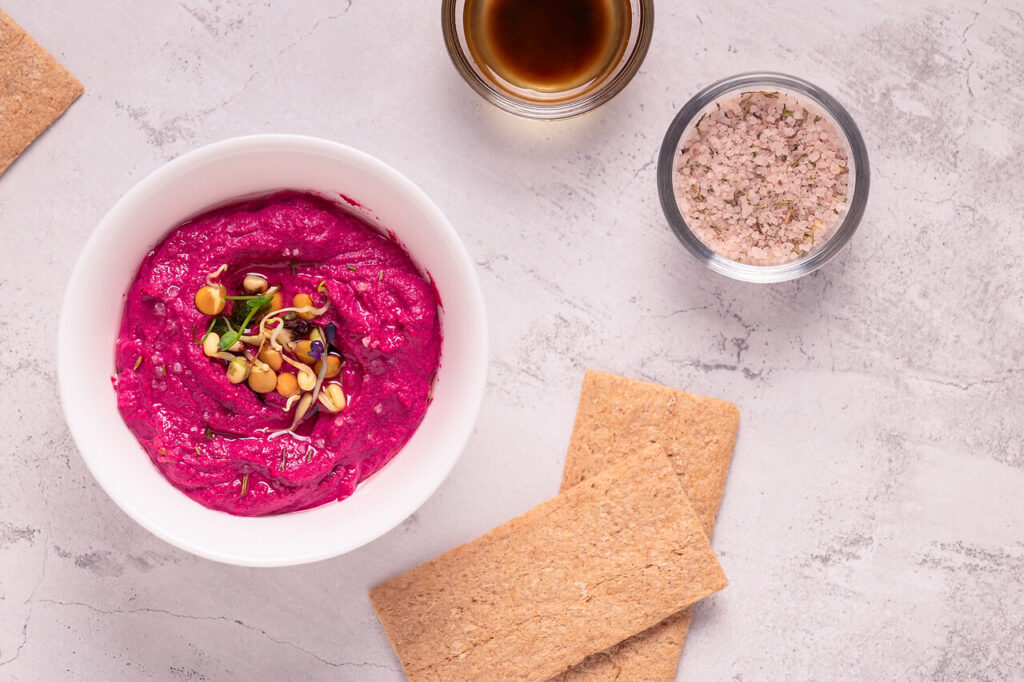
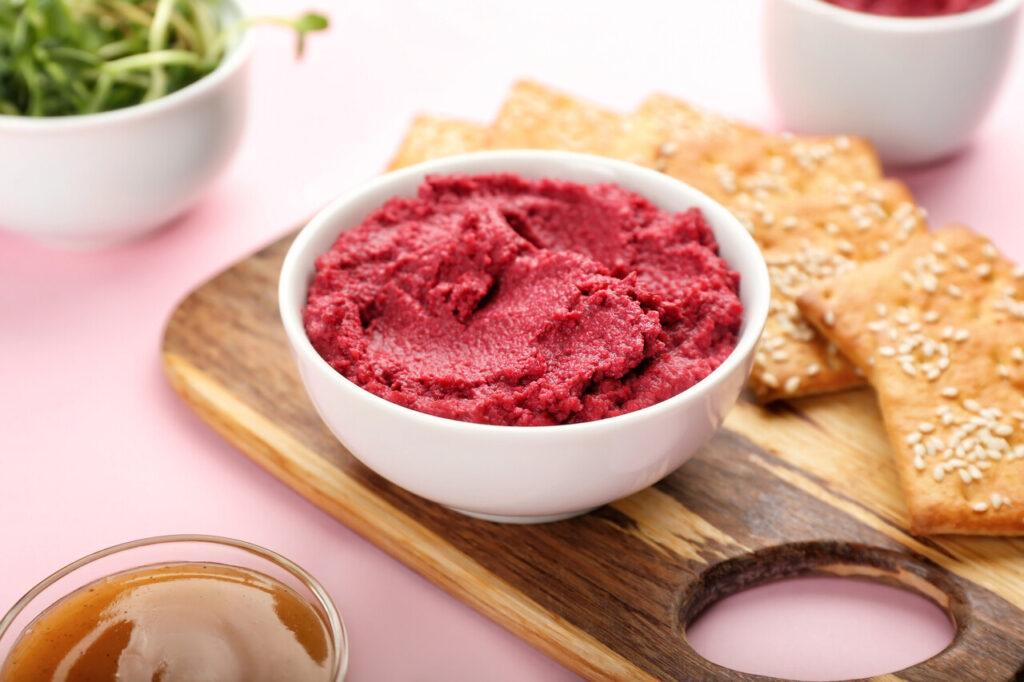
Beet hummus stood out visually, offering vibrant color and a sense of novelty. The flavor, however, divided households. Beets add sweetness and earthiness that not everyone enjoys, especially when combined with garlic and tahini. The hummus also stained everything it touched, from containers to countertops. While it worked as a party dip, few wanted it as a regular fridge staple. Once the visual appeal faded, classic chickpea hummus proved far more versatile and crowd-friendly for everyday use.
11. Air-Fried Dessert Experiments
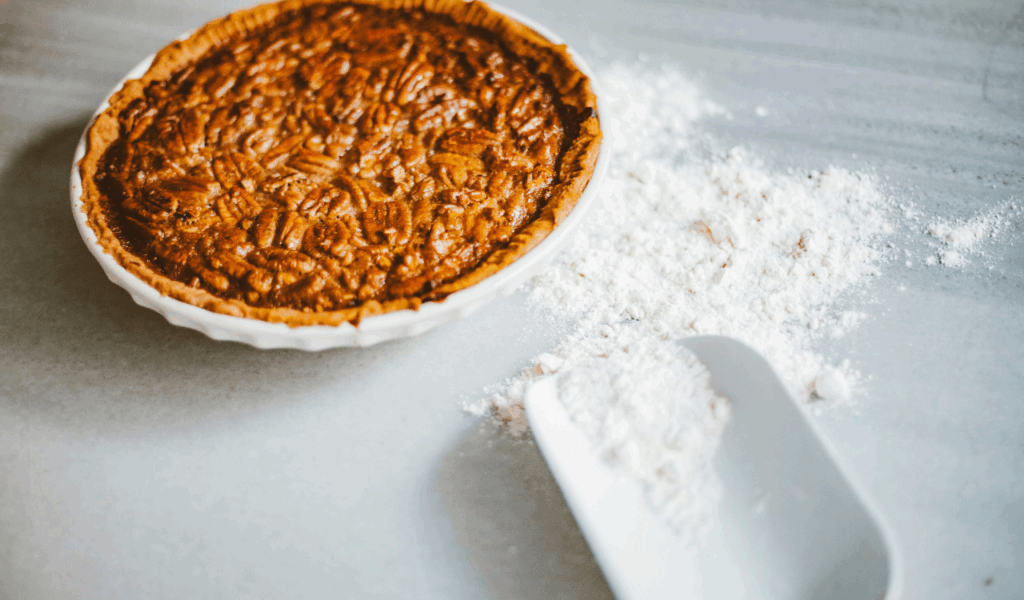
Air fryers inspired experimentation far beyond savory food. Desserts promised speed and convenience. Results were mixed at best. Cakes dried out, cookies cooked unevenly, and pastries lost their expected texture. Baking relies on precise heat and moisture, which air fryers don’t always provide. Cleaning sticky baskets added frustration. Many home cooks realized that shortcuts aren’t always improvements. Air fryers returned to their strengths, while desserts went back to ovens where consistency and structure are easier to control.