8 Items That Are Best the Day They’re Made
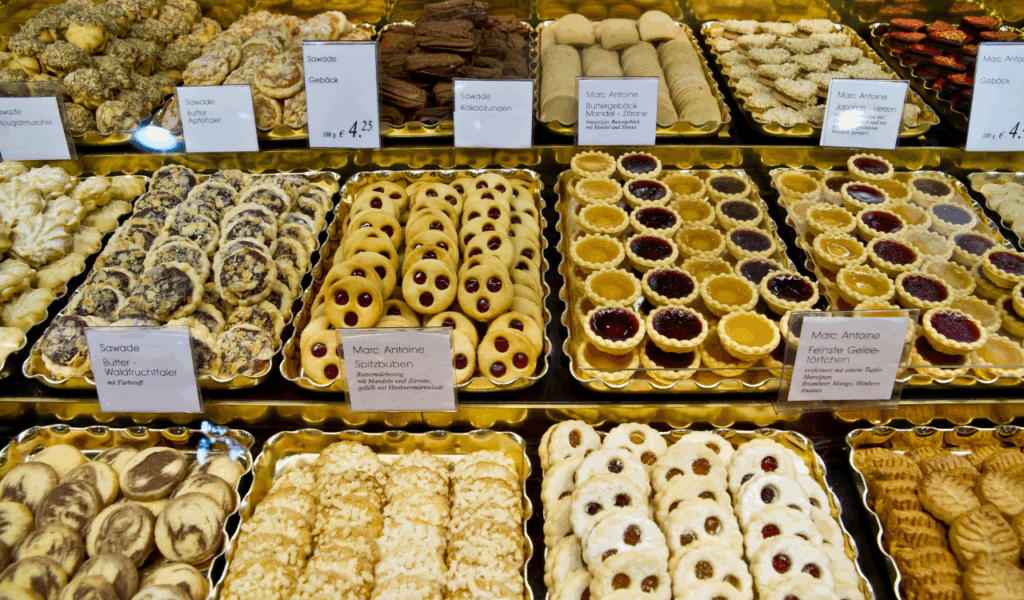
Part of the deep appeal of a freshly baked item is its transient character. Expert bakers claim that a number of chemical reactions start as soon as a loaf or pastry comes out of the oven: moisture moves, crusts get softer, and fats begin to set. Certain baked goods, such as fruitcakes or specific cookies, really get better after a day of rest, but other baked goods reach their ultimate sensory peak just a few hours after baking.
For the true aficionado, knowing an item’s “shelf life” is the difference between a satisfying snack and a transcendental gourmet experience. Expert pastry chefs and artisanal bakers disclose that premium products are made to be consumed right away because they do not include preservatives.
According to experts, you are experiencing the desired texture and aromatic complexity of the baker’s art when you prioritise materials that are at their peak on the first day. These eight foods, which range from the soft, pillowy interior of a doughnut to the shattering crispness of a croissant, epitomise “eat it now” bakery culture. You may be sure that every bite will have the most effect of heat, flavour, and artisanal skill if you look for these fresh.
1. Butter Croissants
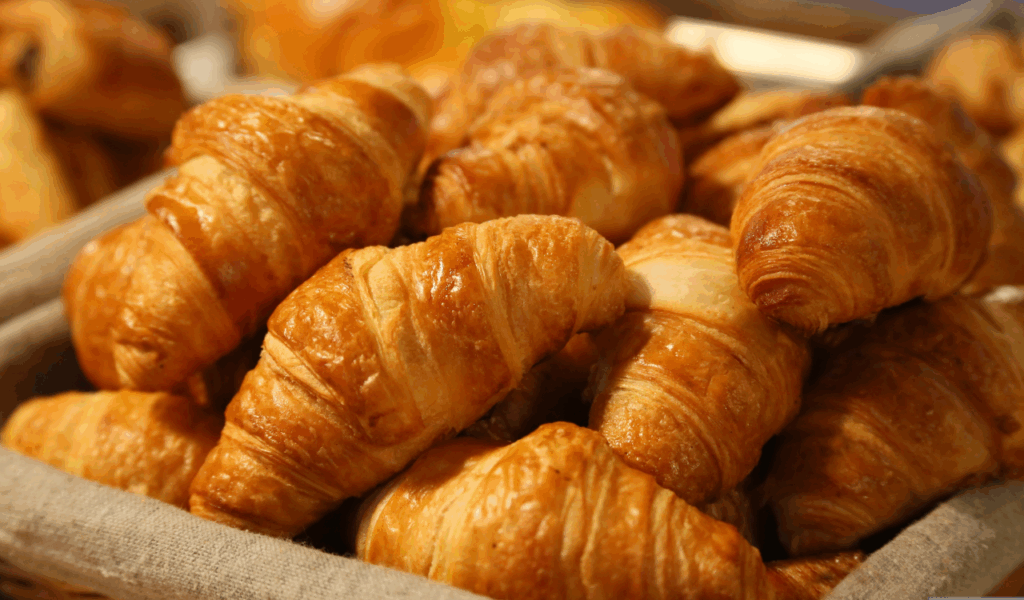
Possibly the most urgent item in the entire bakery exhibit is the croissant. Hundreds of alternating layers of dough and high-fat butter, which expand in the oven to produce a light, honeycomb structure, are what pastry masters say make a croissant a miracle of lamination. After a few hours of baking, the air’s moisture starts to seep through those fragile layers, making the inside chewy instead of tender and the outside lose its characteristic shattering crunch. According to experts, a croissant is best enjoyed when the crust is at its most crunchy and the butter is still just a little soft.
A day-old croissant is frequently condemned to being a “twice-baked” almond croissant for a reason, according to bakers; it need the extra moisture and heat to be revitalised. The freshness of a bakery’s morning lamination is considered by culinary reviewers to be the real test of their skill. You are savouring a masterpiece of French skill at its finest when you arrive early and manage to secure a croissant that is still warm from the oven. Because of this brief moment of perfection, the greatest bakeries frequently run out of their main viennoiserie before noon.
2. Classic Yeast Doughnuts

Yeast-risen doughnuts are infamously delicate, in contrast to cake-style doughnuts, which have a marginally longer shelf life. Professional bakers claim that these are basically fried brioche, and that the fried exterior’s subtle crispiness and amazing lightness are what make them so appealing. The oil may start to feel heavy as they sit, and the sugar glaze starts to melt into the dough.
Within six to eight hours, according to experts, a yeast doughnut loses its fluffy “bounce,” becoming thicker and far less enjoyable. Doughnut lovers and culinary experts alike concur that nothing compares to a freshly made doughnut.
Food writers claim that the “hot light” at well-known doughnut shops is a symbol for a reason and that the texture and temperature are essential components of the experience. You can make sure the glaze is a thin, crackling veil instead of a sticky mass by selecting a yeast doughnut as soon as it is finished. Reminding the diner that the greatest things in life are frequently the most fleeting and fragile, it is a high-reward delight that requires instant attention.
3. Artisanal Baguettes
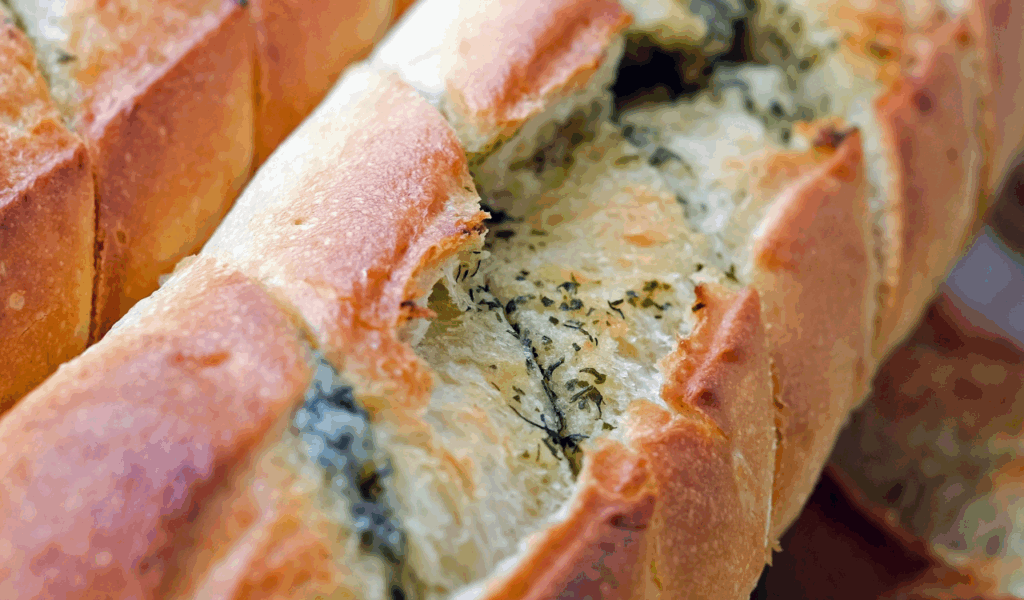
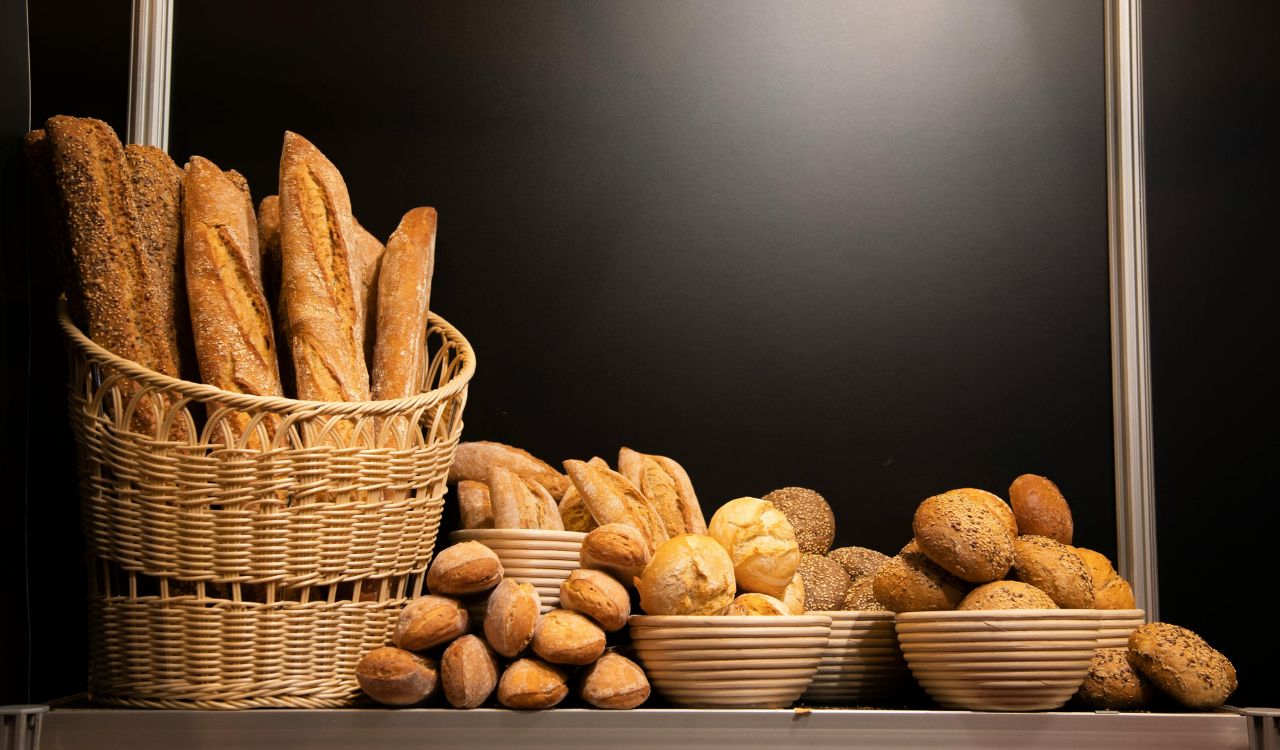
The classic French baguette, with its soft, aerated crumb and thick, dark crust, is a study in contrasting textures. Artisanal bakers claim that because a typical baguette contains less sugar and fat, it ages more quickly than nearly any other bread. The once-crispy surface becomes a leathery shell as the moisture from the interior transfers to the crust in a matter of hours. According to experts, a baguette is only at its best for four to six hours after it comes out of the oven; beyond that, it works better with French toast or croutons.
To highlight their freshness, designers of classic Parisian-style bakeries frequently position the baguette racks in plain view of the patrons. One of the greatest sensory pleasures of city life, according to real estate agents and travel writers, is the aroma of a freshly made baguette. You may make sure you receive that delicious “crack” as the loaf breaks by buying your bread right before you eat. It is a straightforward product that honours the basic ingredients of water, wheat, yeast, and salt, demonstrating that great bread is a dynamic entity that evolves with each hour.
4. Cream Puffs and Eclairs
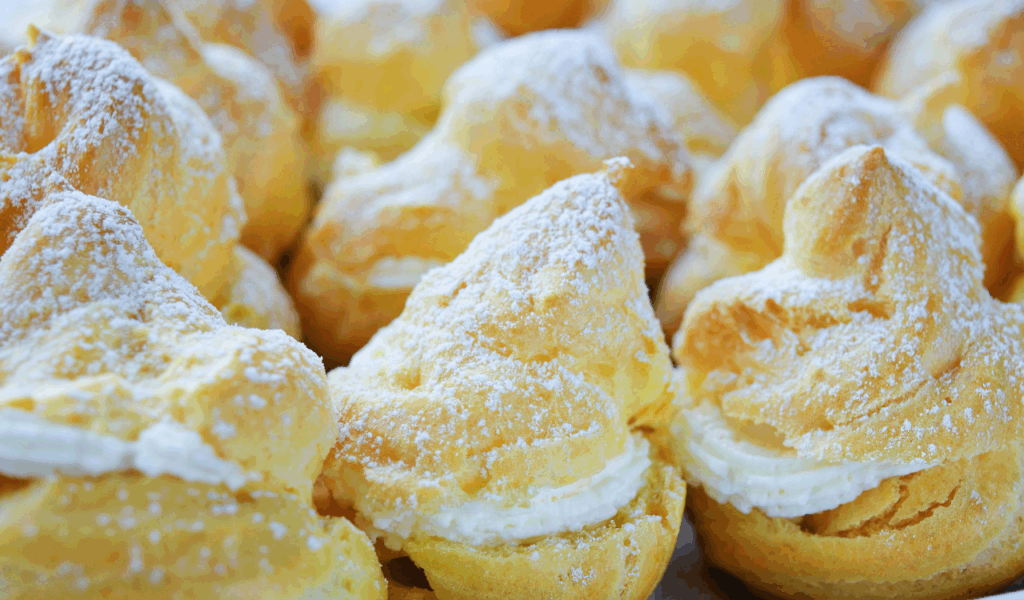
The light pastry dough used to make cream puffs and eclairs, known as pâte à choux, is intended to serve as a crunchy, hollow shell for decadent contents. Pastry chefs claim that the clock starts to tick as soon as a choux shell is filled with chantilly or pastry cream. The pastry is instantly made softer by the cream’s wetness. A “soggy” cream puff, according to experts, indicates that the shelf life has been extended.
The shell should still be slightly structurally resistant to the chilly, silky cream inside for the desired effect. High-end patisseries frequently fill their choux items to order or in very tiny batches throughout the day, according to bakers.
Food critics claim that the difference between texture and temperature is what gives these foods their opulent appearance. You can taste the chef’s intention—a delicate mix of air, fat, and sugar—by eating a cream puff the day it is created, and ideally within an hour of assembly. It is a sophisticated treat that needs to be timed carefully to keep the delicate pastry crisp and serve as a vessel for the rich filling inside.
5. Soft Pretzels
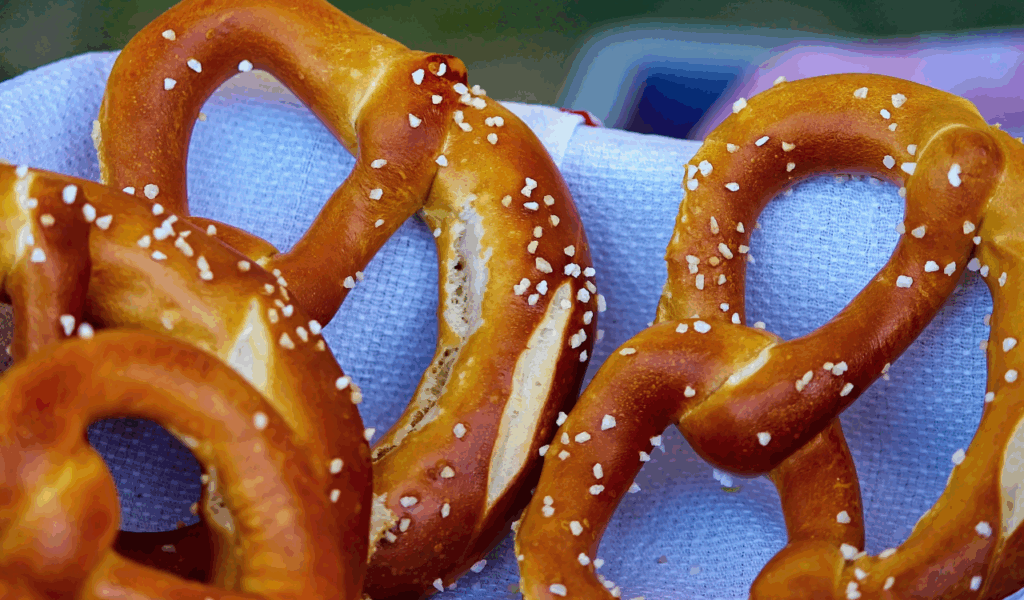
The soft pretzel’s distinctive dark crust and chewy interior are produced by an alkaline bath, typically lye or baking soda. Bakers claim that this coating almost instantly absorbs ambient moisture, which makes the pretzel tough and melts the salt into the dough. A soft pretzel is best eaten within two hours of baking, according to experts. The interior is extremely soft and moist when fresh, which contrasts perfectly with the stiff, salty exterior that characterises the design.
The “mall pretzel” phenomena, according to culinary experts, occurs because the warming tray’s heat is an essential, if not perfect, method of extending the life of this delicate foodstuff. Food writers claim that a genuine handmade pretzel from a speciality bakery is an entirely different experience. To fully benefit from the Maillard reaction on the crust, look for a pretzel that has not been exposed to a heat light for the afternoon. The best time to enjoy this filling, salty snack is while the steam is still rising from the center.
6. Fruit Galettes
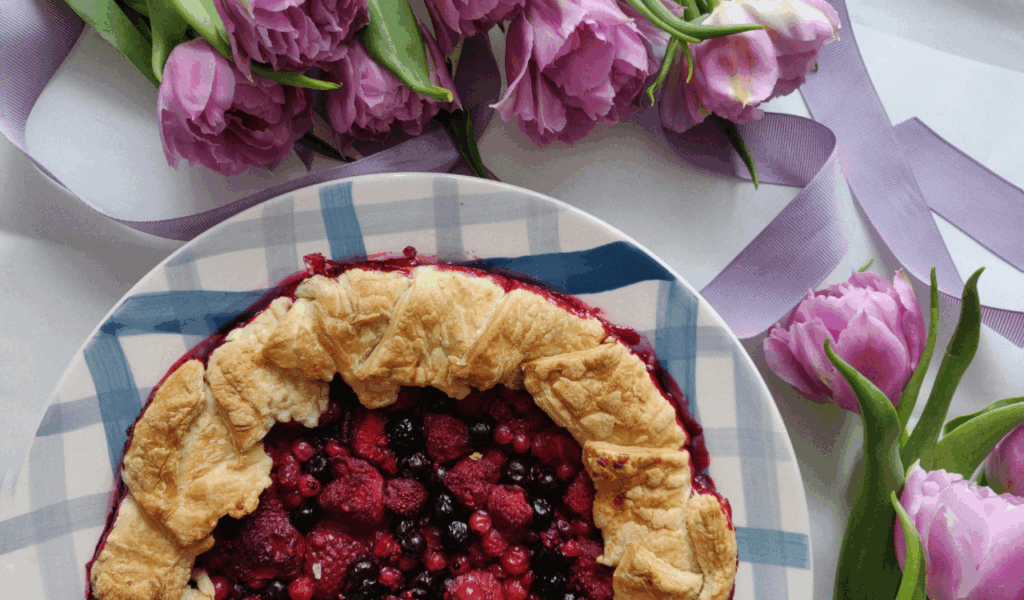
The rustic fruit galette is far more delicate than a standard deep-dish pie, which may frequently survive a day on the counter. Pastry professionals say that a galette’s delicate, buttery crust should be flaky and crunchy. As soon as the galette cools, the juices start to seep in because the fruit is in close proximity to the bottom crust.
Eating a galette on the first day, according to experts, guarantees that the crust keeps its “short” texture and structural integrity rather than turning into a soft, fruit-soaked sponge. A galette should be served warm, according to bakers, maybe with a dollop of vanilla ice cream. Food authors claim that a galette’s homey, unassuming appearance is what makes it appealing, but that should not overshadow the necessity for a crisp foundation.
The rich, salty crunch of the pastry contrasts with the bright, fresh acidity of the fruit when you eat it the day it is prepared. It is a seasonal treat that honours the crop in its most delectable and immediate form, demonstrating that rustic does not equate to tough.
7. Focaccia
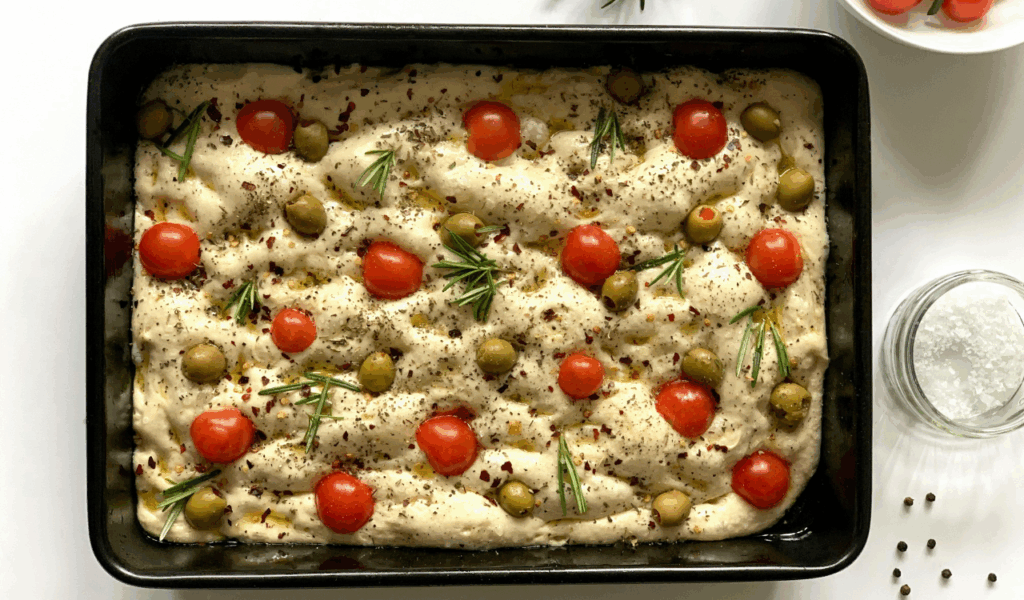
The soft, dimpled top and cooked bottom of focaccia, a high-hydration bread, are made possible by a substantial use of olive oil. Artisanal bakers claim that after the bread cools and settles, the olive oil may start to feel greasy. Additionally, after a few hours, the fresh vegetables and herbs that are frequently used as toppings, such as cherry tomatoes or rosemary, start to wilt or lose their aromatic impact. According to experts, focaccia tastes its best when the bread has its maximum springy texture and the oil is still vivid.
According to culinary experts, focaccia is the perfect “sharing bread” for a reason: it is intended to be pulled apart and consumed while the inside crumb is still soft and wet. Food writers claim that the scent of toasted herbs and the texture of the greasy surface are key components of the fresh focaccia’s sensory experience. You can make sure the bread has not started to dry out or get “bready” in a stale way by eating it the day it is produced. It is a Mediterranean mainstay that offers a flavourful, rich taste that is best savoured right away.
8. Scones
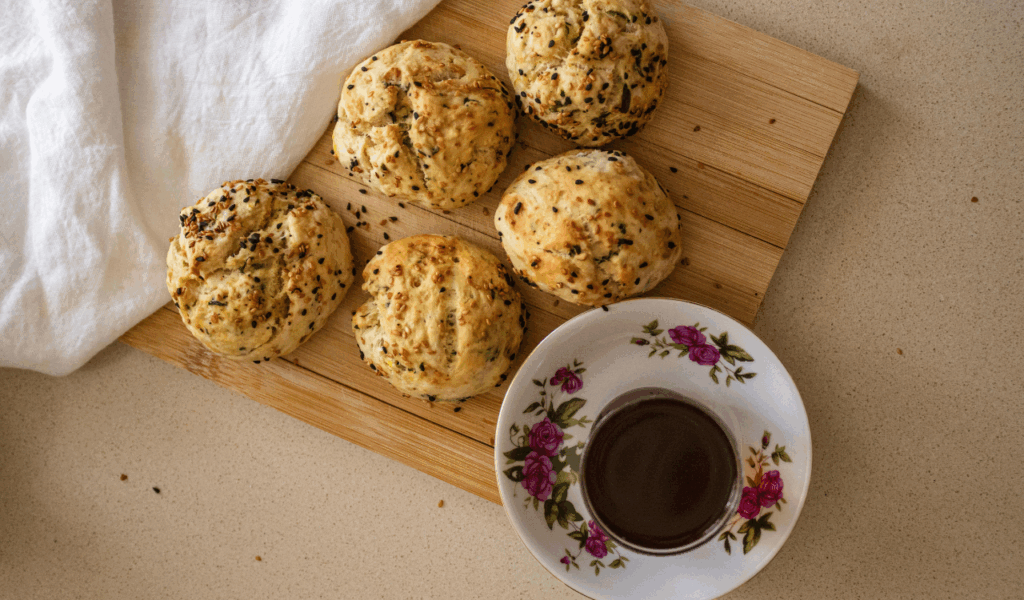
The British scone (and its American cousin) is a “quick bread” that stays light and crumbly with little handling and cold butter. Pastry bakers claim that because of their low moisture content, scones are notoriously prone to drying out. A scone can transform from a soft, buttery delight to a dry, sandy puck in just twenty-four hours. Scones are best eaten warm from the oven, split open, and topped with jam or clotted cream while the interior steam is still present, according to experts.
The trick to eating a delicious scone, according to bakers, is quickness, not overworking the dough. Food experts say that even a gallon of tea can not make up for the disappointment of a day-old scone.
Making scones a morning priority allows you to enjoy the “melt-in-your-mouth” finish that results from the butter coating the flour. The early riser is rewarded with a level of tenderness that just cannot withstand the test of time with this simple yet ideal bakery delicacy.