12 Seasonal Foods That Didn’t Live Up to the Hype

Seasonal foods carry strong emotional expectations. They are tied to traditions, weather changes, and memories of past celebrations. That connection often builds excitement long before the first bite. The problem is that many of these foods are produced quickly and in large volumes to meet demand, which can flatten flavor and affect texture. When shortcuts replace careful preparation, the final result struggles to match the cozy image people have in mind. These are the seasonal favorites that look festive and familiar but often leave people wondering why they were so excited in the first place.
Pumpkin Spice Lattes That Tasted More Like Sugar Than Spice
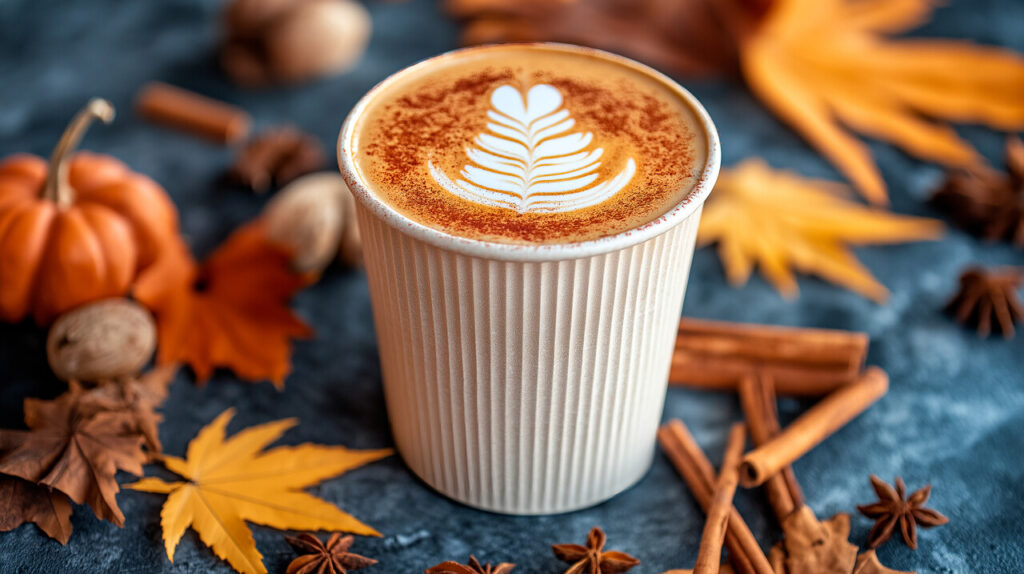
Few drinks signal fall like a pumpkin spice latte, but many people are surprised by how little actual pumpkin flavor comes through. Most versions rely heavily on sugar and artificial spice blends, which can overwhelm any subtle warmth the drink is supposed to have. The coffee itself often gets lost, leaving a beverage that tastes more like dessert syrup than a balanced seasonal treat. Another issue is consistency. Different shops use different syrups and ratios, so the drink can taste rich one day and flat the next. The hype also raises expectations, making the experience feel disappointing when the flavor does not live up to the cozy image people have in mind. What is marketed as comforting and spiced often lands as overly sweet and one-note.
Peppermint Mocha Drinks That Felt Artificial and Heavy
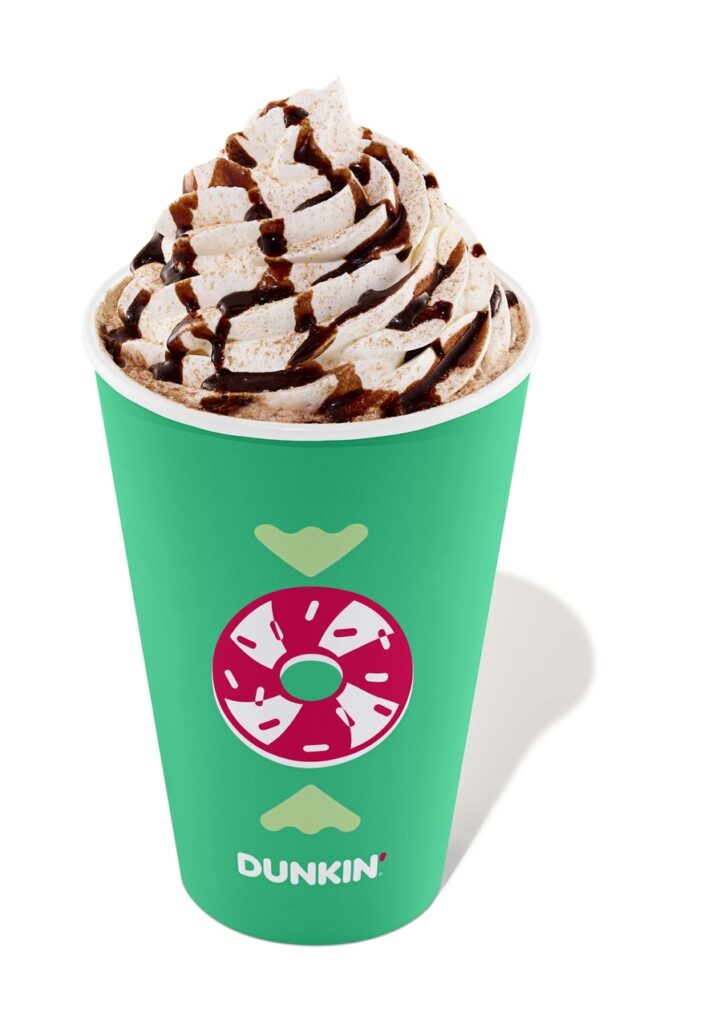
Peppermint mocha sounds like a perfect mix of chocolate and mint, but in practice, the flavors often clash rather than complement each other. Many versions lean hard on flavored syrups that taste sharp and artificial. The mint can overpower the chocolate, while the chocolate syrup adds heaviness that makes the drink feel thick and cloying. Instead of refreshing, the result can feel oddly medicinal or overly rich. Temperature also plays a role. Warm peppermint tends to amplify strong aromas, which some people find unpleasant rather than festive. While the idea is appealing, the execution frequently misses the mark for those expecting a smoother, more balanced treat.
Gingerbread Treats That Were Dry and Overly Spiced

Gingerbread is associated with warm, comforting flavors, but many mass-produced versions struggle with texture. Cookies and cakes often come out dry because they are baked to last longer on shelves. To compensate, manufacturers increase spice levels, which can make the flavor feel sharp instead of cozy. The balance between molasses, ginger, and sweetness is delicate, and when it is off, the result feels harsh rather than rich. Homemade gingerbread can be soft and fragrant, but many people only encounter commercial versions that fail to capture that softness. The nostalgia remains strong, even when the eating experience does not deliver.
Candy Canes That Offered Little Beyond Intense Mint
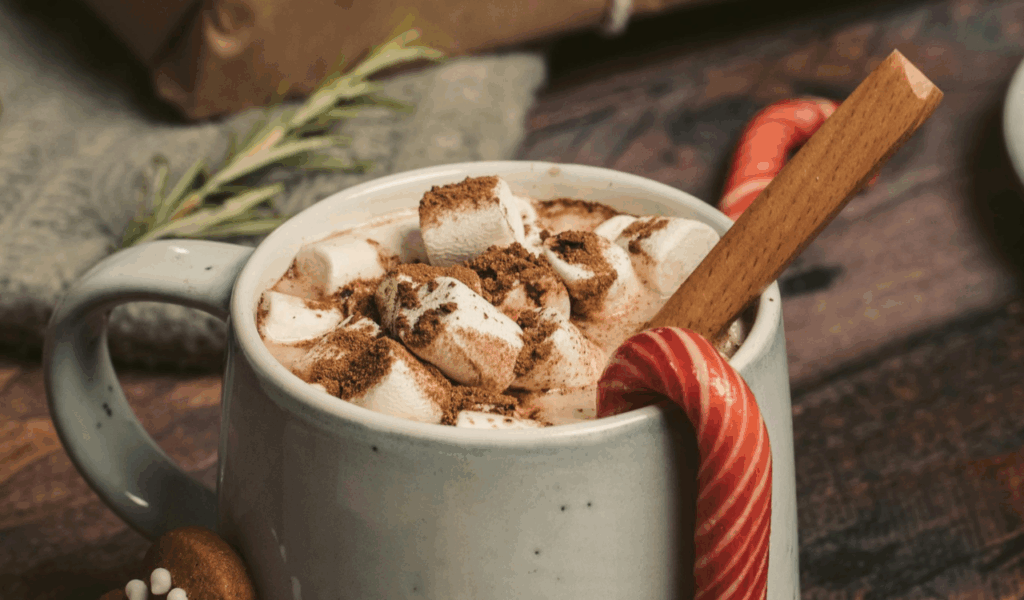
Candy canes are iconic, but they are essentially hard peppermint candy shaped into a hook. For people who do not enjoy strong mint, there is little appeal beyond tradition. The texture also limits enjoyment since hard candy requires slow, patient eating. Flavored versions promise variety, but many still rely on intense sweetness and artificial notes. Candy canes often end up as decorations rather than snacks, sitting untouched in bowls until the season ends. The visual charm carries the tradition, but the actual taste experience rarely excites people enough to make them seek out more than one.
Hot Apple Cider That Tasted Flat or Overly Sweet
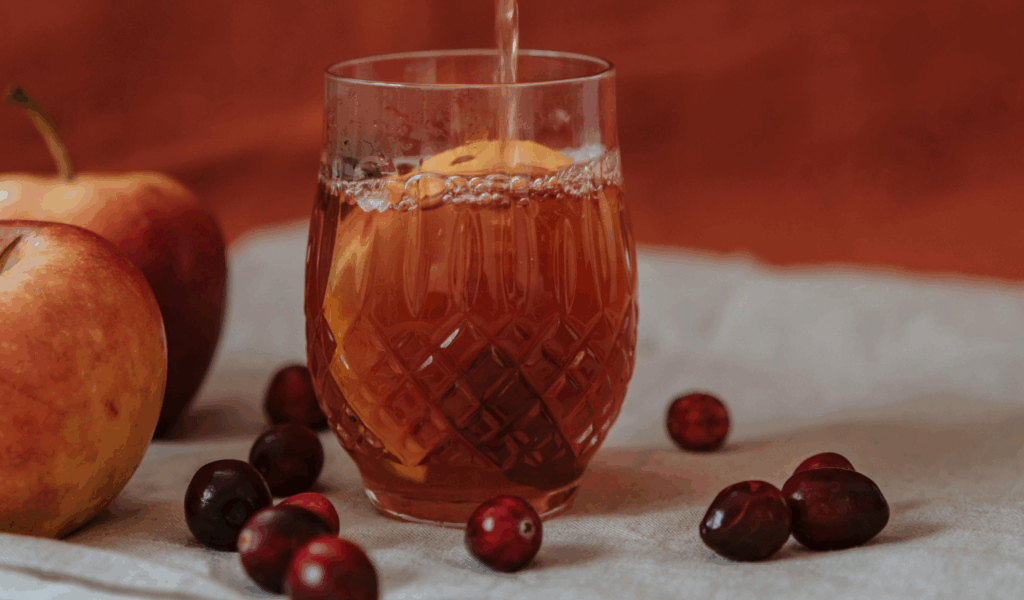
Hot apple cider is meant to be comforting and aromatic, but many versions rely on overly processed juice that lacks depth. When cider is made from concentrate, it often tastes thin, and added sugar can mask the natural tartness that gives apples their character. Spices may be subtle or missing entirely, turning the drink into warm, sweet juice rather than a layered, seasonal beverage. Proper cider needs fresh apple varieties and time to simmer with spices, which is not always how commercial versions are prepared. Without that complexity, the drink feels pleasant but forgettable, especially when expectations are high.
Caramel Apples That Were Messy and Hard to Eat
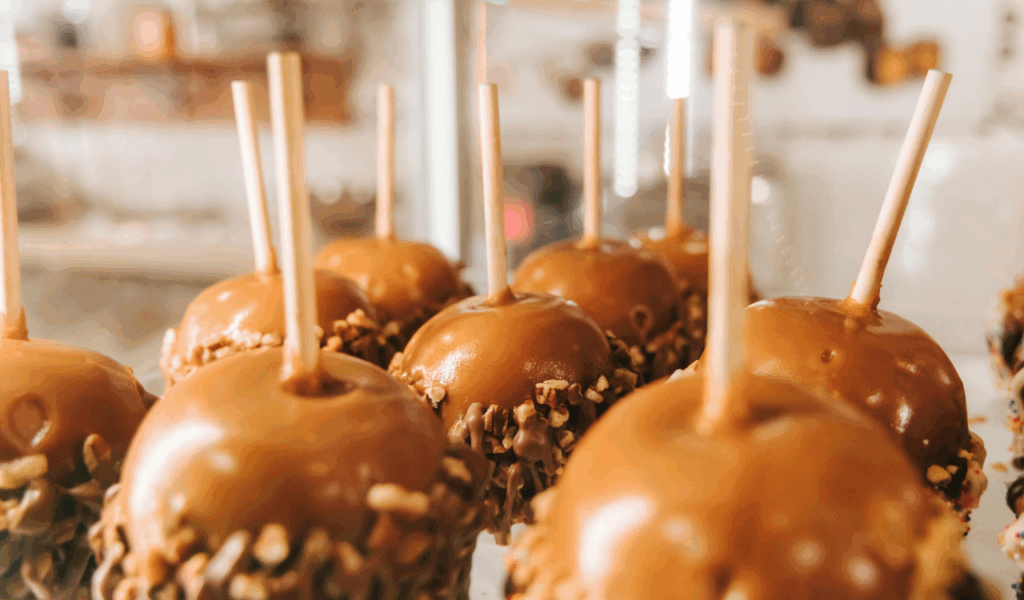
Caramel apples look festive and indulgent, but eating them is rarely as enjoyable as they appear. The thick caramel coating is sticky and tough, making it difficult to bite through cleanly. Pieces of apple often pull away, leaving uneven chunks that are awkward to manage. When nuts or candy are added, the surface becomes even harder to bite into. Temperature also matters. Cold caramel becomes stiff, while warm caramel gets messy fast. Many people find themselves struggling more than enjoying, which takes away from the simple pleasure the treat is supposed to provide.
Eggnog That Felt Too Rich for More Than a Few Sips
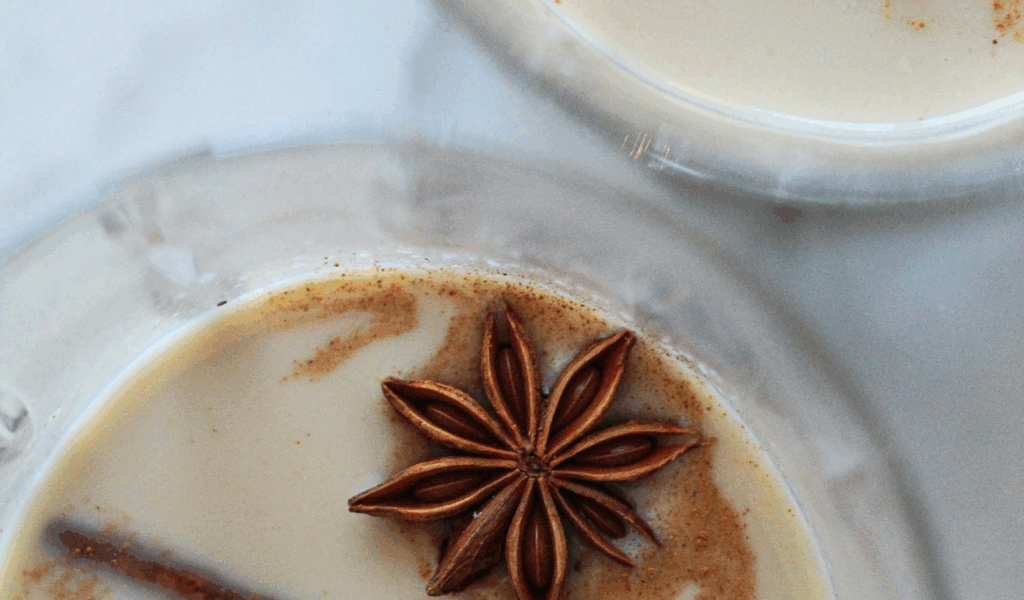
Eggnog is famous for its creamy texture, but that richness can quickly become overwhelming. The combination of heavy dairy, sugar, and spice makes it filling in a way that feels more like a dessert than a drink. Some versions also carry a strong egg flavor that not everyone enjoys. Alcoholic varieties can intensify that heaviness rather than lighten it. While a small taste can feel festive, finishing a full glass is a challenge for many people. The drink’s reputation suggests indulgence, but its density limits how often people actually crave it.
Turkey Sandwich Leftovers That Turned Out Dry and Bland
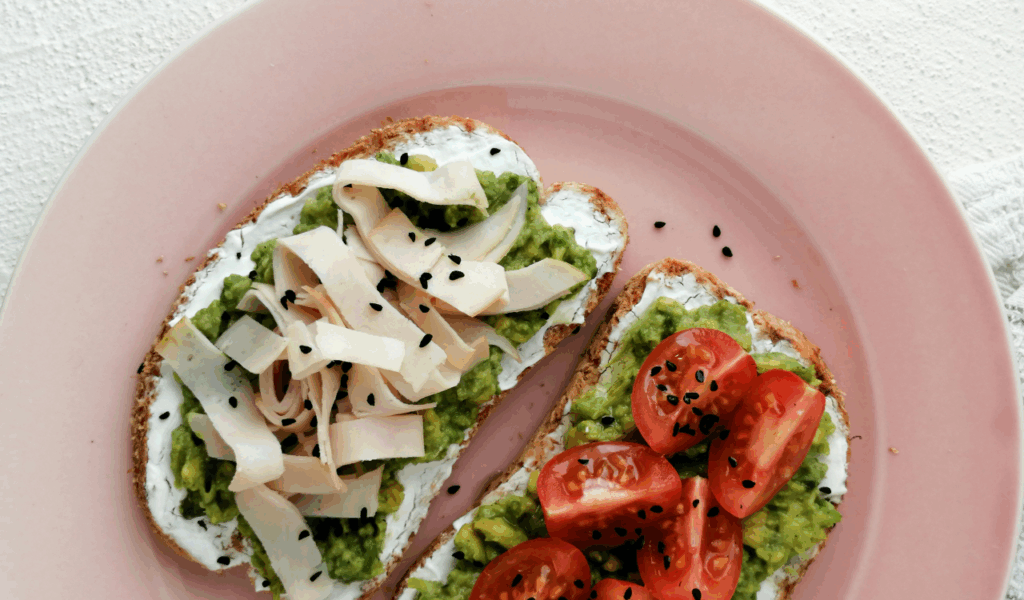
After a big holiday meal, turkey sandwiches seem like an easy way to enjoy leftovers. The problem is that turkey breast dries out quickly once refrigerated. Without gravy or moisture-rich toppings, the meat can feel chalky and flavorless. Bread also absorbs moisture from fillings, making sandwiches soggy by the next day. While creative leftover recipes can revive turkey, basic sandwiches rarely capture the flavor of the original meal. What felt comforting in theory often ends up feeling like a chore to eat rather than a treat.
Cranberry Sauce That Divided the Table
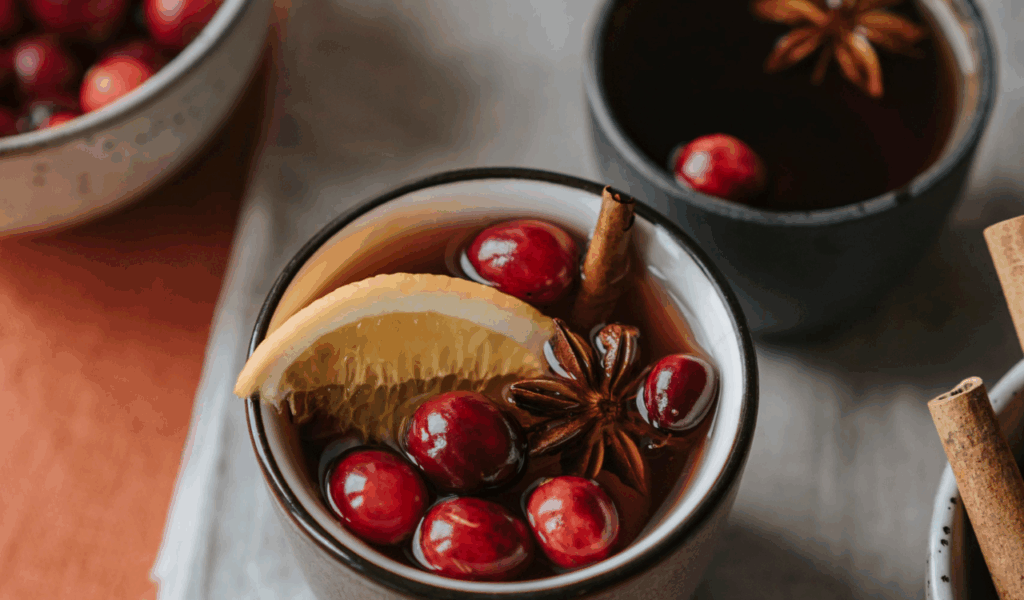
Cranberry sauce is meant to balance rich dishes, but its sharp tartness can be jarring for people who prefer sweeter flavors. Canned versions often have a gelatinous texture that some find off-putting. Homemade versions can swing too far in either direction, becoming overly sour or too sweet. The sauce also tends to be eaten in small amounts, which limits its impact on the meal. While some guests love the contrast it provides, others skip it entirely. Its strong personality makes it memorable, but not always in a positive way.
Sugar Cookies With Icing That Were Mostly Just Sweet

Decorated sugar cookies look beautiful, but taste often takes a back seat to appearance. The cookie base is usually mild and sometimes dry, serving mainly as a canvas for icing. Thick layers of sugar glaze dominate the flavor, making each bite very sweet with little contrast. Texture can also suffer when cookies sit out for long periods, becoming stale or overly soft. While fun to decorate and display, many people eat only one before moving on to treats with more depth of flavor.
Stuffing That Turned Dense and Soggy
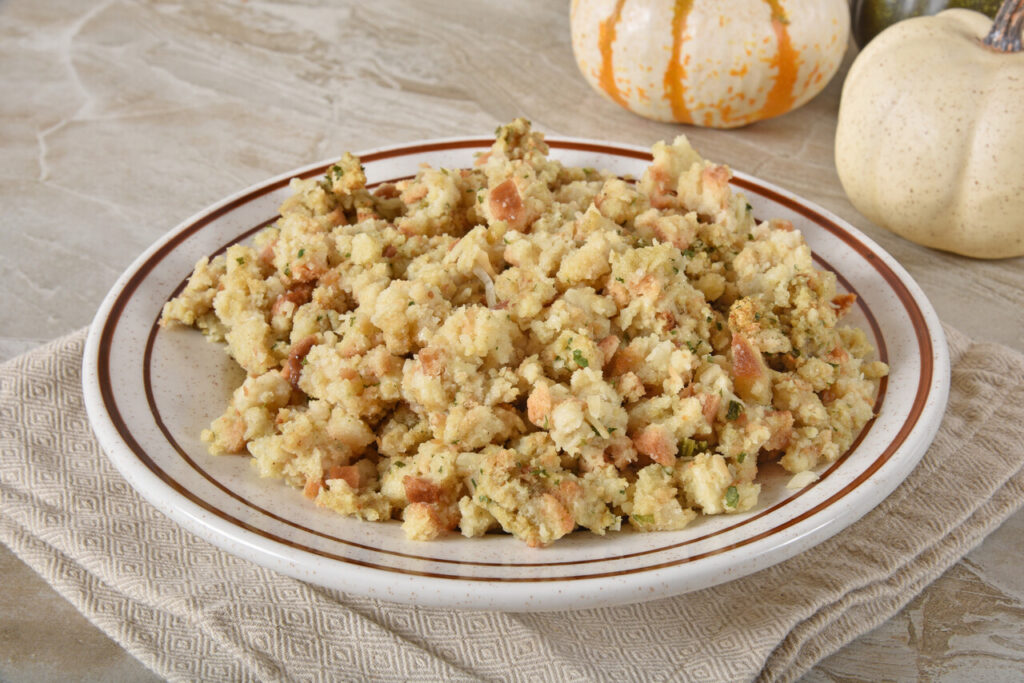
Stuffing can be the star of a holiday meal when done well, but it is easy to get wrong. Too much liquid or overly compact baking leads to dense, wet results. Bread absorbs moisture quickly, and if there is not enough airflow during baking, the center stays heavy. Flavors from herbs and aromatics may not spread evenly, leaving some bites bland. Instead of light and savory, the dish becomes something people take out of habit rather than desire. Expectations remain high because great stuffing exists, but consistency is hard to achieve.
Spiced Cider Donuts That Missed the Mark
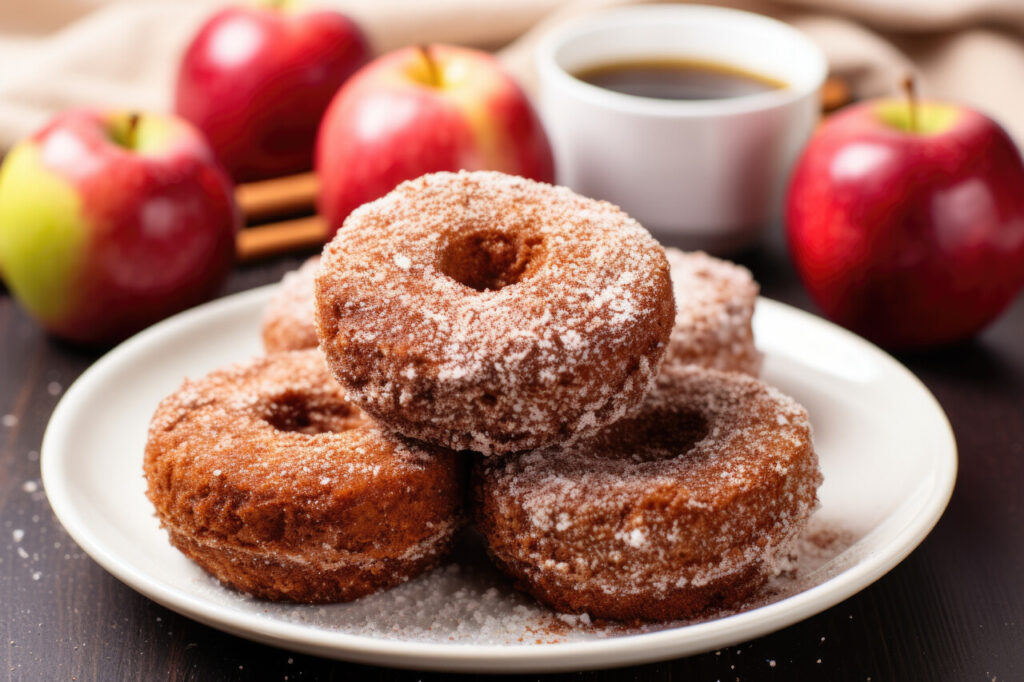
Cider donuts are associated with crisp autumn days and farm visits, but not all versions live up to that image. When made in large batches, donuts often sit too long before being eaten, losing their freshness. The crumb becomes dry, and the cider flavor fades into general sweetness. Spices may be present, but without moisture and apple brightness, they do little to elevate the taste. People expect warmth and softness, but frequently encounter dense, greasy pastries instead. The setting creates nostalgia, but the actual eating experience does not always match the memory.