
These 10 January Reset Trends Set People Up to Fail
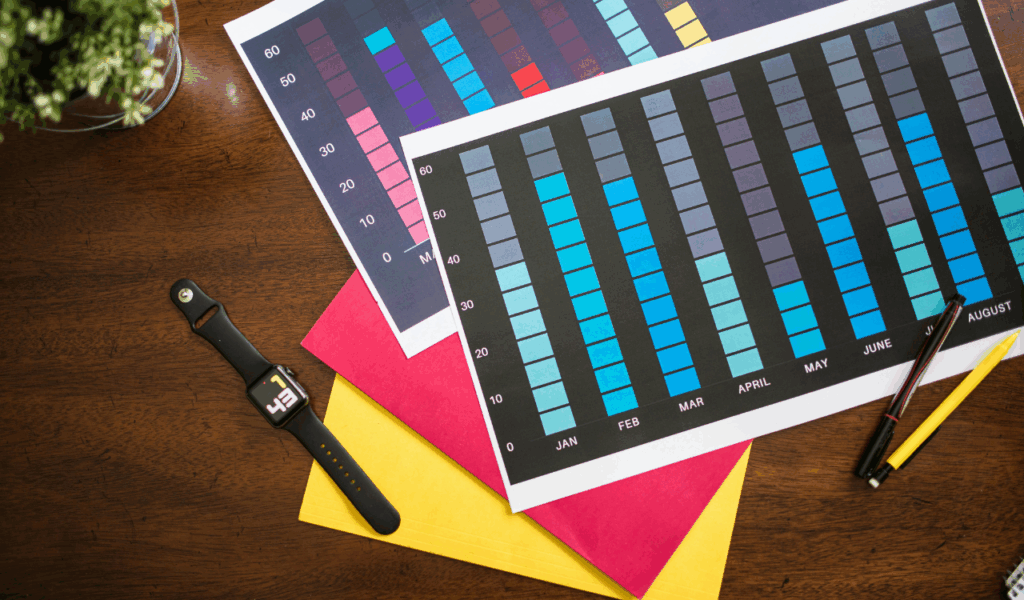
January reset trends on social media promise total transformation through cleanses, routines, and overhauls that fail when you have work, family, and energy constraints. Many people force themselves to follow rigorous rules that ignore their lack of sleep, limited budgets, or unhealthy habits, which makes them fatigued instead of refreshed. Fitness trainers and health experts believe sustainable change happens slowly, not with 30-day radical alterations that make most people quit by week two. These 10 great internet ideas that didn’t work for most people are gone, so you can focus on year-round steps.
1. 30-Day Sugar Detox Challenges

Sugar detoxes claim that consuming solely green juices for a month will clear your skin and boost your vitality. Most working parents don’t have time to make special meals, battle impulses without alternatives, and study every label since they have to drive their kids to school and meet deadlines. By day 10, low blood sugar causes headaches, mood swings, and binge eating. Rigid cuts influence metabolism more than balanced cuts, say nutritionists. Kids steal the pantry at night, turning “resets” into arguments, say families. Instead of candy, try dark chocolate. It will boost your mood without the all-or-nothing gloom that hinders February goals.
2. 5 AM Wake-Up Routines for Everyone

Getting up at dawn to meditate, write in a diary, and work out will help you get the most done before breakfast. But making youngsters go to bed early doesn’t work with late dinners, kids’ bedtimes, or night owl wiring, which leaves them with a lot of sleep debt that makes it harder to focus than hitting snooze. Adults should sleep 7–9 hours per night. As sirens become agony, parents who work shifts or study at night lose interest in 10 PM cutoffs. Wake-up hours that match your body’s natural rhythms are simpler to follow than rigorous timetables that don’t account for your life stage or chronotype.
3. Dry January with Zero Alcohol or Caffeine

No coffee or caffeine for seven days is believed to reset your body’s need for them, resulting in better sleep and beautiful skin. Black coffee exchanges without progressive tapers produce withdrawal tremors for regular users. Social events, stress headaches, and morning fog might worsen them. Event planners think coffee cuts exercises and tempers, but non-alcoholic options cost money. Most quit halfway through and drank more to compensate. Health regulations recommend moderation over cold turkey, which can trigger migraines. Herbal teas and mocktails help you adjust without ruining mornings and social groups.
4. Capsule Wardrobe Purges Overnight

Eliminating 80% of your clothes and replacing them with 30 versatile pieces can make mornings easier and give you timeless style. Weekends are spent sorting closets, giving away stuff, and buying what you need, yet gaps arise when the weather changes or activities require more. Because “essentials” don’t fit and collect dust, minimalists tire of buying unnecessary items. Experts advise curating progressively throughout the seasons and attempting keepers before massive culls that leave drawers empty for interviews or holidays. Building wardrobes from worn-out items you love without having to get rid of expensive, embarrassing items feels great.
5. Intermittent Fasting Windows for Meals

Strict 16:8 fasting skips breakfast until noon, saying that empty mornings help you burn fat and think more clearly. Not eating enough fuel stops gym sessions, makes kids cranky, and messes up family dinners when everyone is hungry. Endocrinologists say that women should sync their periods instead of fasting for a long time because it can cause hormone changes and halted cycles. When people have busy schedules with early meetings or late practices, windows become rigid, which leads to vending machine raids. Eat a healthy meal every four hours to stay energized instead of watching the clock, which causes stress and less weight loss.
6. Digital Detoxes Cutting All Screens

Not allowing phones, TVs, and laptops for days claims to improve relationships and concentration through reading and chats. Work emails, school apps, and the need to find your way around still exist, which turns “detoxes” into covert scrolling that makes you feel bad. Connectivity issues irritate remote workers or parents who are keeping an eye on their teens, and boredom makes binge returns twice as strong. Instead of total blackouts, psychologists recommend pausing apps to set limitations without feeling alienated. Social media feed time limits help people think clearly by avoiding all-or-nothing thinking that disrupts calm.
7. Home Gym Overhauls on Tight Budgets
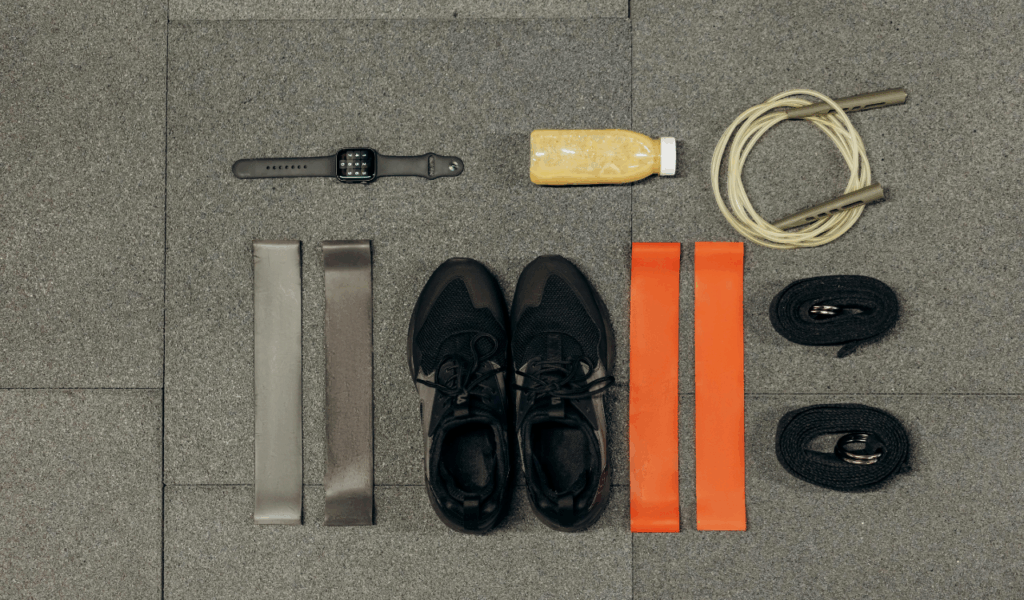
Putting treadmills, weights, and mats in garages promises to keep you fit without going to the gym. Putting things together, moving things around, and wiping things down every day can be too much for small households. Dust builds up as the novelty of free walks wears off. According to fitness trackers, 70% of people stop using their equipment after month two. Teachers can do bodyweight circuits anywhere, which saves them thousands of dollars and keeps things neat. Using resistance bands and YouTube routines to improve strength over time is better than buying machines that just sit there and collect dust.
8. Gratitude Journals Every Morning and Night

Writing down five things you’re glad for twice a day is meant to help you stay positive during the winter blues. When you forget your notebooks, make entries during pandemonium, or say “coffee” every night, habits become rote, which makes you resentful of contemplation. Therapists say that saying thanks out loud while driving is better than reading off a script. Over time, the pressure to “feel” grateful every day turns into negative spirals when life doesn’t go as planned. You can modify your mind without the guilt of writing in a journal that you forget about throughout dinner by simply saying “thank you” in a casual manner.
9. Cold Plunges Before Workouts Daily

People who take ice baths after working out say they recover faster and get tougher from the cold. Getting tubs, lugging ice, and shivering for ten minutes at a time is hard to do when it’s warm outside and people are rushing to take showers. This could lead to colds instead of gains. Athletes say that newcomers are at risk of hypothermia if they don’t gradually get used to the cold, and studies dispute if the benefits go beyond top training. People without polar bear DNA can alleviate inflammation with hot showers or hikes. Following trends instead of taking pauses makes goals harder to achieve, and tubs are pricey plant containers.
10. Zero-Waste Kitchen Swaps All at Once
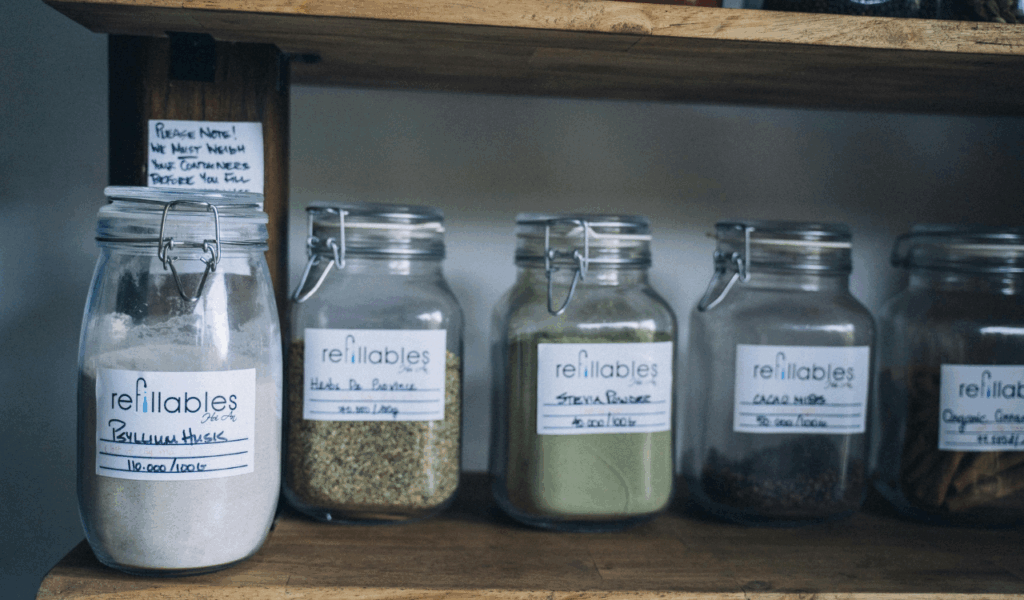
If you switch from plastic to reusable items, compost your scraps, and shop in bulk, you’ll become an eco-hero overnight. People who live in cities without yards are overwhelmed by the scents of rotting bins, washing plastic bags, and searching for stores that don’t waste anything. Budgets go up for beeswax wraps that stain nevertheless, since reports show that simple swaps cut waste more than comprehensive overhauls. Start with cloth napkins or glass jars and work your way up. Trying to be flawless will slow you down and make your kitchen a stressful lab instead of a place to eat.