11 School-Year Furniture Pieces That Didn’t Grow With Kids
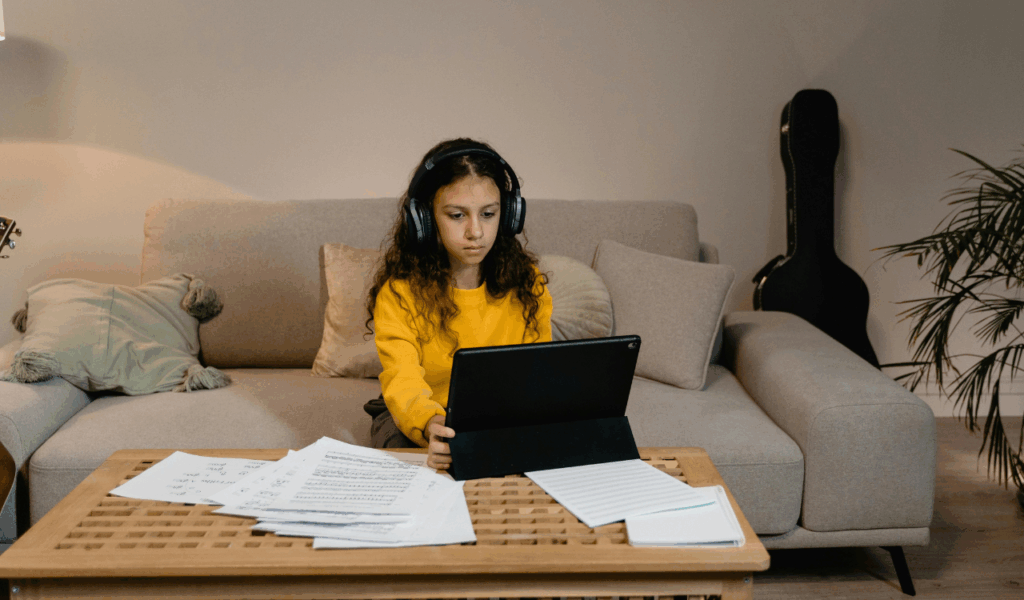
Starting a school year often means buying furniture that seems “just right” at the moment, but many of these pieces fail to keep up as children grow, change habits, and develop new needs. Kids grow fast not only in height, but in how they study, relax, and use their space. Furniture that lacks adjustability, durability, or flexibility can become uncomfortable or unusable within a year or two. This list highlights common school-year furniture items that often fall short over time, explaining why they stop working and what makes them impractical as kids grow older.
1. Fixed-Height Study Desks

Fixed-height study desks often work for a short window of time, but they quickly become uncomfortable as kids grow taller. When desk height does not adjust, children may hunch over or raise their shoulders while writing or using a computer, which can strain the neck, back, and wrists over time. As schoolwork increases, discomfort can reduce focus and productivity. These desks also limit flexibility, making them unsuitable for shared spaces or siblings of different heights. Once a child outgrows the height, the desk often becomes unusable instead of adapting.
2. Non-Adjustable Desk Chairs
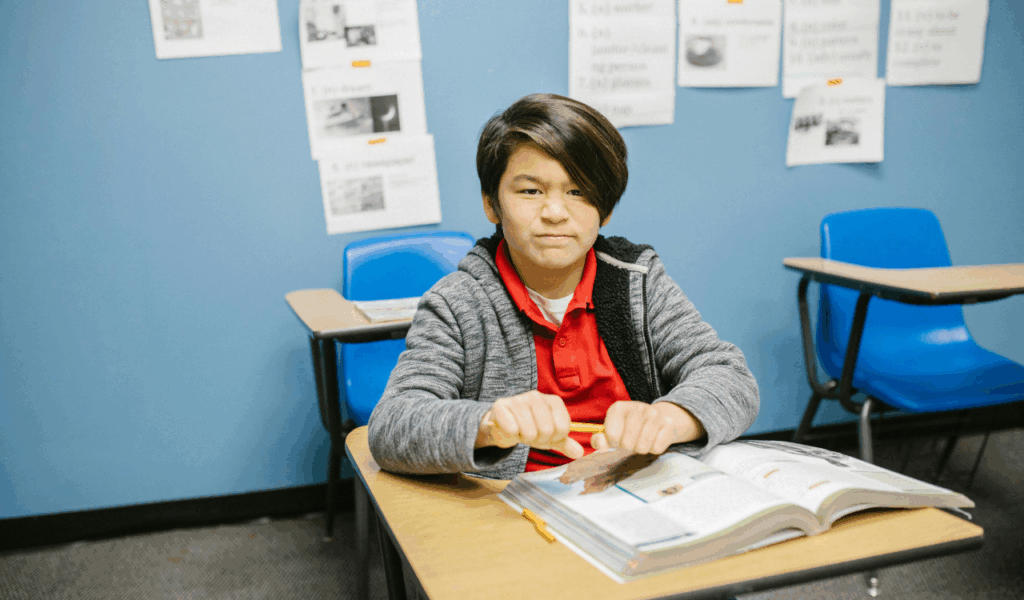
Non-adjustable desk chairs rarely support children through multiple school years. As kids grow, seat height, depth, and back support need to change to maintain proper posture. Chairs without adjustments can cause dangling feet, poor spinal alignment, or pressure behind the knees. Over time, this can lead to discomfort during homework sessions and reduced concentration. These chairs are often designed for a single size range, meaning they must be replaced sooner than expected, adding unnecessary cost and waste to growing households.
3. Narrow Bookcases
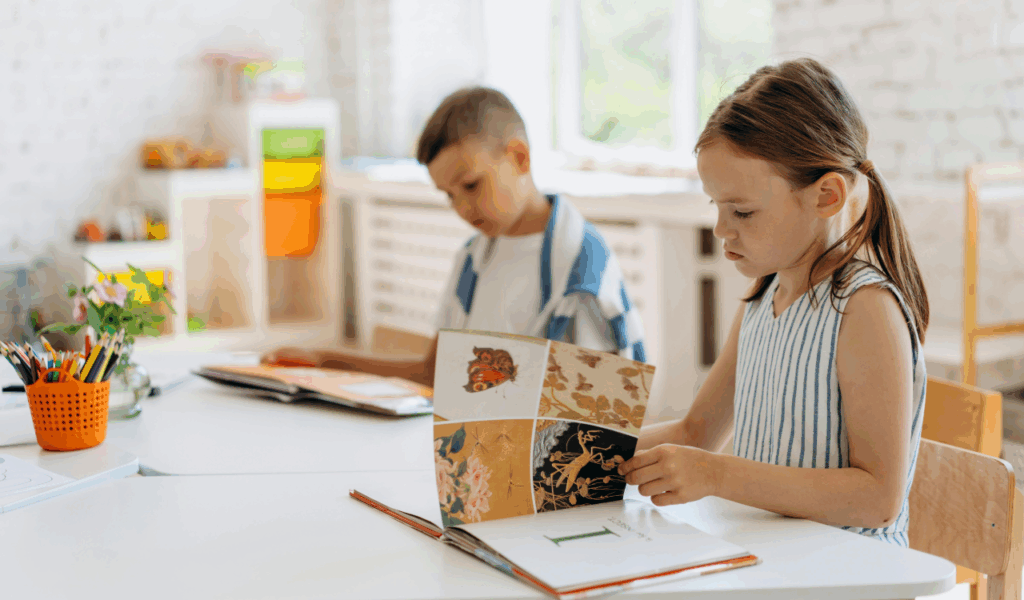
Narrow bookcases may look neat at first, but they struggle to keep up with expanding school supplies. As children progress through grades, textbooks get larger, projects become bulkier, and storage needs multiply. Limited shelf depth and height can cause overcrowding, bent books, and cluttered rooms. Kids may stack items unsafely or leave materials on the floor, creating mess and tripping risks. A bookcase that lacks adjustable shelving or adequate width often becomes more frustrating than helpful over time.
4. Child-Sized Beds
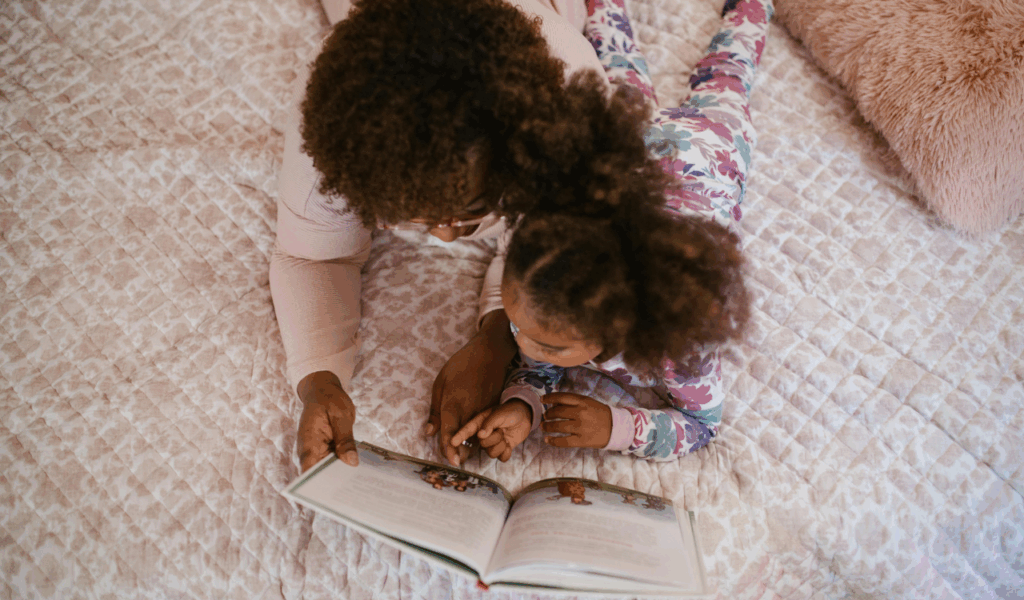
Child-sized beds are often marketed as cozy and cute, but they rarely last beyond a few years. As kids grow taller, these beds can feel cramped, affecting sleep quality and comfort. Poor sleep can impact focus, mood, and overall health during the school year. Parents often end up replacing these beds sooner than planned, which increases expense and effort. Beds that lack length or weight capacity flexibility do not adapt well to growth spurts, making them a short-term solution rather than a lasting investment.
5. Short Wardrobes
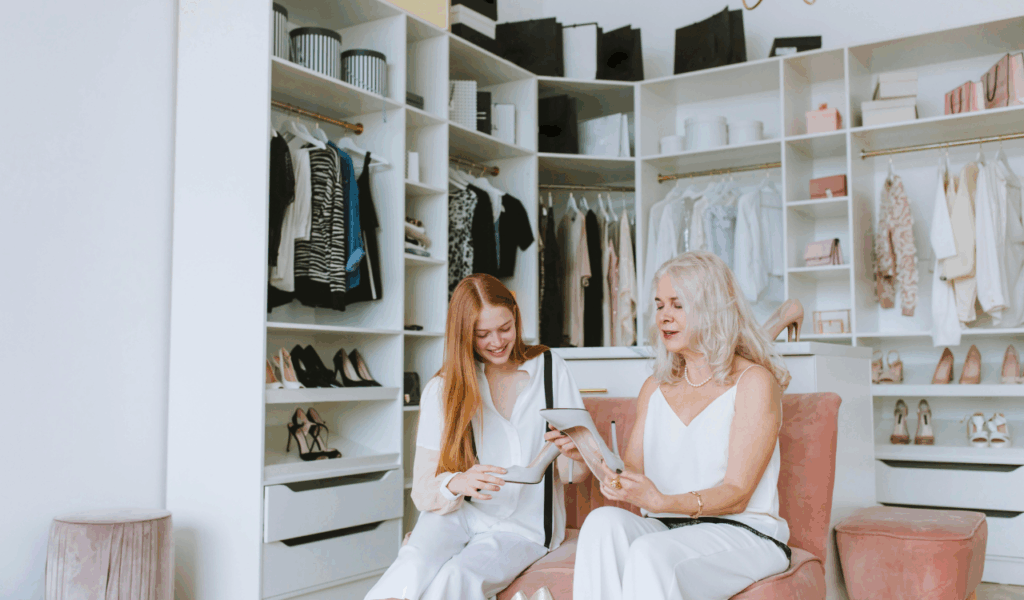
Short wardrobes may suit younger children, but they quickly become impractical as clothing sizes increase. Longer garments like jackets, uniforms, or dresses may drag or wrinkle when space is limited. Overcrowded wardrobes make it harder for kids to organize clothes independently, leading to messy rooms and rushed mornings. As school activities expand, storage needs also grow for bags, sportswear, and seasonal items. A wardrobe without adjustable rods or shelves often cannot keep pace with these evolving needs.
6. Fixed Cubby Storage Units
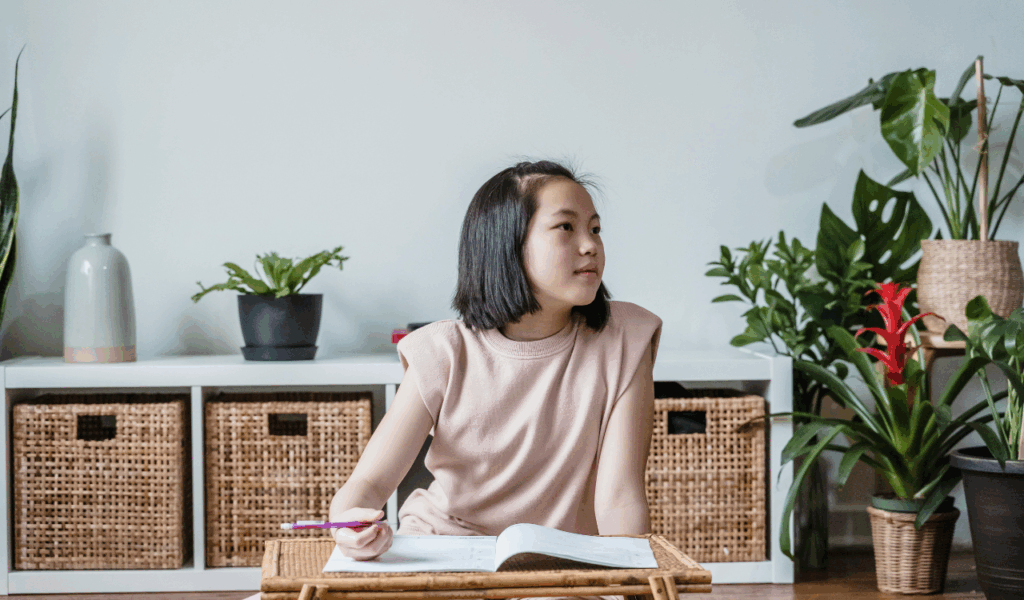
Fixed cubby storage units often fail to evolve with changing school routines. Early on, they may hold toys and small books, but later they struggle with backpacks, binders, and larger supplies. When compartments are too small or non-adjustable, items get crammed in awkwardly or left out altogether. This can make organization harder rather than easier. As kids take on more responsibility for managing their belongings, inflexible storage limits their ability to keep spaces tidy and functional.
7. Lightweight Homework Tables
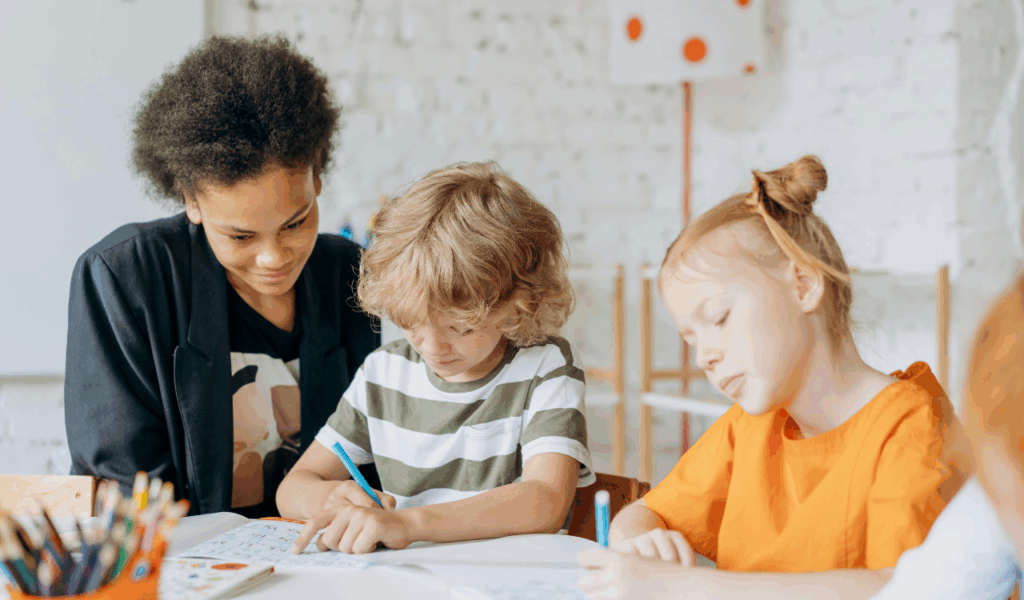
Lightweight homework tables may seem convenient, but they often lack stability for older students. As workloads increase, kids use heavier books, laptops, and art supplies that can cause wobbling or tipping. An unstable surface can be distracting and unsafe, especially during focused tasks. These tables may also wear out quickly, showing scratches or loose joints. Without sturdy construction or adaptable design, lightweight tables rarely support long-term academic needs through multiple school years.
8. Small Desk Drawers
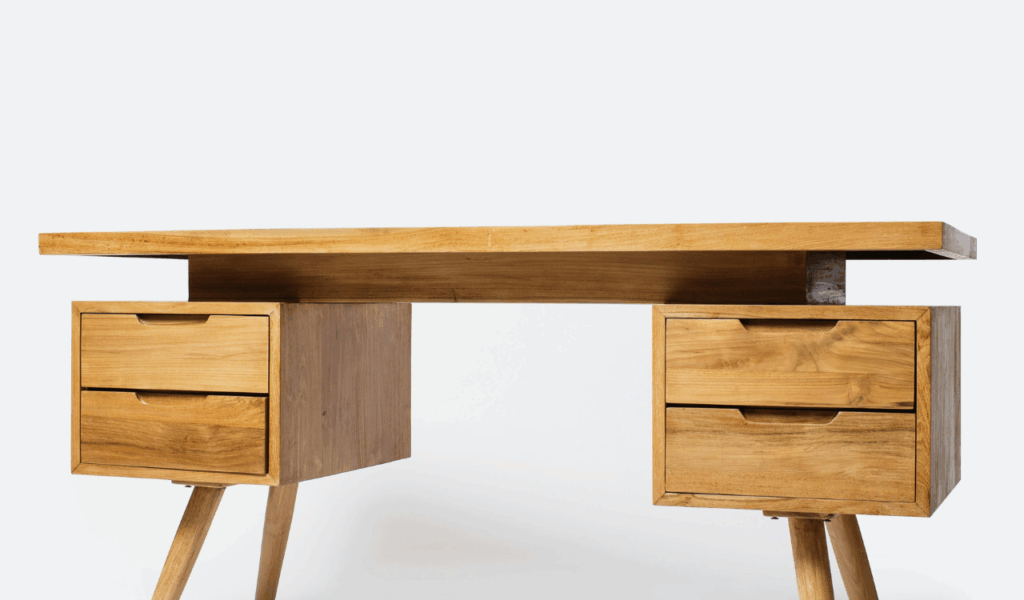
Small desk drawers fill up faster than expected once schoolwork becomes more complex. Pens, calculators, notebooks, chargers, and papers quickly outgrow limited drawer space. When storage is insufficient, kids may pile items on the desk surface, reducing workspace and increasing clutter. This can make studying less efficient and more stressful. Desks with shallow or few drawers often require additional organizers, which defeats the purpose of built-in storage and adds visual clutter to the room.
9. Rigid Shelving Units
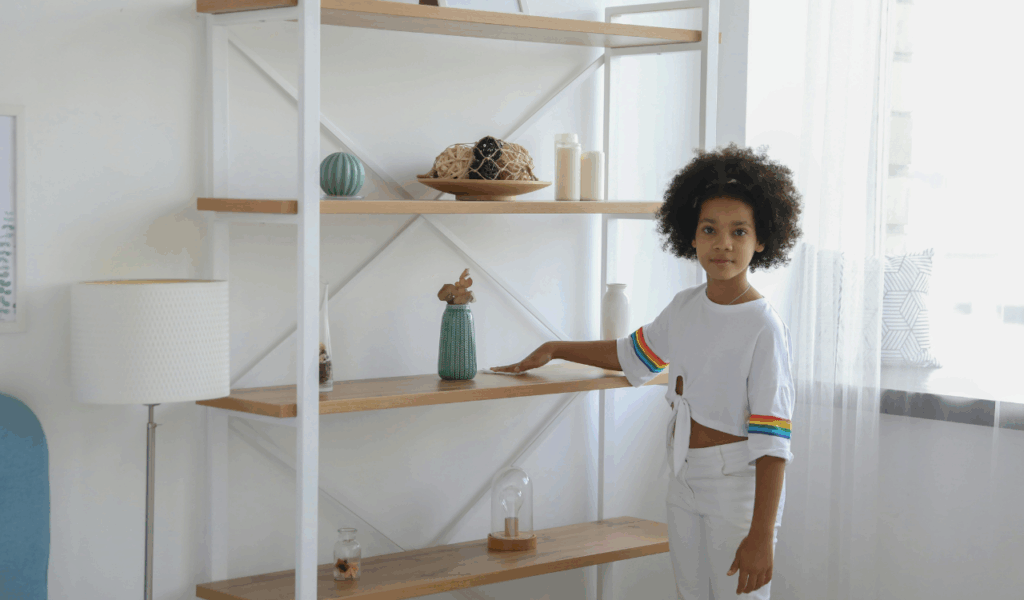
Rigid shelving units with fixed shelves often cannot accommodate changing storage needs. As kids move into higher grades, they may need space for taller books, folders, or project boxes. Shelves that cannot be repositioned waste vertical space or force awkward stacking. This reduces accessibility and organization. Flexible shelving allows rooms to evolve with academic demands, while rigid units often become obsolete or underused, leading families to replace them earlier than anticipated.
10. Single-Use Craft Tables

Single-use craft tables are great for early creativity but rarely grow with kids’ interests. As children mature, their activities shift from simple crafts to homework, design projects, or digital work. Tables designed only for crafts may lack proper height, surface durability, or storage for school materials. This limits their usefulness and takes up space that could serve multiple purposes. Furniture that supports only one stage of development often ends up unused as needs change.
11. Oversized Toy Chests
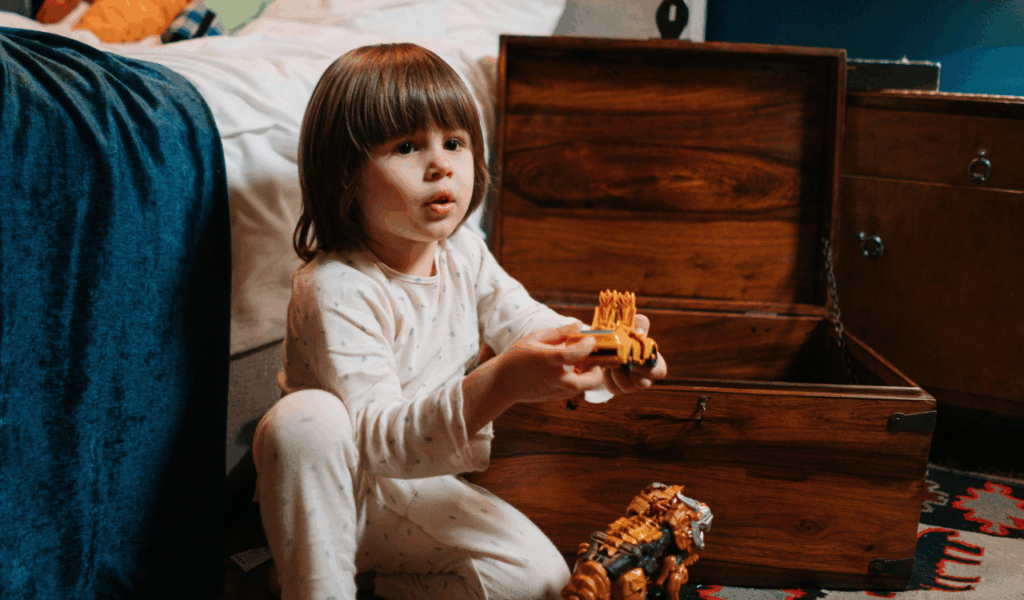
Oversized toy chests may dominate a room during early years but lose relevance as kids outgrow toys. As school supplies replace playthings, these chests often lack compartments suitable for books, bags, or learning tools. Large open storage can encourage clutter instead of organization, making it harder for kids to find what they need. Without adaptability, oversized toy chests become inefficient storage solutions that no longer match a child’s daily routines or responsibilities.