12 Décor Trends People Defend Even Though They’re Already Over Them
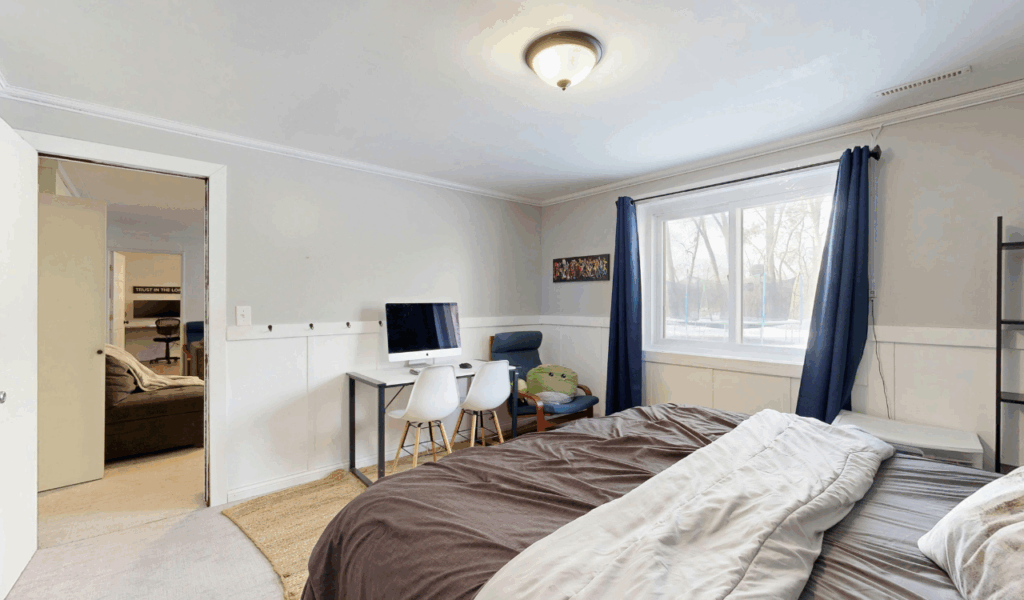
Most home décor styles fade, but some remain because people invested time, money, and passion in them. Even as design trends evolve, people sometimes stick to certain patterns out of nostalgia or convenience. They’re not bad, but they’ve lost their appeal. Many of these types are still popular worldwide, but designers quietly move on while homeowners swear they work. Knowing why certain styles seem old-fashioned might help you decide whether to keep them or make little modifications to refresh your space. Know what makes you exhausted today to avoid regret tomorrow. Decorating choices that last years, not seasons, are very important.
1. All-White Everything
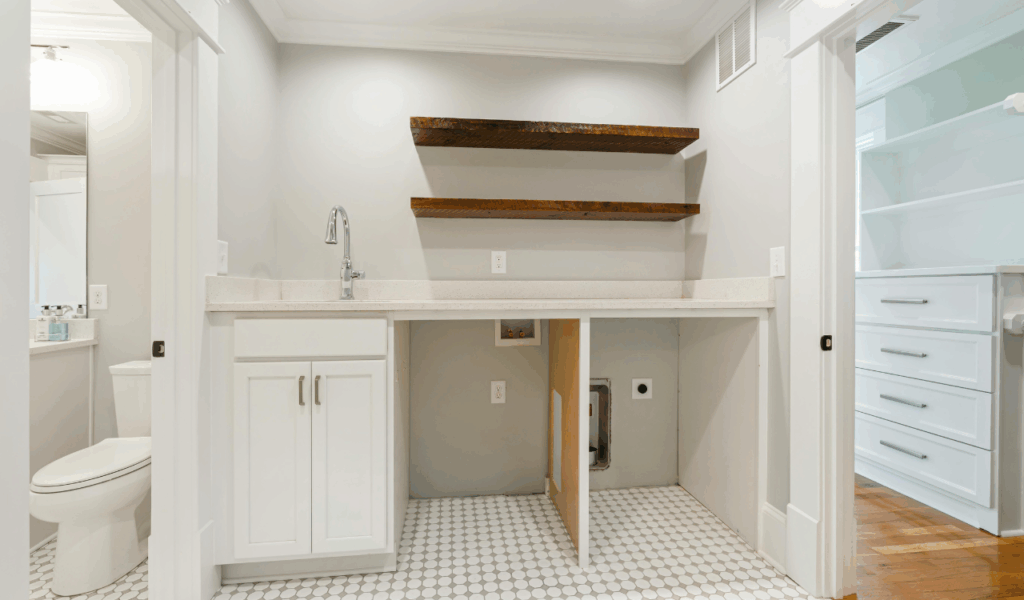
People used to like all-white rooms because they were clean, bright, and ageless, but now many people say they feel chilly and not useful. White walls, sofas, kitchens, and decor need a lot of care and reveal every scratch, spill, or scuff. Some people say that white makes rooms feel bigger and quieter, yet the lack of contrast can make them appear cold and impersonal. Designers are now using layered neutrals and soft colors to add depth without making things look cluttered. People with all-white homes usually do so because they were told to or because they always have. Though not horrible, the trend is too formulaic and unappealing for daily living.
2. Open Shelving in Kitchens
Open kitchen shelves used to be popular because they looked airy and were simple to get to, but many homeowners now wish they hadn’t had them. Open shelves seem great in pictures, but they need to be styled and cleaned often to keep dust, grease, and visual clutter at bay. People who defend them say they make kitchens feel open and personal, but most people end up hiding things that don’t match or buying extra decorations just to keep the shelves looking nice. Closed cabinets give function without sacrificing style to a kitchen. Open shelving isn’t going away, but it’s less common because house design is emphasizing utility.
3. Gray on Gray Interiors
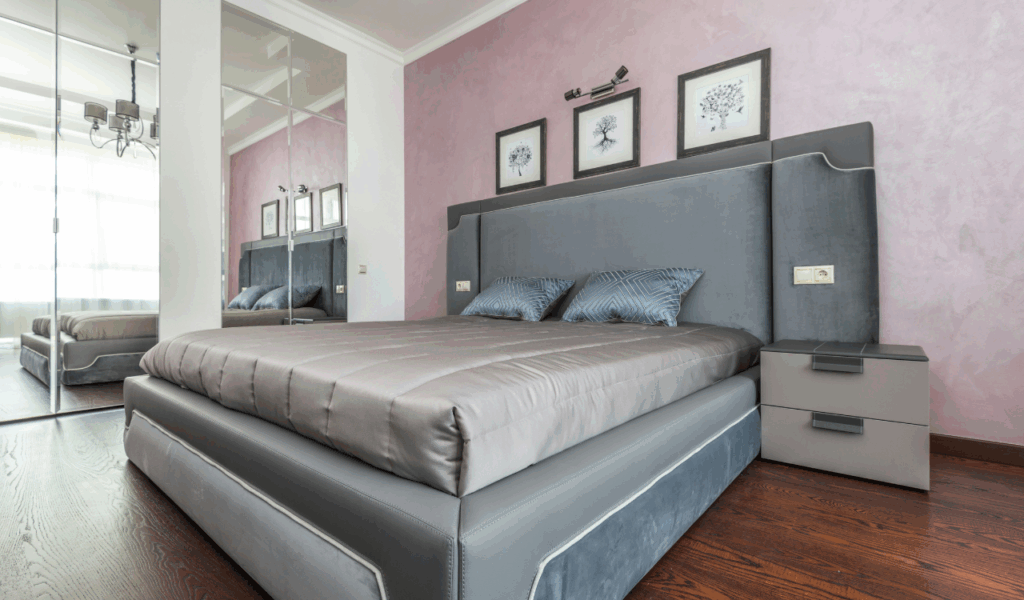
For years, gray was the color of choice for everything in homes, from the walls and flooring to the furniture and decorations. When utilized too much, heavy gray palettes that were once viewed as trendy and neutral now feel flat and lifeless. A lot of homeowners still choose gray because it feels safe and goes with everything, but designers are starting to like warmer colors that feel more human. Gray rooms, especially those without natural light, can feel gloomy. Gray can be utilized as a supporting color, but too much of it makes a room look ancient. The trend toward warmth suggests that individuals value comfort above showroom perfection.
4. Barn Doors Indoors
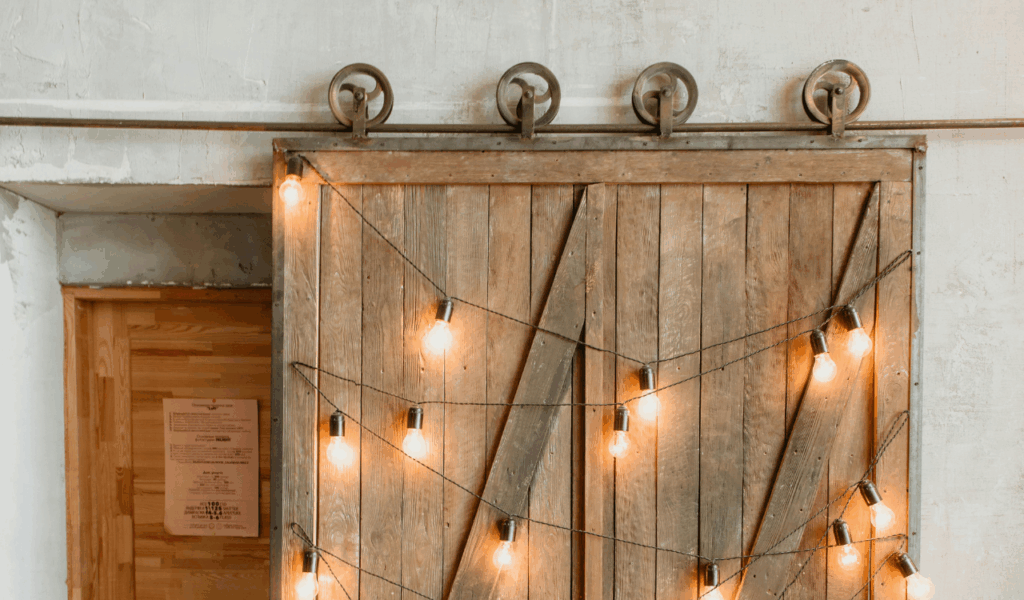
Sliding barn doors were very popular for creating a rustic touch, but their novelty has worn off. Barn doors are great for saving space and keeping people out, but they don’t always provide privacy, sound control, or a good seal. They can look out of place and not work well in bedrooms and bathrooms in particular. What once seemed lovely now often seems more like a theme than something that will last. Designers now like pocket doors or classic hinged doors better since they fit in with the rest of the room better. Barn doors can still be used, but they don’t feel new or flexible for modern homes that appreciate both style and utility.
5. Matching Furniture Sets
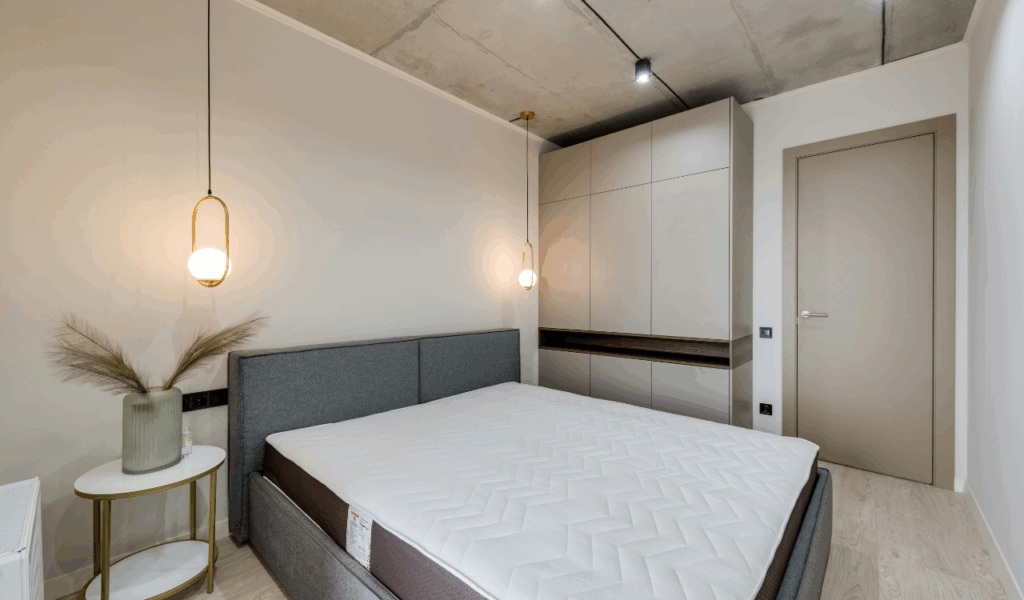
Once, buying furniture sets that matched perfectly meant a well-kept home, but now they often seem staged and impersonal. Rooms might look like furniture showrooms instead of lived-in environments when every piece looks the same. People like matching sets because they make things easier to choose and look good together, while designers like mixing materials, forms, and eras to add depth. A curated appearance communicates a story, whereas matching sets keep a room the same. The move away from sameness shows a desire for comfort and uniqueness. It’s okay to have some matching items, but if you only use them, the room will feel old.
6. Word Art Wall Décor
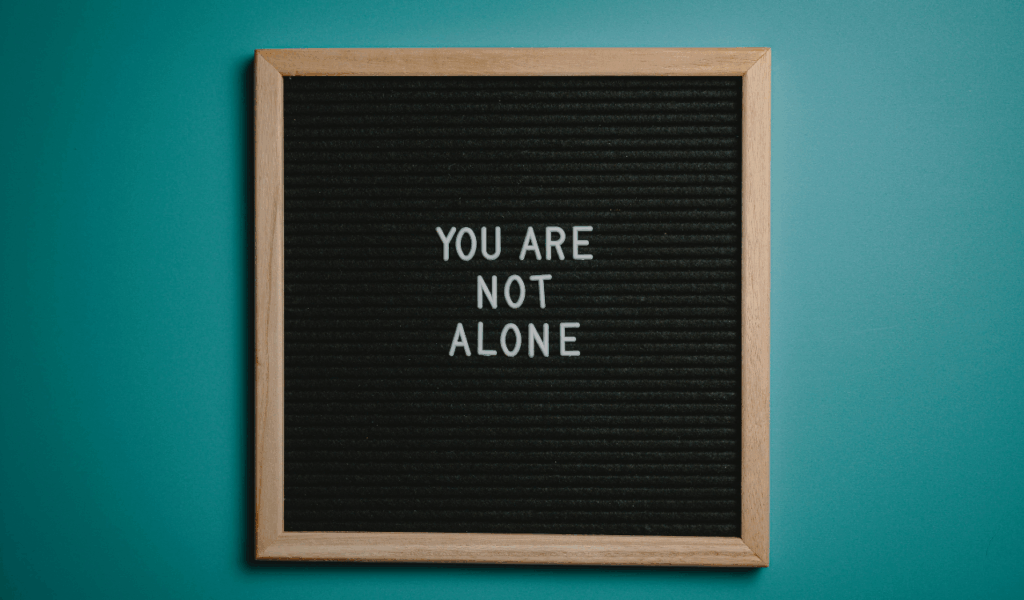
Decor with big words or phrases used to be fun and expressive, but a lot of people now think it’s too common. Signs that say general things can feel forced instead of meaningful. Some people say that word art gives a home personality, but others say that it has lost its uniqueness because it is used in so many homes. Art that makes people think instead of just saying what it is is presently in style. When walls are covered in messages, they might take away from the overall design. Personal quotes are still popular, but mass-produced word decor has mostly lost its appeal as people look for more-subtle ways to show who they are.
7. Fast Furniture Pieces
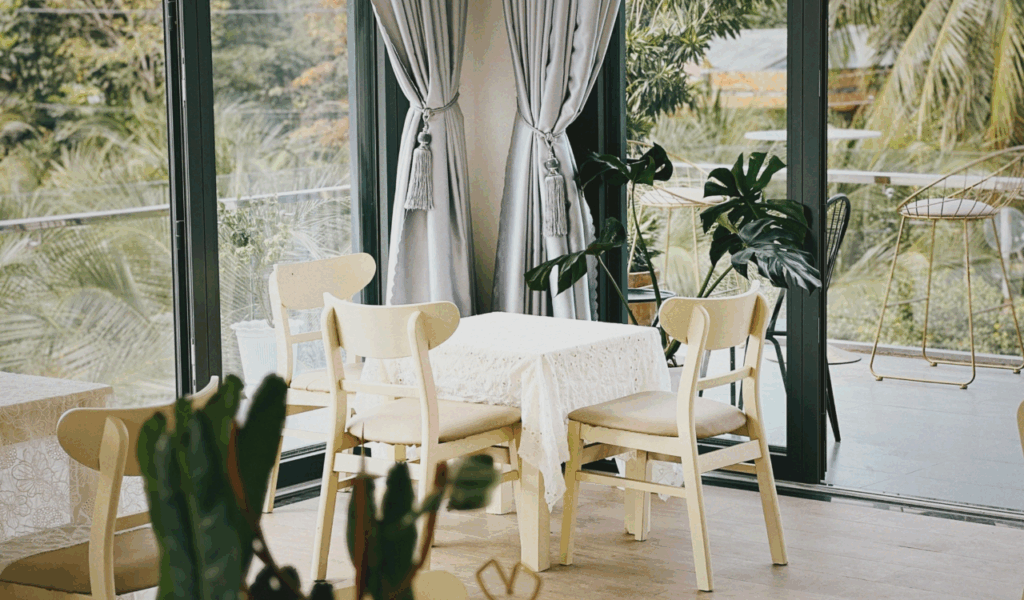
Cheap, trendy furniture that is meant to be used for a short time is called “fast furniture.” People defend these goods because they are cheap and easy to use, however they generally break soon and don’t have much personality. A lot of people say they are useful, but the fact that they need to be replaced often leads to waste and design fatigue. As more people talk about sustainability, durable, stylish furniture becomes more valuable. Fast furniture was once futuristic and easy to buy, but now it’s unhealthy for long-term living. Choose fewer, higher-quality pieces to let rooms change naturally instead of following trends that fade quickly.
8. Accent Walls That Shout
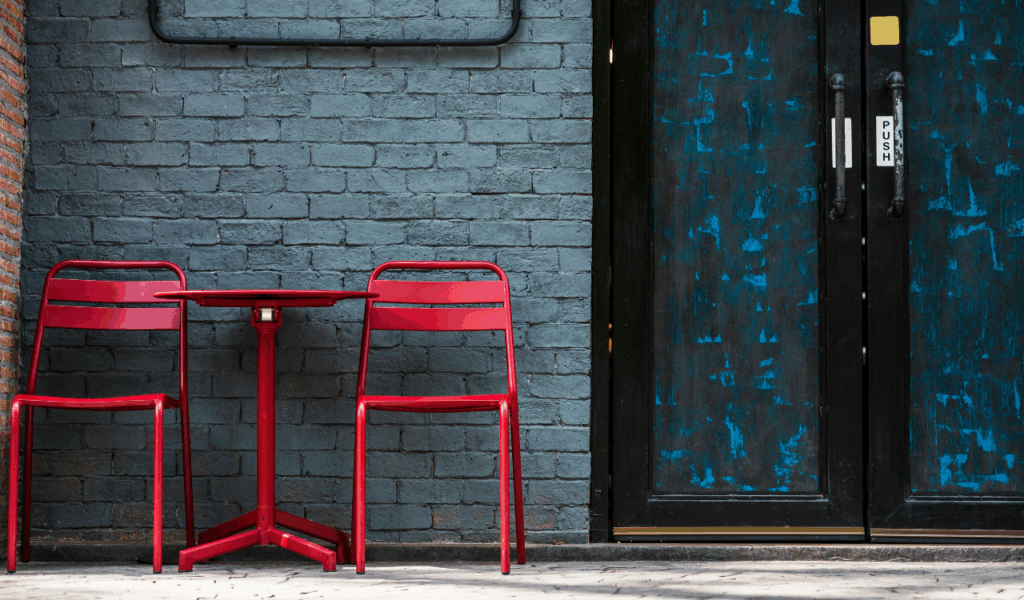
People used to love bold accent walls, but today they think they look too sudden or imbalanced. When one wall is very different from the rest of the space, it can feel like it doesn’t fit in. Defenders say accent walls make a room more interesting without requiring a lot of work, but designers today prefer color stories that flow throughout a space. Adding depth without breaking up the picture can be done by changing the texture, tone, or materials in a subtle way. Accent walls aren’t always awful, but versions that are too loud or too different from the rest of the room frequently mean that the trend is over.
9. Industrial Everything
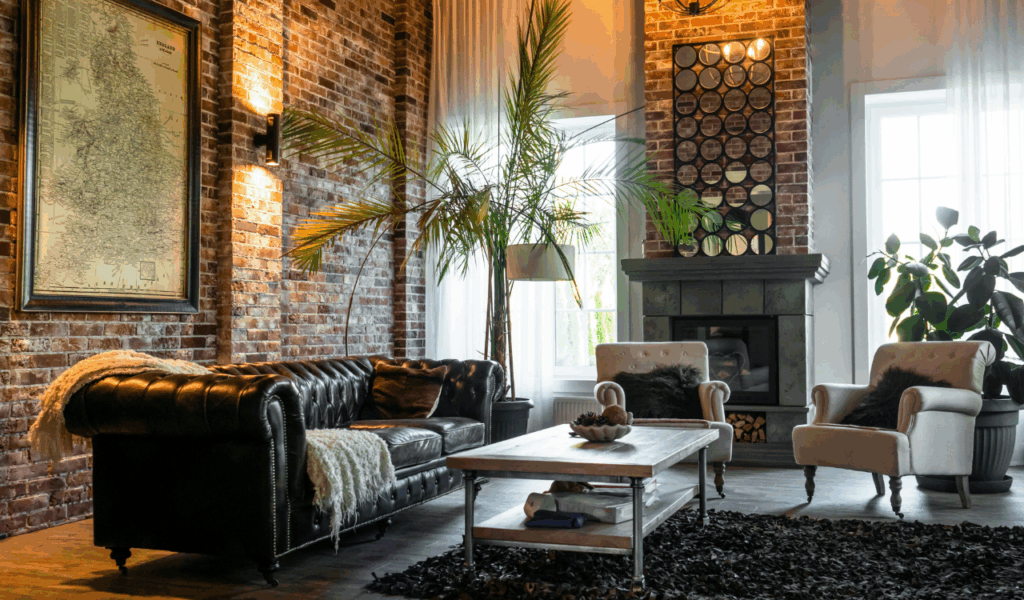
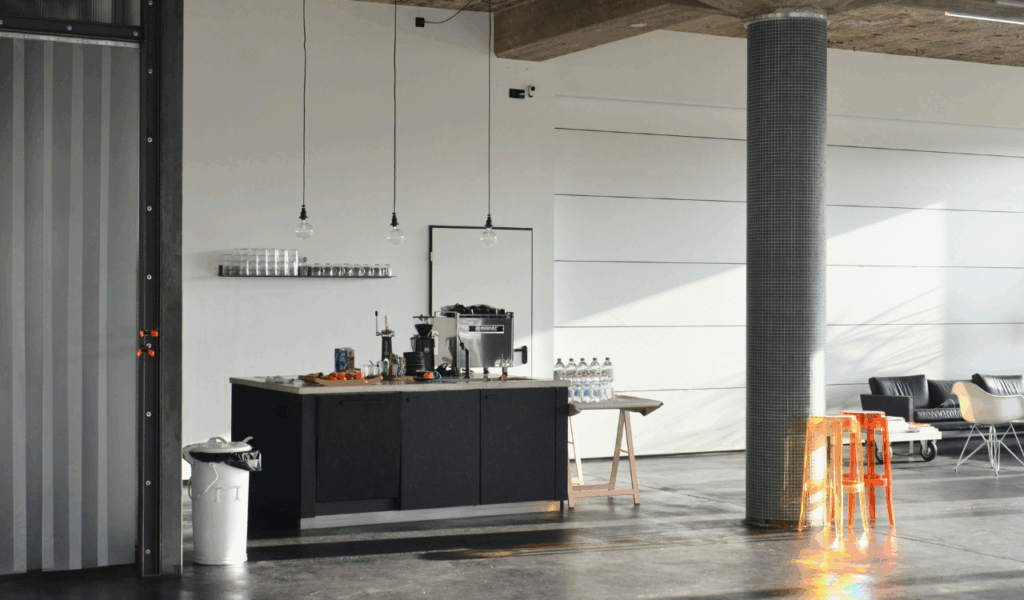
Industrial decor, which is based on warehouses and factories, used to seem new and cool. Exposed metal, unfinished wood, and concrete finishes were very popular. For homes that are designed to be relaxing, purely industrial decor can feel chilly and uncomfortable. Defenders like how difficult and simple it is, but a lot of spaces don’t seem right when they’re not soft. Designers increasingly mix industrial parts with warm colors, fabrics, and natural finishes. The all-industrial look seems more like a trend than a design that will remain. Adding industrial elements here and there preserves the character without making it too comfortable.
10. Overdone Minimalism
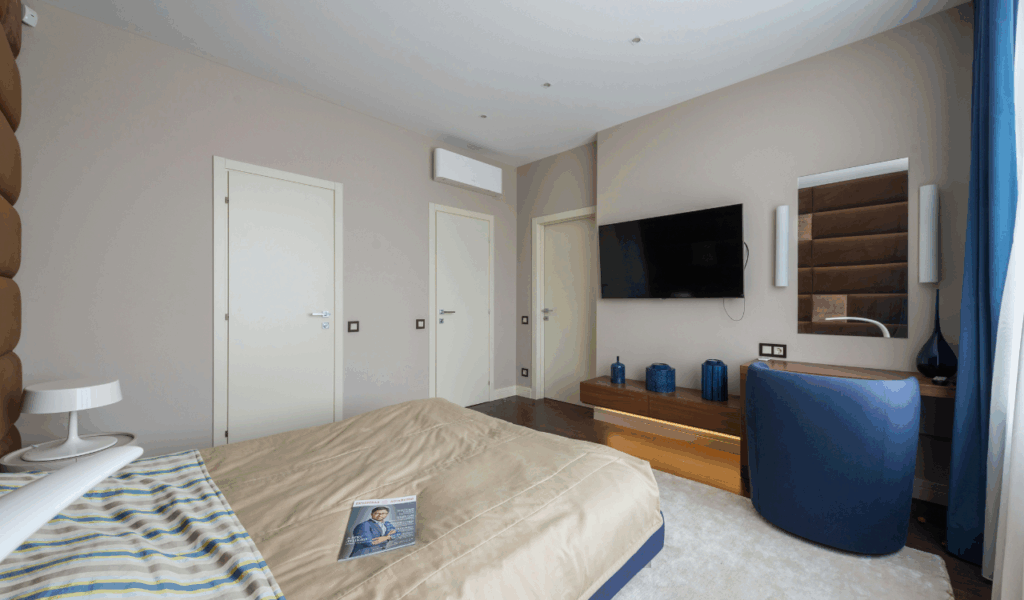
Extreme forms of minimalism might give the impression of being empty and uninviting, despite the fact that it promotes a serene and clutter-free way of living. It is said that less is more, but spaces that are devoid of charm might give off an impression of being sterile. More and more people are looking for homes that give the impression of true living rather than ones that are well organized. The modern design aesthetic incorporates things that serve a purpose and convey warmth and meaning. Minimalists are relaxing their rigid lack of objects. Simple spaces are important, but removing all their appeal may lead to emptiness rather than peace.
11. Shiplap on Every Surface
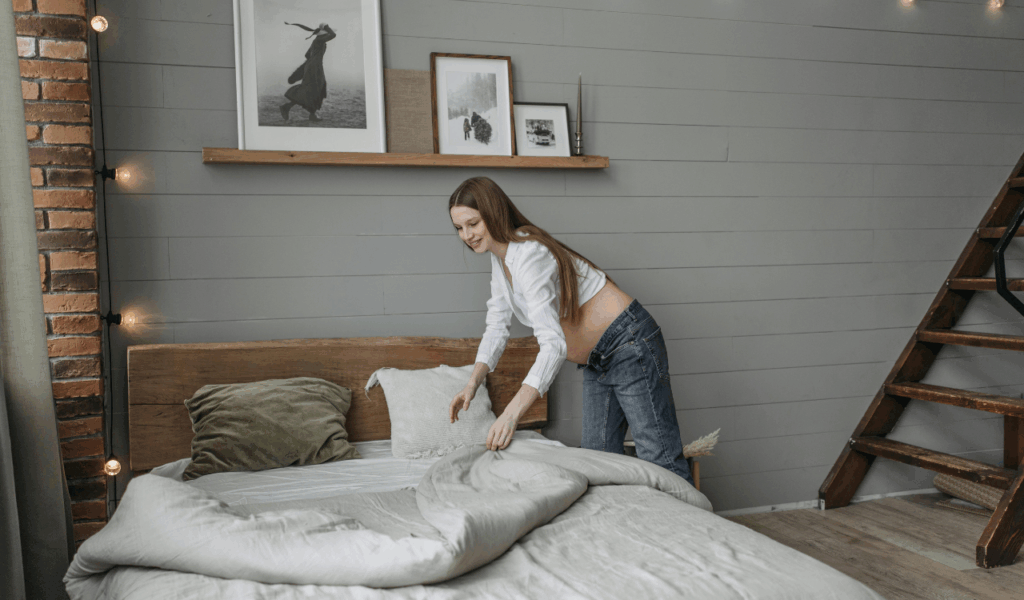
Shiplap walls were very popular, bringing the beauty of a farmhouse into many homes. Defenders like its texture and how comfortable it is, but too much use has made it feel formulaic. Putting shiplap on every wall takes away its effect and makes a room look old soon. Designers now use it for small details or replace it with wall treatments that are more diversified. The issue is not shiplap in and of itself; rather, it is the absence of some form of limitation while utilizing it. While it is still effective when used with caution, employing it all the time demonstrates a pattern that reached its zenith many years ago.
12. Ultra-Themed Rooms
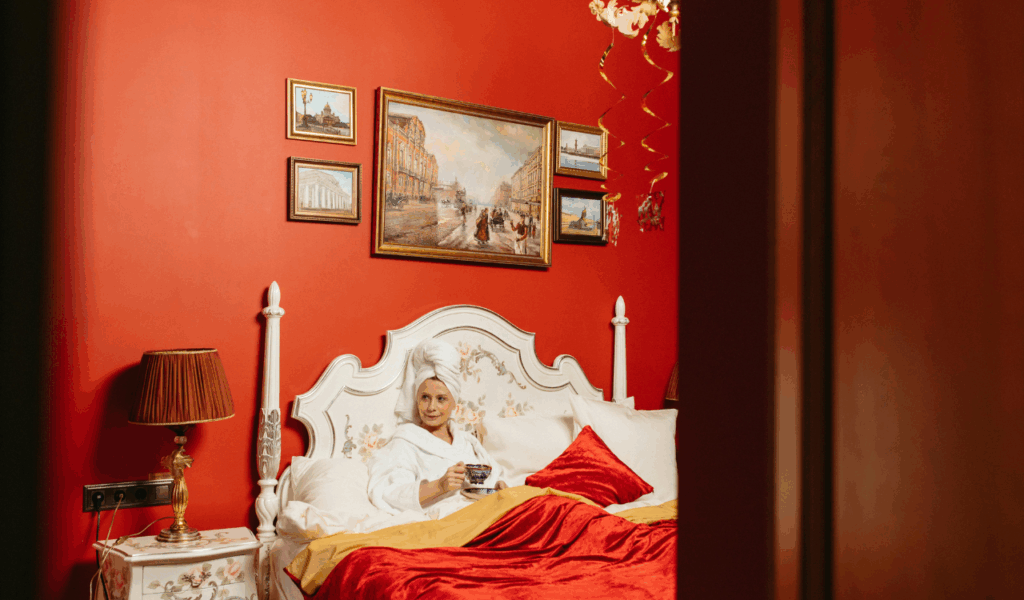
Rooms that are all about one subject used to be enjoyable and immersive, but they don’t always hold up well over time. Heavy-handed themes might make it hard to be flexible, whether they are seaside, rustic, or retro. Defenders like how clear and consistent the themes are, but with time they might feel limiting. Designers today pay more attention to mood than motif, which lets rooms change throughout time. Ultra-themed rooms can feel stuck in a certain time, which makes it hard to make changes. By using a balanced approach, you can experience inspiration without making the spaces you’re working in look like permanent sets.