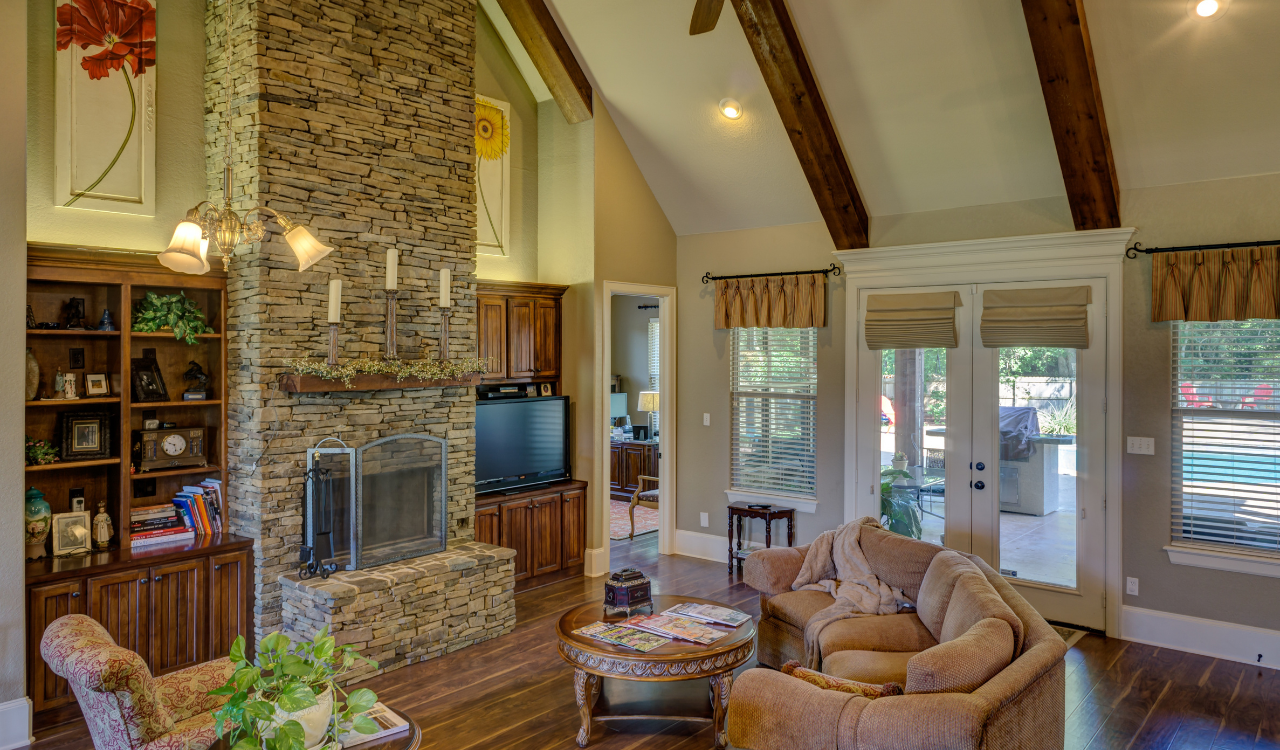
11 Homes That Are Supposed to Support You — But Don’t
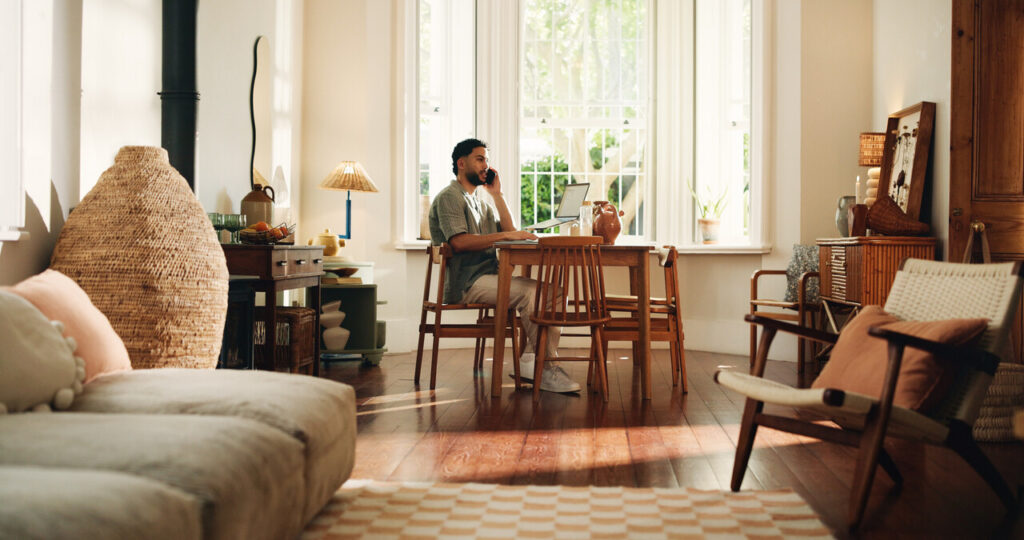
Homes are often described as places that should make life easier, calmer, and more comfortable. But many modern layouts and design trends focus on appearance and efficiency rather than on how people actually move, rest, and work throughout the day. When spaces do not support privacy, storage, comfort, or routine, daily tasks start to feel harder than they should. Instead of reducing stress, the home quietly adds to it through small but constant inconveniences. These homes may look great on paper or in photos, yet fall short where it matters most, supporting the people who live in them.
1. Open Concept Homes That Offer No Place to Truly Disconnect
Open layouts promise togetherness and natural light, but they often remove any sense of separation between activities. When cooking, homework, phone calls, and television all share the same space, noise travels everywhere and concentration becomes difficult. There is nowhere to step away when someone needs quiet or privacy. Parents working from home struggle to take calls without interruption, and kids find it hard to focus when conversations and movement are constant. Even relaxing becomes harder when there is no visual or physical break from daily clutter. What is meant to feel airy can start to feel overstimulating. Homes are supposed to support rest as much as interaction, and without quiet zones, that balance becomes hard to achieve.
2. Small Apartments That Lack Storage for Everyday Living

Compact homes can be cozy, but when storage is limited, everyday items quickly take over visible space. Coats pile up on chairs, shoes collect by the door, and kitchen counters become permanent drop zones. Without closets or built-in storage, organizing becomes a constant battle rather than a one-time task. People spend extra time moving items around instead of putting them away properly. This creates visual clutter that can feel mentally draining, even if the apartment is clean. A supportive home should help reduce daily friction, not create more decisions about where things can possibly fit.
3. New Construction Homes That Fail at Temperature Control
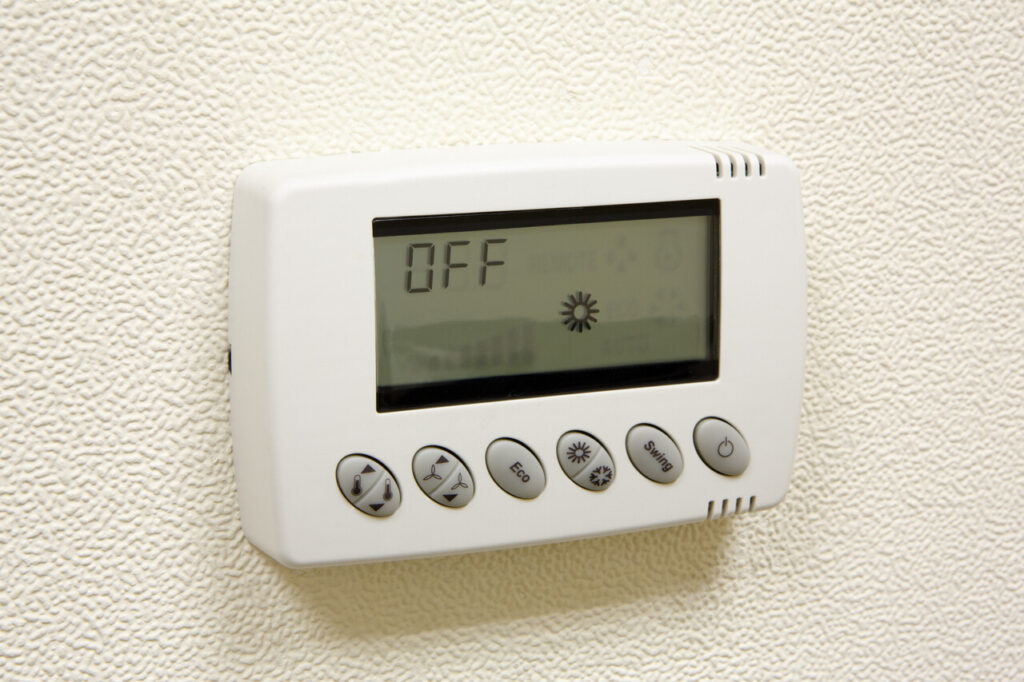
Many newer homes look modern and energy efficient, but poor insulation and rushed construction can lead to rooms that are too cold in winter and too hot in summer. Uneven temperatures make it hard to relax, sleep well, or even work comfortably. Families end up using extra heaters, fans, or adjusting thermostats constantly, which adds to energy costs and daily frustration. When comfort depends on constant adjustments, the home stops feeling like a stable environment. A supportive space should regulate temperature consistently so people can focus on living, not on fixing drafts or hot spots.
4. Stylish Homes Filled With Furniture That Is Not Comfortable
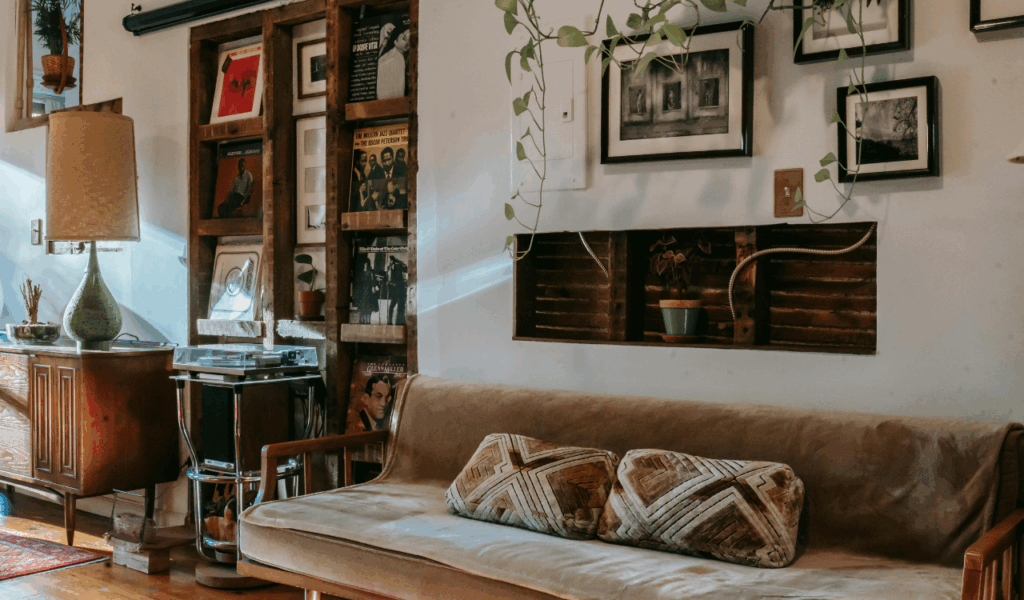
Design-driven interiors often prioritize sleek shapes and trendy materials over real support. Sofas look great but lack cushioning, dining chairs feel rigid after twenty minutes, and accent seating goes unused because no one wants to sit there. Over time, people gravitate to the few spots that actually feel comfortable, leaving large parts of the room unused. Guests notice too, choosing to stand rather than settle in. When furniture does not support the body, the home stops encouraging rest and connection. Comfort is not a luxury; it is a basic need that should guide design choices.
5. Smart Homes That Create More Friction Than Convenience
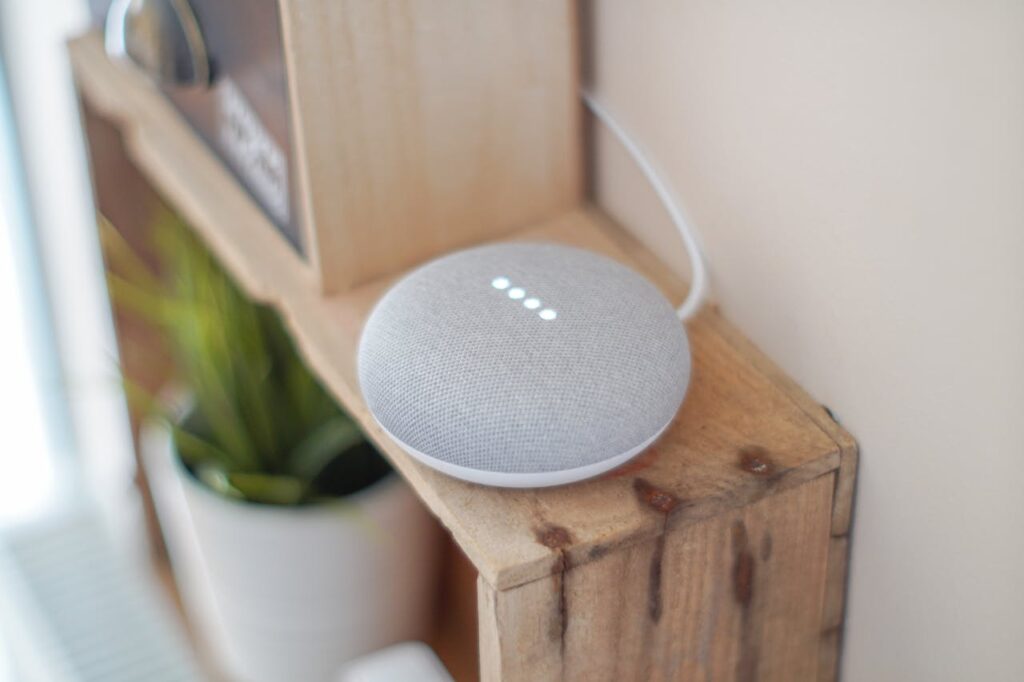
Smart lighting, thermostats, and security systems are meant to simplify routines, but when technology is unreliable or overly complex, it does the opposite. Apps fail, voice commands misfire, and updates interrupt basic functions. Family members may not know how to use all features, leading to confusion or accidental changes. Instead of flipping a switch, people troubleshoot systems when they are already tired or busy. A home should reduce mental load, not add technical hurdles to everyday tasks. When simple actions require problem-solving, convenience turns into constant irritation.
6. Family Homes Without Space for Work or Study

Many homes are designed for shared living but overlook the need for focused work areas. Kitchen tables become desks, bedrooms double as offices, and learning materials spill into living rooms. Without defined work zones, it becomes hard to separate productivity from relaxation. Distractions increase, and mental boundaries blur. Kids struggle to concentrate, and adults find it difficult to switch off after work hours. A supportive home recognizes that modern life includes schoolwork and remote jobs, and it provides spaces that protect focus and reduce stress around daily responsibilities.
7. Minimalist Homes With No Room for Normal Mess
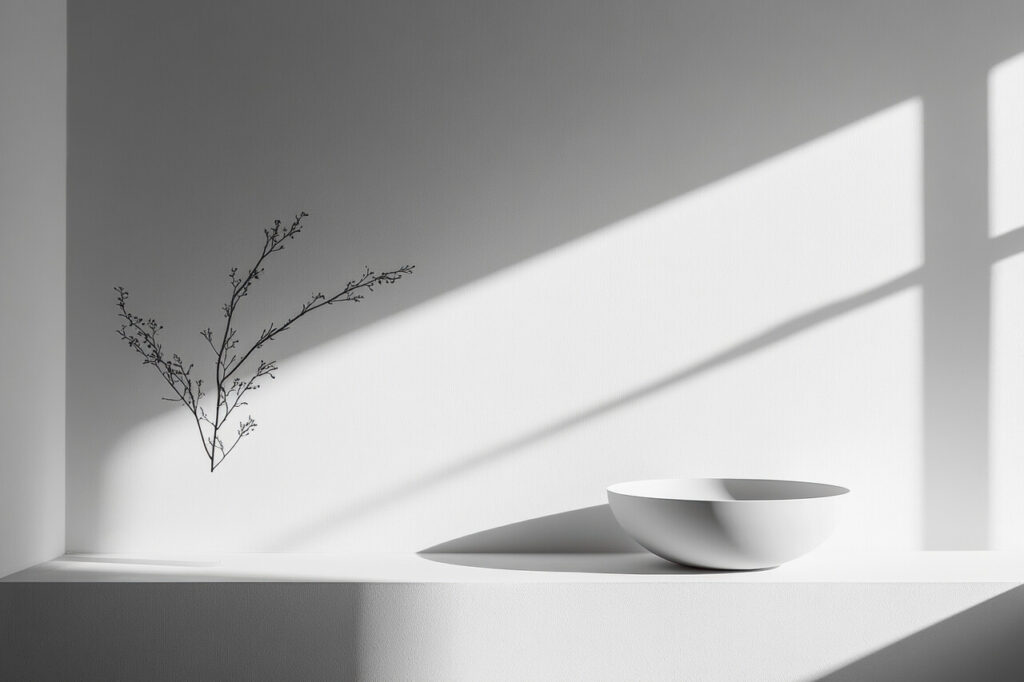
Minimalist design looks calm and orderly, but it often leaves little space for the realities of daily life. Backpacks, mail, laundry, and hobby supplies have nowhere to go except out in the open. Maintaining the look requires constant tidying, which turns cleanliness into a daily project. People may feel guilty for clutter that is simply part of living. When a home demands perfection to look good, it stops supporting the people inside it. A truly helpful space allows for activity and rest without requiring nonstop maintenance.
8. Rentals With Fixed Layouts That Do Not Fit Daily Routines
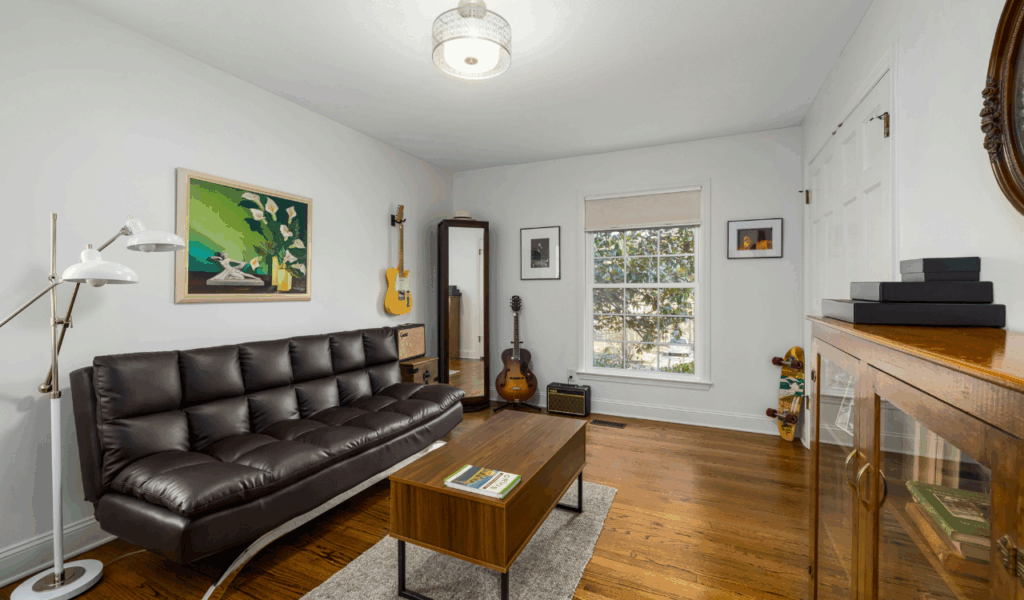
Renters often cannot modify walls, lighting, or storage, even when layouts are inconvenient. Bedrooms may be too small for desks, kitchens may lack pantry space, and living areas may not support family gatherings. People adapt as best they can, but constant compromises affect comfort and efficiency. Temporary solutions like extra shelves or furniture crowd rooms further. A home should adapt to the people living in it, but rental limitations often force people to adapt to the building instead, creating ongoing inconvenience that adds to daily stress.
9. Kitchens That Look Beautiful but Offer Little Prep Space
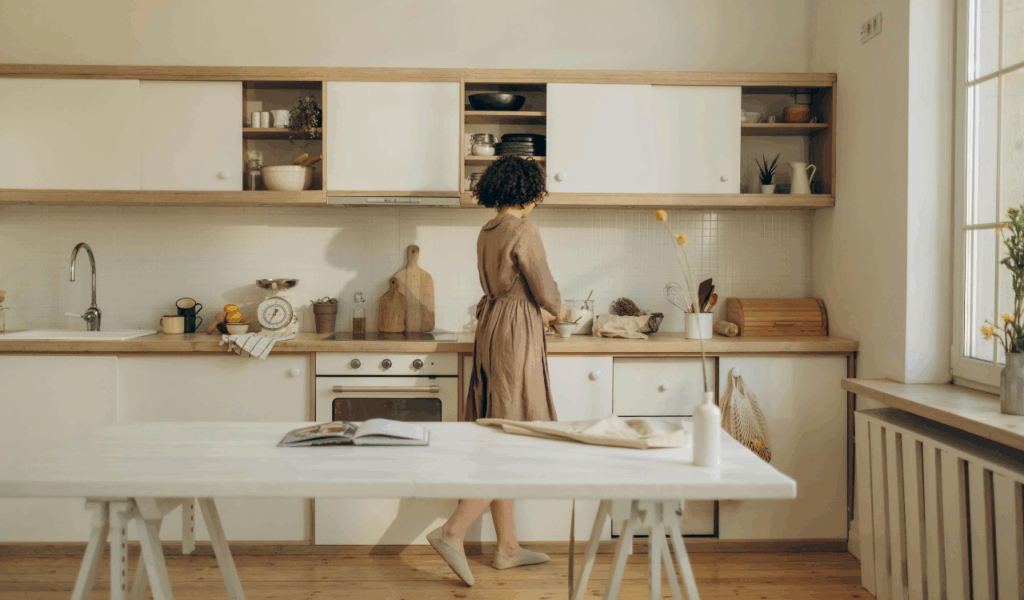
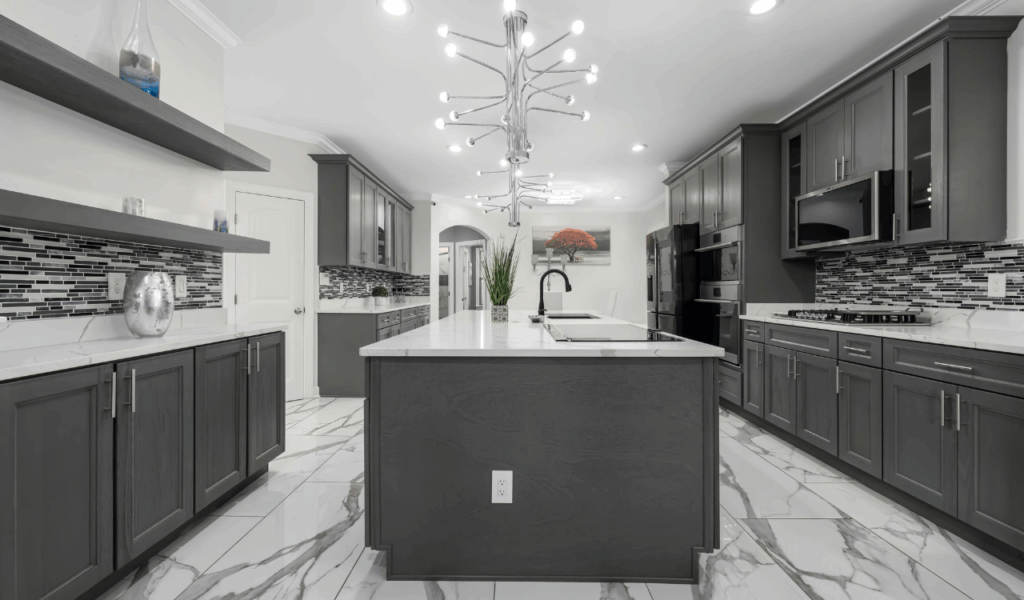
Design-focused kitchens sometimes sacrifice counter space for open shelving, large appliances, or decorative features. Cooking then becomes a juggling act, with cutting boards balanced on small surfaces and ingredients spread across the room. Meal prep takes longer and feels more chaotic, especially for families cooking daily. Lack of workspace also makes cleanup harder, since items cannot be staged or organized easily. A kitchen should support the routine act of feeding people, not just serve as a visual centerpiece. Without a functional layout, even simple meals feel more exhausting to prepare.
10. Homes With Great Outdoor Areas but Weak Indoor Gathering Spaces
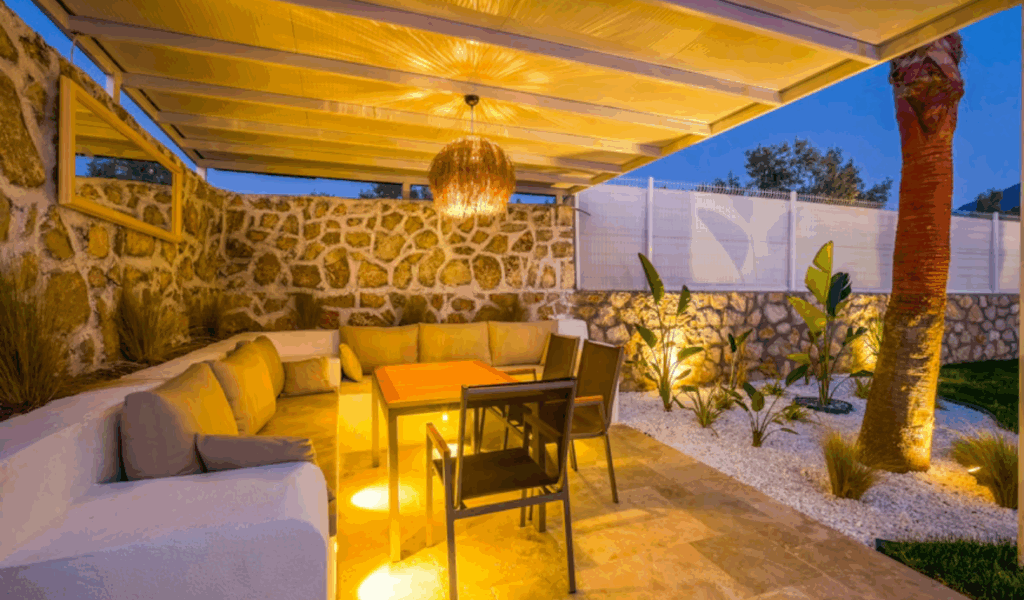
Some homes invest heavily in patios, decks, and yards while neglecting indoor seating and layout. During colder months or bad weather, families have few comfortable places to gather inside. Living rooms may be small, dining spaces cramped, and seating limited. This makes hosting guests or even spending time together more difficult. Social connection should not depend on the season. A supportive home provides comfortable gathering areas indoors as well as outdoors, ensuring people can relax and connect regardless of weather or time of year.
11. Homes Designed for Visual Impact Instead of Daily Function

Some houses are built to impress with dramatic staircases, tall ceilings, and unusual layouts, but these features do not always support everyday needs. Storage may be minimal, acoustics poor, and lighting impractical. Furniture placement becomes awkward, and certain rooms remain unused because they do not fit real routines. Over time, people feel disconnected from spaces that look impressive but do not serve them well. A home should work quietly in the background, making daily life smoother. When design choices interfere with comfort and usability, the home stops feeling like a place of support and starts feeling like something to work around.