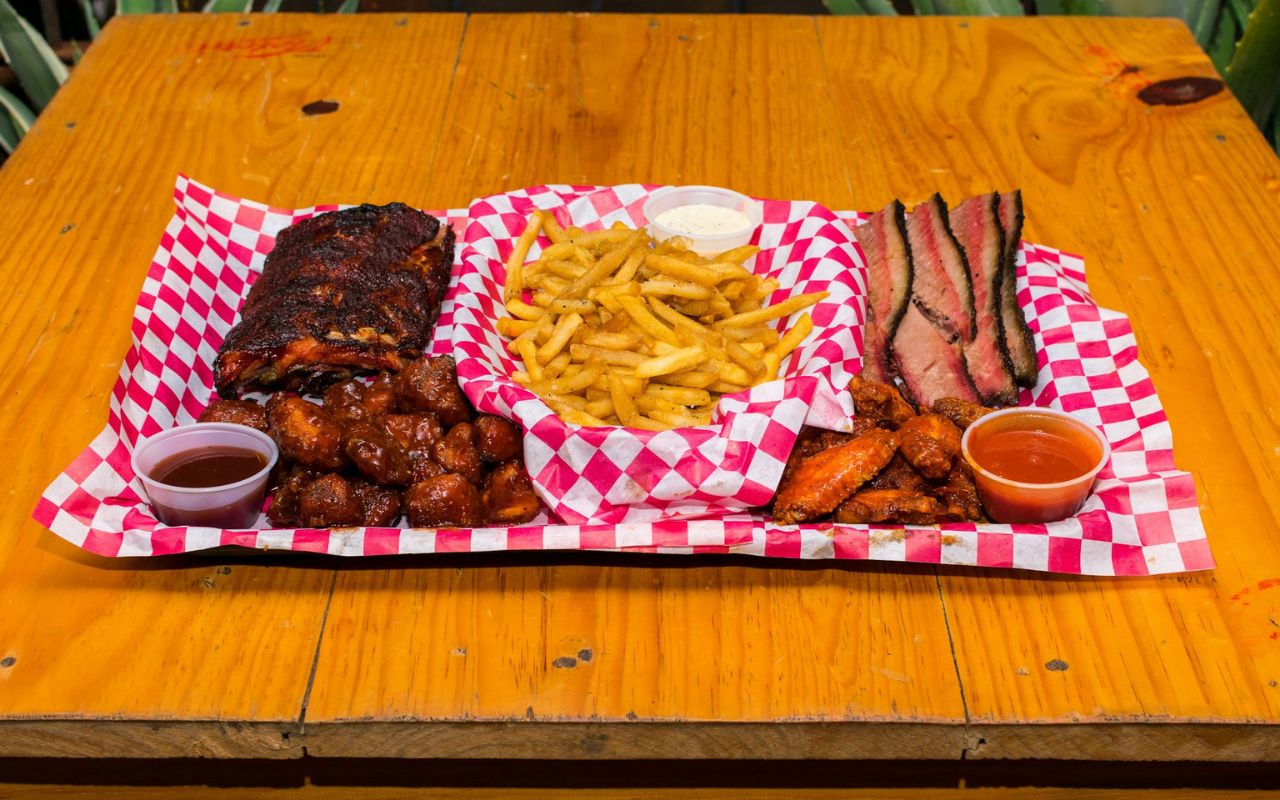
10 “Heritage” Breed Chickens Farms Never Actually Raised
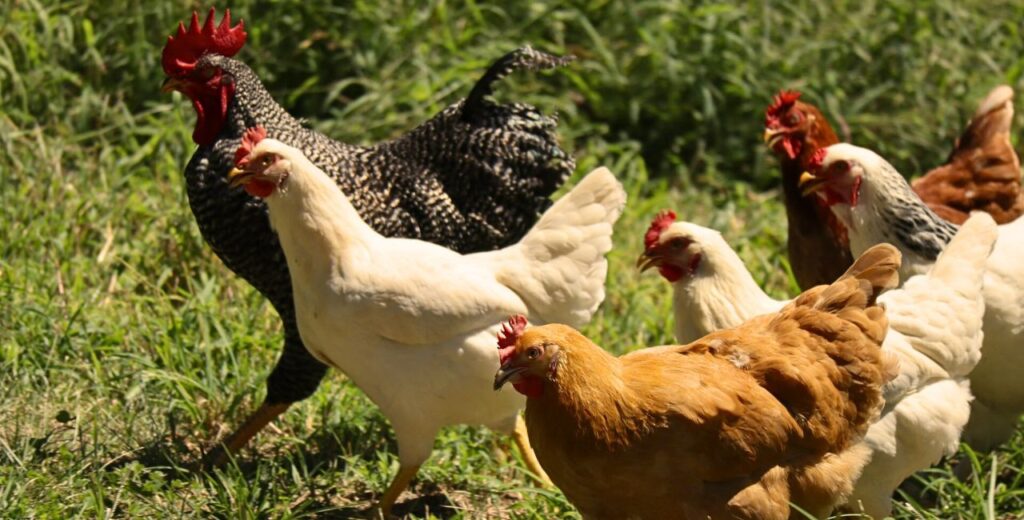
You may think you are buying a heritage breed chicken from local farms, but many birds marketed as traditional or historic are actually modern hybrids. True heritage breeds have well-documented lineages, slower growth rates, and natural behaviors that distinguish them from industrial crosses. Many commercial farms sell hybrids created for high egg production or fast meat yield while labeling them as heritage.
Knowing the difference can save you frustration, help you support authentic breeders, and ensure you get chickens that grow at a natural pace, thrive in free-range environments, and reflect the classic traits of historic American poultry.
1. Red Sex Link Chickens Aren’t True Heritage Breeds
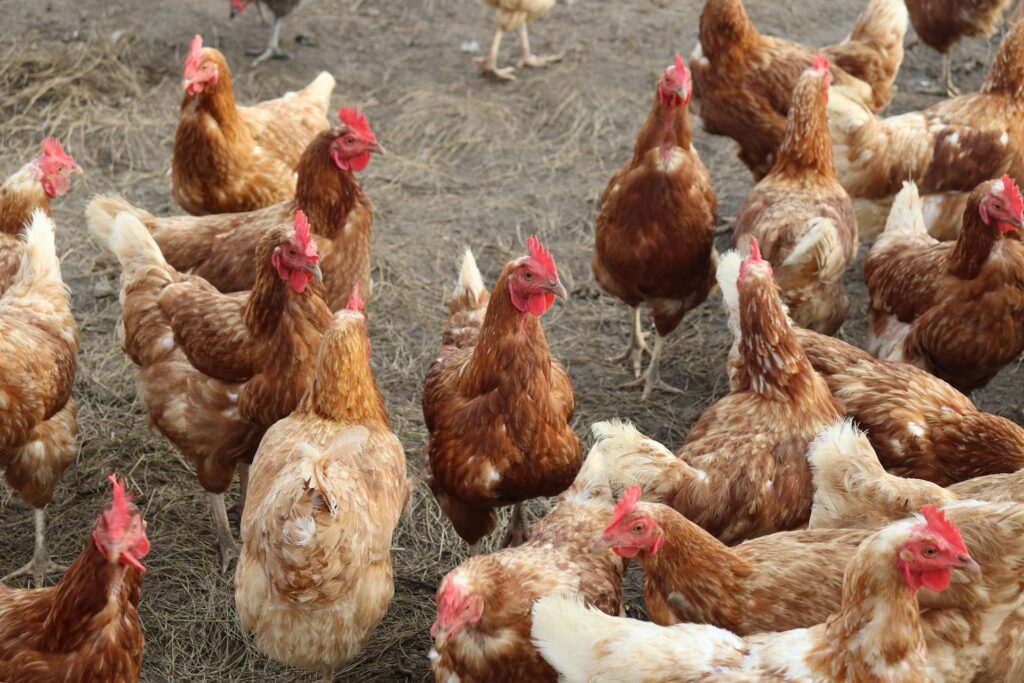
Red Sex Links, including Red Stars, Golden Buffs, or ISA Browns, are industrial hybrids designed for maximum egg production. These birds are crosses between Rhode Island Reds and other breeds to produce a consistent, high egg yield. While they may look similar to traditional reds, they do not have a standardized heritage lineage.
If you are seeking a slower-growing, historically preserved breed, Red Sex Links will not provide the traits or behaviors of true heritage Rhode Island Reds. Understanding this distinction helps you make informed choices when selecting birds for backyard flocks or sustainable farming.
2. Cornish Cross Broilers: Industrial Meat Hybrids
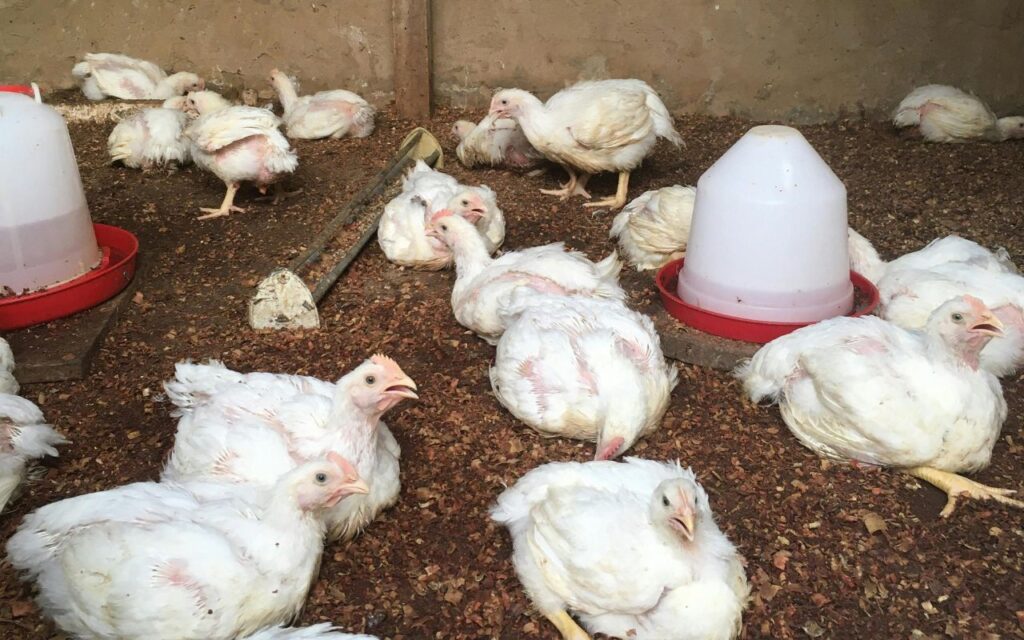
Cornish Cross chickens are fast-growing hybrids created for industrial meat production. They reach slaughter weight in just six to eight weeks and are often sold as “natural” or “heritage-style” meat in some markets. Unlike heritage meat breeds, these birds have been bred solely for rapid growth and high feed-to-meat efficiency.
Their body structure and growth rate can lead to health issues if raised in non-commercial settings. If you are looking for chickens with historical lineage and traditional farming traits, Cornish Crosses will not offer the slower growth, stamina, or longevity of true heritage broilers.
3. Easter Eggers Mistaken for Ameraucanas or Araucanas

Easter Eggers are hybrid chickens bred to produce colorful eggs, often blue or green, but they are not true Ameraucanas or Araucanas. Many hatcheries sell them under these heritage names, which can confuse backyard farmers and hobbyists. Unlike standard heritage breeds, Easter Eggers have mixed ancestry and lack a consistent phenotype.
While they are friendly and productive for eggs, they do not preserve the classic traits or genetics of historical breeds. Knowing how to identify true Ameraucanas or Araucanas ensures you are supporting authentic preservation efforts rather than commercial hybrid production.
4. Black Sex Link Chickens: Commercial Egg Hybrids
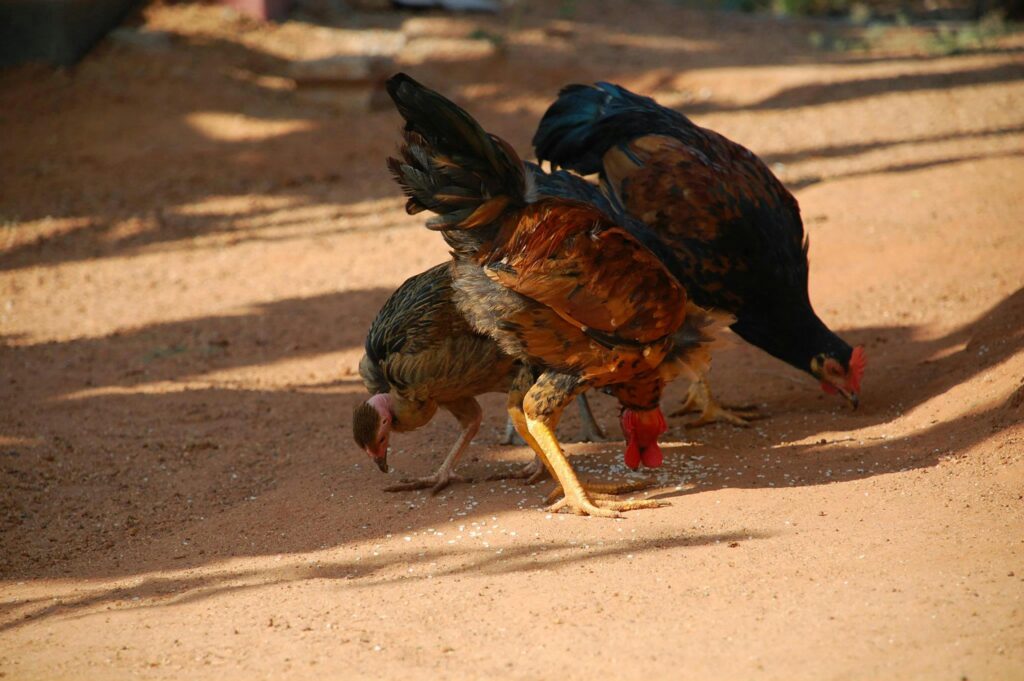
Black Sex Links are another hybrid created for high-volume egg production. They result from crossing a Barred Rock hen with a Rhode Island Red rooster. These birds are easy to identify and lay well, but they are not considered heritage breeds. Their traits focus on efficiency and predictability rather than preserving genetic diversity or historical lineage.
If you are raising chickens for long-term breeding or to support heritage preservation, Black Sex Links will not exhibit the classic behaviors or appearance of historic breeds. They remain an excellent choice for backyard egg production, but not heritage conservation.
5. Freedom Rangers: Patented Crosses, Not Historical Breeds
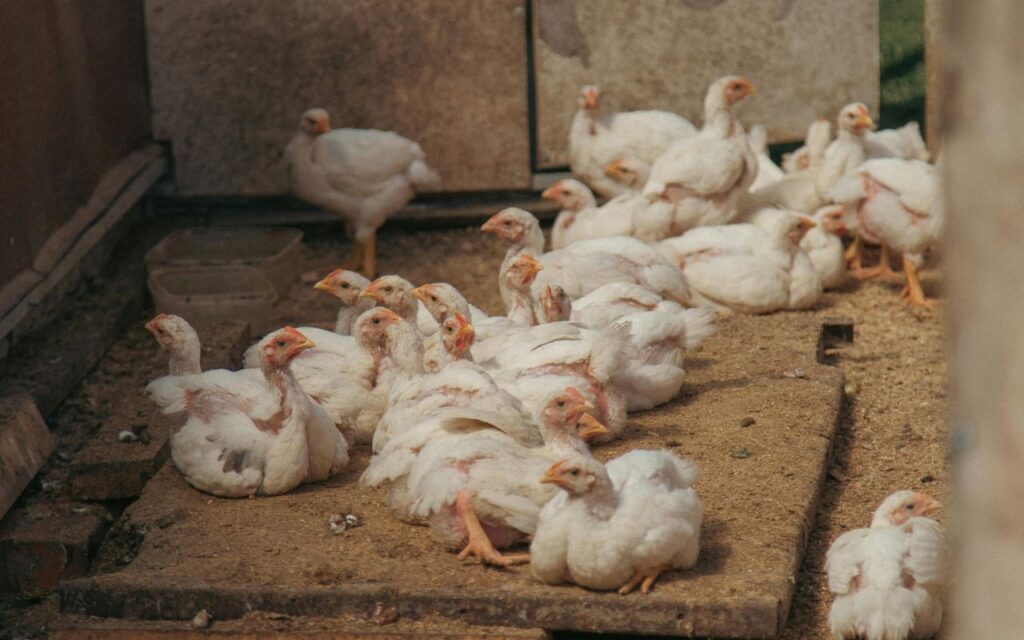
Freedom Rangers are slow-growing broilers often used in pasture-raised systems, but they are patented hybrids developed for specific growth and hardiness characteristics. While they resemble traditional meat breeds more than Cornish Crosses, they do not qualify as heritage poultry.
Their genetics are controlled by breeding programs, and their lineage is designed for consistent production rather than preservation. If your goal is a true heritage flock with historic traits, Freedom Rangers are a convenient choice for meat production but cannot replace slower-growing, long-lived heritage breeds that have shaped American farms for generations.
6. “American” Onagadori Often Just Phoenix Hybrids
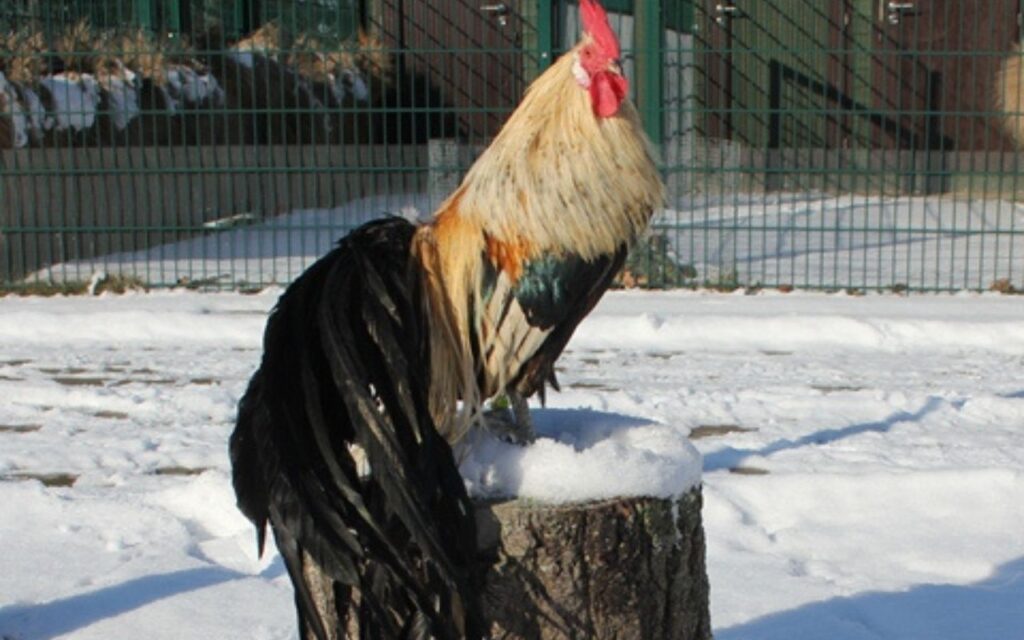
The Japanese Onagadori is a rare long-tailed breed, but many hatcheries sell Phoenix chickens under this name. Phoenix birds are German-developed hybrids with long tails, not the original Japanese lineage. If you are seeking authentic heritage poultry, the marketed “American Onagadori” does not preserve the breed’s historic genetics, tail length, or breeding characteristics.
Being aware of this distinction ensures you avoid inadvertently supporting hybridized lines while claiming to raise rare or heritage chickens. True Onagadori require specialized breeding to maintain the breed’s standard, which commercial farms rarely provide.
7. Production Rhode Island Reds Differ from Heritage Lines
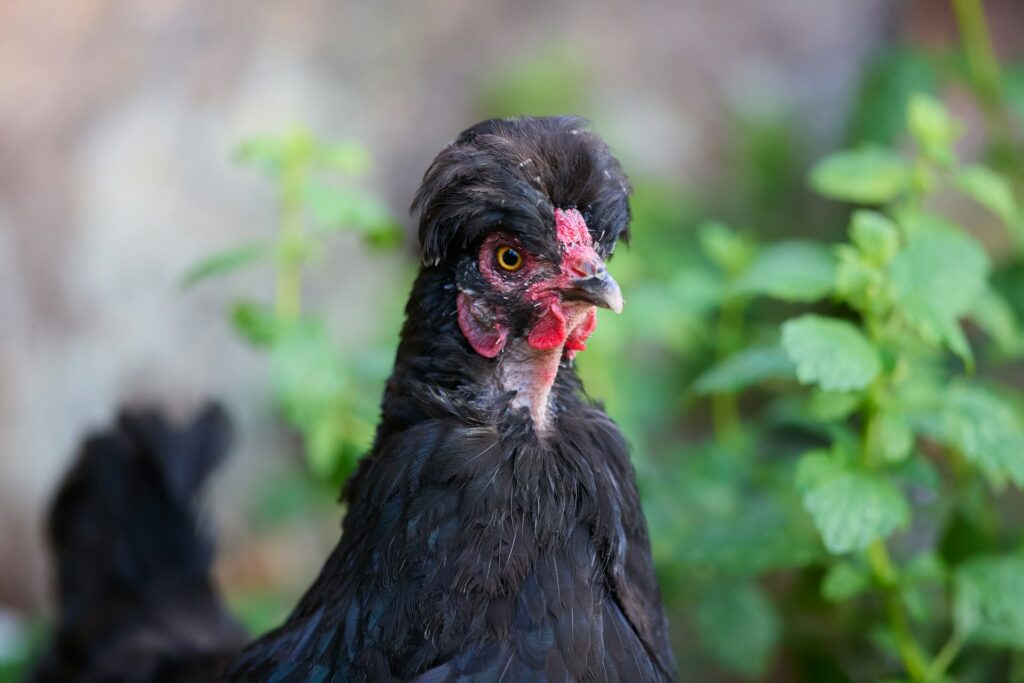
Modern Rhode Island Red production is bred for maximum egg output rather than historical preservation. They are generally smaller, lighter, and more flighty than heritage Rhode Island Reds, which were historically heavier, slower-growing, and suited for backyard or farm life.
While production Reds lay consistently, they lack the hardiness, temperament, and longevity of true heritage birds. If you aim to maintain classic breeds with deep historical roots and recognize the difference between production lines and heritage, Rhode Island Reds are essential for preserving authentic poultry genetics.
8. Industrial Leghorns: Modified for High-Volume Eggs
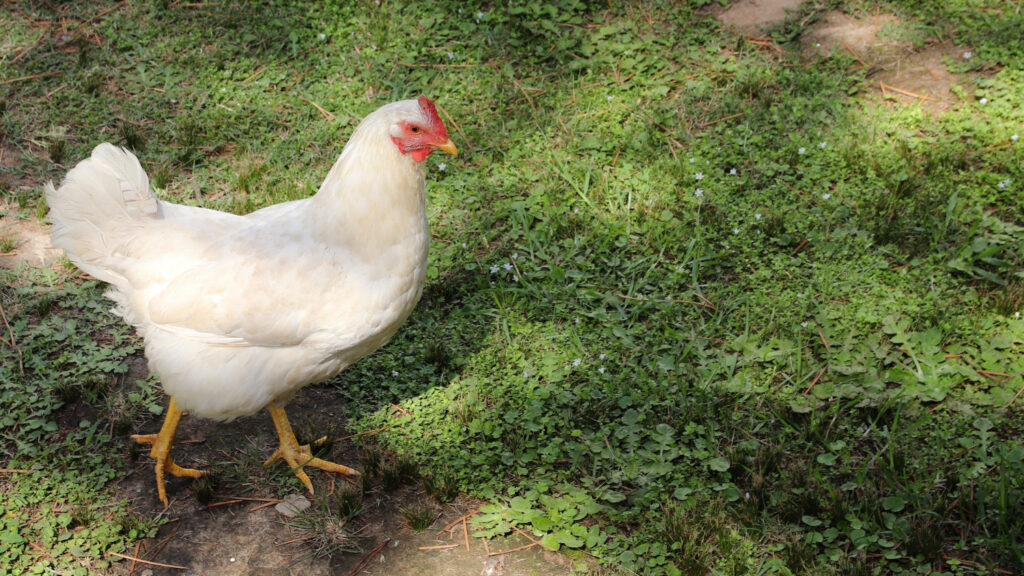
White Leghorns are a well-known breed, but industrial production Leghorns have been heavily modified for maximum egg output. These birds are leaner, more delicate, and lack the survival instincts of traditional heritage Leghorns. Modern Leghorns focus on efficiency rather than historical traits or hardiness.
If you want chickens that reflect true breed standards, behaviors, and long-term resilience, industrial Leghorns will not provide the same characteristics as heritage lines. Knowing the difference helps backyard flocks maintain authenticity and support preservation rather than industrial efficiency.
9. Recessively White Cornish/Rock Crosses Sold as Heritage
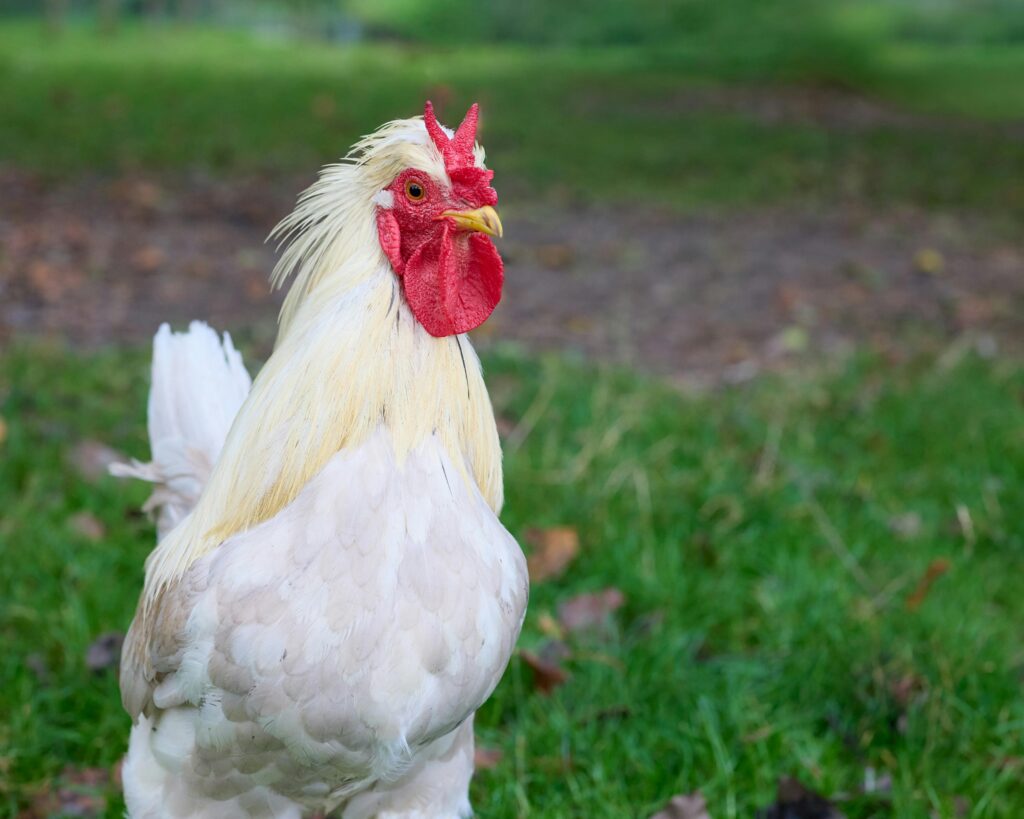
Commercially used for meat, recessively white Cornish/Rock crosses are often passed off as heritage breeds in niche markets. These birds grow quickly, lack the genetic diversity of true heritage meat breeds, and are selectively bred for industrial efficiency rather than traditional traits.
While they may appear similar to historic stock, their fast growth, high feed conversion, and industrial ancestry make them unsuitable for traditional farming, small-scale homesteads, or conservation efforts. If your goal is to raise birds that reflect historic characteristics, slow maturation, or long-term viability of true heritage poultry.
10. “Fake” Araucanas: Easter Eggers Passed Off as True Birds
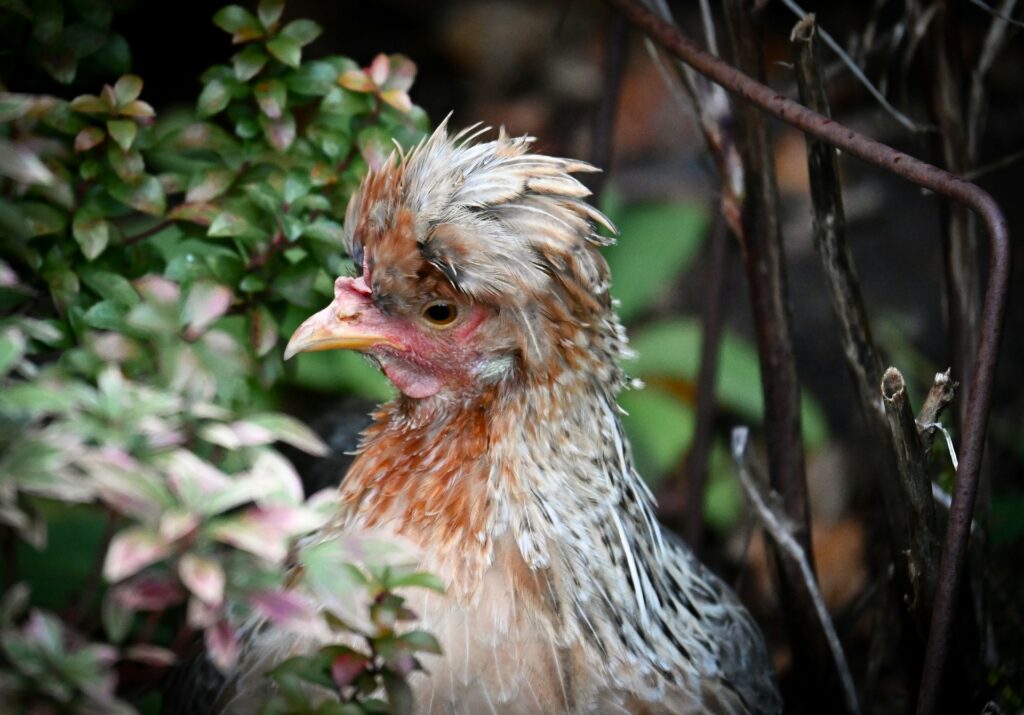
Many hatcheries sell Easter Eggers labeled as Araucanas, but true Araucanas are rare and maintained primarily by specialty breeders with careful lineage records. Easter Eggers are hybrids with mixed ancestry, created specifically for colorful egg production rather than breed purity or preservation of classic traits.
Raising these birds under the Araucana name does not protect historical genetics, appearance, or characteristic behaviors. If your priority is supporting heritage poultry and maintaining authentic breeds, sourcing from reputable breeders is key, as is understanding the color patterns and behaviors that define true Araucanas.