8 Supermarket Sushi Cases Everyone Knows to Avoid

Supermarket sushi has gone from being a dangerous convenience to a billion-dollar business, but not all refrigerated cases are the same. Some grocery stores hire professional sushi chefs to make rolls fresh every day, while others use third-party distributors and long shelf life that go beyond what is safe for food. Many chefs warn that the “grab and go” aspect of these incidents can make people feel safe with raw seafood when they shouldn’t. The temperature of the case and how clear the labels are can make the difference between a good snack and a week of food sickness.
Food safety inspectors and professional organizers say that the way the sushi area is set up can tell you a lot about how clean the store is. “Experts say that if you see condensation on the inside of the plastic lids, it is an immediate red flag for temperature fluctuations,” says one health consultant. Retail space designers say that sushi cabinets that are near busy entrances or under strong lights that give off heat are more likely to spoil. It’s about knowing that sushi is a ticking clock of freshness and knowing what to look for can help you avoid making a very costly mistake.
1. The “Reduced Price” Late Night Case
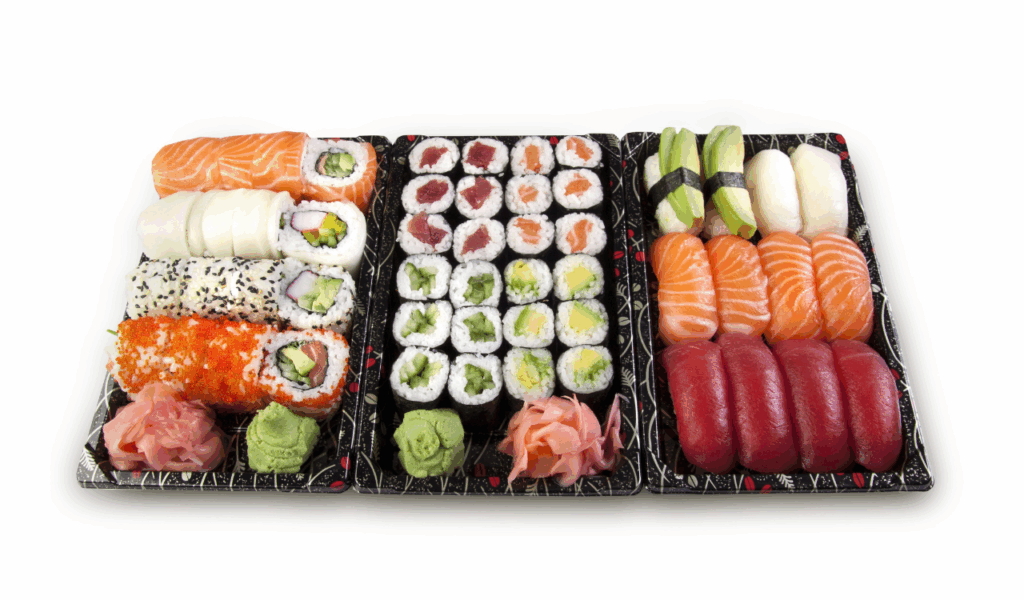
The “Manager’s Special” sticker on a sushi roll means that the fish and rice are getting close to the end of their safe eating time. Professional organizers say that sushi is best eaten four to six hours after it is made. A roll that has been sitting all day is a textural mess. Experts claim that as sushi becomes older, the rice changes and becomes hard and chalky, while the fish starts to leak liquids that make the sushi mushy and good for bacteria.
Contractors who install commercial kitchens say that the “clearance” shelf is generally the farthest away from the cooling fans, which means it could be warmer than the rest of the cabinet. Culinary experts say that badly stored raw seafood that has been sitting about for a long time is far more likely to cause histamine poisoning.
A food safety auditor adds, “Organizers recommend avoiding any raw fish that is marked down, as the savings are not worth the potential health risks.” Designers of grocery store layouts often exploit these promotions to get rid of old stock. However, smart shoppers know that raw tuna and salmon should never be regarded like a box of cheap cereal. If the price appears too good to be true, it’s probably because that roll’s peak safety time has already passed.
2. The Case Nestled Between the Rotisserie Chickens
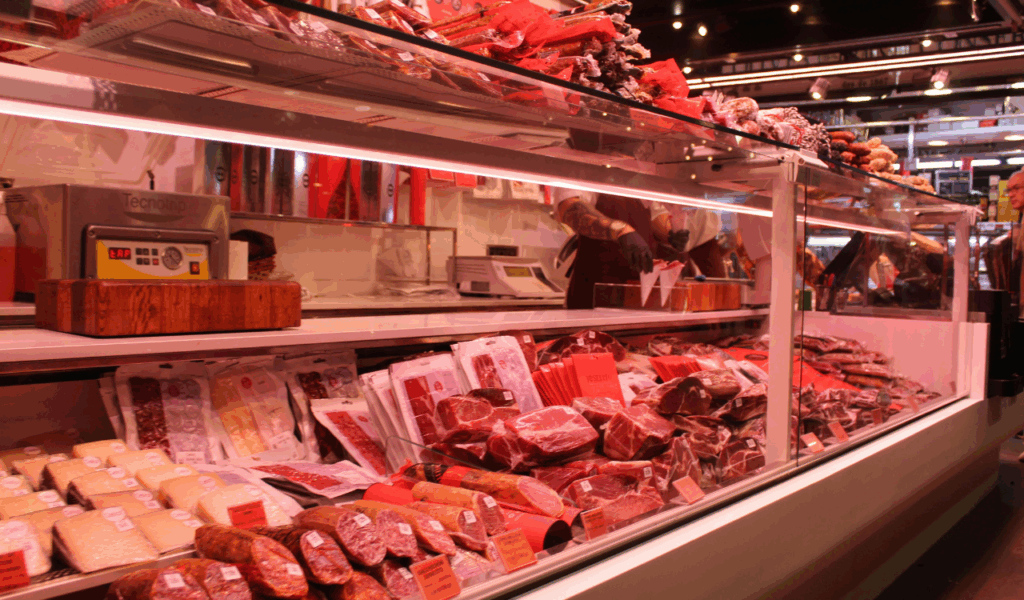
In a grocery store, location is crucial. Putting a cold sushi case right next to a hot rotisserie chicken stand is a prescription for disaster. Designers of efficient supermarket layouts say that “heat bleed” from warming lamps and ovens can make the temperature inside adjoining refrigerated units go higher. Experts believe that viruses like listeria might grow faster if the case temperature goes up by merely two degrees. Professional restaurant space flippers say that keeping a strict cold chain is almost impossible when the cooling unit is always fighting a neighbor who is 160 degrees.
Food safety experts say that the risk of cross-contamination goes up in these “prepared food” areas with a lot of people. A retail consultant says, “Experts say that being close to steam and hot oils can affect the seal of the sushi containers, causing them to spoil too soon.” Organizers say that you should always search for a sushi station that has its own separate cooling area, away from the deli’s heat. You should keep walking and look for a cooler part of the supermarket if you can feel the warmth from the chickens while you reach for a hot tuna wrap.
3. The Bulk “Party Platter” Open Reach-In
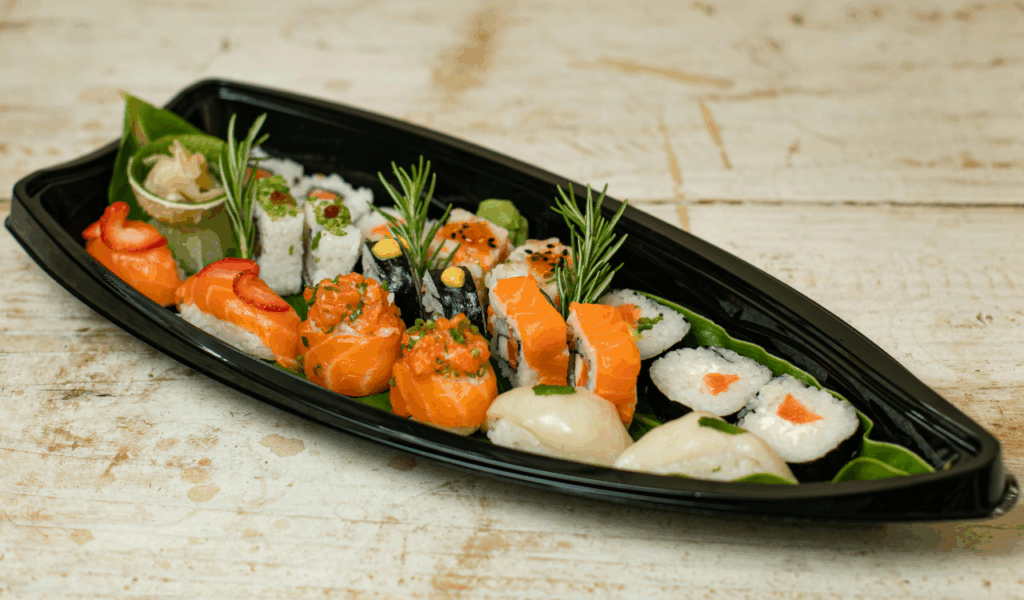
People like open front refrigerated cases for big things like party platters, but they are not very good at keeping raw seafood at a steady temperature. Designers say that the “air curtain” that is supposed to keep the cold in is readily broken by drafts from the store and people walking by. Experts claim that the top layers of these big platters are generally a few degrees higher than the bottom layers, which makes the freshness uneven.
Professional organizers say that these open cases are also vulnerable to “ambient debris” from the store, which can include everything from dust to cough droplets from shoppers leaning over the bins.Culinary experts say that the large amount of fish on a party platter means that if one piece is damaged, the whole tray is at risk.
A health inspector states, “Organizers say that if the case doesn’t have a physical glass barrier, the risk of temperature spikes is just too high for raw consumption.” Designers say that “closed door” cases that need you to pull a handle are better since they keep things considerably more steady. When it comes to raw fish, having a reach-in container is never worth the loss of a controlled, cool environment.
4. The Unattended Third-Party Distributor Shelf
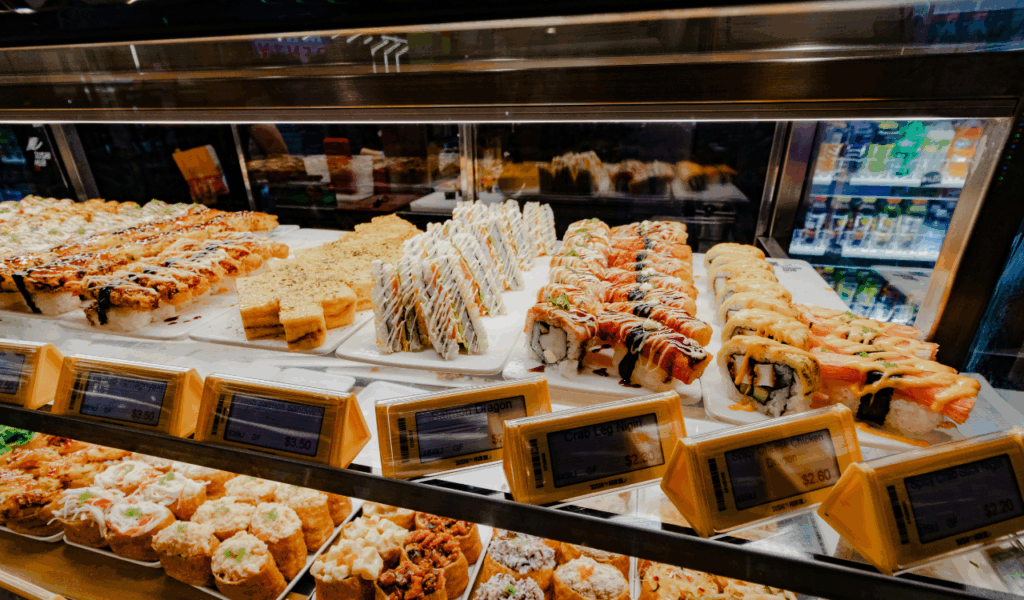
A lot of grocery stores don’t have a sushi chef on staff. Instead, they get delivery from third-party distributors once a day or every other day. Experts claim that because there is no one on site to watch the case temperature or pull old product in real time, there is no one to do these things. Professional grocery store flippers say that these “ghost stations” generally have the most outdated products and wrong labels. Organizers say that without a chef there to answer questions about when the fish was cut, you are really playing seafood roulette.
Food safety experts say that the most typical place for sushi to go bad is during the trip from a central commissary to the store. A logistics expert says, “Experts say that if the refrigeration on a delivery truck fails for even thirty minutes, the shelf life of the sushi is effectively over.” Designers of high-end markets put live sushi kiosks at the top of their lists because having a chef there makes the food fresher and more accountable. If you see a shelf of sushi but no one in a white coat nearby, it means that the sushi has traveled a long way to get to you.
5. The Case with “Cloudy” or Frozen Rice
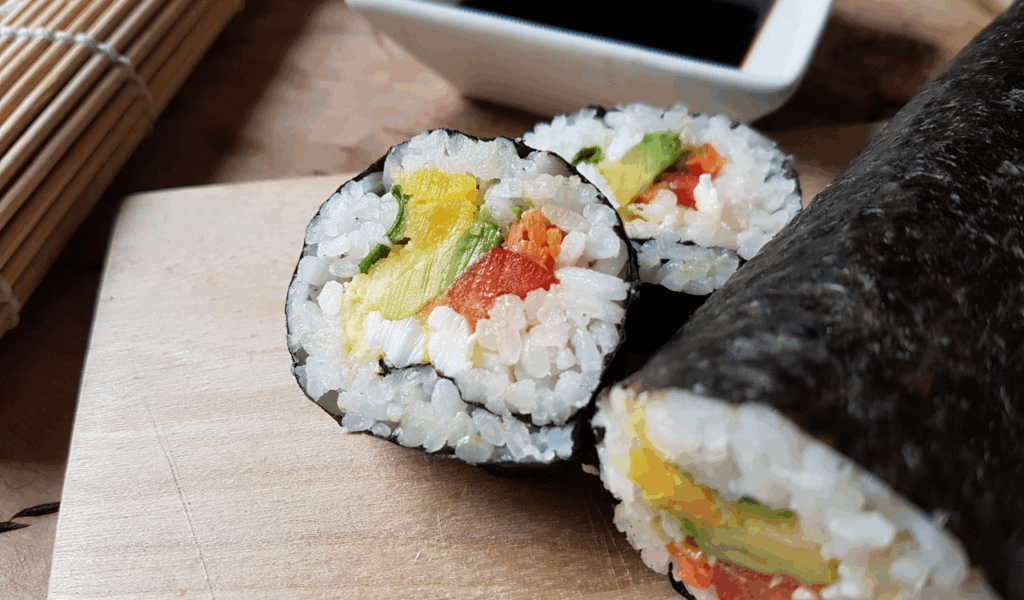
The texture of the rice is the best way to tell how long a sushi roll has been in a cold case. When taking pictures of food, designers often use fresh, see-through rice to show that the dish is good. But in a shop case, rice often turns a boring, opaque white. Experts suggest that the “cloudiness” is caused by the starches crystallizing in the cold, which also makes the rice taste like dry cardboard.
Professional organizers say that if the rice feels firm through the plastic or looks frozen, the case is either too cold or the roll is a few days old. Experts in cooking say that freezing can remove some parasites, but it also breaks down the delicate cells in raw seafood and makes the rice inedible. A sushi chef explains, “Organizers say that if the rice isn’t soft and a little shiny, the roll has lost its taste and maybe even its safety.
” High-end sushi case designers use special humidity controls to keep the sushi from drying out, but most regular grocery cases don’t have these capabilities. Hard rice is a sign that the store cares more about how long the food will last than how good and safe the ingredients are.
6. The Sushi Case at the Pharmacy-Side Entrance
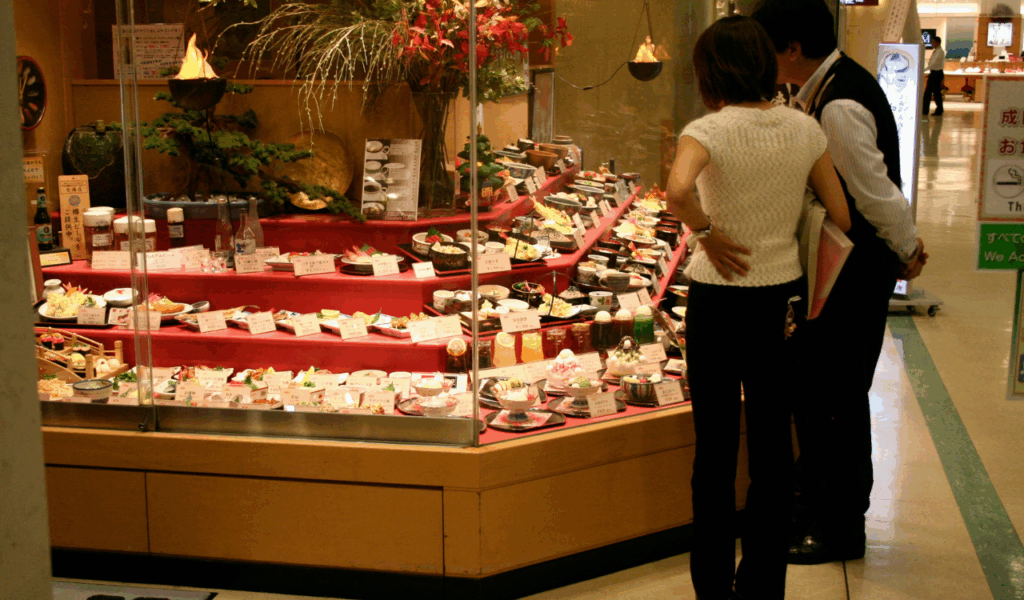
Many larger “big box” grocery stores include a second entry near the pharmacy or liquor aisle. This entrance has a small, unattended sushi display where you may quickly grab a bite to eat. Designers of retail traffic flows recognize that these are spots where people are likely to make quick decisions, yet staff typically ignore them. Experts claim that these cases often get sunlight from the doors next to them, which might make “hot spots” inside the refrigeration unit.
Professional flippers say that these secondary stations frequently have lower turnover rates, which means that the sushi stays there longer than it does at the main deli counter.
Health inspectors often find that these faraway cases don’t get checked as often for temperature logs or expiration dates.
A food safety auditor says, “Experts say that the ‘convenience’ of these satellite cases often comes at the cost of strict safety oversight.” Organizers say that you should always buy your sushi from the main, busy station where the food is always being changed. There is a dusty case at the back of the store where old rolls that should have been taken out hours or days ago go to die.
7. The Mystery “Seafood Salad” and Poke Bin

Poke and “seafood salads” from the supermarket are often a good way to use up fish scraps that weren’t nice enough for rolls. Designers of profitable menus call this “inventory stretching,” but for the diner, it means you are eating the oldest sections of the fish. Experts suggest that putting spicy mayo or soy sauce over old tuna is a common approach to hide the dull color and slightly “off” smell of seafood that has been around for a while.
Professional organizers say that these bulk bins have a lot of surface area that is open to the air, which speeds up oxidation and rotting. Culinary experts say that the shared “scoop” in these bins is a big source of cross-contamination. A hygiene expert explains, “Organizers advise avoiding any raw seafood that isn’t pre-packaged, as the risk of bacteria from other customers is extremely high.
” Modern grocery store designers are getting rid of these open bins because it’s hard to keep them at a safe, consistent temperature. If the fish is swimming in a pool of sauce in an open container, it’s probably a “chef’s recommendation” that is really a “kitchen’s cleanup” project.
8. The Case with “Mashed” or Liquid-Filled Trays
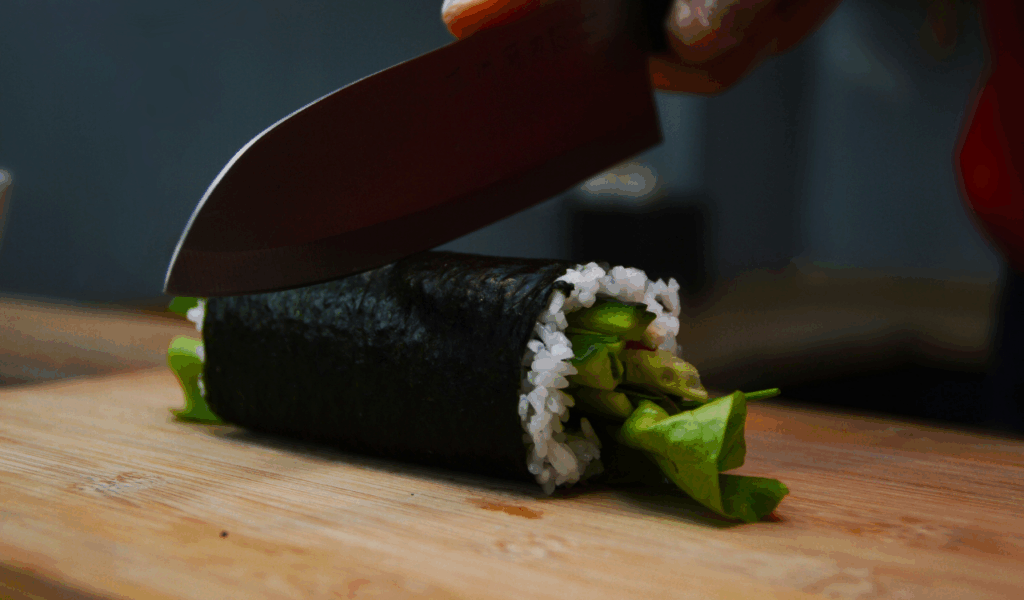
The fish, rice, and veggies on a sushi tray should be easy to tell apart. Experts suggest that if the roll looks “mashed” or there is a puddle of liquid at the bottom of the tray, the fish is starting to break down. The protein “weeping” is a symptom that the cells are breaking down, which happens when the fish is frozen and thawed many times. Professional flippers say that these trays full of fluids are a breeding environment for bacteria and show that the store’s refrigeration or handling operation isn’t working.
Food packaging designers say that a clean, dry tray is a sign of a fresh product. A seafood distributor says, “Experts say that the presence of ‘fish juice’ in the packaging is a sign that the enzymes are already working to decompose the meat.” Before you get to the checkout, the people in charge say you should always tilt the tray a little to see if there is any hidden liquid. If the contents look like they are starting to blend together into a single, sloppy mass, that is a clear sign that the sushi is no longer fresh and should be avoided at all times.