11 Food Spots Locals Continue to Recommend
Unassuming stores and ancient dining rooms that locals have preserved for generations are often the genuine heart of a city’s culinary scene, not the glossy pages of travel brochures. “Recommendation longevity” is the ultimate measure of a restaurant’s value, according to local food critics and culinary experts. It shows a unique balance between constant excellence and cultural significance.
A place transcends culinary fads when it establishes itself as a neighborhood mainstay, providing a dependable sensory experience that people frequent for solace and camaraderie. According to experts, the personnel at these iconic institutions frequently knows the regulars by name, serving as the “living rooms” of a city.
In order to locate these locations, hospitality consultants and experienced tourists advise searching for “the steady line”—a line of residents who are prepared to wait because they are aware that the benefits outweigh the inconvenience. Experts disclose that these restaurants frequently concentrate on honing a fairly limited menu, making sure that each dish is a masterpiece in its own right.
According to experts, the best restaurants are those that put traditional methods and real ingredients ahead of contemporary gimmicks. Eating where the people dine gives you a knowledgeable understanding of the history and culture of the area, guaranteeing a fine dining experience that is authentically heartfelt and grounded.
1. The Historic Waterfront Oyster House

Locals in coastal communities almost usually direct tourists to the oldest oyster houses, where each bite embodies the saltwater legacy. According to expert fishmongers, these businesses thrive by keeping close, exclusive ties with regional harvesters, guaranteeing a “dock-to-table” freshness that bigger chains are unable to match.
According to experts, the ultimate test of a restaurant’s integrity is how simple it is to serve a raw oyster on the half-shell. These locations offer a classic setting where the natural sweetness and brine of the catch are the only things being highlighted.
Interior designers claim that the “weathered” look of these neighborhood favorites—old brass fixtures and scuffed oak counters that bear witness to decades of use—is frequently what makes them so appealing. Experts say that the significant product turnover at these well-known locations ensures quality and safety. Chefs advise going “off-peak” to talk to the shuckers, who are frequently the ideal people to ask about the greatest variety of the day. Making it a habit to visit local seafood pillars guarantees a genuine, high-quality experience that puts you in close proximity to the nautical environment.
2. The Multi-Generational Dim Sum Palace
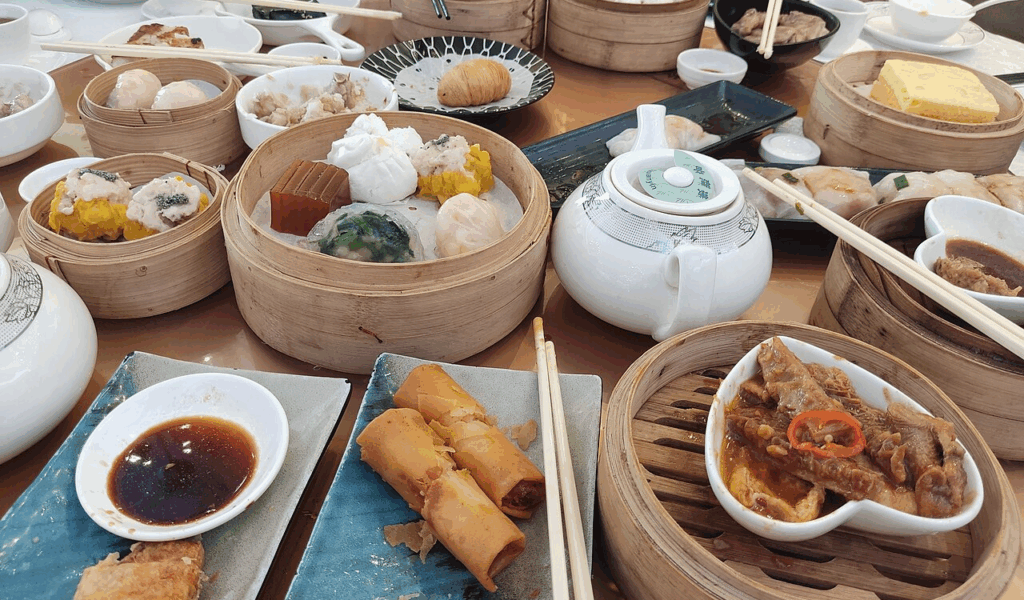
A big dim sum hall that has been in the same family for decades is always the local choice for weekend brunch in busy urban areas. The “push-cart” practice is frequently upheld as a sign of authenticity in these palaces, which are the center of the community, according to culinary historians. According to experts, only institutional memory can sustain the level of specialized ability needed to make dozens of distinct dumplings every day. The social fiber of the city is defined by this sensory festival of steam, clinking tea cups, and lively discussion.
Professional chefs claim that the “must-order” dishes are typically the ones that the restaurant has been producing since the beginning, like the rich char siu bao or the translucent har gow. Experts say that the quick and effective service contributes to the local appeal by enabling a quick but incredibly fulfilling lunch.
The opulent, frequently gilded interiors that evoke a feeling of occasion without the pretense of contemporary fine dining are admired by designers. This place is a favorite because it provides a steady, upbeat atmosphere where the tea’s quality is equally as vital as the food.
3. The Hole-in-the-Wall Ramen Den
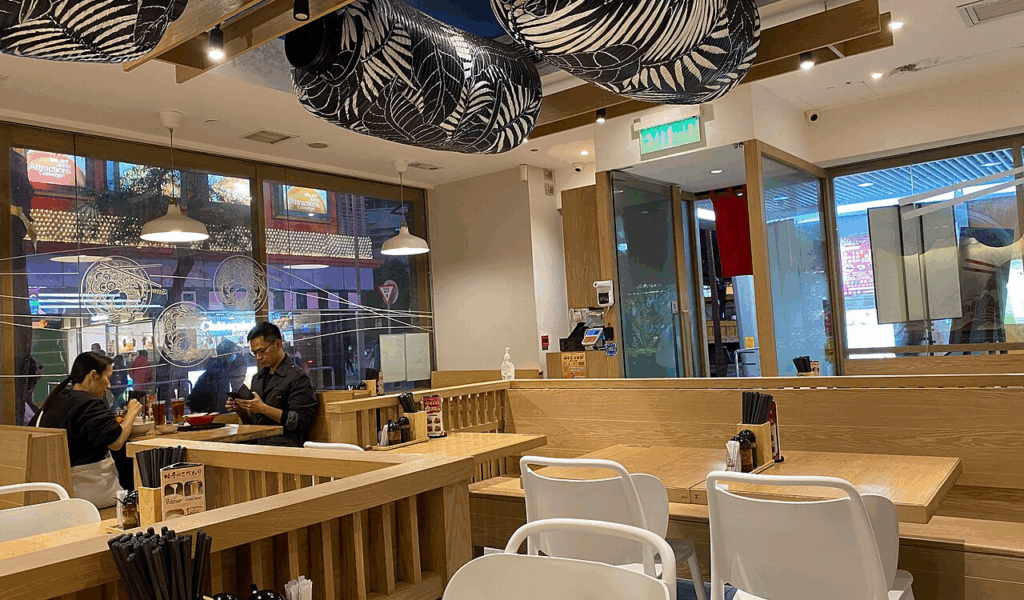
Every resident has a favorite “secret” place to get ramen, which is typically a small, steamy area hidden in a basement or a peaceful side street. According to expert chefs, the best dens have a depth of taste that cannot be rushed since the broth (tonkotsu or shoyu) has been boiling for at least twenty-four hours. According to experts, the handmade noodles’ “al dente” quality is what distinguishes a recommended restaurant from a generic one. A celebration of the “craft of the bowl,” this lunch offers a quiet, filling escape from the bustle of the city.
The “etiquette” of a local ramen den, where slurping is encouraged and the dish is finished swiftly, is considered a sign of respect for the chef’s labor, according to hospitality experts. According to experts, these establishments frequently use a ticket machine method to expedite orders, concentrating all of their efforts on the kitchen rather than table service.
Because of its “minimalist utility,” where every square inch is devoted to the diner’s comfort and the cook’s efficiency, designers suggest these areas. This restaurant is still a local favorite because it provides a world-class, reasonably priced dining experience in a totally casual setting.
4. The Traditional Wood-Fired Trattoria

The Italian restaurant that has the oldest wood-fired oven and the most obstinate devotion to local cuisine is nearly usually the one that locals suggest. The high, dry heat of ancient masonry is the only way to achieve the “char” on a Neapolitan crust or the slow-braised richness of a ragu, according to culinary experts.
According to experts, these trattorias serve as stewards of flavor, declining to use contemporary shortcuts that weaken the dish’s essence. This dish highlights the beauty of a few premium ingredients and feels like a warm invitation into a family kitchen.
The most popular trattorias, according to interior stylists, have a “no-frills” style, with open kitchens and checkered tables, to keep the guests’ attention on the scent of boiling tomatoes and burning oak. According to experts, the house wine, which is frequently purchased from the owner’s native area, is a dependable and reasonably priced beverage that residents highly recommend.
Because of their “honest” ambiance, where the sound of the kitchen contributes to the room’s music, designers choose these locations. This establishment remains a fixture because it provides a constant, high-quality touchstone of tradition in a world of transient cuisine trends.
5. The Hidden Garden Tea Room

Hidden garden tea shops, which provide a slower, more elegant pace of life, are frequently a haven for locals away from the main thoroughfares. According to architects and landscapers, these areas are intended to be “urban oases,” employing vegetation and water elements to produce a peaceful microclimate. High tea or a simple afternoon infusion is a potent tool for mental reset, according to experts. Locals have been coming back for decades because of the quality of the clotted cream and house-made scones, according to hospitality experts.
These areas are recommended by interior designers because of their “botanical elegance,” which makes the change from the street to the garden seem like a step into a new age. Experts disclose that these locations, which preserve the city’s architectural legacy, are frequently found in old homes or repurposed greenhouses.
According to experts, the garden’s “seasonal” design means that the ambiance varies throughout the year, providing a fresh experience each time you visit. Because it offers a classy, superior getaway that rewards those who know where to look, this tea parlor is a local favorite.
6. The 24-Hour Neighborhood Deli
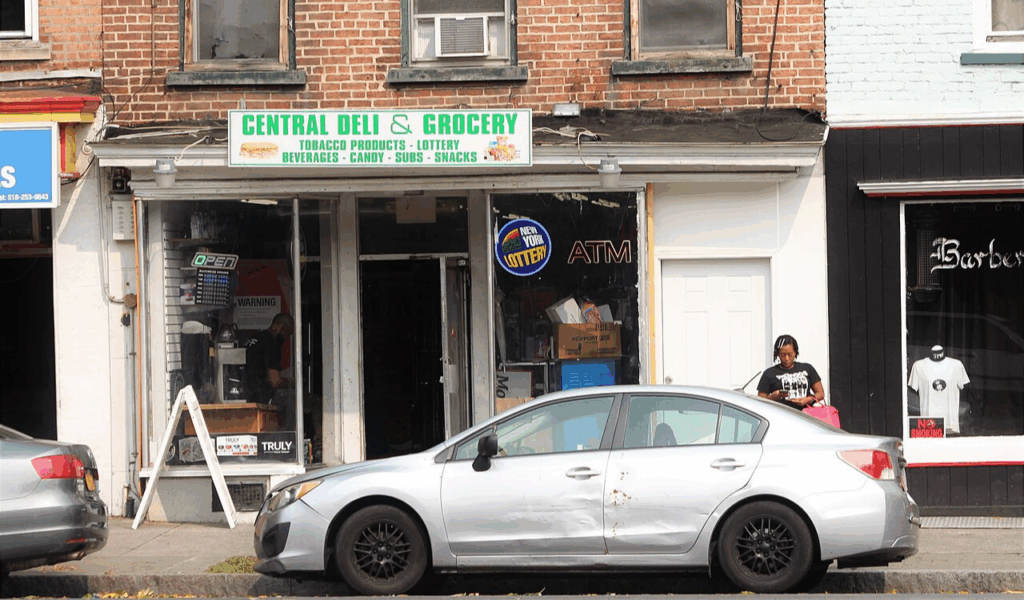
The 24-hour deli is a haven for everyone in sleep-deprived cities, from early-morning commuters to late-shift employees. These places are the “engines” of the neighborhood, offering high-protein, high-energy meals at any time of day, according to professional chefs and organizers.
According to experts, the city’s characteristic sandwich, which is typically a massive heap of salt beef or pastrami, is a cultural icon that embodies the city’s generosity and roughness. This custom of going to the neighborhood deli guarantees a dependable, straightforward dinner that has not altered in more than 50 years.
Realtors claim that a neighborhood’s “livability” is frequently measured by the existence of a renowned deli. Experts disclose that the “speed of the counter” is a type of performance art in which commands are yelled and put together with amazing accuracy. The decor’s “functional nostalgia”—neon signage and stainless steel counters that have gleamed for generations—is admired by designers. This location is suggested because it conveys a feeling of stability and permanence, demonstrating that genuine excellence can succeed without a closing time.
7. The Artisanal Boulangerie and Patisserie
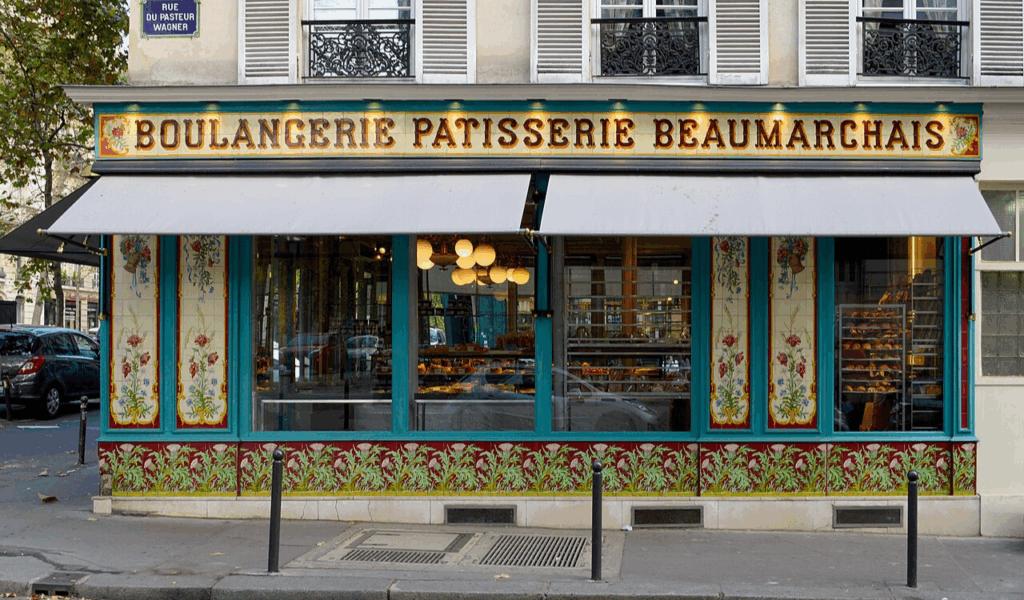
The neighborhood’s most revered person is frequently the neighborhood baker, who supplies the “daily bread” that keeps the community going. According to expert bakers, the best boulangeries use the “slow fermentation” method, which produces a baguette with a rich, airy interior and a shatteringly crisp crust.
The pastry counter, which is stocked with beautiful tarts and eclairs, is a celebration of the city’s artistic side, according to experts. Because it provides a superior, sensual start to the day that a supermarket can never match, this location is highly recommended.
Culinary experts claim that the aroma of caramelized sugar and fresh yeast is the best advertising a restaurant can have. To ensure customers get the warmest, freshest food, experts say locals know exactly when the “second bake” comes out of the oven. These areas are suggested by designers for their “open-view” kitchens, which showcase the baker’s art. Because it offers a daily dose of quality and workmanship that is both reasonably priced and vital to the local way of life, this establishment continues to be a pillar of the community.
8. The Legacy Steakhouse and Grill
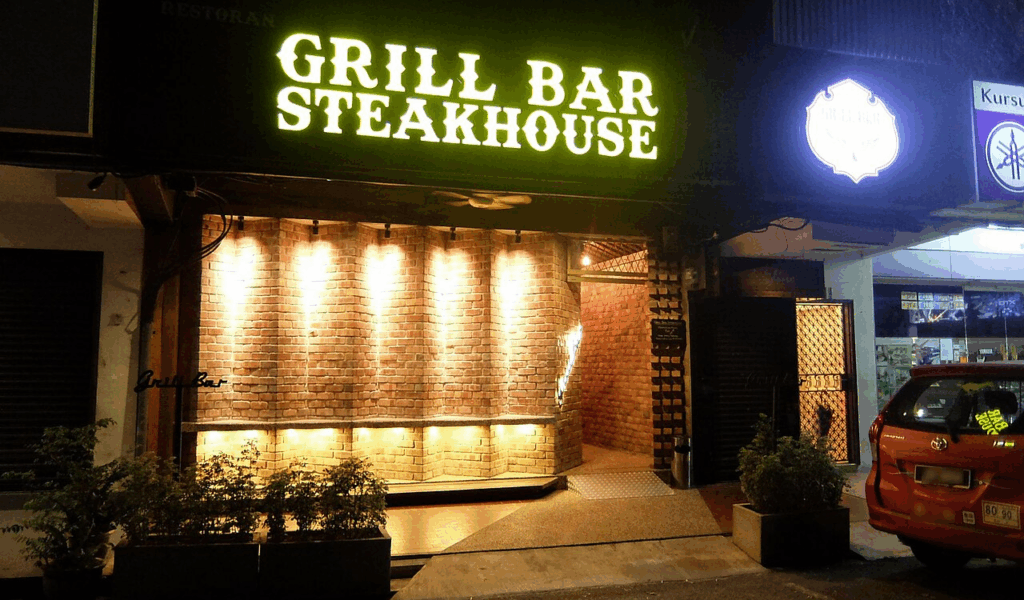
Locals regularly return to the historic steakhouse, where the menu has not changed since the 1960s and the waiters have been there for thirty years, to celebrate milestones. Expert butchers disclose that these establishments keep their standing by obtaining the “prime” portions of meat before they are even available for purchase.
Experts claim that the steaks’ distinctively concentrated flavor and soft texture are the result of the “dry-aging” procedure, which is frequently carried out in-house. It is a supper that honors the ranch’s excellence and the art of the fire.
Hospitality specialists claim that the legendary steakhouse’s “theatre”—flambé desserts and tableside salad preparation—contributes to its timeless allure. Experts explain that the “sear”‘s consistency is due to high-heat infrared broilers, which are not found in most contemporary kitchens.
The “clubby” ambiance—dark leather seats and low lighting—that offers a feeling of seclusion and ageless appeal is admired by designers. This location is suggested because it provides a consistent, high-performance excellence that guarantees each special occasion feels genuinely important and respected.
9. The Street-Side Taco or Kebab Stand
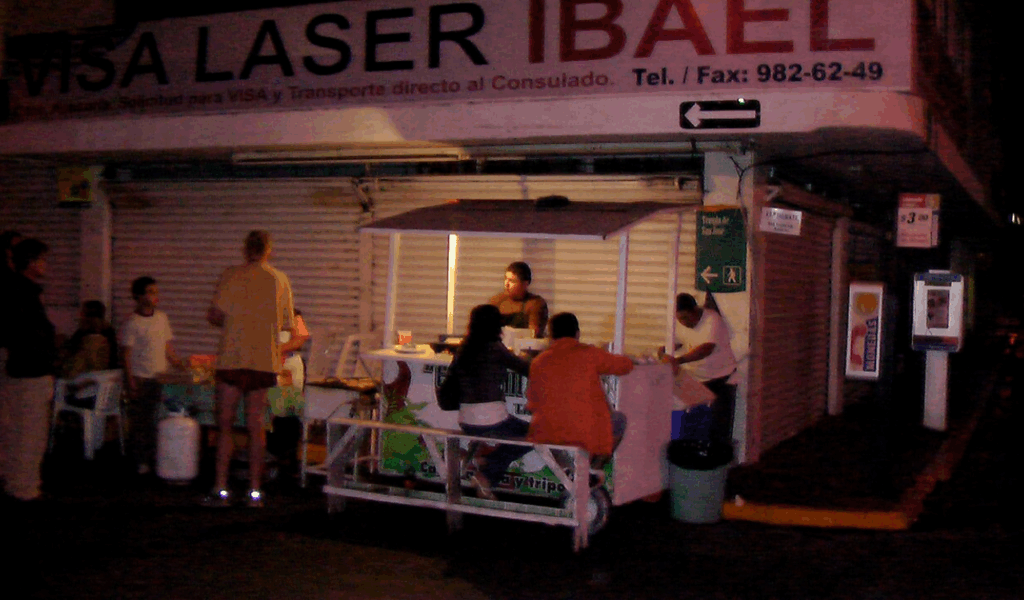
A little street-side business that specializes in one or two foods is frequently the most highly recommended dining destination in a city. The “vertical spit” (for shawarma or al pastor) is a masterwork of heat control, according to professional chefs, allowing the meat to baste in its own juices until it is perfectly soft.
The “foundation of flavor” that distinguishes the legends from the copycats, according to experts, is the handmade tortillas or flatbreads. Because it provides a high-quality, quick dinner that embodies the city’s lively, multicultural energy, this place is a favorite.
The “crowd” surrounding a stand is the only clue you need to locate the greatest location in town, according to travel experts. Experts disclose that the house-made salsas or sauces, which are protected like state secrets, frequently hold the key to the flavor. Designers suggest these locations because of their “guerrilla efficiency,” which allows a world-class dinner to be prepared in an area no bigger than a closet. This stand is still a mainstay in the area because it offers a strong, easily accessible flavor experience that honors the city’s “on-the-go” culture without sacrificing the caliber of the ingredients.
10. The Historic Tapas or Meze Bar
The “stand-up” bar, where the counter is adorned with little, colorful plates and the floor is strewn in napkins, is always the local choice in places with a Mediterranean or Spanish influence. These bars are the pinnacle of “social dining,” according to culinary experts, where the meal consists of several modest discoveries rather than a single enormous dish.
The variety of the meze, which includes marinated olives and salted fish, is a celebration of the region’s varied riches, according to experts. This grazing behavior guarantees a vibrant, excellent, and never dull meal experience.
The “fluidity” of a tapas bar, where patrons come and go throughout the evening, is what gives the city its distinct social rhythm, according to hospitality experts. You can “eat with your eyes” before placing your order, as experts explain that the best items are frequently those that are on display on the counter.
The “tiled elegance” of these antique pubs is admired by designers, who created them to be both aesthetically pleasing and robust enough to withstand decades of boisterous audiences. This location is still a favorite because it provides a dynamic, adaptable atmosphere that encourages curiosity and camaraderie.
11. The Traditional Noodle or Pasta Workshop
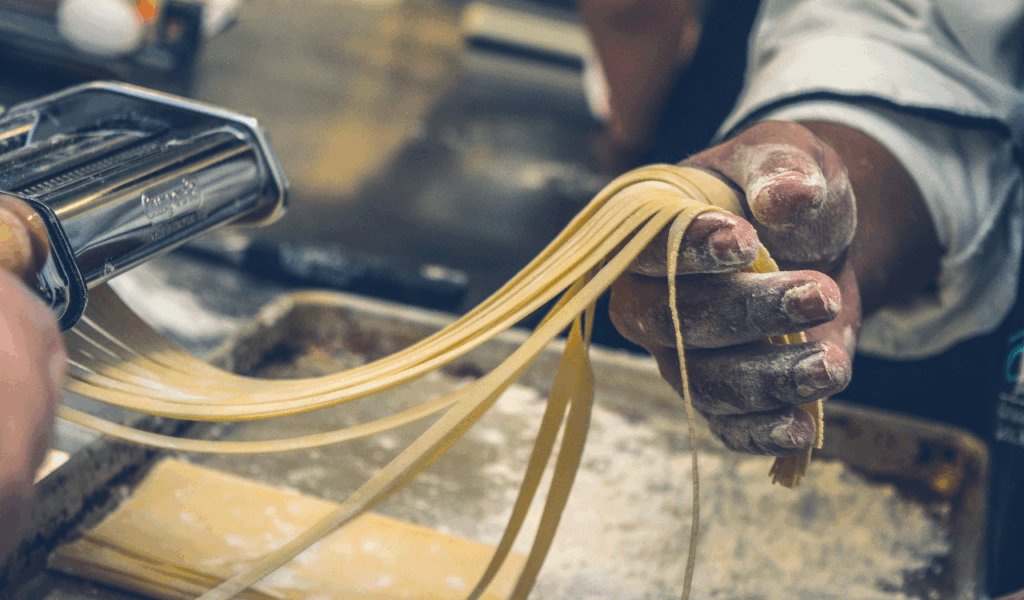
The best local tip is frequently a workshop where you can observe the dough being pulled, chopped, or molded by hand and there is no separation between the kitchen and dining area. The “freshness” of the noodle is a sensory sensation that dried variations will never duplicate, according to professional chefs. The “bite” of a freshly made udon or a hand-rolled pici, according to experts, is the real sign of a master craftsman. This place is a celebration of the “art of the grain,” offering a straightforward, excellent meal that has a very artisanal and intimate vibe.
Interior designers claim that these workshops employ a “theatrical” arrangement that centers the experience around the maker. Experts disclose that the room’s temperature and humidity are meticulously controlled to guarantee the dough stays ideal all day. The small menu, which typically consists of only three or four seasonal sauces, experts believe, guarantees that the chef can concentrate fully on the noodle’s perfection. This place is well-liked because it provides an open, excellent culinary education that explains the origins of your cuisine and the level of skill needed to prepare it.