8 Everyday Systems That Keep Homes from Feeling Overwhelmed
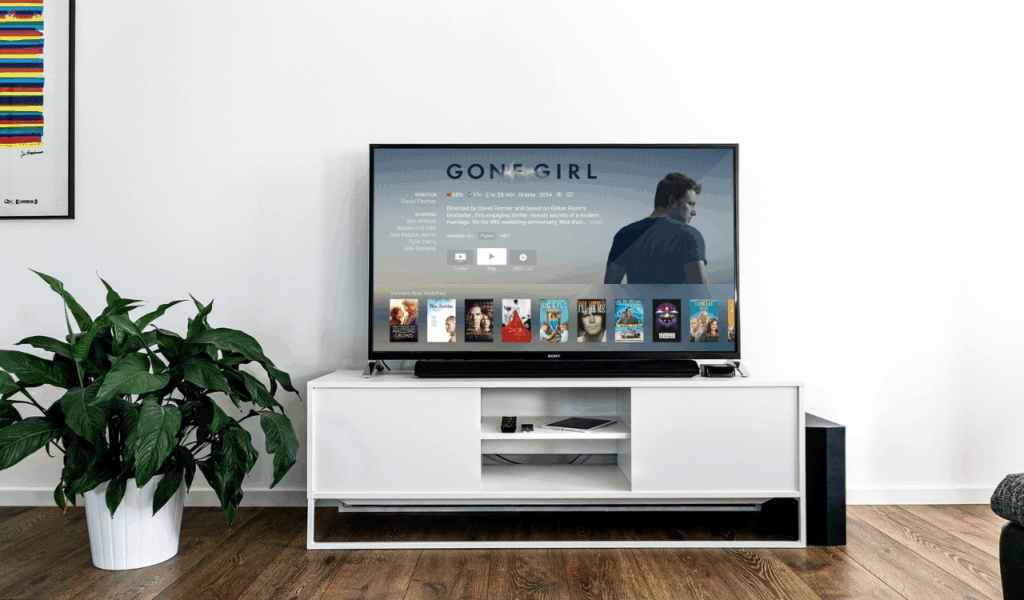
Unpredictable processes, rather than a lack of space, are frequently the cause of an overpowering house. Professional organizers say that the “chaos” we experience in our living areas is typically the result of decisions that are put off, such as the dishes left for tomorrow, the laundry that has not been folded, or the mail that has not been sorted. Implementing “micro-systems” that manage the complexities of everyday living before they become a significant burden is necessary to preserve a haven of serenity. Automatic routines serve as a silent stress-reduction mechanism, keeping the house a place of recuperation rather than a further source of fatigue.
The most “livable” homes are those where the upkeep is built into the design, according to interior designers and real estate agents. According to experts, you can establish a self-sustaining ecosystem of order by coordinating your daily routine with your physical surroundings. These eight methods offer an organized approach to household management that minimizes “visual noise” and are made to be low-effort yet high-impact. You may regain your time and energy by implementing these professionally recommended routines, which will also make your house a high-functioning space that feels serene, well-curated, and completely under control.
1. The “One-Touch” Mail Processing Rule

Because of the constant flow of paperwork, the foyer is sometimes the first area of a house to feel overburdened. The “one-touch” rule, which states that mail should be processed as soon as it reaches the house, is supported by professional organizers. Rather than setting a pile on the kitchen counter “for later,” you sort it right away into three groups: file, action, and recycle.
The “paper mountain” that frequently results in missed invoices and cluttered surfaces may be avoided, according to experts, by making a definitive choice on each piece of paper quickly. Designers advise setting up a special “action station” close to the door, complete with a chic letter holder and a tiny shredder. A clear entry console is a universal indicator of a well-organized, stress-free house, according to realtors.
You may successfully stop clutter at its source by getting rid of the “recycle” things before they even get to your living areas. Your flat surfaces will keep free and your vital documents will remain where they can be located without a desperate search thanks to this approach, which takes less than two minutes a day but offers a huge psychological relief.
2. Nightly “Closing Duties” for the Kitchen
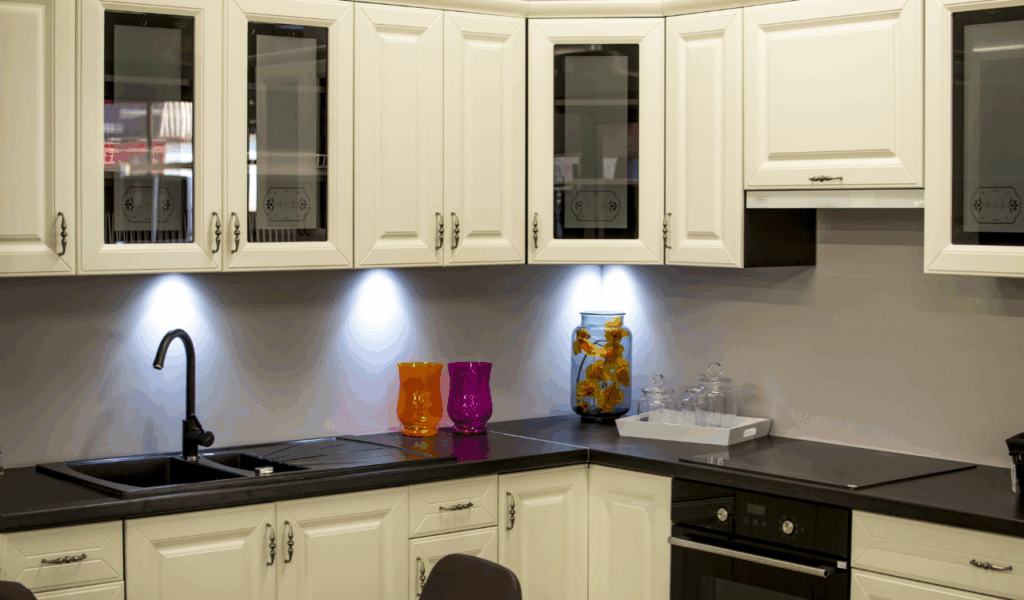
Chefs advise implementing “closing duties” in the home kitchen, as they guarantee that the morning shift starts with a fresh start in the restaurant industry. The morning “scramble” that creates a chaotic atmosphere for the rest of the day is avoided with a ten-minute reset every night that includes emptying the sink, wiping the counters, and filling the dishwasher. Professional organizer’s say that the best way to reduce stress in the home is to wake up to a clean kitchen. Instead of being instantly greeted by the mess from yesterday, it enables you to concentrate on your morning routine.
According to designers, this evening reset is accelerated by avoiding tiny appliances and gadgets on counters. Experts claim that a tidy kitchen creates a “visual peace” that permeates the entire house and serves as a focal point for the family. You create a habit that will safeguard you in the future by making this an unavoidable aspect of your evening. Every night, you offer yourself a gift of time and clarity, demonstrating that a little consistency in the evening results in a much more serene and manageable morning.
3. The “One-In, One-Out” Inventory Policy
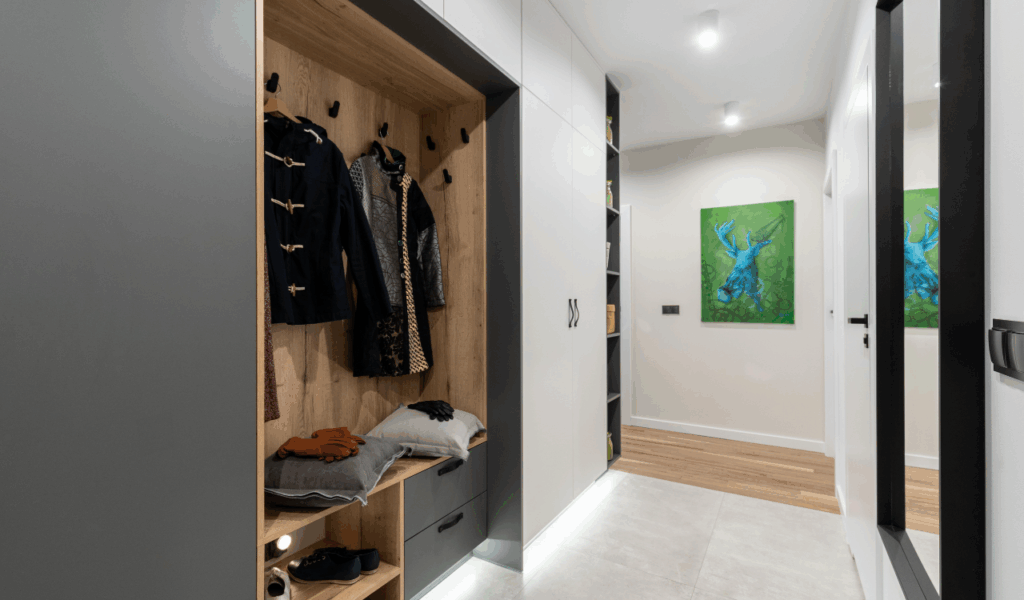
Many minimalists and designers adhere to the “one-in, one-out” guideline to keep your storage from being overcrowded with items as they gradually accumulate. According to this concept, one current item must be sold, donated, or thrown away for each new item brought into the house, whether it be a pair of shoes, a kitchen appliance, or décor.
According to experts, this ensures that your possessions never surpass the space of your shelves and closets by establishing a “static equilibrium” in your inventory. It makes you be more deliberate, which reduces impulsive buying and maintains the flow of your house.
To make these approach simple, professional organisers advise maintaining a “donation bin” in a handy place, such the garage or closet. Because they are never overcrowded, homes that follow this rule, according to realtors, always appear “staged” and roomy.
Making the deliberate decision to sometimes reorganize your possessions helps you avoid the “clutter creep” that ultimately necessitates a significant, draining purge. It is a sustainable way of living that guarantees your house will always be a well-chosen representation of your present requirements and preferences.
4. Designated “Zone-Based” Cleaning Sprints
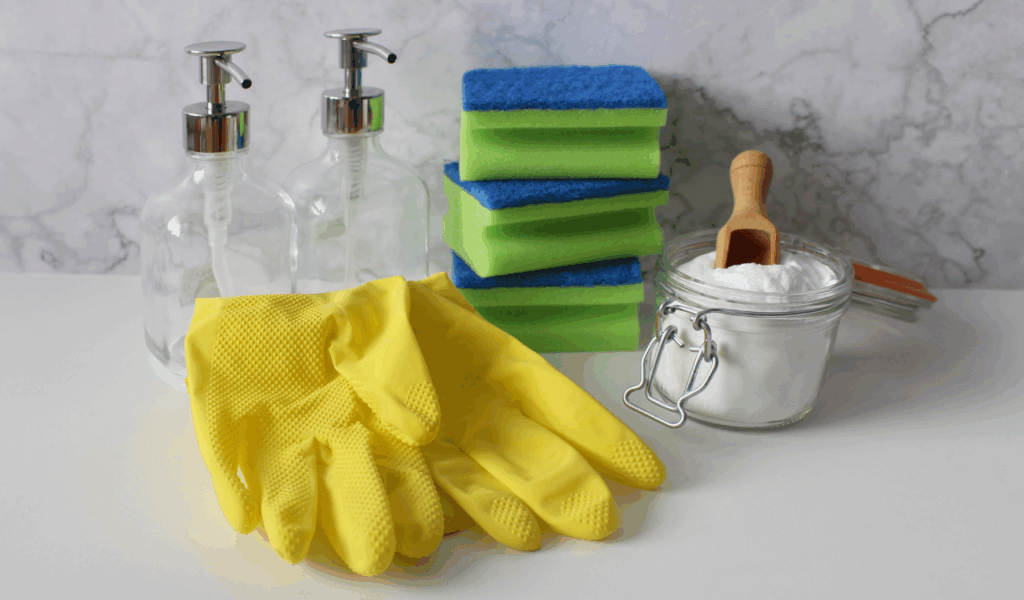
Professional cleaners and organizers suggest “zone-based” cleaning sprints as an alternative to trying to clean the entire house in a single, exhausting weekend session. You may maintain a baseline level of cleanliness without ever feeling worn out by setting up just fifteen minutes each day for a particular zone, such the living room on Tuesdays or the bathroom on Mondays.
These brief activity bursts, according to experts, are more sustainable for hectic schedules and keep any one part of the house from turning into a “problem zone” that takes hours of work to fix. To make starting easier, designers advise putting a tiny “cleaning kit” in each main area, such the laundry room or beneath the bathroom sink.
This “preventative maintenance” strategy, according to hospitality professionals, keeps the house always ready for visitors. You can turn a difficult task into a doable component of your everyday routine by segmenting the work into small chunks. This technique makes sure the house remains clean and welcoming, demonstrating that regular little efforts are far better than big, infrequent ones.
5. The “Launchpad” Entryway Preparation
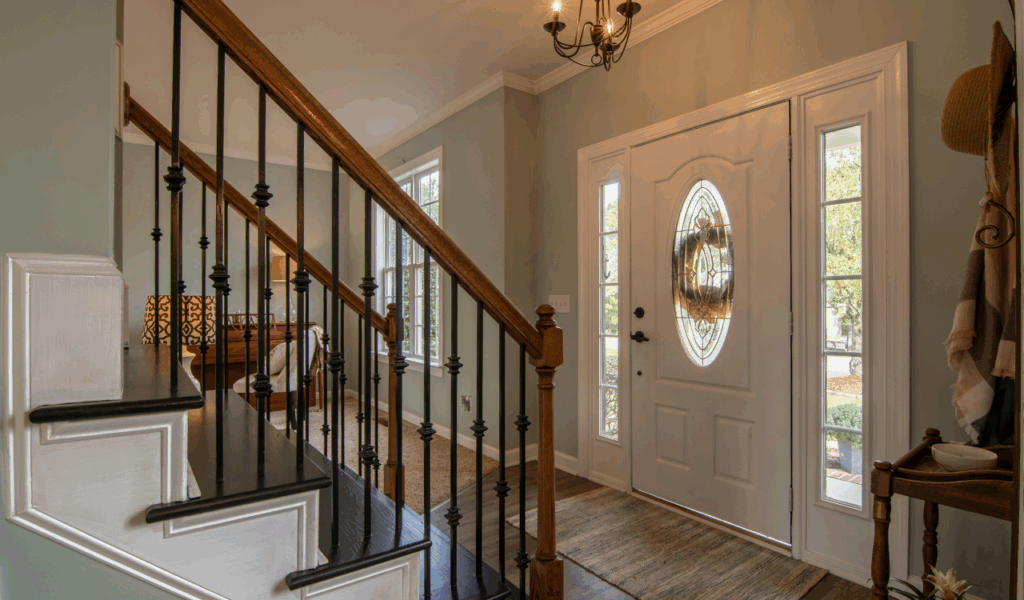
A hasty morning departure can leave a mind frazzled and a house in ruins. Professional organizers advise using the “launchpad” approach to counteract this. Keys, bags, lunches, and work supplies are all gathered each evening and placed in a certain location close to the entrance for the next day. Experts say this lets you leave the house in peace and on schedule by doing away with the “morning hunt” for misplaced goods. You can preserve the order of your doorway and the flow of your morning by preparing the departure the night before.
Designers advise defining this area with a wall-mounted organiser or a chic seat with compartments. A thoughtfully designed “drop zone” is one of the most useful elements a house can have, according to real estate agents. You can also avoid having your transition items strewn all over the dining table or kitchen island by centralizing them. A potentially tense changeover is transformed into a seamless, dependable routine by this technique. It guarantees that the “visual noise” of your possessions is kept in one sensible location, maintaining a calm and concentrated atmosphere throughout the rest of the house.
6. Systematic “Batch” Laundry Processing

If not handled methodically, the never-ending cycle of laundry can easily take over a home. Instead of doing small, sporadic loads, “laundry experts” and professional organizers advise a “batch processing” method. By designating certain days for particular categories—like “Bedding Monday” or “Towels Wednesday”—you have a dependable schedule that guarantees nothing is ever overlooked. To keep the ‘laundry mountain’ from building up on the sofa, experts advise doing the entire cycle—wash, dry, fold and put away—in a single day.
To save time on washing day, designers advise pre-sorting clothing by color or fabric type in a multi-compartment hamper. A regular linen and towel schedule guarantees that the house is always stocked and feels clean, according to hospitality professionals.
You regain your mental space and your living room furnishings by making laundry a planned activity instead of a continuous background chore. By giving the work a distinct start and finish, this strategy keeps it from becoming an overwhelming, ongoing part of your everyday routine.
7. The “Ten-Minute Tidy” Family Ritual

By doing a “ten-minute tidy” at the end of each day, usually before bed or after dinner, a home can avoid feeling overrun by the mess of everyday living. Each household member contributes ten minutes to the collective endeavor of returning goods to their assigned homes. Professional organizers claim that this quick, intense sprint is quite successful in changing the home’s visual scene. It instills responsibility and makes sure that the “mess” never builds up to the point where it seems insurmountable.
According to designers, having “storage anchors”—such as trays on the entry console or baskets in the living room—speeds up this ritual even more. Experts say the “ten-minute tidy” works best when combined with a fun activity, such as listening to a particular podcast or music. By establishing it as a shared family practice, you divide up the work of housekeeping and make sure that no one individual is solely responsible. It is an effective method for preserving peace in the family and making sure that everyone may continue to live in a tidy, inviting environment.
8. Digital-First Document Management
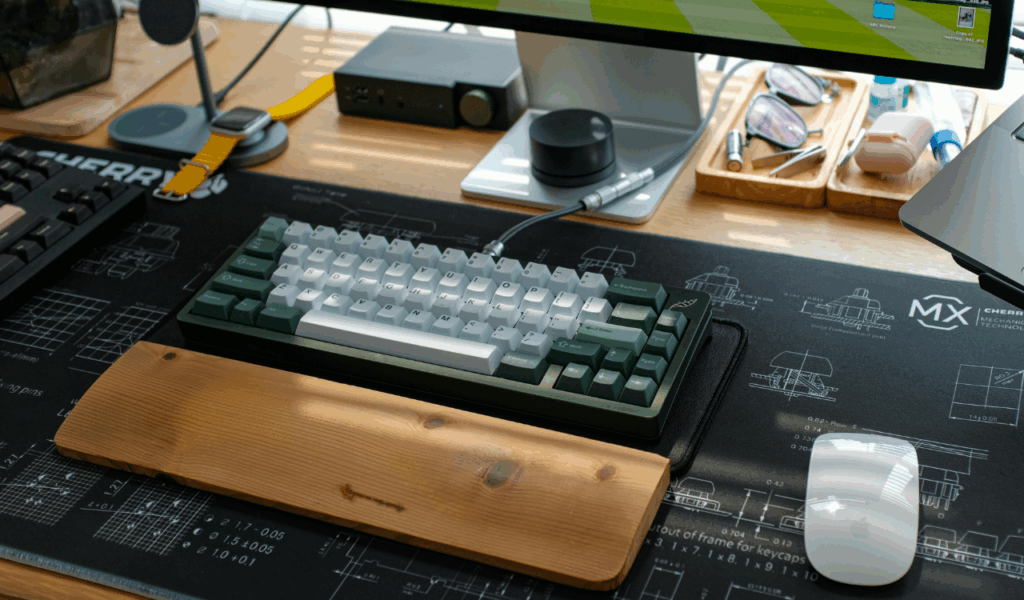
Physical paper is frequently the main cause of excessive clutter in a modern home. A “digital-first” document management approach is advised by IT specialists and professional organizers to counteract this. Important documents, including as receipts, medical records, and manuals, can be scanned right away and stored in a secure cloud-based folder.
This way, you can destroy the hard versions and free up shelf space. According to experts, navigating a “paperless” office or home is simpler because search features allow you to quickly locate what you need without having to rummage through files.
To make this process easy, designers advise utilizing a compact, fast scanner or a specific scanning app on your phone. Realtors claim that a home office might appear twice as large and much more contemporary by getting rid of heavy filing cabinets. You can also safeguard your data from physical harm like fire or water by digitizing your archives. By eliminating the “weight” of paper from your house, this method keeps your vital information secure and easily available while creating a neat, orderly space that represents the efficiency of the digital age.