10 “Seagrass” Baskets That Attract Bugs and Smell Funky
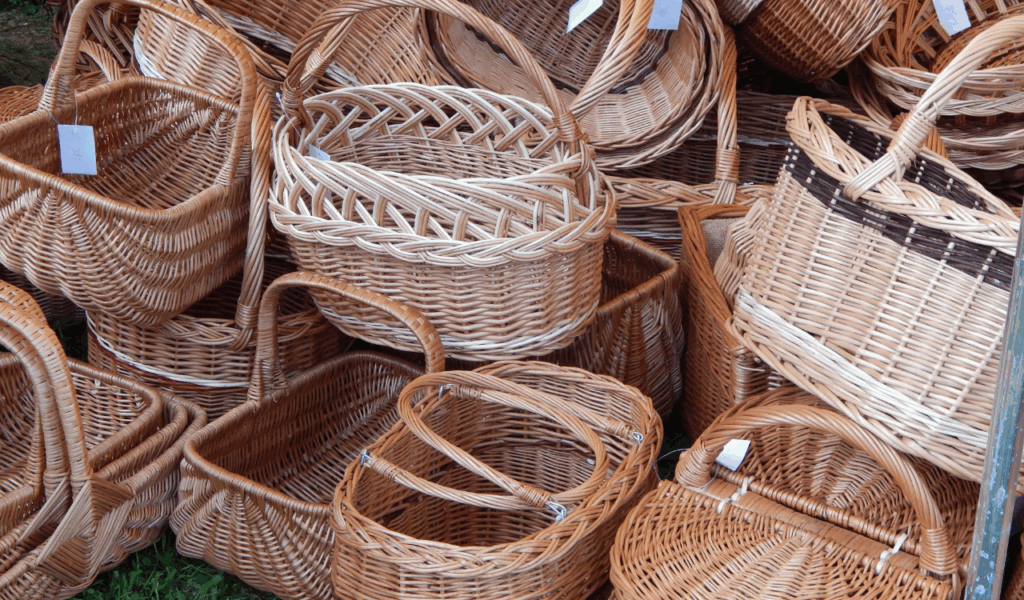
Eco-conscious organizers love seagrass baskets for their ecological origins and hand-woven texture. Professional organizers and interior designers warn that natural textiles have biological baggage that many homeowners are unprepared for. Seagrass is porous and absorbent since it comes from marshy, aquatic settings. If not adequately cured or placed in a humid home, the baskets can spawn tiny bugs and acquire a pervasive, swampy odor that is nearly impossible to remove.
Pest control experts and professional cleaners say “booklice” and grain beetles, which feed on moist organic debris, love the tightly woven nooks of a seagrass basket. The “funky” fragrance of these baskets is actually trapped moisture and mildew deep in the fibers, according to experts. Wet seagrass can give a house a musty, “ghetto” smell, which is a sign of inadequate ventilation or hidden water problems, according to real estate professionals and flippers who work professionally. In order to keep your home smelling clean and free of pests, it is important to have a good understanding of which types of seagrass are most likely to develop biological breakdowns.
1. Tight-Knit “Belly” Baskets with Lids
Bohemian décor relies on the “belly” basket, but experienced organizers caution that lidded ones catch mold. Because the lid limits airflow, moisture in the basket or fibers cannot escape. This produces a stagnant microclimate where fungi thrive, giving anything stored inside a foul, earthy stench, say experts. Furniture experts say these baskets’ dense weaving makes it hard for the fibers’ centers to dry out after getting soaked.
Designers advocate using lidded belly baskets for dry, non-porous things like plastic toys or metal hardware to avoid this issue. For localized dehumidification, professional organizers recommend placing a small sachet of silica gel or an open container of baking soda to the basket. According to the recommendations of the specialists, the musty odor should encourage you to empty the basket and keep it open in a place that has adequate ventilation for a number of working days. It is recommended by cleaners that a soft toothbrush and light soap be used to remove the spores of mold, as mold can grow in tight weaves.
2. Unsealed Hand-Woven Laundry Hampers
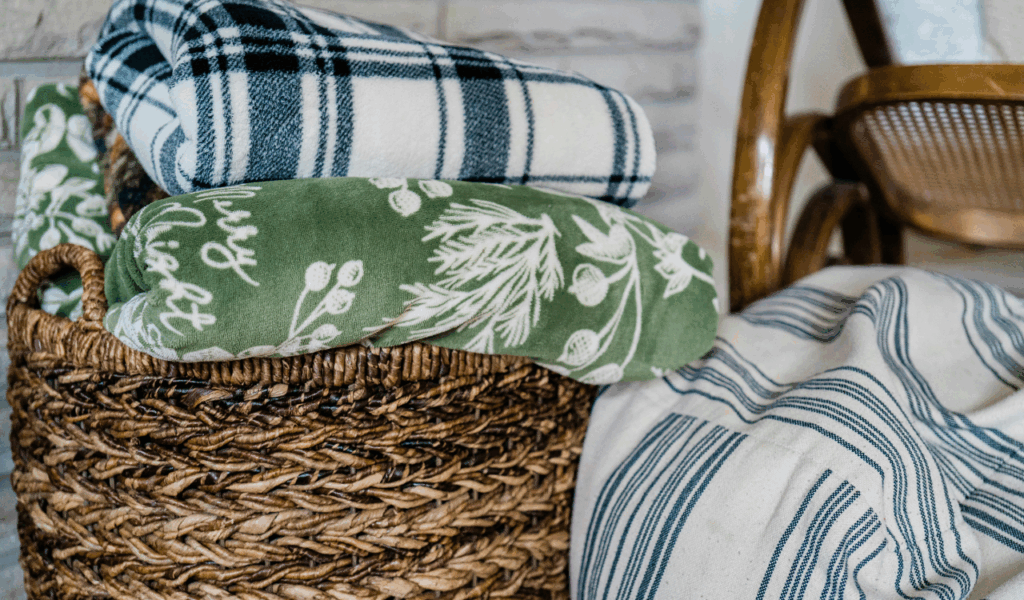
A seagrass basket for laundry is attractive, but expert cleaners warn that damp towels are disastrous. Seagrass absorbs moisture from wet workout clothes and washcloths because it is hydrophilic. As the fibers absorb water, they soften and degrade, drawing fruit flies and gnats, according to experts. Hospitality experts say a seagrass hamper is destroyed if it smells like a damp marsh and can transfer that odor to clean clothing.
Professionals recommend using a removable and washable cotton or canvas liner to prolong the life of a seagrass hamper. The barrier is able to absorb moisture from the laundry while the seagrass is able to breathe. Wet items should be allowed to air-dry on a rack before being placed in the hamper, as opposed to being thrown into the basket. This is the recommendation made by the experts. For the purpose of organically disinfecting the fibers and preventing the accumulation of bacteria that is responsible for the musty odor, home experts recommend giving the interior of the basket a “sun bath” once a month.
3. Floor Baskets Sitting on Concrete Surfaces
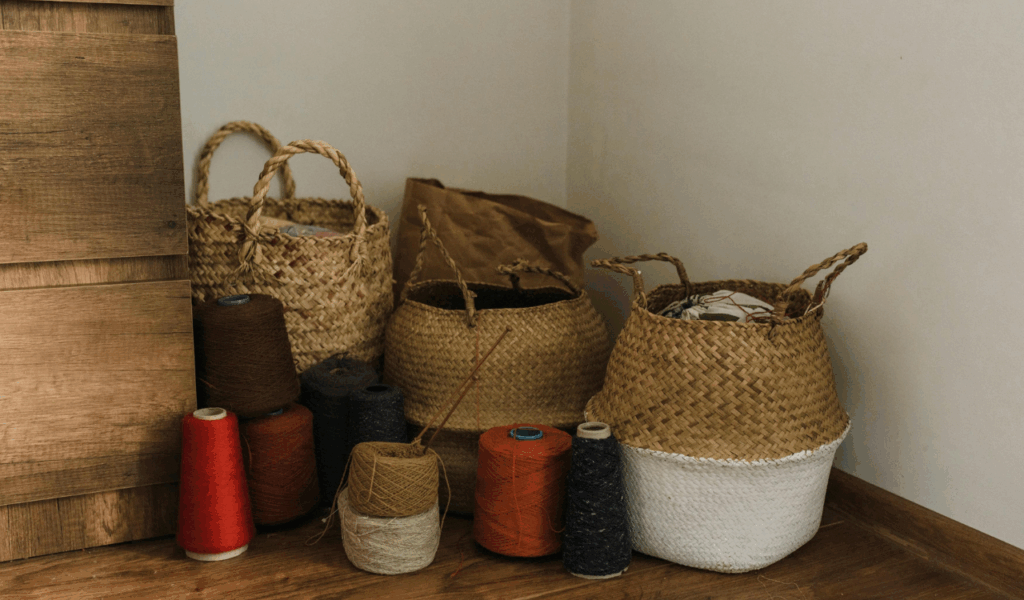
Realtors and home flippers utilize seagrass baskets for shoe storage in mudrooms, but placing them on concrete is wrong. Porous concrete “wicks” moisture from the earth, which seagrass collects through its roots. In the opinion of specialists, this results in “bottom-up” degradation, which householders do not become aware of until they move the basket and discover mildew. Those who specialize in pest management have stated that silverfish are drawn to the bottom of the basket because of its starch, moisture, and darkness, which makes it a VIP lounge.
Flooring experts propose placing baskets on a high shelf or using small furniture risers to create an air gap between seagrass and concrete to reduce this risk. Experts recommend adding a little layer of furniture wax or a moisture-repellent spray to the bottom of the weave to waterproof the basket if it must sit on the floor. Professional flippers recommend placing a thick plastic mat or vapor barrier under the basket to prevent moisture transmission. Only by regularly examining the underside of your baskets for wetness can you avoid accidentally growing mildew in your foyer.
4. Deep-Storage Baskets with Plastic Liners

To protect seagrass basket fibers, some manufacturers add plastic liners, although expert organizers say this sometimes backfires. Plastic inhibits natural seagrass from “breathing,” trapping damp between liner and weave. This promotes a “sweat” action that develops ugly and smelly black mold spots on seagrass, according to experts. Interior designers say a mold-speckled basket’s “ghetto” look is a health threat because it emits spores when moved or rustled.
Some experts recommend carefully removing the sewn-in liner from your basket or piercing small ventilation holes in the plastic to facilitate gas exchange. To prevent moisture from gathering on the seagrass, it is recommended by professional organizers that a “loose” fabric liner be utilized. This type of liner can be removed and washed whenever necessary.
Those who restore furniture believe that lined baskets might cause an increase in “sweating” in closets that have inadequate ventilation owing to the heat. To remove mold, experts recommend using a mixture of water and lemon juice in a ratio of one to one. This mixture will lift black areas and leave behind a citrus scent.
5. Colored or Dyed Decorative Seagrass
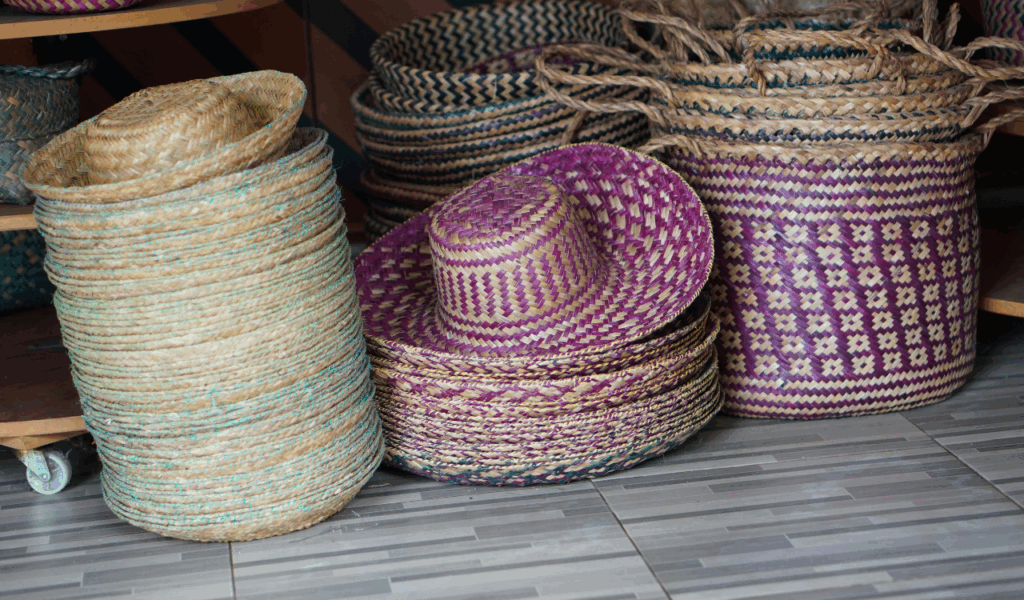
Colored seagrass adds flair, but textile designers say some dyes react negatively with natural strands. The basket may smell like chemicals and compost if the coloring procedure used surplus water that wasn’t entirely dried after manufacturing. These moist, dyed strands attract “carpet beetles” that like organic base material, say experts. If the basket gets damp, the dye can leak onto your flooring or shelves, producing a permanent stain, say cleaners.
Designers advocate placing a felt or plastic pad under dyed seagrass baskets, especially vivid blues or greens, to prevent stains. Professional organizers recommend letting a new basket “off-gas” in a garage or covered porch for several days before bringing it into your main living space if it has a strong chemical odor. Experts advise using a dry microfiber towel to clean the item if the color has faded or appears dusty.
This is because water has the potential to reactivate the unstable colors and cause additional bleeding. When it comes to dyed seagrass, home professionals suggest that it should have a dry and brittle texture, rather than a “tacky” or mushy texture, which are signs of insufficient curing.
6. Over-Stuffed Toy Baskets in Playrooms

Stuffed animals and blankets fill seagrass baskets in playrooms, but experienced organizers caution that this lack of circulation is harmful. Stagnant air and a child’s skin oils can make seagrass smell “rancid” over time. Ccrumbs in these deep baskets attract ants and cockroaches, say experts. Pest control experts say the interlocking weave creates a “ladder” for insects to climb inside the basket and hide among the toys.
Experts advocate a weekly “dump and clean” of the basket, shaking it out, and vacuuming with a brush attachment to remove debris in the weave to keep playrooms clean. To avoid “over-stuffing” and stagnant air pockets, professional organizers recommend smaller baskets for different toys.
Before beginning to vacuum, it is recommended by professionals that a small dusting of baking soda be applied to the bottom of the empty basket in order to absorb odors. Dust and mold spores in seagrass that has not been properly kept can exacerbate allergies and respiratory difficulties in young children, which is why baskets need to be cleaned on a regular basis, according to specialists in child safety.
7. Kitchen Pantry Baskets for Root Vegetables
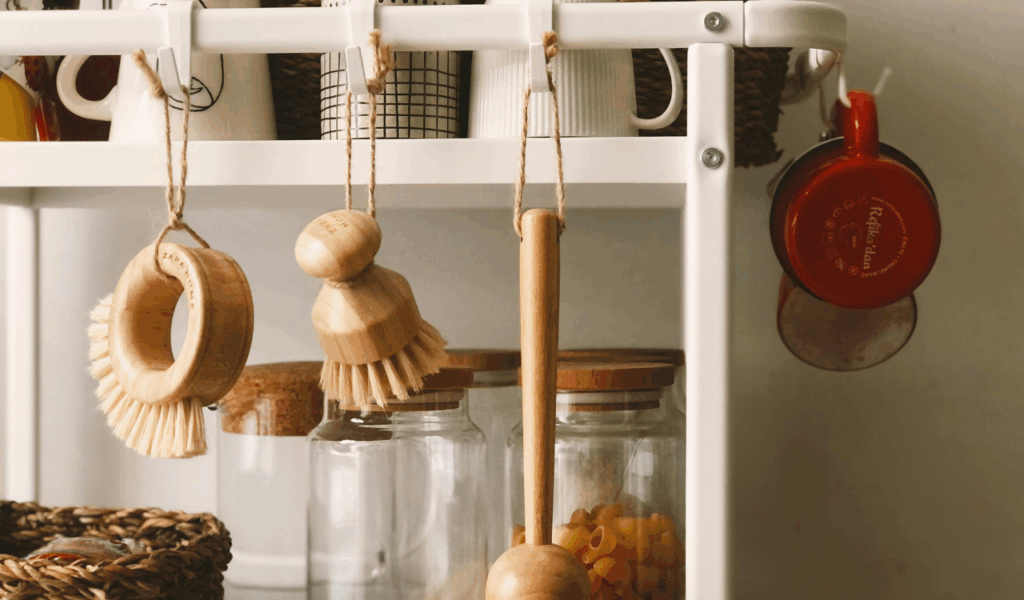
Pinterest suggests storing onions and potatoes in seagrass baskets, but expert organizers say it’s unsanitary. Root vegetables age and emit moisture and gasses that porous seagrass quickly absorbs. Experts say that if one potato rots, the liquids soak into the fibers, leaving a “rotten” scent that vinegar cannot heal. Food safety experts say this damp organic residue attracts pantry moths and beetles that can swiftly infest your food supplies.
Experts recommend using a thick, washable linen liner and monitoring produce for soft spots every few days for the rustic pantry effect. It is not recommended by experts to store potatoes and onions in the same basket since the fumes from both vegetables hasten the process of decomposition and increase the amount of moisture in seagrass.
In order to make a “safe” option, professional organizers suggest using metal wire baskets for veggies and reserving seagrass for dry goods such as pasta and crackers. For the purpose of enzyme neutralization following a spill, it is recommended by specialists that the area be cleaned with a solution consisting of baking soda and water, and then dried in the sun.
8. Bathroom Baskets for Extra Toilet Paper
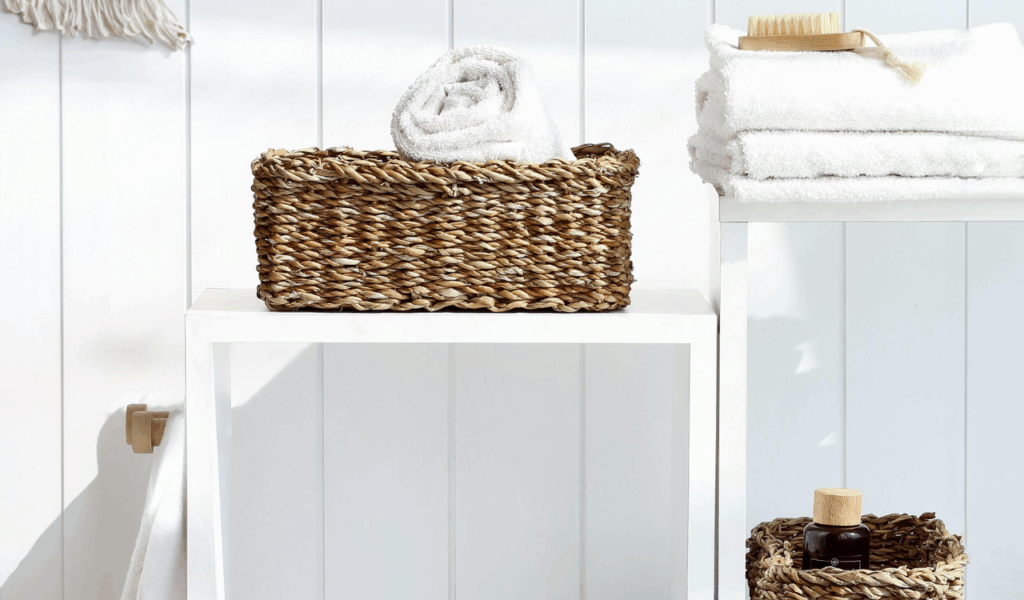
As the house’s most humid room, the bathtub is the worst spot for untreated seagrass. Professional cleaners claim the basket absorbs shower steam, putting the fibers in a permanent state of “dampness.” This causes a stale, “locker room” odor that clashes with your amenities. Interior designers say the “ghetto” look of a drooping, moisture-heavy basket destroys a bathroom’s spa-like vibe and can cause orange or black fungus on the wall behind it.
Experts advocate using a dehumidifier or running the exhaust fan for 20 minutes after each shower to keep bathroom baskets fresh. Professional organizers recommend shifting baskets out of the bathroom once a month to dry in a less humid area. It is recommended by specialists that these baskets not be placed immediately on the floor in close proximity to the shower or toilet since they will absorb any liquid that may be spilled. When it comes to preventing orange mildew in high-moisture regions, cleaners recommend using a disinfecting wipe that contains a moderate fungicide for a minute.
9. Giant “Statement” Baskets Used as Planters
A potted plant covered in a seagrass basket looks great until you water it. Water sprays or seeps into the seagrass even with a tray, say professional landscapers and designers. Warm, wet plant bases are the main source of “fungus gnat” infestations in homes, say experts. Real estate agents say the stench of rotting seagrass at a plant’s base is commonly mistaken for a sewer issue, causing stress and costly inspections. A ceramic container may have prevented this.
Experts recommend coating the basket’s bottom with heavy-duty aluminum foil or a deep, non-porous plastic tray somewhat smaller than the basket’s base to prevent plant rot. The practice of “bottom watering” your plants in the sink, draining them completely, and then returning them to the seagrass cover when the pot is dry to the touch is recommended by professional gardeners of the gardening profession.
Small black gnats that are buzzing around the basket are a sign that the fibers are moist and decomposing, according to experts. Pebbles placed between the pot and the basket are said to improve ventilation and reduce the amount of moisture that is stagnant, which can attract pests.
10. Low-Quality “Bargain” Baskets with High Salt Content
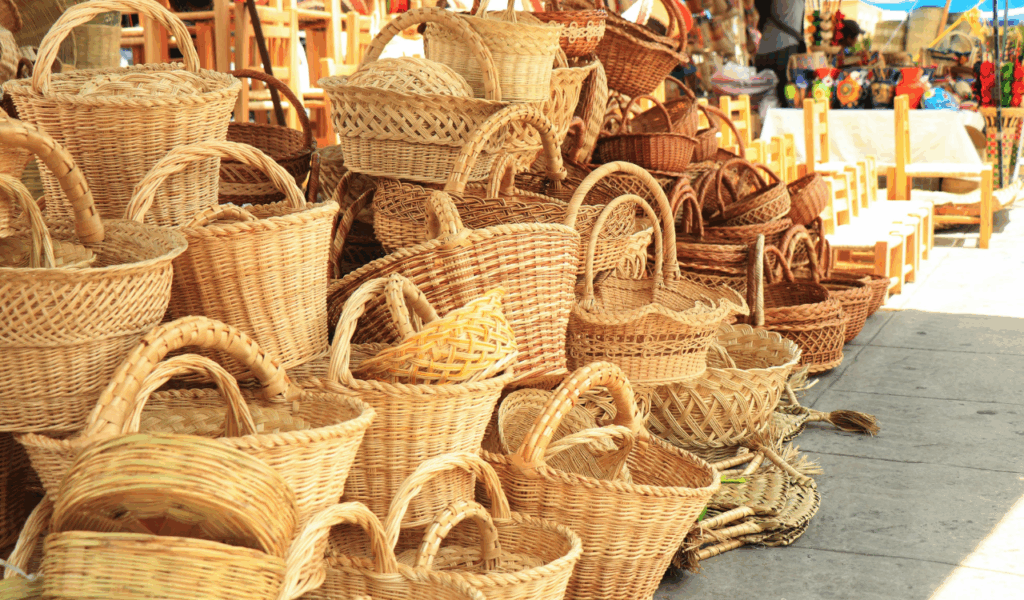
Budget importers typically skip rinsing and harvest and clean seagrass improperly. According to furniture restorers, “salty” seagrass draws more moisture from the air through hygroscopy. These baskets feel “tacky” and smell fishy and oceanic, which is overwhelming in a tiny environment, say experts. Organizers say these low-quality alternatives are most likely to come with “hitchhiking” bugs in the weave, making them unsuitable for clean, healthy homes.
Experts recommend carefully wetting a small, inconspicuous section of the weave. If it stays sticky or develops a white, powdered crust after drying, the salt was not adequately washed. Professional flippers advise against buying these bargain finds because the salt content makes them nearly hard to dry in most regions.
If you have one, it is recommended by experts that you store it in the room with the lowest humidity and the highest air conditioning. According to textile specialists, the high salt concentration causes seagrass to become delicate and shatter, transforming your “deal” into a filthy, shedding eyesore that requires constant repair on a regular basis.