
13 Easy Ramen Twists That Feel Like a Real Meal
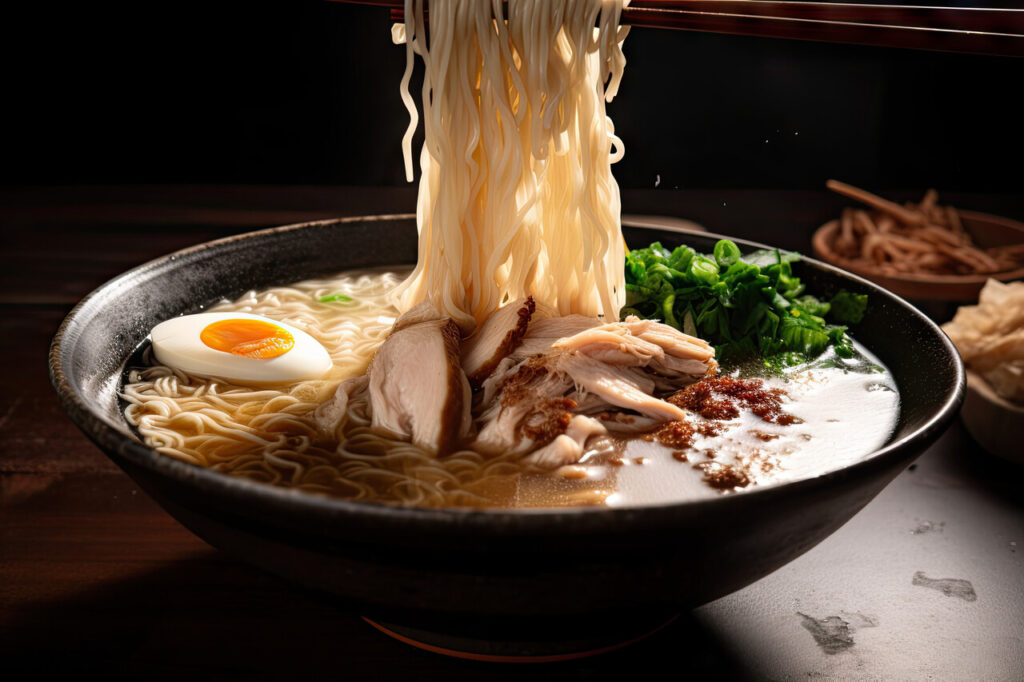
Here’s the thing about ramen. Most of us keep a few packets around because they’re cheap, fast, and reliable, but it doesn’t take much to turn them into something that tastes like an actual meal instead of a last-minute rescue. A handful of vegetables, a spoon of sauce, or a fresh aromatic can shift the whole flavor profile. With the right tweaks, ramen becomes a flexible base that fits busy nights, cold evenings, or craving-driven cooking. These ideas show how easy it is to upgrade a simple bowl into something warm, satisfying, and surprisingly memorable.
1. Spicy Gochujang Ramen
Spicy gochujang ramen is what happens when instant noodles meet real heat and depth. Gochujang, a Korean chili paste, brings more than just spice. It adds fermented tang, sweetness, and umami that make the broth taste slow-cooked. Stir a spoonful into the hot seasoning base, then thin it with your cooking water until it is smooth. A little goes a long way, so you can tune the heat level. Finish with sliced green onion, sesame seeds, and maybe a fried egg, and you have a bowl that feels bold and satisfying, not like a quick fix.
2. Ramen With A Soft-Boiled Or Poached Egg
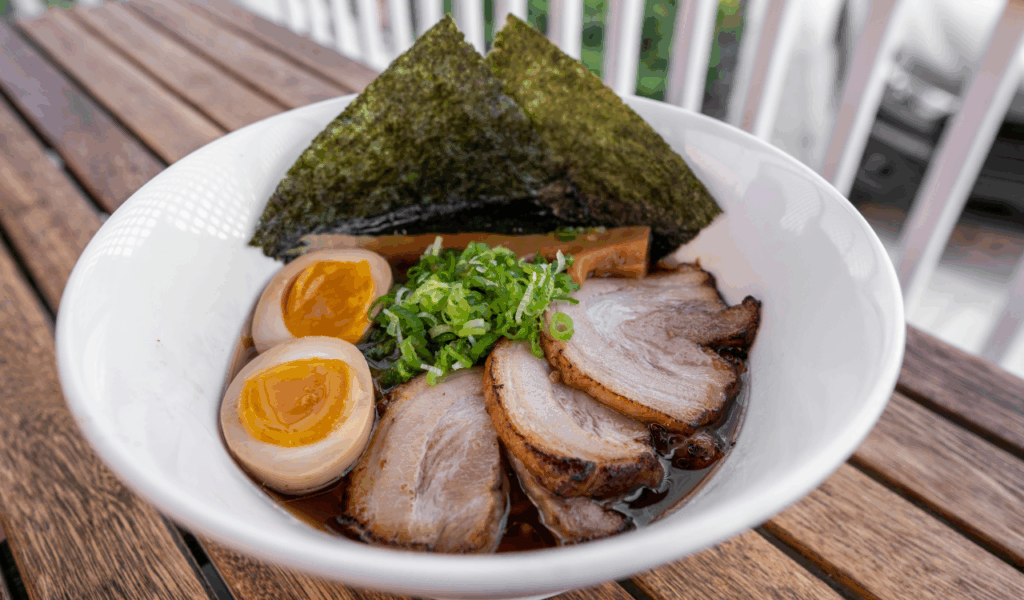
Adding an egg is one of the quickest ways to turn ramen into a proper meal. A soft-boiled egg with a jammy yolk makes the bowl look like something from a ramen bar, and the richness of the yolk gives the broth a silky feel. For a poached egg, crack it directly into the simmering soup in the last minute or two and let it set gently. Either method adds protein, flavor, and texture with almost no extra effort. It also makes the noodles more filling, so one packet actually feels like dinner.
3. Veggie Loaded Ramen
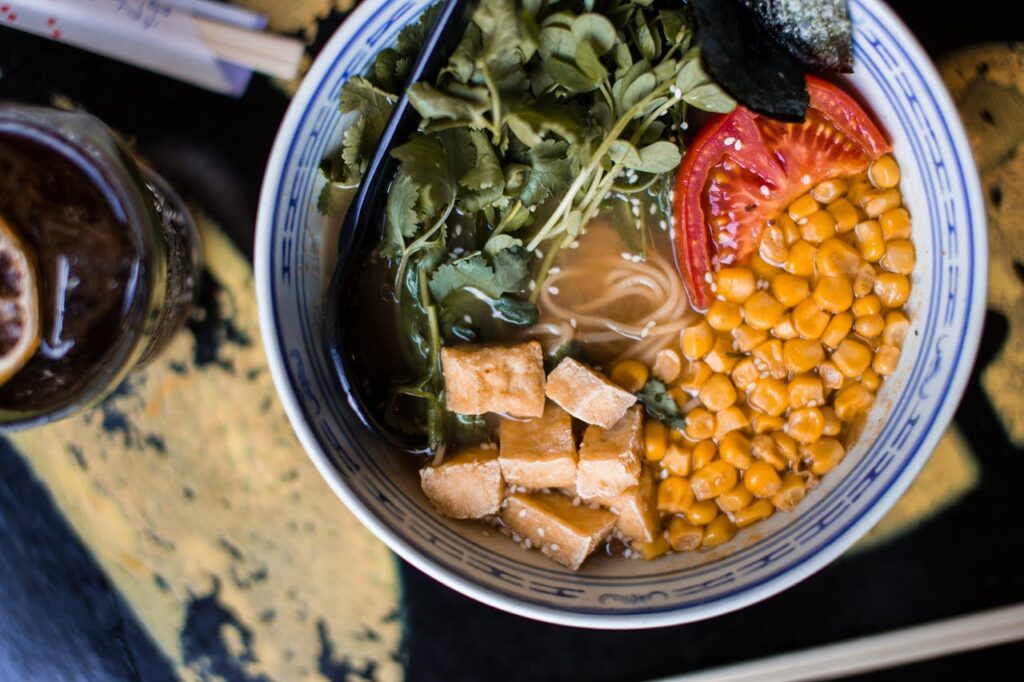
Veggie-loaded ramen takes advantage of whatever is already in your fridge or freezer. Spinach, bok choy, carrots, bell peppers, mushrooms, corn, peas, and cabbage all work well and cook quickly in the hot broth. Adding vegetables not only boosts fiber and vitamins, it also improves texture, so each bite is not just noodles. You can layer in harder veg like carrots or broccoli stems first, then add leafy greens at the end so they stay bright. The result is a colorful bowl that looks and feels closer to homemade soup than instant noodles.
4. Ramen With Rotisserie Chicken Or Tofu
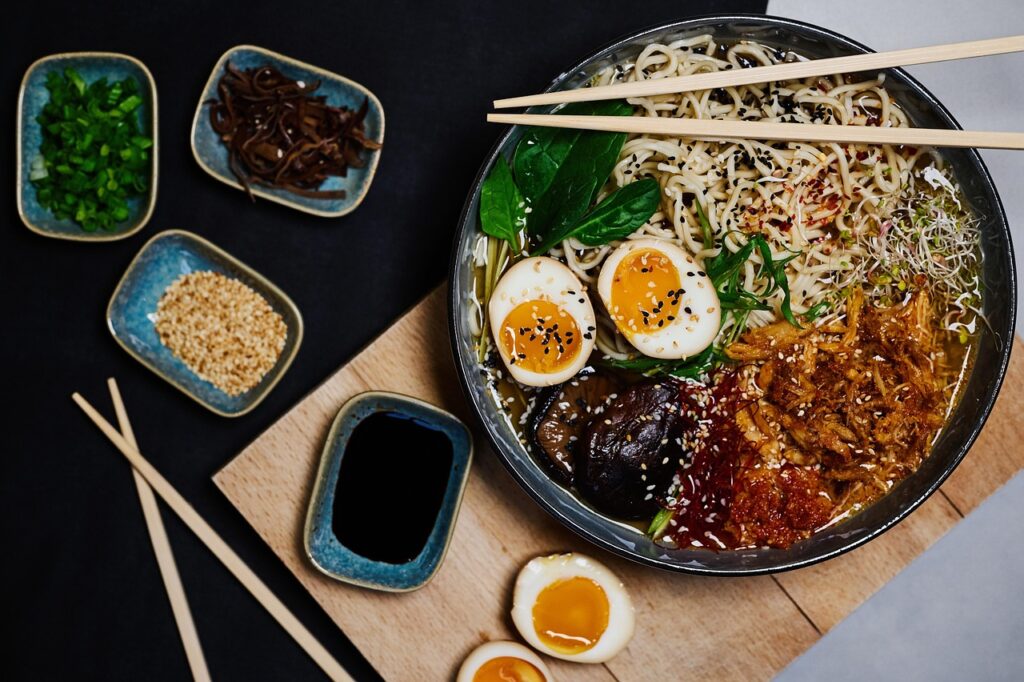
Using rotisserie chicken or tofu is a smart way to add real protein without extra cooking time. Shredded chicken stirred into the broth near the end soaks up the seasoning and makes the bowl feel closer to a classic chicken noodle soup. For a meat-free option, pan-seared or baked tofu cubes hold their shape well and absorb flavor from the broth and any sauces you add. Both options stretch a single packet of noodles into a full meal, especially if you also toss in vegetables. It is a practical move for busy nights when you still want something substantial.
5. Creamy Broth Ramen With Butter, Cheese, Or Sesame Oil
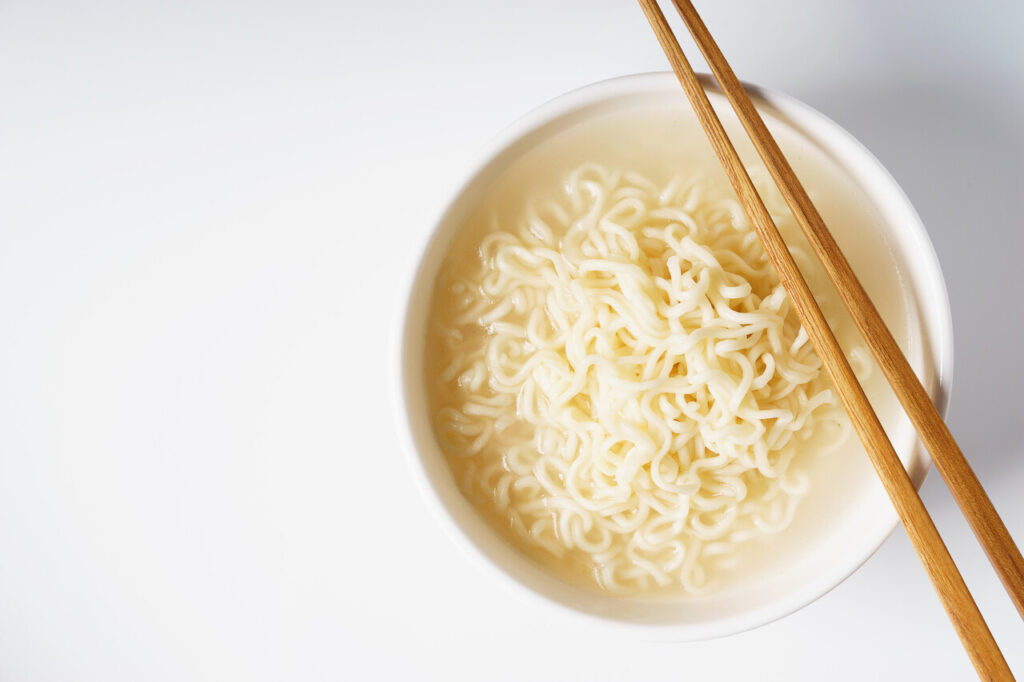
A small amount of fat can completely change the character of ramen broth. A pat of butter melts into the soup and rounds off the sharp edges of the seasoning. A slice of processed cheese or a handful of shredded cheese melts into a creamy, slightly elastic texture that many people associate with Korean-style instant ramen hacks. A drizzle of toasted sesame oil adds a nutty aroma and depth. Each of these tweaks makes the broth feel richer and more comforting, and they work especially well in colder weather or when you want something a little indulgent.
6. Curry Style Ramen
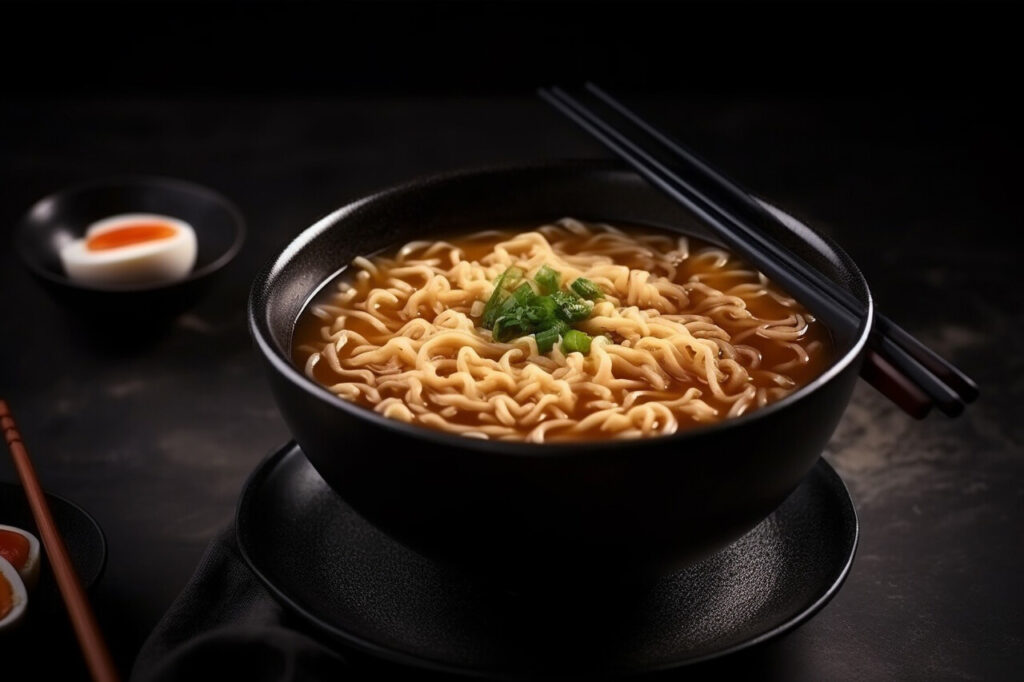
Curry-style ramen borrows flavors from Japanese curry, Thai curry, or Indian inspired spice blends and folds them into a noodle soup. A spoon of curry powder or curry paste, bloomed briefly in hot oil or directly in the pot, gives the broth warmth and complexity. Adding coconut milk creates a creamy base, while broth or water keeps it light enough to sip. You can add vegetables, chicken, tofu, or shrimp to match the curry profile you like. The noodles soak up the flavored liquid, turning a basic packet into a cross between curry and ramen that feels surprisingly complete.
7. Kimchi And Ramen Fusion
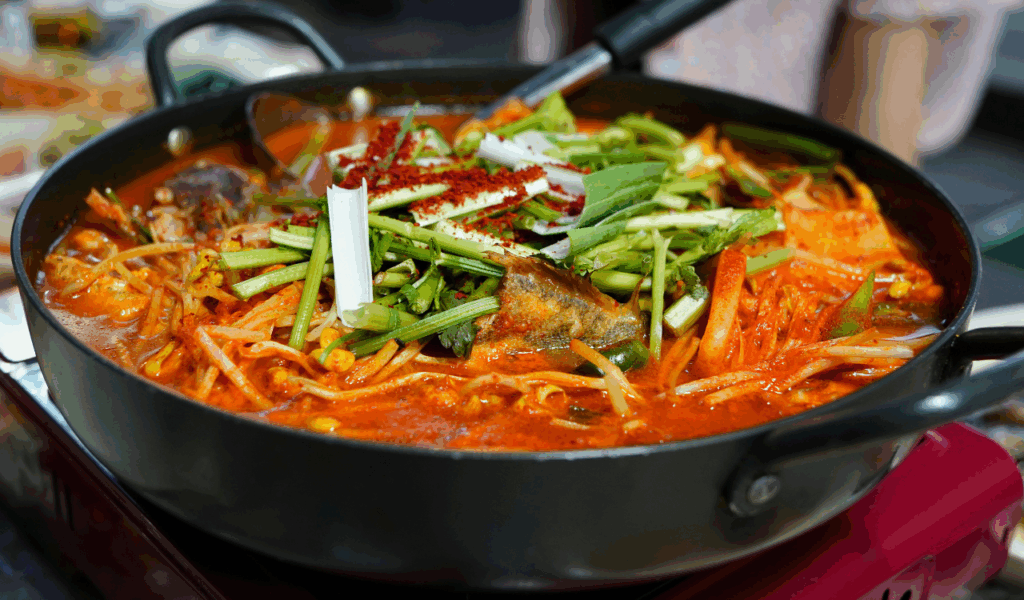
Kimchi ramen is a fast way to bring fermentation and crunch into the bowl. Chopped kimchi added near the end of cooking keeps some of its texture and bright acidity, while its seasoned liquid blends with the ramen broth to deepen the flavor. The result is tangy, spicy, and slightly funky in a good way. If you sauté the kimchi briefly before adding water and noodles, it develops even more savory notes. Pairing this with a soft egg, scallions, or a little sesame oil creates layers of flavor that are far beyond what comes in the packet alone.
8. Peanut Butter Or Peanut Sauce Ramen

Peanut butter ramen turns standard noodles into something closer to a quick satay-style dish. A spoonful of smooth peanut butter whisked with some hot cooking water, soy sauce, and a bit of chili oil or hot sauce creates a creamy, nutty sauce that coats the noodles. You can keep it soupy or reduce the liquid for a thicker, saucier bowl. The peanut flavor adds protein and richness, and it pairs well with shredded chicken, tofu, or crunchy vegetables like carrots and cucumbers. It is a good option when you want a more substantial, slightly sweet, and savory noodle dish.
9. Stir-Fried Ramen Noodle Bowl
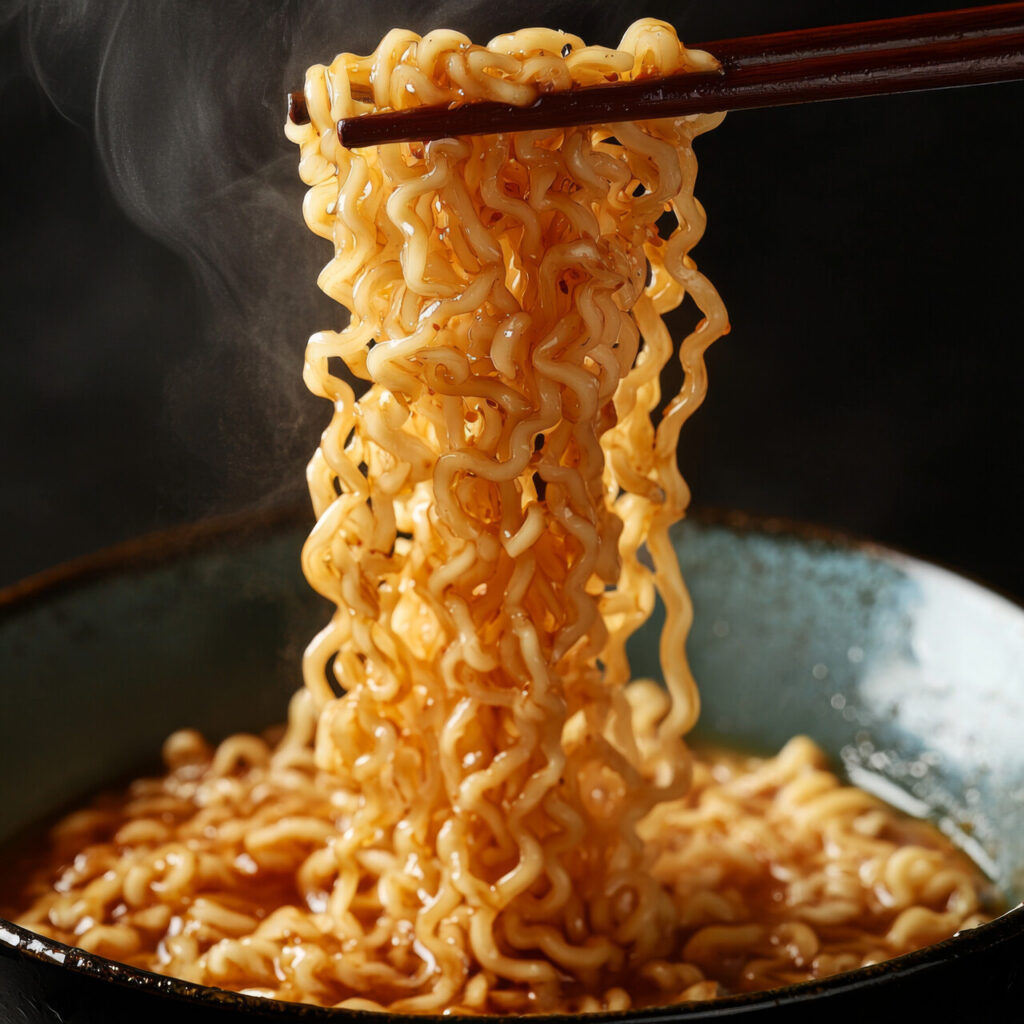
Stir-fried ramen takes the noodles out of the soup category and turns them into a fast skillet meal. You cook the noodles just until they separate, drain them, and then toss them in a hot pan with oil, aromatics, vegetables, and any protein you like. The seasoning packet can become part of a quick sauce with soy sauce, a little sugar, and water, or you can skip it and use your own sauces. The high heat gives the noodles a slight browning and chew, and the mix of toppings makes it feel more like a noodle stir fry than instant ramen.
10. Ramen With Fresh Aromatics
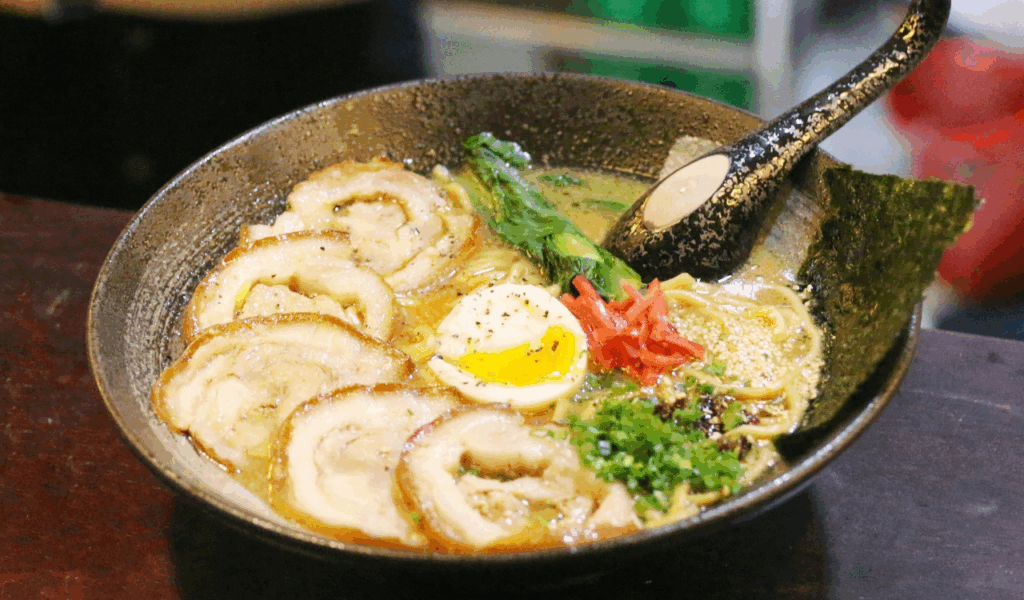
Starting ramen with fresh aromatics is one of the simplest upgrades with the biggest payoff. Sautéing chopped garlic and ginger in a little oil before you add water and seasonings builds a base that tastes more like a broth cooked from scratch. Adding sliced green onions at the end keeps their flavor bright and fresh. These ingredients are inexpensive, store well, and can be used in many dishes, which makes them practical pantry staples. Once you start using fresh aromatics, the difference in depth and aroma is obvious every time you open the lid.
11. Seafood Ramen With Shrimp Or Fish

Seafood ramen works well because many instant noodle broths already lean toward savory, ocean-forward flavors. Adding shrimp, small fish fillets, or even canned seafood like tuna or clams turns that base into a full seafood soup. The key is timing. Shrimp and thin fish cook quickly, so they should go in during the last few minutes to stay tender. A squeeze of lemon or lime and a sprinkle of fresh herbs like cilantro or green onion brighten the bowl. This version feels lighter than meat-heavy ramen, but still delivers plenty of protein and satisfaction.
12. Egg Drop Style Ramen
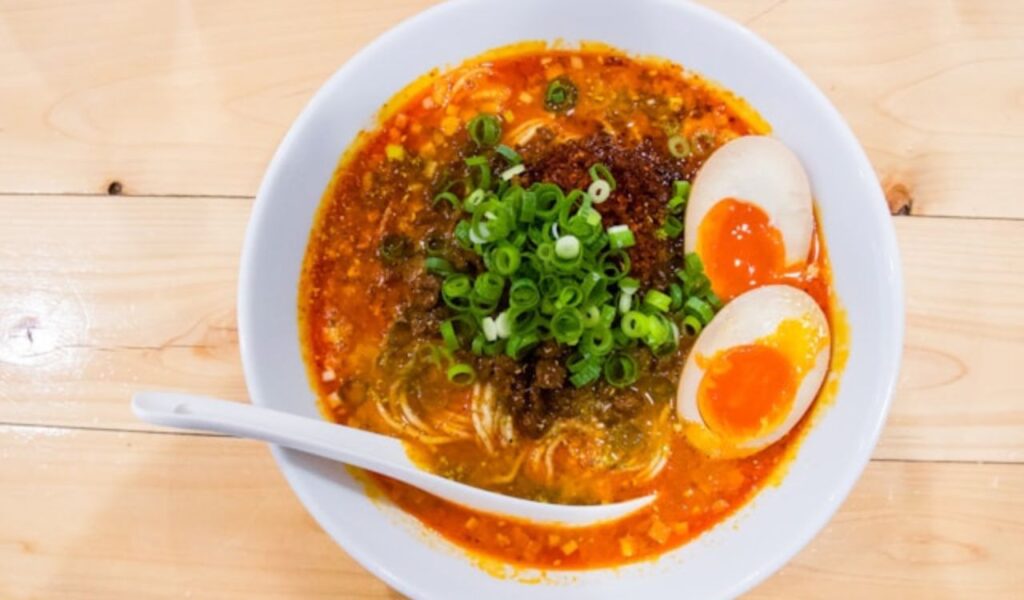
Egg drop ramen is a clever option when you want a thicker, silkier broth without extra cream or cheese. Once the noodles are nearly cooked, you whisk an egg in a bowl, then slowly drizzle it into the gently simmering soup while stirring. The hot liquid sets the egg into delicate ribbons that float through the bowl. This adds protein and body to the broth in one step. The texture is light but satisfying, and it works well with simple add-ins like scallions and a splash of soy sauce for a quick, complete meal.
13. Budget-Friendly Budae Jjigae Style Ramen Stew
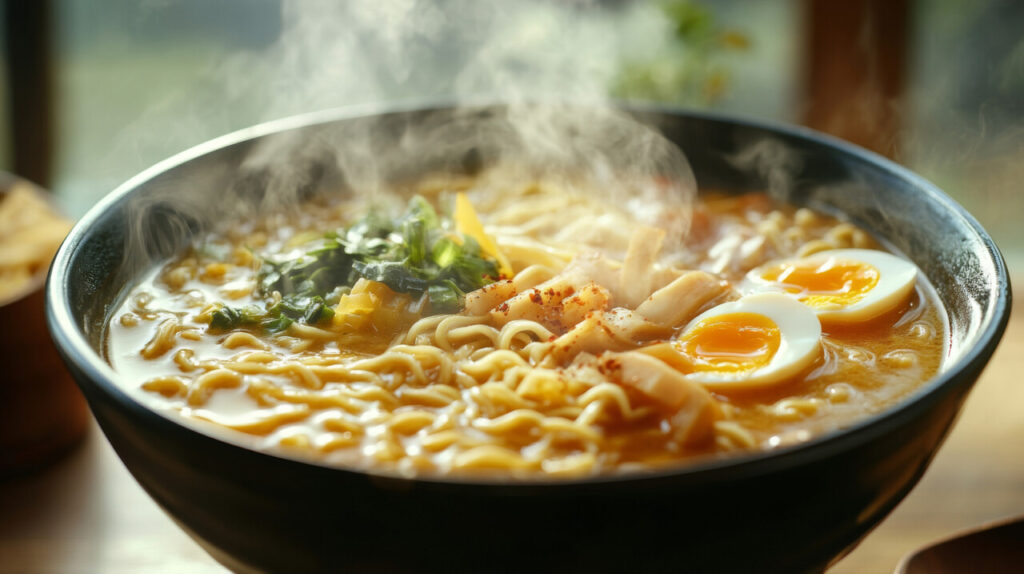
Budae jjigae style ramen takes its cue from the Korean army stew that mixes pantry and fridge odds and ends into a single bubbling pot. With instant noodles as the base, you can layer sliced sausages, leftover ham, tofu, beans, corn, and kimchi, then flavor the broth with chili paste and soy sauce. The goal is not perfection but generosity. Everything simmers together into a thick, hearty stew that feeds more than one person and feels bigger than the sum of its parts. It is ideal for using up small amounts of ingredients while still ending up with a serious, comforting meal.