10 Easy DIY Home Decor Projects for Beginners

Some home projects feel out of reach when you’re short on time, tools, or experience, but the reality is that transforming a room often starts with simple steps. The smallest changes can shift how a space feels, whether you add color, texture, or a touch of personality. What this really means is that beginners don’t need carpentry skills or a workshop to make a home more inviting. With a few basic materials and a clear idea of what you want to refresh, you can create upgrades that look intentional, reflect your style, and build confidence for bigger projects later.
1. Floating Wall Shelves
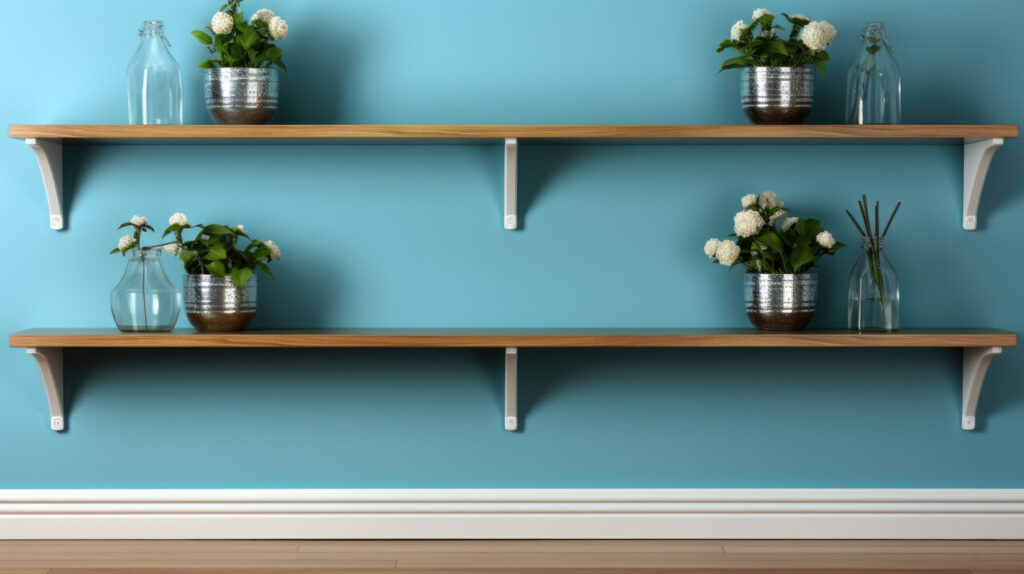
Floating wall shelves are one of the easiest ways to make a room look more finished without taking up floor space. They rely on hidden brackets or cleats, so the shelf appears to hover on the wall, which keeps things looking clean and modern. For beginners, pre-made brackets and pre-cut boards make the project manageable with just a drill, level, and screws. They work in almost any room for books, plants, photos, or baskets. The key is finding studs or using proper anchors so the shelves stay secure. With careful measuring and a bit of patience, you get storage and display in one simple upgrade.
2. Peel-and-Stick Wallpaper Accent Wall
Peel-and-stick wallpaper lets you experiment with pattern and color without committing to a full renovation. The adhesive backing works like a giant sticker, so you can position, smooth, and reposition panels as needed. For renters, it is attractive because it can usually be removed cleanly. Beginners should start with a small wall or a section behind a bed, desk, or sofa, where a little impact goes a long way. Careful surface cleaning, checking for level, and trimming with a sharp knife are the main skills required. In a short afternoon, a plain room can gain a focal point that feels custom.
3. Update Cabinet Or Drawer Hardware
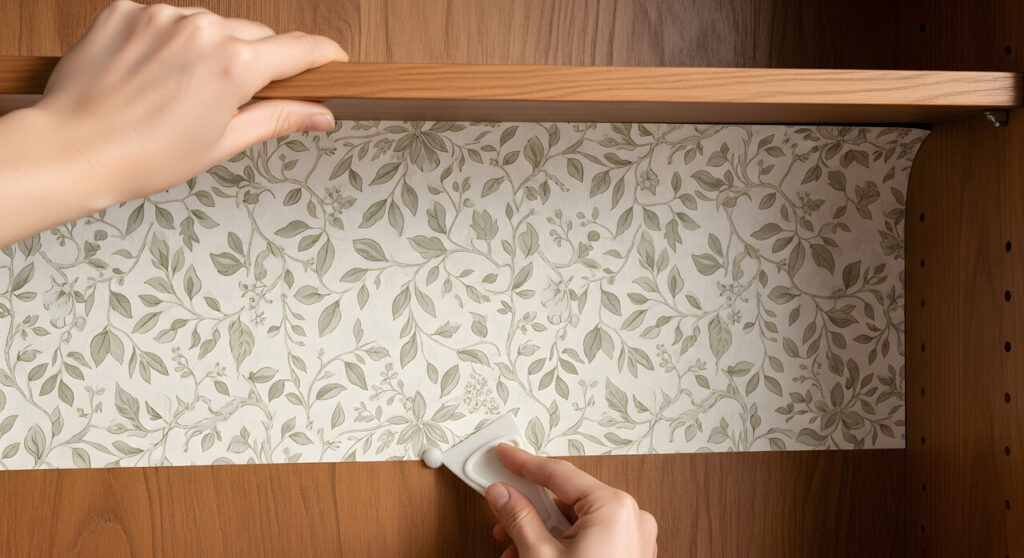
Swapping cabinet or drawer hardware is a low-risk project that instantly refreshes kitchens, bathrooms, and dressers. Old knobs and pulls often date a space more than the cabinets themselves. With a screwdriver, a tape measure, and new hardware, most people can handle this change on their own. The important details are matching the hole spacing on existing pulls or filling and drilling new holes if you want a different style. Choices in finish, such as black, brass, or brushed nickel, and in shape, from simple bars to rounded knobs, shift the entire mood of a room without paint or construction.
4. Paint A Door Or Accent Wall
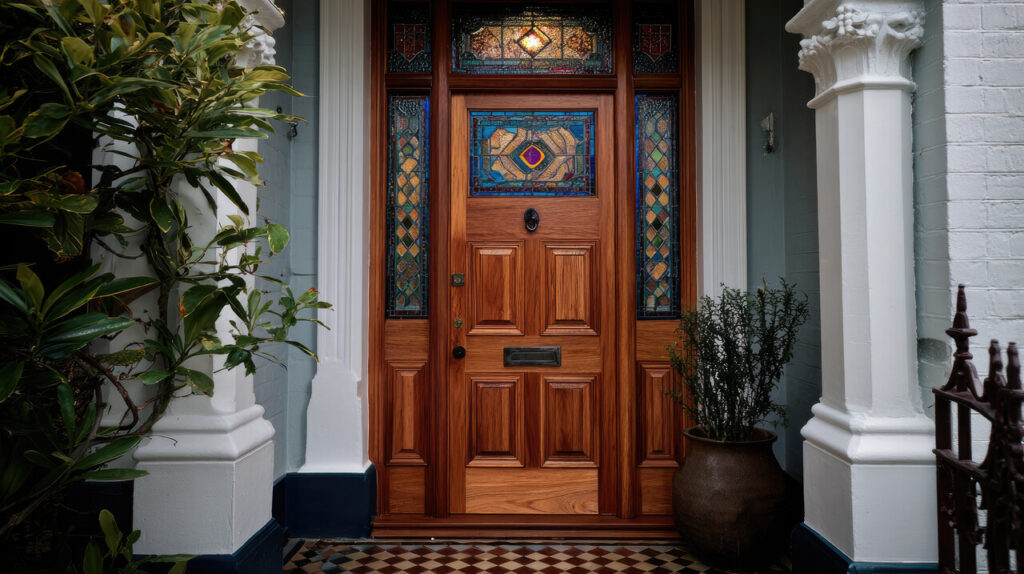
Painting a full room can feel intimidating, but focusing on a single door or accent wall offers impact with less effort. A front door or interior door in a bold color adds personality to an entry or hallway. An accent wall behind a sofa, bed, or dining table can define a zone in open spaces. For beginners, the process teaches basic painting skills like taping edges, cutting in with a brush, and using a roller without having to manage an entire room. A good primer, proper drying time, and choosing the right sheen for the traffic level make the project look polished.
5. Refinish Or Repaint Furniture
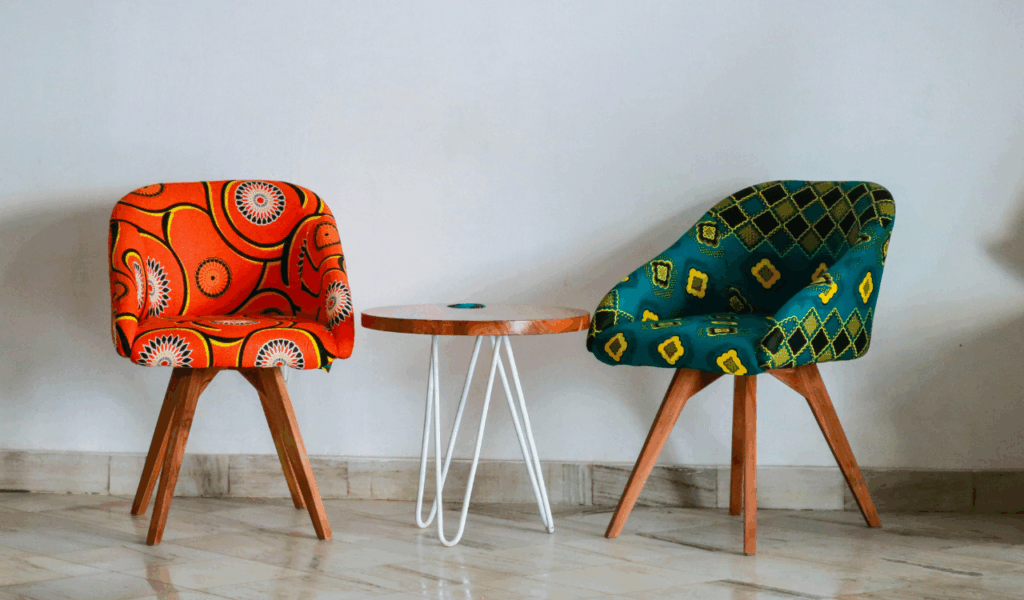
Refinishing or repainting furniture is a practical way to upgrade a room using pieces you already own. A tired dresser, side table, or coffee table can look completely different with sanded surfaces and a new stain or paint color. Beginners can start small with a nightstand or side chair to learn how wood reacts to sanding and finishes. Light sanding, thorough cleaning, and using the right primer help paint adhere and last. Stain highlights the wood grain, while paint hides flaws and allows bolder colors. Fresh hardware can be added at the end to complete the transformation.
6. DIY Canvas Or Stamped Art
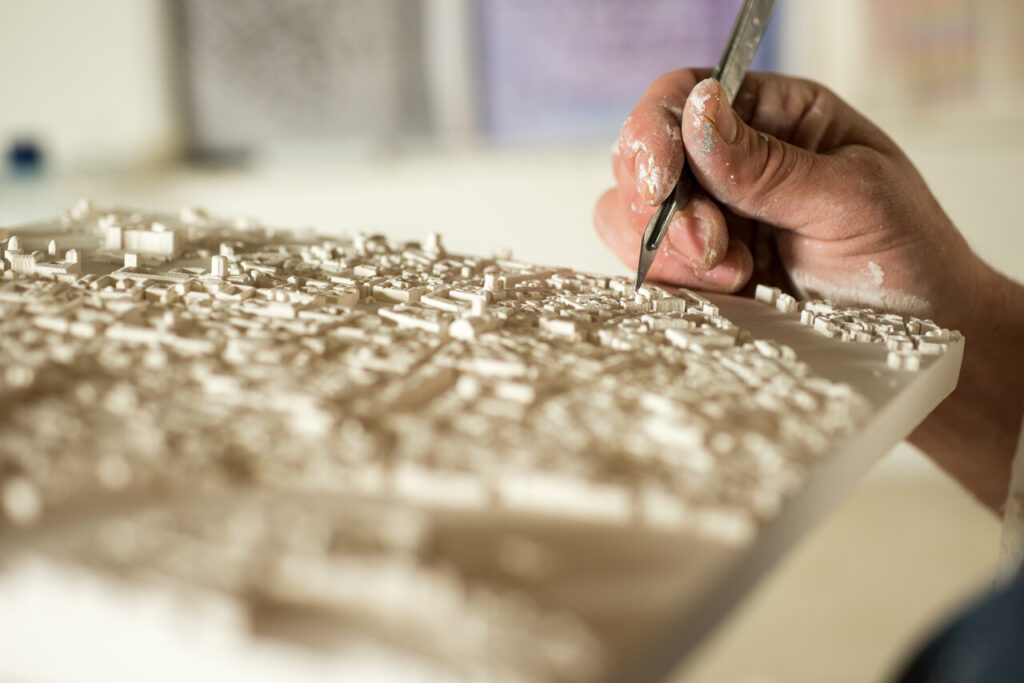
DIY canvas or stamped art turns a blank wall into something personal without needing drawing skills. A plain canvas, some paint, and simple tools like sponges, tape, or basic stamps are enough to create patterns and shapes. Geometric lines can be made with painter’s tape, while repeating stamps build texture and rhythm. Color choices can echo existing textiles or furniture, so the artwork ties the room together. The process is forgiving, since layers can be added or sections repainted until you like the result. Finished pieces can be hung alone or in a group for a gallery wall effect.
7. Build A DIY Doormat
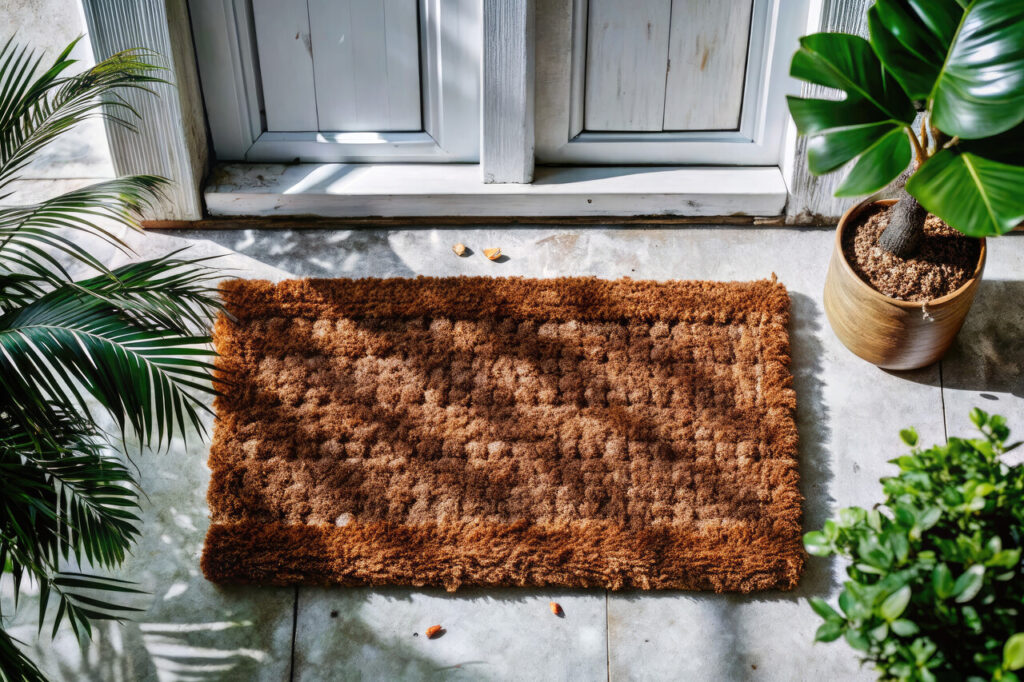
A DIY doormat offers a small canvas to set the tone for your home before anyone steps inside. Using a plain coir mat, exterior paint, and a stencil or painter’s tape, beginners can create stripes, simple shapes, or short words. The rough texture of the mat grips paint well when applied with a stencil brush or sponge. Sealing the design with a clear outdoor sealant can help it last against weather and foot traffic. This project stays manageable in size, requires only basic tools, and delivers a custom detail at the entry that feels thoughtful and welcoming.
8. Install Floating Picture Ledges
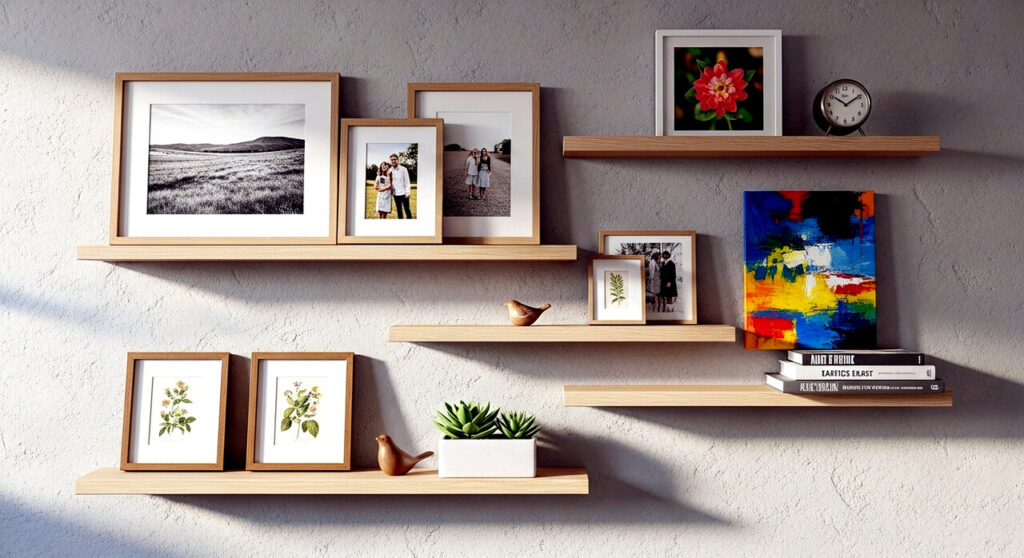
Floating picture ledges combine display and flexibility in a way that suits beginners. Unlike fixed frames, ledges allow you to lean and layer artwork, photos, and small objects, so you can rearrange without new holes in the wall. The shelves themselves are usually shallow and mounted with a few screws through pre-drilled holes. A level and careful measuring keeps them straight and evenly spaced. Once installed, they can evolve with the season or your taste, making them ideal for people who like to rotate art or family photos. They work especially well over sofas, beds, or in hallways.
9. Use A Pegboard For Functional Art Or Storage
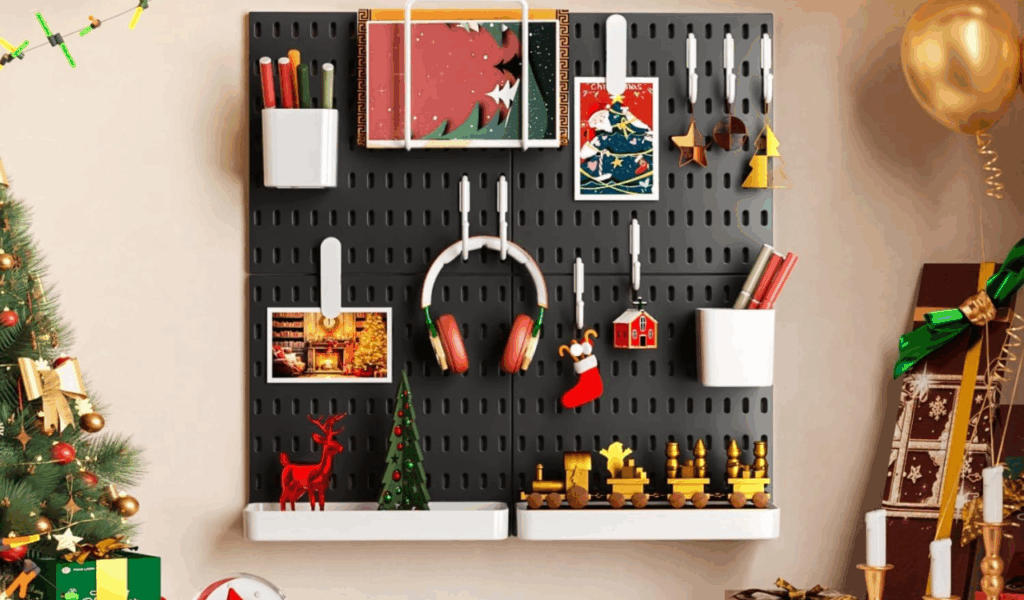
Pegboards turn storage into part of the decor. A simple sheet of perforated board, painted to match or contrast with the wall, can hold hooks, shelves, and baskets for tools, craft supplies, kitchen utensils, or accessories. Beginners will mainly need to cut or buy a board sized to their wall, secure it to studs or anchors, and then add hardware. The pattern of evenly spaced holes creates a graphic look even before items are hung. Because the layout can be changed at any time, pegboards suit evolving needs in workspaces, kids’ rooms, or entryways.
10. Add Simple Wall Or Entryway Trim Or Molding
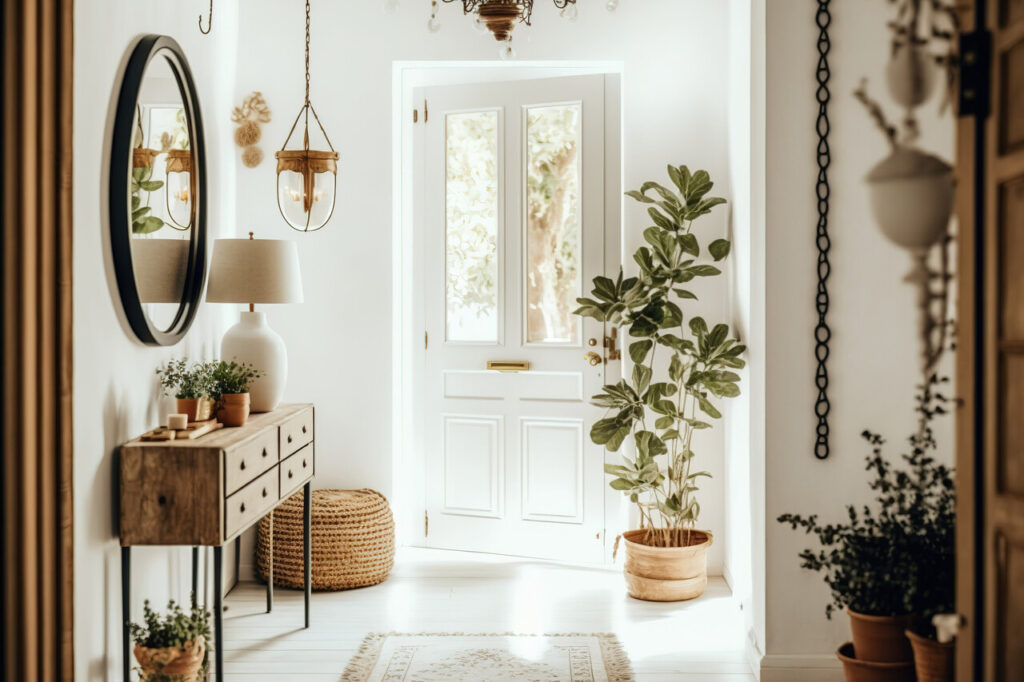
Adding trim or molding gives flat walls more dimension without heavy construction. Basic options include chair rails, picture frame molding, or simple vertical battens that create a board and batten effect. For beginners, lightweight primed boards or molding strips are easier to cut and install with a hand saw, miter box, and adhesive or nails. Measuring carefully, marking level lines, and filling gaps with caulk make the finished work look clean. Once painted the same color as the wall or in a contrasting shade, the trim makes a standard room feel more finished and architectural.