9 Ways to Add Vintage Charm Without Making Your Home Look Stuck in the Past
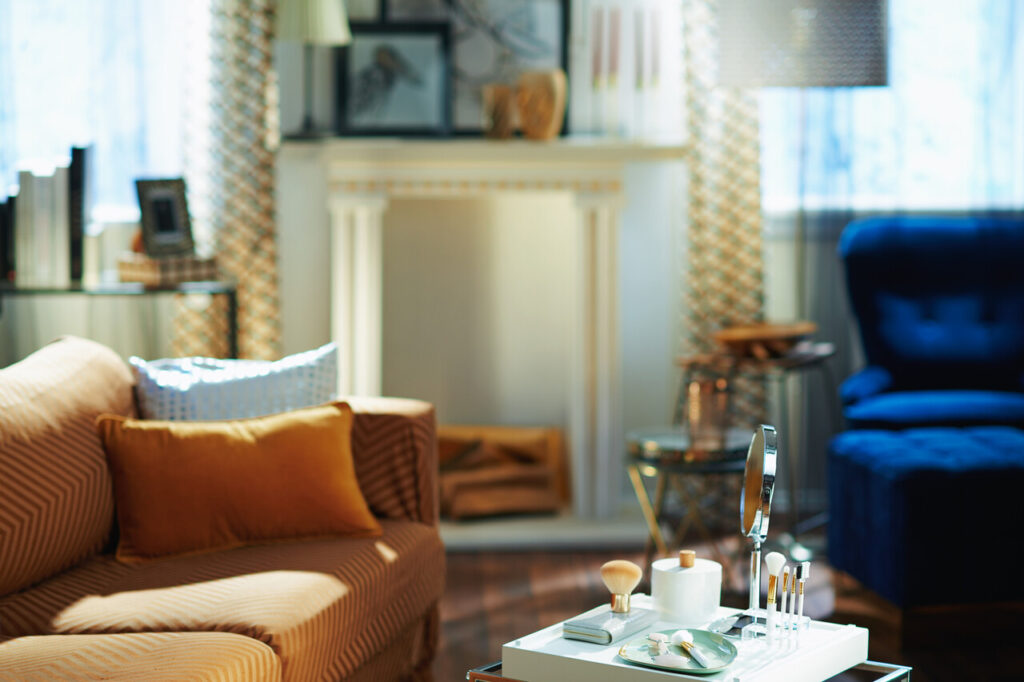
Bringing vintage charm into a modern home is easier than most people think. The real trick is choosing details that feel warm and rooted without slipping into nostalgia overload. A single reclaimed beam, a classic light fixture, or a patterned wallpaper can shift the tone of a room in a way that feels natural rather than themed. What you are really doing is adding texture, history, and visual softness to spaces that can otherwise feel flat or overly new. The home feels layered, thoughtful, and lived in, not like a museum or a time capsule. It is about striking a balance where old and new support each other instead of competing.
1. Embrace Natural Materials And Reclaimed Wood
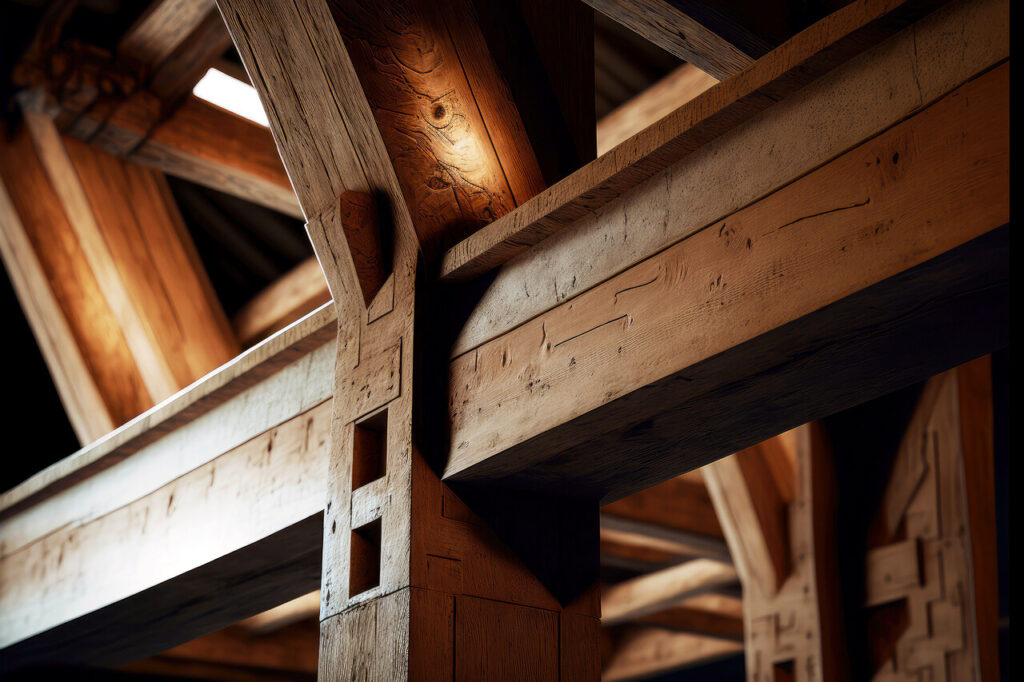
One of the easiest ways to make a newer space feel rooted is to bring in materials that show their age honestly. Reclaimed wood, old doors, vintage banisters, or salvaged flooring carry marks of use that new products simply cannot fake. Knots, nail holes, and slight color variations all signal that this surface has lived through something. When you use reclaimed beams on a ceiling, a solid old tabletop in the dining area, or a vintage door as a pantry entrance, you instantly cut through the “fresh out of the catalog” feeling. Natural stone, real brick, and limewash finishes work the same way.
2. Add Classic Architectural Details And Trim
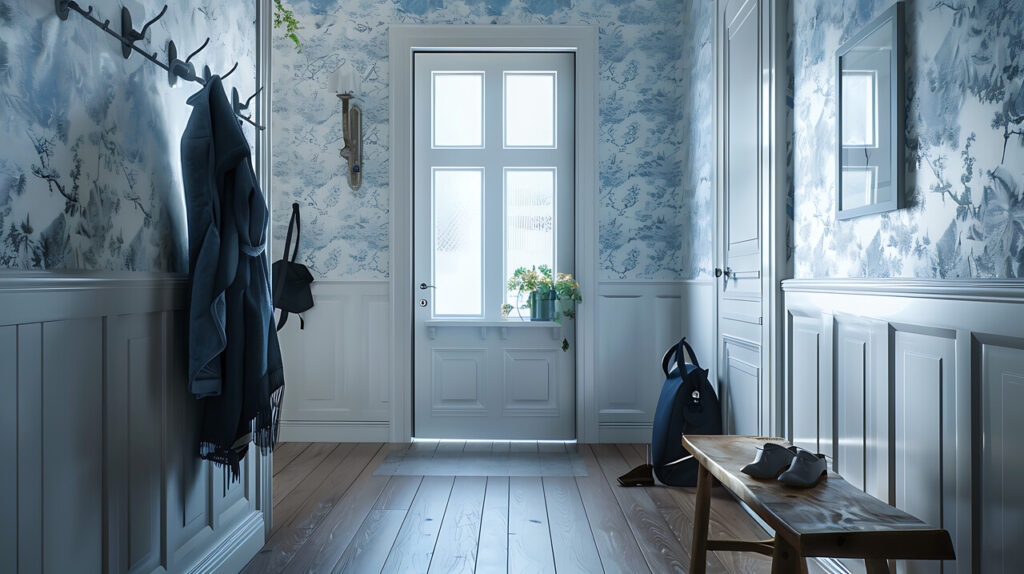
Walls and ceilings are where many builder-grade homes feel the most flat. Adding trim is a very effective way to change that without tearing anything down. Crown molding visually lifts a ceiling and makes a room feel more finished. Wainscoting or beadboard panels add rhythm to long blank walls and protect them from scuffs in high-traffic areas like halls and dining rooms. Picture rails or simple chair rails can break up tall walls and create natural lines for art or paint changes. These elements echo what you see in older homes where plaster, wood and proportion were treated carefully.
3. Mix One Or Two Vintage Pieces With Modern Furnishings
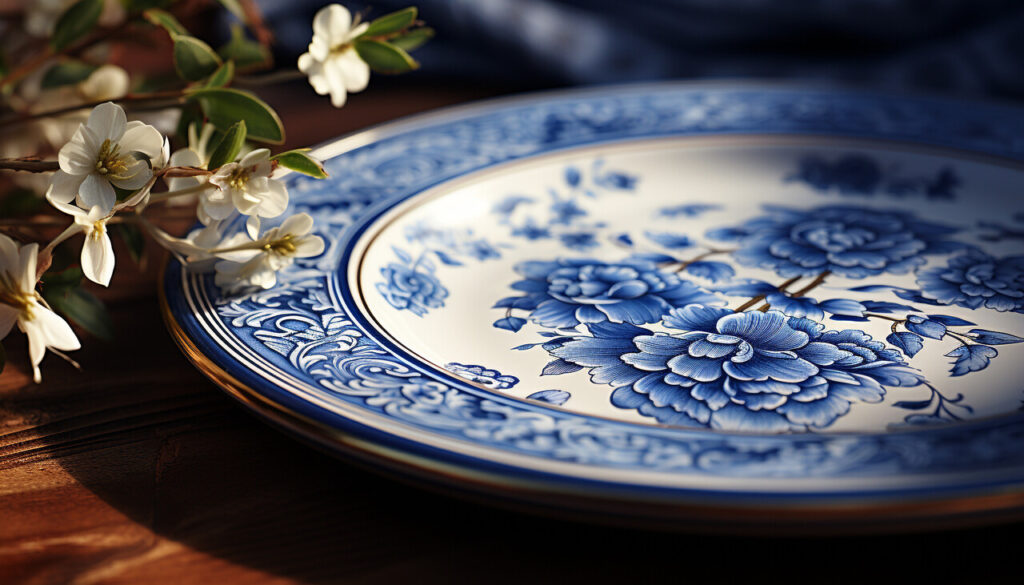
A home starts to feel genuinely personal when a few pieces have a life that clearly predates you. That does not mean turning every room into an antique showcase. In practice, one well-chosen vintage item per room is often enough. It might be a wooden chest that doubles as a coffee table, a mid-century armchair in the corner, or an old dresser repurposed as a bathroom vanity. These items bring real wood, old hardware, and slightly imperfect lines into a room of straight-edged new pieces. The contrast is what makes both sides look better. Modern sofas and clean-lined shelving keep the room feeling current, while the vintage piece anchors it and suggests a story.
4. Use Vintage-Inspired Light Fixtures And Hardware
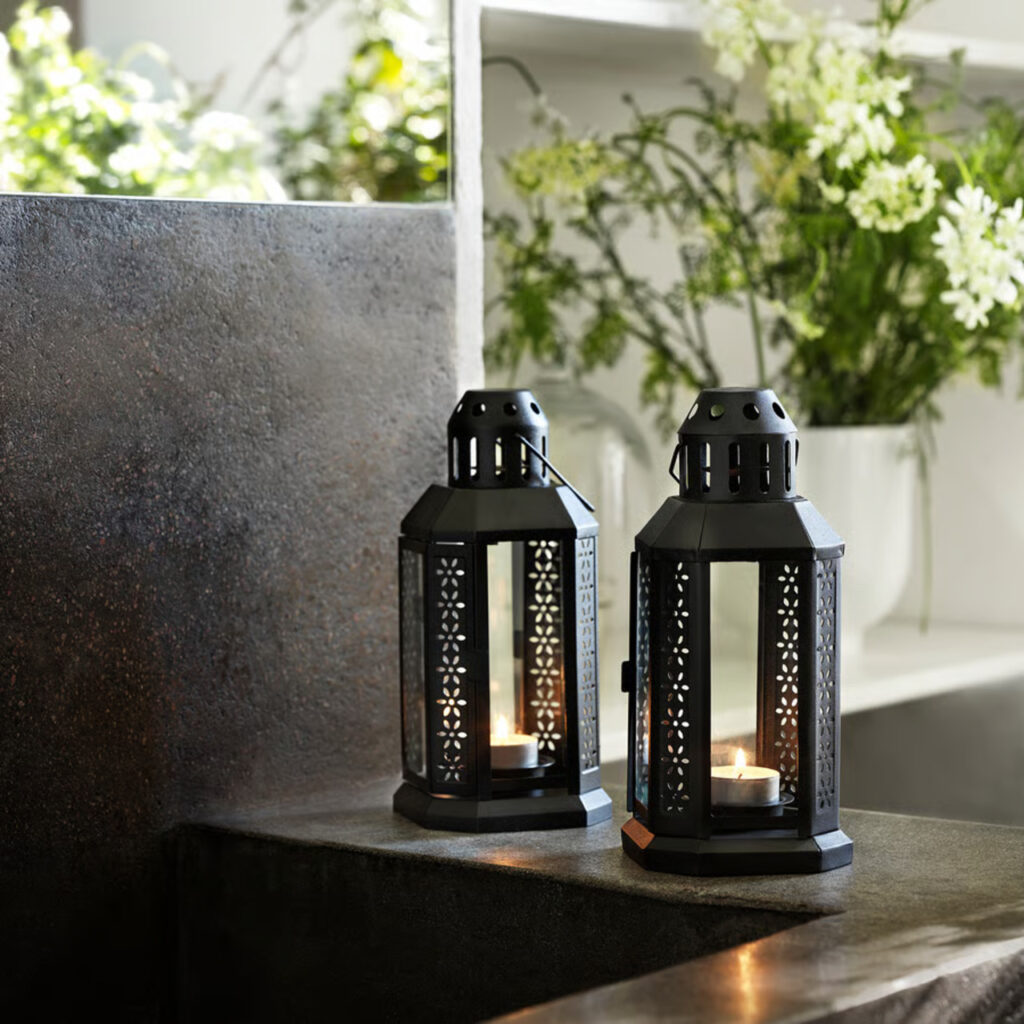
Lighting and hardware are small in size but big in impact, because you touch and notice them every day. Swapping builder-grade flush mounts and plain knobs for fixtures with more history in their lines can instantly warm up a room. Think simple schoolhouse pendants in glass, shaded wall sconces in a hallway, or an aged brass chandelier over the table. For hardware, classic shapes in finishes like unlacquered brass, blackened metal or porcelain give cabinets and doors more presence. Over time, metals develop a natural patina where hands touch them, which deepens the vintage effect. The important thing is to stay away from overly ornate pieces unless they really suit your architecture.
5. Add Soft Patterns, Wallpaper, Or Gentle Wall Treatments
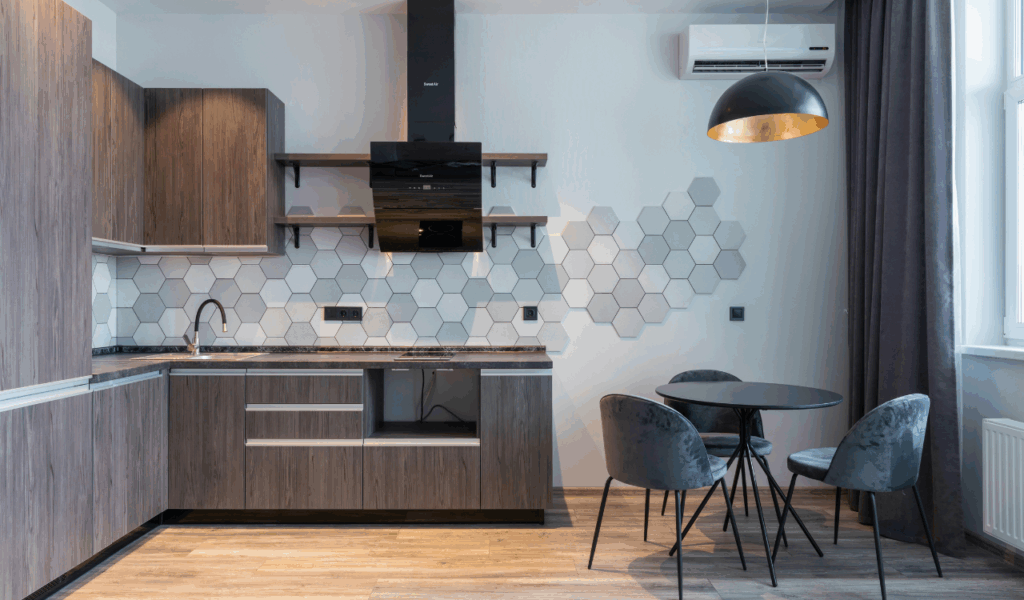
Walls do not have to stay plain to look modern. In fact, older homes often gained much of their charm from pattern and texture on vertical surfaces. A subtle floral or stripe wallpaper in a bedroom, a small-scale geometric in a powder room, or a tone-on-tone damask in a dining area can bring that sense of history back. Beadboard, vertical paneling, or simple batten work adds dimension and shadow in a way paint alone cannot. When you choose patterns, keep the color palette restrained and the scale appropriate to the room so it feels cozy rather than busy. Mixing one patterned wall covering with mostly solid fabrics and simple furniture keeps the look balanced.
6. Incorporate Classic Textiles And Well-Chosen Linens
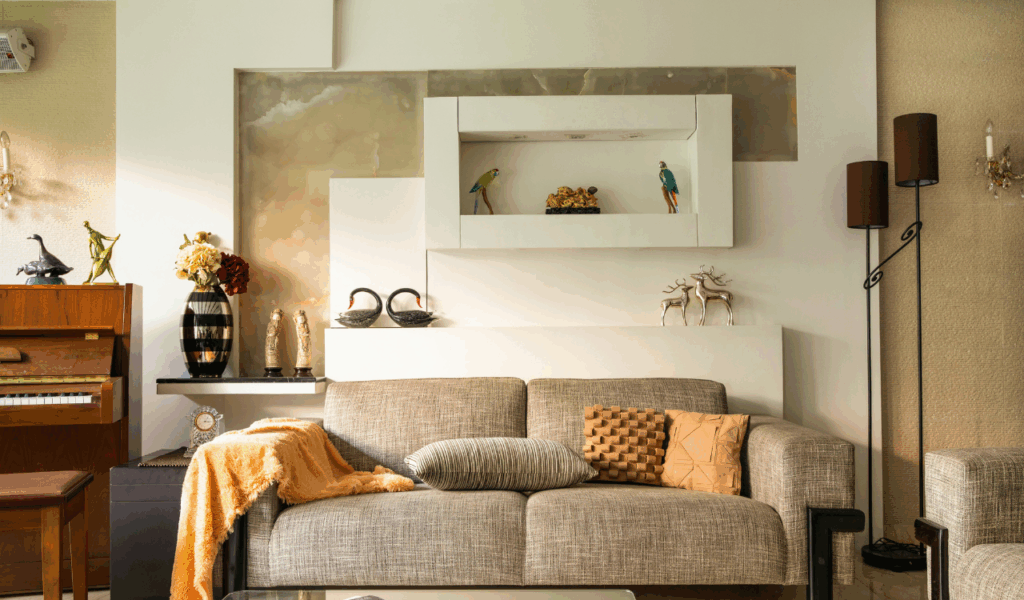
Fabrics are often where a room either feels cheap and temporary or timeless and settled. Natural fibers like cotton, linen, and wool age more gracefully than shiny synthetics. They wrinkle a little, soften with washing, and take on a slight fade that looks relaxed instead of worn out. Think linen curtains that skim the floor, a wool or cotton flatweave rug, quilted throws, or a simple striped duvet. Traditional patterns such as ticking stripes, small checks, and understated florals nod toward the past without overpowering the space. Choosing a few of these in a limited palette and repeating them around the home ties rooms together in a way that feels intentional.
7. Display Curated Objects, Books, Art And Meaningful Finds

Vintage charm is as much about what you show as how the house is built. Open shelves and tabletops stacked with random decor can quickly look cluttered, but a considered group of meaningful items can give a room instant depth. Old family photos in simple frames, a stack of worn hardback books, a ceramic bowl from a trip, a small antique clock, or a few well-chosen thrifted pieces all add up. The key is to choose items with some age, patina, or personal connection, then give them breathing room. Group them in odd numbers, vary heights slightly, and leave space around them so each can be noticed. Rotating pieces occasionally keeps the room feeling fresh.
8. Blend Old Heritage With Modern Functionality

One reason some vintage interiors feel stuck in time is that they ignore how people live now. You can avoid that by deliberately pairing old aesthetics with modern function. In the kitchen, for example, you might install shaker-style cabinets and an apron front sink but pair them with induction cooking and efficient storage inserts. In the living room, a vintage sideboard could hide media equipment while a modern sofa provides the comfort that older pieces sometimes lack. Bathrooms can combine classic subway tile and pedestal-inspired vanities with contemporary fixtures that save water and provide better lighting. This blend keeps you from sacrificing comfort and convenience for the sake of a look.
9. Let Warm, Soft Lighting Shape The Atmosphere
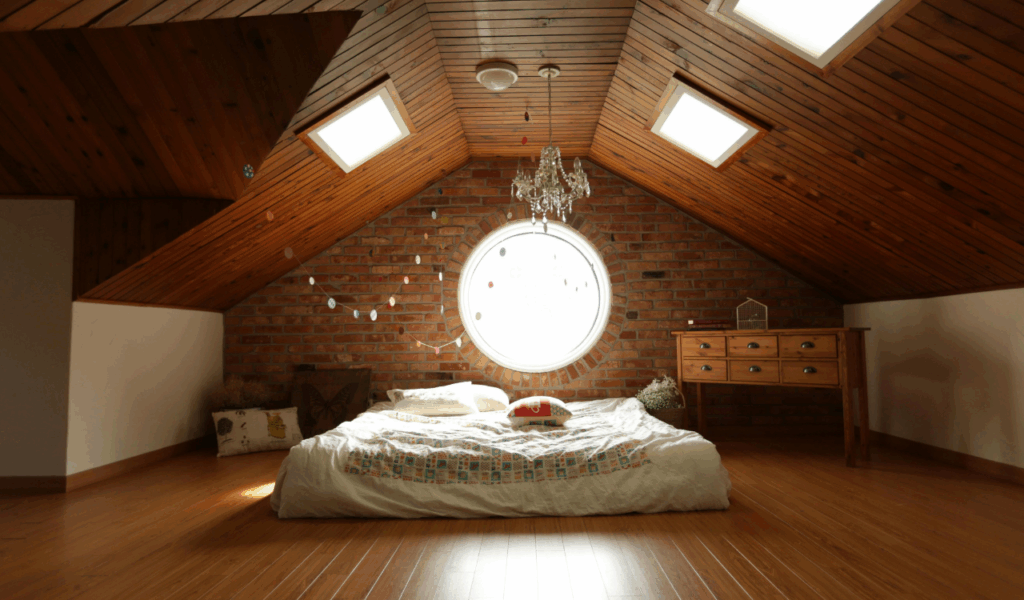
Nothing makes or breaks vintage charm faster than lighting. Bright, cool, single-source overhead lights flatten a room and highlight every hard edge. Older homes typically relied more on lamps, sconces and natural light, which created pools of warmth and soft shadows. You can recreate that feel by using layered lighting. Combine a central fixture with table lamps, floor lamps and wall lights, all fitted with warm temperature bulbs. Place them so they wash walls and highlight textures like brick, wood or paneling rather than just blasting light downward. Use fabric or opaque shades to diffuse glare. During the day, keep heavy window treatments open so natural light can play across surfaces.