9 Statement Furniture Pieces That Overwhelm Small Homes
Statement furniture is designed to stand out, but in small homes, that impact often comes at a cost. Pieces that look stunning online or in showrooms can quickly overwhelm limited square footage, disrupt flow, and make everyday living harder than it needs to be. Oversized sofas, dramatic beds, and bulky storage tend to dominate rooms instead of supporting them. As more homeowners live with these choices long term, the regret becomes clear. In compact spaces, furniture has to work harder, not louder. Scale, flexibility, and visual breathing room matter far more than bold first impressions.
1. Oversized Sectional Sofas
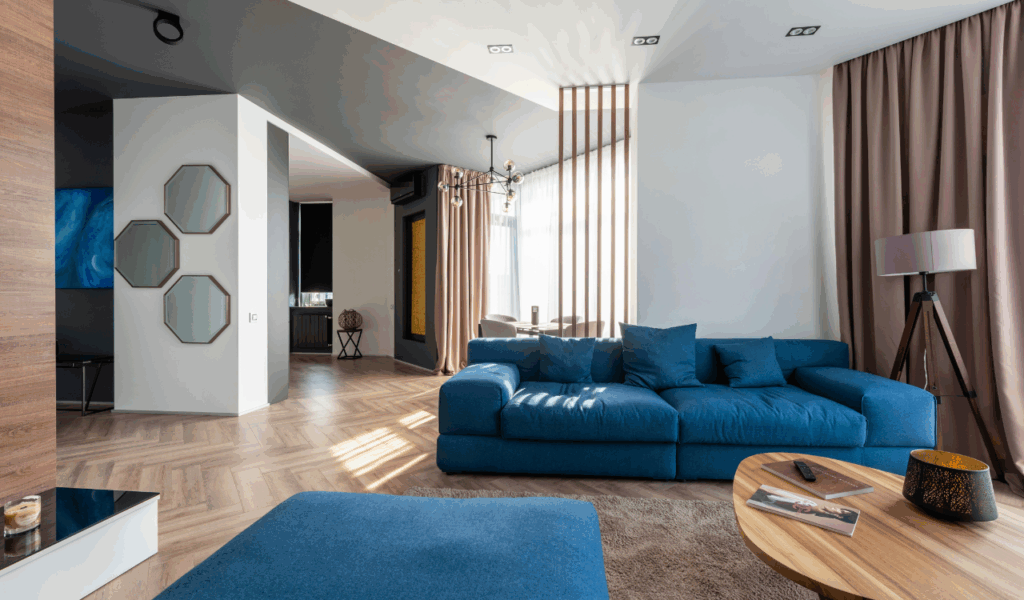
Here’s the thing about oversized sectionals: they promise comfort but quietly take control of the entire room. In small homes, these sofas don’t just provide seating; they dictate traffic flow, furniture placement, and even how people move through the space. Corners that could have been used for shelves, lamps, or flexible seating get swallowed up. Sectionals also reduce adaptability. If you want to rearrange, host more people, or simply refresh the layout, you’re stuck working around one massive object. Over time, homeowners realize that the sofa meant to anchor the room ends up shrinking it, making even well-lit spaces feel crowded and less livable.
2. Bulky Entertainment Units
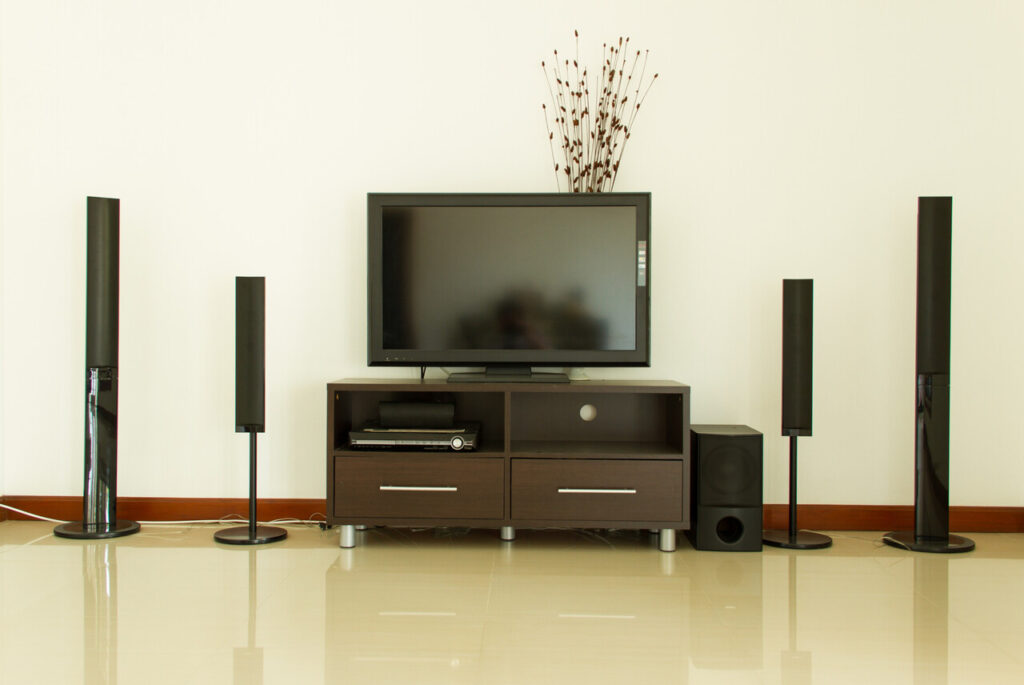
Large entertainment centers are leftovers from a time when televisions needed depth, storage, and heavy framing. In modern small homes, they often feel wildly out of scale. These units consume wall space that could otherwise remain visually open or support lighter storage solutions. They also draw the eye downward, making ceilings feel lower and rooms feel heavier. Functionally, most of their compartments go unused as streaming replaces physical media. What remains is a visually dominant piece that adds bulk without adding real utility. Many homeowners discover too late that a slim console or wall-mounted setup would have preserved both space and flexibility.
3. Large Statement Armchairs

Statement armchairs look incredible online, photographed alone in perfect lighting. In real homes, especially smaller ones, they can feel awkward and intrusive. Their exaggerated proportions often compete with sofas rather than complement them. These chairs rarely offer enough seating benefit to justify the space they occupy, and they’re notoriously difficult to reposition. Once placed, they tend to stay put, even if the layout no longer works. Over time, they become decorative obstacles rather than functional furniture. Homeowners frequently realize that two lighter, smaller chairs would have offered more comfort and versatility with far less visual weight.
4. Grand Dining Tables
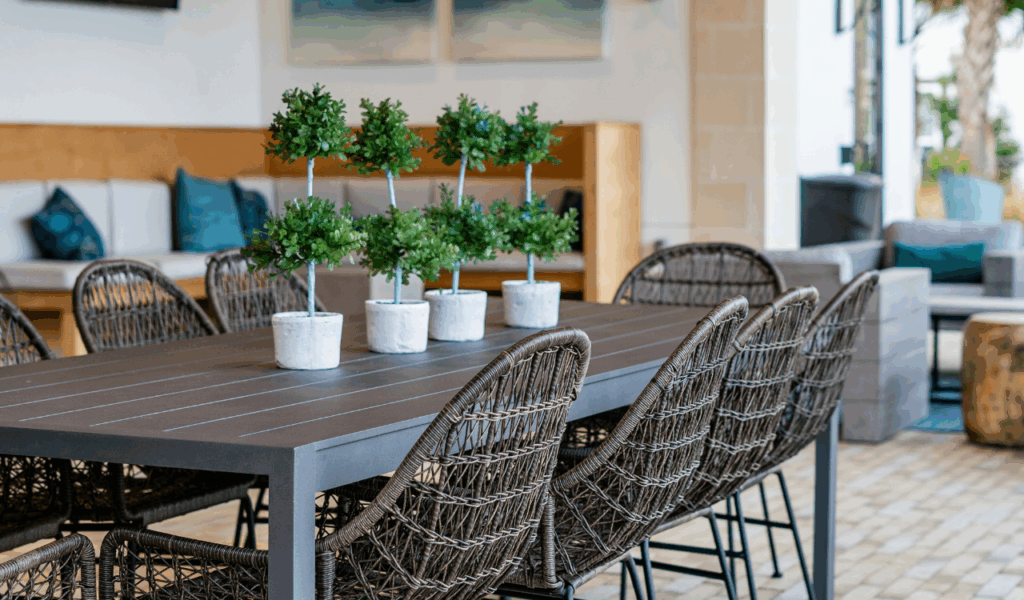
A large dining table feels aspirational, like a symbol of hosting and togetherness. In compact homes, it often becomes a daily inconvenience. These tables dominate multipurpose rooms, leaving little breathing room for movement or other activities. Most households rarely use the full seating capacity, meaning the size is more theoretical than practical. Chairs scrape walls, walkways tighten, and the room loses flexibility. What starts as a statement quickly turns into a constant spatial compromise. Many homeowners later wish they had chosen expandable or slimmer tables that adapt to real life instead of planning for hypothetical dinner parties.
5. Heavy Four-Poster Beds
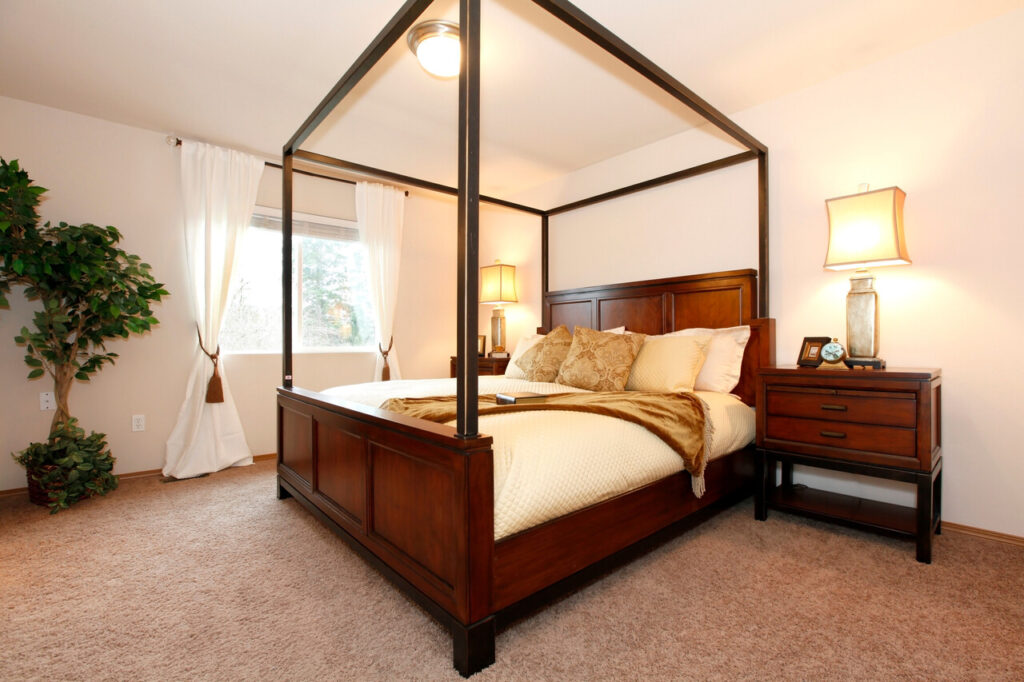
Four-poster beds bring drama, but that drama comes at a cost in smaller bedrooms. Tall posts visually slice the room into sections, making ceilings feel lower and the space more enclosed. These beds demand attention, often overwhelming other design elements. They also limit lighting options and restrict furniture placement around them. In rooms where every inch matters, the visual bulk can make even tidy spaces feel cramped. Over time, homeowners often realize that the romantic appeal fades, while the daily feeling of confinement does not. Simpler bed frames tend to support better airflow, light, and long-term comfort.
6. Large Display Cabinets or Hutches
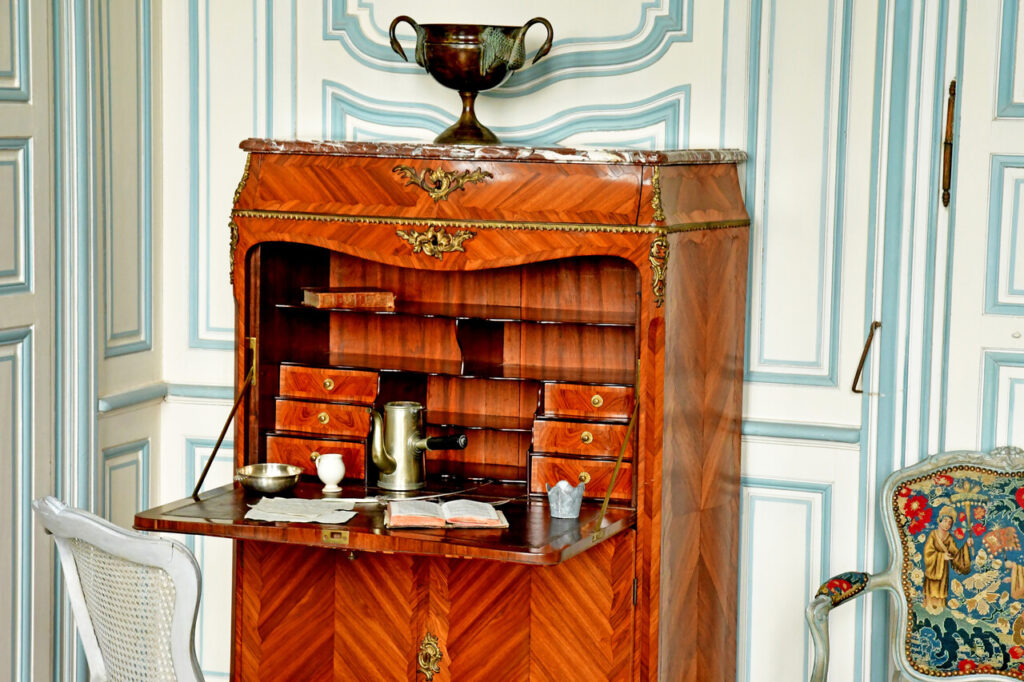
Display cabinets promise storage but deliver visual noise. In small homes, their scale rarely matches their usefulness. Glass fronts require constant styling, turning storage into a performance rather than a solution. Instead of hiding clutter, they showcase it, adding pressure to keep everything perfectly arranged. These cabinets also occupy valuable floor space that could support closed storage or multifunctional furniture. Over time, homeowners notice that these pieces store very little that’s actually used day to day. What remains is a large footprint devoted to objects that don’t improve daily living.
7. Statement Coffee Tables With Thick Bases
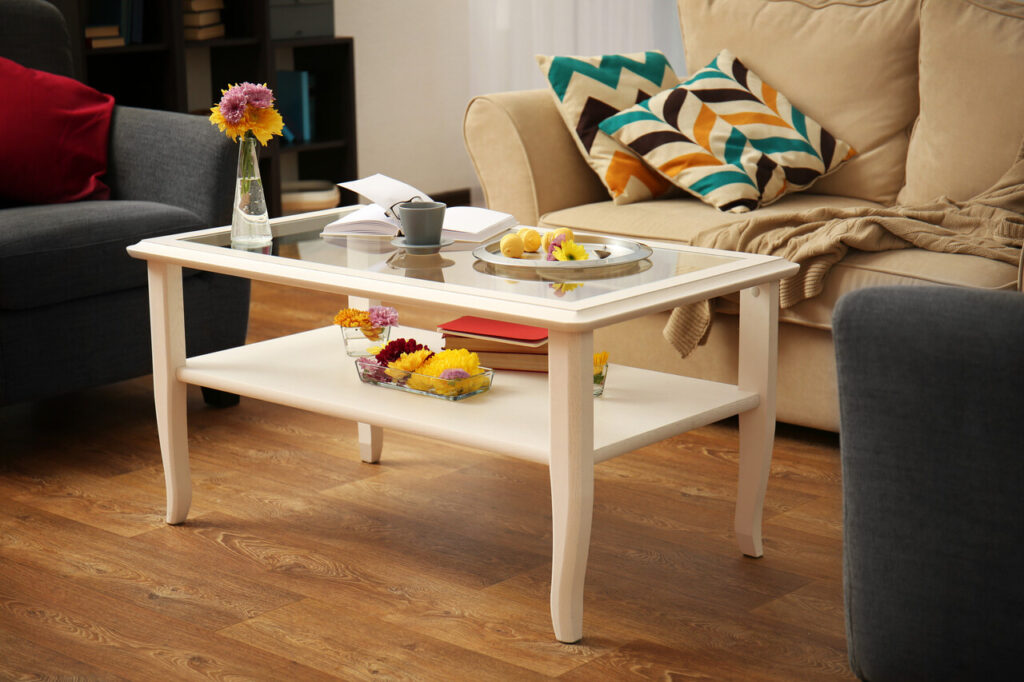
A bold coffee table can ground a seating area, but thick, heavy bases often do the opposite in small rooms. They block sightlines, interrupt visual flow, and reduce usable legroom. These tables tend to feel immovable, locking the room into one layout. Their weight can overpower lighter seating, making the space feel bottom-heavy. While they photograph well, living with them reveals their limitations quickly. Homeowners often find themselves navigating around the table rather than using it, realizing that slimmer designs would have offered the same function without dominating the room.
8. Over-Scaled Headboards
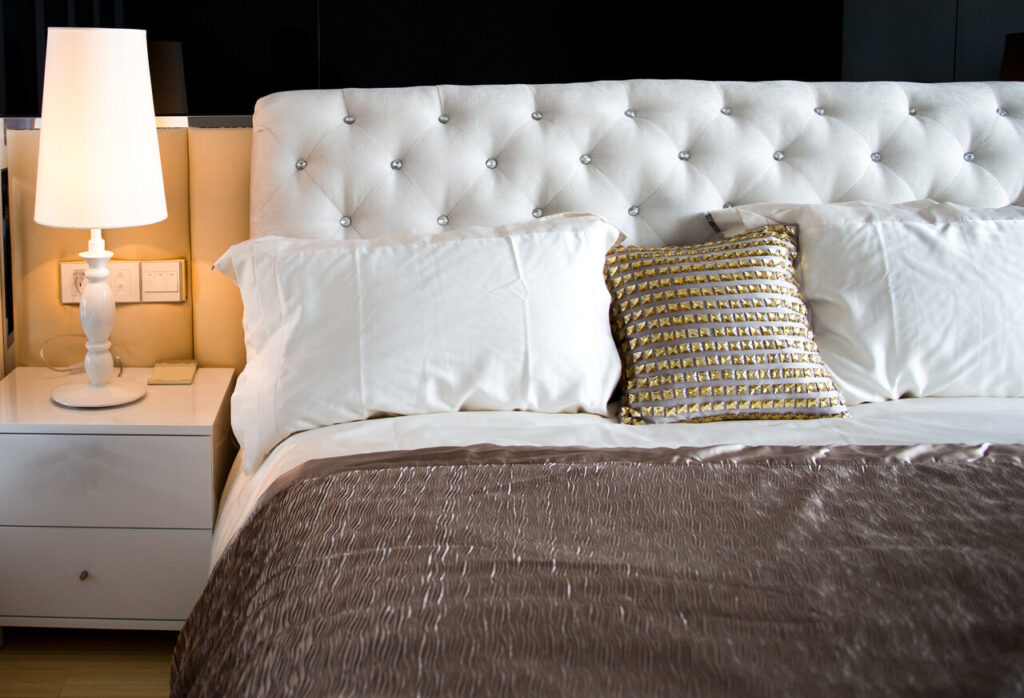
Large headboards are meant to create a focal point, but in small bedrooms, they often become the only thing you see. Tall or wide headboards compress visual space, making rooms feel narrower and more enclosed. They also limit flexibility with nightstands, wall decor, and lighting placement. Once installed, they’re difficult to work around. Over time, homeowners notice that the bedroom feels less restful and more rigid. Softer or lower-profile headboards tend to support better balance, allowing the room to feel calm rather than visually crowded.
9. Dramatic Accent Benches or Chaises
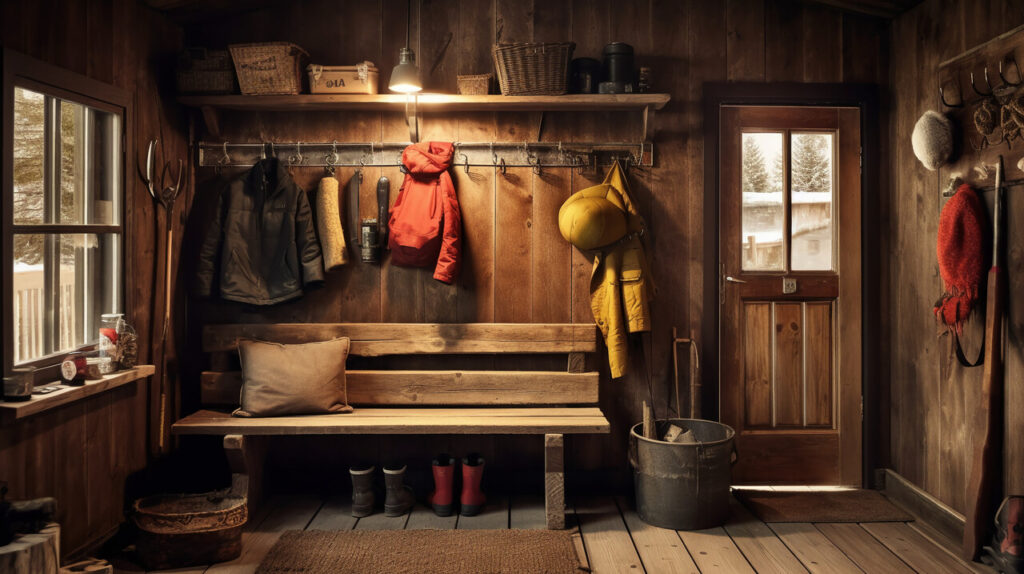
Accent benches and chaises are classic examples of furniture chosen for impact rather than use. In small homes, they frequently sit unused while occupying valuable square footage. These pieces often interrupt natural pathways and make rooms feel less intuitive to navigate. Because they serve a narrow function, they rarely earn their keep. Over time, homeowners realize these dramatic accents don’t adapt to changing needs. What looked stylish at first slowly feels unnecessary, especially when the space could benefit more from storage, seating, or open floor area.