9 Pizza Towns Battling Over “Real” Slice Supremacy (NY or Chicago?)
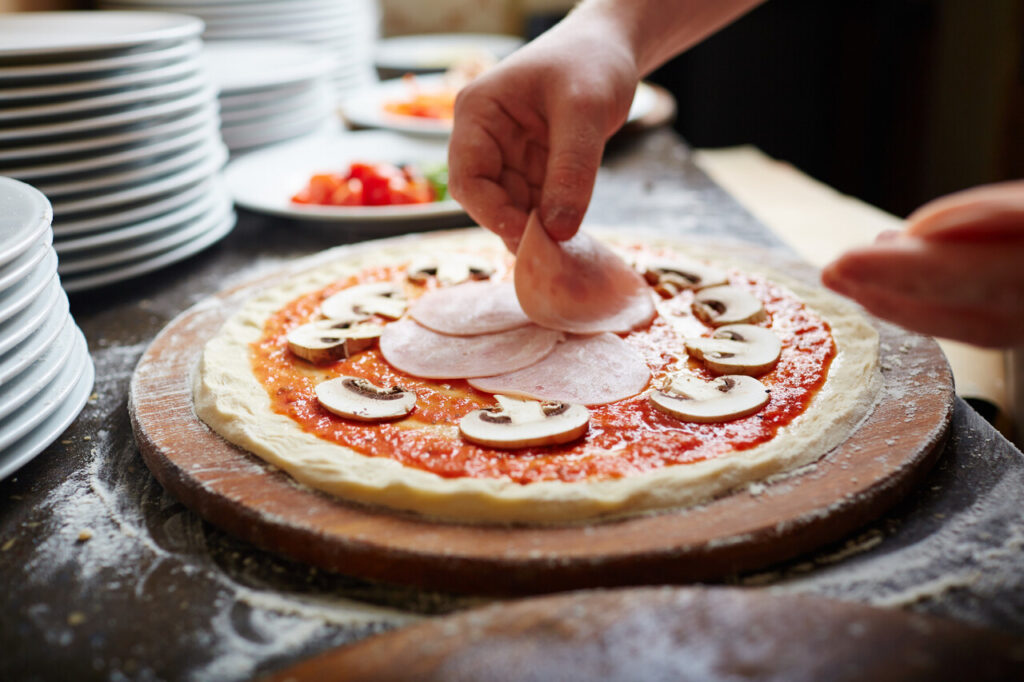
What makes a town claim its pizza is the “real” one? It usually comes down to pride, history and a strong sense that the way locals eat their pie is the way everyone should. Across the country, cities big and small defend their crust styles with surprising intensity. Some argue for thin and foldable, while others double down on buttery, deep-dish versions, and a few proudly champion versions that barely resemble the national norm. These rivalries aren’t just about food. They’re about identity, tradition, and the belief that a slice of pizza can say something honest about where you come from.
1. New York City, New York
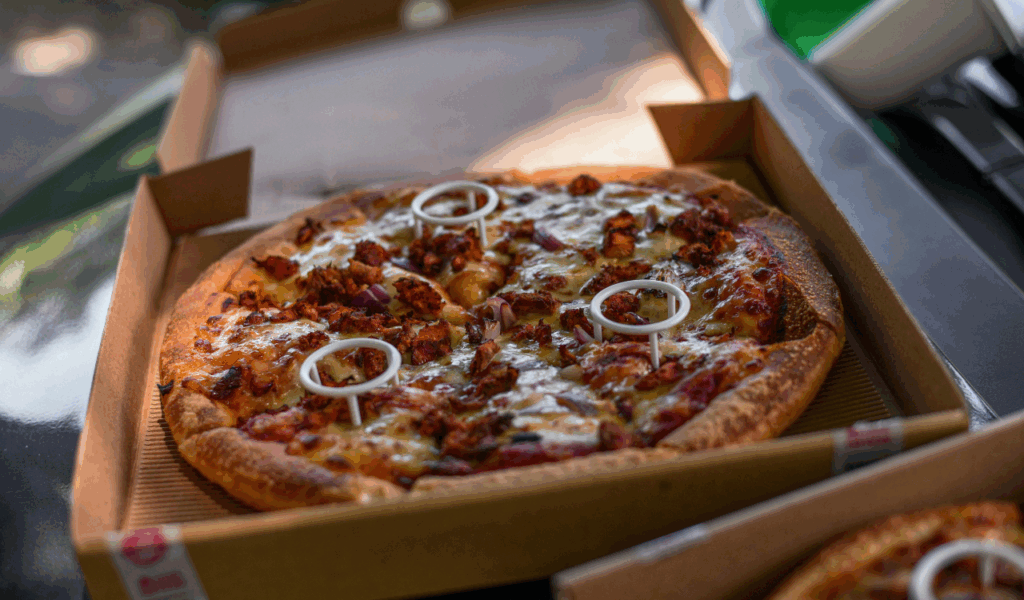
New York’s claim to pizza supremacy rests on repetition and muscle memory as much as on any single famous shop. The city’s standard slice is large, thin, and flexible, with a base sturdy enough to hold but soft enough to fold. That balance comes from high-gluten flour, long-fermented dough, and deck ovens that turn out pies all day. Sauce is usually kept simple, more tangy than sweet, and cheese is almost always low-moisture mozzarella that melts into a uniform layer. The rhythm matters too. Many shops sell by the slice, which means pies are constantly being baked, sliced, reheated, and handed across the counter. You get a bit of char on the bottom, grease that runs toward the tip, and a flavor that feels familiar even in a new neighborhood.
2. Chicago, Illinois
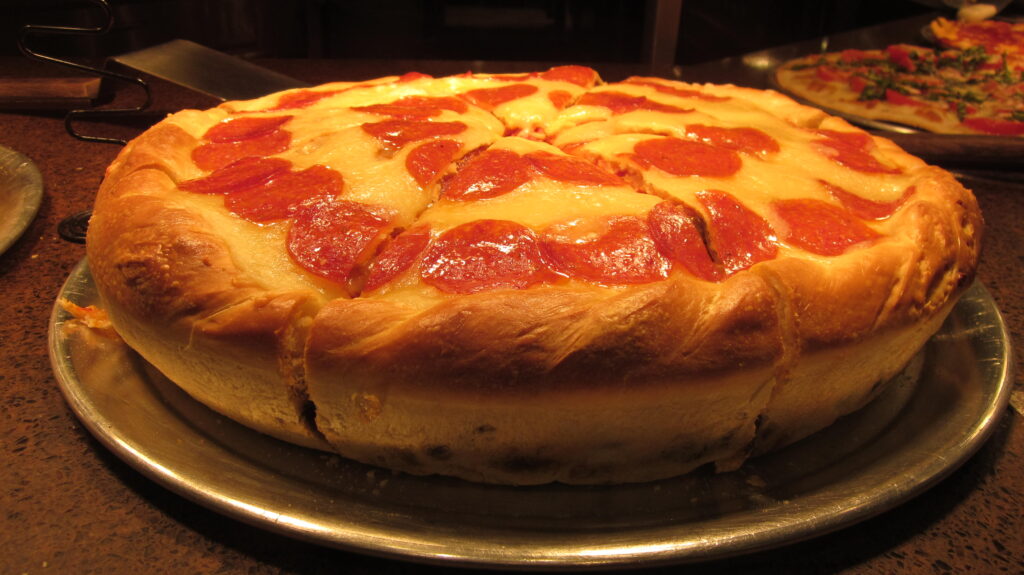
Chicago treats pizza as a sit-down event rather than something you eat while walking down the street. The deep-dish style that made the city famous starts with a pan coated in oil or butter, then a dough that behaves almost like a pastry crust. Cheese goes down first, then toppings, then a thick layer of crushed tomatoes, which protects the cheese from burning during a longer bake. The result is a tall, hearty pie that eats more like a casserole, with distinct layers you can see when a slice is pulled from the pan. There is also a lesser-known tavern style in Chicago, very thin and cut into squares, but deep dish is the emblem that outsiders argue about.
3. New Haven, Connecticut
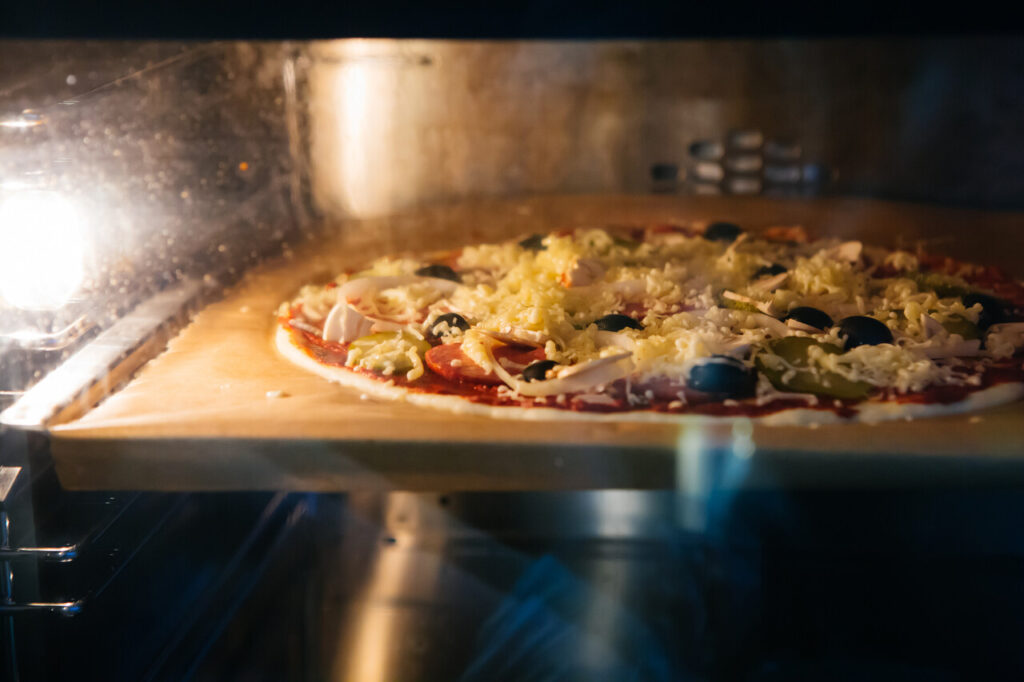
New Haven’s apizza scene is small in geography but huge in influence. Here, pizza is baked in very hot coal or gas-fired ovens that date back decades, which is a big part of why the crust tastes the way it does. Pies come out oblong rather than perfectly round, with a bottom that shows leopard spots of char and a rim that is chewy rather than airy. The classic order is a “plain” pie, often just tomato sauce, pecorino, and a drizzle of olive oil, with mozzarella added only if you ask. Then there is the white clam pie, where fresh clams, garlic, olive oil, and grated cheese replace red sauce altogether. These combinations reflect early twentieth-century Italian American tastes and have changed little since.
4. Detroit, Michigan
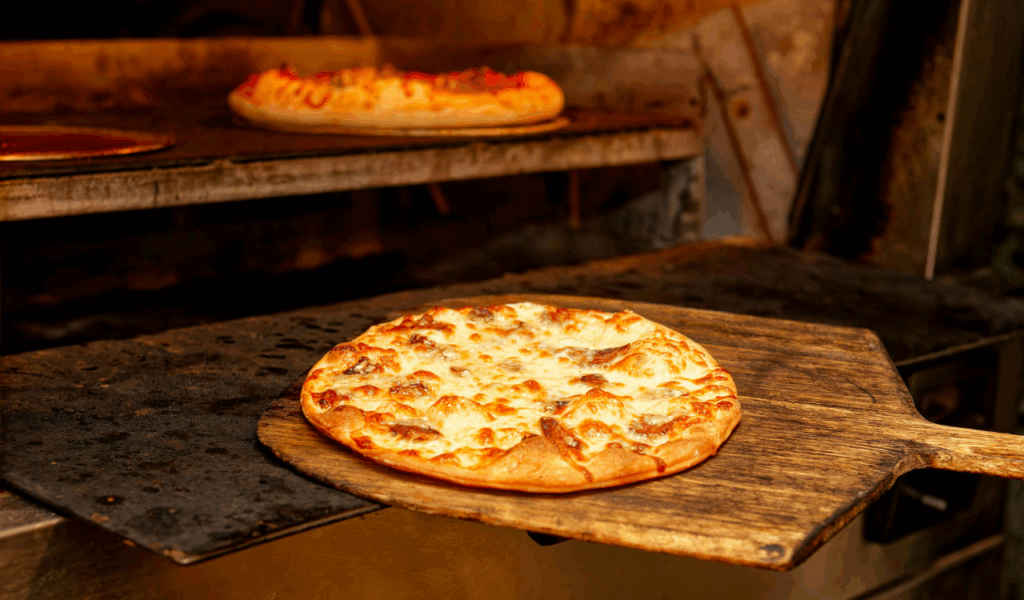
Detroit-style pizza grew out of industrial leftovers and blue-collar kitchens. The pans originally used were heavy steel trays from auto plants, which hold heat extremely well and help create the signature crisp underside. Dough is spread thick, closer to focaccia than to a traditional pie, and is allowed to rise in the pan so that it bakes fluffy in the middle while frying slightly in the oil at the edges. Cheese, often Wisconsin brick or mozzarella, is pushed all the way to the rim so it melts down and caramelizes where it meets the hot metal. Tomato sauce is spooned on in streaks or dollops on top, not under the cheese. The finished product is cut into squares and served as a rich, filling slab.
5. St. Louis, Missouri
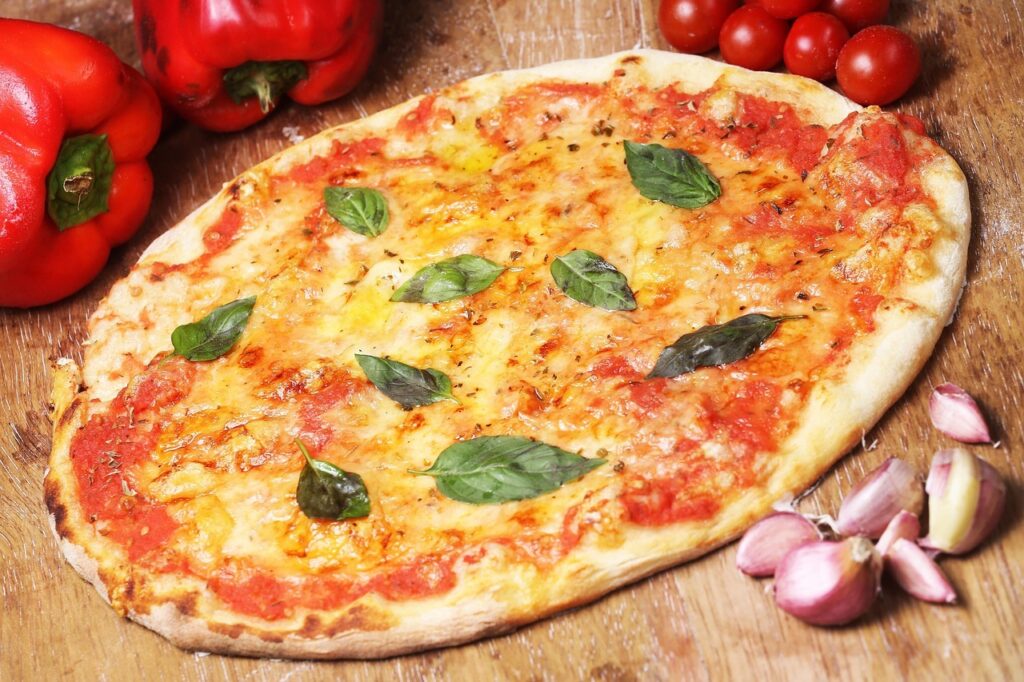
St. Louis pizza breaks many of the assumptions people bring to the table. The crust is extremely thin and crisp, made without yeast in many versions, which gives it a cracker-like snap instead of a chewy bite. On top goes a distinctive processed cheese blend known as Provel, which melts low and stretches less than mozzarella, creating a creamy, almost sticky layer that clings to the crust. Sauce is usually mildly sweet and applied sparingly. Pies are baked quickly and then cut into small squares or rectangles, a style sometimes called party cut that encourages sharing and snacking rather than individual triangle slices. To outsiders, the combination can be polarizing, but for locals it is tied to childhood memories, late-night orders and certain regional chains.
6. Philadelphia, Pennsylvania
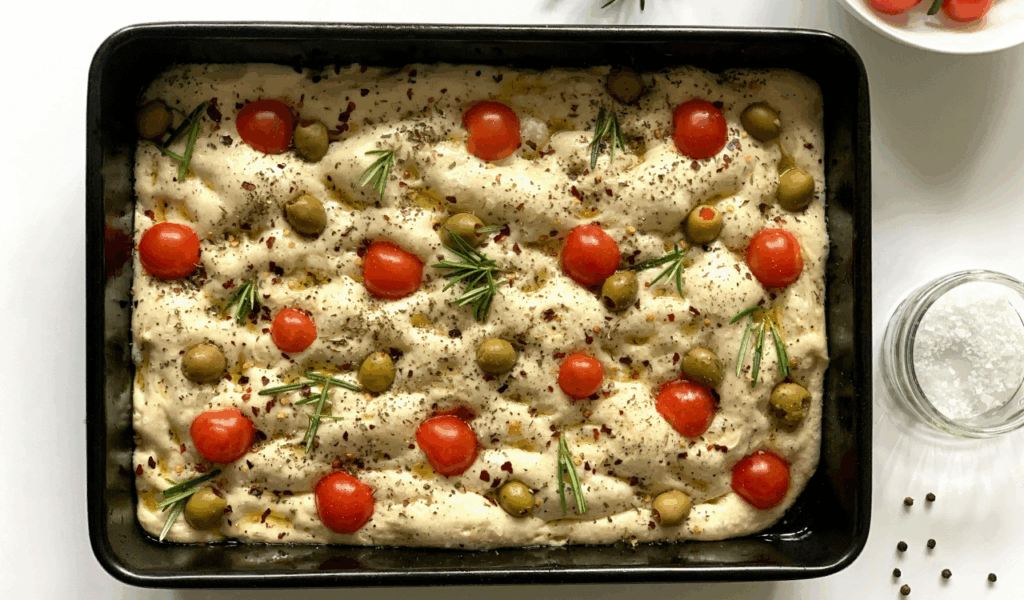
Philadelphia’s tomato pie sits at the intersection of bakery and pizzeria. Instead of a thin, round crust topped with cheese, you get a thick, airy rectangle of dough similar to focaccia, covered edge to edge with a bright, seasoned tomato sauce. Cheese, if present at all, is usually a dusting of grated hard cheese rather than a full melted layer. Tomato pie is often served at room temperature and sold by the square in bakeries and corner shops, making it well suited to parties, school events and casual gatherings. The style reflects early Italian American baking traditions, where bread and pizza shared the same ovens and doughs. While Philadelphia also has plenty of conventional slice shops, tomato pie has become a regional marker.
7. California’s Gourmet And Market-Driven Pies
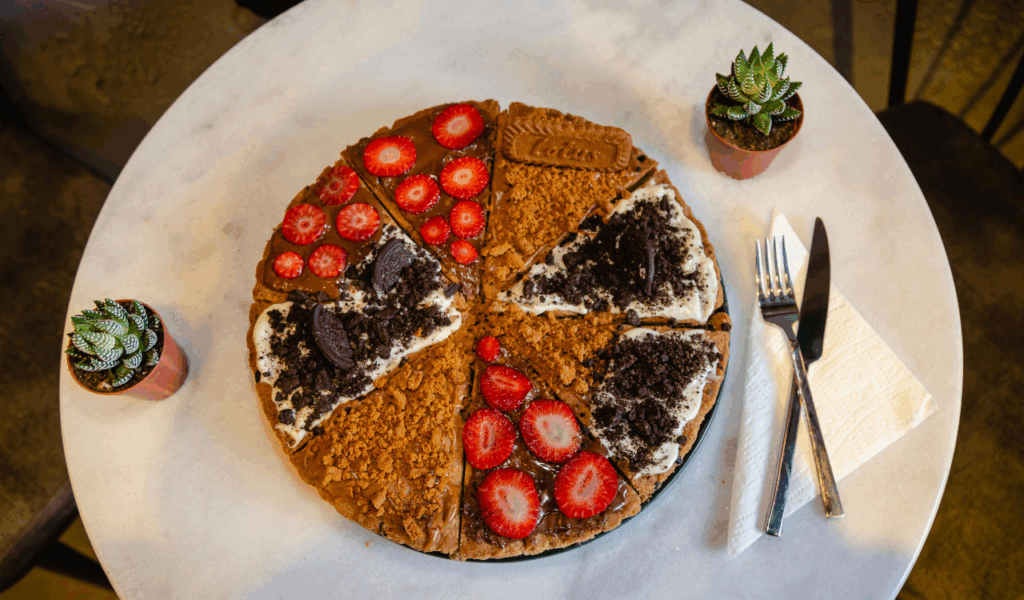
California’s major cities approach pizza as a canvas for local produce and chef-driven ideas. Instead of sticking to pepperoni and sausage, menus lean into toppings like goat cheese, arugula, seasonal vegetables, prosciutto, smoked seafood and unconventional sauces. Crusts are often thin and charred from wood-fired ovens, reflecting Italian influence, but the use of ingredients is far more experimental. This style traces back to late twentieth-century chefs who started treating pizza as another outlet for California cuisine, which emphasizes fresh, regional products and lighter preparations. In this context, the debate over “real” pizza is less about tradition versus change and more about how far you can stretch a basic format while still recognizing it as pizza.
8. Pacific Northwest, Portland, And Beyond
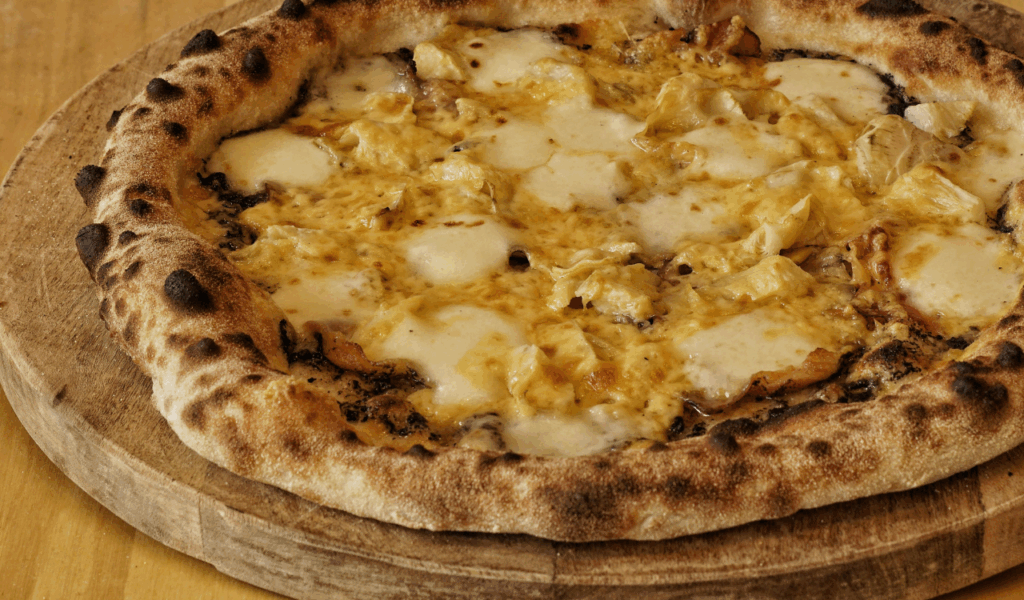
The Pacific Northwest has quietly built a reputation for pizza that mirrors its craft beer and coffee cultures. Cities like Portland and Seattle support small pizzerias that focus on long fermented doughs, often made with regional flours, and toppings that change with the seasons. Wood-fired or gas deck ovens supply high heat for blistered crusts, but the overall feel is more relaxed than in tightly scripted Neapolitan spots. Menus might feature wild mushrooms, local cheeses, house-made sausage, or greens from nearby farms. Many shops also cater to dietary preferences by offering whole-grain, sourdough, or gluten-free bases.
9. Neapolitan Style In Urban American Hubs
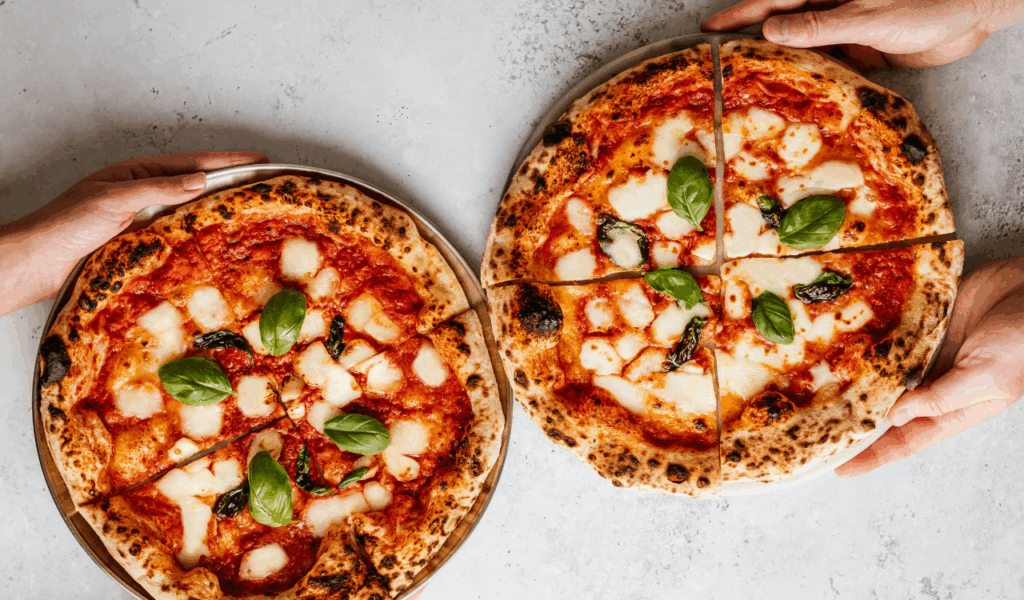
Across many American cities, Neapolitan-inspired pizzerias have emerged as both a nod to the original birthplace of pizza and a counterpoint to heavy, cheese-loaded slices. These spots typically follow guidelines similar to those used in Naples, with dough made from finely milled flour, high hydration, and long fermentation, then baked in wood-fired ovens at very high temperatures for around ninety seconds. The resulting pies are personal-sized, with a soft, pliable center, puffed cornicione and sparse toppings like San Marzano tomatoes, fresh mozzarella, and basil. Certification bodies exist for restaurants that meet strict criteria, though not every shop seeks that stamp.