9 Fun Ways to Personalize Your Kids’ Play Area
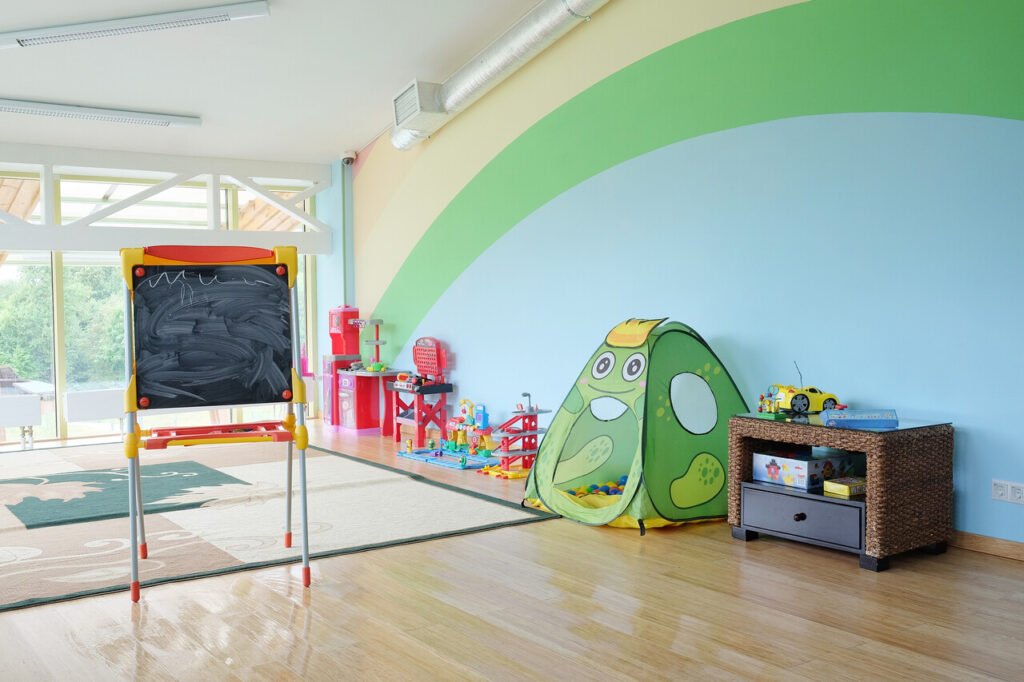
A kids’ play area works best when it reflects the way children actually use a room, which means it needs personality, structure, and enough flexibility to grow with them. The most memorable spaces feel like a small world built just for them, where creativity is encouraged instead of contained and where every corner has a purpose. Personalizing the room goes beyond picking bright colors or adding a few cute toys. It’s about shaping an environment that supports independence, sparks imagination, and gives kids a place to explore on their own terms. It becomes a space where kids feel ownership, comfort, and freedom to try new things every day.
1. Chalkboard Or Dry-Erase Wall

A chalkboard or dry-erase wall turns one section of the play area into a giant permission slip to draw on the walls. Instead of trying to protect every surface, you intentionally give kids a place where scribbling is not only allowed but expected. Chalkboard paint or peel-and-stick whiteboard film can cover a full wall, a door, or just a framed panel at kid height. From a practical angle, it saves paper and keeps most of the marker and chalk activity in one zone that wipes clean with a cloth or eraser, which is easier than tracking dozens of loose coloring sheets around the house.
2. Toy Cubbies And Open Storage
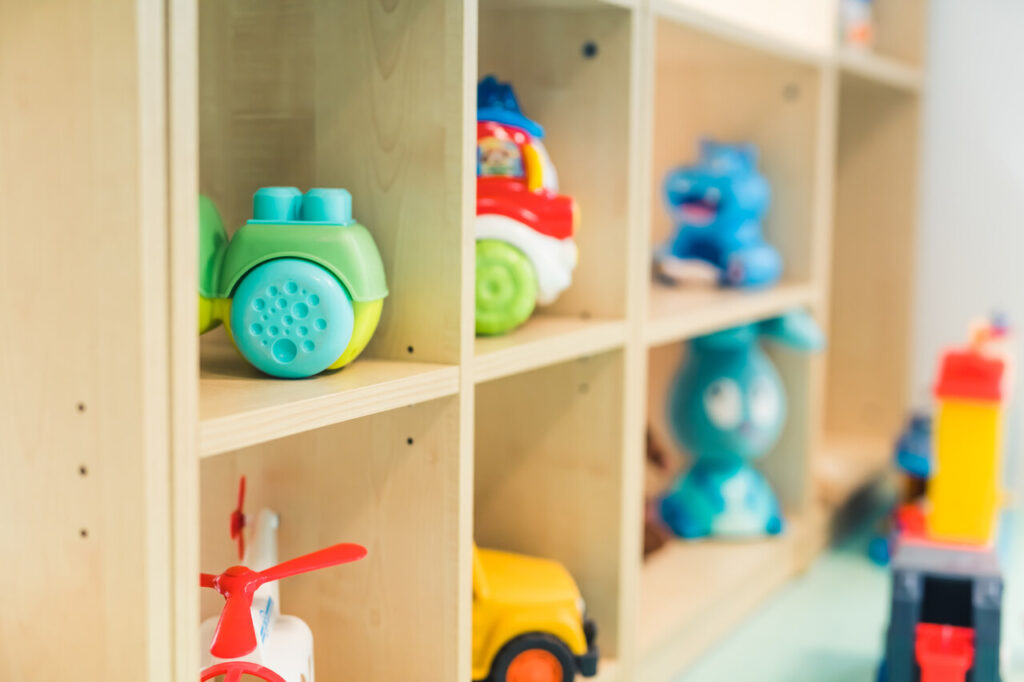
Low cubbies and open bins do more than tidy up the room. They quietly teach kids how to manage their own things. When toys live in open baskets, shelves, or labeled bins near the floor, children can see what they own and put items back without needing adult help. That visibility cuts down on the classic problem of forgotten toys buried in deep chests. From a parent’s perspective, open storage makes nightly clean up quicker and allows you to rotate toys in and out without digging. It also reduces tripping hazards because there is an obvious place for blocks, cars, and stuffed animals to land when playtime is over.
3. Dedicated Craft Or Art Station
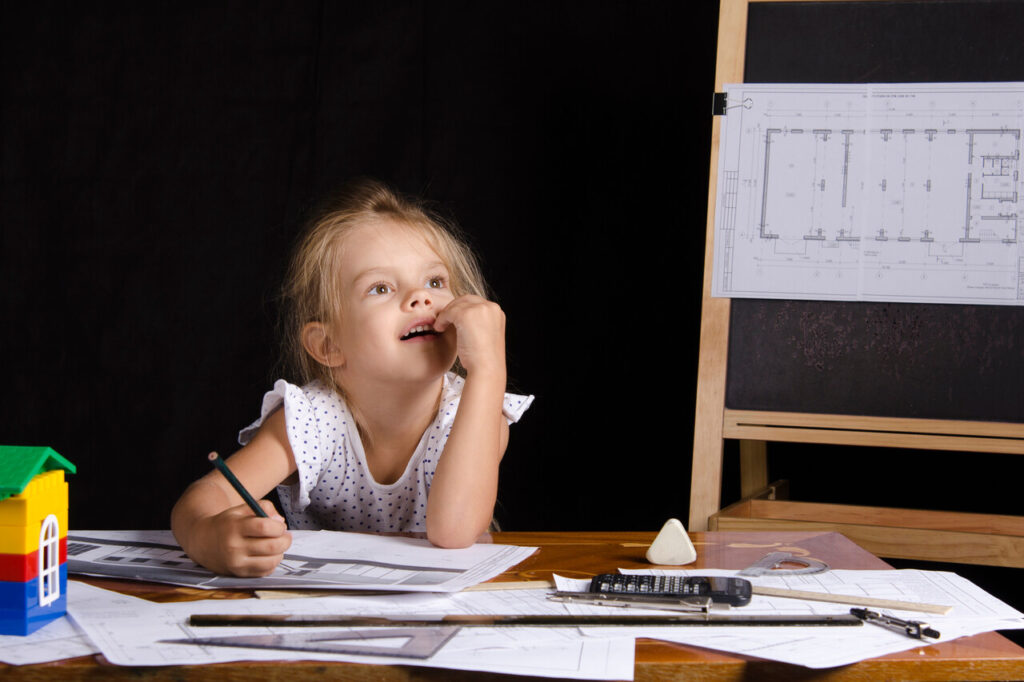
A dedicated craft or art station gives creative mess a home instead of letting it spread across the dining table. A simple child size table with a couple of stools, a roll of paper, and containers for crayons, markers, glue, and scissors is usually enough to start. Keeping supplies in caddies or drawers at kid level encourages them to set up and put away their own projects. You can add hooks for aprons and a small trash bin to keep things contained. The station works for drawing, simple science experiments, and homework as kids grow. A washable surface and a plastic mat underneath make cleanup after paint or clay sessions more straightforward.
4. Cozy Reading Nook
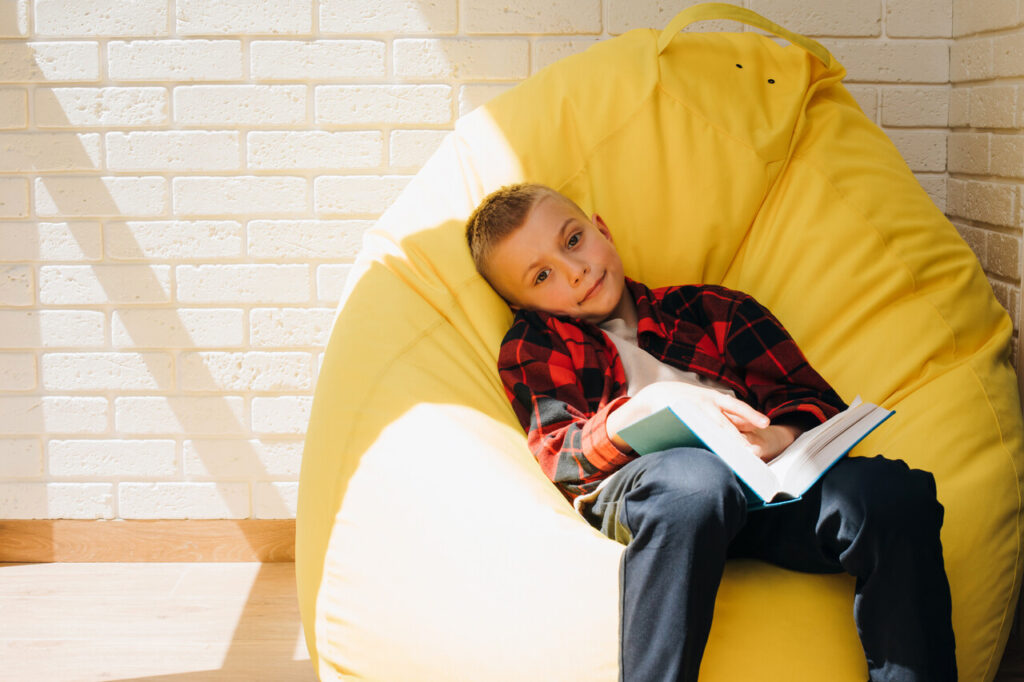
A reading nook in a play area signals that the room is not just about high-energy games. It gives kids a soft, contained space where they can look at books, decompress, or play quietly. You do not need much: a corner with a small bookshelf or wall-mounted ledges, a floor cushion or beanbag, and a few pillows can do the job. Adding a lamp with warm light or a string of fairy lights makes the area feel special and encourages use at quieter times of day. Front-facing book storage, where covers are visible instead of just spines, helps younger children choose what they want more easily and often leads to more independent reading.
5. Indoor Swing Or Activity Feature
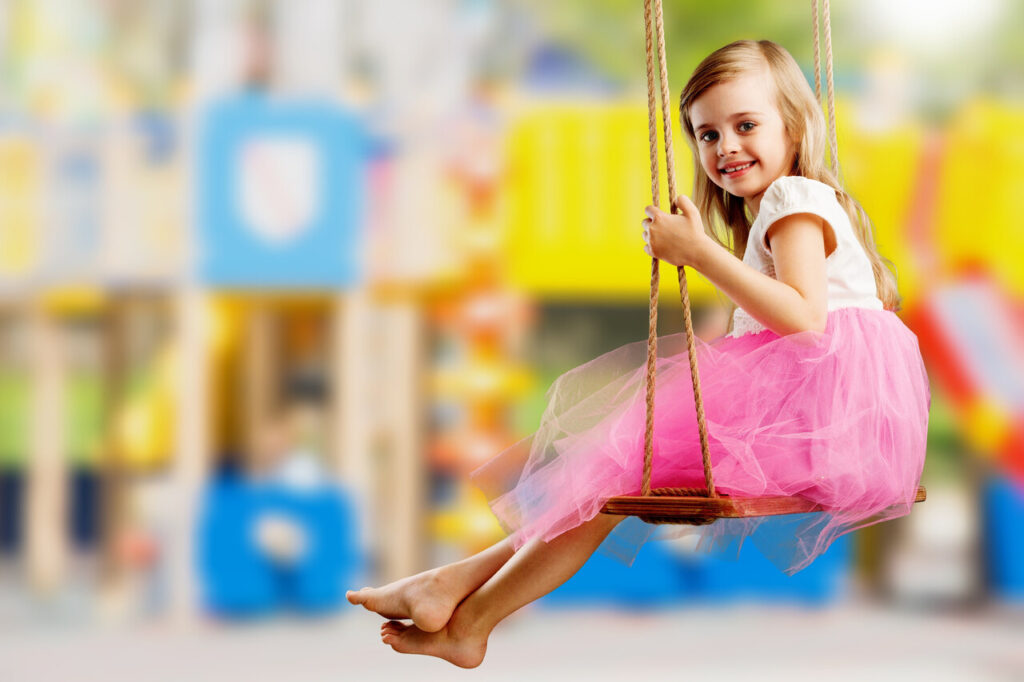
Indoor activity elements like a small swing, climbing wall panel, or soft play structure are a smart way to handle extra energy when outdoor time is limited. A securely anchored ceiling swing or doorway bar with accessories gives kids a way to move their bodies that feels different from running in circles. Climbing holds mounted on a short wall or a foam wedge for climbing and sliding serve the same purpose at floor level. When done right, these pieces blend into the playroom and reduce the urge to climb on furniture that was never designed for it.
6. Easy Clean Flooring Or Play Mats
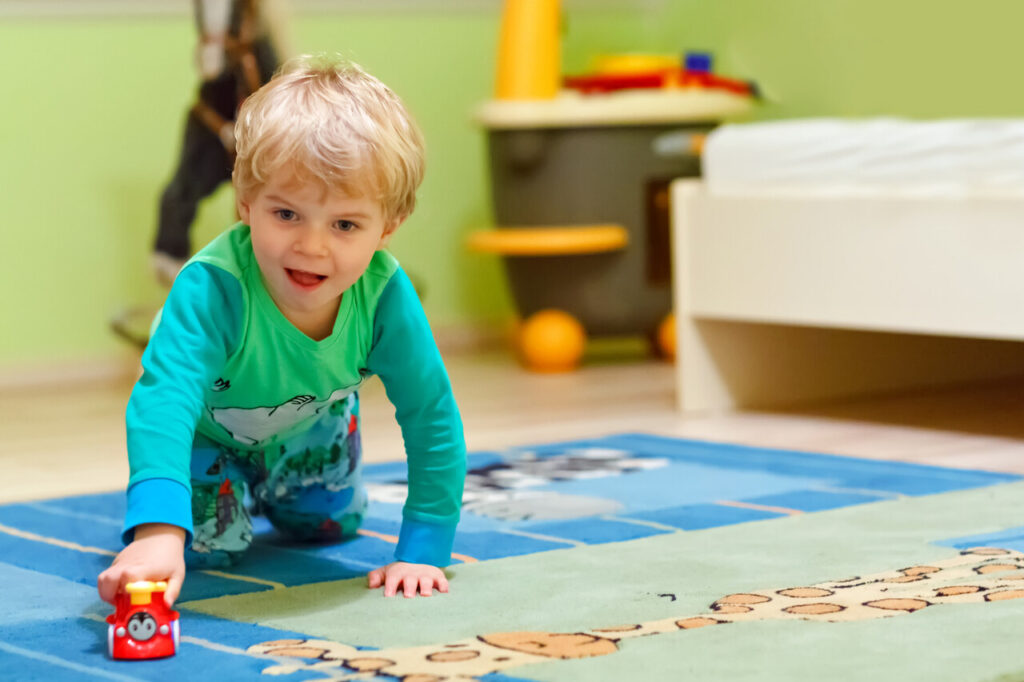
Flooring in a play area works hardest of all. Easy clean surfaces and mats personalize the space while keeping maintenance realistic. Interlocking foam tiles, low pile rugs, or washable play mats can define zones for building blocks, cars, or pretend kitchen play. They cushion falls, make sitting on the floor more comfortable, and protect hard surfaces from scratches and paint spills. Choosing patterns and colors that tie in with the rest of your home keeps the room from feeling like an isolated kids’ zone while still being playful. When a mat gets too worn or stained, you can replace a few tiles or swap the rug without disturbing the whole room.
7. Displaying Kids’ Artwork And Creations
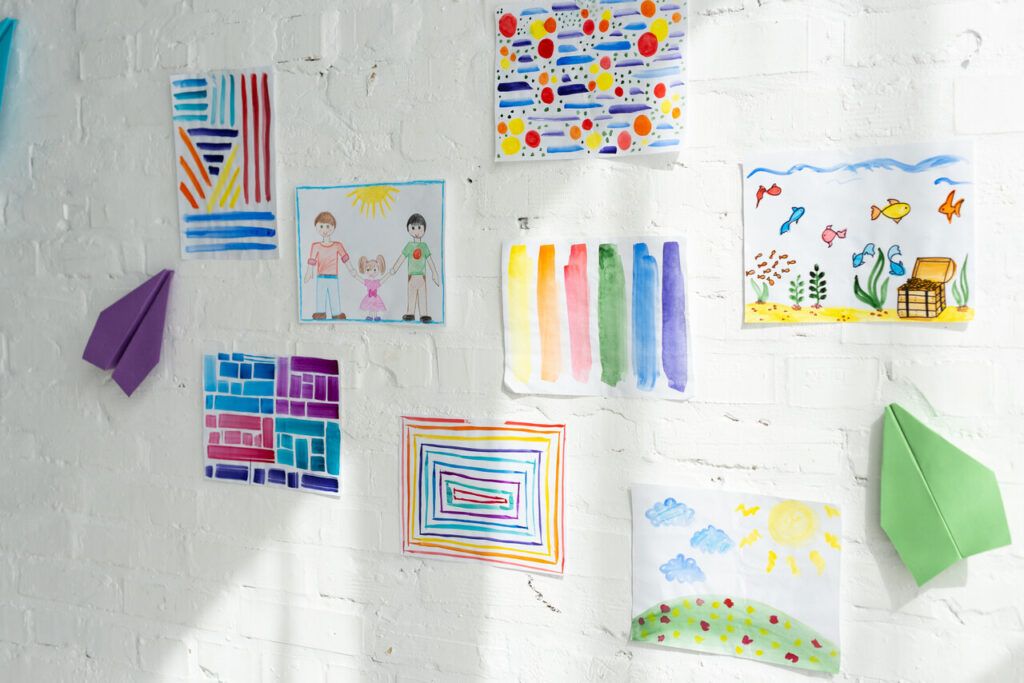
Hanging kids’ artwork gives them visible proof that their efforts matter. A simple wire with clips, a corkboard, a magnetic strip, or a row of inexpensive frames can turn one wall into a rotating gallery. When children see their drawings, collages, or crafts on display, they are more likely to take pride in their work and talk about what they made. From an adult’s perspective, this approach also limits clutter by giving art a defined home instead of spreading across every surface. You can set a routine, such as swapping pieces once a week or once a month, which makes it easier to keep the collection fresh.
8. Flexible, Modular Furniture
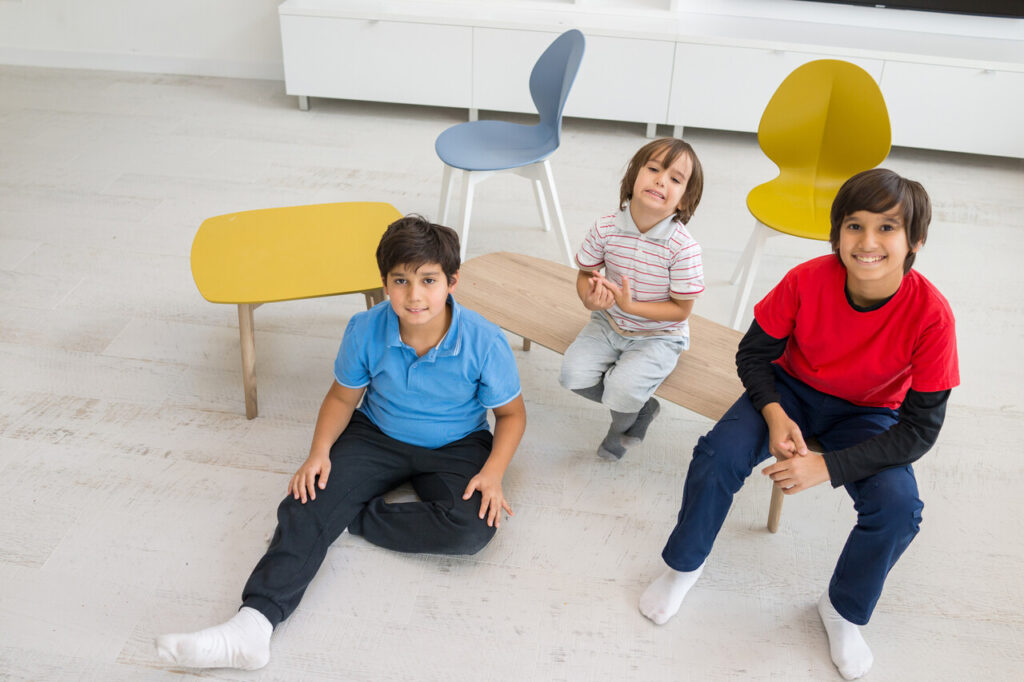
Modular furniture keeps a playroom useful as kids grow out of certain toys and into new interests. Low benches with storage cubbies, cube shelving that can be stacked or separated, and lightweight tables that can move around the room all adapt to changing needs. At toddler age, benches double as seating and toy storage; later they can become reading perches or base units for larger builds. Cube shelves that once held stuffed animals can later store board games, art supplies, or books. Choosing neutral finishes and simple shapes means the pieces still fit when you decide to turn part of the play area into a homework corner or teen lounge.
9. Colorful Wall Decals And Removable Wallpaper
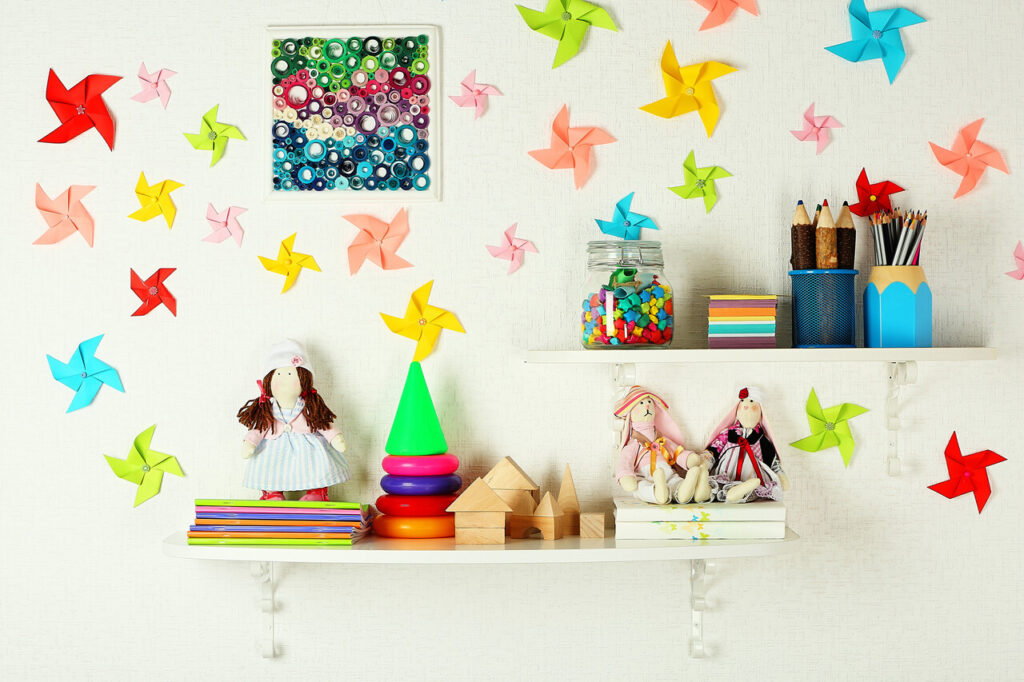
Removable wall decals and peel-and-stick wallpaper let you reflect your child’s current obsessions without committing long-term. Dinosaurs, space, forests, favorite animals, or simple geometric patterns can all appear on the walls with no paintbrush involved. When tastes change, the decals peel off, and the wallpaper can be removed with minimal damage, especially on properly prepared walls. This is particularly useful in rentals or multi-use rooms where you may want a more neutral base beneath. Using decals strategically, for example, around a reading nook or above a craft station, helps define zones and makes the room feel custom without structural changes.