8 Decorative Storage Solutions That Actually Create More Mess
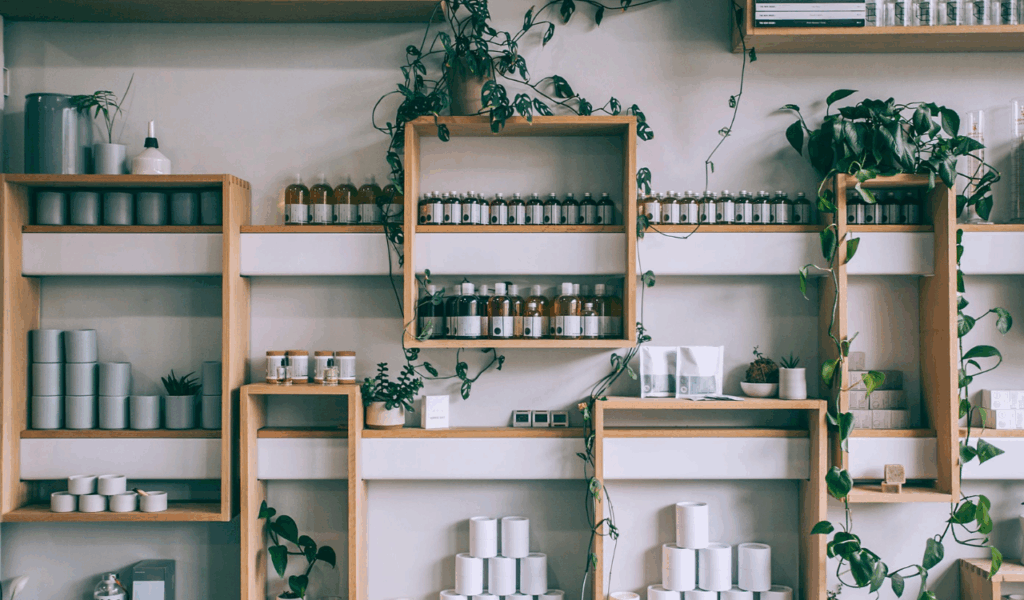
Decorative storage sounds like the best answer: it hides mess while making your home look better. In actuality, a lot of trendy storage fads make things look messy, delay down daily tasks, and make things into mounds instead of organizing them. When storage is more about how it looks than how it works, it’s difficult to get to, clean, and keep up with. Open surfaces make it easy to overfill, and confusing procedures make it hard for everyone in the house to understand. Additionally, decorative goods lack the structure essential for real use. These tactics gradually worsen things. Here are eight inventive storage ideas that look great but often make things messier.
1. Open shelving without defined zones
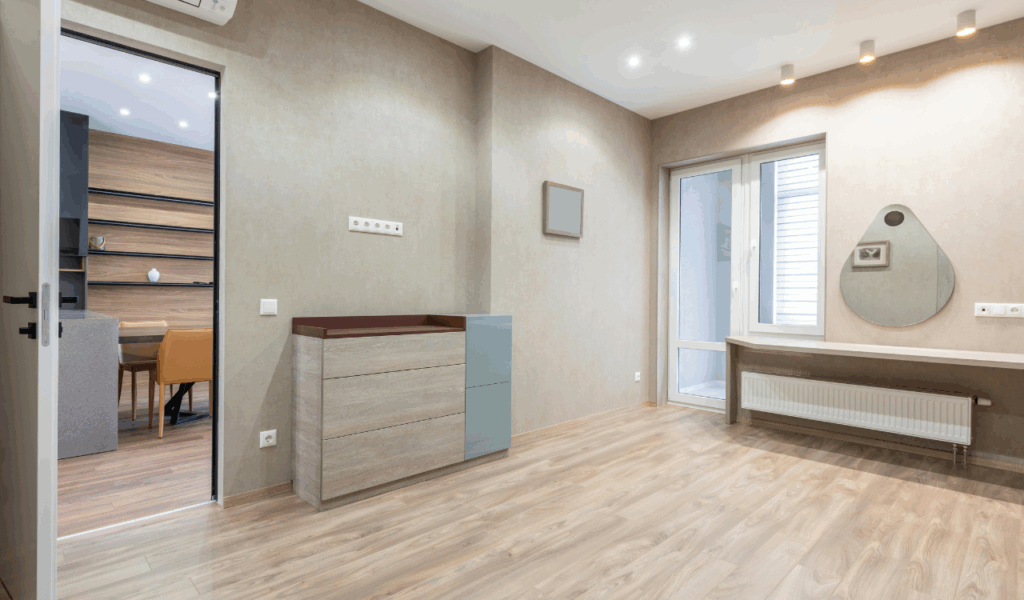
Open shelves look nice and make a room feel open, but they soon become clutter magnets if there aren’t clear boundaries. Things of different colors, shapes, and uses get mixed up, which makes shelves look chaotic even when they are new. Dust collects more quickly on surfaces that are open, which makes cleaning take longer. Because everything is out in the open, there is always pressure to keep the shelves looking nice, which is not realistic for things you use every day. People often build things temporarily and vow they’ll arrange later, but they never do. Over time, shelves become cluttered displays rather than storage, causing strain.
2. Decorative baskets with no labels
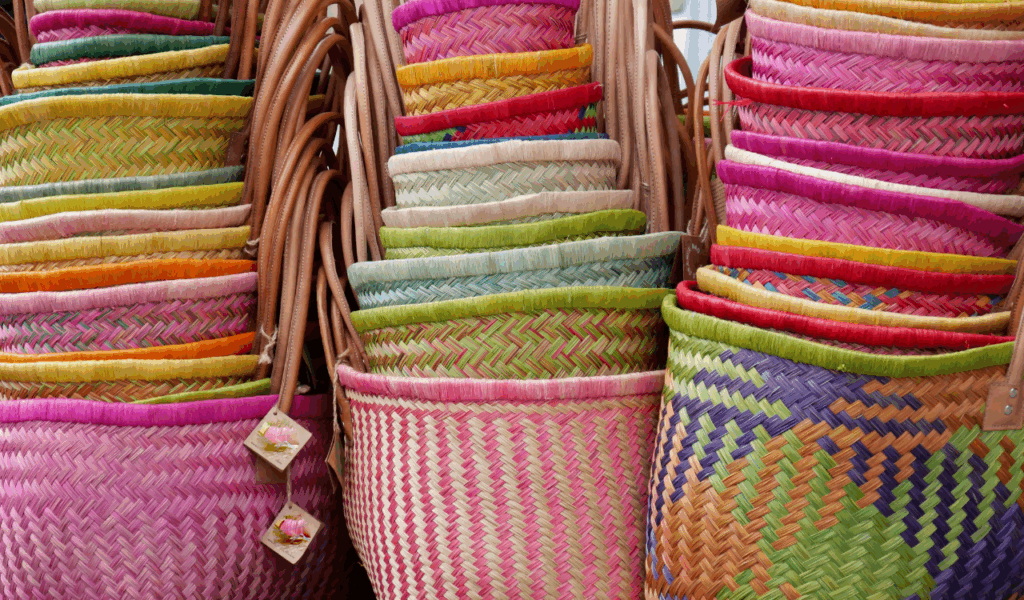
People often use decorative baskets to quickly cover messes, but baskets without labels can be confusing. Things are thrown in without a plan, which makes things that don’t go together. To find something later, you have to go through several baskets, which usually makes the clutter worse. People don’t notice the mess inside baskets because they look nice on the outside, and it grows with time. Being consistent is difficult since different people in the family place items in different baskets. Without labels or categorization, baskets become dumps. This makes items hard to find and wastes time, making people more frustrated every day.
3. Storage benches filled with random items
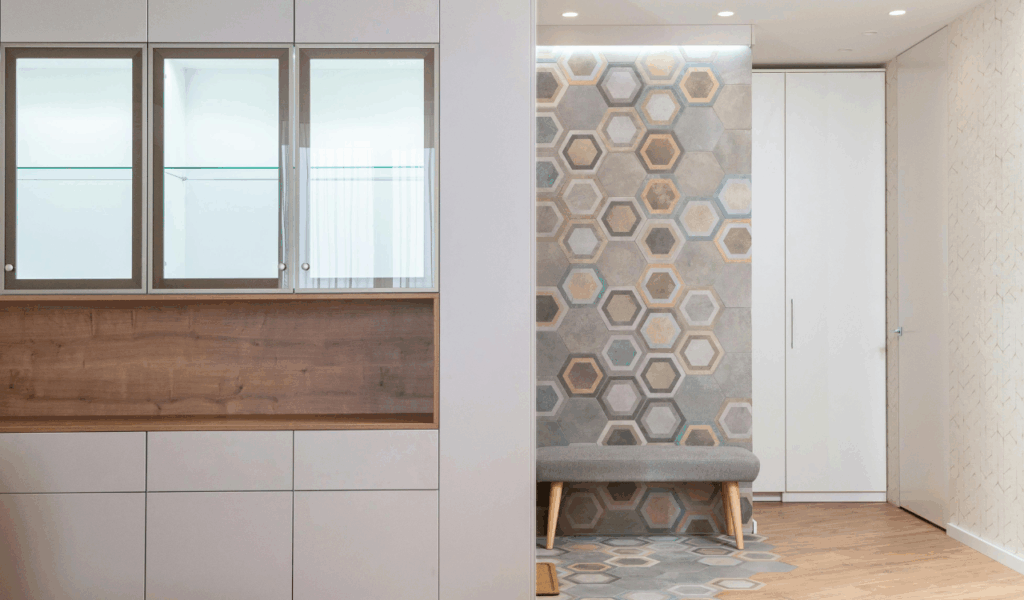
Storage benches promise to hold things and provide sitting, but they often end up being catch-all containers. People put shoes, bags, papers, and seasonal stuff inside without organizing them. There isn’t much reason to keep the contents orderly because you can’t see them. As time goes on, benches get so crowded that you have to take everything off to get to anything. Because lids are heavy or apertures are hard to reach, people put stuff on top instead of cleaning them up. Smart storage looks like a fantastic idea at first, but it becomes a clutter trap with unnecessary items that don’t benefit you.
4. Decorative trays used as clutter collectors
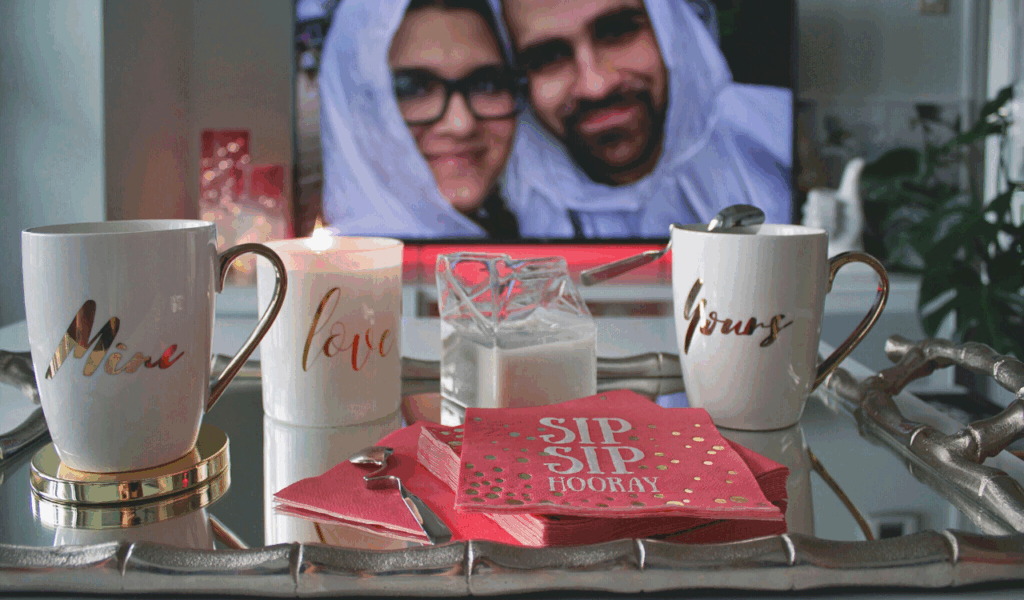
Decorative trays are supposed to keep things organized, but they often end up gathering extra stuff. Because the tray makes it look like it’s okay to leave stuff there, keys, mail, makeup, and other miscellaneous things pile up. Trays don’t get emptied too often; they just overflow. They don’t keep things from getting messy; they make a messy area. Putting things on trays that don’t go together can make it harder to put them back in their right location afterward. Trays can function with rigorous regulations, but they can also make things messy and hide disorder as deliberate styling if you don’t keep them clean.
5. Floating shelves placed too high
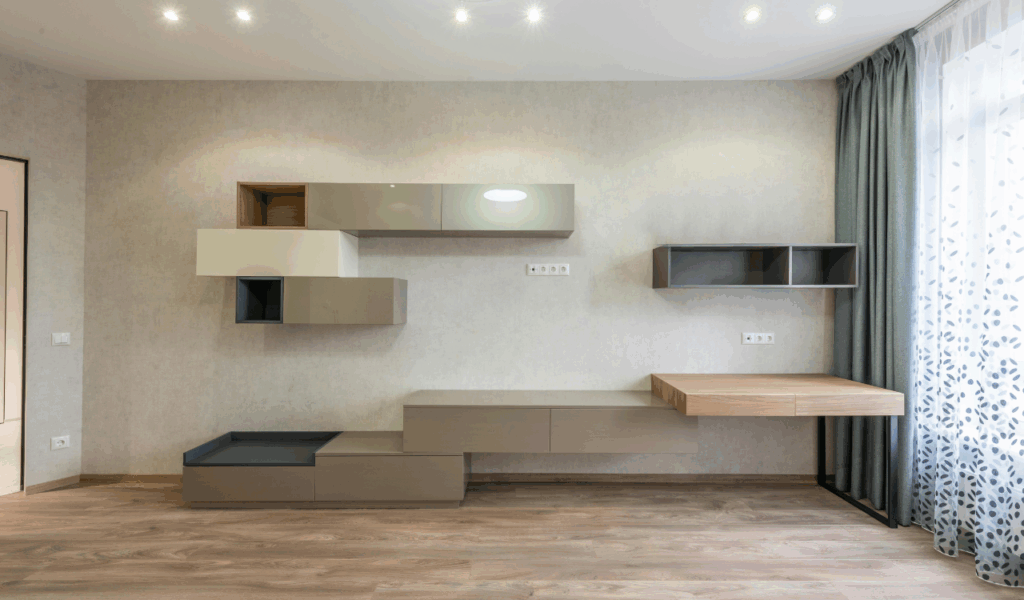
People like high floating shelves for decoration, but they don’t always work well as storage. People don’t use things that are too high up often since they are hard to reach. This means that shelves hold things that aren’t used very often, and ordinary mess stays on lower surfaces. People typically don’t restore things after they take them down since it’s too much work. Dust builds up rapidly on high shelves, which makes cleaning them harder. These shelves might look balanced in pictures, but in real life they separate storage from use, which makes things less organized and makes the surface below them more cluttered.
6. Glass-front cabinets for everyday items
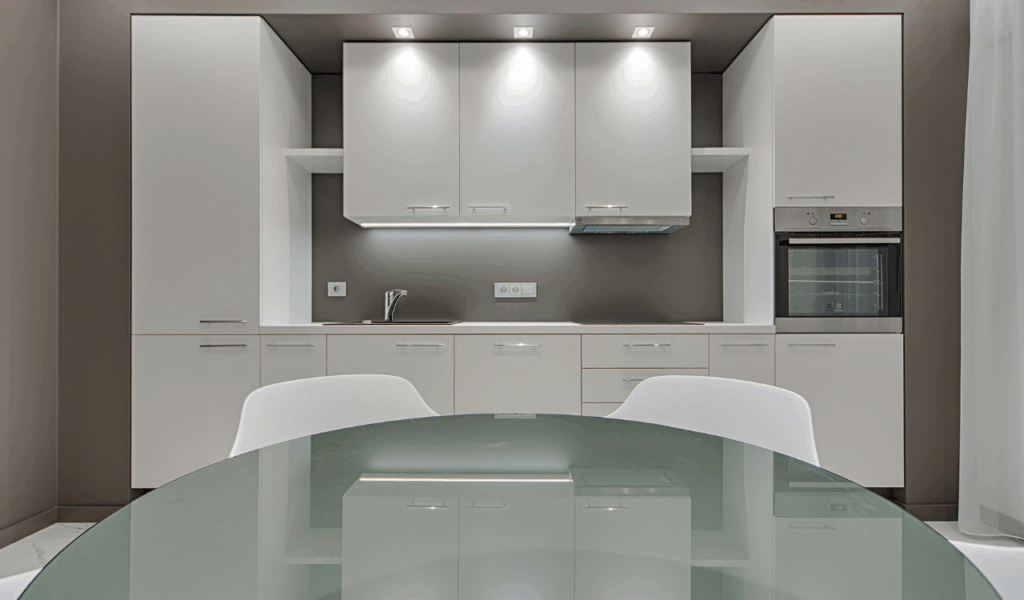
Glass-front cabinets appear nice, but they need to be kept in order all the time. Cabinets seem cluttered even when they work because everyday things like dishes or pantry goods don’t always stay neatly aligned. Fingerprints, smudges, and dust are easy to see, which makes cleaning more work. To keep cabinets nice, people can’t use them, thus daily-used items must go elsewhere. Instead, they may overfill shelves to hide gaps, making things harder to reach. Glass fronts don’t make storage easier; they make it harder to maintain items looking great, making daily use more visual than practical.
7. Multi-tier decorative carts
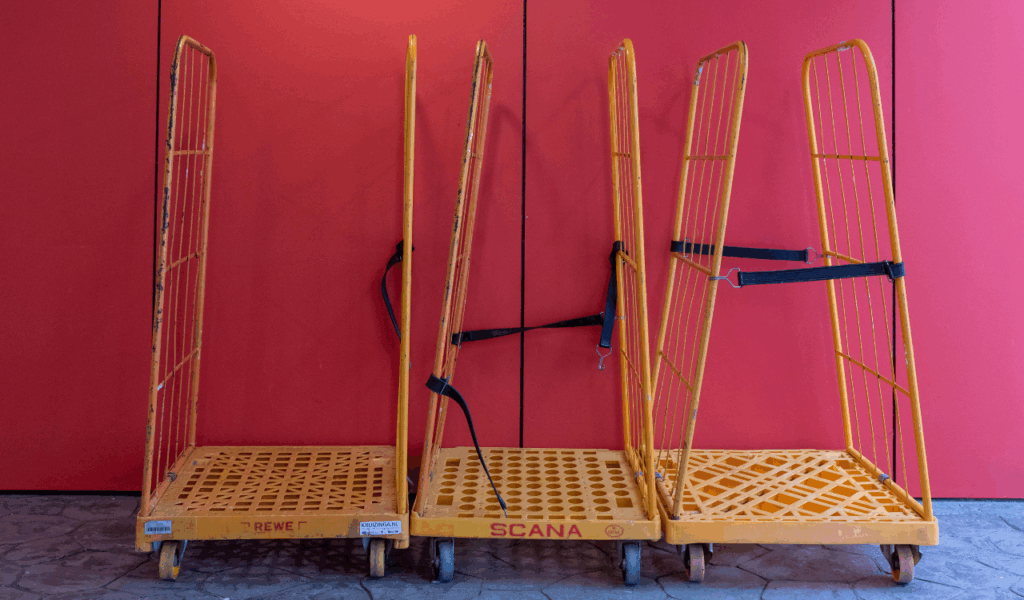
Decorative carts are sold as flexible storage, but they often make people want to fill them up too much. Each tier turns into a jumbled mess of things that don’t go together, which makes the cart impossible to use. Because carts can be moved around, things in the home lose their usual storage space. Small things can tumble, tilt over, or get buried under bigger things. Cleaning around and under carts is more labor. If there isn’t a defined goal for each level, carts go from being organized storage to rolling clutter stations that follow mess instead of controlling it.
8. Over-styled wall hooks and racks

In principle, wall hooks and racks are beneficial, but decorative ones often put looks ahead of capability. When hooks are too near together, things can get tangled, fall, or overlap. Racks that are made to be symmetrical might not fit things in real life well. When there aren’t enough hooks, extra things wind up hanging around, making the clutter worse. Decorative finishes can also scrape or wear out fast when used every day. These hooks don’t make storage easier; instead, they make things look congested and force them into odd positions, making places feel more cluttered.