6 Grocery Store Tricks That Quietly Push Shoppers to Overspend
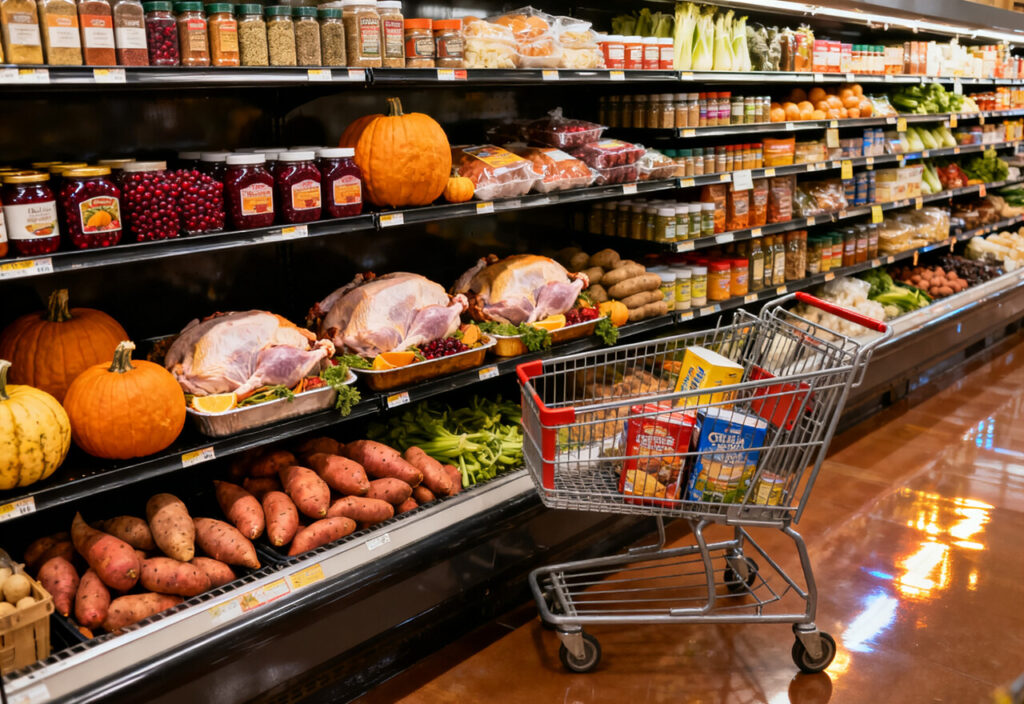
Grocery stores are designed to feel familiar, comfortable, and routine, but that comfort often comes at a cost. From the moment you walk through the doors, subtle tactics are working to shape how you move, what you notice, and what ends up in your cart. These strategies don’t rely on pressure or obvious sales tactics. Instead, they quietly influence behavior through layout, scent, placement, and timing. Most shoppers believe overspending happens because of weak willpower, but the reality is more calculated than that. Understanding how these tricks work makes it easier to shop with intention and avoid spending more than you planned.
1. Strategic Store Layout That Forces Extra Browsing
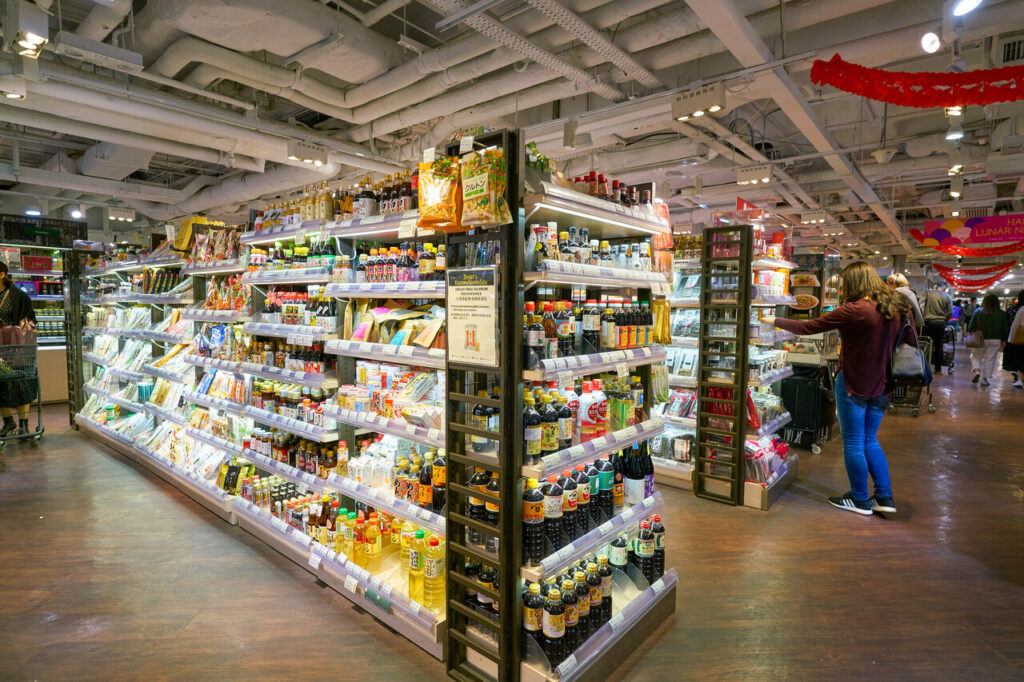
Here’s the thing: most shoppers don’t notice right away that grocery stores are intentionally designed to slow you down. Essentials like milk, eggs, and bread are rarely near the entrance. They’re placed at the back or along the far edges, so you have to pass dozens of displays to get there. Every step increases exposure to products you didn’t plan to buy. Wide aisles, subtle curves, and end caps break your straight path and encourage wandering. This isn’t accidental. Studies in retail psychology show that the longer shoppers stay inside a store, the more they spend. Even disciplined shoppers end up tossing in “just one more thing” because repeated exposure lowers resistance.
2. Eye-Level Shelving That Prioritizes Profit Over Price
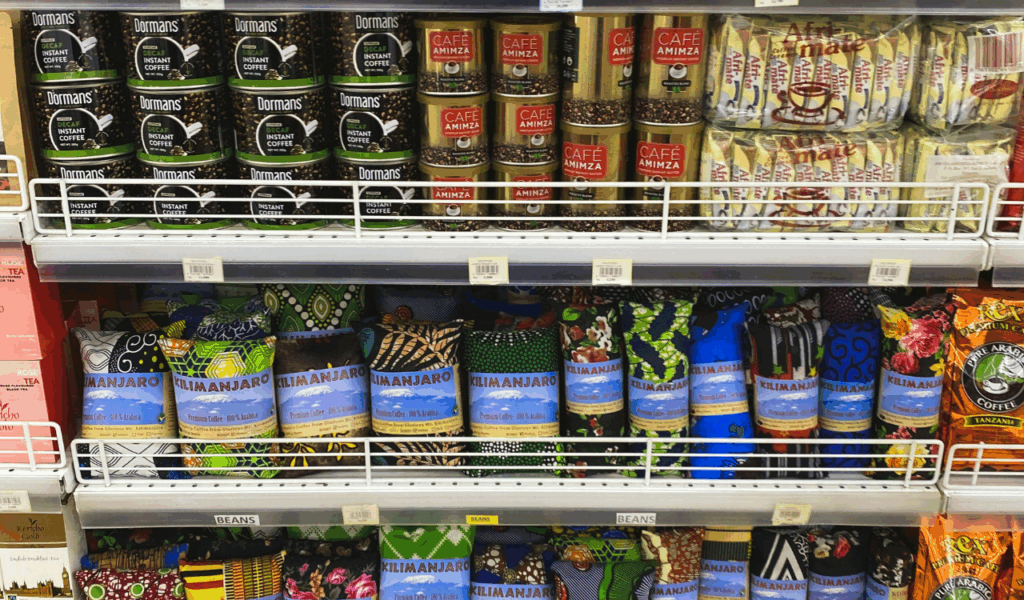
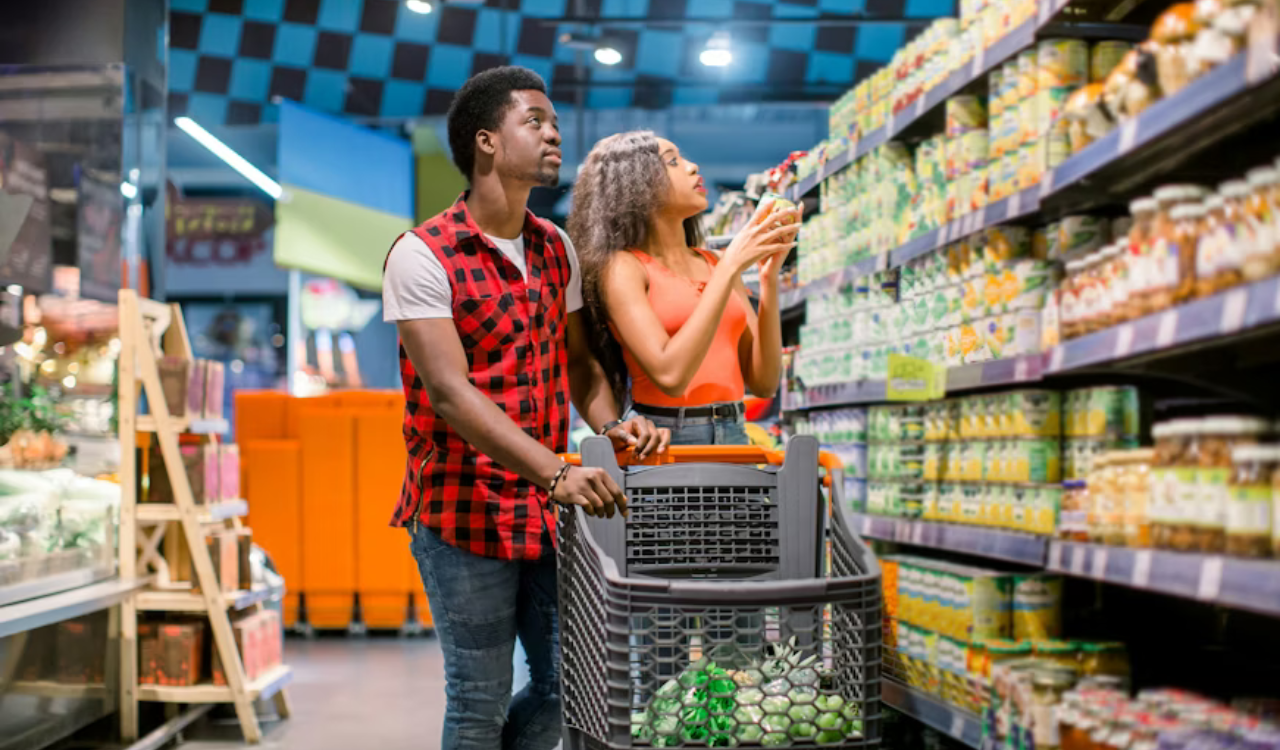
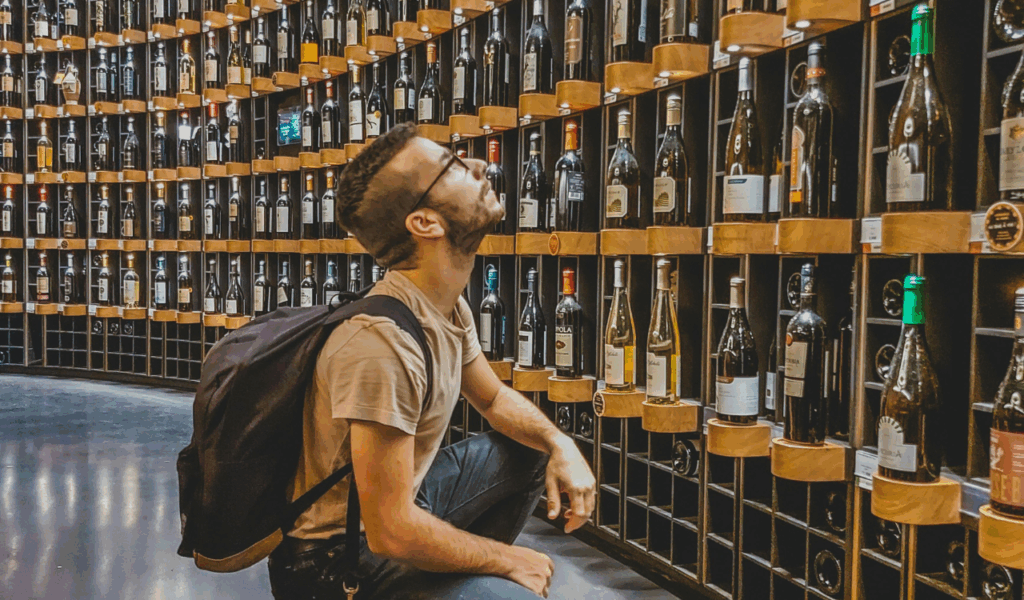
When shoppers assume the best deal sits right in front of them, they’re falling into one of retail’s oldest tricks. Eye-level shelves are premium real estate, and brands pay for that placement. Those products are often the most profitable, not the most affordable. Cheaper alternatives tend to sit lower or higher, requiring effort to spot. Most people don’t bend down or scan upward unless they’re already price-conscious. Over time, this creates a habit of grabbing familiar brands without comparison. Unit pricing labels exist, but they’re easy to ignore when packaging and placement do the selling for you.
3. Bakery and Prepared Food Scents That Trigger Hunger
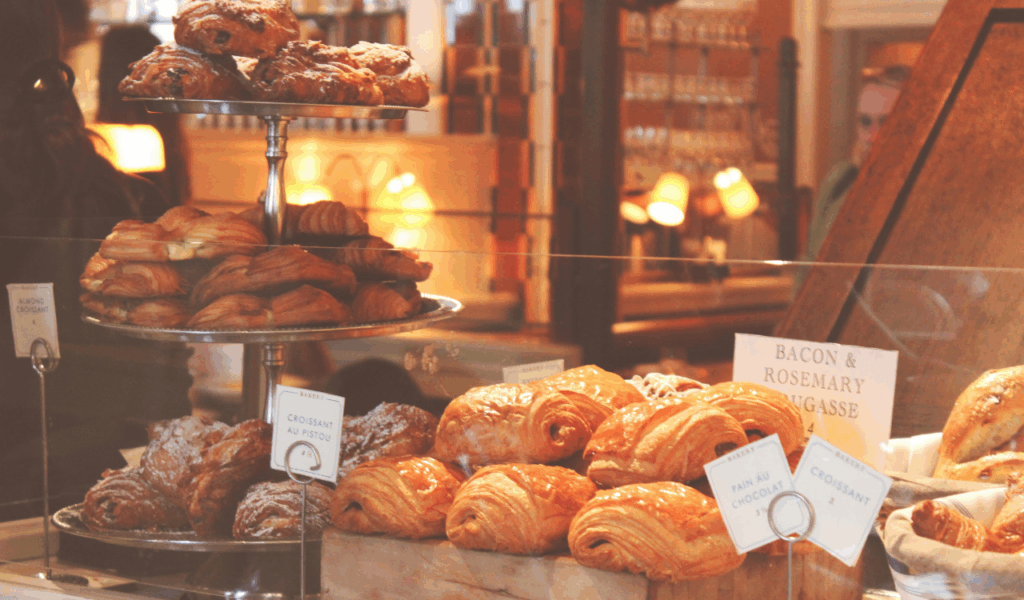
Walking into a store already hungry makes everything harder, and supermarkets know it. That’s why bakeries, rotisserie chickens, or fresh pizza counters often sit near the entrance. Warm food smells trigger appetite responses even if you ate recently. Once hunger kicks in, impulse control drops. Shoppers buy snacks, desserts, and convenience foods they never intended to purchase. This effect isn’t just emotional; it’s physiological. Smell activates memory and craving centers in the brain faster than visual cues. By the time you reach your list items, your decision-making is already compromised. What feels like a pleasant atmosphere is actually a calculated nudge toward unplanned spending.
4. Multi-Buy Promotions That Inflate Your Cart
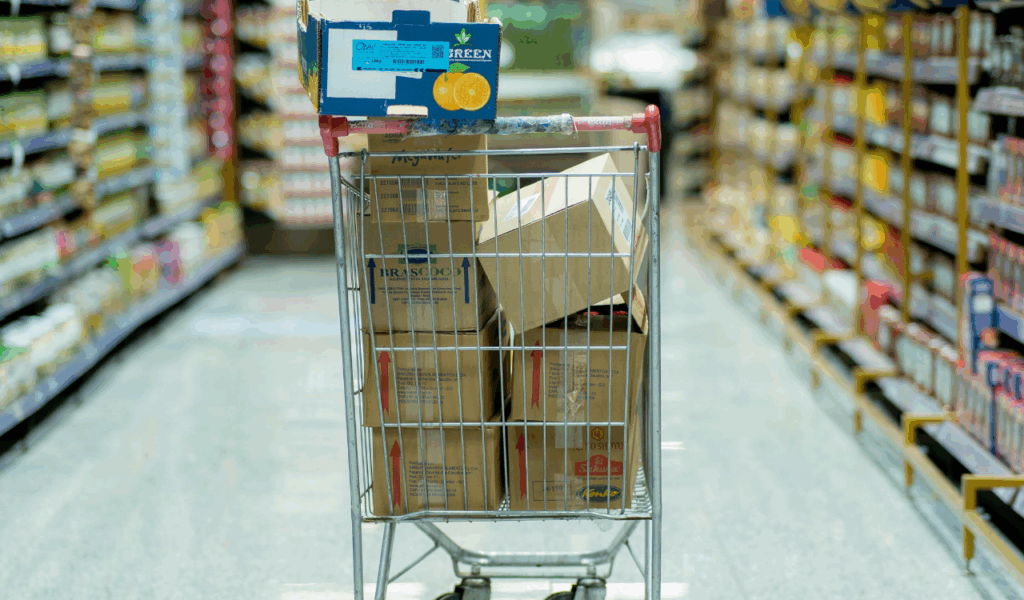
Deals like “buy two, save more” sound logical, but they often encourage unnecessary quantity. Many shoppers don’t check whether the per-unit price is actually lower or if they even need the extra item. These promotions work because they frame excess as savings. In reality, you’re spending more upfront and often wasting food later. Grocery stores rely on the assumption that shoppers fear missing out on a deal more than they fear overbuying. Pantry clutter, expired items, and forgotten purchases are the hidden costs. Over time, these deals train shoppers to equate value with volume rather than usefulness.
5. Checkout Lane Impulse Zones That Exploit Fatigue
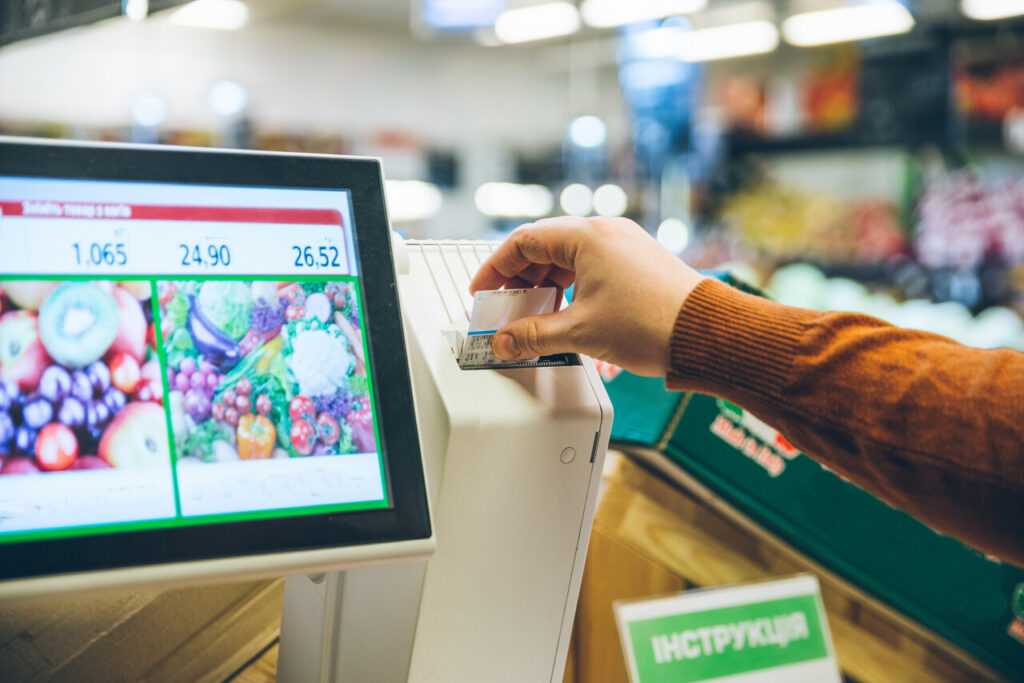
By the time shoppers reach the checkout, mental energy is depleted. Decisions have already been made, prices accepted, and spending justified. That’s when candy bars, drinks, magazines, and small gadgets appear within arm’s reach. These items are cheap enough to feel harmless but add up quickly over repeated trips. The psychology is simple: after resisting temptation throughout the store, your brain wants an easy reward. Stores capitalize on that moment of lowered defense. Even shoppers who stuck closely to a list often cave here, turning a disciplined trip into a slightly higher bill without much thought.
6. Shrinkflation That Quietly Raises Your Cost Per Item
One of the most subtle overspending traps doesn’t look like a price increase at all. Packages stay the same size visually, but the quantity inside shrinks. Fewer ounces, fewer servings, same shelf price. Because shoppers rely on familiarity, most don’t notice the change. Grocery stores benefit by maintaining price points while delivering less value. Over time, shoppers pay more per unit without realizing it. This tactic works especially well on staple items purchased repeatedly. Without actively checking weight or volume, customers assume consistency where none exists. It’s one of the quietest ways grocery spending creeps upward month after month.