9 Decorative Furniture Pieces That Can Get Sticky
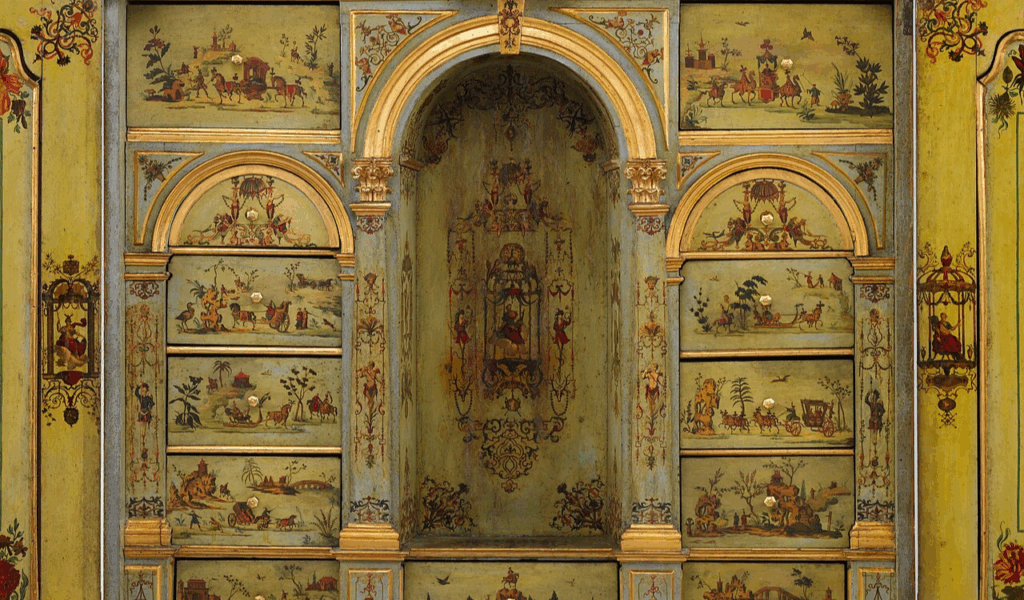
Decoupage furniture, which is the art of decorating surfaces with paper cutouts and many layers of varnish, is a common part of the “shabby chic” style of decorating and the DIY world. These pieces often look fun and unique in a curated photo, but they can be a real pain to use once they get into a home. Most people complain about something called “tackiness” or “blocking,” which happens when the surface stays a little sticky for months after it is finished.
Interior designers say that this makes the furniture almost useless because anything put on top of it, like a TV remote or a favorite book, sticks to the finish almost permanently. Professional furniture refinishers say that the “sticks to everything” problem is usually caused by using the wrong topcoat or not giving the finish enough time to cure.
A lot of people who do crafts use water-based craft glues as both a glue and a sealant, but these products can get soft when it’s humid. Designers say that in a warm room, the resin in the finish can melt a little, which makes a suction effect that traps hair and dust. Experts say that a “sad” decoupage piece isn’t just bad to look at; it’s also bad to touch, and when it inevitably gets ripped off the sticky surface, it could damage your other things.
The Floral Decoupage Coffee Table

Coffee tables get a lot of use and have to deal with heat from mugs and weight from books, so they are the worst place to do bad decoupage. Interior designers say that the heat from just one cup of tea can reactivate the glue used in a decoupage finish. This makes the paper bubble and the surface becomes flypaper right away. Professionals say that a lot of people who do it themselves don’t use a heat-resistant polyurethane topcoat. Instead, they use craft-grade sealers that are meant for paper, not heavy-duty furniture.
Experts say that coffee tables are often the center of a living room, which means they are exposed to different levels of humidity that keep the decoupage in a state of “semi-dry.” Professional organizers often see that coasters and magazines leave “ghost” marks on these tables that don’t go away because the ink from the paper gets stuck in the varnish. Decorators say that a decoupage coffee table often looks “cluttered” even when it’s empty because dirt and lint get stuck in the tacky finish over time.
Decoupage Dressers with “Stuck” Drawers
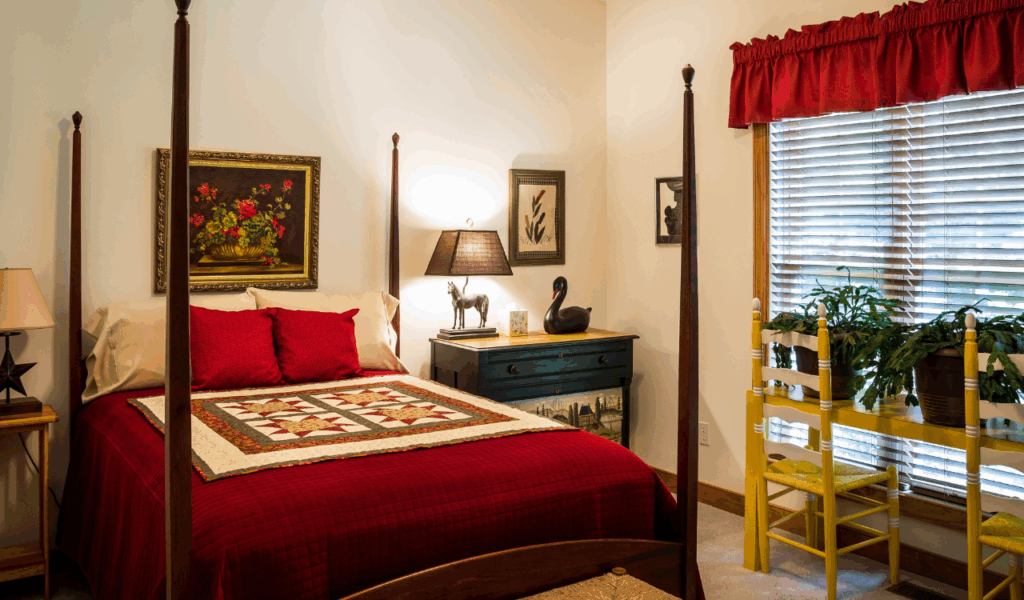
Putting paper designs on the front and sides of dresser drawers is a common way to give old furniture new life, but it often makes the drawers impossible to open. Furniture contractors say that the extra thickness of the paper and the many layers of sealer can make the “clearance” between the drawer and the frame too small.
Experts say that even a tiny bit of sticky varnish can work like a weak glue, making it hard to get to your clothes every morning without a lot of effort. Professional flippers say that the edges of the decoupage “roll” and peel when you open and close the drawer.
This makes a rough, sticky mess that sticks to delicate fabrics like lace or silk. Designers say that the “sad” truth about these dressers is that they stop working altogether after a while. Experts say that if you really have to decoupage a dresser, you should leave the “contact points,” or the edges of the drawers, completely bare and sanded smooth so that the finish doesn’t stick to the furniture frame.
The Paper-Topped Dining Room Table
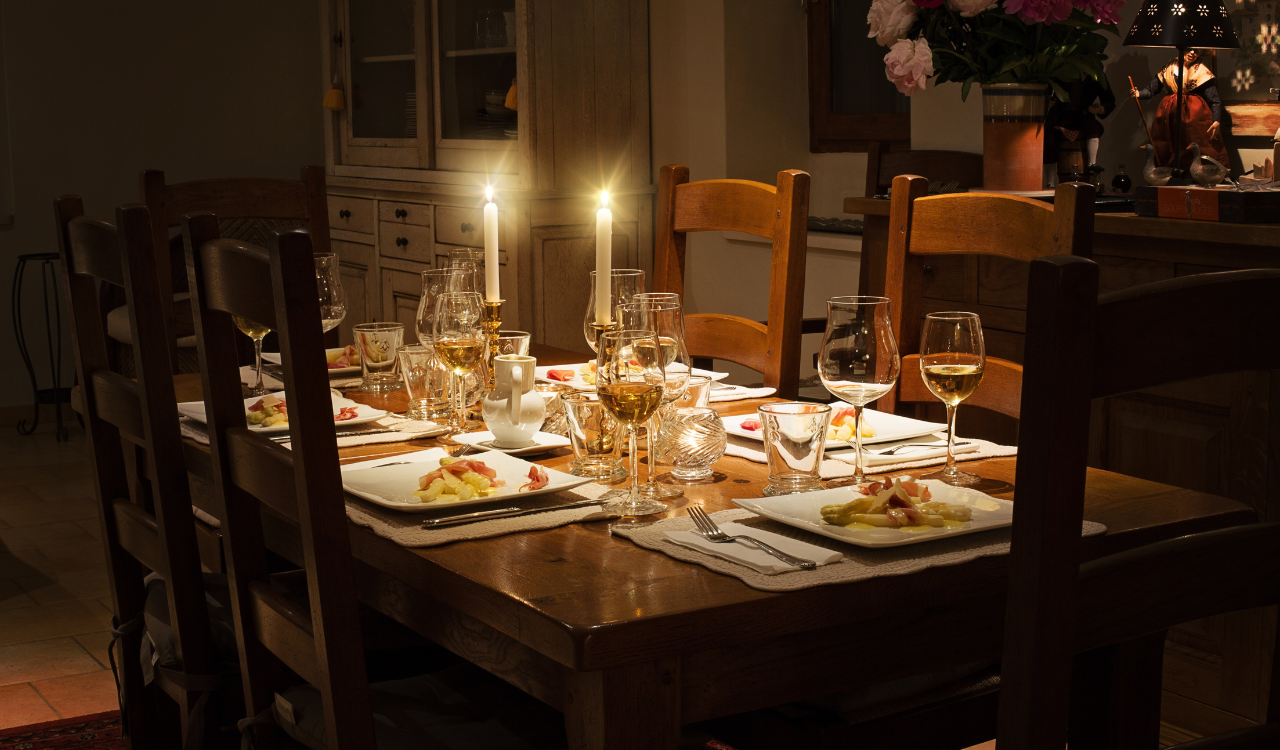
A dining table covered in decoupage maps or old book pages sounds romantic, but it’s a logistical nightmare for family meals. Experts in cooking and home design say that the “blocking” effect is made worse by the weight of dinner plates and the moisture from spills. Experts say that a plate left on a decoupage table for an hour can get so stuck that when you try to lift it, the paper design tears away from the wood. After just a few dinner parties, this makes the table look “plucked” and broken.
Professional cleaners say that you shouldn’t use regular household cleaners on most decoupage surfaces because they will make them stickier. A lot of sprays have chemicals in them that slowly break down the topcoat, making a smooth surface feel sticky. Designers say that these tables are also prone to “silverware scarring,” which happens when forks and knives leave deep marks in the soft, thick glue. Experts say that a decoupage table will stay sticky and hard to take care of unless it is covered with a professional-grade poured resin or a thick sheet of glass.
Decoupage Chairs That Catch Clothing
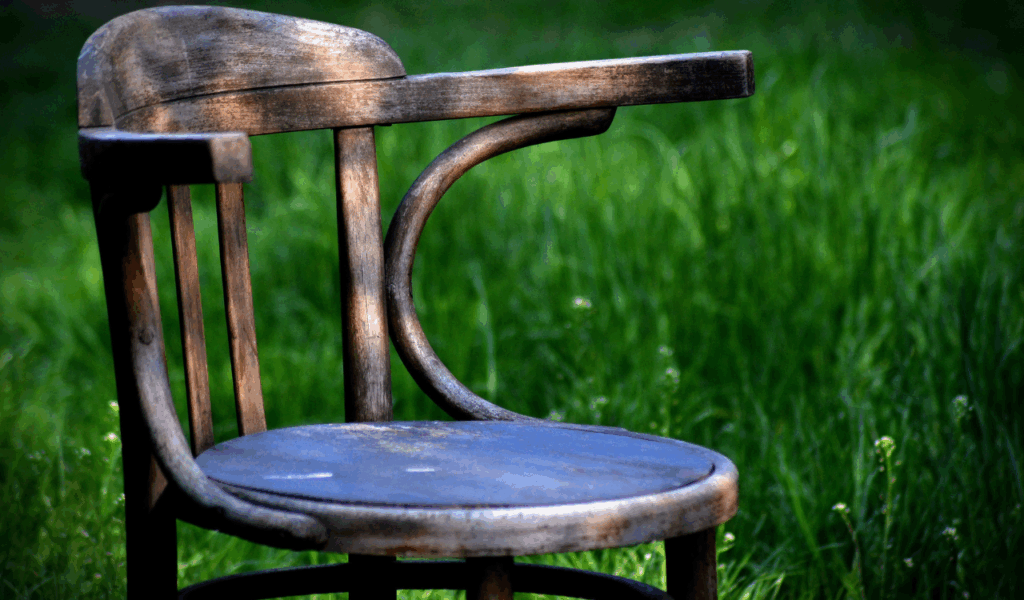
Chairs with decoupage on the seat or backrest are known for ruining expensive clothes. Textile experts say that the slightly sticky finish on a decoupage chair can grab onto the fibers of wool, leggings, or delicate dresses. Designers say that when someone stands up, they might feel a slight “peeling” sensation as their clothes come off the chair. This not only pulls out fine threads and damages the clothing, but it also leaves behind lint that is hard to clean off the chair’s surface.
Interior designers say that the body heat of someone sitting in the chair makes the varnish even softer, which makes the stickiness even worse. Professional stagers often won’t use these pieces in “high-touch” areas because they don’t want to be responsible for ruining guests’ clothes.
Experts say that the only way to make a decoupage chair safe to sit on is to use a hard-curing, solvent-based lacquer that completely separates the paper from the rest of the chair. Without this “hard” barrier, the chair is just a decoration that you can’t use.
The “Nursery Cloud” Decoupage Crib
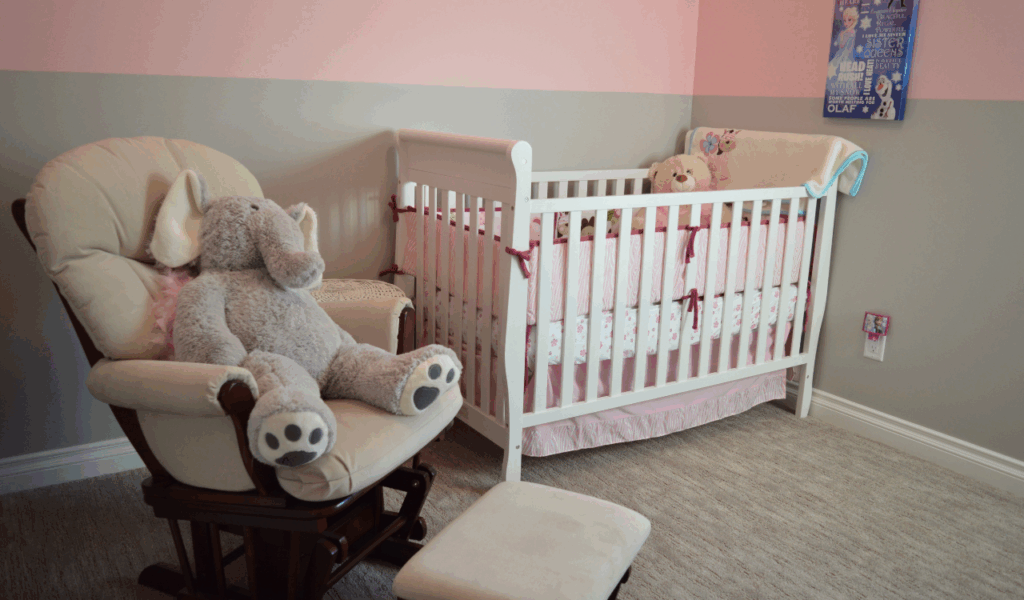
New parents often upcycle a crib by adding decoupage animals or stars, but this can cause big safety and cleanliness problems. Experts in child safety say that the finish is “sticky,” which makes it a magnet for germs, pet hair, and dust from the house that shouldn’t be near a baby’s sleeping area. Experts say that babies often “test” the surfaces of their cribs with their mouths. If the decoupage is sticky, it can hold bacteria or let the baby eat small pieces of dried glue and paper.
Professional organizers say that these cribs get “sad” very quickly because they can’t be cleaned well. Standard baby-safe wipes often leave behind fibers on the sticky surface, which makes the furniture look fuzzy and dirty. Designers say that parents shouldn’t decoupage furniture that kids can touch or chew on. Experts say that using high-quality, removable vinyl wall decals on the walls near the crib is much safer and easier than trying to glue and paper directly to the furniture’s structural parts.
Decoupage Nightstands with Ring Marks

“Water ring” damage mostly happens to nightstands on decoupage surfaces. Restoration experts say that the water from a glass of water can get through the layers of a DIY finish and make the paper underneath “bloom” or turn white. The bottom of the glass acts like a stamp because the finish is often a little sticky.
It leaves a permanent, round indentation in the soft glue. Experts say that these marks are almost impossible to get rid of without sanding down the whole design and starting over. Designers point out that nightstands also hold electronics like phones and tablets, which get hot when they are charging.
This heat is enough to soften the decoupage, which makes the device “sink” into the finish. Professional flippers say that “sad” nightstands with phone-shaped indentations and water rings are common in thrift stores. Experts say that if you want a decoupage nightstand, you should always put a tray on top to keep the delicate and often sticky paper layers from coming into direct contact with heat and moisture.
The Kitchen Cart with Decoupage Shelves
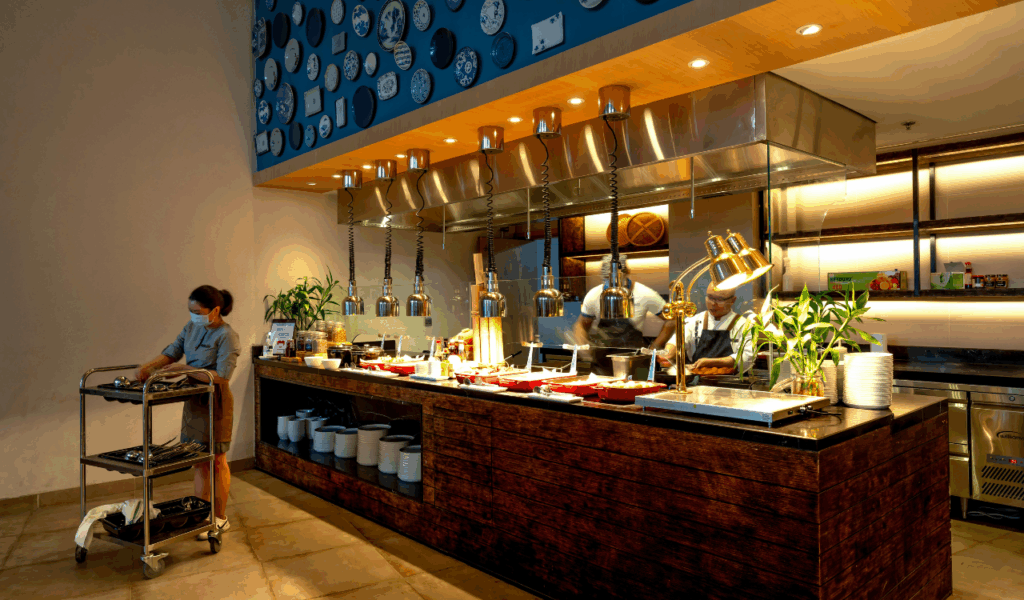
Steam, grease, and high humidity are all bad for a decoupage finish, and kitchen carts are often in these conditions. Kitchen designers say that the grease in the air can stick to the slightly sticky surface and make a “grime-glue” mix that is impossible to wash off. Experts say that the paper used in decoupage is often porous, so even with several layers of sealer, it can soak up smells from the kitchen, like onions or fried food, and make the furniture smell “off” after just a few months.
Professional cleaners say that scrubbing a decoupage shelf to get rid of kitchen grease often causes the paper to peel off at the corners. Contractors say that the “sticks to everything” problem is especially bad here because spice jars or oil bottles will stick to the shelves. Designers say that kitchen carts should be made of stainless steel or sealed wood. Experts say that a “sad,” sticky kitchen cart is not only ugly, but it can also be a health risk in a place where food is prepared and stored.
Decoupage Desks That Trap Ink
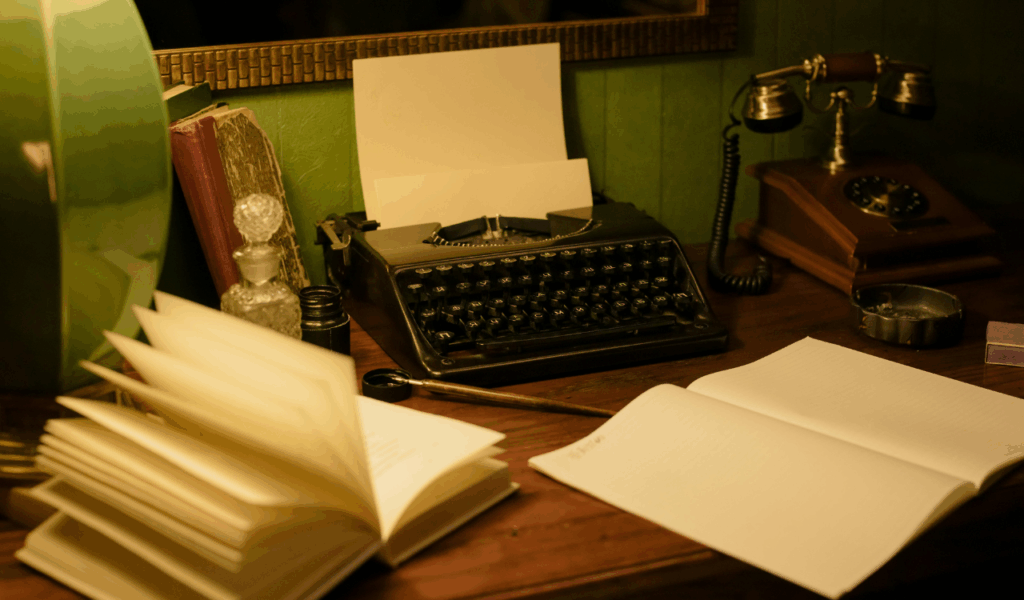
It’s a great idea to decoupage a desk with old newspapers or handwritten letters, but it doesn’t always work out. Designers of offices say that the pressure of writing with a pen can leave deep “valleys” in the soft decoupage finish. Also, the “blocking” effect can make important papers or homework stick to the desk.
Experts say that if you leave a printed piece of paper face-down on a tacky decoupage desk, the ink from the paper will often “transfer” to the desk, ruining the design for good. Professional organizers say that mouse pads and keyboard wrist rests can also get stuck.
Experts say that the rubber backing on many office supplies reacts with water-based decoupage sealers, which makes them stick together. Designers say that a decoupage desk needs a “glass top” to be useful for a modern worker. Without that physical barrier, the desk stays a sticky trap that eventually ruins the papers it was meant to show off, making the workspace frustrating and unproductive.
The Decoupage Trunk with “Lid-Lock”
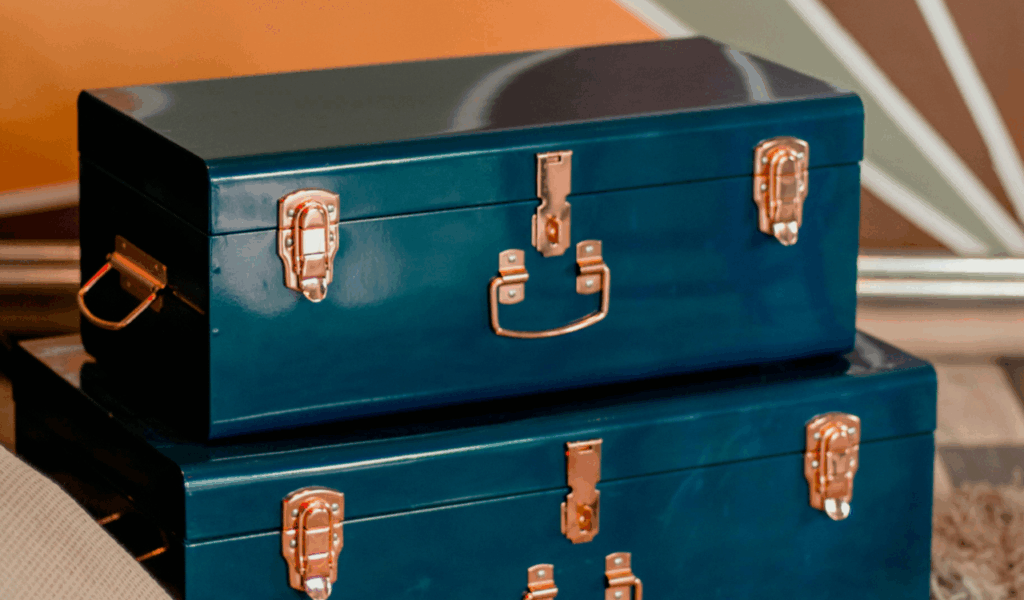
Decoupage is a popular choice for old trunks, but the heavy lids often get stuck because of the sticky finish. Antique restorers say that the weight of the trunk lid puts a lot of pressure on the points where the lid meets the base. This pressure makes the two parts stick together even if the finish is only a little bit tacky. Experts say that owners often have to use a screwdriver to get the “stuck” trunk open, which chips the paint and tears the pretty paper designs.
Interior designers say that if you put decoupage on the inside of these trunks, they can also turn into “sticky caves.” The varnish never really dries because there isn’t enough air flow inside a closed trunk. This makes the walls sticky and gives off a chemical smell that lasts forever. It also ruins any blankets or clothes stored inside. Designers say that a “sad” decoupage trunk is one that smells like glue and can’t be opened without breaking it. Experts say that to keep the trunk useful and fresh, you should use fabric liners or regular paper liners without heavy sealers on the inside.