9 “Inlay” Coffee Tables That Warp in Humid Rooms
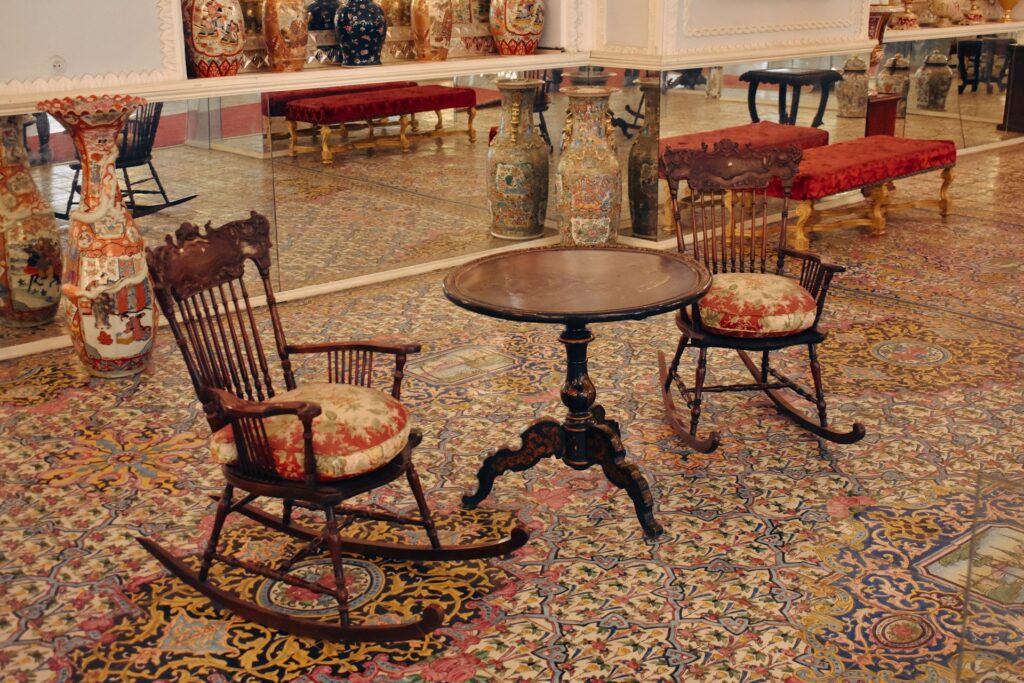
You may love the look of an inlay coffee table, but if your home has humidity issues, that beautiful surface can become a problem fast. Inlay tables often combine multiple materials like wood, resin, bone, or shell, all of which react differently to moisture in the air. When humidity rises, leading to warping, lifting, cracking, or loose sections over time.
Many popular inlay designs look sturdy at first glance, but hidden construction shortcuts make them especially vulnerable in humid rooms. Knowing which types struggle most helps you avoid costly mistakes and choose furniture that holds its shape, even when indoor moisture levels fluctuate.
1. Bone Inlay Coffee Tables That React Poorly to Moisture
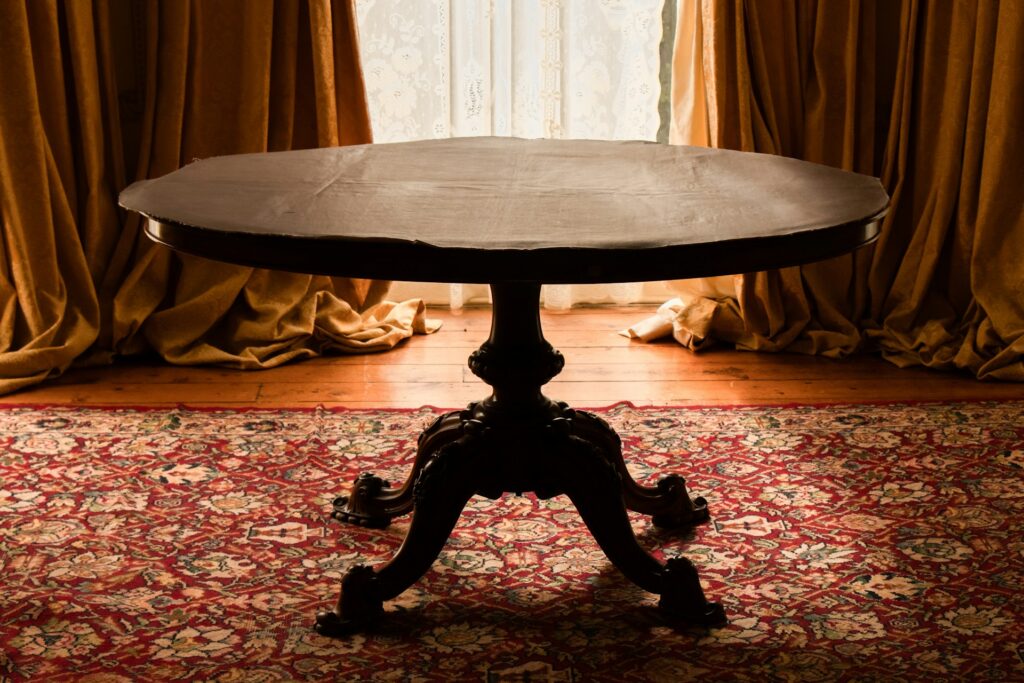
Bone inlay coffee tables are visually striking, but they are especially sensitive to humidity. The bone pieces and wooden base expand at different rates when moisture levels rise, which can cause lifting, or uneven surfaces. In humid rooms, the adhesive holding the inlay in place may weaken, allowing pieces to shift or curl upward.
You may notice slight rippling at first, but over time the table can visibly warp. Without consistent climate control, these tables struggle to maintain their original shape. If you live in a humid area or lack strong air conditioning, bone inlay designs often require more maintenance than expected to stay flat and intact.
2. Mother-of-Pearl Inlay Tables Prone to Humidity Damage
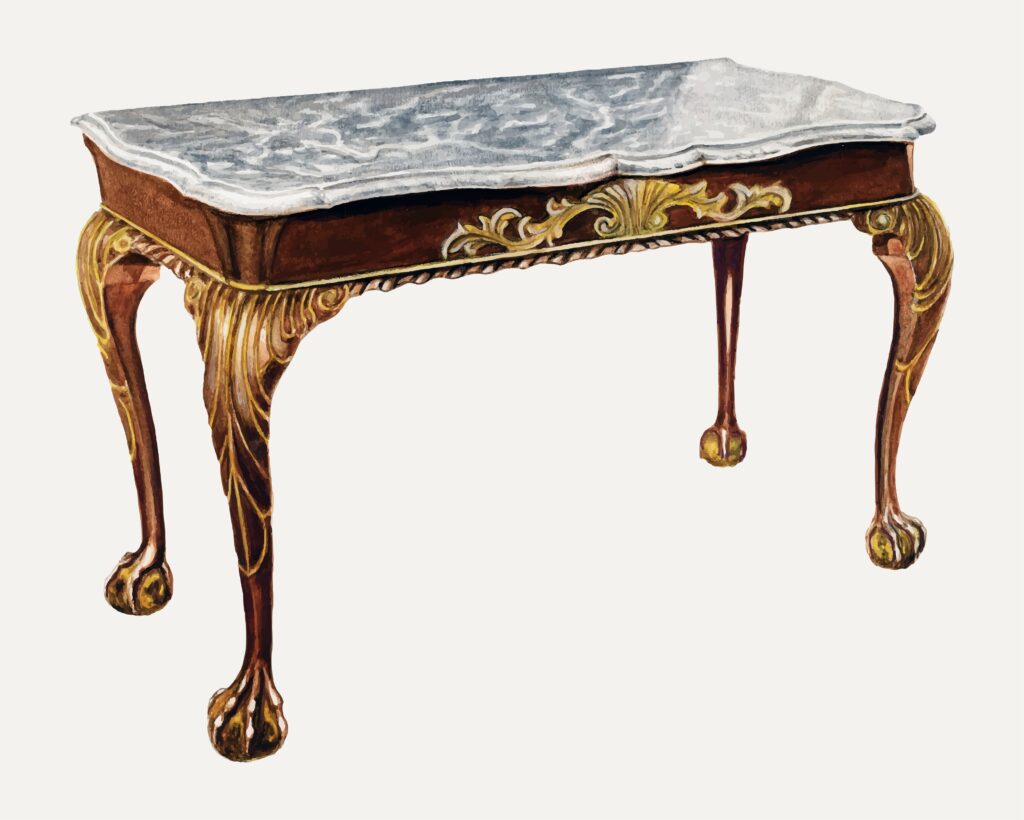
Mother-of-pearl inlay tables rely on thin shell pieces set into wood, creating a surface that looks elegant but reacts poorly to moisture. Shell does not absorb humidity the same way wood does, so shifting air conditions can cause stress across the tabletop. In humid rooms, the wood beneath may swell while the shell remains rigid, leading to cracking or separation along the inlay lines.
Over time, the table can develop subtle warping that affects stability and appearance. You might also see cloudy finishes or loosened edges. These tables work best in tightly controlled indoor environments rather than rooms exposed to regular humidity changes.
3. MDF-Core Inlay Coffee Tables That Swell and Bend
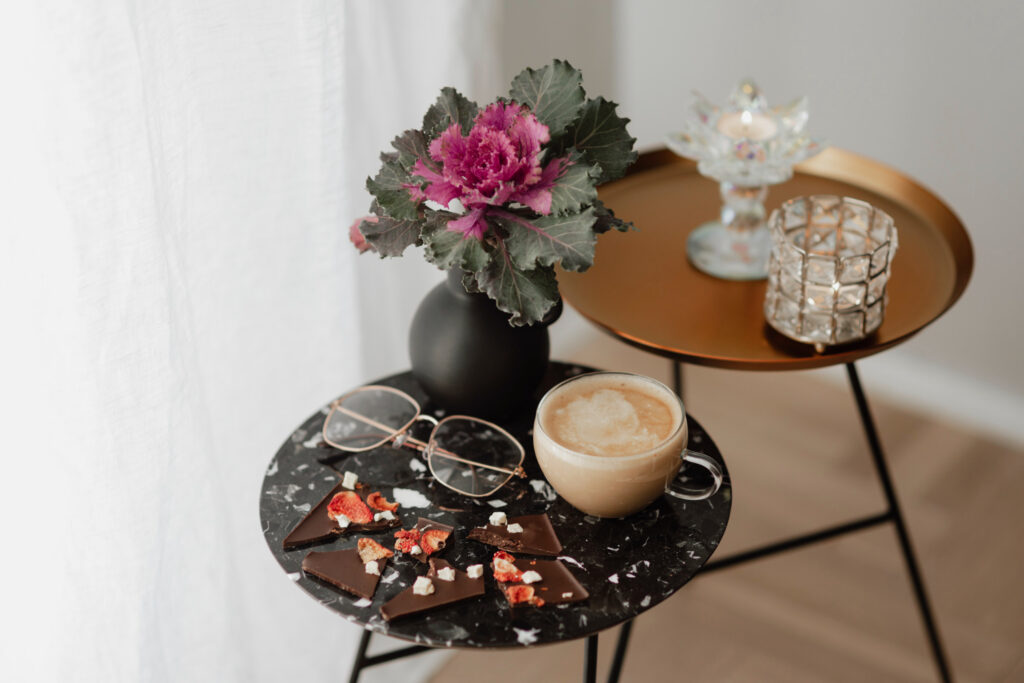
Many affordable inlay coffee tables use MDF as the core material beneath decorative surfaces. MDF absorbs moisture easily, making it one of the most humidity-sensitive options on the market. In damp air, the core can swell unevenly, pushing against the inlay and causing visible warping. Once MDF expands, it rarely returns to its original shape.
You may notice bubbling under the finish or edges that no longer sit flat. In humid rooms, these tables often degrade faster than solid wood options. Without proper sealing and climate control, MDF-core inlay tables struggle to maintain long-term structural integrity.
4. Low-Cost Imported Inlay Tables With Weak Sealing
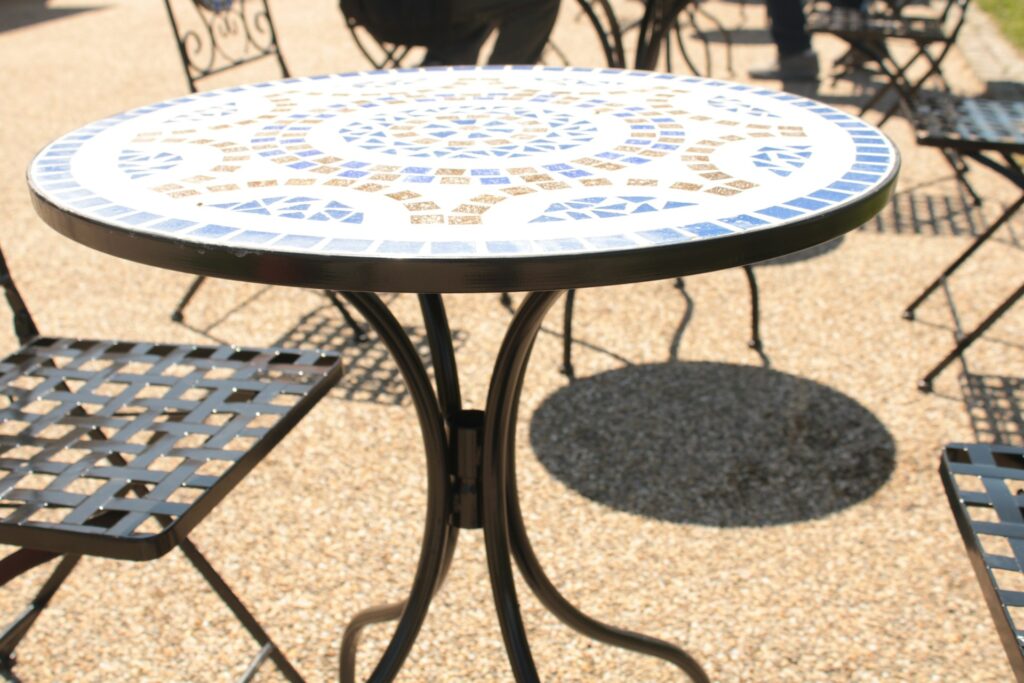
Budget-friendly inlay coffee tables often cut costs on sealing and finishing. When protective coatings are thin or uneven, moisture can seep into the table’s core more easily. In humid rooms, this exposure leads to swelling, adhesive breakdown, and warped surfaces. You may see corners lift or panels bend within a short period of time.
While the table may look sturdy when new, poor moisture resistance quickly becomes apparent. These designs are especially risky in coastal regions or older homes with inconsistent indoor humidity. Investing in better-sealed construction can prevent long-term damage and surface distortion.
5. Hand-Glued Inlay Coffee Tables That Loosen in Damp Air
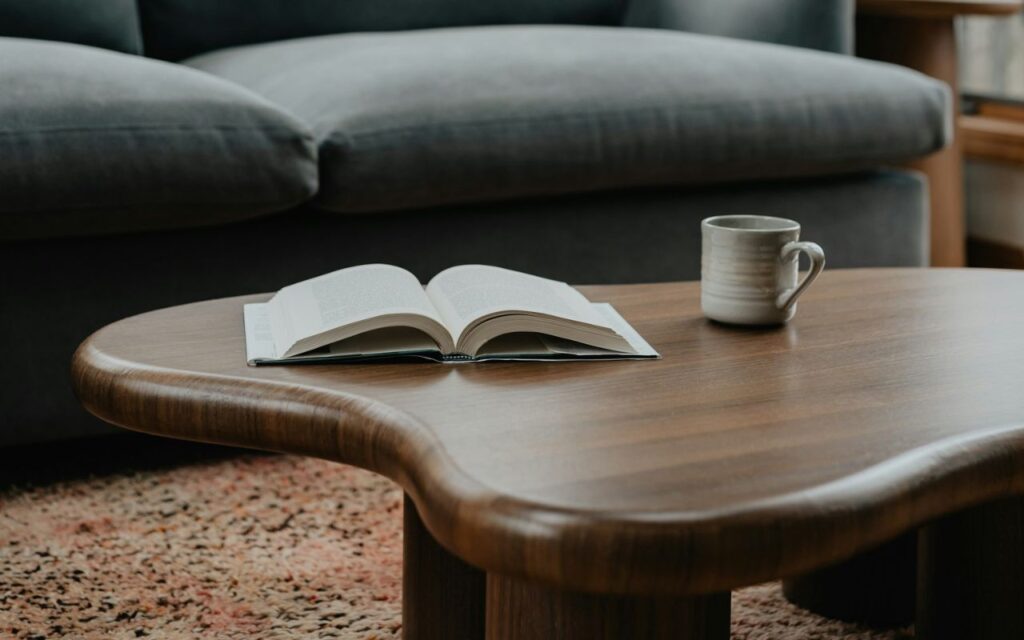
Hand-glued inlay tables depend heavily on adhesive strength, which can weaken when exposed to humidity. As moisture levels rise, glue joints may soften, allowing inlay pieces to shift or lift. You might feel uneven texture when running your hand across the surface. Over time, repeated humidity exposure can cause permanent warping or separation.
These tables require stable indoor conditions to perform well. In humid rooms, even slight changes in air moisture can compromise the bond holding the design together. Without proper sealing and climate control, hand-glued inlay tables often struggle to remain smooth and structurally sound.
6. Veneer-Based Inlay Tables That Warp Over Time
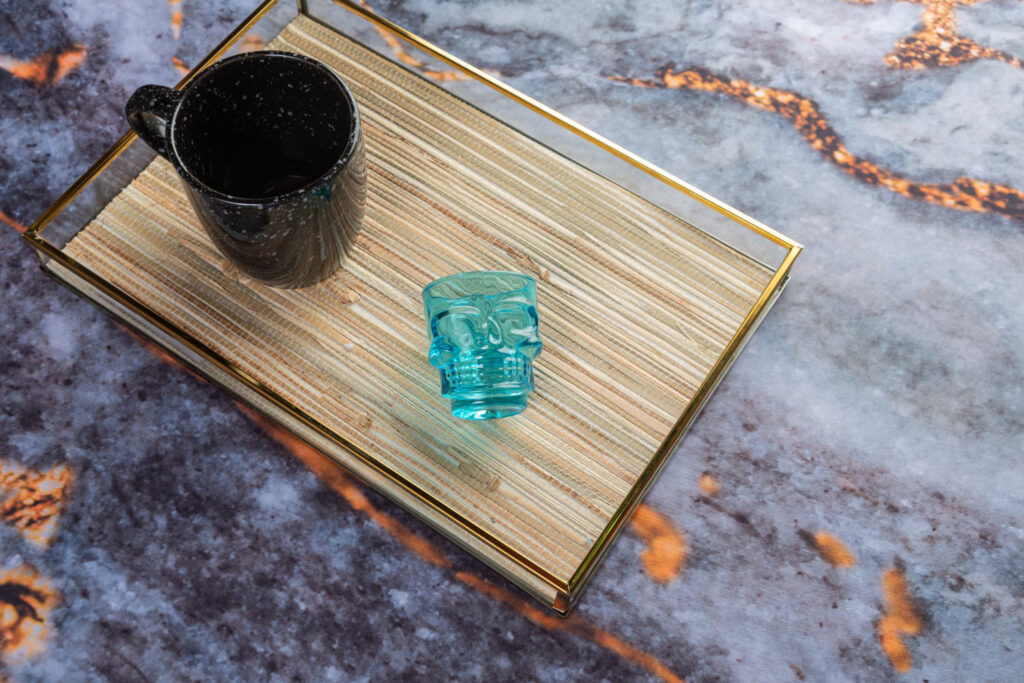
Inlay coffee tables built with thin veneers layered over a core can warp as humidity fluctuates. Veneers expand and contract quickly, especially when exposed to damp air. If the layers beneath do not respond evenly, the tabletop may bow or twist. Over time, this stress can cause visible distortion and uneven surfaces.
You may notice the table rocking slightly or developing raised sections near the edges. In humid rooms, veneer-based inlay tables require careful placement and consistent climate control. Without it, gradual warping becomes difficult to prevent, even with routine care at home over time.
7. Lightweight Inlay Coffee Tables With Poor Structural Support
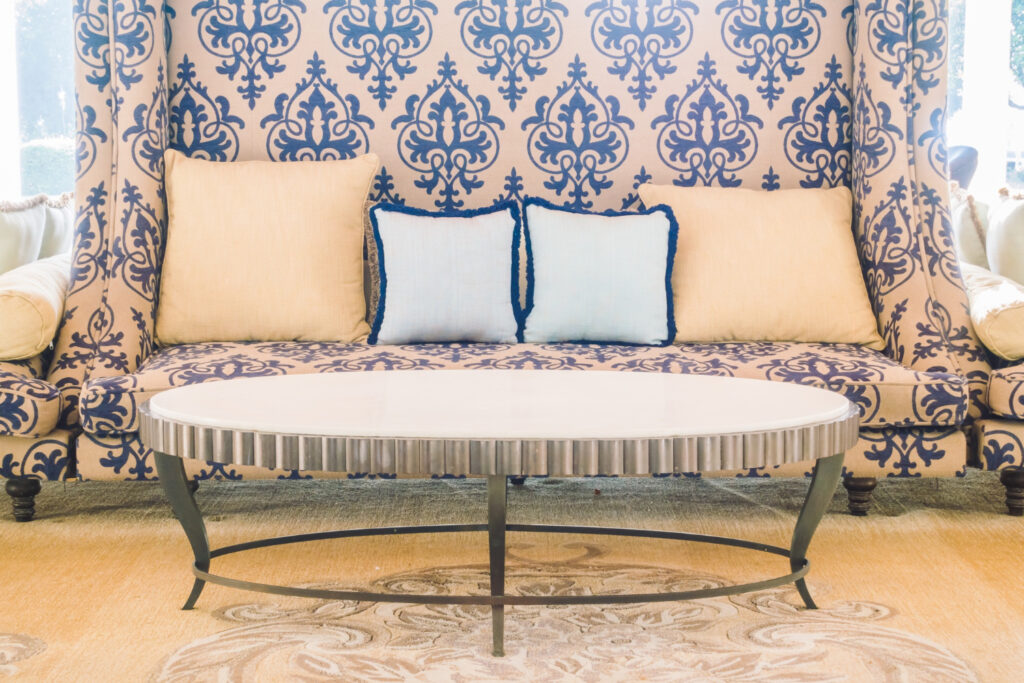
Lightweight inlay tables often lack the internal bracing needed to resist moisture-related movement. In humid environments, the table frame may flex as materials expand, causing the surface to warp. This issue becomes more noticeable over time, especially in rooms with fluctuating humidity levels or near windows and vents.
You might see sagging in the center or edges that no longer align properly. While these tables are easy to move and stylish, their lighter construction makes them more vulnerable. In humid rooms, stronger internal support plays a major role in keeping inlay tables flat, level, and stable for years.
8. Resin-Filled Inlay Designs That Expand in Heat and Humidity
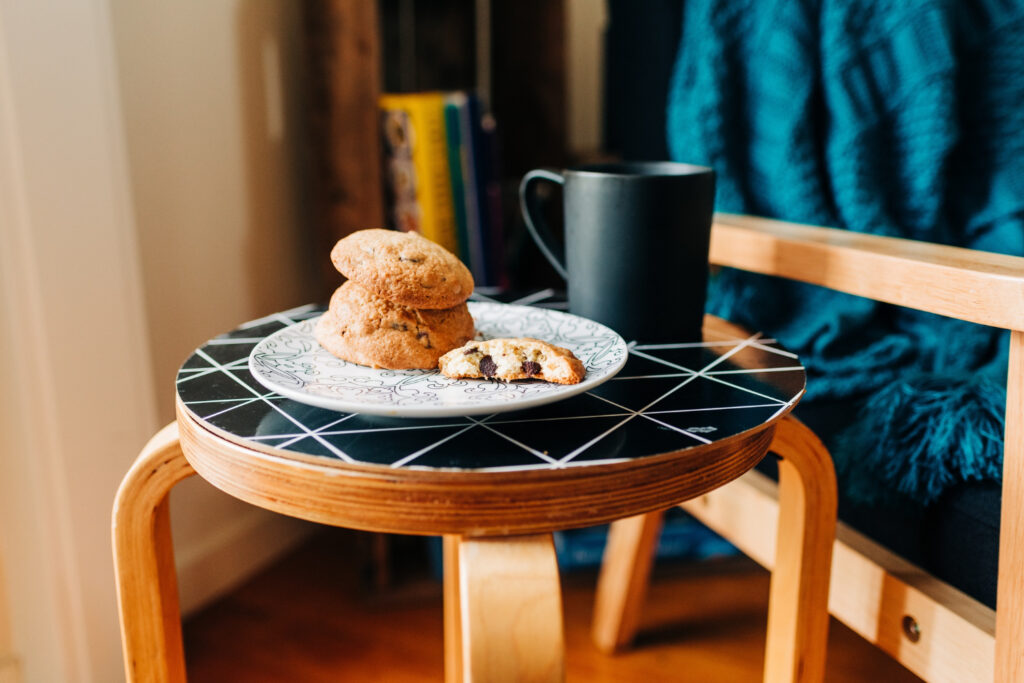
Resin-filled inlay coffee tables can react poorly to both heat and humidity. Resin expands at a different rate than wood, which creates tension across the tabletop in damp environments. As humidity rises, the wood may swell while the resin remains rigid, leading to warping or surface distortion.
You may notice subtle waves or raised sections forming over time. In rooms without consistent temperature and humidity control, these tables often struggle to hold their original shape. While resin adds durability in some cases, it can increase warping risk when paired with moisture-sensitive materials.
9. Unsealed Inlay Coffee Tables Best Avoided in Humid Homes
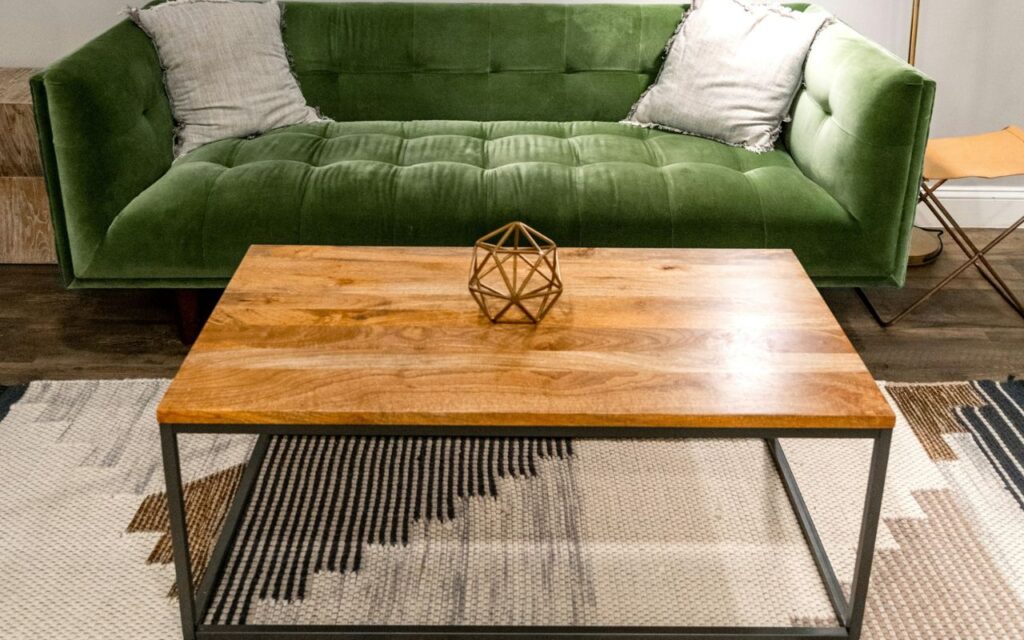
Unsealed or lightly sealed inlay coffee tables are especially vulnerable in humid rooms. Without proper protection, moisture penetrates the surface and core, causing expansion and warping. You may see cracks, lifting inlay pieces, or uneven surfaces within months.
These tables require frequent maintenance to prevent damage, and even then, results vary widely depending on conditions. In homes with high humidity, unsealed designs rarely perform well long term. Choosing fully sealed construction or climate-stable materials helps preserve both appearance and function, reducing the risk of costly repairs or early replacement.