8 Home Decor Ideas That Feel Comfortable Rather Than Styled
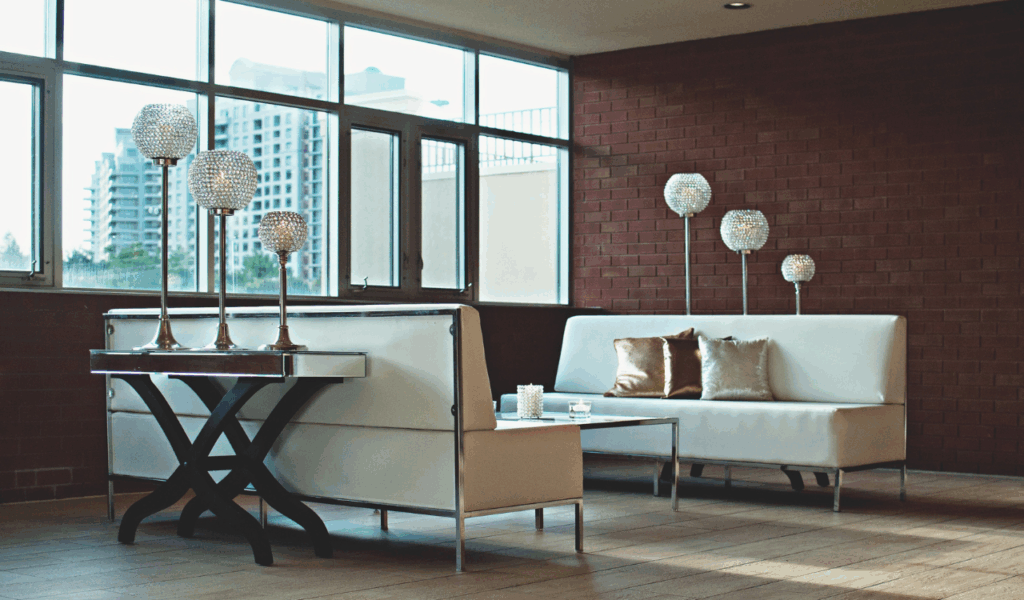
Homes that put the needs of people ahead of a strict aesthetic are the most welcoming. Top interior designers say that there is a big difference between a house that is “styled” for a magazine and one that is “curated” for real comfort. When a room is too flawless, it can make people feel tense without meaning to, which can make both guests and residents feel like they can’t really rest.
The goal of comfort-first design is to make a “lived-in” luxury where the space feels like a warm hug instead of a brittle museum display. This style is often called “soft minimalism” or “soulful living” by professional organizers and designers.
Experts believe that you may make your home feel emotionally warm by focusing on tactile textures, your own history, and natural layouts. This doesn’t mean giving up style; it means picking things that get better with time and use. You may turn your home into a peaceful place where comfort is always the most important thing by following these expert-backed tips.
1. Incorporating “Touch-Me” Textures
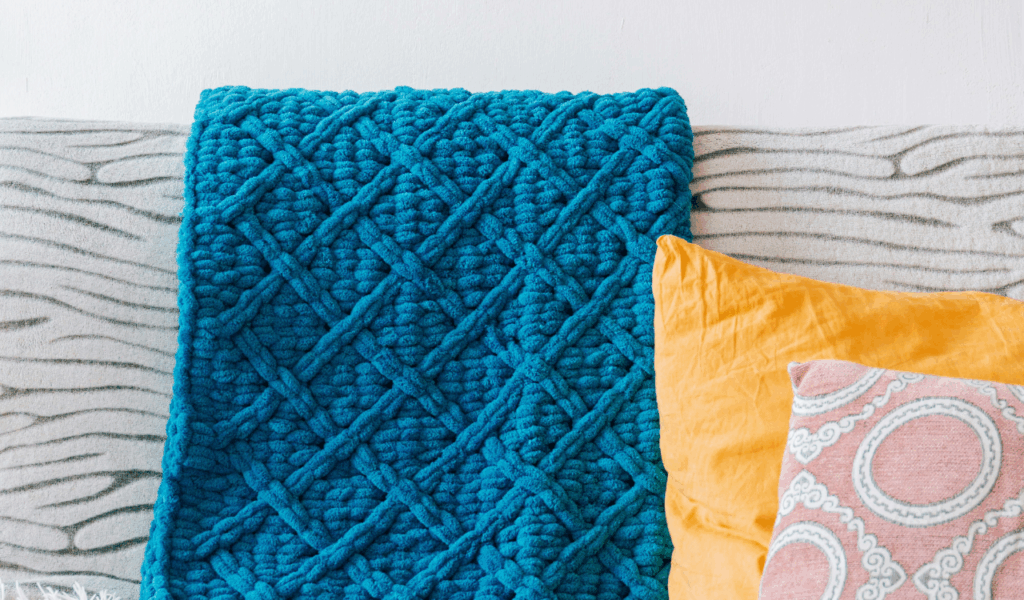
Interior designers say that comfort begins with the sensation of touch. Experts say that to get away from a sterile, overly styled look, you could layer several types of fabrics, such as thick wool knits, soft linens, and buttery leathers. Decorators say that a room feels best when there are different weights and weaves that make you want to touch them. You may ground the room in a physical softness that tells the brain it’s time to relax by not having too many cold surfaces like glass or shiny metal.
Experts say that “performance” shouldn’t equal “fake.” Natural fibers like cotton and jute are breathable and organic, which is something that synthetic materials frequently don’t have. You add a human touch that feels real when you choose a rug with a slightly uneven, hand-woven texture or a sofa with a soft, slubby fabric. These textures hide small signs of wear and tear, so the items seem better the more they are used. This vast variety of textures is what makes a home feel naturally warm and unassuming.
2. Low-Slung and Overstuffed Seating
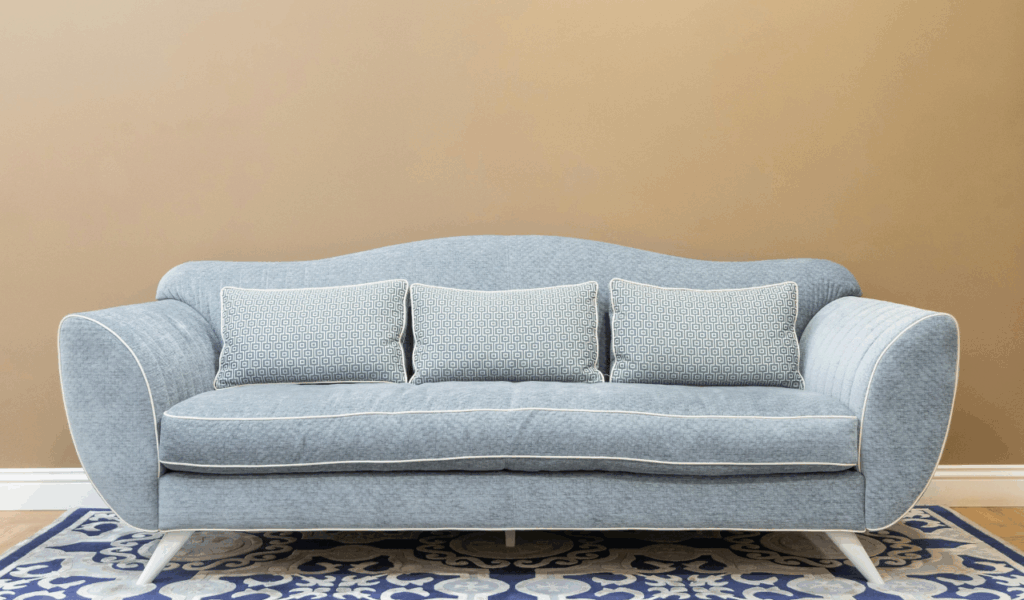
Furniture designers and real estate agents often say that the shape of your seats may completely affect the “vibe” of a room. Experts say that for a home that feels cozy instead of formally styled, you should choose sofas and chairs with low profiles and deep, overstuffed cushions.
Designers say that a lower center of gravity makes the space feel more casual and encourages people to relax instead of sitting up straight. When a couch seems like it has been “broken in,” it makes it easier to sit down and relax. This is a common strategy that professional flippers employ to make a house feel more like a home while they are staging it.
They don’t like stiff, mid-century modern furniture with tight backs; instead, they like “sink-in” seating. Experts say that you should look for foam cores coated in feathers. These give you the loft of down while still giving you the support of contemporary materials. You don’t have to sit a certain manner with this kind of furniture; it fits your body. By putting “squish factor” ahead of harsh lines, you make sure that your living room stays a place where you can really relax and interact with others.
3. Warm, Low-Level Lighting Schemes
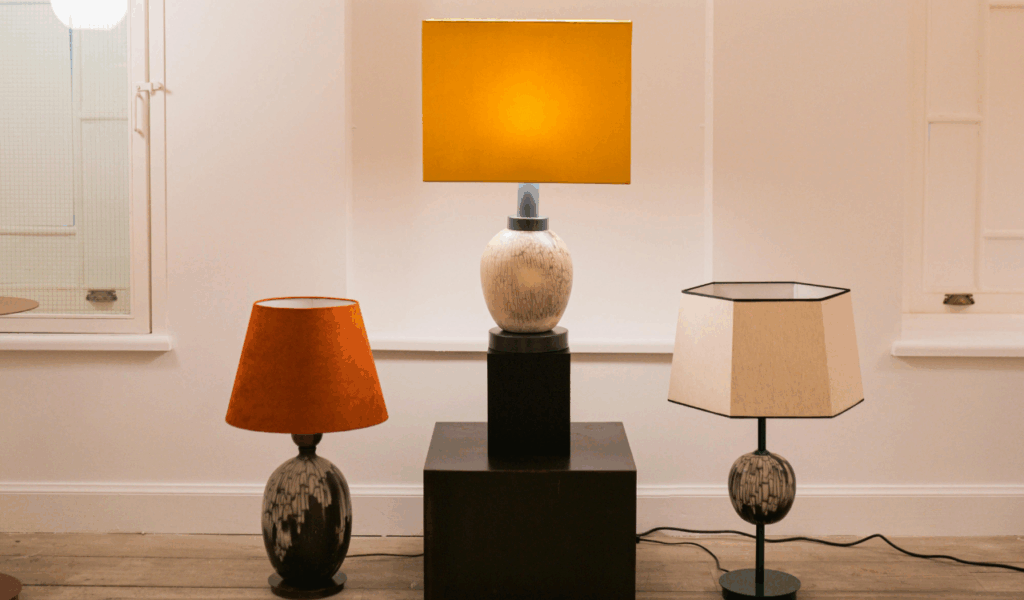
Lighting experts say that harsh, overhead “cool” light is the quickest way to ruin a nice mood. To make a room feel intimate and un-styled, designers say to keep light sources at or below eye level. Experts say that using floor lamps, table lamps, and even candles together can create “pools of light” that make a space seem cozy and safe. High-end restaurant owners often employ this trick to disguise flaws in the room and draw attention to the people in it. This makes the space feel soft and welcoming.
To seem like the golden glow of a sunset, contractors say to use bulbs with a warm color temperature, which is usually around 2700K. Designers say the idea is to get rid of dark, shady nooks without making the whole room too bright. You may change the ambiance to meet the time of day by employing dimmers and other low-wattage sources. This tiered technique makes sure that the lighting feels planned but not forced, creating a calm setting that works for anything from a peaceful night of reading to a fun, low-key dinner with friends.
4. Curated “Clutter” and Personal Objects
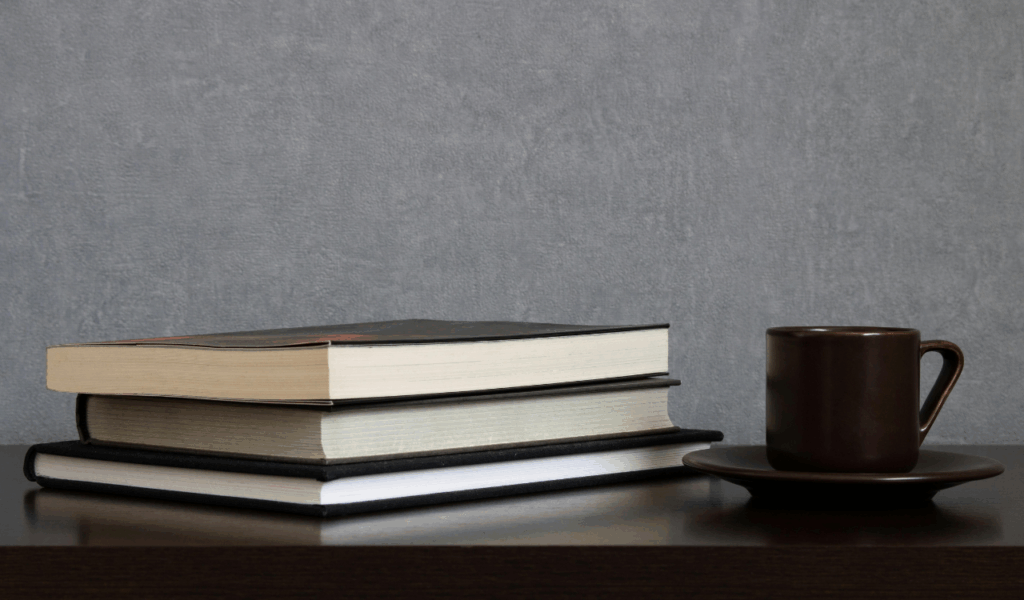
One of the major secrets of expert decorators is that a house that is “perfectly” tidy might seem cold. Experts say that to make a home really comfortable, you should embrace a curated kind of clutter—things that tell a narrative. A stack of well-loved books on a coffee table, a collection of stones from a beloved beach, or family photos in frames that don’t match could be examples of this. Organizers say that these personal touches give the home a “soul” that a professional stager can’t get with store-bought decorations.
Designers say that the “rule of three” is a good way to arrange these things, but they also say not to get too attached to it. The idea is for the decorations to look like they were put up over time instead of all at once.
When guests see things that show your background and interests, they are more likely to share their own stories. Experts argue that these “flaws” are what make a room feel welcoming. You can make your home feel like a living autobiography instead of a generic showcase by allowing your individuality emerge through your things.
5. Organic and “Imperfect” Materials
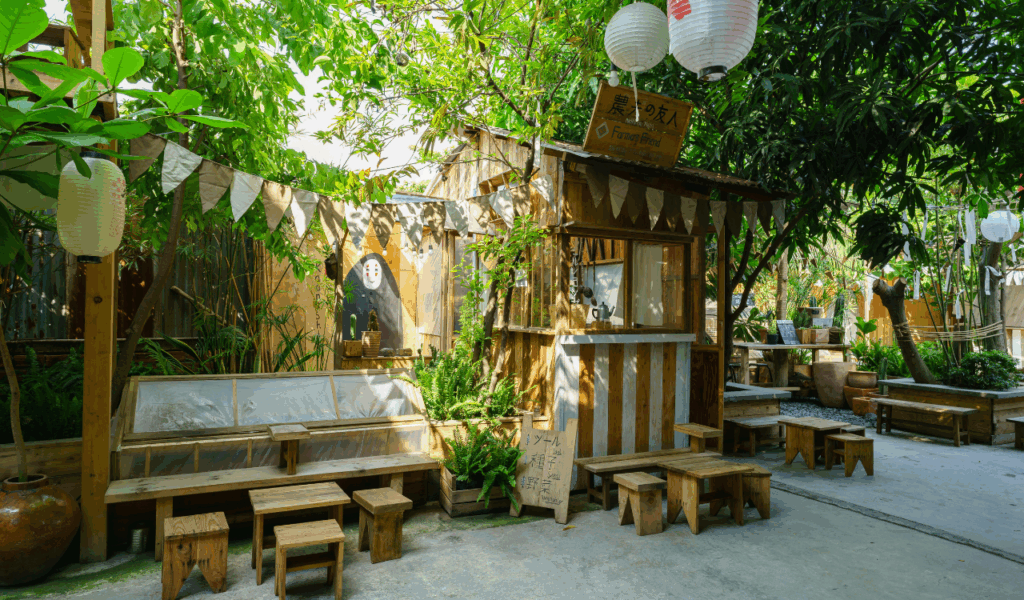
Unlacquered brass, reclaimed wood, and natural stone are some examples of materials that get better with age. These are common in comfortable design. Architects and designers enjoy these “living finishes” because they change with time, showing the life that has been lived in the home. Experts say that a scratch on a reclaimed wood table or a smudge on a copper sink isn’t a flaw; it’s a sign of character. These materials take away the stress of keeping a “perfect” surface, so the people who live there can do what they want without worrying about ruining the decor.
Realtors often say that homes with natural materials feel more solid and timeless. Experts say that using wood grains and stone textures to bring the outside inside can help people feel more connected to nature, which is naturally relaxing. Organic materials are more forgiving than high-gloss plastics or chrome, which show every fingerprint and need to be polished all the time. They embrace the mess of everyday life, making sure that your home stays a peaceful place to relax instead of a source of continual stress from having to fix things.
6. The Use of “Muddy” and Muted Tones

When comfort is the most important thing, color psychologists and interior designers generally tell their clients to stay away from bright, rich hues and stark whites. They suggest “muddy” or subdued tones instead. These are hues that have a grey or brown undertone, like sage green, dusty rose, or warm terracotta.
Experts say that these colors are gentler on the eyes and make a calming, harmonious background that doesn’t draw attention to itself. They give you a sensation of “enclosure” and warmth that makes even a big room seem safe and secure.
Designers say that these hues are also quite flexible because they look well in different types of natural light throughout the day. Professional painters say that a muted color scheme lets your art and furniture shine without fighting for attention.
These colors are natural, so they seem secure and familiar. When you paint a room a soft, muted color, it creates a visual “hush” that helps the mind settle down. This shows that picking the proper paint color is an important part of living comfortably.
7. Open Shelving with Functional Beauty
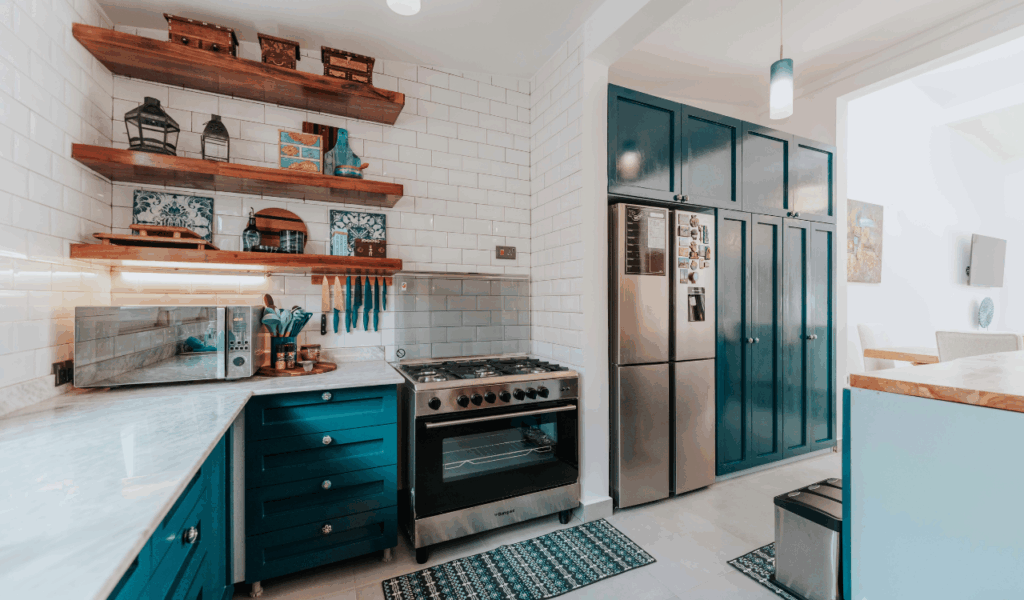
Professional organizers often recommend hidden storage, but designers who value comfort often utilize exposed shelf for common things. Experts say that seeing your favorite porcelain mugs, piles of linens, or jars of grains gives you a feeling of “domestic abundance” that is quite soothing. This “visible pantry” method makes the home feel useful and ready to use instead of hidden away and out of reach. It makes it sound like the home is a place where things are made, shared, and enjoyed every day.
Experts say that to keep the look from feeling too much like a grocery shop, you should blend solely ornamental objects with these useful ones. A stack of everyday dinner plates might be next to a vintage wooden bowl, for example. Decorators say that this mix of usefulness and beauty makes the room feel “honest.” It makes hosting less formal and promotes a more laid-back, community way of life. When the things you use every day are pretty enough to be on display, your home feels both tidy and easy to live in.
8. Oversized Greenery and Natural Growth
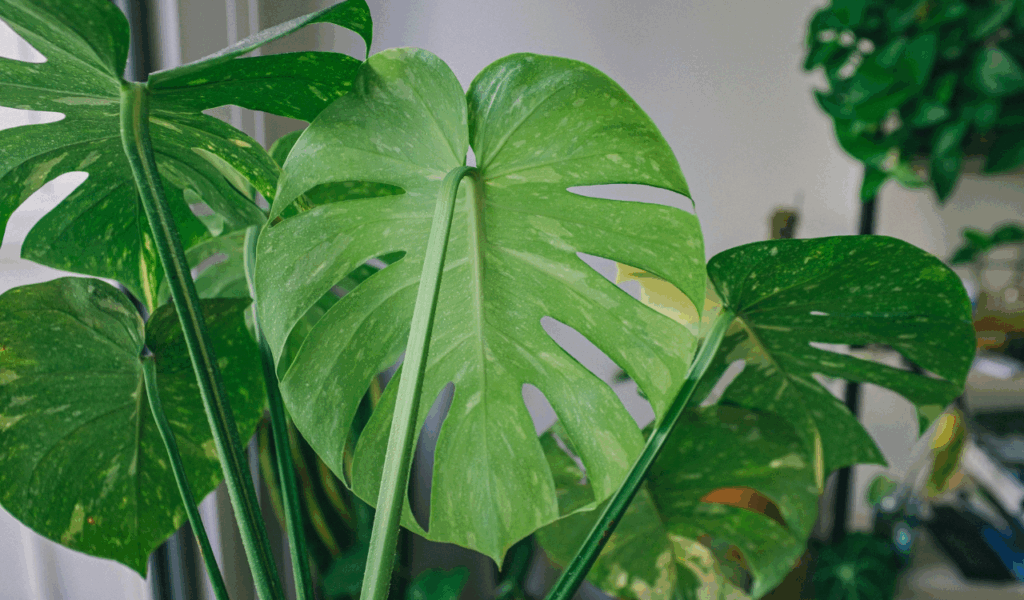
A few big, slightly wild plants are the best way to make a house feel alive and cozy. Instead of modest, well-kept succulents, interior designers say you should choose “architectural” plants like a Fiddle Leaf Fig, a Monstera, or a tall Dracaena. Experts say that having a lot of plants in a space makes the hard corners softer and the air cleaner, which makes you feel better physically.
A plant that is allowed to grow in its natural, slightly uneven shape seems much more real than a plastic copy. Botanists argue that plants are a “visual anchor” in a room because they give a bright splash of color that is calming rather than exciting.
Realtors say that a property with healthy plants looks and feels well-cared-for and alive. Plants, like a vine hanging from a high shelf or a big tree in the corner, offer a layer of “soft life” to the design. It reminds you of the outside world and offers a sense of tranquility and life inside, making your home feel like a thriving ecosystem instead of a static box.