
8 Fast-Casual Chains Accused of “Greenwashing” and Raising Prices Despite Cutting Costs
Sustainability has become one of the easiest promises for fast-casual chains to make, but also one of the hardest for customers to verify. Here’s the thing. When a brand talks about responsible sourcing, greener packaging or reduced carbon impact, diners expect to see evidence, not slogans. So when those same chains raise prices while quietly trimming costs behind the scenes, the disconnect becomes impossible to ignore. What this really means is that trust now hinges on transparency. If a chain can’t clearly show how its environmental claims translate into real-world decisions, even well-intentioned messaging starts to look like greenwashing.
1. Chipotle: “Food with Integrity” vs. The Reality Customers See
Chipotle built an identity around ethical sourcing and clean menus, which set a high bar for customer expectations. The problem critics raise now is simple: branding can outpace action. When menu prices climb, and promotions promise responsibly raised proteins, diners want to see concrete proof, named suppliers, third-party audits, or consistent traceability, not just slogans. Analysts and regular customers note that some of Chipotle’s sustainability pilots and claims have been promising but piecemeal, and rollouts vary by market. That inconsistency feeds the sense that sustainability is sometimes used to justify premium pricing rather than to reflect uniform procurement practices.
2. Sweetgreen: Farm-to-Bowl Messaging That Can Feel Thin at the Register
Sweetgreen rose by selling a simple story: bowls made with seasonal, often local produce. As that narrative became the brand’s halo, customer expectations moved beyond taste to verification. The common critique now is twofold. First, rising prices have put Sweetgreen in a premium box, so patrons naturally ask whether every ingredient justifies the cost. Second, sustainability claims such as reduced packaging impact or farm partnerships can be vague unless the company publishes clear sourcing maps and impact metrics. When customers see hefty checks without readable provenance or measurable environmental outcomes, they suspect the eco language is more marketing than mission.
3. Panera Bread: “Clean” Labels and the Question of What That Really Means
Panera popularized the idea of a “clean” menu free of artificial additives, which won it goodwill and a premium positioning. Still, the label “clean” doesn’t automatically translate to sustainability or ethical sourcing, and critics point out how easily that word becomes a catchall. When Panera raises prices on sandwiches and soup bowls, diners want separate assurances: where did the protein come from, what were the farming practices, and is the packaging truly lower impact? The upshot is that “clean” is helpful marketing, but it leaves a vacuum of proof that fuels skepticism when costs rise and operational cuts follow.
4. Cava: Mediterranean Freshness Framed as Sustainability, But Is It?

Cava markets a Mediterranean diet aesthetic, fresh bowls, bold dips, and community sourcing, and that positioning lets the chain charge a premium. The recurring critique is that freshness and sustainable packaging are not the same as verified low-impact sourcing. Customers often praise the taste but ask for more detail on supplier relationships and whether packaging claims are independently audited. When prices go up, the question becomes whether the extra dollars improve farmer livelihoods, reduce food miles, or simply cover expansion costs.
5. McDonald’s (Premium/Concept Lines): Big Marketing, Small Environmental Substance
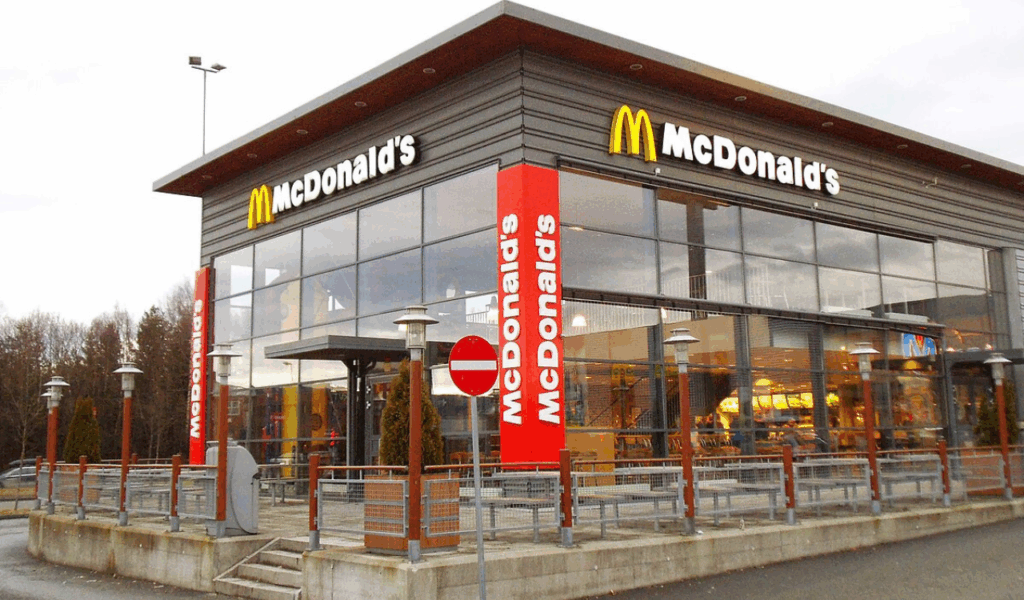
McDonald’s is often judged through two lenses: the corporation’s overall sustainability pledges and how they translate into specific menu concepts that mimic fast-casual quality. When the company markets premium sandwich lines or limited-time “better” offerings, critics watch closely to see if higher prices reflect genuinely different sourcing or simply menu segmentation. Because McDonald’s scale is enormous, small claims about recycled packaging or reduced antibiotics can look meaningful in PR but leave unanswered questions about regional implementation and supplier oversight.
6. Burger King: Plant-Forward Marketing Meets Classic Commodities
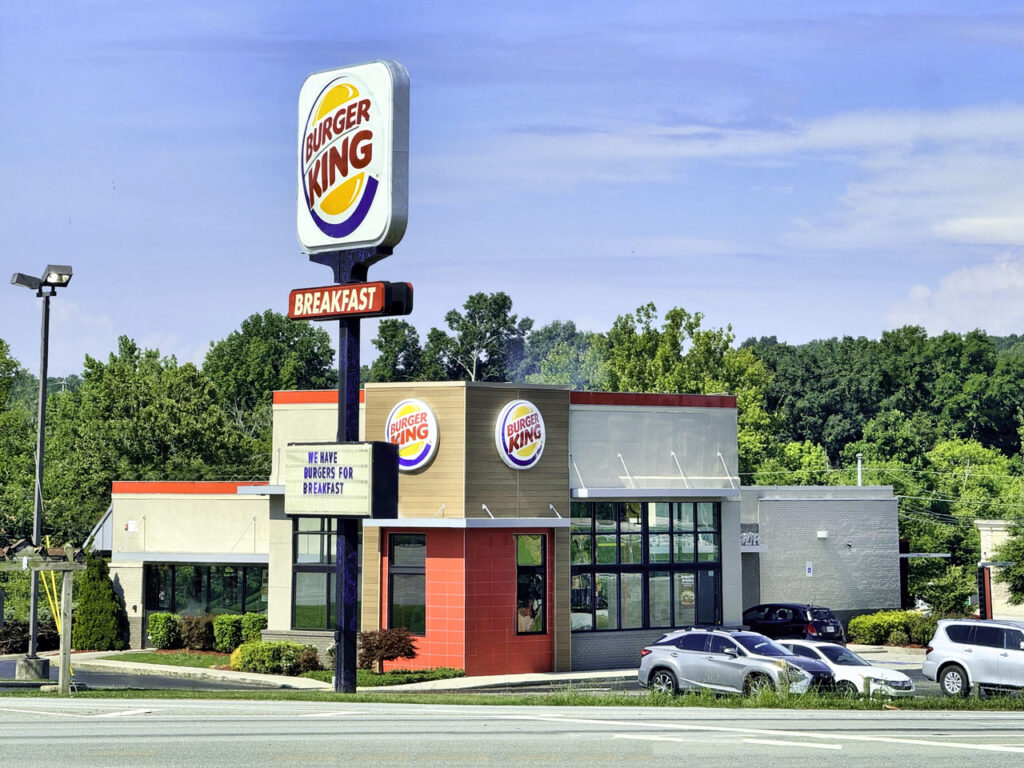
Burger King has embraced plant-based offerings and sustainability language to tap into shifting consumer tastes. Critics counter that positioning with two concerns. One is substitution: introducing plant burgers is useful but does not by itself prove a company is changing upstream cattle sourcing or packaging footprints. The other is price signaling. When plant or climate-framed items carry premium prices while the rest of the menu shows standard cost-cutting, customers suspect that sustainability is being used to justify higher checks rather than to reduce footprint across the business.
7. Shake Shack: Premium Positioning With Modest Public Metrics
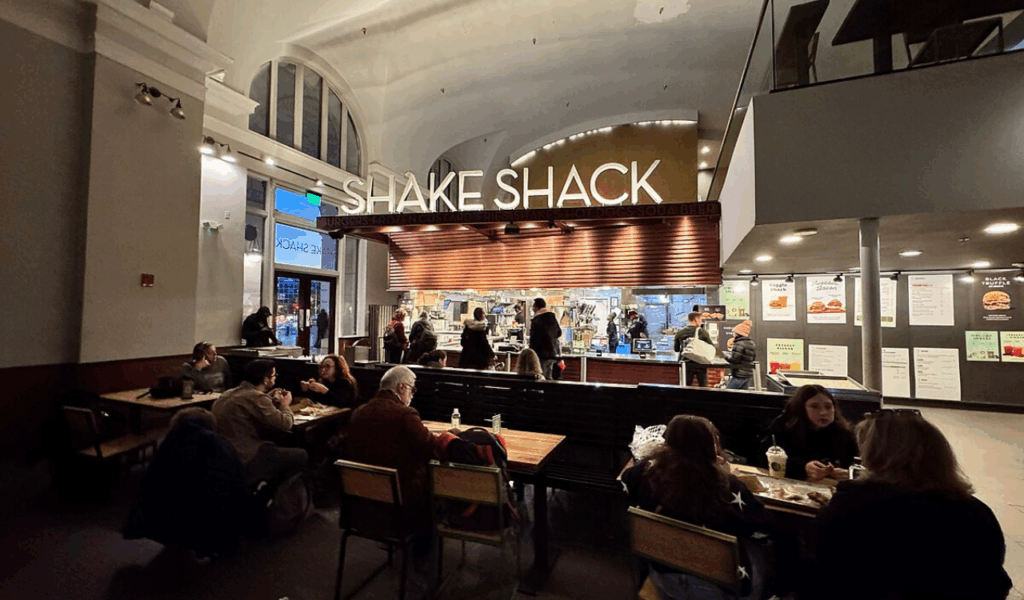
Shake Shack markets itself on quality ingredients, community programs, and selective sourcing. That positioning lets it charge above-average prices in the burger category. The friction occurs when customers expect that premium price to mean robust, auditable claims about animal welfare, carbon footprint, and packaging impact. Critics say Shake Shack’s public sustainability disclosures have historically been more narrative than numeric, which makes it hard for customers to see a direct link between price and environmental benefit. As a result, price increases read to some as margin expansion rather than investment in greener supply chains.
8. Five Guys: Freshness Claims, Limited Sourcing Story
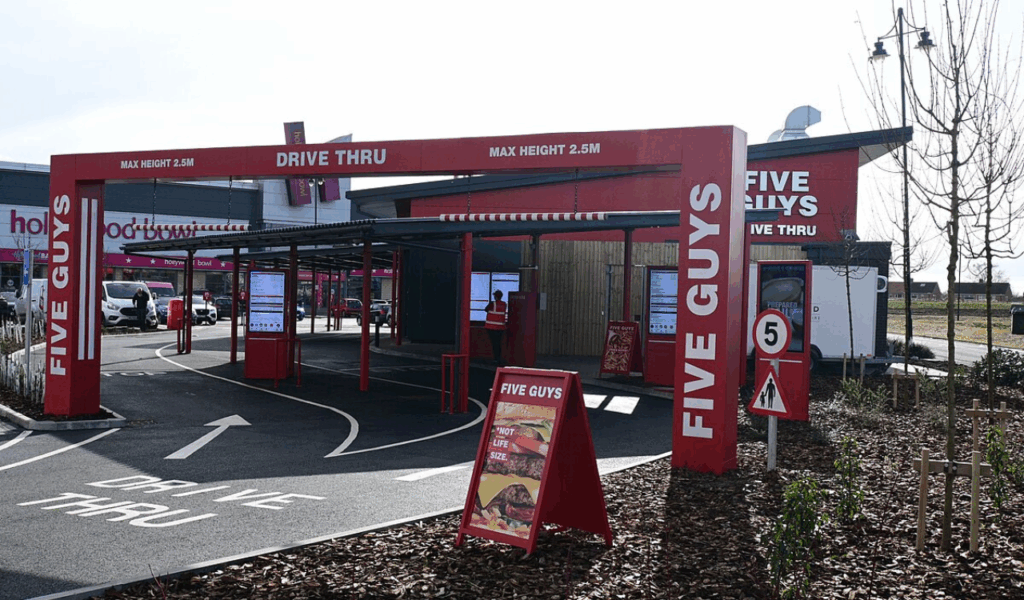
Five Guys built credibility on made-to-order burgers and a straightforward menu, which customers equate with honesty. Yet the brand has not been aggressive in publishing detailed sourcing data or sustainability impact reports, and rising prices combined with minimal public metrics have invited skepticism. In particular, packaging and waste management are areas where quick, visible improvement would strengthen the chain’s claims about responsibility. Critics argue that a brand can claim freshness without showing whether the underlying supply chain reduces environmental harm. When consumers pay more, they increasingly look for that link.