
8 Farmers Markets Pushing Overpriced Organic That’s Questionable
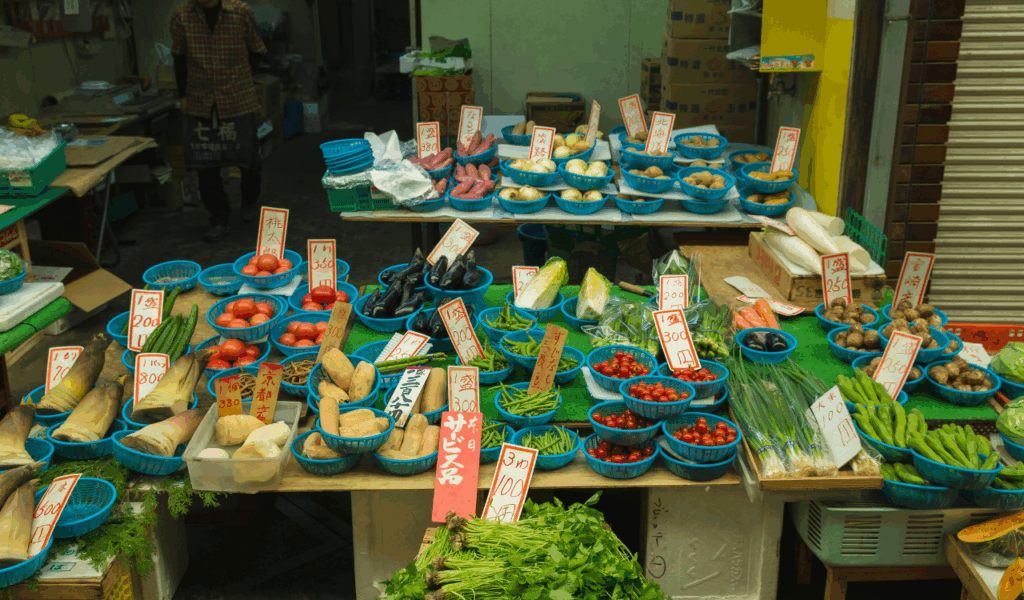
Many farmers markets offer wonderful produce, but some stalls label items as organic even when the quality or sourcing raises doubts. True organic farming requires strict standards and certification, so when those claims are unclear, shoppers may end up paying more without getting what they expect. Learning how to evaluate labels, ask helpful questions, and spot inconsistencies can protect your budget while still supporting honest growers who care about transparency and sustainable practices.
1. Vague Organic Labels
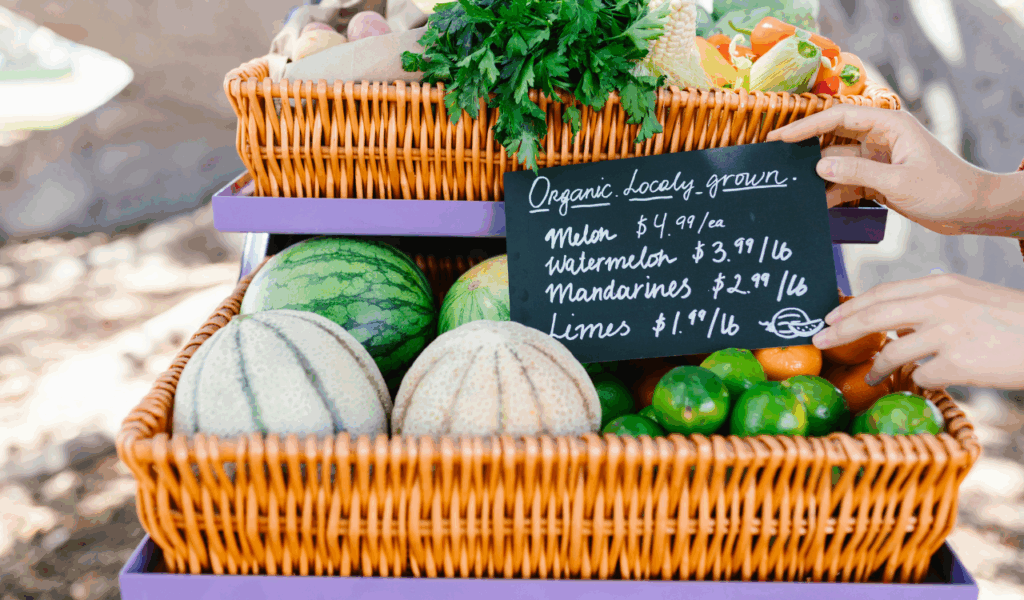
Some vendors use signs that say organic without showing proof, which can mislead shoppers. Authentic organic products usually come from certified farms that follow regulated growing practices, yet uncertified sellers might rely on the term loosely to justify higher prices. If vendors cannot explain their growing methods clearly or avoid questions about certification, it may signal unclear standards. Asking directly about farming practices helps determine whether the claim is reliable.
2. Out of Season Organic Produce
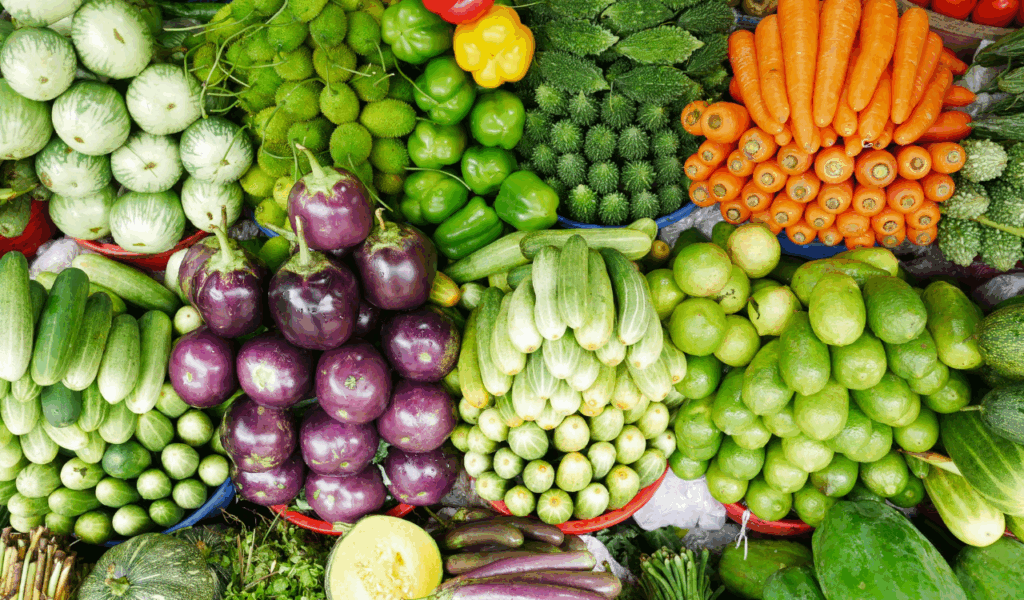
When vendors offer organic items that are far out of season for the local climate, it raises questions about their source. Imported produce may match the organic label but can still be sold at inflated prices by implying local quality. Checking what grows naturally during the current season helps you spot items that likely did not come from nearby farms. If a seller insists the produce is local and organic but the timing does not make sense, it is worth asking more.
3. Overly Perfect Appearance
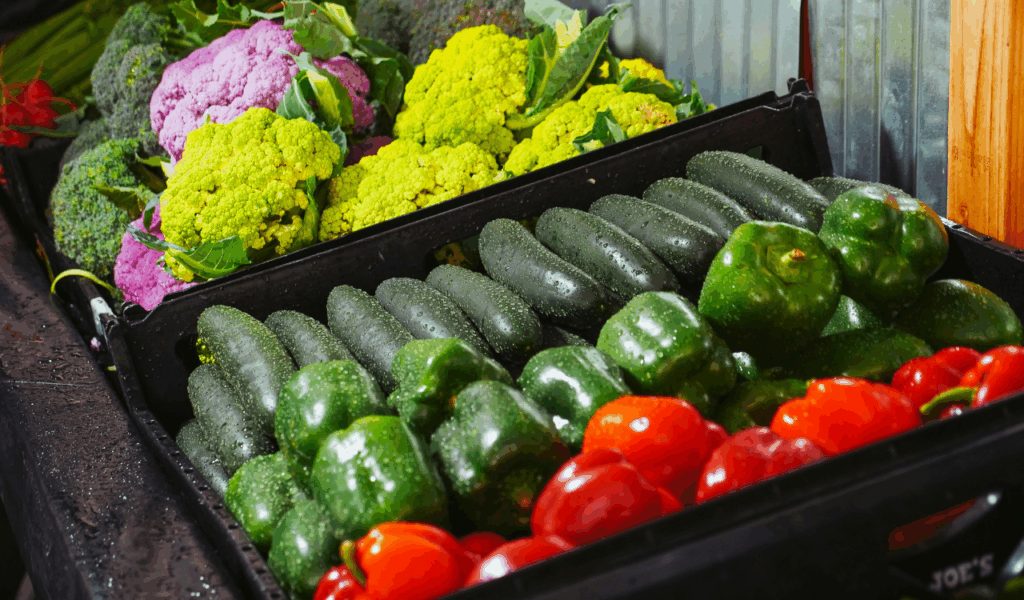
Organic produce often has small imperfections, yet some market stalls display fruits and vegetables that look unusually uniform. Perfect shapes and spotless skins can suggest conventional growing methods, especially when paired with high prices and vague claims. While organic items can look good, consistent perfection across every batch may signal that synthetic inputs were used. Observing variety in size and appearance helps you judge whether the organic label feels genuine.
4. No Information on Soil or Pest Control

Farmers who follow organic practices typically understand their soil health, fertilizer choices, and natural pest control methods. If a vendor cannot describe how they manage pests or promote plant growth, the organic claim may be overstated. Simple explanations about compost, crop rotation, or physical pest barriers indicate real knowledge. Lack of these details, especially combined with premium prices, can suggest marketing rather than sustainable farming.
5. Market Resellers Claiming Organic

Some vendors buy produce from wholesale suppliers and then sell it at markets as organic without proper proof. These resellers often have large quantities of identical items, packaged in ways that resemble retail supply rather than small farm harvests. While reselling itself is not wrong, labeling those goods as organic without certification misleads customers. Asking whether they grow the produce themselves helps identify when items may simply be marked up.
6. High Prices Without Quality Differences
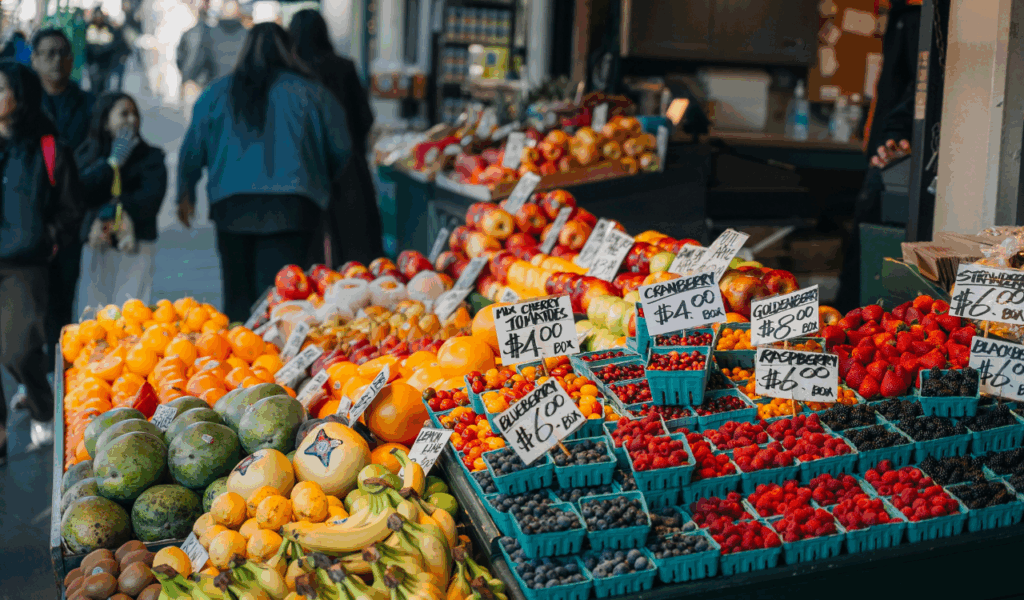
Organic items often cost more to produce, but sometimes vendors raise prices beyond reasonable levels without offering better freshness or flavor. When organic produce tastes no different from typical options and spoils quickly, the value becomes questionable. True organic growers usually harvest closer to market time, which supports better quality. Comparing textures, aroma, and shelf life between stalls can help you decide whether a premium price is justified.
7. Lack of Transparency on Farm Location
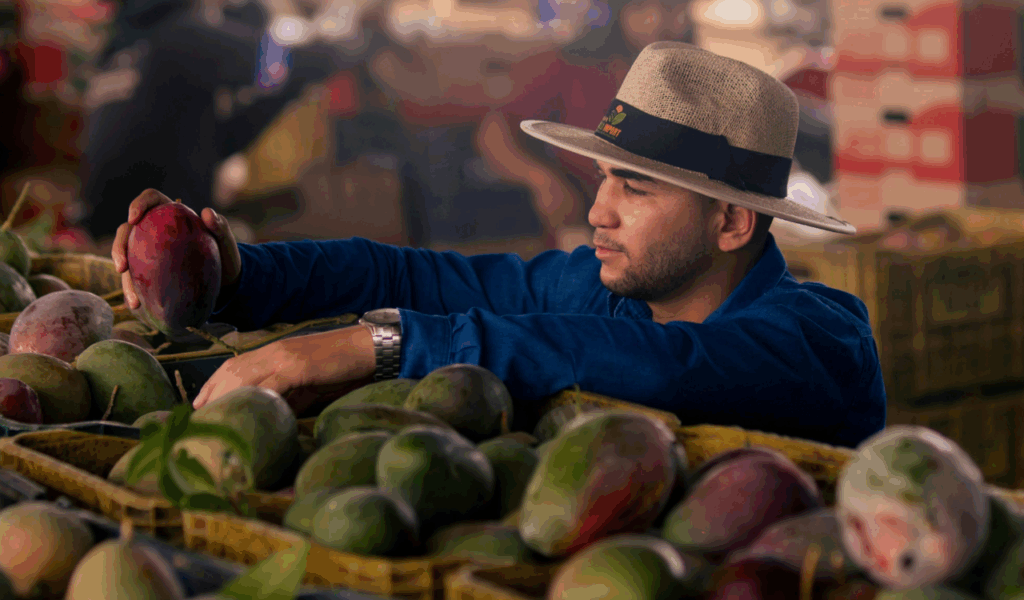
Genuine small farms are usually open about where they grow their produce, yet some vendors avoid giving clear answers about their farm location. If they cannot name a general area or provide basic details about their operation, their organic claim may be unreliable. Knowing the region also helps confirm whether the produce is in season. Sellers who give clear, simple information about their farm often provide more trustworthy goods.
8. Misuse of Homemade Organic Claims

At some markets, homemade snacks or packaged goods are labeled organic even when only a few ingredients qualify. A dish is not fully organic unless all primary ingredients meet certified standards, and partial use of organic products does not justify a full claim. Asking which components are organic helps you understand whether the price reflects actual quality. Transparent vendors usually list ingredients clearly and explain their sourcing practices.