8 Decorating Habits People Pick Up Without Even Noticing
You do not wake up one morning and decide to decorate poorly. Most decorating habits form quietly, picked up from model homes, social media, rental apartments, or well-meaning advice that slowly becomes routine.
Interior designers and professional home stagers say these habits are common because they feel logical at the time and often go unnoticed for years. You repeat what once worked in another space, copy what looks polished online, or decorate around furniture you already own without reassessing the room. Over time, those small decisions add up and subtly change how your home feels and functions.
1. Letting Throw Pillows Multiply Without a Plan
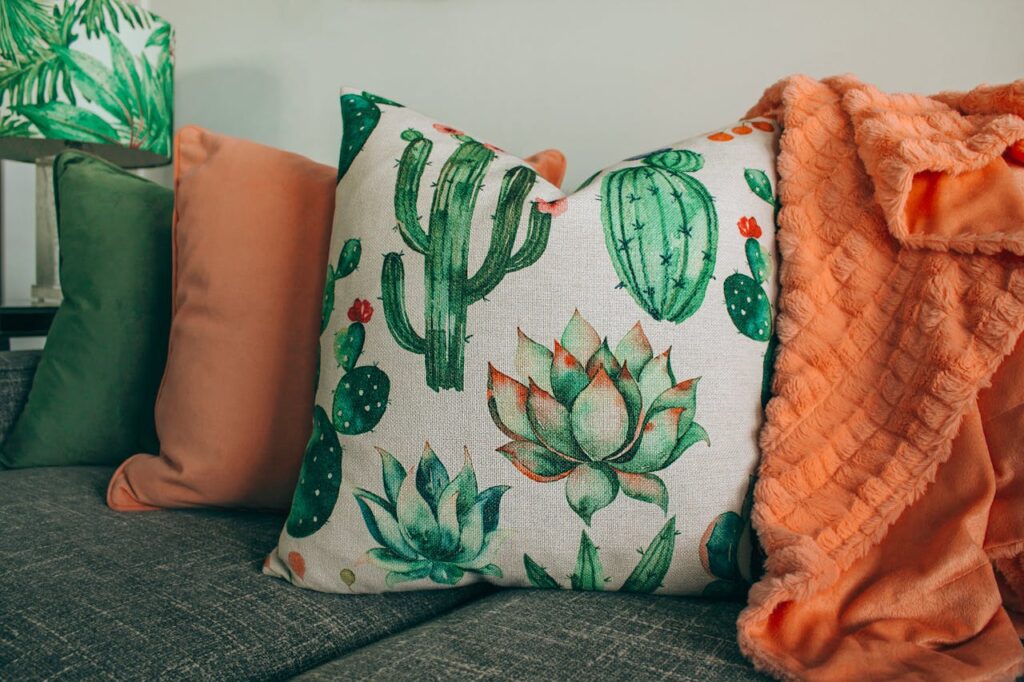
Designers say throw pillows are one of the most common decorating habits people develop unintentionally. You add one for comfort, another for color, and suddenly your sofa requires rearranging before anyone can sit down. Because pillows are easy to buy and relatively affordable, they often become impulse décor that never gets edited.
Over time, the mix loses cohesion and starts to feel cluttered rather than layered. Experts note that too many pillows also disrupt how you actually use the space, especially in family rooms where seating should feel relaxed and functional. A more intentional approach works better.
2. Hanging Wall Art Higher Than Eye Level
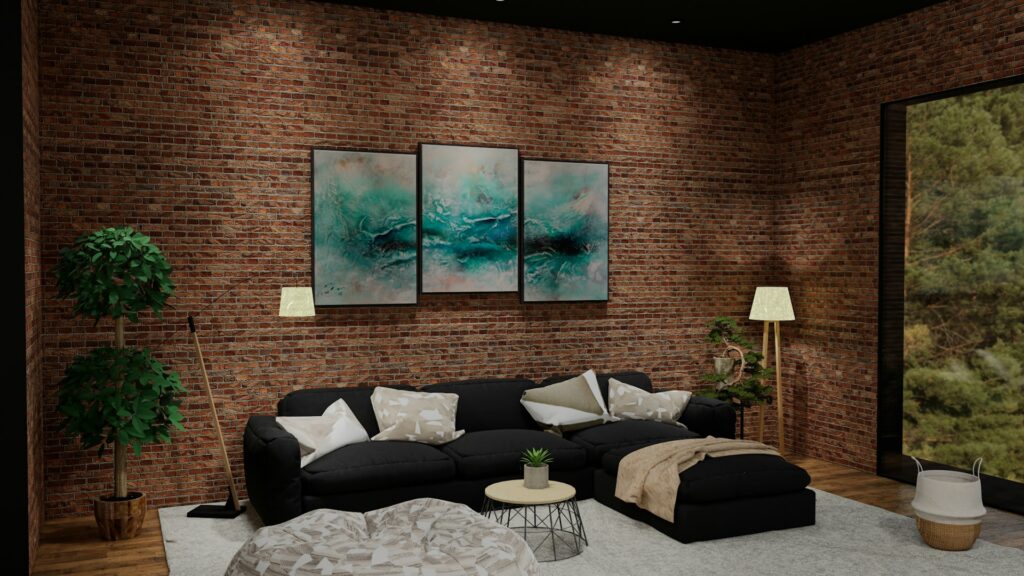
Professional stagers say many people hang artwork too high because they follow furniture lines or try to fill wall space quickly. This habit often starts in apartments or homes with tall ceilings, where blank walls feel overwhelming.
Over time, you begin to associate higher placement with balance, even though it disconnects the art from the room. Designers explain that artwork should visually relate to furniture and sit at eye level, not float above it. When art hangs too high, rooms feel less grounded and less personal. A common guideline is placing the center of artwork around 57 to 60 inches from the floor, with sligh
3. Keeping Furniture Pushed Flat Against the Walls
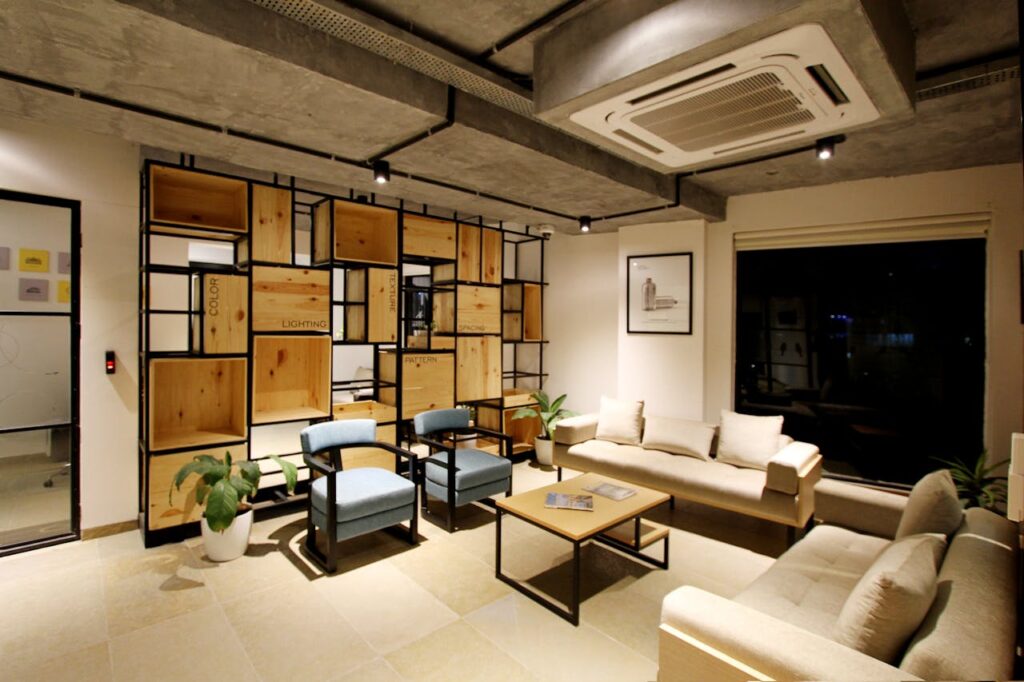
Designers say this habit often forms early, especially in smaller homes where open floor space feels important. You push furniture to the walls to make rooms feel bigger and keep repeating the layout without reconsidering it. Over time, this can create awkward empty centers and disconnected seating areas. Experts explain furniture does not need to touch walls.
Pulling pieces slightly inward often improves traffic flow and conversation. Living rooms feel more welcoming when seating forms a defined zone rather than a perimeter. Designers suggest starting with one piece, like a sofa or rug, and building inward.
4. Buying Décor Pieces Before Measuring the Space
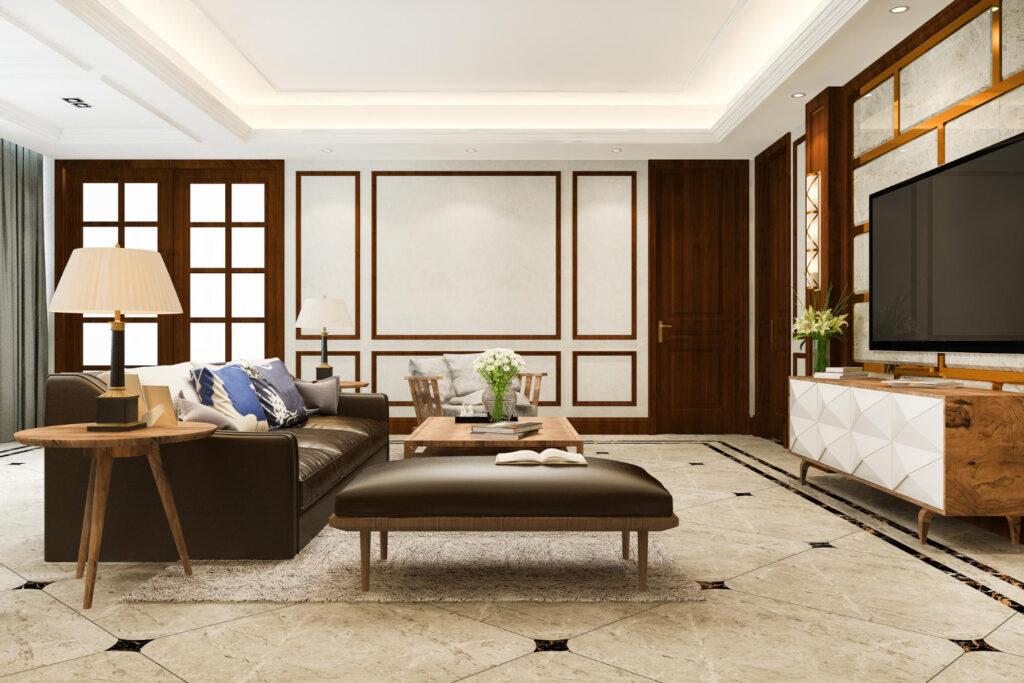
Retail displays and online images often make décor look universally sized, leading many people to shop without measuring. Designers say this habit causes one of the most common decorating frustrations: pieces that look great in theory but feel wrong at home. Lamps may be too small, rugs stop short of furniture legs, and wall décor can get lost on large walls.
Over time, you might add more items instead of correcting scale. Experts stress that scale matters more than style. Measuring your space and furniture before buying helps prevent clutter. Designers recommend keeping room dimensions and key measurements on your phone while shopping.
5. Using the Same Lighting Temperature in Every Room
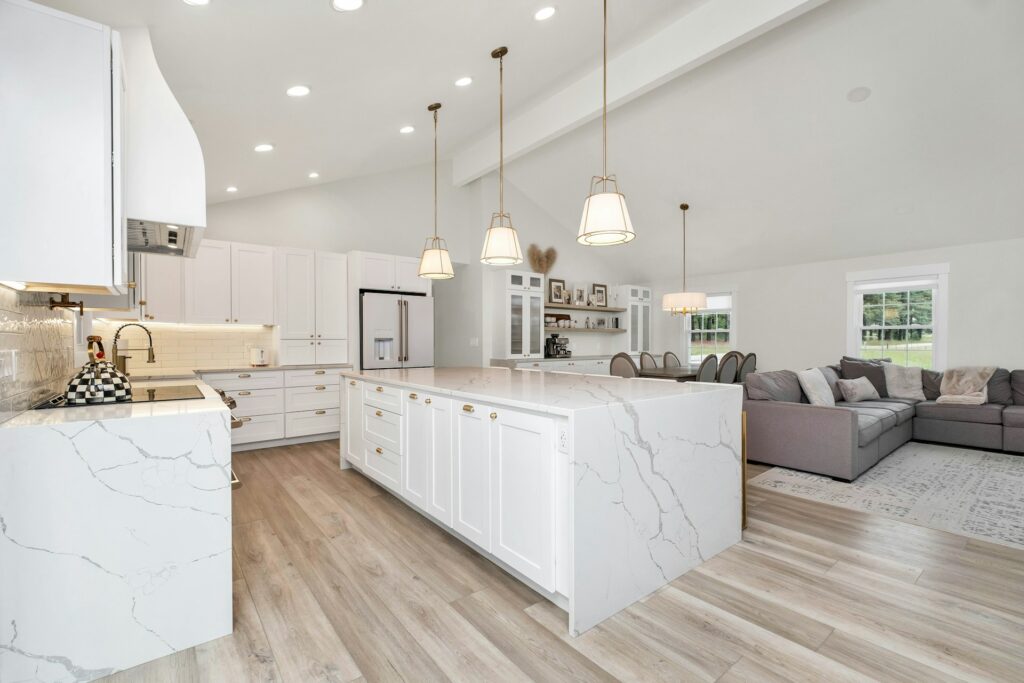
Lighting habits often form based on convenience rather than design. You buy one type of bulb you like and use it everywhere, assuming consistency is the goal. Designers say this approach can flatten a home’s personality and make rooms feel off without an obvious reason.
Different spaces serve different purposes, and lighting should support that. Kitchens and bathrooms often benefit from brighter, cooler light for clarity, while living rooms and bedrooms feel better with warmer tones that promote relaxation. Professionals recommend layering light as well, combining overhead fixtures, lamps, and accent lighting.
6. Decorating With Trends Instead of Personal Use Patterns
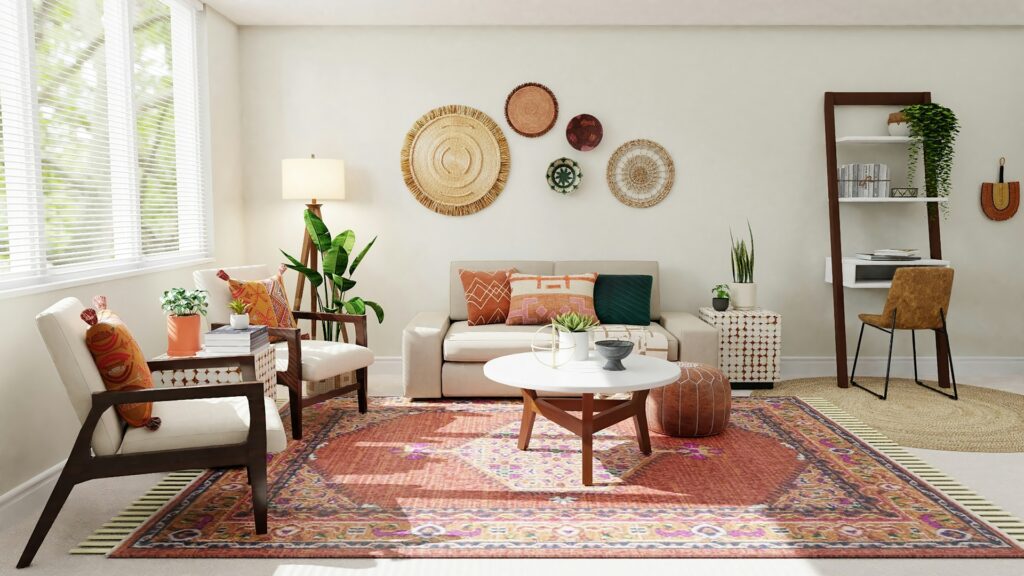
Designers say social media has accelerated this habit more than anything else. You see a beautifully styled room and try to recreate it, even if it does not match how you actually live. Over time, you may prioritize aesthetics over comfort or function, arranging furniture for photos instead of daily use.
Experts say trends are not the problem, ignoring your habits is. A home should reflect how you relax, and move through space. Designers encourage observing your routines. Where do you sit most? Where do things naturally land? When décor supports real life, rooms feel easier to maintain and more personal, even if not perfectly styled.
7. Over-Matching Sets Instead of Layering Textures
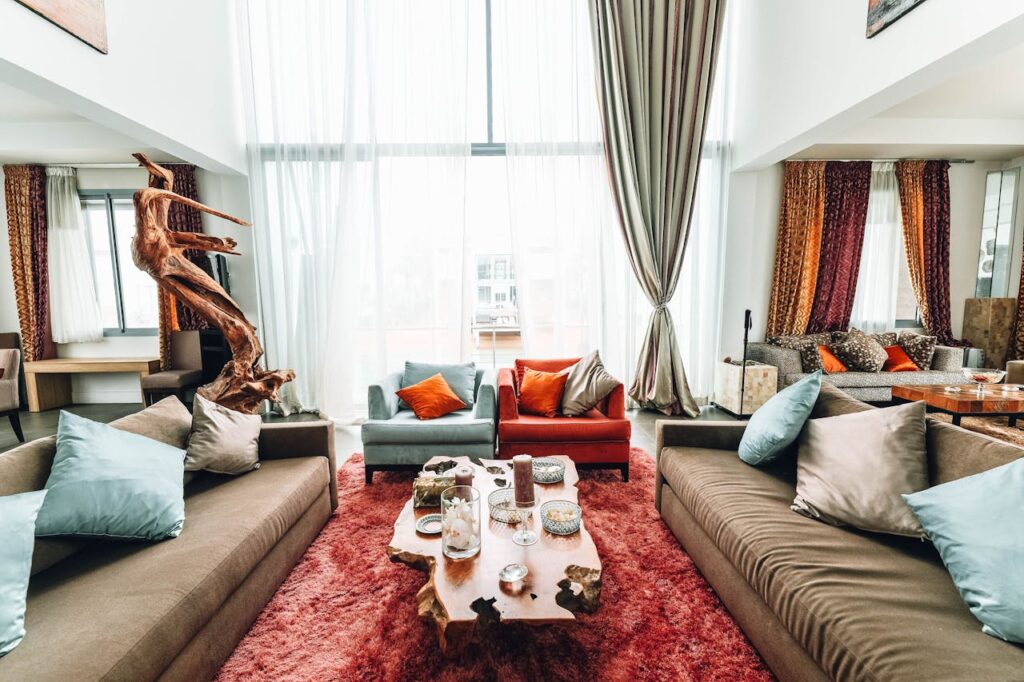
Many people develop this habit by buying furniture and décor in coordinated sets to avoid mistakes. While matching feels safe, designers say it often results in flat, showroom-like rooms. Over time, you may notice spaces feel complete but not inviting. Professionals explain that layered textures create warmth and depth without requiring bold color.
Mixing wood tones, fabrics, metals, and finishes makes rooms feel lived-in and natural. Designers recommend starting with neutral basics, then adding variety through materials rather than matching patterns. When everything does not match perfectly,authentic, and visually interesting.
8. Ignoring Negative Space Because Empty Feels Unfinished
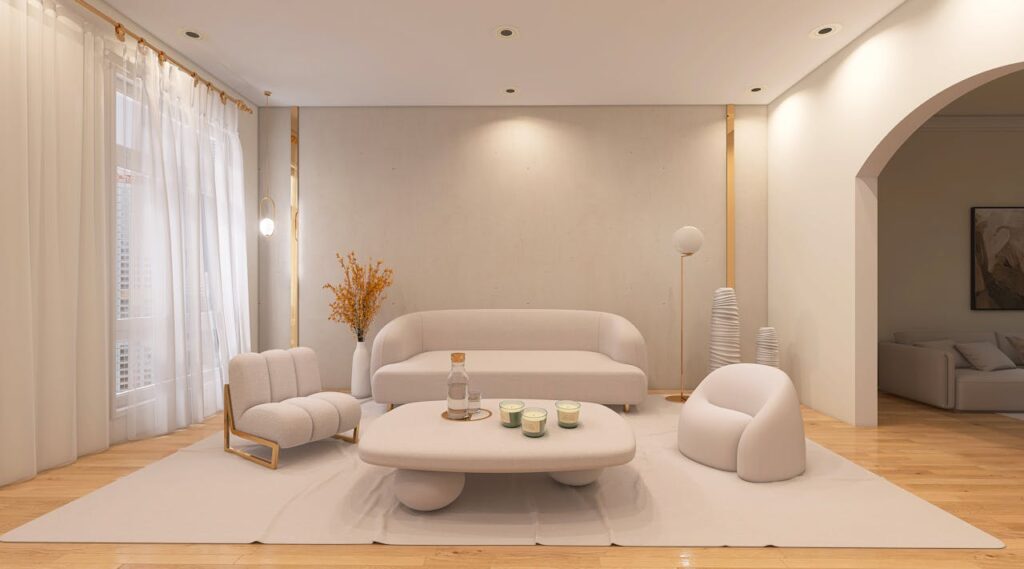
Designers say many people equate empty space with something missing, so they keep adding décor until every surface is filled. This habit often builds slowly as you collect items over time and never remove older pieces. Experts explain that negative space is not wasted space. It allows the eye to rest and helps highlight what truly matters in a room.
Homes with breathing room often feel calmer, more organized, and more intentional. Designers suggest periodically editing décor and removing one or two items from each room. When you allow space to exist, the pieces you keep feel more meaningful and the room feels more balanced overall.