8 Airline “Complimentary” Drinks Crew Say Cost You Extra Anyway
“Complimentary” is a popular word among travelers on a budget, but cabin crew workers say that these free things sometimes come with hidden costs to your health, time, or comfort. Flight attendants say that the logistics of serving drinks at high altitudes make some drinks a lot more expensive than they should be. Experts argue that the physical conditions in an airline cabin, from how clean the water tanks are to how carbonation reacts to pressure, can turn a simple drink into a possible danger for the passenger.
Sky realtors, or experienced cabin crew, often say that what you save in money, you can have to pay for with stomach problems or extended wait periods. People who determine rules for in-flight service say that airlines care more about efficiency and shelf life than purity. Because of this, some “free” drinks are well-known among staff for being the dirtiest or most annoying things on the cart. Anyone who wants to get off a long-haul flight feeling rejuvenated instead of tired has to know about these trade-offs.
1. Tap-Water Based Coffee
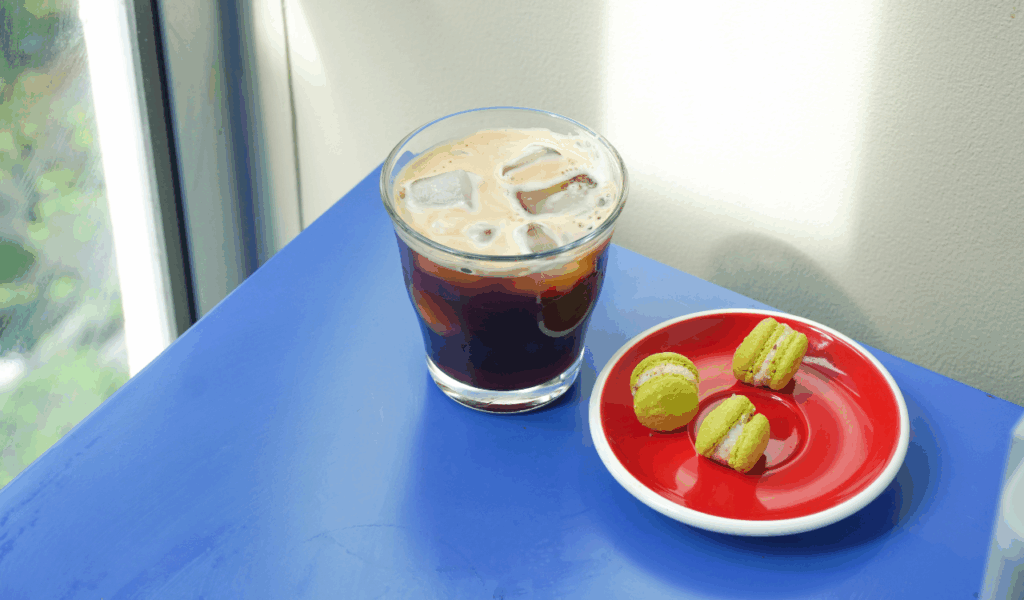
The most popular “free” drink on a trip is a regular pot of coffee, although flight attendants almost always tell people not to drink it. Experienced crew members say that the water used to make coffee comes straight from the airplane’s storage tanks, which are rarely deep-cleaned. Experts believe that these tanks can collect bacteria and biofilm over time because cleaning them takes a lot of time and is typically omitted during short turnarounds.
Flight attendants say that the coffee makers themselves are another weak link in the chain of cleanliness. These devices are often near the bathrooms and only get a full cleaning when they break down.
According to healthcare professionals who specialize in travel, the water is typically not hot enough to eliminate all bacteria, which means that your “free” coffee boost can cause your stomach to suffer. In order to ensure that they are totally protected from these dangers, crew members often only consume bottled water or beverages that are canned.
2. In-Flight Steeped Tea
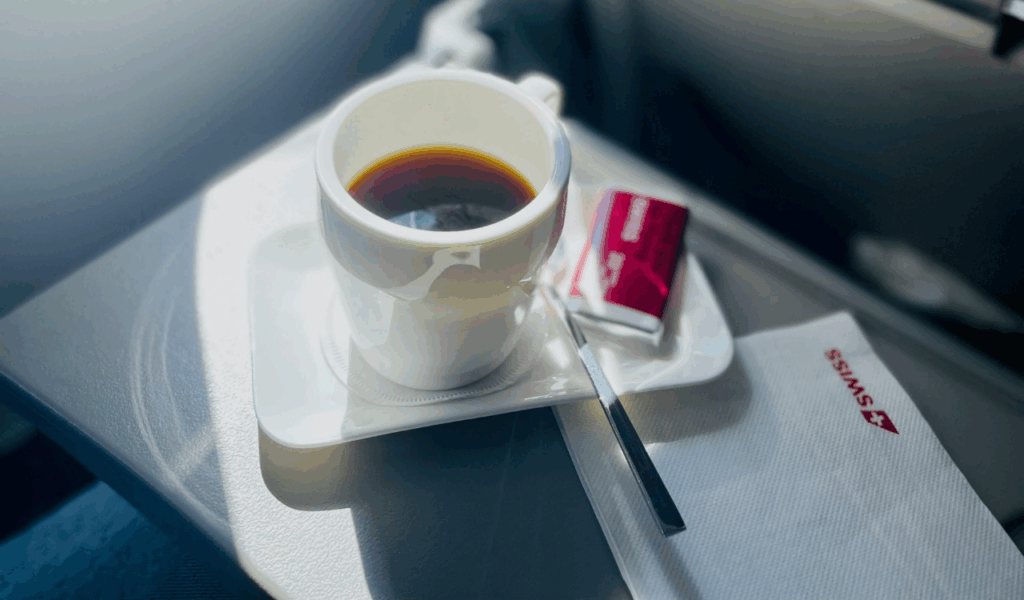
Like coffee, hot tea comes from the plane’s tap water system, which makes it a risky choice for travelers who care about cleanliness. People who work for airlines say that the water used for tea is typically only warm instead of boiling, which changes the taste and safety. Experts suggest that water boils at a lower temperature at high altitudes, but the heating devices on planes are not very reliable. This makes a weak, lukewarm cup of tea that might still have dirt in it from the storage tanks.
Tea is one of the drinks that suffers the most from the dry air in the aircraft, which makes your taste buds less sensitive, according to airline catering menu designers. Because there is no filtering, flight attendants tell parents never to use this hot water for infant formula. They suggest instead asking for a bottle of water on the side and a cup of hot water just to serve as a “bain-marie” to warm the bottle from the outside. This keeps the baby’s drink clean and safe.
3. High-Fizz Diet Coke
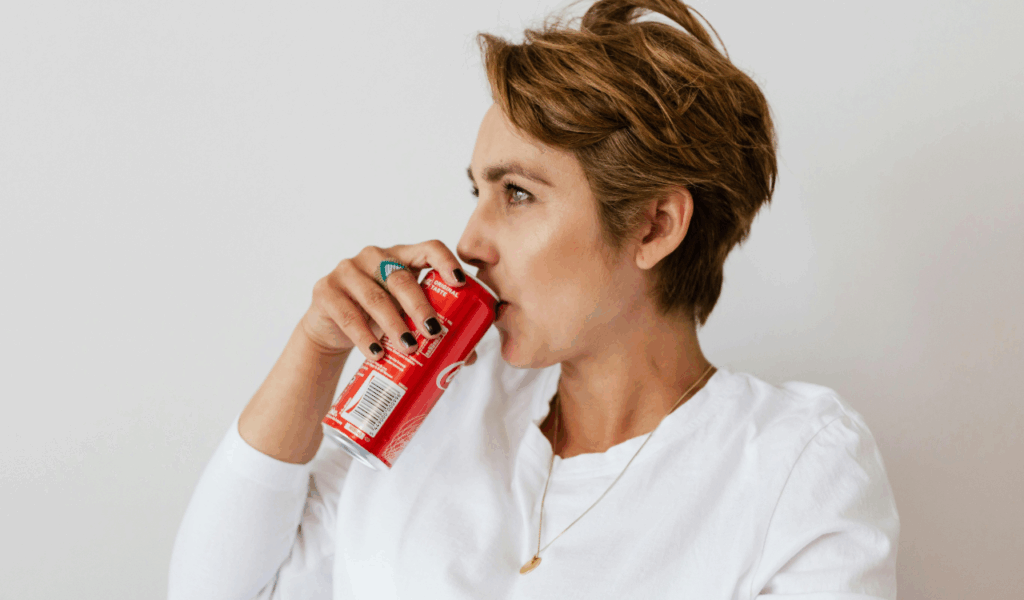
Ordering a Diet Coke may seem like a normal, safe choice, but crew members say it “costs” you and everyone else in terms of service time. Flight attendants say that Diet Coke is the hardest drink to pour at 30,000 feet. The carbonation in Diet Coke fizzes significantly more violently than in other beverages because of the cabin pressure.
According to experts, it takes a flight attendant around three times as long to pour one Diet Coke as it does to pour three other drinks. This delay stops the whole beverage service for the rest of the cabin. If you really want it, professional crew members say you should offer to take the whole can and pour it yourself slowly.
Organizers of in-flight efficiency say that on short-haul flights, a few Diet Coke orders can keep the crew from finishing the service before the plane starts to descend. Choosing a drink with less fizz will assist make sure that everyone in the cabin gets their “free” drinks on time.
4. Bloody Mary Mix
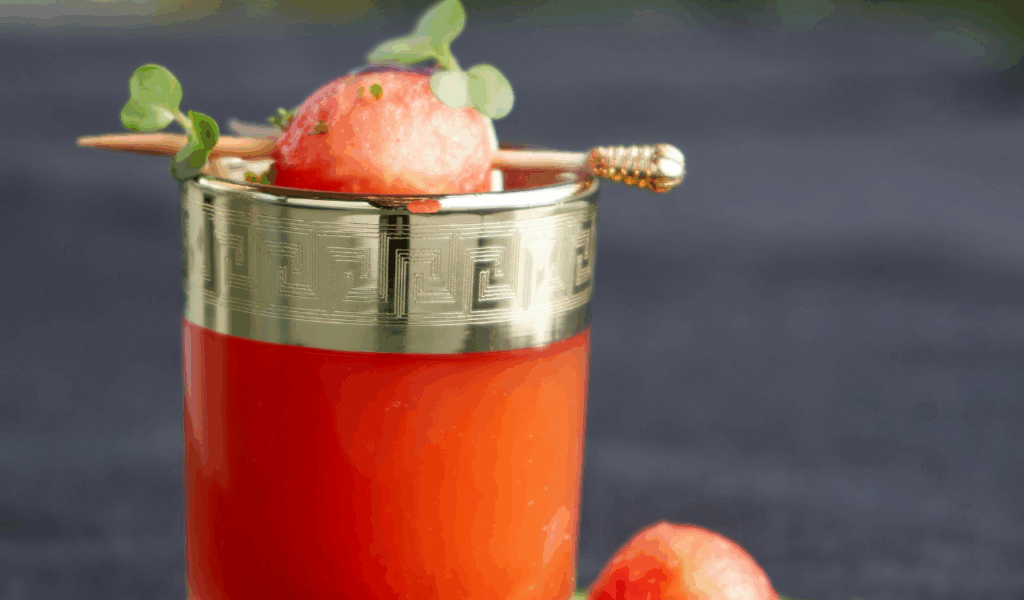
The Bloody Mary is a cult favorite in the air because tomato juice tastes better at high altitudes, but scientists warn the huge amount of sodium is a hidden expense. Nutritionists say that the dry air in a plane and the high pressure at high altitudes cause your body hold on to water. Flight attendants have noticed that those who drink a lot of tomato-based drinks often have very swollen hands and feet.
Doctors say that the sodium levels in pre-mixed Bloody Mary drinks are substantially higher than in regular juices to make up for people who have lost their sense of taste. This can cause “brain-searing” dehydration and headaches later in the journey. Because it’s so hefty, crew workers often call it a “liquid snack.” To avoid feeling bloated after a flight, people who develop healthy travel routines say to combine the drink with plain bottled water or stick to a simpler, lower-sodium fruit juice.
5. Economy-Class Red Wine
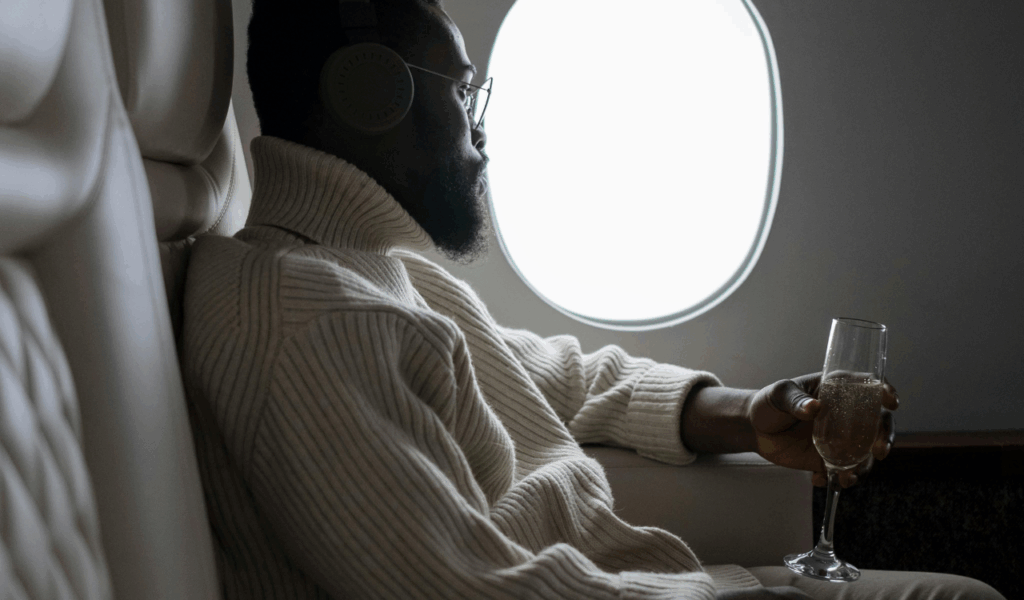
Many international airlines give out complimentary wine in economy class, but travel hackers say that it is usually the lowest quality wine available. Wine experts say that the high altitude and dry air make tannins taste more bitter and acidity feel more harsh. To get around this, airlines typically choose wines that are quite heavy in sugar and alcohol.
This can make the hangover much worse than it would be on the ground. Flight attendants say that because the air is so dry, one glass of wine in the air can make you feel as dehydrated as two or three glasses of wine on the ground.
Experts argue that the “cost” of this is that it messes up your sleep cycle and makes you drowsy when you get there. If you do drink the free wine, the crew suggests that you drink at least two glasses of bottled water for every glass of wine to lessen the effects that the cheap, sugary alcohol has on your body.
6. Large Cans of Ginger Ale
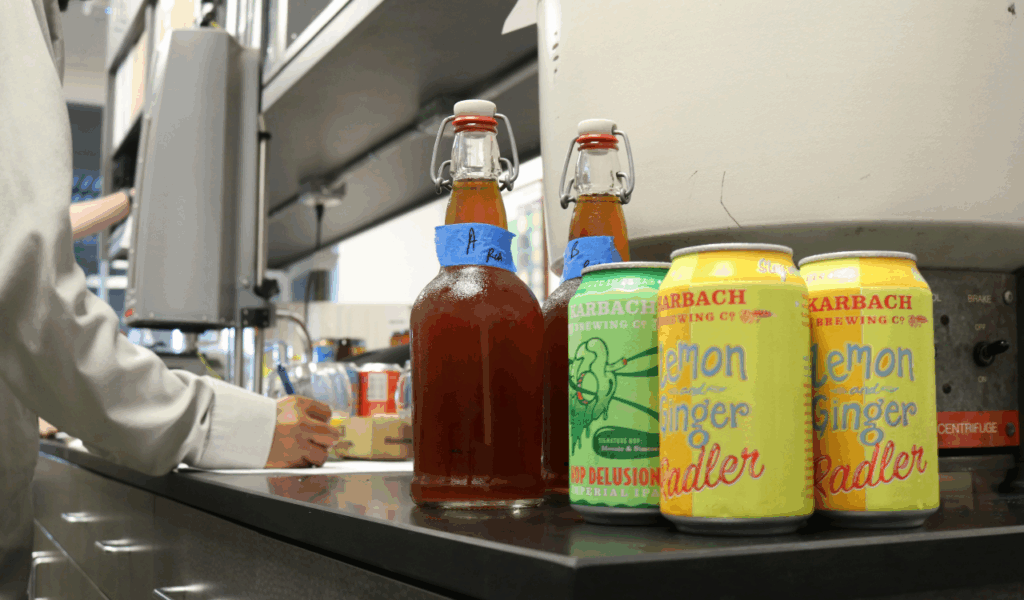
People often say that ginger ale is good for an upset stomach, but flight attendants say that the “free” stuff often has more sugar than a regular dessert. Nutritionists say that the ginger in most commercial airplane sodas is so small that it doesn’t do much for your health. Experts suggest that high-fructose corn syrup is the main ingredient. When your digestive system is already stressed by cabin pressure, this can make you feel more gas and bloating.
The cabin crew says that the carbonation in ginger ale makes your stomach expand as the plane rises, which might be uncomfortable. It tastes “sharper” and more refreshing in the air, but it creates pressure on your stomach, which is not good for you. If you really feel sick, designers of comfortable travel say you should ask for hot water with a slice of lemon or ginger tea bags you brought yourself instead of relying on the complimentary high-sugar soda.
7. Reconstituted Orange Juice
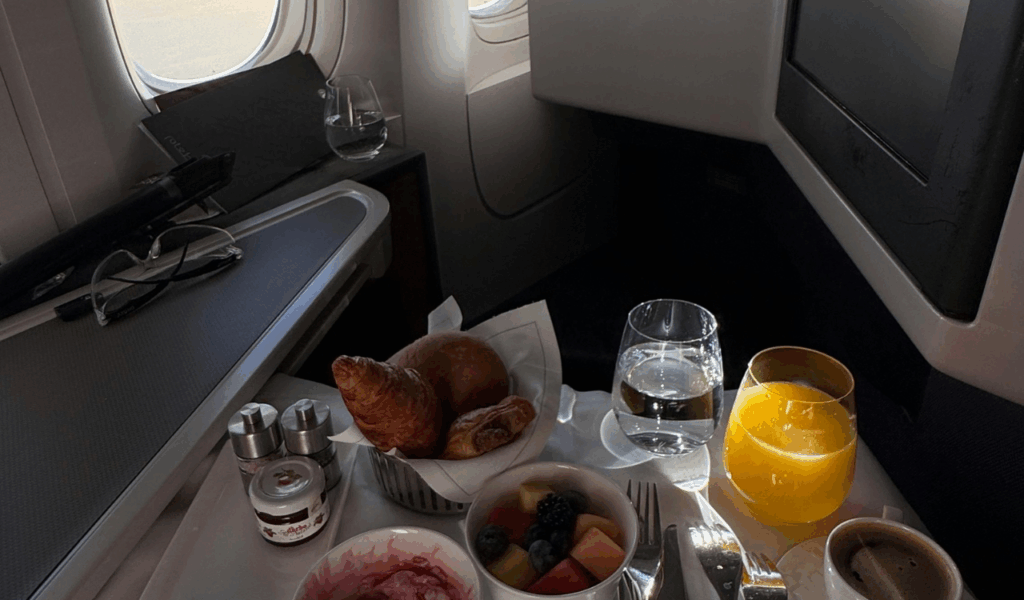
Crew members say that orange juice is a common drink on the morning beverage cart, but it is typically very acidic and processed. Flight attendants say that the “free” juice is often made from concentrate with extra sugars added to make it taste better at high altitudes. Experts suggest that drinking very acidic juice on an empty stomach while flying might cause severe heartburn and acid reflux, especially if you sit up straight for a long time.
People who travel often prefer orange juice for the vitamin C, but the procedure that makes airplane juice shelf-stable takes away a lot of the nutrients.
Health organizers say that the sugar spike and drop that comes after it might make jet lag feel a lot worse. Crew members suggest asking if the juice is 100% pure or, even better, choose tomato juice or plain bottled water to keep your blood sugar levels consistent during the trip.
8. Hot Cocoa Mixes
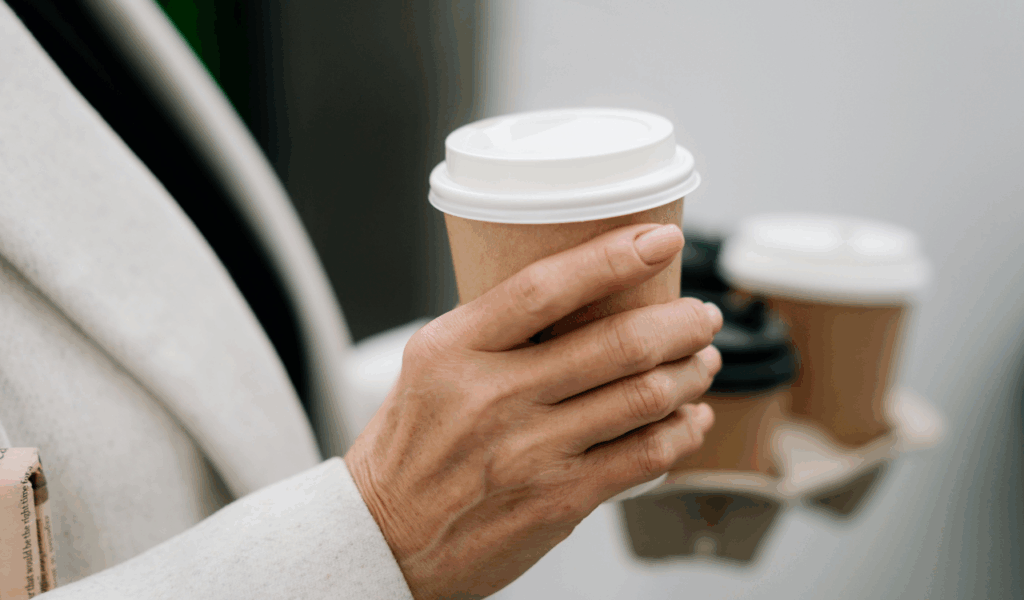
The cabin staff says that hot cocoa is a triple threat, even if it feels like a nice treat on a frigid red-eye flight. First, it uses the same tap water that is not safe for drinking as coffee and tea. Second, the powders sometimes have dairy replacements and thickeners in them that are hard to digest. Experts believe that hot chocolate is one of the most prevalent causes of indigestion during a flight since it has bad water and a lot of complicated chemicals in it.
Flight attendants say that the machines that give out hot water for cocoa aren’t cleaned very often, which makes the cocoa taste “funky.” Travel health professionals say that the high sugar level in these combinations can make it harder for you to get into a deep slumber while you are flying. If you want a hot drink, designers of a better flight experience say you should pack your own high-quality tea bags and ask for bottled water that you can heat up yourself using the “cup-in-cup” approach.