7 Decorating Tips for Rental Homes That Feel Like Yours

Making a rental feel like your own place is really about working with what you have instead of fighting it. Since you can’t usually paint walls, swap fixtures, or install built-ins, the smartest approach is to focus on elements you can control. Texture, lighting, furniture arrangement, and small personal touches all have an outsized impact in spaces that start out looking generic. When you layer in pieces that reflect your taste and use renter-friendly upgrades that can move with you, the home starts to feel less temporary and more like a space shaped by your personality. Over time, these choices create a sense of comfort and continuity, no matter how many times you change addresses.
1. Removable Wallpaper And Decals
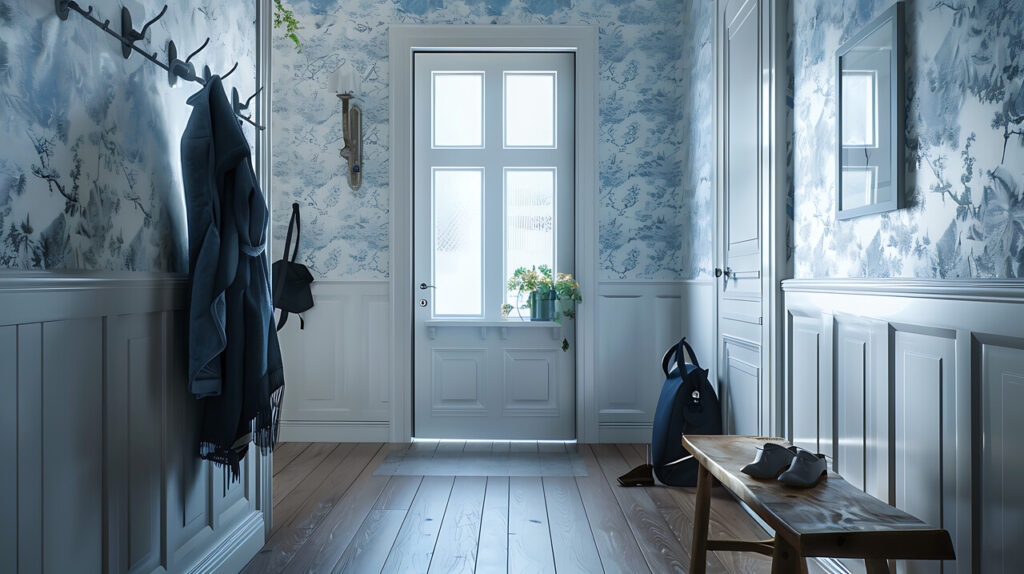
Removable wallpaper and decals are the quickest way to change the mood of a rental without touching the lease. Peel-and-stick products use low-tack adhesives that grip well to most painted walls but can be taken down later with minimal residue if the surface is clean and smooth to begin with. They come in full-scale patterns, faux textures like brick or linen, and small motifs that can be scattered instead of applied edge-to-edge. A single accent wall behind a bed or sofa can anchor a whole room, while smaller decals work well in entryways, kitchens, and kids’ rooms.
2. Damage-Free Ways To Hang Art And Mirrors
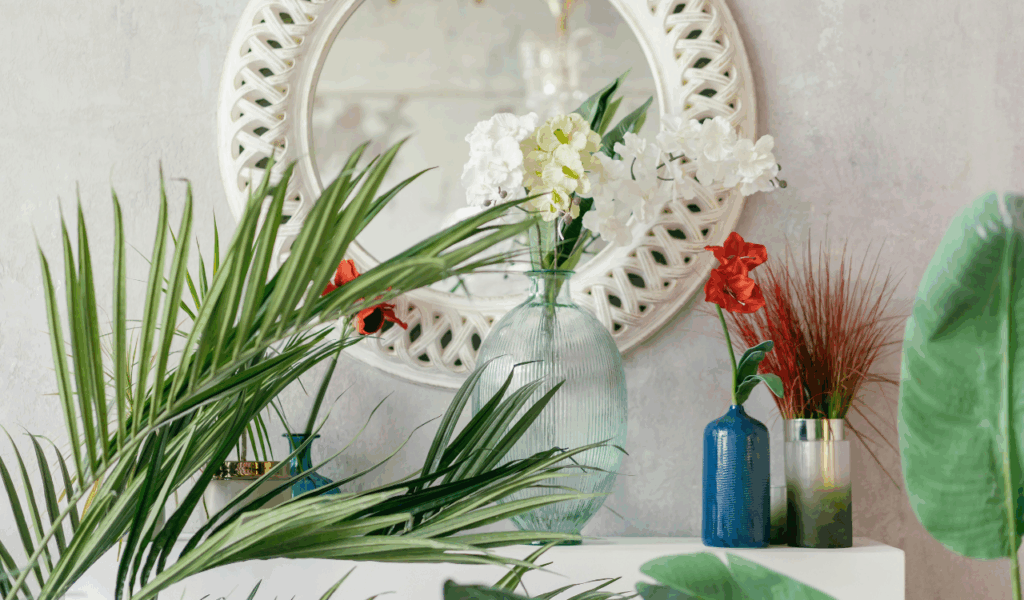
Art is what makes a rental feel like someone actually lives there, but nails and anchors are not always welcome. Adhesive hooks, picture hanging strips, and over-the-door rails solve most of this problem. Strips with hook and loop faces can hold frames, canvases, and even light mirrors if you follow the weight ratings and clean the wall with alcohol before sticking them on. For heavier pieces, consider leaning art on shelves, mantels, or dressers instead of hanging at all. Gallery ledges allow you to display multiple frames with just a few supports, which means fewer marks to remove later. In spaces where you are allowed a limited number of holes, plan them carefully at standard heights so you can swap art without drilling more.
3. Layering Rugs To Warm Up Rental Floors

Rugs do for floors what curtains do for windows: they soften hard surfaces and hide a lot of what you cannot change. In rentals with basic tile, laminate, or older wood floors, a large rug under the main seating area immediately makes the room feel more intentional and helps with acoustics by absorbing sound. Smaller rugs can define zones, such as a reading corner or dining spot, especially in open-plan spaces. Layering a smaller patterned rug over a larger neutral one adds personality without overwhelming the room, and it lets you adjust the look easily if you move. Underlay mats prevent slipping and extend rug life.
4. Freestanding And Movable Furniture
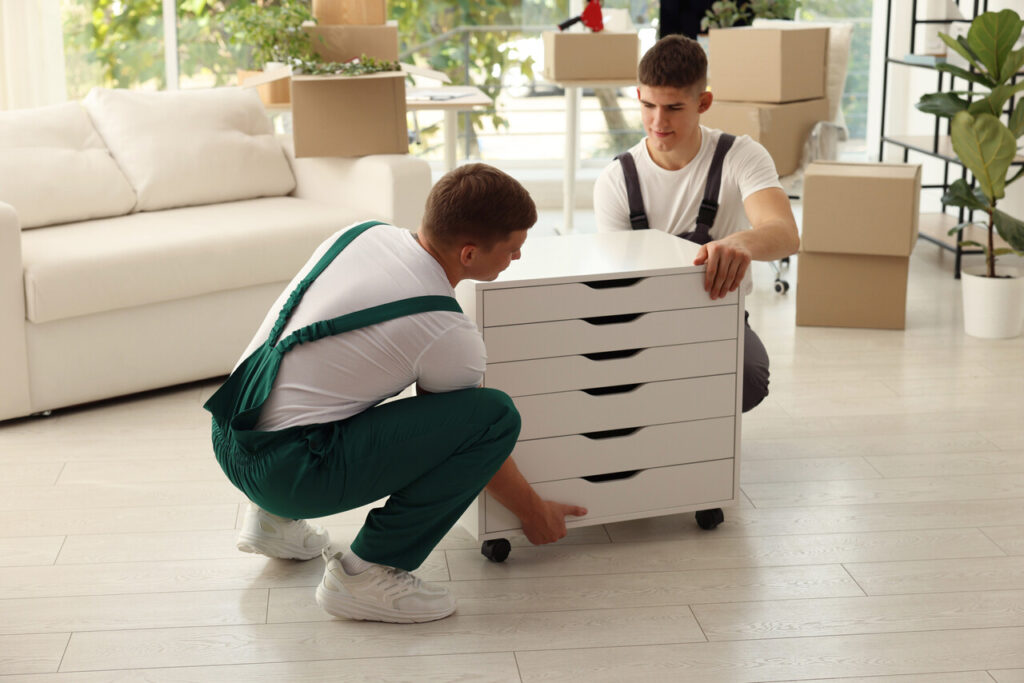
In a rental, fixed cabinetry and built-ins are rarely an option, so freestanding pieces have to do more of the work. Choosing storage units, wardrobes, and shelving that stand on their own means you can avoid drilling into walls and still keep clutter controlled. Modular cube shelves, sideboards, and closed cabinets can act as room dividers in studios, media units in living rooms, or dressers in bedrooms, and then be rearranged in your next place. Foldable or nesting tables, stools that double as side tables, and benches with storage inside let you adapt quickly when you have guests or need more floor space.
5. Lighting, Curtains, And Soft Furnishings
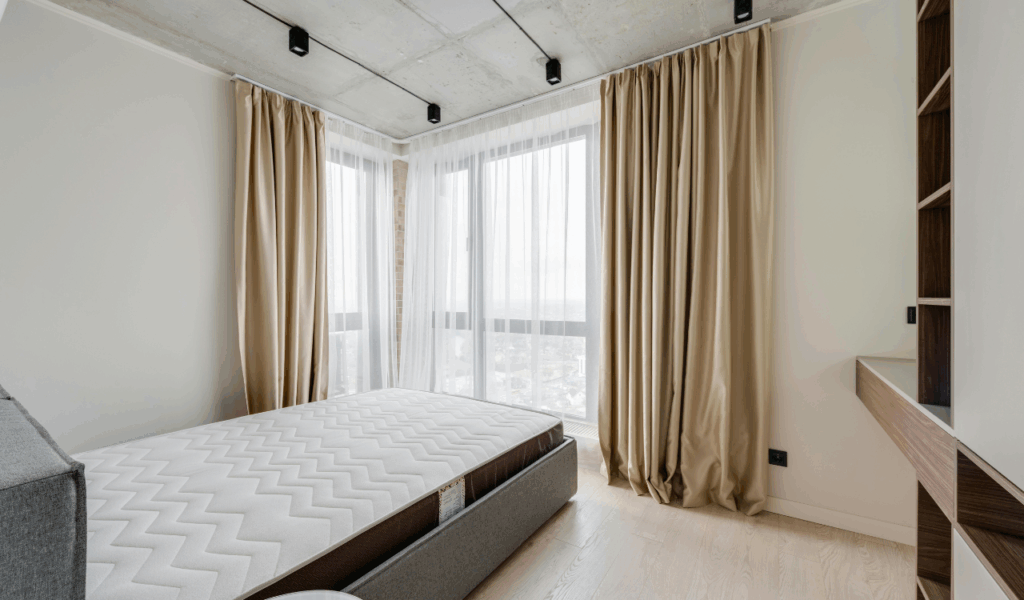
Most rentals come with basic overhead fixtures that are bright but not flattering. Plug-in floor lamps, table lamps, and string lights, let you control the atmosphere without touching the wiring. Warm white bulbs make a big difference in how colors read and how relaxed a room feels at night. Curtains are another high-impact, low-commitment change. Hanging them higher and wider than the window frame makes ceilings feel taller and hides less attractive blinds. If drilling is restricted, tension rods or no-drill brackets can often work inside window recesses. Throw pillows and blankets in fabrics you like give sofas and beds a more finished look, even if the underlying furniture is simple.
6. Adding Greenery With Plants

Plants help a rental feel less like a temporary container and more like a lived-in home. Even a few well-placed pots soften hard lines and introduce natural color that works with almost any decor style. Low-maintenance choices such as snake plants, pothos, or ZZ plants tolerate typical indoor light and irregular watering, which suits busy schedules and changing layouts. Larger floor plants can fill awkward corners or frame a sofa, while smaller ones work on shelves, desks, and kitchen counters. If natural light is limited or your schedule is unpredictable, good-quality faux plants still add visual softness and structure without any upkeep.
7. Personal Touches With Art, Books, And Objects
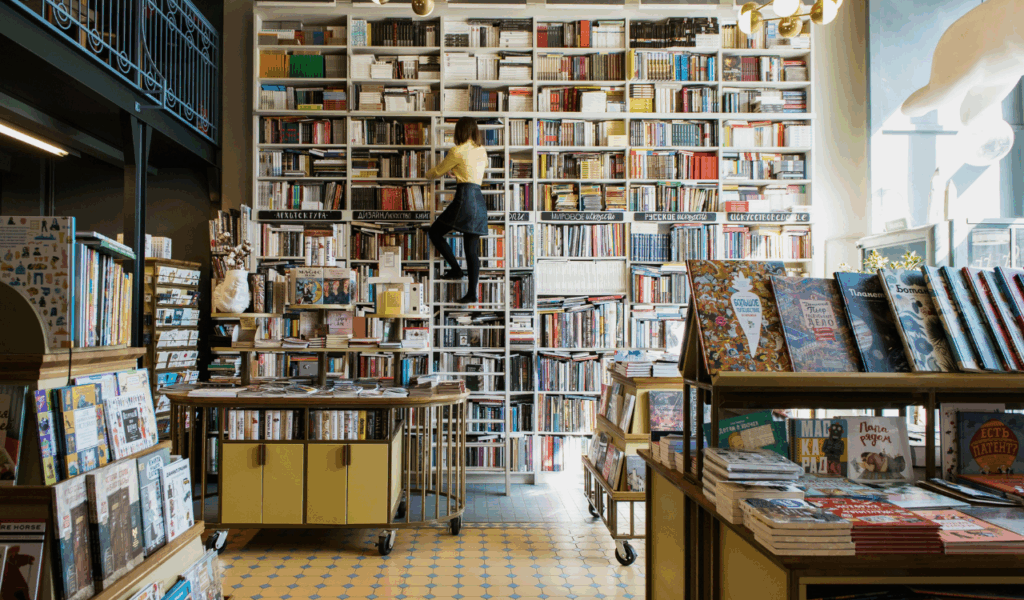
The most effective way to make a rental feel like yours is to surround yourself with things that reflect your life, not the landlord’s choices. Books, travel souvenirs, family photos, and small objects with personal meaning turn shelves and surfaces into something more than generic styling. Grouping items on trays or in shallow bowls keeps them from looking scattered, and it also makes packing easier later. Rotating photos and prints in a few frames lets you refresh the space without new purchases. Even in a strict rental, you can use leaning arrangements, book stacks, and small easels to display art without hanging it.