4 Korean BBQ Chains Struggling with Labor Shortages and Food-Safety Challenges During rapid expansion
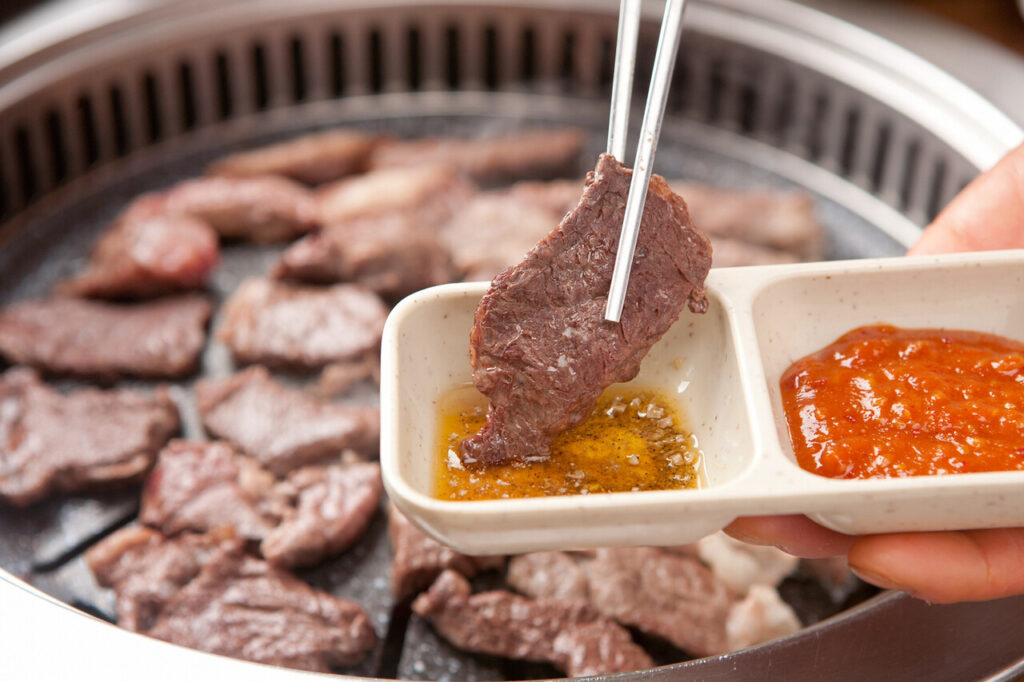
Here’s the thing about Korean BBQ chains. The format looks effortless from the dining room, all fire, noise, and tables packed with sizzling meat. But behind that show is one of the most demanding setups in the restaurant world. Every table needs constant attention, every grill has to be cleaned or replaced quickly, and raw proteins require careful handling at all times. When these chains expand faster than they can hire or train, the cracks start to show. Labor shortages stretch teams thin, food-safety routines get rushed, and guests feel the difference in slower service, inconsistent quality, or mishandled ingredients.
1. Gen Korean BBQ: When Rapid Expansion Outruns Reliable Staffing
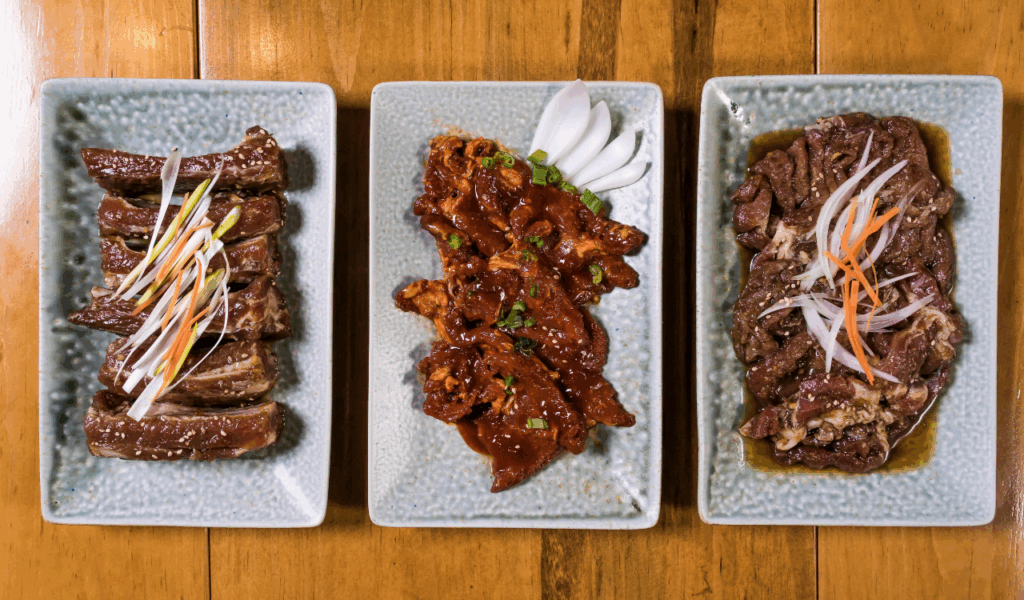
Gen Korean BBQ grew fast on a simple promise. All you can eat meat, buzzing rooms, and grills at every table. The challenge is that this style of dining is among the most labor-intensive in the industry. Every party needs frequent visits for refills, banchan resets, grill swaps, and checks on cooking. As new locations opened in quick succession, some markets began to struggle with basic staffing. Guests reported long waits despite empty tables, slow first rounds of meat, and delays in swapping grill plates or clearing dishes. When servers are trying to cover too many sections at once, food sits, cooked items cool, and raw meats may linger in the dining room longer than ideal.
2. Oo Kook: Wage Disputes And The Pressure Behind The Grill
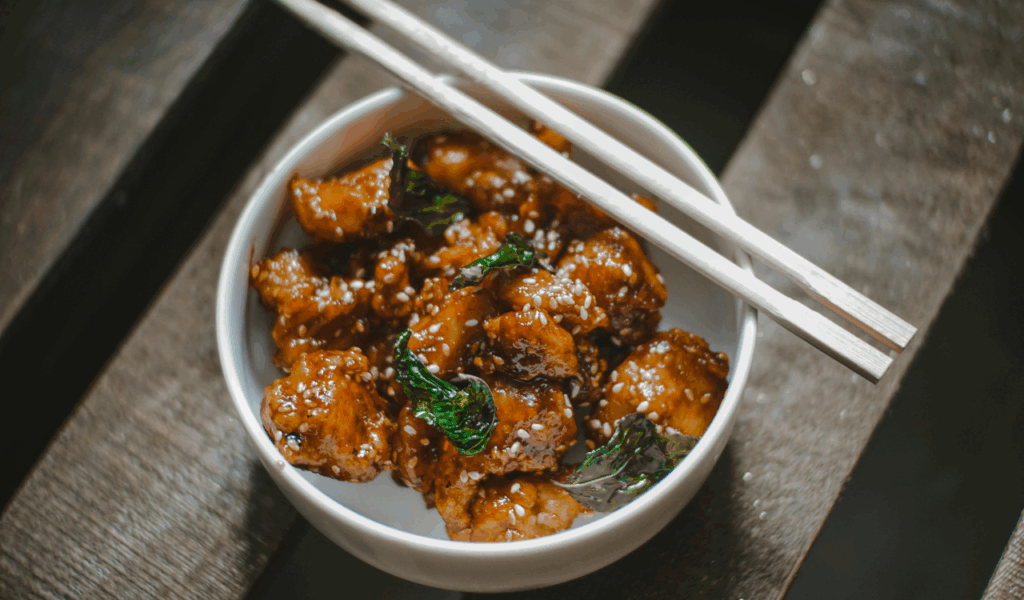
Oo Kook is known for being busy, noisy, and full of sizzling tables. Behind that energy, regulators have repeatedly flagged the way the business treats staff. When investigations turn up unpaid wages or managers dipping into tip pools, it is a sign that labor costs are being squeezed hard. In a format like Korean BBQ, that has knock-on effects. Staff who feel underpaid or shorted are more likely to leave, which forces the restaurant to rely on a smaller core team and new hires who need training. Constant turnover is tough in an operation where safe handling of raw beef, pork, and seafood at the table is part of the basic offer.
3. Franchise Korean BBQ Brands In Korea: Scaling Flavor And Safety At The Same Time
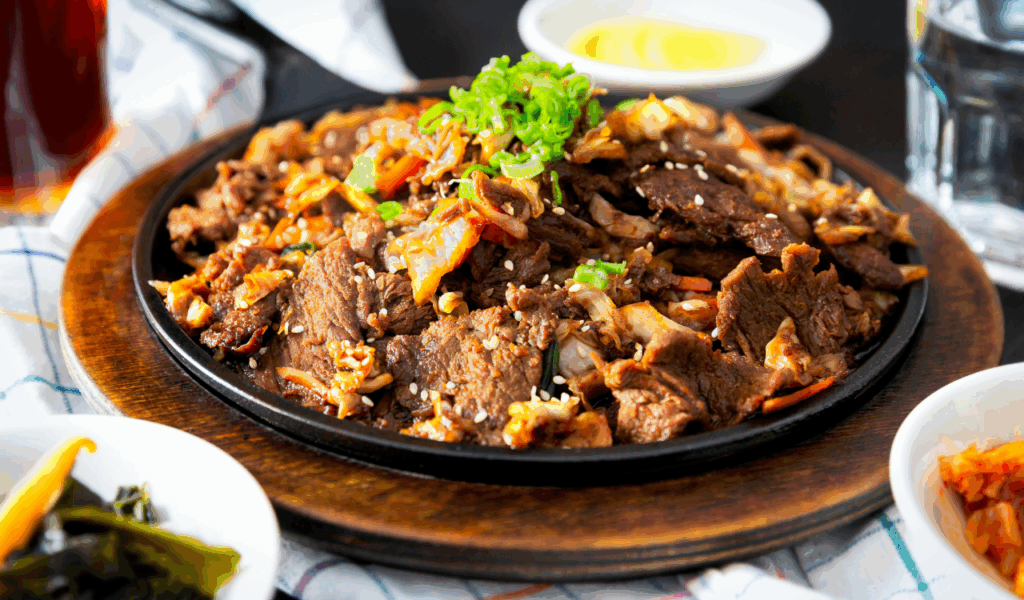
In South Korea, many traditional mom-and-pop barbecue spots have quietly closed while franchise-style Korean BBQ brands multiply. On paper, the franchise model offers consistency. Central purchasing, standardized marinades, shared training materials. In practice, rapid rollout to hundreds or thousands of outlets puts heavy pressure on both labor and oversight. Franchisees must control costs to stay profitable, so they may run with lean staff, rely heavily on part-time workers, and push high table turnover. That environment makes it harder to maintain the careful grill maintenance, side dish rotation, and cleaning rhythms that define a good barbecue experience.
4. Korean BBQ Chains Overall: High Labor Needs In A Short-Staffed Industry
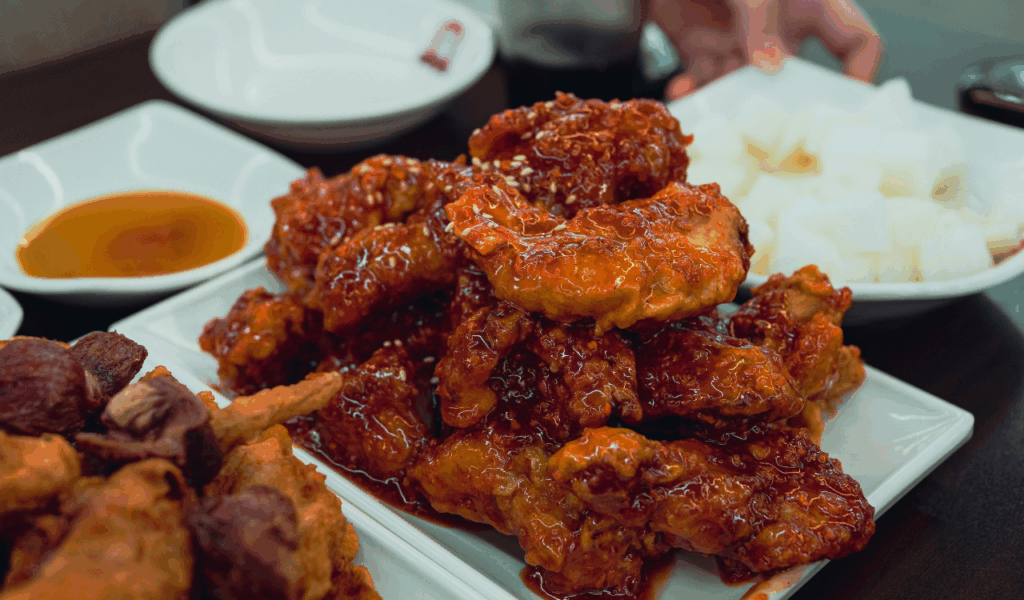
Korean BBQ chains everywhere share the same structural problem. The format needs more people per guest than many other restaurant styles. Someone has to prep multiple marinades, portion raw meats, refresh banchan, monitor hot grills, and reset tables quickly between seatings. At the same time, the wider restaurant industry is struggling to hire and retain staff, particularly for evening and weekend shifts. When open roles stay unfilled, chains respond by cutting operating hours, slimming menus, or asking smaller teams to do more. That is when safety risks creep in. Busy servers may handle raw plates and cooked dishes without enough time to wash their hands properly.