14 Philly Cheesesteak Secrets Nobody Knows
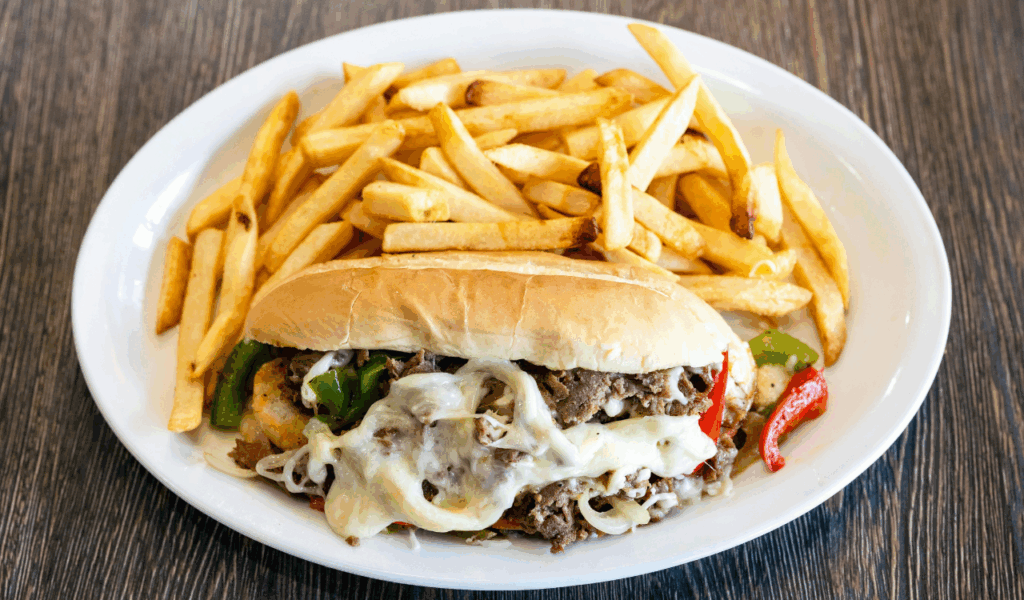
At first appearance, the Philly cheesesteak may seem straightforward, but a lot of small choices go into making it an iconic sandwich. Every step, from cutting the beef to putting it all together, is very important for getting the right mix of juiciness, tenderness, and flavor. Many people who aren’t from Philadelphia may unwittingly change important parts, which can make a sandwich dry, soggy, or bland. These tips can help you construct a real and tasty cheesesteak.
Anyone can make this traditional dish again if they know how to grill, when to season, and how to put it together. This tutorial reveals the little-known tricks that cheesesteak experts use to make sure their sandwiches are always juicy and tasty. These aren’t fads or gimmicks; they’re tried-and-true solutions based on tradition, science, and years of practice. If you follow these suggestions, every bite of your Philly cheesesteak will be perfectly balanced and unforgettable.
1. The Cut of Beef Matters More Than the Seasoning
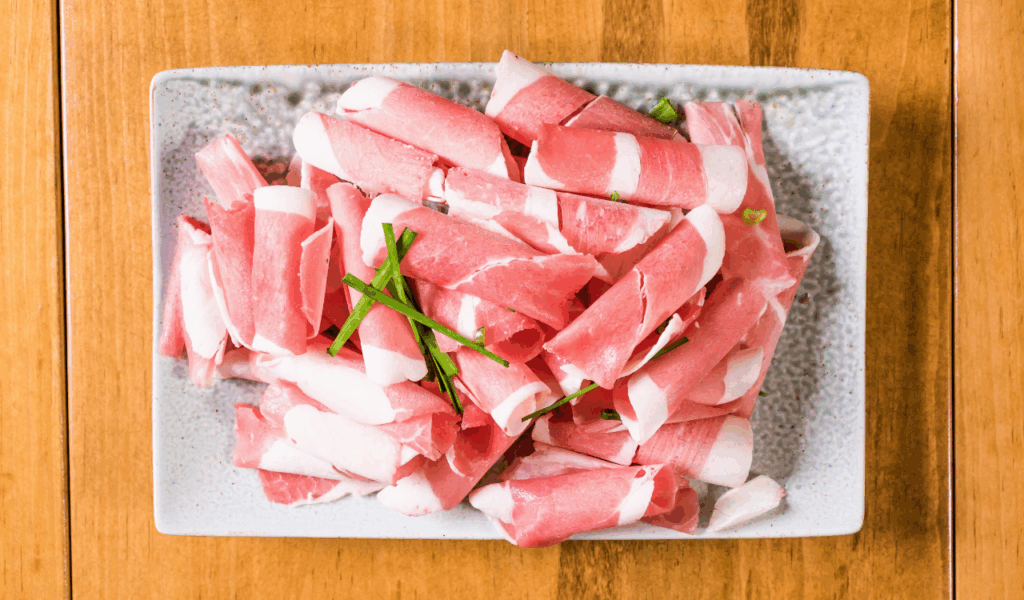
Authentic Philly cheesesteaks depend more on beef than seasoning. Many people focus on seasoning beef, but the appropriate cut is vital for a soft, juicy, and tasty sandwich. Philly cheesesteaks are made using ribeye for good reason. Ribeye’s fat marbling keeps it juicy and soft when cooking. The fat melts and bastes the steak, making every bite moist and tasty.
In contrast, lean cuts like sirloin cook too quickly and dry out, preventing deep taste. Seasoning may help make a bad cut of beef taste good, but the ribeye’s fat and suppleness make it melt-in-your-mouth. The correct texture also depends on beef slice thickness. Each bite includes the correct amount of meat and melted cheese thanks to thin, paper-like slices that cook the beef evenly. Thinly sliced beef absorbs seasoning well, increasing natural tastes without overpowering spices or sauces.
Correct beef slicing preserves its texture and flavor. Thick beef slices take longer to grill, resulting in irregular cooking and dryness. However, paper-thin slices cook rapidly, locking in the beef’s fluids and creating a crispy, flavorful exterior. The careful slicing method keeps the beef soft and moist in every bite.
2. Ultra-Thin Slicing Is a Non-Negotiable Rule
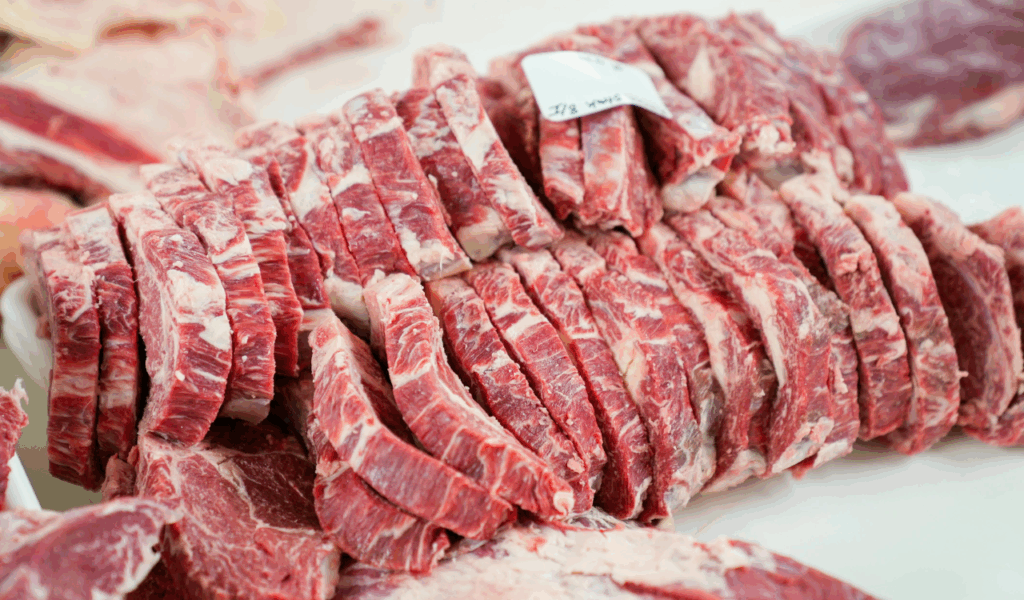
One of the most important things to do to make the best cheesesteak is to cut the beef very thin. This step may seem easy, but the thickness of the slices has a big effect on how the beef cooks, its texture, and its taste. Thin slices of beef will cook quickly on the grill, sealing in the fluids and making a rich, caramelized crust. On the other hand, thick slices won’t sear correctly, which means that moisture will stay within the meat and make the sandwich soggy instead of crispy.
Using a sharp knife and freezing the beef for a little time before cutting it is the best way to get these precise slices. When you freeze the beef, it gets firmer, which makes it easier to cut into small slices. When the meat is cut thin, it cooks rapidly and takes in the spice better, making sure that the beef and cheese mix together perfectly. The tiny slices also make it easier for the bread to mix with the filling, which makes the sandwich have a smooth feel all the way through. If you don’t use this exact slicing method, you could end up with meat that isn’t cooked evenly, which could make certain parts rough, chewy, or dry, ruining the sandwich’s harmony.
3. High Heat Creates Flavor, Not Dryness
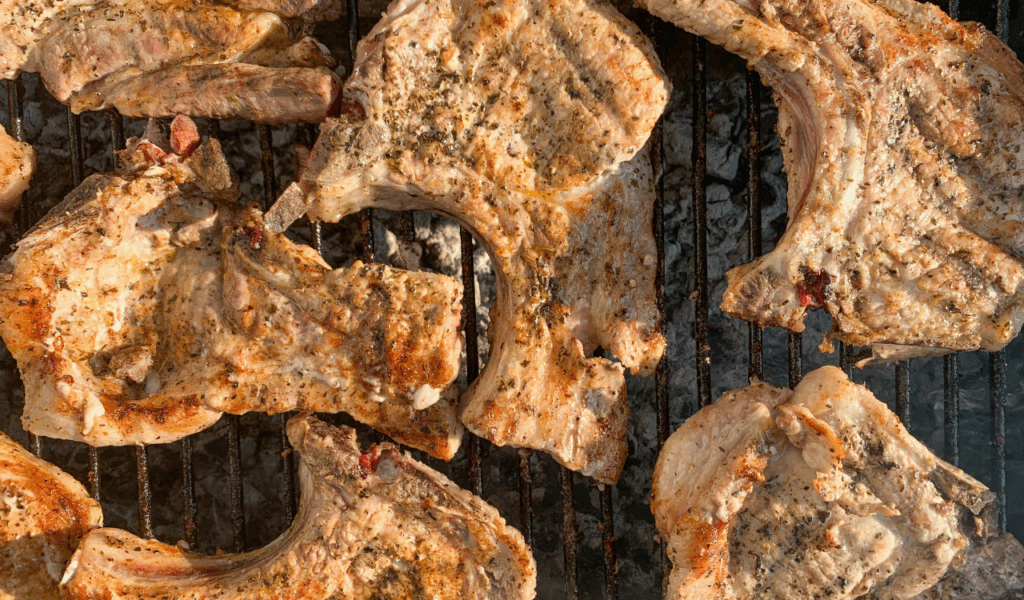
The perfect cheesesteak requires high heat to immediately sear the beef for a crispy, delicious surface. Many home cooks lower the heat to avoid frying the beef, but this makes a sloppy, overdone sandwich. The Maillard reaction, which gives beef deep, savory flavors and a brown, crispy crust, requires a hot grill.
Beef sears fast at high heat, sealing in fluids and caramelizing the outside while keeping the inside soft and moist. Slow cooking causes moisture to evaporate, leaving meat dry and flavorless. Professional cheesesteak makers sear the meat fast on flat-top grills. Fast—the beef should cook in about two minutes. This rapid cooking time keeps beef moist and develops diverse tastes. The ideal cheesesteak requires a hot surface, so crank it up.
Proper heat prevents beef from stewing in its own juices. Low temperatures cause beef to exude liquid, diluting flavor and preventing crispiness. Searing beef rapidly on a hot grill seals in fluids and makes it soft and delicious. High heat speeds up cooking, so you don’t have to worry about overcooking the meat while it sears, making it important to a perfect cheesesteak’s texture and taste.
4. Salt Timing Changes the Final Texture
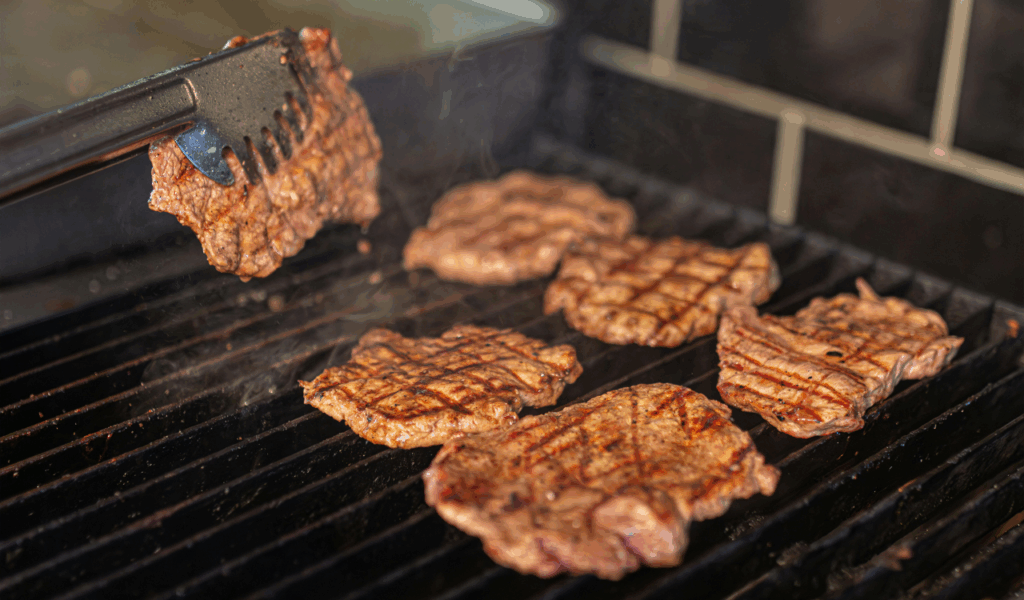
The amount of salt you use and when you salt the meat are both very critical to the flavor of a cheesesteak. If you salt the steak too early, before it goes on the grill, it may lose moisture too quickly. This wetness makes it hard to sear the meat and creates steam, which stops the steak from getting a thick, caramelized crust. To avoid this, sprinkle salt on the beef while it cooks. This will help the seasoning dissolve and bring out the meat’s natural qualities without changing its texture.
Salting the beef while it cooks helps to draw out the natural fluids by uniformly dissolving the salt and getting into the flesh. The end result is a juicy, well-seasoned cheesesteak that won’t dry out the beef. Most cheesesteak places only use salt and black pepper. They rely on the high-quality beef and cheese to give the sandwich its flavor. This simple method keeps the meat soft and juicy, and the flavor stays balanced without overpowering the other ingredients.
5. Onions Should Be Soft, Not Burned
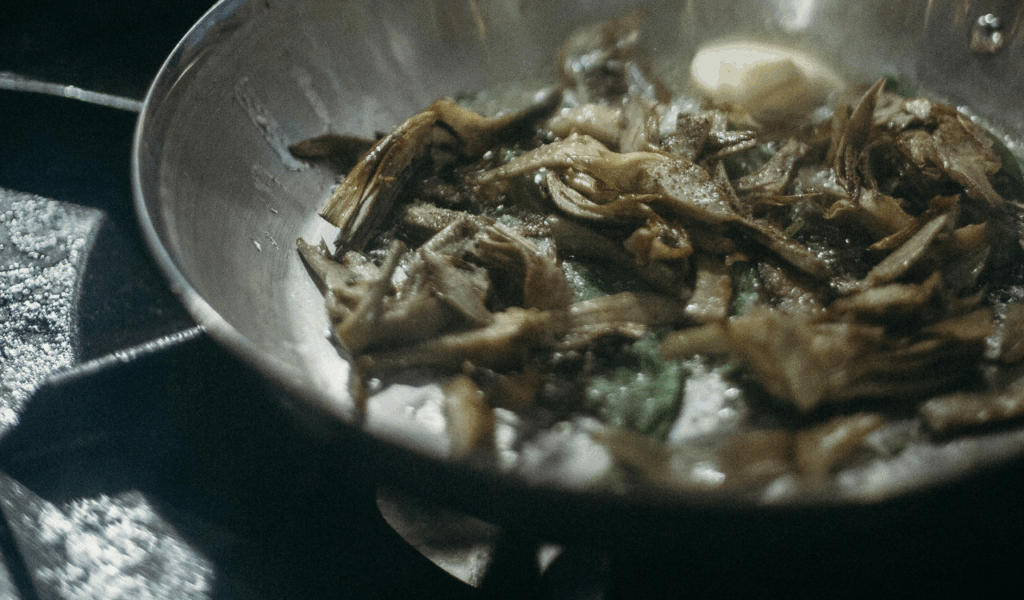
A Philly cheesesteak needs onions, but they must be cooked properly to bring out their flavor. The goal is soft, tender onions that provide mild sweetness to the sandwich, not bitter or scorched. Overcooking or burning onions can cause strong tastes that overshadow beef and other ingredients. Instead of charring, patiently cook onions to release their natural sugars and turn golden and soft.
Starting onions early lets them soften and sweeten for a cheesesteak. After cooking, the onions can be put aside or combined with the beef. This ensures that onions enrich the sandwich without overpowering other flavors. Well-cooked onions contribute moisture to the sandwich, keeping it from being dry with minimal condiments. Their sweetness complements the steak and cheese for a pleasant mouthful.
Slowly cooking onions preserves their structure. They can mash and lose flavor if cooked too rapidly or over high heat. They soften and release sugars best when cooked slowly on low heat. This method yields sweet, delicate onions that complement rich meat and melty cheese.
6. Cheese Choice Affects Melt and Mouthfeel
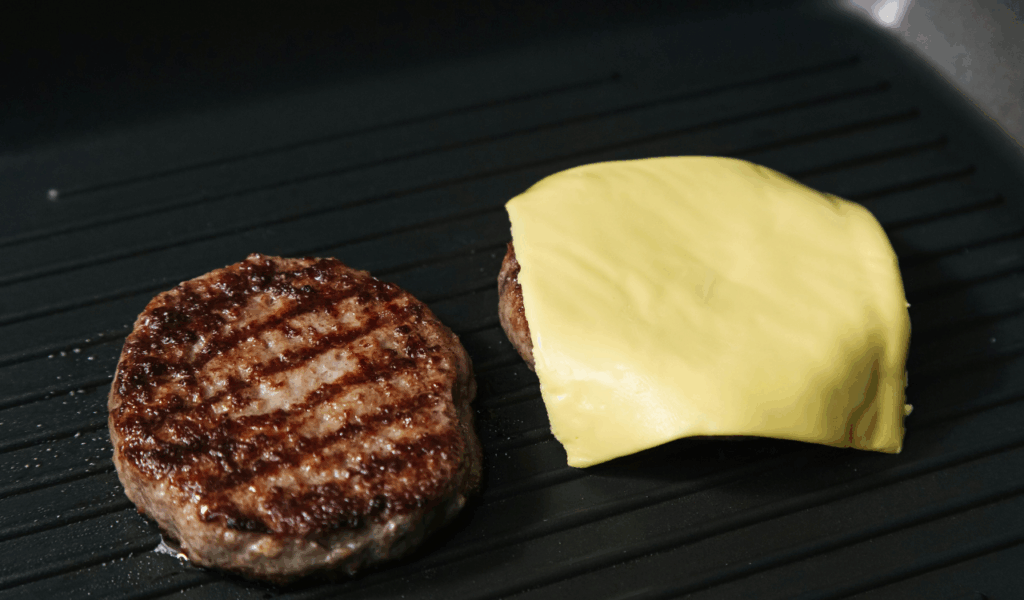
Cheese is not just a topping on a cheesesteak; it is a key part that changes the taste and texture. The appropriate cheese should melt easily and provide a creamy, sauce-like consistency that holds the steak and bread together. People favor provolone or American cheese on their cheesesteaks because they melt evenly and give the beef a nice, velvety texture. On the other hand, cheeses that separate or get greasy make the mouthfeel less than optimal, making the sandwich seem weighty or oily.
When the steak is still sizzling on the grill, you should add the cheese to it to get the perfect melt. This lets the cheese melt and mix in with the beef, making a smooth texture that covers every bite. The cheese shouldn’t lay on top of the beef like a slab; instead, it should melt into it. This way, every bite will have a good blend of beef, cheese, and bread. Instead than having the cheese sit on top of the other components as a separate layer, the idea is to make a creamy, cohesive texture that holds the sandwich together.
7. The Roll Is a Structural Ingredient
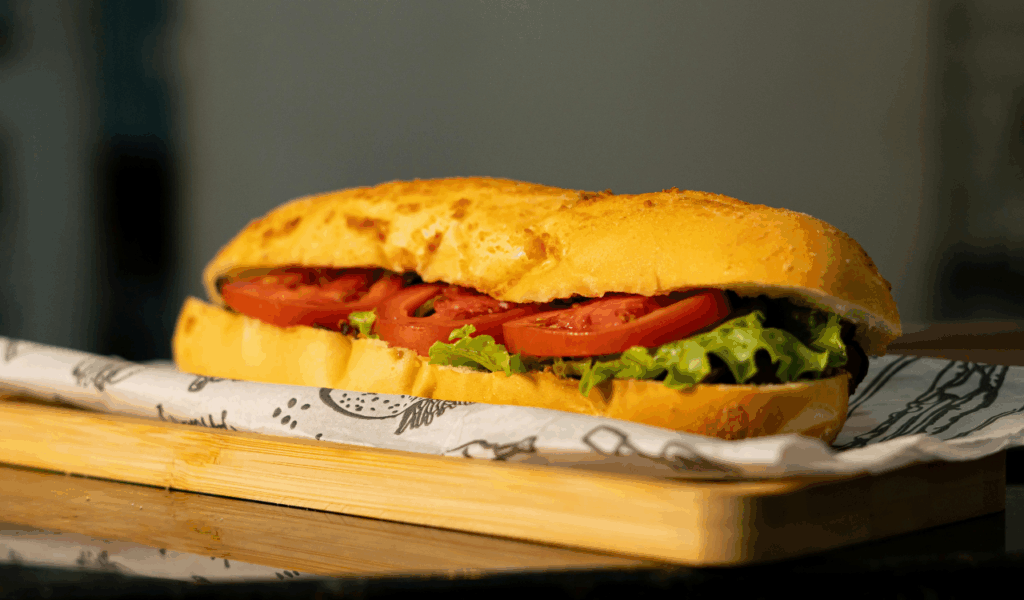
The beef, cheese, and onions are the stars of the cheesesteak, but the bread keeps it together from bite to bite. The perfect roll is soft inside and thin, somewhat crunchy outside to preserve the sandwich’s shape. Bread must be strong enough to absorb beef juices without falling apart or getting mushy. A crusty roll can shred the roof of your mouth and let the fillings fall out, while a soft bun won’t withstand beef wetness.
Before making the sandwich, cheesesteak buns are lightly toasted to improve their flexibility and flavor. The correct roll supports the sandwich when the steak is succulent and the cheese melts. The proper cheesesteak texture requires this exact balance of softness and crispness. The bread should complement the steak and cheese without overpowering them, creating a coherent and pleasant mouthful.
Bread affects eating too. Too soft a bun will crumble under the beef and cheese, causing the sandwich to come apart mid-bite. Too hard and it can cut your mouth, making eating uncomfortable. The perfect proportion is crucial, and many cheesesteak specialists use a roll that can withstand the fillings without breaking down. The bread should be a key part, not just a transport for the components.
8. Assembly Order Prevents Sogginess
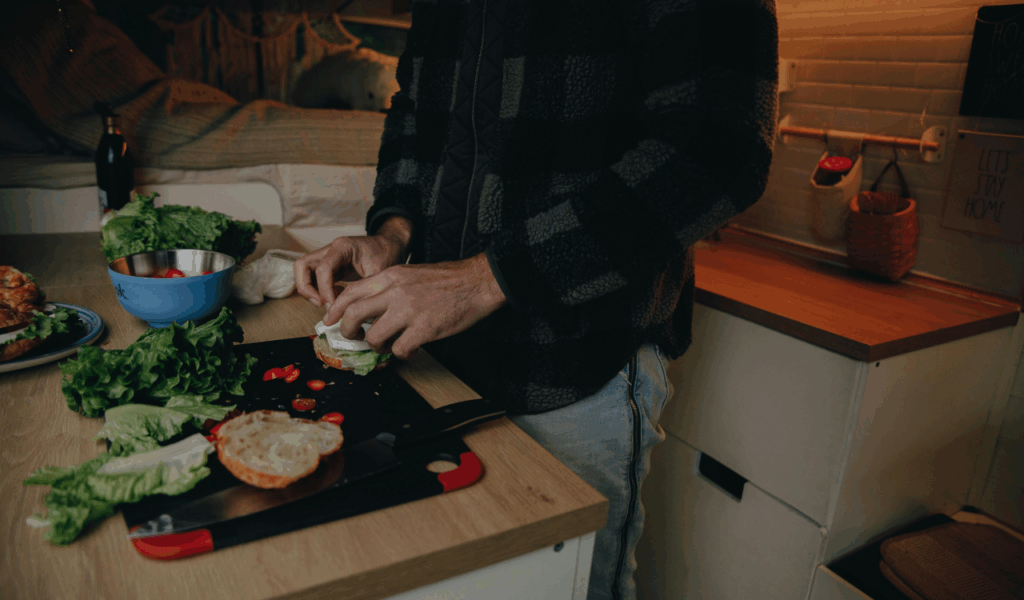
The way you put together your cheesesteak has a big effect on how it feels. Putting cheese straight on the bread is one of the most common blunders because it lets the bread soak up liquid right away. This can make the sandwich soggy because the liquids from the steak and cheese can make the bread too wet. To stop this from happening, the cheese should be melted into the meat first. This makes a barrier that slows down the absorption of moisture. Next, the mixture of beef and cheese is put into the roll in one smooth motion.
You may keep the sandwich together and make sure the components are uniformly spread out by scooping the beef and cheese together as one mass. This approach helps keep the bread from being soggy, which makes eating it more enjoyable. Putting the parts together in the appropriate order is a simple but important step that can make the difference between a messy sandwich and a perfectly balanced cheesesteak.
9. Chopping Beef on the Grill Improves Texture
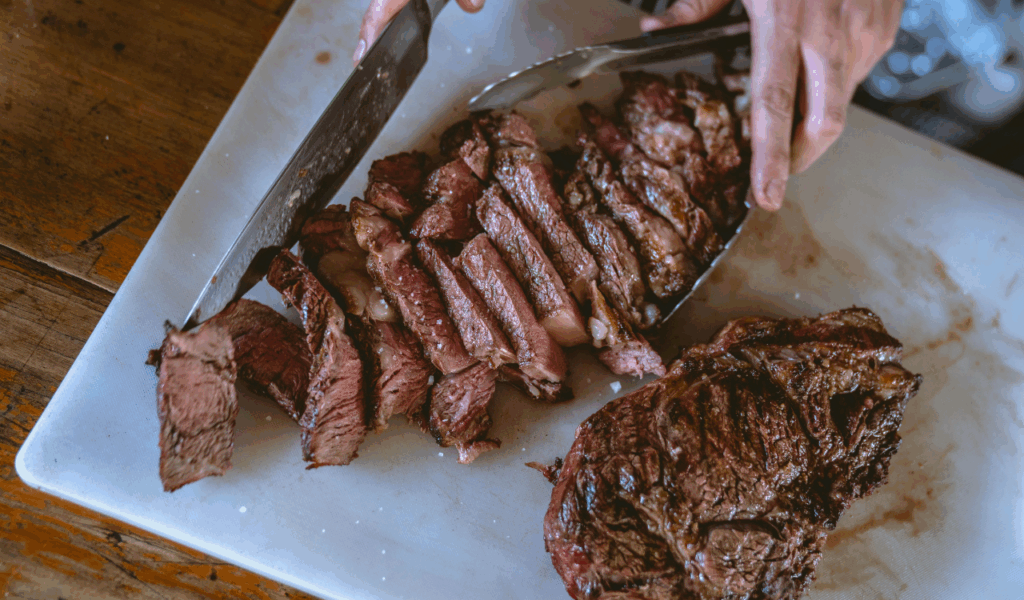
Many cheesesteak experts chop the beef while it cooks to improve the sandwich’s texture. While grilling, beef is gently sliced rather than left in lengthy strands. This increases meat surface area, improving browning and flavor. The beef filling is soft and moist within with a rich, delicious crust.
Chopping the beef breaks down tougher portions, making the sandwich easier to bite into without pulling meat out of the bun. This minor step greatly improves cheesesteak mouthfeel. Avoid over-chopping the beef, which can transform into little crumbs and destroy the sandwich’s texture. In moderation, carefully cutting beef creates a perfect combination of tenderness and texture that improves every taste.
Chopping the beef distributes flavor throughout the sandwich. Every bite will taste the same because the meat bits mingle with the cheese and bread. Chopping prevents beef from becoming chewy or tough. When cooking thinly sliced beef, this approach keeps it soft and adds texture.
10. Grease Control Is Critical
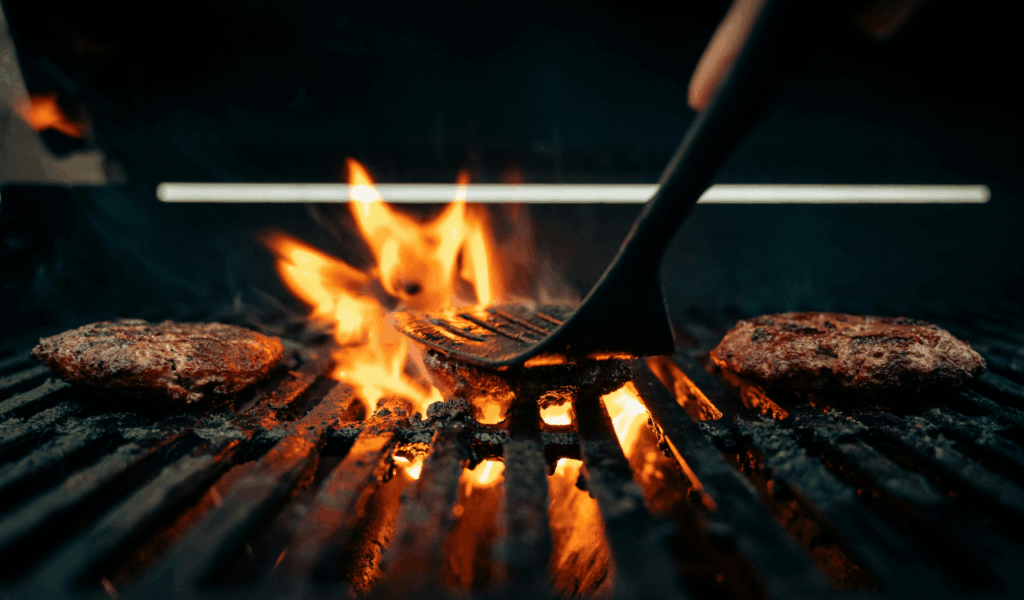
A good cheesesteak should be juicy but not greasy. If you put too much fat on the beef, it might make the sandwich taste bad and make the bread soggy. Cheesesteak manufacturers that know what they’re doing utilize beef with a lot of marbling, which gives the meat enough fat to be moist and soft without adding oils. Excess fat that comes out when cooking is carefully handled, and it is sometimes put to the side of the grill so that it doesn’t overshadow the sandwich.
Good grease control also makes sure that the cheese melts correctly, without being too oily or separating. You can keep the flavor of the beef, cheese, and other ingredients clean and balanced by limiting how much fat is in the sandwich. The end product should be a delicious sandwich that feels like a treat but doesn’t leave a greasy residue behind. This balance is really important for making a cheesesteak that is really good.
11. Mushrooms Require Separate Cooking
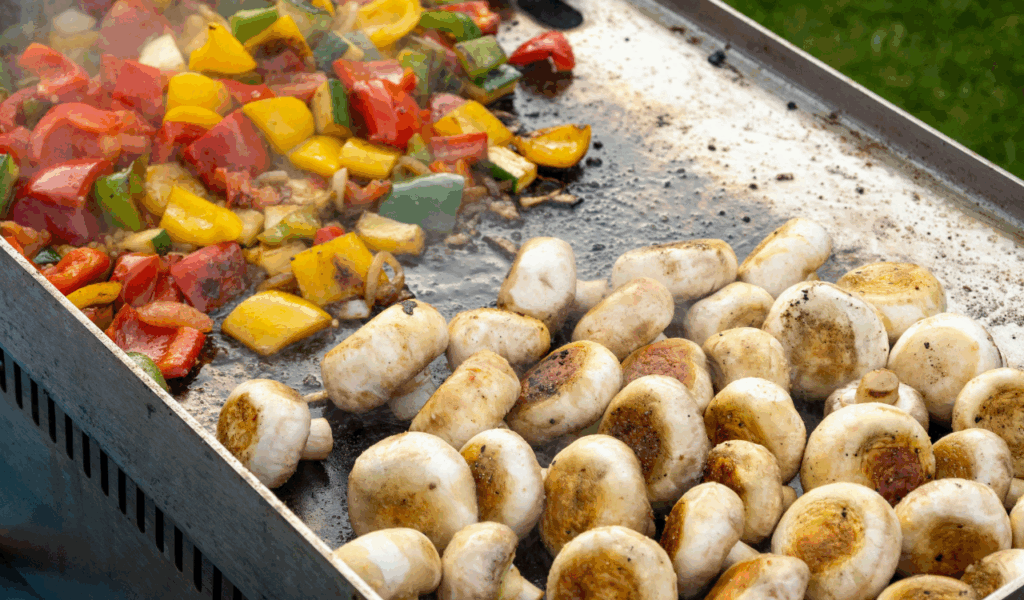
You must cook mushrooms separately before adding them to your cheesesteak. Before cooking, adding raw mushrooms to beef releases moisture, which lowers grill temperature and prevents scorching. This excess moisture might make the sandwich soggy, affecting texture and flavor.
Cook mushrooms separately until drained to avoid this. This gives mushrooms a savory, concentrated flavor and solid texture that complements steak. If cooked properly, mushrooms can be added to the beef and cheese mixture to improve the sandwich without changing its texture. Treating mushrooms separately lets them shine without disturbing the cheesesteak’s balance.
When cooked separately, mushrooms provide umami flavor to the sandwich. If they’re not cooked long enough, their moisture will stay and steam the beef. This process preserves the mushrooms and enhances the cheesesteak’s depth without overpowering the other ingredients.
12. Peppers Should Enhance, Not Dominate
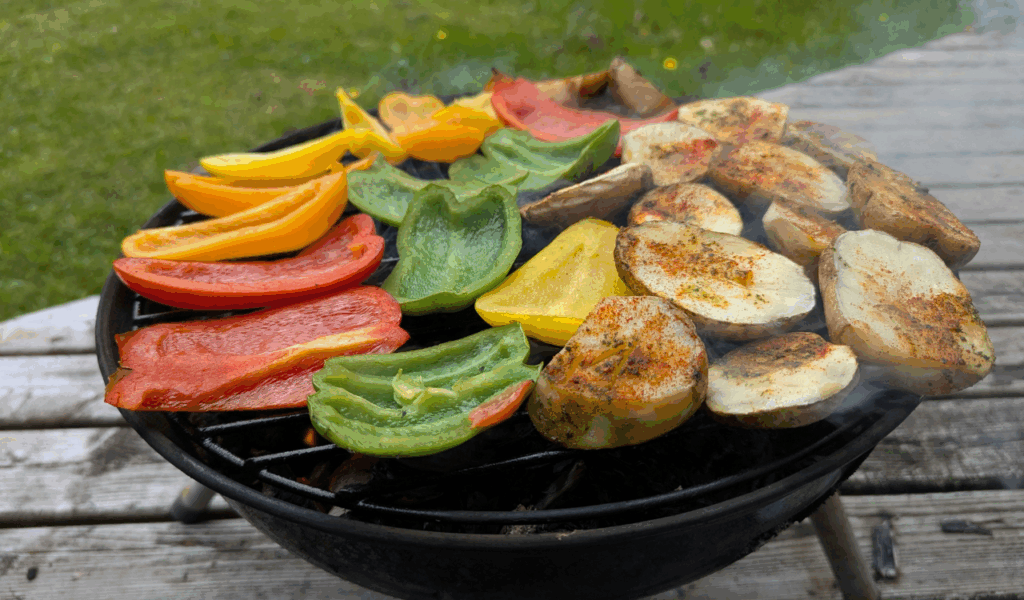
Peppers can make a Philly cheesesteak taste better, but they should never take over the beef. Peppers that are overcooked lose their shape and become mushy. Peppers that are undercooked can taste overly strong and harsh. The idea is to make a pepper that is soft and a little sweet, so that it contributes flavor to the sandwich without taking away from the major elements.
Like the onions and mushrooms, the peppers should be cooked separately from the meat and added near the conclusion of the cooking process. This lets the peppers get soft and sweet without losing their shape or taste. Peppers add color and brightness to the sandwich when they are prepared the right way. They also make the meat taste better without taking over. You keep the quality of both the beef and the peppers by cooking them separately. This makes a balanced cheesesteak.
13. Temperature Control After Cooking Matters
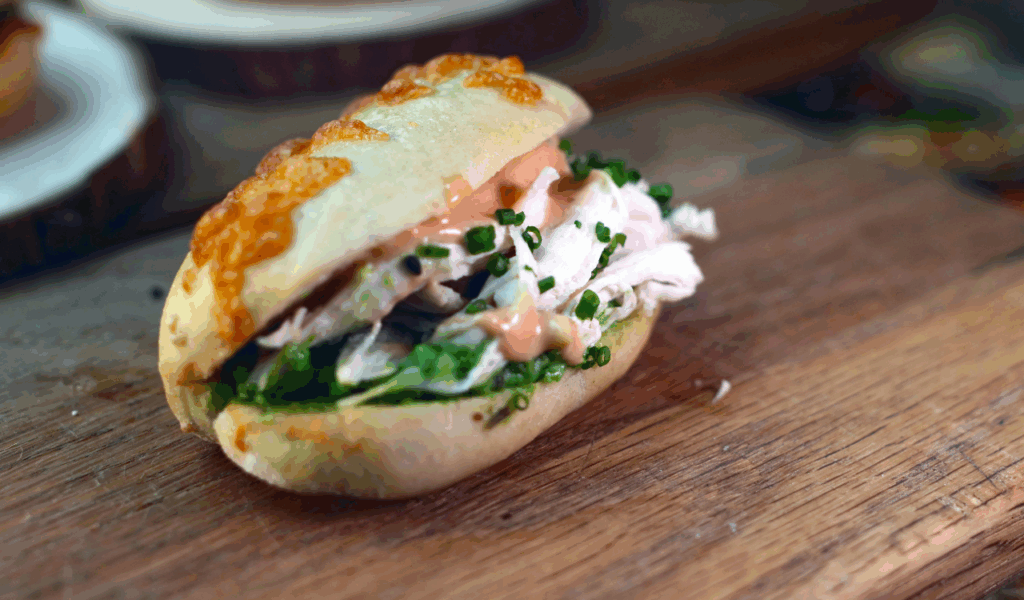
The perfect cheesesteak requires timing and temperature management, especially after the beef and cheese are cooked. Cheesesteak experts know to assemble and serve the sandwich shortly after cooking. Letting the meat and cheese remain too long tightens the cheese and separates the fat, affecting texture and flavor.
The steak and cheese should be put on the roll immediately after cooking. A cheesesteak’s juiciness is lost when the mixture is cooked on low heat, dulling the flavor and drying out the meat. Timing is crucial while creating cheesesteaks. Aim to get the sandwich from the grill to your plate while the beef is soft and the cheese is melted to make every bite fresh and tasty.
Maintaining beef texture requires proper temperature regulation. Too long, cooked beef might lose its fluids and become dry and chewy. Cheese will also harden up, making it less creamy and meat-binding. For the greatest results, professionals time the cooking procedure so the sandwich is built instantly and presented steaming hot with juicy beef and melting cheese.
14. Simplicity Is the Ultimate Secret
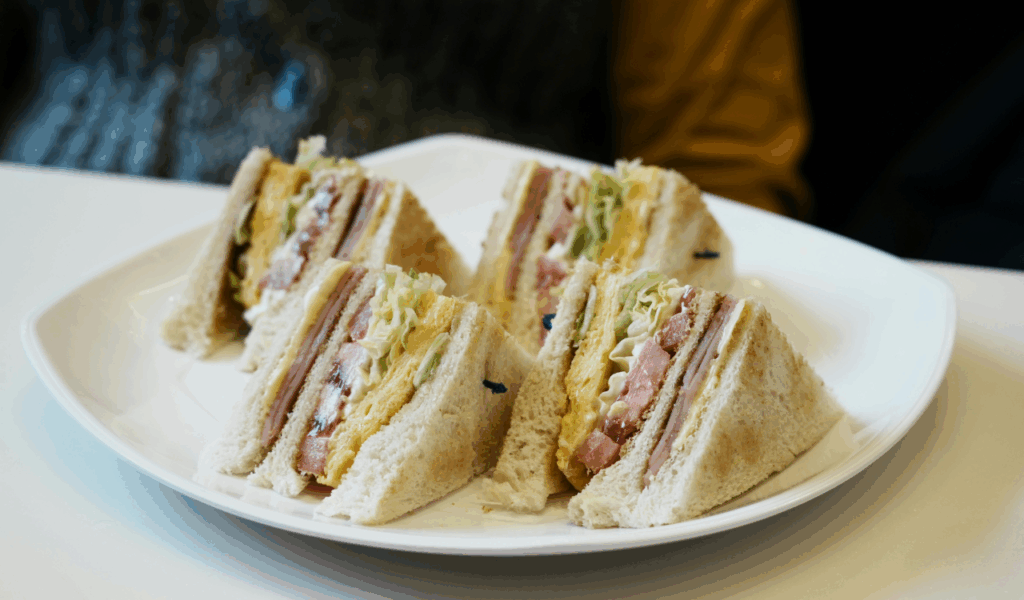
The last step to crafting a fantastic cheesesteak is to keep it simple. The cheesesteak is still a favorite dish because it doesn’t need a lot of complicated ingredients or fancy cooking methods. The tastiest cheesesteaks are the ones that don’t use too many toppings, sauces, or seasonings. This lets the natural flavors of the beef, cheese, and bread come through.
Using high-quality ingredients and paying close attention to the cooking process are the keys to making a perfect cheesesteak. If you pay more attention to technique than novelty, the sandwich will have a nice mix of flavors and textures. A cheesesteak is unique because it is simple. Too many toppings or distractions might ruin that. When you keep things simple, the meat, cheese, and bread can do what they do best: build a classic, rich, and fulfilling sandwich that doesn’t require anything more to be great.