14 Philly Cheesesteak Secrets Nobody Knows
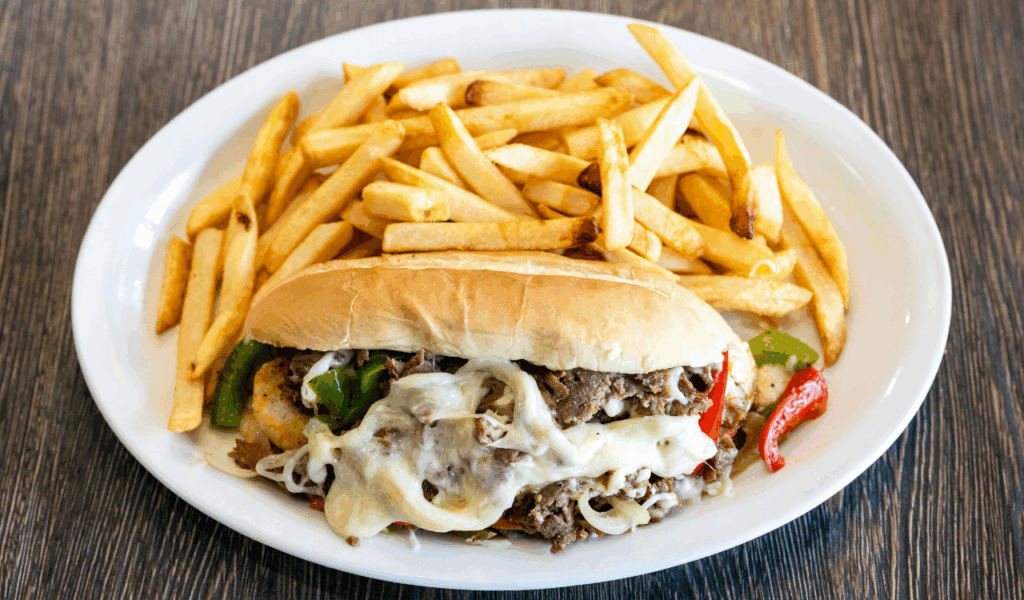
The Philly cheesesteak may appear simple at first glance, but its flavor is shaped by a multitude of subtle choices that elevate it into an iconic sandwich. From the cut of beef to the final assembly, each step plays a crucial role in achieving the perfect balance of juiciness, tenderness, and flavor. While many people outside of Philadelphia may unknowingly alter key elements, resulting in a dry, soggy, or bland sandwich, these secrets can help you make an authentic and delicious cheesesteak.
By understanding the science behind the grilling process, the timing of seasoning, and the assembly method, anyone can recreate the magic of this classic dish. This guide unveils the little-known techniques that cheesesteak professionals follow to deliver consistently juicy and flavorful results. These aren’t trendy shortcuts or gimmicks, but methods rooted in tradition, science, and years of practice. By following these tips, you’ll ensure that every bite of your Philly cheesesteak is perfectly balanced and memorable.
1. The Cut of Beef Matters More Than the Seasoning
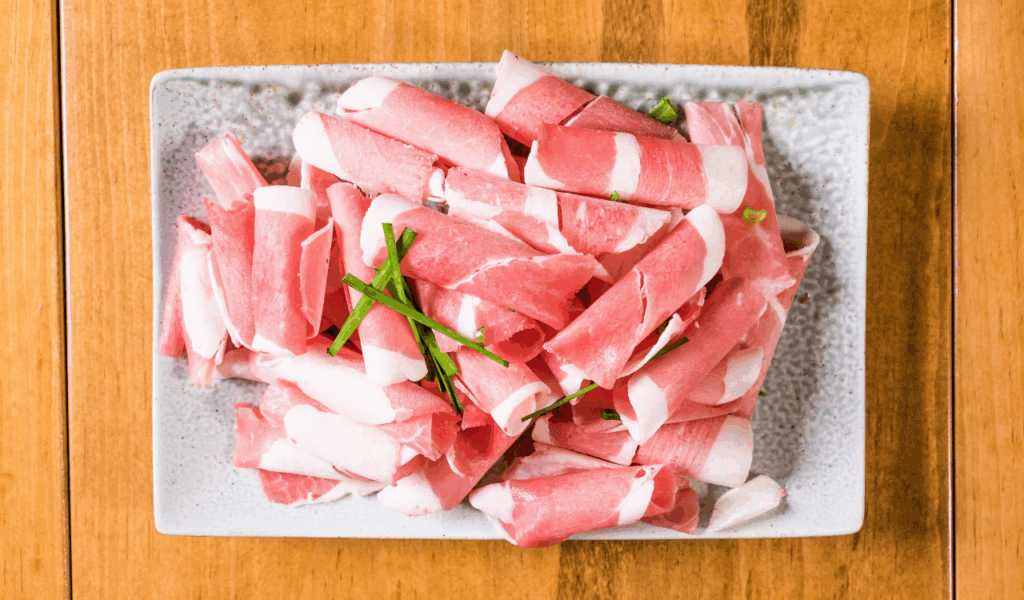
When it comes to making an authentic Philly cheesesteak, the beef you choose is far more important than any seasoning. While many people focus on seasoning their beef, the right cut of meat is essential to ensuring a tender, juicy, and flavorful sandwich. Ribeye is the go-to cut for Philly cheesesteaks, and for good reason. Ribeye’s marbling of fat allows the meat to stay moist and tender during the cooking process. As the fat melts, it naturally bastes the beef, resulting in a juicy and flavorful bite with every piece.
In contrast, lean cuts like sirloin are too quick to cook and can dry out, preventing the development of rich flavor. While it may seem like seasoning can compensate for a less-than-ideal cut of meat, it’s the fat content and tenderness of the ribeye that truly creates that melt-in-your-mouth experience. Additionally, the thickness of the beef slices is important for achieving the perfect texture. Thin, paper-like slices allow the beef to cook evenly, ensuring that each bite has the right combination of meat and melted cheese. When sliced thinly, the beef can absorb seasoning efficiently, enhancing the natural flavors without the need for overpowering spices or sauces.
Slicing the beef correctly ensures that the natural texture and flavor of the meat are preserved. Thick slices of beef would require more time on the grill, leading to an inconsistent cook and a dry texture. On the other hand, paper-thin slices cook quickly, sealing in the beef’s natural juices while ensuring the outside has a savory, crispy texture. The precise slicing technique prevents the beef from becoming tough or chewy, resulting in a perfect balance of tender, juicy meat in every bite.
2. Ultra-Thin Slicing Is a Non-Negotiable Rule
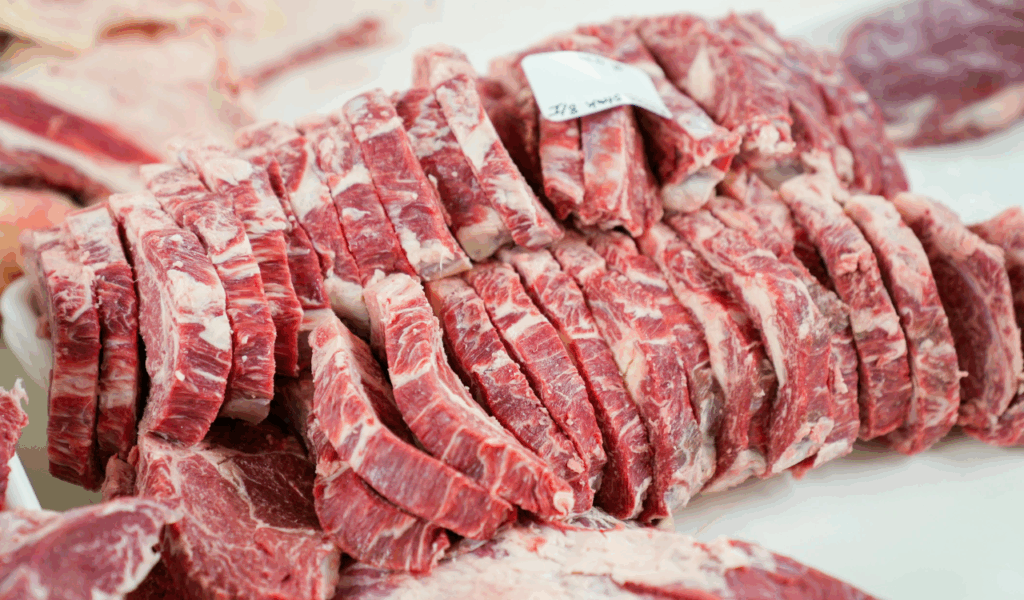
One of the most crucial steps in making the perfect cheesesteak is slicing the beef ultra-thin. This step might seem simple, but the thinness of the slices directly impacts how the beef cooks, as well as its texture and flavor. Thin slices of beef will sear on the grill in seconds, locking in juices and creating a rich, caramelized crust. On the other hand, thick slices will fail to sear properly, leading to moisture being trapped within the beef, which results in a soggy sandwich instead of a crispy one.
To achieve these perfect slices, it’s important to use a sharp knife and slightly freeze the beef before slicing. Freezing the beef helps it firm up, making it easier to slice paper-thin pieces. When the beef is sliced thin, it cooks quickly and absorbs seasoning more effectively, ensuring that the beef and cheese blend together seamlessly. The thin slices also allow for better integration with the bread, creating a consistent texture throughout the sandwich. Without this precise slicing technique, you risk having unevenly cooked meat that could result in tough, chewy, or dry sections, disrupting the harmony of the sandwich.
3. High Heat Creates Flavor, Not Dryness
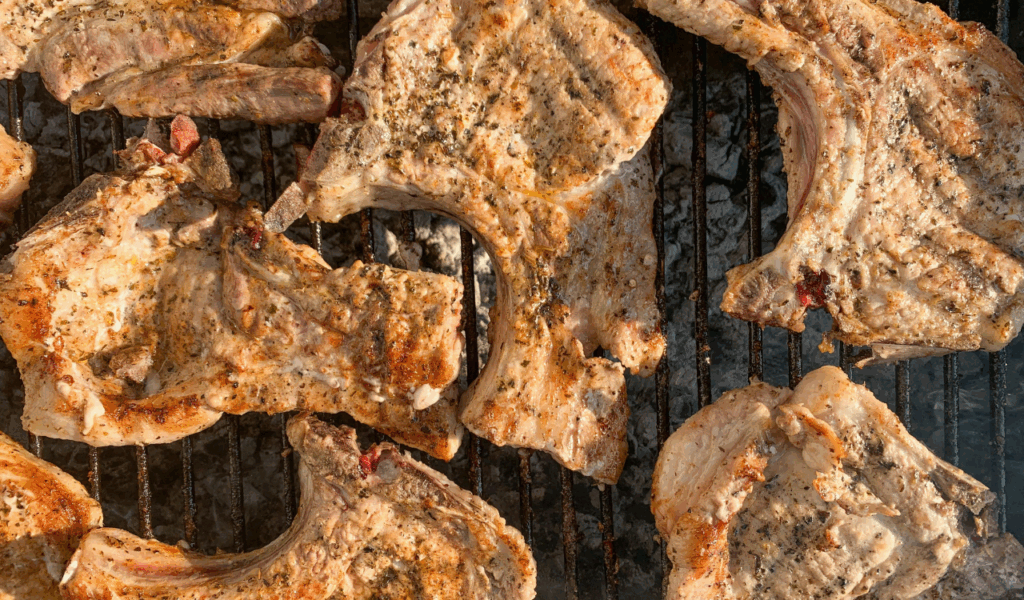
Achieving the perfect cheesesteak requires high heat to sear the beef quickly, creating that iconic crispy, flavorful exterior. Many home cooks make the mistake of lowering the heat to avoid burning the beef, but this results in a soggy, overcooked sandwich. A hot grill is essential for inducing the Maillard reaction, a chemical reaction that occurs when proteins and sugars in the beef react to heat, producing deep, savory flavors and a brown, crispy crust.
When the beef cooks at high heat, it sears quickly, locking in the juices and creating a caramelized exterior while keeping the inside tender and moist. In contrast, cooking the beef too slowly allows moisture to escape, resulting in dry, gray beef that lacks flavor. Professional cheesesteak makers use flat-top grills that can reach the necessary temperature to quickly sear the meat. The key is speed — the beef should cook in under two minutes. This fast cooking time prevents the beef from becoming dry while allowing it to develop complex flavors. A hot surface is essential for creating the perfect cheesesteak, so don’t be afraid to crank up the heat.
The proper heat also ensures that the beef doesn’t stew in its own juices. When the temperature is too low, the beef releases liquid, which dilutes the flavor and prevents the meat from developing that signature crispy edge. On a properly heated grill, the beef is seared quickly, sealing in the natural juices and creating a more flavorful, tender result. High heat also speeds up the cooking process, so you don’t have to worry about overcooking the beef while waiting for it to sear, making it an essential element in creating a cheesesteak with perfect texture and taste.
4. Salt Timing Changes the Final Texture
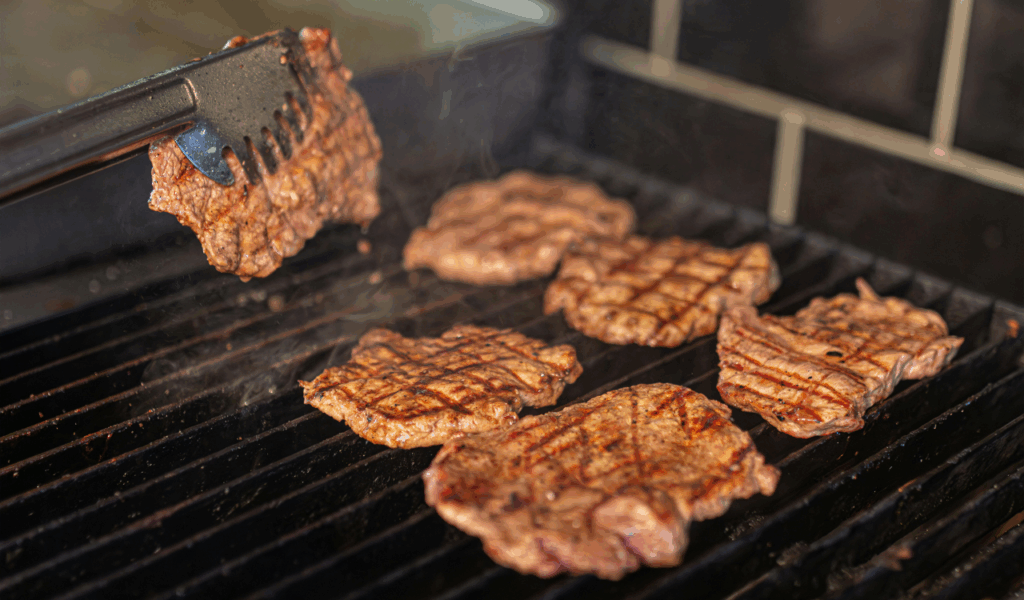
Salt plays a key role in the flavor of a cheesesteak, but when you salt the beef is just as important as how much salt you use. Salting the beef too early, before it hits the grill, can cause the meat to release moisture too soon. This moisture interferes with the searing process and leads to steam, which prevents the beef from developing a rich, caramelized exterior. To avoid this, salt the beef during cooking, allowing the seasoning to dissolve and enhance the natural flavors of the meat without compromising its texture. By salting the beef while it cooks, the salt dissolves evenly and penetrates the meat, helping to draw out the natural juices. The result is a well-seasoned, juicy cheesesteak without the risk of over-drying the beef. Most cheesesteak shops use just salt and black pepper, relying on the high-quality beef and cheese to do the heavy lifting in terms of flavor. This minimalist approach ensures the meat remains tender and juicy, and the seasoning stays balanced without overpowering the other ingredients.
5. Onions Should Be Soft, Not Burned
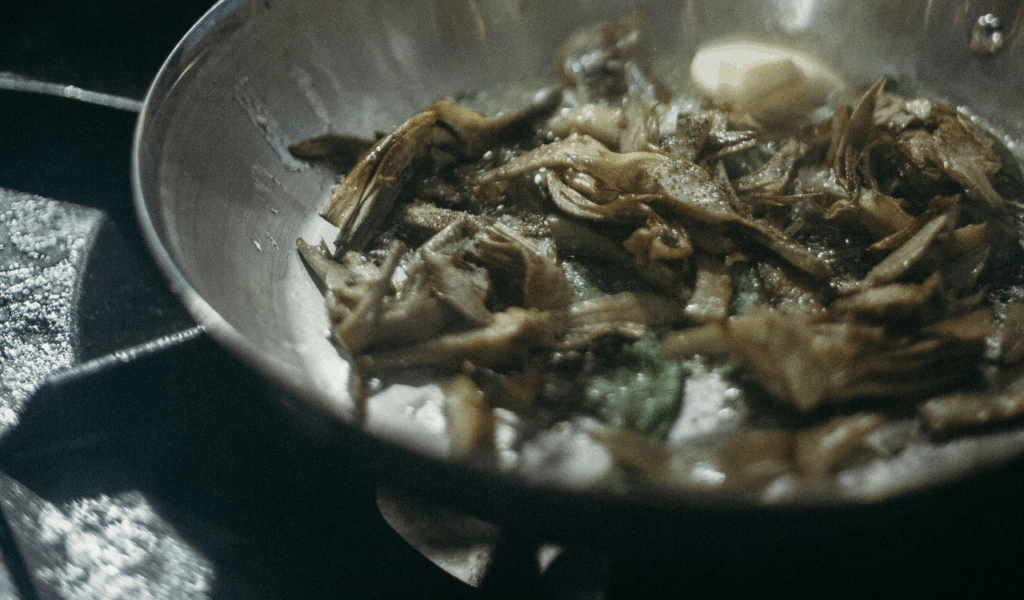
Onions are an essential ingredient in a Philly cheesesteak, but they must be cooked properly to bring out their natural sweetness. The goal is to achieve soft, tender onions that add a subtle sweetness to the sandwich, rather than bitter or burnt flavors. Overcooking or burning the onions can introduce harsh, unpleasant flavors that will overpower the beef and other ingredients. To avoid this, cook the onions slowly, allowing them to release their natural sugars and become golden and tender, not charred.
The best way to cook onions for a cheesesteak is to start them early, giving them time to soften and develop their sweetness. Once the onions are cooked, they can be set aside or mixed with the beef towards the end of cooking. This method ensures that the onions enhance the sandwich without overpowering the other flavors. Additionally, properly cooked onions add moisture to the sandwich, preventing it from feeling dry even with minimal condiments. Their sweetness balances the savory beef and cheese, creating a well-rounded, satisfying bite.
Cooking the onions slowly also helps them retain their structure. If you cook them too quickly or at too high a heat, they can become mushy and lose their flavor. The key is to cook them on a lower heat, allowing them to soften gradually while releasing their natural sugars. This technique results in onions that are sweet, tender, and perfectly complementary to the rich beef and melty cheese.
6. Cheese Choice Affects Melt and Mouthfeel
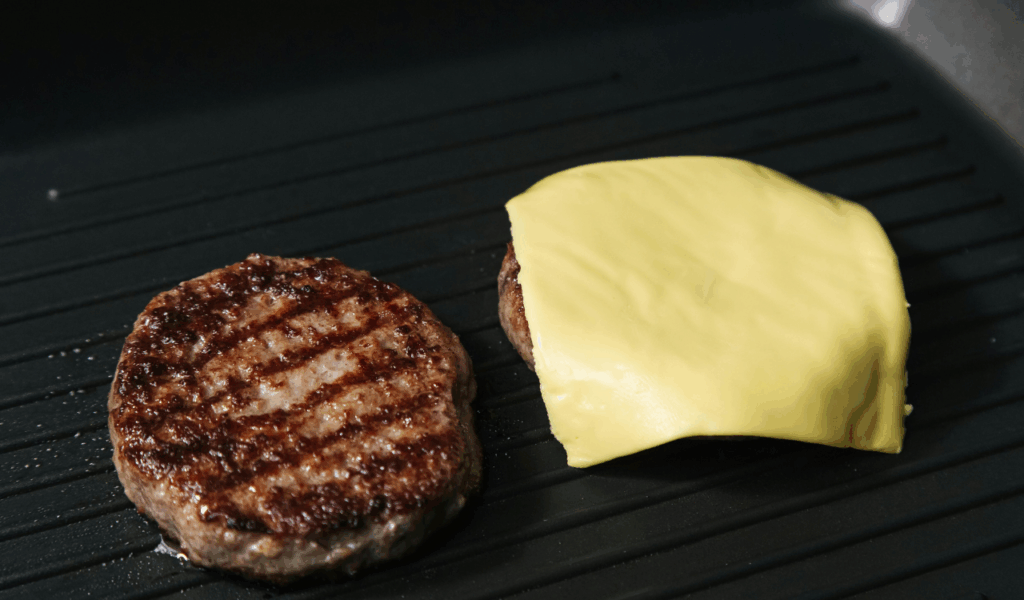
The cheese used in a cheesesteak is more than just a topping; it is an essential element that affects both flavor and texture. The right cheese should melt smoothly, creating a creamy, sauce-like consistency that binds the beef and bread together. Traditional cheesesteak cheeses like provolone or American are preferred because they melt evenly and provide a smooth, velvety texture that complements the beef. On the other hand, cheeses that separate or become greasy create a less-than-ideal mouthfeel, leading to a sandwich that feels heavy or oily. To achieve the perfect melt, cheese should be added to the hot beef while it’s still sizzling on the grill. This allows the cheese to soften and blend seamlessly with the beef, creating a unified texture that coats every bite. The cheese should not sit on top of the beef like a slab, but rather melt into it, ensuring that every bite contains a balanced mix of beef, cheese, and bread. The goal is to create a creamy, cohesive texture that brings the sandwich together, rather than having the cheese sit as a separate layer on top of the other ingredients.
7. The Roll Is a Structural Ingredient
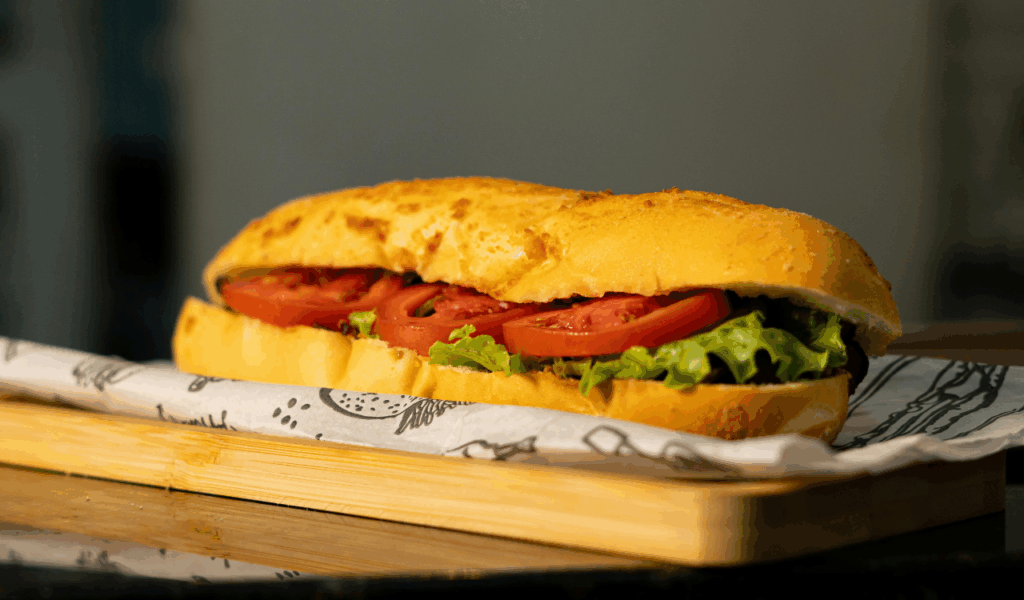
While the beef, cheese, and onions are the stars of the show, the bread plays a crucial role in ensuring that the cheesesteak holds together and maintains its integrity from the first bite to the last. The ideal roll should be soft on the inside, with a thin, slightly crisp exterior that helps the sandwich hold its shape. The bread must be sturdy enough to absorb the juices from the beef without falling apart or becoming soggy. A roll that’s too crusty can tear the roof of your mouth and cause the fillings to slide out, while bread that’s too soft won’t stand up to the moisture from the beef.
To enhance the bread’s flexibility and aroma, cheesesteak rolls are often lightly warmed or toasted before assembling the sandwich. The right roll acts as the structural base, keeping the sandwich intact even when the beef is juicy and the cheese is melting. This delicate balance between softness and crispness is key to ensuring the perfect cheesesteak texture. When the bread is right, it complements the beef and cheese without overpowering them, making for a cohesive and satisfying bite. Bread also impacts the overall eating experience. Too soft a roll will crumble under the weight of the beef and cheese, causing the sandwich to fall apart mid-bite. Too hard, and it can cut into your mouth, creating an uncomfortable eating experience. Finding the right balance is essential, and many cheesesteak professionals rely on a specific type of roll that can hold up to the fillings without losing its structure. This is why the bread choice should be treated as a vital component, not just a carrier for the ingredients.
8. Assembly Order Prevents Sogginess

The way you assemble your cheesesteak has a significant impact on its texture. One of the most common mistakes is placing cheese directly onto the bread, allowing the bread to absorb moisture right away. This can lead to a soggy sandwich, as the bread becomes overwhelmed by the juices from the beef and cheese. To avoid this, cheese should be melted into the beef first, creating a barrier that slows down moisture absorption. The beef and cheese mixture is then transferred into the roll in one smooth motion.
By scooping the beef and cheese together as a single mass, you ensure that the sandwich stays intact and that the ingredients are evenly distributed. This method helps maintain the integrity of the bread, keeping it from becoming soggy and allowing for a more enjoyable eating experience. The right assembly order is a simple but essential step that can make the difference between a sloppy sandwich and a perfectly balanced cheesesteak.
9. Chopping Beef on the Grill Improves Texture
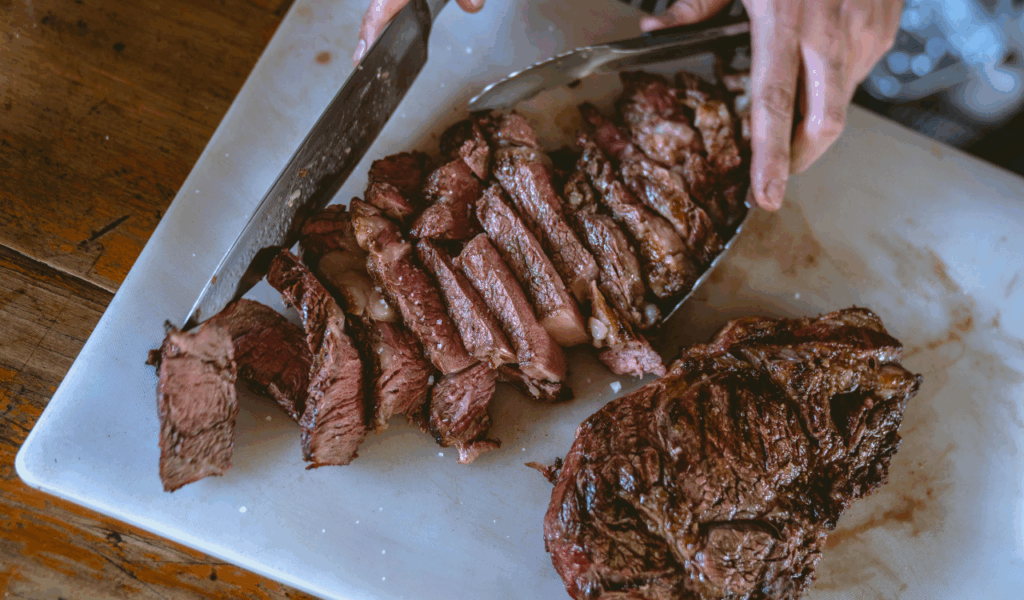
Chopping the beef as it cooks is a technique used by many cheesesteak professionals to enhance the texture of the sandwich. Rather than leaving the beef in long, unbroken strands, it’s lightly chopped while it sears on the grill. This increases the surface area of the meat, allowing for better browning and a more even distribution of seasoning. The result is a beef filling that has a rich, flavorful crust while still remaining tender and juicy on the inside.
Chopping the beef also helps to break down any tougher sections, making the sandwich easier to bite into without pulling pieces of meat out of the roll. This step is subtle, but it significantly improves the mouthfeel of the cheesesteak. However, it’s important not to over-chop the beef, as this can turn the meat into small crumbs, which would ruin the sandwich’s texture. The key is moderation, as lightly chopping the beef allows for an ideal balance of tenderness and texture that enhances every bite.
By chopping the beef, the flavor is also better distributed throughout the sandwich. The meat pieces will blend seamlessly with the cheese and bread, ensuring a consistent taste with every bite. Additionally, the chopping helps ensure that the beef doesn’t become too chewy or tough. This method is especially useful when using thinly sliced meat, as it allows the beef to maintain its tenderness while adding a satisfying texture.
10. Grease Control Is Critical
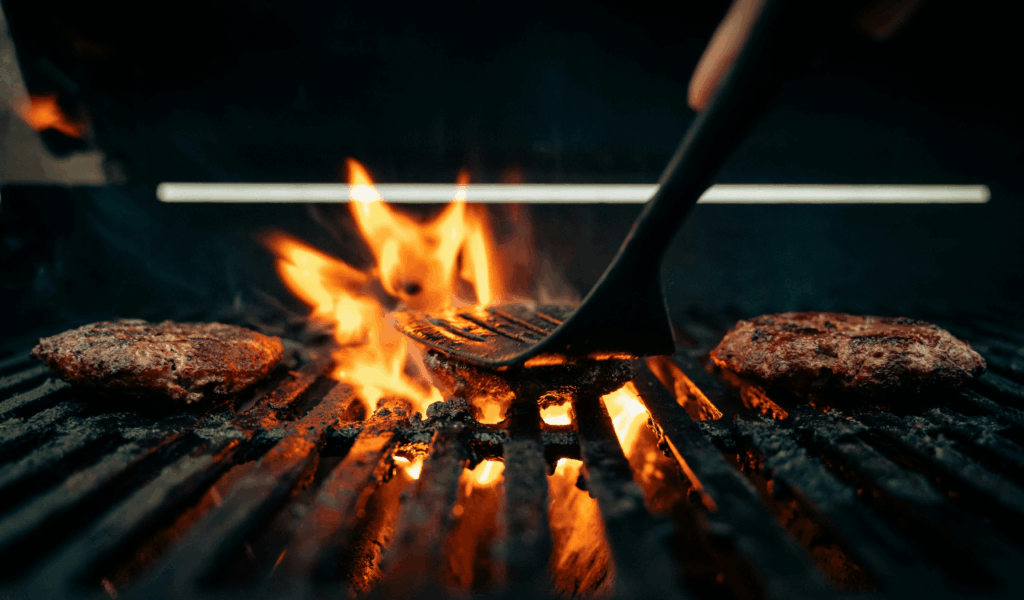
A great cheesesteak should be juicy, but it should never feel greasy. Too much fat can overwhelm the flavor of the beef and soak into the bread, creating a heavy, unpleasant sandwich. Skilled cheesesteak makers use well-marbled beef that provides enough fat to keep the meat tender and juicy without the need for added oils. Excess fat that renders out during cooking is carefully managed, often pushed aside on the grill, so it doesn’t overpower the sandwich. Effective grease management also ensures that the cheese melts properly, without separating or becoming too oily. By controlling the amount of grease in the sandwich, you maintain a clean, balanced flavor that allows the natural taste of the beef, cheese, and other ingredients to shine. The final result should be a rich sandwich that feels indulgent without leaving a greasy residue behind. This balance is crucial for creating a truly satisfying cheesesteak
11. Mushrooms Require Separate Cooking
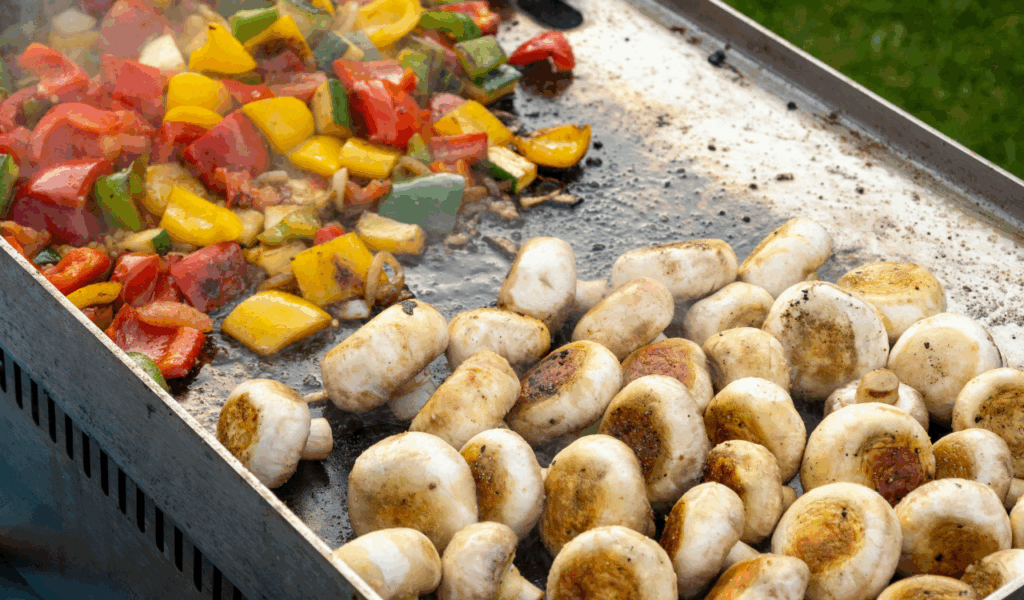
If you decide to add mushrooms to your cheesesteak, it’s important to cook them separately. Adding raw mushrooms to the beef before they’ve had a chance to cook releases excess moisture, which can lower the temperature of the grill and prevent the beef from searing properly. This excess moisture can also make the sandwich soggy, which detracts from the overall texture and flavor.
To avoid this, cook the mushrooms separately until all of their moisture has evaporated. This ensures that the mushrooms develop a savory, concentrated flavor and a firm texture that complements the beef. Once the mushrooms are properly cooked, they can be added to the beef and cheese mixture, enhancing the sandwich without compromising the texture. By treating mushrooms as a separate component, you allow them to shine without disrupting the balance of the cheesesteak.
Mushrooms, when cooked separately, also develop a rich, umami flavor that can add depth to the sandwich. However, they need to be cooked long enough to allow their moisture to cook off, otherwise, they will remain too watery and cause the beef to steam. This step ensures that the mushrooms maintain their integrity and contribute positively to the overall flavor and texture of the cheesesteak, enhancing its complexity without overpowering the other ingredients.
12. Peppers Should Enhance, Not Dominate

Peppers can be a great addition to a Philly cheesesteak, but they should never overpower the beef. Overcooked peppers lose their structure and become mushy, while undercooked peppers can be too sharp and harsh in flavor. The goal is to achieve a tender, slightly sweet pepper that adds complexity to the sandwich without detracting from the main ingredients.
To achieve this, peppers should be cooked separately from the beef, just like the onions and mushrooms, and added toward the end of the cooking process. This allows the peppers to soften and develop their natural sweetness without losing their shape or flavor. When cooked properly, peppers bring a touch of color and brightness to the sandwich, enhancing the overall flavor without overshadowing the beef. By cooking them separately, you preserve the integrity of both the beef and the peppers, creating a balanced cheesesteak.
13. Temperature Control After Cooking Matters
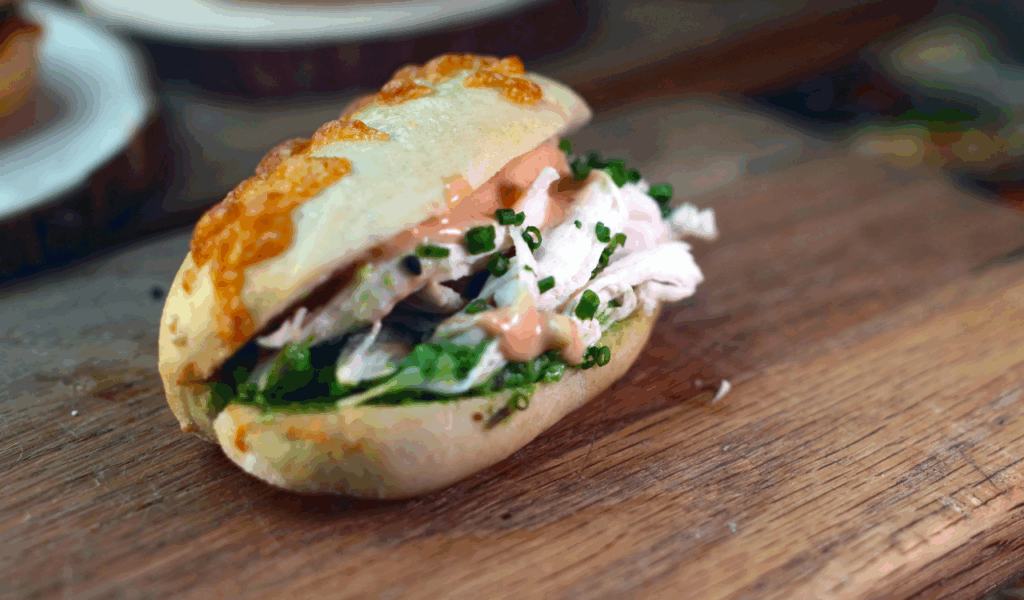
Timing and temperature control are key to achieving the perfect cheesesteak, especially after the beef and cheese have been cooked. Cheesesteak professionals know that the sandwich should be assembled and served immediately after cooking. Letting the beef and cheese sit too long causes the cheese to tighten up and the fat to separate, which negatively impacts the texture and flavor.
Once the beef and cheese are cooked, they should be placed on the roll right away. Holding the mixture on low heat dulls the flavor and causes the meat to dry out, which ruins the juiciness that makes a cheesesteak so delicious. Timing is everything when making a cheesesteak. The goal is to get the sandwich from the grill to your plate while the beef is still tender and the cheese is perfectly melted, ensuring that every bite is as fresh and flavorful as possible. Proper temperature control is also essential for preserving the texture of the beef. If the cooked beef is left to sit too long, the juices can be lost, and the meat can become dry and tough. The cheese, too, will begin to firm up, making it less creamy and cohesive with the meat. To keep everything at its best, professionals time the cooking process to ensure that the sandwich is assembled immediately and served piping hot, with the beef still juicy and the cheese perfectly melted.
14. Simplicity Is the Ultimate Secret
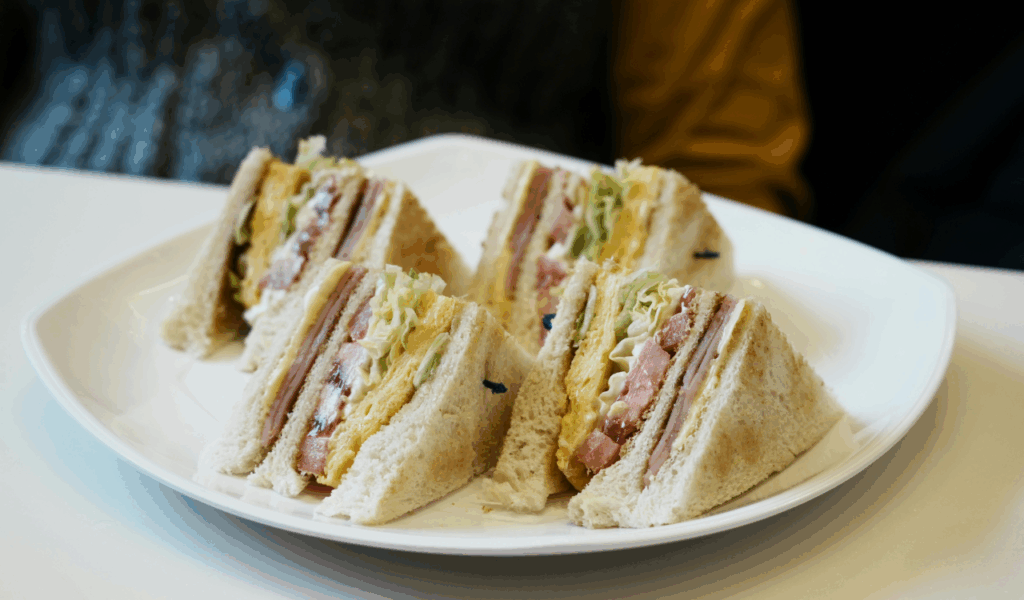
The final secret to making a truly great cheesesteak is simplicity. One of the reasons why the cheesesteak remains such a beloved dish is because it doesn’t rely on a long list of complicated ingredients or fancy techniques. The best cheesesteaks are those that embrace restraint, allowing the natural flavors of the beef, cheese, and bread to shine without the need for excessive toppings, sauces, or spices.
The key to a great cheesesteak is using high-quality ingredients and executing the cooking process with care and attention to detail. When you focus on technique rather than novelty, the sandwich becomes a harmonious combination of flavors and textures. Too many toppings or distractions can overwhelm the simplicity that makes a cheesesteak so special. By keeping things simple, you allow the beef, cheese, and bread to do what they do best — create a rich, satisfying, and iconic sandwich that doesn’t need anything extra to make it amazing.