
11 Ways of Living That Are Supposed to Feel Right — but Don’t for Everyone

Many lifestyles are touted as universal goals that promote happiness, stability, and contentment. In advice columns, social media, and regular discussions, they arise frequently. What is genuinely satisfying to one person may be restricting, depleting, or incorrect for another. Human priorities, personalities, attitudes, and circumstances differ, therefore no single lifestyle fits everyone. Recognizing this distinction is not a failure or lack of ambition. A healthy acknowledgement of individuality. Exploring these popular lifestyles might help people reduce stress, make better decisions, and live their true selves rather than others’ expectations.
1. Owning a Home Early in Life
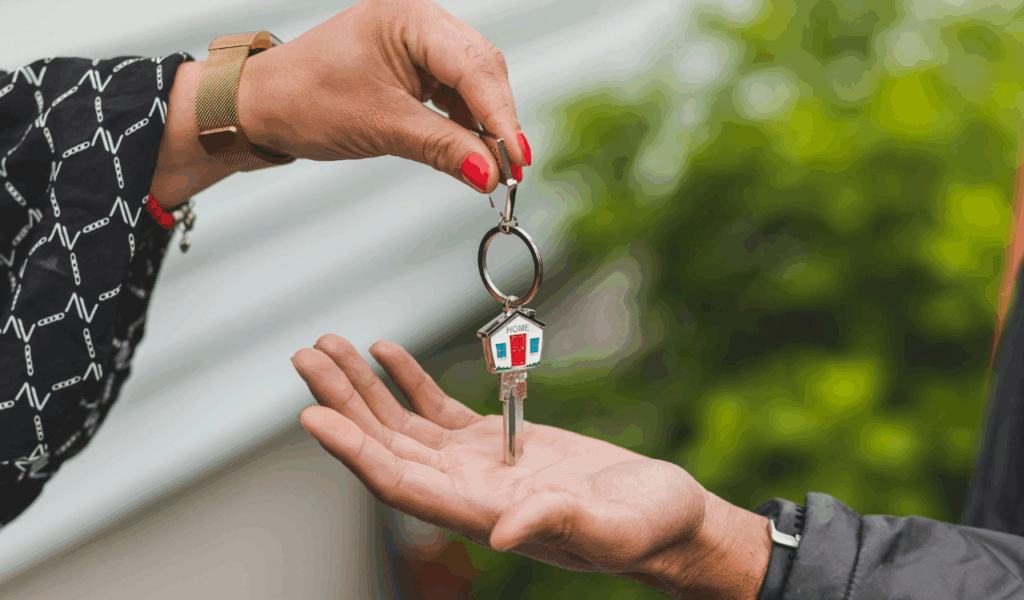
People frequently think of buying a home as a big step toward adulthood and prosperity. Owning a home might give you stability and long-term financial benefits, but it also comes with responsibilities, financial risks, and less freedom. People who enjoy being free to move about or have income that isn’t always stable may find that mortgage payments, renovations, property taxes, and upkeep are stressful. Renting might give you the option to move, lesser initial costs, and fewer long-term responsibilities. For some people, waiting or not buying is better for their goals, way of life, or financial comfort. Owning property is not a universal indicator of growth; postponing or eschewing it may be a pragmatic, deliberate decision.
2. Working a Traditional Nine to Five Job

People generally praise a normal work schedule for its structure, predictability, and rewards. But regular hours can be hard to work with if your energy levels, inventiveness, or personal responsibilities are different. Some people do better with flexible schedules, project-based work, or hours that aren’t usual. Strict schedules can make you more likely to burn out, less productive, or less happy with your life. Some people do well in regular occupations, but others do better as freelancers, shift workers, or business owners. Not everyone has the same idea of what success and productivity look like. A satisfying job is more about how well it fits with your values and talents than how well it fits with a common timetable.
3. Getting Married by a Certain Age

People often say that marriage is an important part of life that should happen at a certain age. This expectation might make people feel stressed and anxious, especially if they cherish their independence or haven’t found the appropriate spouse. Some people are happy without being married, while others would rather have long-term relationships without formal connections. Getting married quickly to meet social deadlines can cause problems or unhappiness. Age is not as important as being emotionally ready, being compatible, and having your own ambitions. People shouldn’t get married because they’re afraid of falling behind what they think is normal. They should do it because they really want to and respect each other.
4. Having Children as a Default Path

People often say that being a parent is the most meaningful and happy thing they can do. It can be very satisfying to raise children, but it also takes a lot of time, money, and energy. Not everyone wants or is able to handle this burden. Some people find happiness in their jobs, relationships, creative work, or community service instead. Not wanting to have kids doesn’t mean you’re selfish or immature. It shows that you are honest with yourself. There are numerous ways to have a meaningful life, and fulfillment doesn’t have to come from just one type of family or role.
5. Living in a Busy Social Circle

People often think that having a lot of friends and being social makes them happy and successful. But for introverted or very sensitive people, being around people all the time can be too much. Some people may find that being in a large social circle takes up a lot of their time, energy, and emotions, which can be draining instead than energizing. Some people like to have fewer, but deeper, relationships with people. Quality is often more important than quantity. Being alone or with a small group of people doesn’t indicate you’re lonely or bad at making friends. Different people have different social requirements, and respecting those needs leads to healthy relationships and emotional equilibrium.
6. Constantly Hustling and Staying Busy

People frequently say that being busy is a sign of ambition and hard work. But always being busy can make lines blurry, cut down on relaxation, and hurt your mental and physical health. Some people do best when things move slowly, there are clear breaks, and their routines are balanced. Long hours or constant activity don’t automatically mean you’re being productive. Sustainable success typically comes from working hard and then taking the time to rest. It’s not lazy to value relaxation, free time, and mental space. For many people, it is an important part of their long-term health and creativity.
7. Living in a Large City

Living in a city is often linked to new opportunities, excitement, and career progress. But cities may also be loud, crowded, expensive, and stressful. Some people feel better in places that are quieter, have slower rhythms, and are closer to nature. Living in a rural area or a smaller town may be cheaper, quieter, and have greater community ties. Where you want to live is a very personal choice. The number of people who live in a region is not a factor in determining whether or not it is prosperous; rather, it is the degree to which the location supports everyday comfort, mental health, and lifestyle priorities.
8. Climbing the Career Ladder Continuously

Many people think that getting ahead and getting promotions are the best signs of professional success. But always moving ahead might make things more stressful, make you work longer hours, and make it harder to manage work and life. Some people want secure jobs that give them time for family, hobbies, or personal improvement. Some people care more about being the best than being in charge. Not just job titles, but also values are what make you happy at work. Choosing stability or lateral growth over perpetual progress can be a conscious and satisfying choice, not a lack of ambition.
9. Always Being Positive and Optimistic

People are often told to be positive, but always being positive can make real feelings and problems seem less important. If you don’t let your displeasure, grief, or doubt out, you could get emotionally drained. Being able to express your feelings in a healthy way means being able to admit when you’re uncomfortable or unsure. People can honestly absorb their experiences and build resilience when they have realistic points of view. Being emotionally balanced doesn’t imply you should never be negative. This involves answering honestly and in a way that helps. Acceptance, not forced positivity, is what makes you feel better emotionally.
10. Living a Minimalist Lifestyle

Minimalism is often said to be liberated and relaxing. Some people may find pure minimalism to be too limiting because they want to collect things, have hobbies, or have a lot of visual variety. Comfort levels differ a lot. A meaningful space is one that helps with everyday life and emotional requirements. It is not a bad thing to have possessions that bring you joy or that serve a purpose. Rather than blindly following a trend, it is more crucial to find a balance between the two. To live a good life, you should focus on doing what makes you feel good rather than according to standards that dictate how things should look.
11. Following a Linear Life Timeline

A lot of people think that life should go in a certain order: school, work, family, and then retirement. In real life, things don’t always go as planned. It’s common and frequently useful to take detours, breaks, and make changes. Nonlinear routes can help you develop, learn, and find new meaning in your life. Comparing your own work to a deadline that is difficult to meet can be a stressful experience. One of the keys to happiness in life is the ability to adjust and take charge of one’s own life. Accepting a flexible schedule allows individuals to adjust to change and construct happy lives on their own terms, which is a significant benefit.