10 Unpretentious Homes That Secretly Scream Luxury
Honest housing doesn’t flaunt its shortcomings. Instead, it feels peaceful, lived in, and confident. You want to sit, breathe, and stay in these rooms. Comfort, usefulness, and rhythm matter more than trends. Reality is present in an honest setting with soft couches, helpful layouts, and items chosen for their meaning rather than their appearance. Though planned, nothing seems forced or contrived. A little is enough to make it wonderful. These spaces work because they consider how people live, sleep, and move about their homes daily. When a room quits trying to impress, it becomes more inviting, intimate, and memorable naturally.
1. The Gently Lived-In Living Room
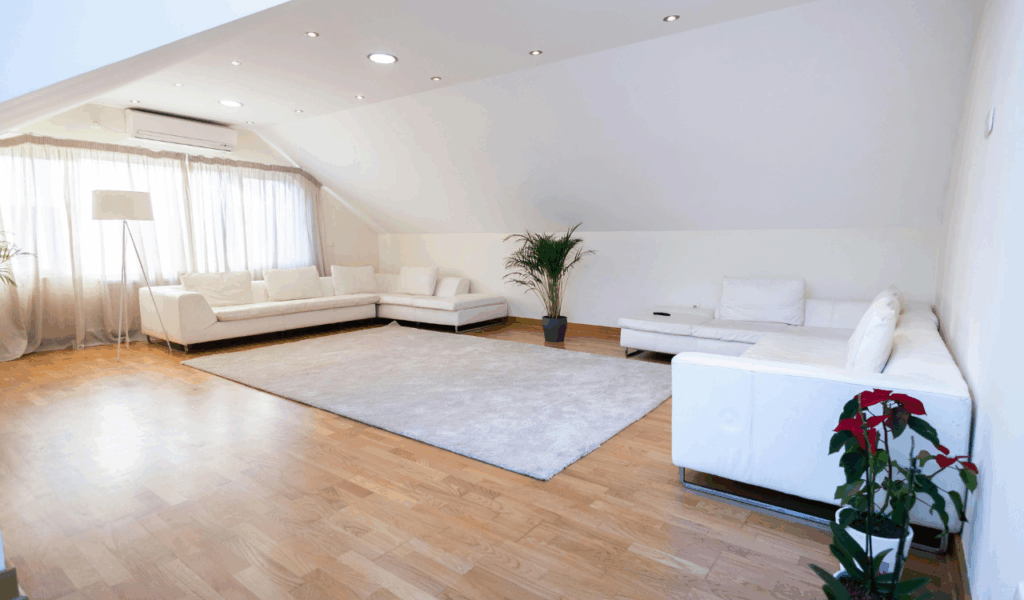
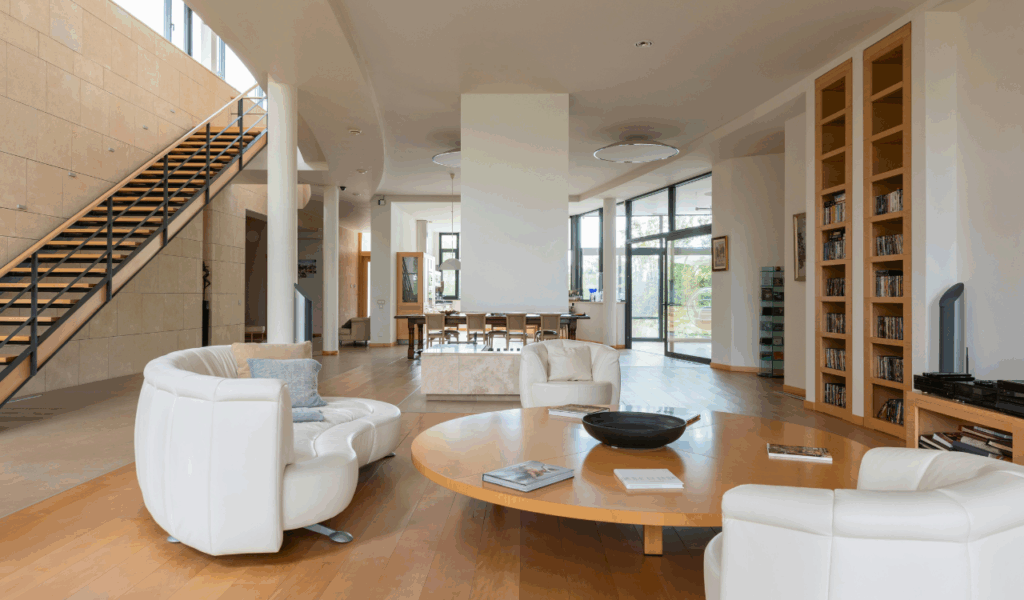
A living space that feels real doesn’t often look untouched. Sofas feature cushions that make you want to sit down instead of standing erect and looking nice. You don’t have to fold throws properly; you may just throw them. It’s easy to get to books, remote controllers, and other ordinary things, which shows that the area is meant to be used. Instead of symmetry, the furniture arrangement focuses on talking and relaxing. The space has mellow, tiered lighting during different times of day. Nothing appears precious or weak. This way of living doesn’t aim for showroom perfection. Warm, comfy, and flexible. The space feels warm, inviting, and human, as if it adapts to everyone who enters and sits.
2. A Kitchen That Shows Signs of Cooking
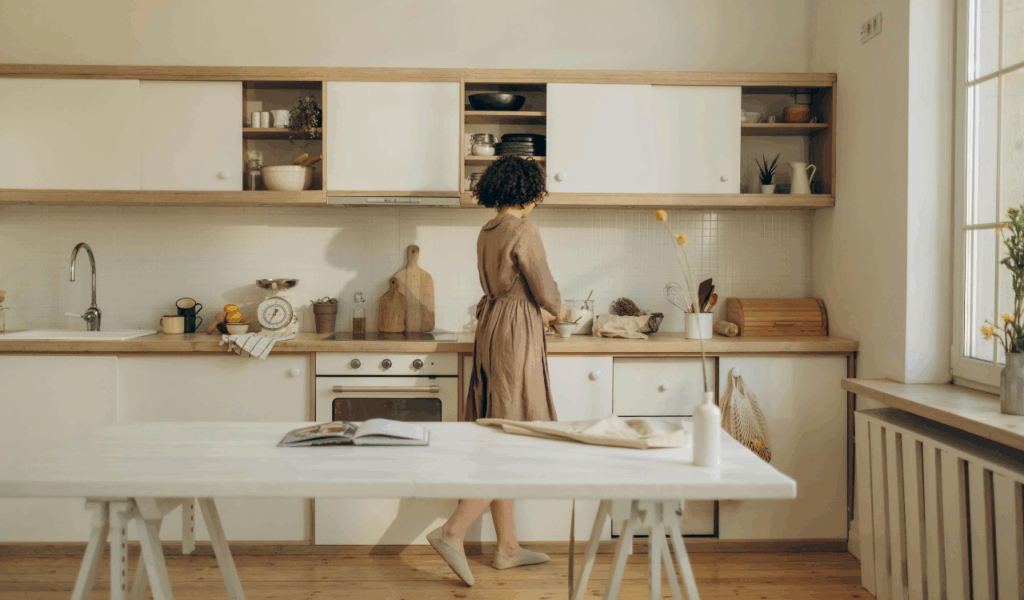
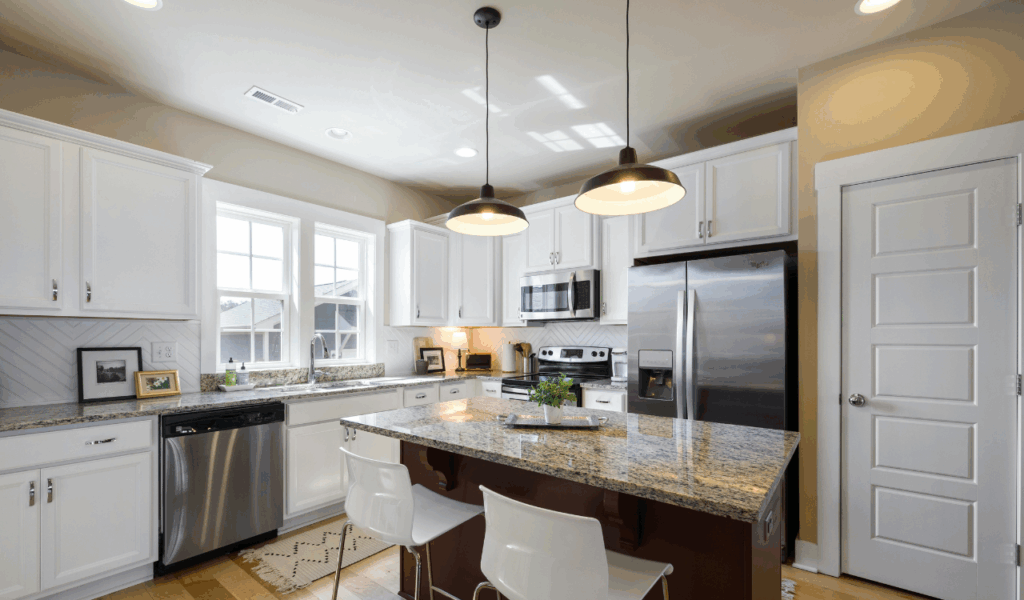
A real kitchen looks like it’s used to cook food. You can keep tools you use a lot, like a chopping board or a bowl of fruit, on the counter. It’s more important for cabinets to be easy to use than to look great. The area is free of obstructions that would get in the way of daily tasks like chopping, stirring, and cleaning. Small flaws, like worn handles or tiny scratches, show that something is useful rather than being neglected. Where labor happens, the lighting is bright and useful. Not hidden under decorations, storage is accessible. Utility first in this kitchen creates serenity. Gathering, cooking, and sharing meals is easy in an inviting, grounded, and trustworthy kitchen that looks like how people cook.
3. A Bedroom Designed for Rest, Not Display
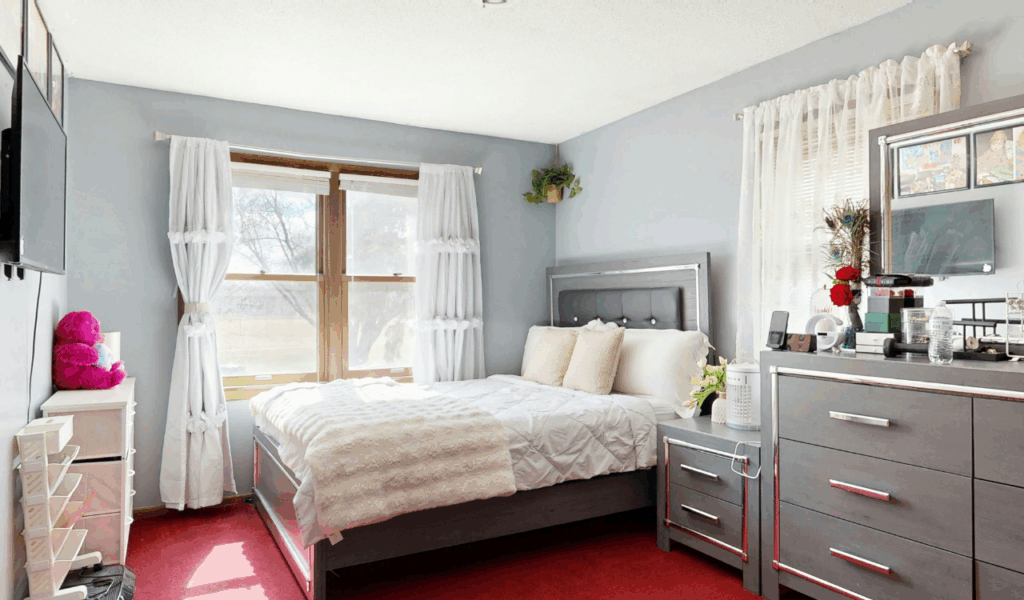
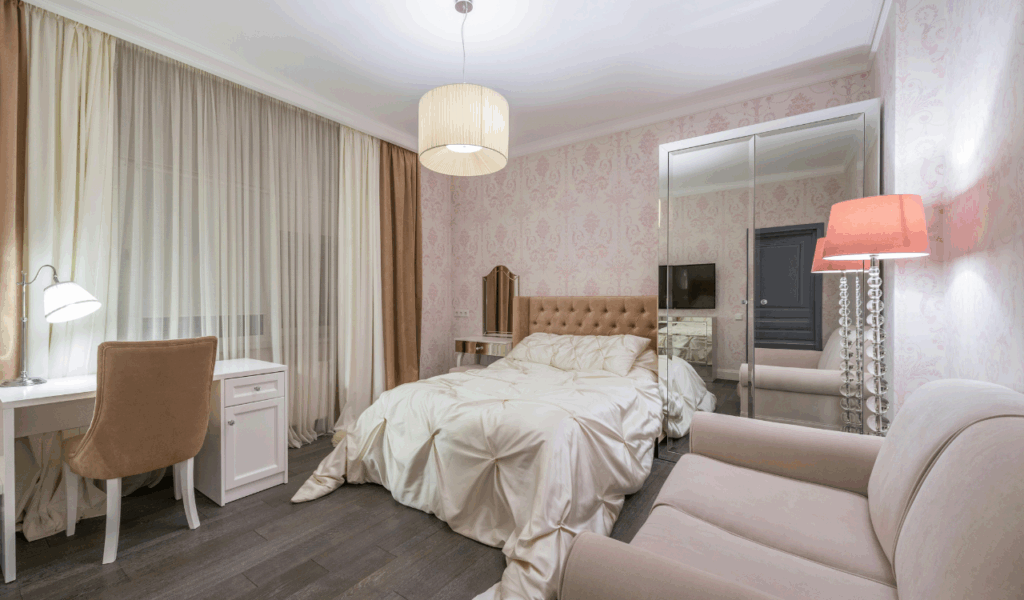
A bedroom that feels honest places comfort and sleep ahead of looks. The bed is the main focus, with simple, airy textiles and pillows that are ideal for sleeping. Furniture has defined uses, like holding books, clothes, or a light, without making the room feel crowded. Colors are calming and helpful, which helps the mind settle down. The lighting is soft and can be changed, which is great for relaxing. Instead of being polished, personal items like a beloved book or framed photo look natural. This bedroom doesn’t strive to show off to guests. It exists mostly for the individual who sleeps there, giving them a sense of comfort, seclusion, and real relaxation.
4. Dining Spaces That Encourage Lingering
People are more likely to stay longer in an honest dining setting. The chairs are pleasant and not too stiff or fancy. The table displays traces of wear, including little scratches or a soft finish that doesn’t need to be cleaned all the time. Instead of a dramatic spotlight, lighting gives off a pleasant, welcome glow. The layout makes it easy to walk around and talk. There aren’t many decorative items, so there is room for people to eat and talk. This kind of dining room is good for both ordinary meals and longer get-togethers. The environment feels open, pleasant, and naturally social since it focuses on comfort and connection instead than formality.
5. Entryways That Reflect Real Life
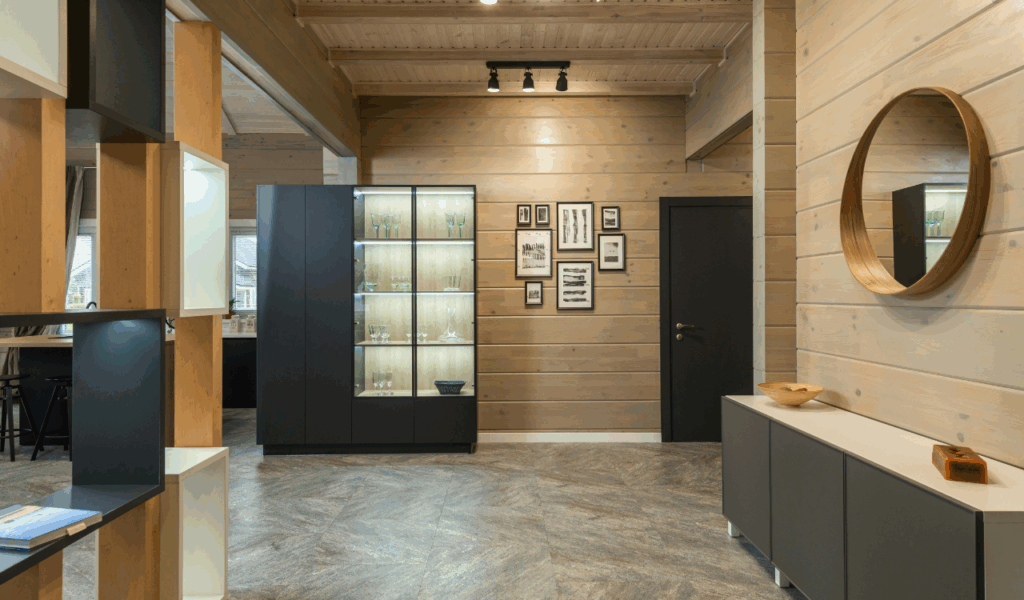
A real gateway recognizes daily life. There are easy-to-reach spaces for shoes, luggage, and outerwear. Storage solutions are useful, not just for looks. People can easily get in and out of the place without any problems. Surfaces may exhibit signs of wear and tear from being used a lot. Light is plenty for seeing, not just for mood. Adding personal touches like a tiny mirror or something you know well can make a room seem warmer without making it look cluttered. This style of doorway doesn’t aim to look untouched. It helps with the rhythm of everyday life, making the home feel useful and truly welcoming from the moment you walk in.
6. Bathrooms That Feel Calm and Useful
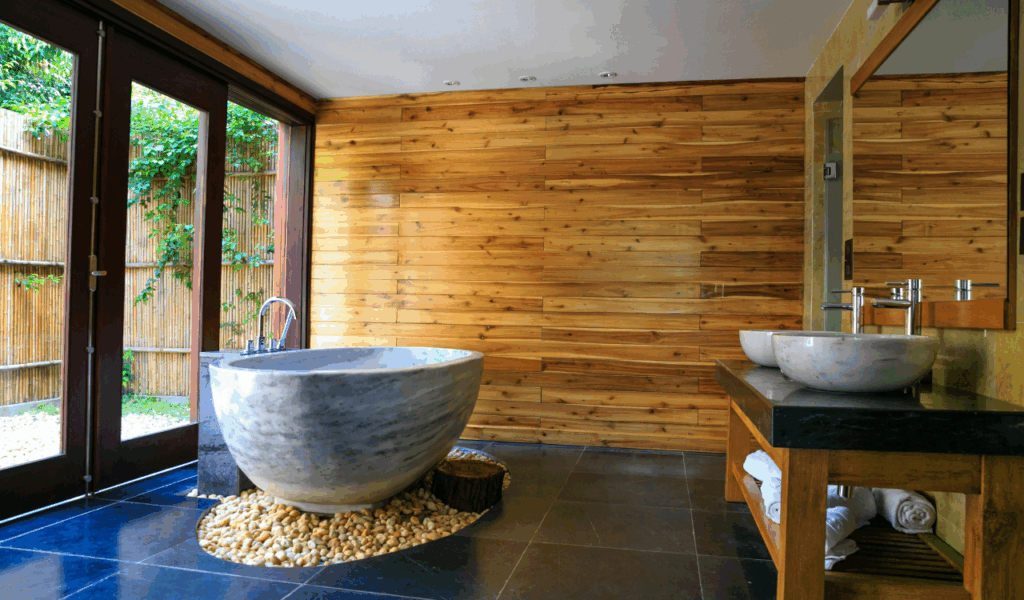
A clean bathroom is also useful. Storage is made for things you need every day, such towels and toiletries, and it doesn’t have too much adornment. People pick fixtures based on how comfortable and reliable they are. It seems like the room will be easy to clean and keep up. The light is clean and flattering, yet not too harsh. Surfaces may reveal small traces of regular use, which makes them feel more real. The layout makes it easy to do everyday tasks. This bathroom doesn’t try to look fancy for the sake of it. Instead, it concentrates on comfort, cleanliness, and ease, making a space that feels reliable and refreshingly authentic.
7. Workspaces Built Around Real Habits
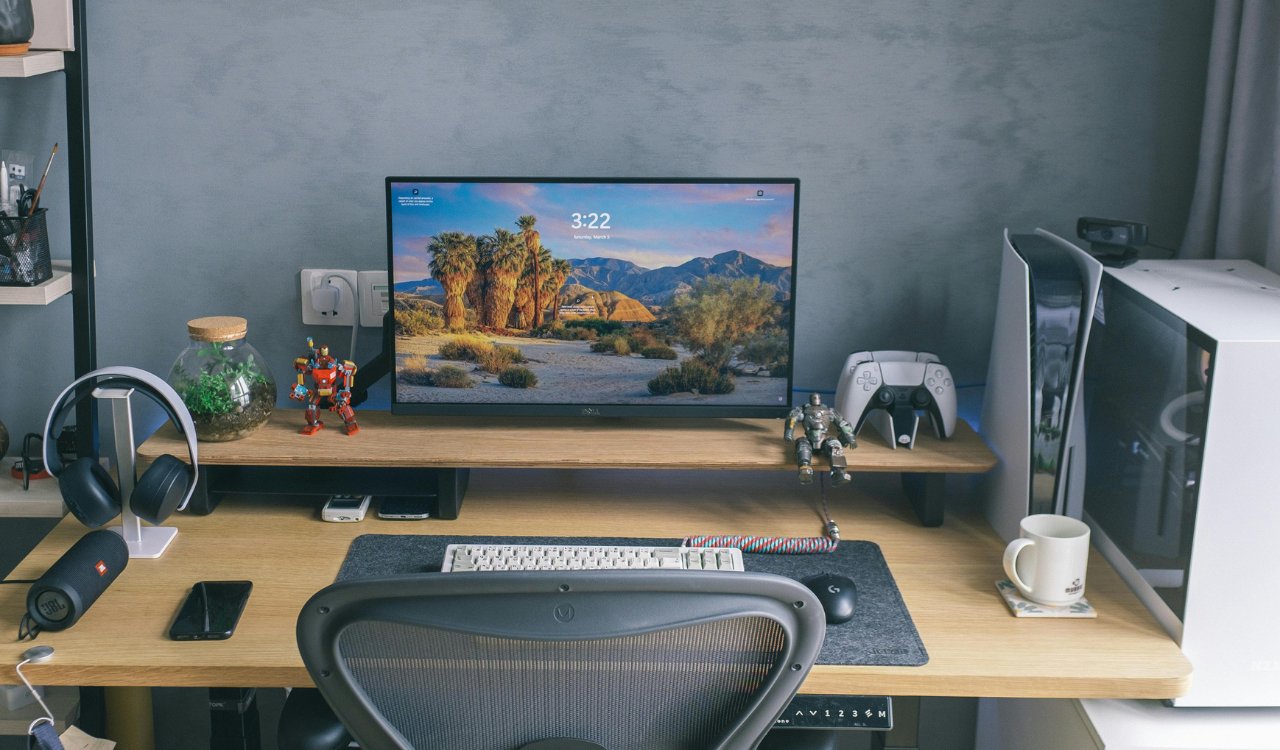
A workstation that feels real shows how someone really works. The desk is set up for productivity, not for looks. The supplies are easy to get to and arranged in a logical order. Seating makes it more comfortable to sit for lengthy periods of time. People choose lighting that makes it easier to see and lessens strain. You can see personal objects like notes and reference materials since they are useful. The area might not appear flawless, but it works wonderfully. This honesty lets people work without feeling rushed. This kind of workstation helps people think, be creative, and solve problems, which makes it feel real and personal.
8. Shelving That Tells a Story
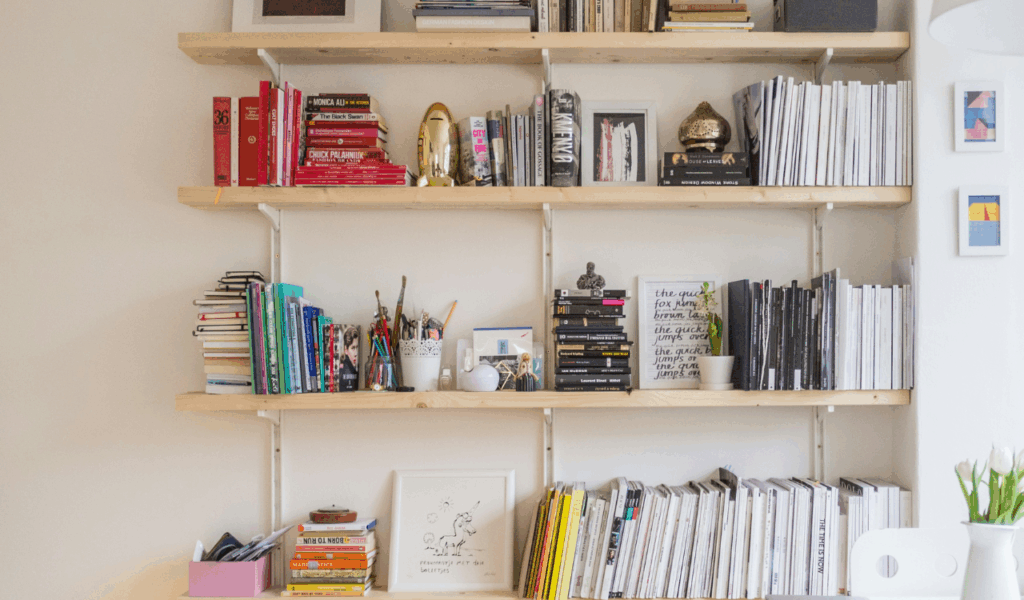
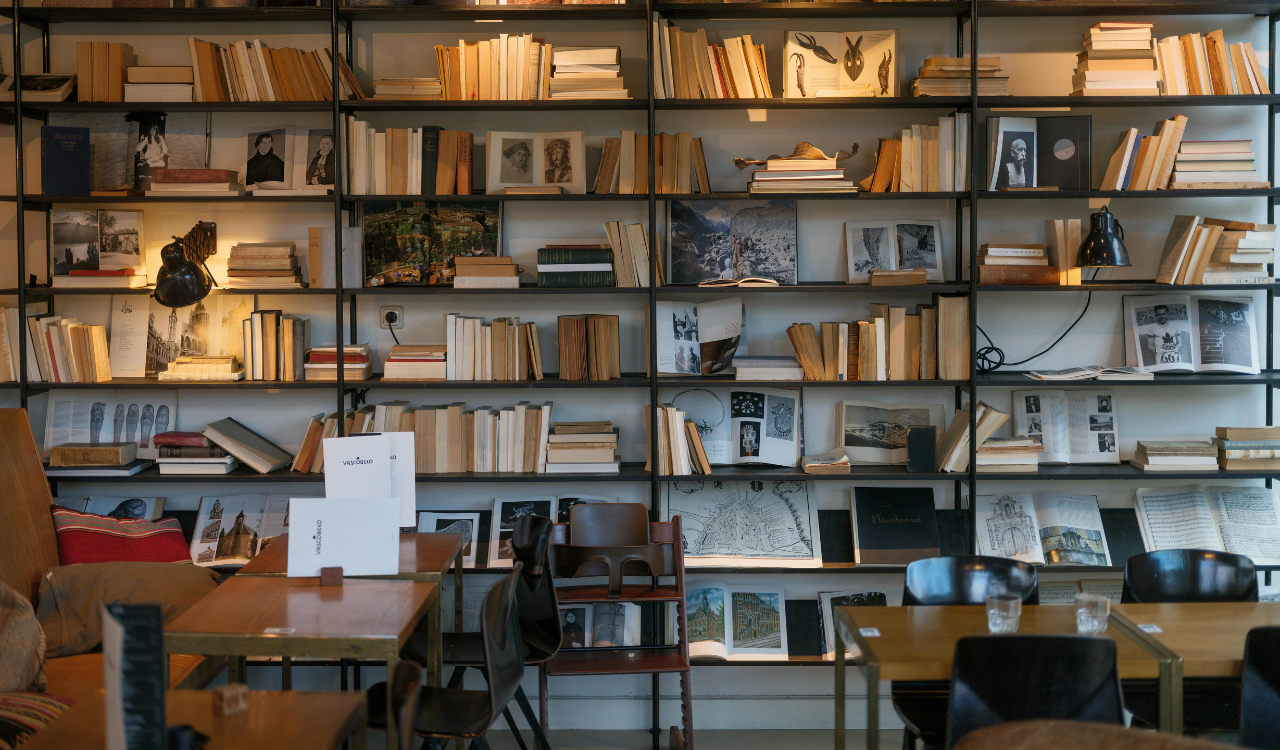
Honest shelving shows off things that are important, not just things that look good. Depending on how they are used, books may be different sizes and orientations. There are both decorative and useful goods. The way everything are arranged feels natural, not too planned. There are gaps, which keeps the visuals from becoming too much. Dusting is easy because the shelves aren’t too full. Over time, this type of shelving changes on its own. Each piece shows something about the person’s interests, recollections, or daily requirements. The end effect is a display that seems lived in and real, giving you a quiet look into the lives of the people who utilize the space without looking contrived.
9. Flexible Spaces That Adapt Easily
Rooms that may be used for more than one thing typically feel the most real. You can move and change furniture. It’s easy for the space to switch between activities. Storage is more flexible than strict arrangement. The lighting changes to fit varied needs. These rooms recognize that life changes during the day. They don’t have to do just one thing. This flexibility makes things less stressful and more comfortable. As a result of a room’s ability to adapt naturally with the times, it gives the impression of being authentic and useful, demonstrating how people actually use dwellings rather than how they are depicted.
10. Rooms That Allow Imperfection
The most honest places to live let little flaws happen. It’s okay if things are a little worn, have uneven textures, or don’t match. These little things give it character and warmth. The environment doesn’t feel fragile; it feels forgiving and cozy. It doesn’t feel like you have to do maintenance all the time. People can rest without worrying about ruining perfection. This acceptance makes things easier on the heart. A room that lets things go wrong feels like home, is friendly, and lasts. People are able to live their lives without experiencing stress, which makes it easier for them to enjoy the place in its whole and in an honest manner on a daily basis.