10 Thanksgiving Restaurants Facing Inflation Driven Price Increases and Reservation Shortages
As restaurants adjust to increased food prices, labor issues, and heavier holiday demand, many individuals are finding it harder to make plans for Thanksgiving dinner. All types of eating habits, not just one, are feeling the heat from these demands. Consequently, customers are witnessing earlier reservation cutoffs, less menu options, and apparent price hikes. Diners may make better decisions and prepare ahead of time if they know how different types of restaurants are affected by inflation. This is particularly important during holidays when seats sell out quickly.
1. Buffet Style Restaurants
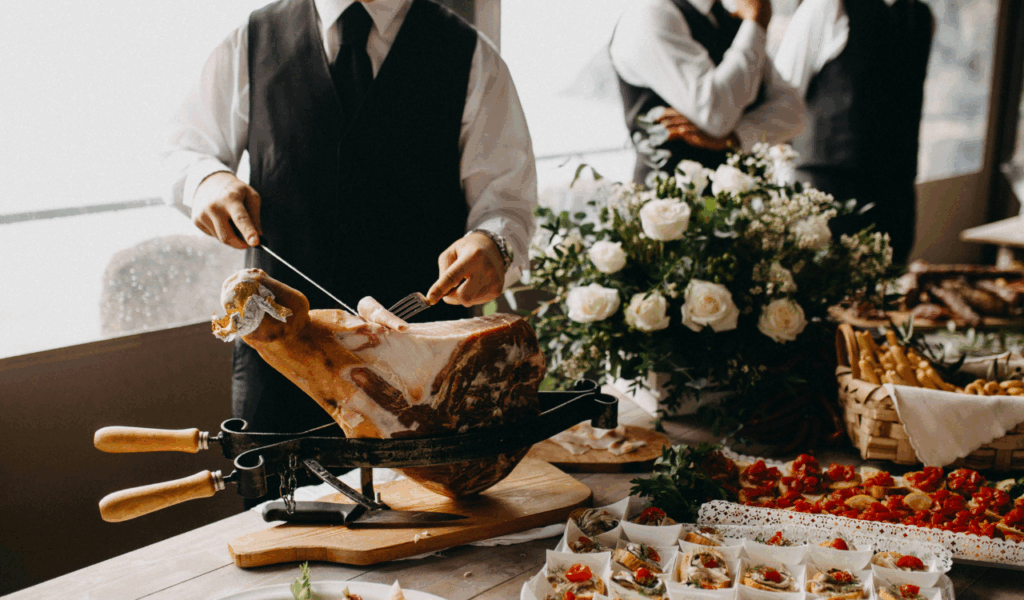
Since buffets employ a lot of meat, grains, veggies, and desserts—all of which have seen price increases—they are under a lot of financial strain. Venues like these cook in volume, so even a little rise in the price of a product can have a significant impact. Final holiday prices are also influenced by rising labor costs and energy use. Due to the high demand for Thanksgiving all-you-can-eat buffets, seating is restricted and reservations are required well in advance of the actual event.
2. Farm to Table Restaurants
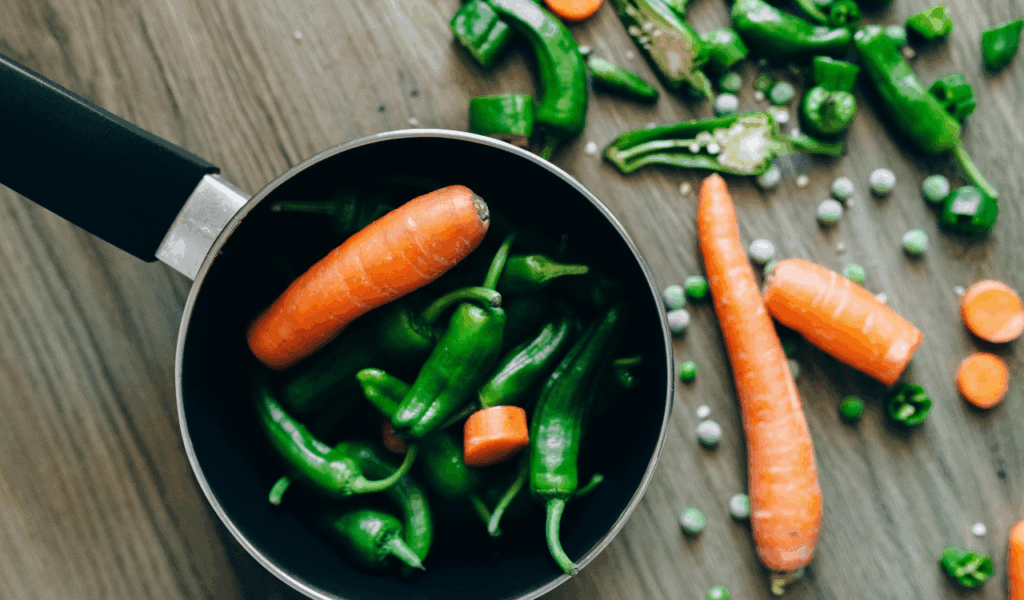
Since their menus are dependent on perishable items like fresh vegetables, dairy, and meats, farm-to-table restaurants experience inflation more acutely. Many rely on local, independent vendors, who may have difficulties with logistics and production on their own. To maintain great quality without drastically increasing prices, these eateries frequently streamline their menus or cut portions. There is higher demand for reservations earlier in the season because of their emphasis on seasonal foods, which brings in more Thanksgiving diners.
3. Hotel Restaurants and Holiday Ballrooms
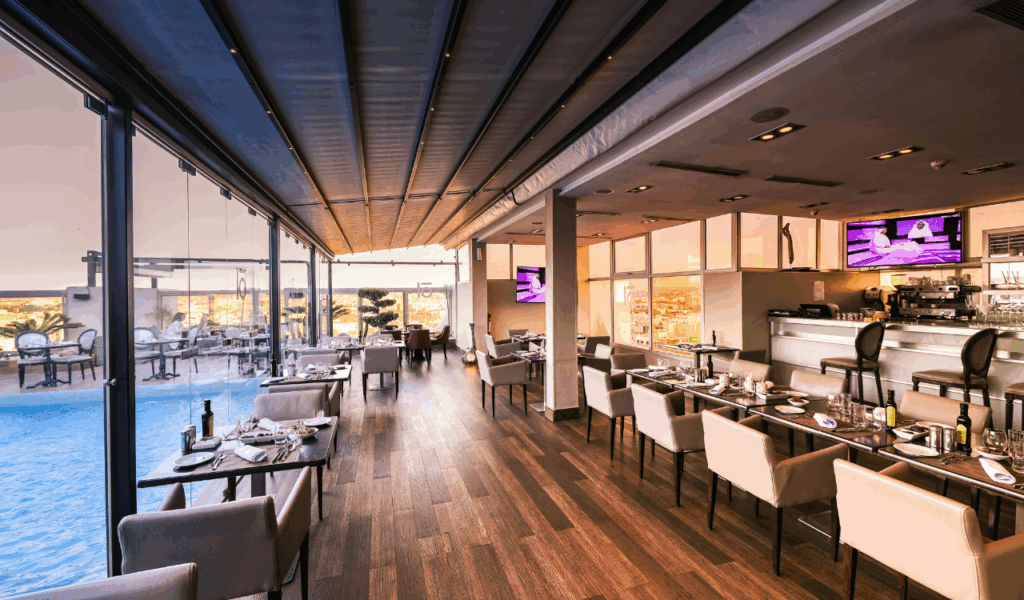
The demand for Thanksgiving service in hotel restaurants and ballroom dining rooms increases rapidly, and inflation has a significant influence on these businesses because of the expenses of manpower, energy, and supplies. When cooking for a large group, it’s necessary to hire more help, invest in larger appliances, and streamline kitchen processes. Hotel restaurants frequently have set pricing menus, so the only way to change is to lower the prices or reduce the number of seats available. Guests must make reservations in advance for holiday meals due to rising occupancy rates and increased competition for available tables.
4. Steakhouse Restaurants
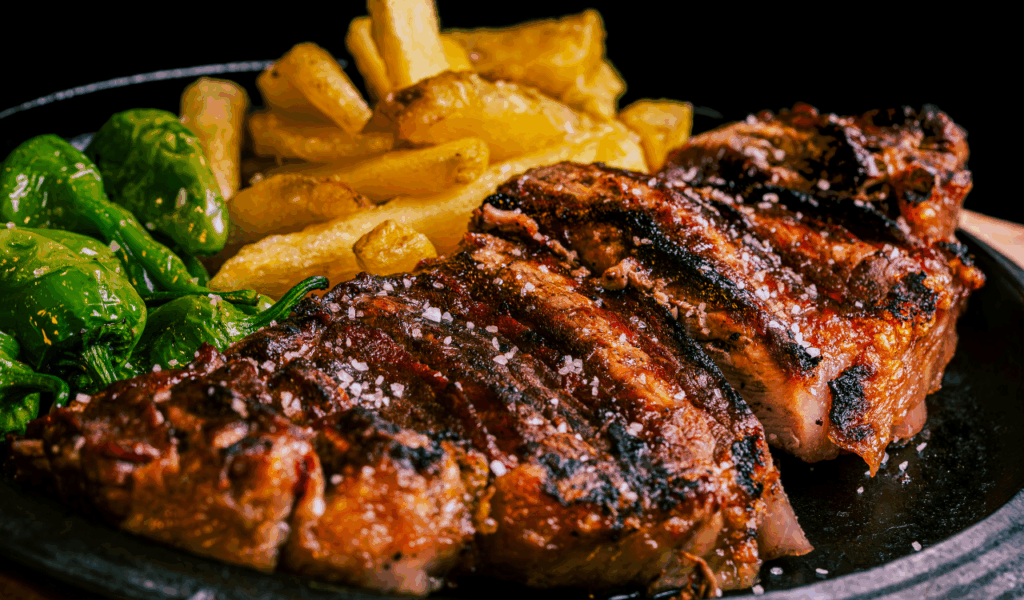
Due to the fact that meat prices typically rise at a quicker rate than many other food categories during inflation, steakhouse businesses endure some of the most severe cost increases. Because of the high quality standards that many venues have, it might be difficult to source premium cuts, seafood sides, and specialized desserts. Because of this, Thanksgiving dinners sometimes have restricted offerings or fees. There is a severe lack of availability for reservations, particularly during peak dining times, because these restaurants also draw families looking for upmarket holiday meals.
5. Casual Dining Chains Offering Thanksgiving Menus
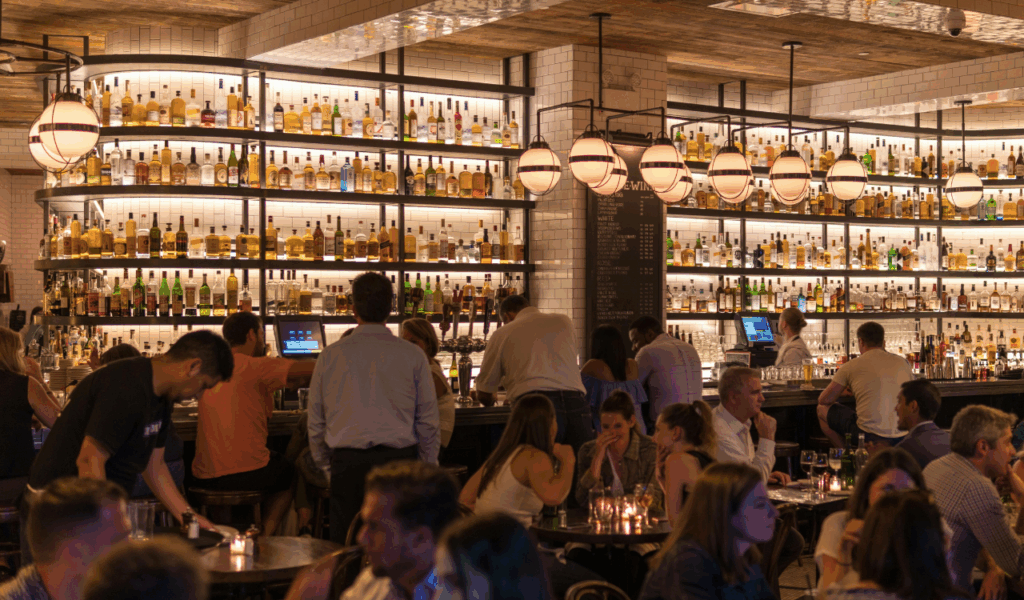
A number of casual dining companies have raised holiday prices in response to supply chain problems, transportation difficulties, and labor shortages, proving that they are not exempt from growing expenses. Although they strive to keep prices low on their Thanksgiving menus, inflation is making it difficult to do so. The demand for meal bundles has caused several businesses to reduce their offerings or even cut back on takeout orders. Guests are more likely to book early and fill tables sooner than in prior seasons since chains are recognizable and generally available.
6. Barbecue Restaurants
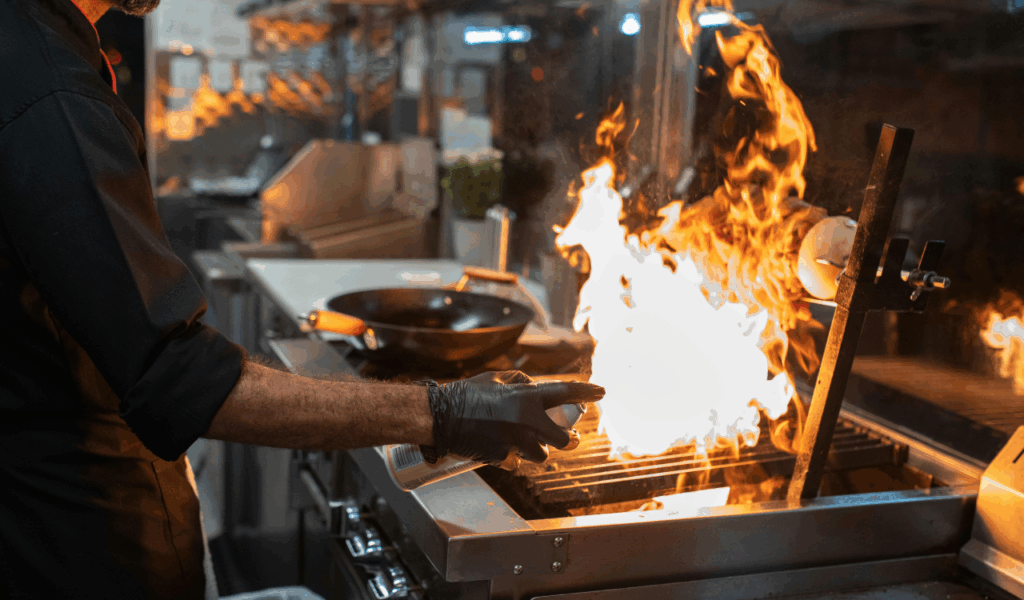
As the cost of meats, sauces, and the fuels used in slow cooking continues to rise, barbecue joints are feeling the pinch. Even little inflation impacts their operational expenses because of the vast amounts of ingredients and lengthy cooking times required to provide smoked dishes themed after Thanksgiving. To remain profitable, many barbecue establishments either increase rates or reduce menu sizes around the holidays. Reservations sell out quickly and there may be limited possibilities for same-day eating due to the high demand for their distinctive flavors and family-friendly setting during Thanksgiving.
7. Seafood Focused Restaurants
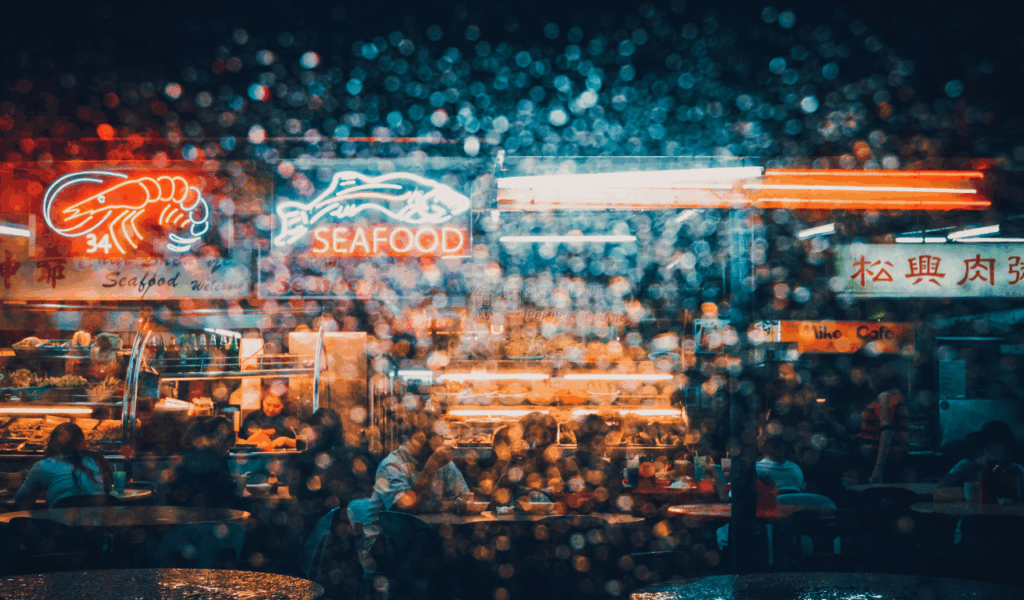
Inflation affects seafood restaurants because of rising expenses associated with fishing, transportation, and refrigeration. Due to the volatile nature of seafood prices, these restaurants’ Thanksgiving menus are subject to last-minute changes or higher prices. Seafood restaurants are particularly busy over the Christmas season since many guests prefer non-traditional dishes to the conventional turkey. Reservation availability is more limited, and premium menu items and time slots sell out earlier, due to the combined pressures of demand and expense.
8. International Cuisine Restaurants Offering Holiday Specials
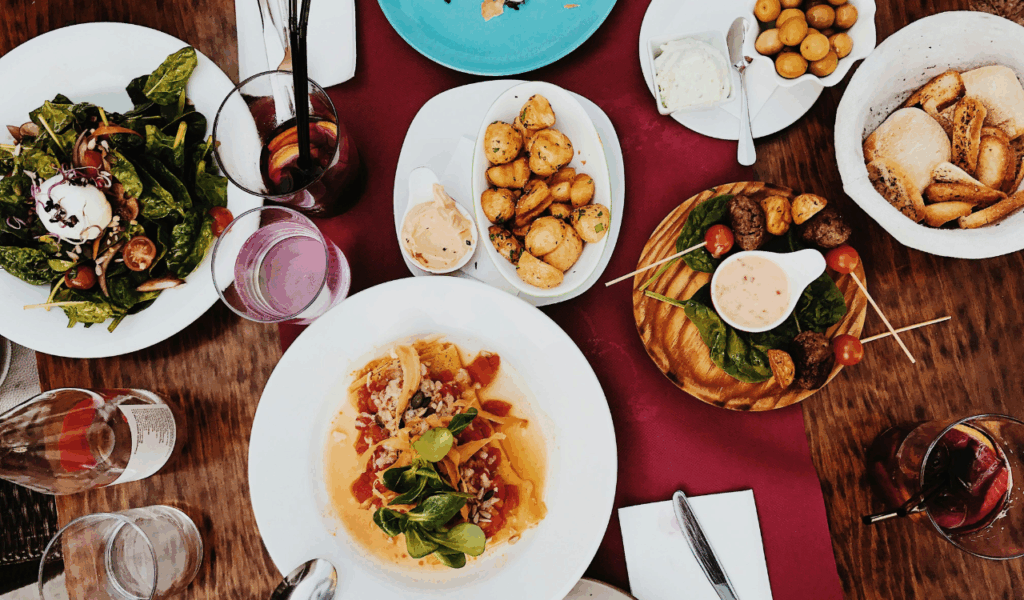
Thanksgiving specials at restaurants serving international cuisine have the added challenge of keeping up with the rising cost of imported items, exotic spices, and sauces. The difficulties in transporting these commodities around the world might lead to even steeper price hikes. As a cost-cutting measure, several eateries combine their own dishes with traditional holiday fare. Reservations fill up faster as the holiday season approaches because their inventive menu items appeal to diners seeking something new.
9. Fine Dining Tasting Menu Restaurants
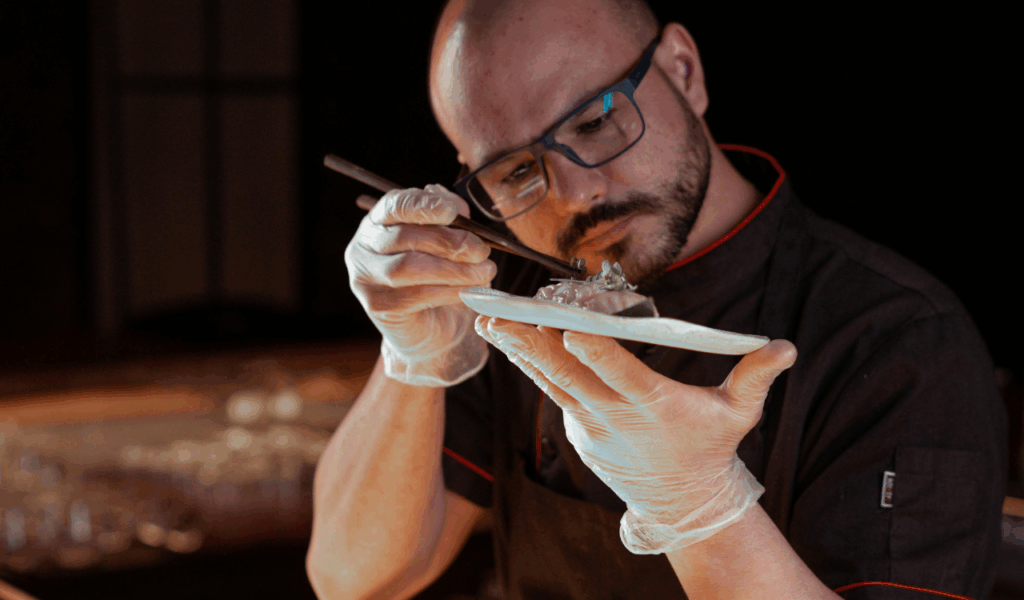
The reliance on premium, high-quality ingredients in fine dining establishments’ meals makes them especially vulnerable to inflation. This is especially true for tasting menus. Menu prices are quite sensitive to changes in the cost of ingredients including fresh vegetables, meat, seafood, and specialty goods. Some restaurants hike rates or cut back on Thanksgiving dishes to keep standards high. They are highly sought after for special occasions due to its small capacity and carefully selected menu, so booking a table weeks in advance is usually the only option.
10. Takeout Focused Restaurants with Thanksgiving Meal Packages
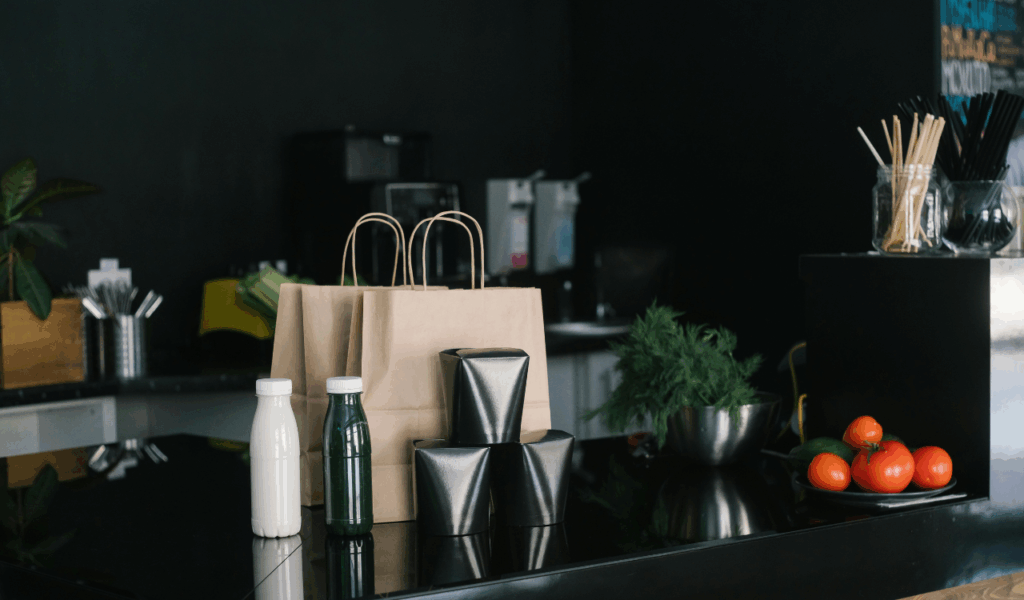
Inflation also poses problems for restaurants that focus on takeout, particularly for the goods used in big family amounts. Price changes are necessary because of the impact of rising costs associated with packaging, shipping, and labor. The demand for handy holiday meal kits can outstrip production capacity if more families opt for them. As a result, popular foods become unavailable and order cutoffs occur at an earlier time. These takeout joints are so popular that they sell out before the restaurants even open for dinner.