
11 Lifestyles That Pretend to Be Healthy While Quietly Burning People Out

A lot of modern wellness culture promotes balanced, disciplined, and beneficial habits. These peaceful ways of living drain energy, harm mental health, and put persistent pressure on “health” right. They don’t promote long-term health; instead, they make daily living a rigid schedule that leaves little room for rest, flexibility, or fun. Working too much doesn’t always cause burnout. It can also come from productive, focused, or clean practices that require self-control. Eleven common lifestyles that are supposed to be healthy really leave people exhausted, guilty, and emotionally exhausted. Knowing these biases helps you make healthier, longer-lasting decisions.
1. The Always-Optimized Morning Routine Lifestyle

Getting up before the sun rises, writing in a notebook, working out, meditating, and making plans for the day all sound like good ways to get things done, but this way of living may make mornings feel like high-pressure performances. If you have to make every morning “perfect,” missing a step can make you feel like you’ve failed before the day even starts. To keep waking up early, people often give up sleep quality, which hurts their focus, mood, and immune system. Over time, the habit becomes more about goal-setting than self-care. People are stressed and afraid, not anchored. A good morning should offer you vitality, not discipline at the sacrifice of rest, flexibility, and human rhythms.
2. Clean Eating Taken to Extremes

Eating healthy foods is good, but being too strict about what you eat can be mentally draining and make you feel alone. When meals are branded as either good or harmful, eating becomes a moral choice instead of just getting food. After typical meals, people may feel guilty, stay away from shared meals, or spend too much time planning and worrying over ingredients. Being on guard all the time raises stress hormones and makes meals less enjoyable. Nutrition science advocates for balance rather than perfection. Even if it looks disciplined from the outside, a diet that makes you anxious, rigid, and afraid of eating is bad for your mental health and long-term physical health.
3. The Hustle Culture Fitness Identity

Making exercise a part of your identity can help you stick with it, but when workouts become a must-do proof of dedication, you will get burned out. This way of living puts a lot of emphasis on working out hard every day and pushing through tiredness, often ignoring signs of recuperation like stiffness, poor sleep, or low energy. Overtraining raises the danger of being hurt, messes with hormones, and makes the immune system less effective. Days off may feel like failure instead of necessary maintenance. Exercise should enhance life, not replace it. Sustainable fitness is taking breaks, trying new things, and having fun, not always attempting to improve at the expense of physical and mental recovery.
4. Productivity as Self-Worth

People appreciate the idea that productivity is the same as value, yet it can be very tiring. This way of living pushes people to always make the most of their time, do more than one thing at a time, and judge their days by how much they get done instead of how they feel. Rest makes you feel guilty, and breaks feel like they aren’t deserved. Chronic mental load boosts stress levels, makes it harder to focus, and makes you more likely to burn out. Studies repeatedly demonstrate that cognitive performance deteriorates in the absence of sufficient rest periods. A healthy existence includes downtime. When production replaces self-worth, people can’t slack down without feeling guilty. A cycle of weariness that seems like ambition results.
5. Mindfulness Without Boundaries
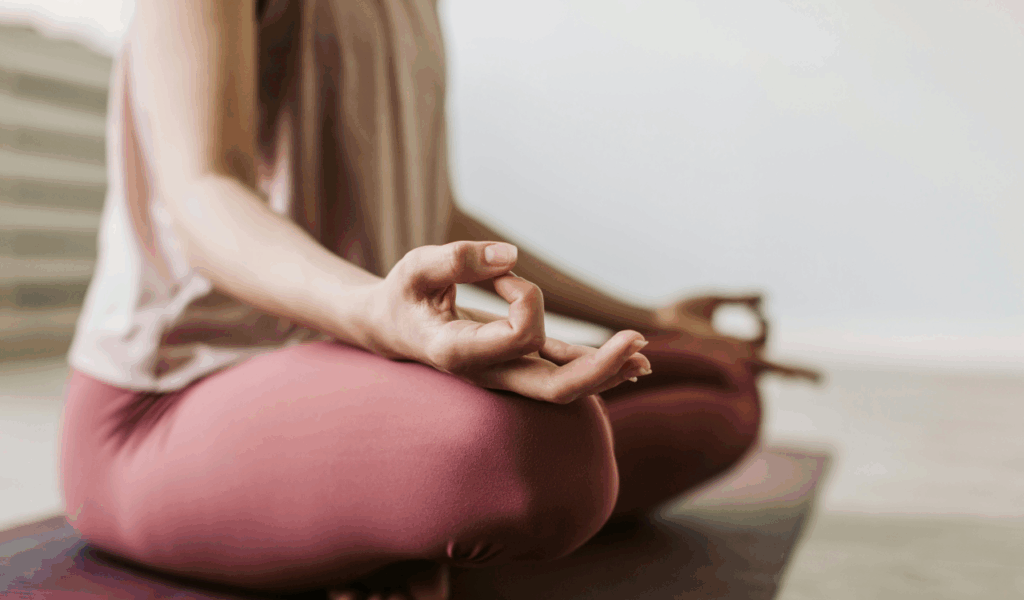
Mindfulness practices are helpful, but they can be damaging if they are used to put up with bad conditions instead of changing them. This way of living emphasizes constant acceptance, even when it’s necessary to set limits. Instead of dealing with their workload, relationships, or unfair expectations, people may meditate through burnout. When discomfort is seen as something to breathe through instead than something to fix, it can lead to emotional suppression. Real mindfulness means being aware and doing something, not just putting up with things. When calm is required, stress is kept inside instead being dealt with, which leads to emotional weariness that harms mental health without anybody noticing.
6. The Minimalist Perfection Trap

Minimalism promises calm and clarity, yet being too minimalist might make you feel like you have to always be in charge. Every time you buy something, it becomes a hard choice, and you may feel like you can’t express yourself. The lifestyle doesn’t lower stress; it adds additional restrictions and makes you judge yourself. Instead of being places to live, homes become showrooms. Balance, not lack, gives you psychological comfort. A healthy environment makes things easy and functional, not always judging. When simplicity becomes another way to measure discipline, it takes away mental energy instead of giving it back.
7. The Self-Improvement Addiction

It seems good to always want to get better, but always repairing things makes you think you’re not good enough. Podcasts, classes, trackers, and regular review are all parts of this way of life. Growth stops being something you’re interested in and becomes something you have to do. If you don’t take breaks, reflection can develop into self-criticism. Self-acceptance is the best way to help yourself grow. When the desire to improve takes the place of being happy, burnout happens. A healthy way of life includes times for maintenance, fun, and rest. It understands that growth doesn’t need constant pressure or being unhappy with who you are right now.
8. Work-Life Balance That Lives Online

Curated balance on social media typically covers grueling hours and mental stress. This way of life encourages routines that are pleasing to the eye, tranquil images, and organized work, but it ignores work that isn’t visible. When you compare real life to polished portrayals, you feel like you have to balance your life instead of just living it. Even when people do their best, they may still feel that they aren’t good enough. Comparing yourself to others online makes you more stressed and reduces your self-esteem. Everyone’s idea of true balance is different, and it varies with time. When balance becomes something to show off instead of something to feel, it quietly leads to burnout instead of stopping it.
9. Hyper-Scheduled Wellness

Making a plan for every part of self-care can take away its healing power. This way of living involves very organized workouts, meals, hobbies, and times to unwind. Some people do better with organization, but too much scheduling makes rest just another thing to do well. When plans alter, spontaneity goes away and guilt sets in. Autonomy and flexibility are good for your mental health. Wellness should not add to stress; it should help relieve it. When you feel as though your care routines are fixed in stone and must be completed, they no longer provide you with the energy you need and instead cause you to become psychologically exhausted.
10. The Always-Available Professional

People value being dependable and responsive, yet always being available makes recovery time shorter. This way of living makes it commonplace to check messages while you’re resting, answer them late at night, and stay mentally engaged to work. Being always vigilant keeps stress hormones high, which makes it hard to sleep and control your emotions. To keep doing well over time, you need to set limits. Real professionalism means keeping downtime safe. People stay in a low-level state of stress that slowly leads to burnout, even when their duties seem doable on paper, if there is no obvious distinction.
11. The Positive-Only Mindset
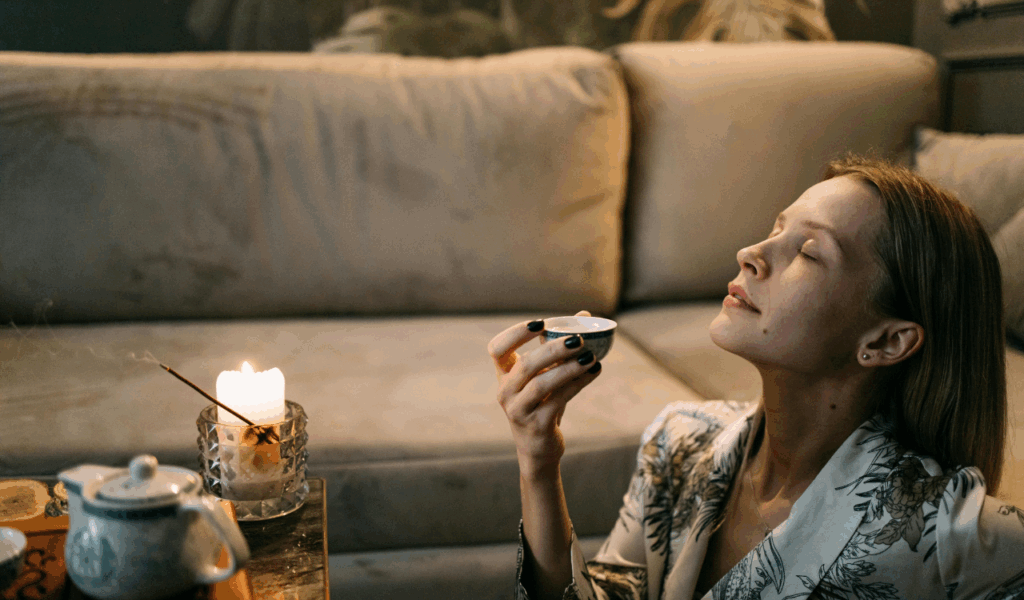
It’s good to focus on the positive, but it’s bad to ignore negative feelings. This way of living makes it hard to show anger, grief, or doubt because these are seen as flaws. Suppressing your emotions makes you more stressed and less able to bounce back. A healthy mind lets you feel all kinds of emotions. Working through hard feelings helps you learn how to deal with them. People feel alone and misunderstood when they have to be positive all the time. Being truly well means being honest, not always being positive. Ignoring how you feel doesn’t get rid of stress; it hides it, which can lead to burnout over time.